
7-10 Day India Travel Itinerary: 5 Best Routes & Travel Plans
India’s vast diversity—spanning 3.3 million square kilometers and encompassing 28 states—makes planning your first visit simultaneously exciting and overwhelming. With ancient temples, majestic forts, spiritual cities, tropical beaches, Himalayan mountains, bustling markets, and rich cultural traditions concentrated across the subcontinent, deciding where to go in India requires strategic planning. A well-crafted India travel itinerary maximizes your limited time while ensuring you experience the country’s most compelling attractions without the exhaustion of overambitious scheduling.
This comprehensive guide presents five distinct 7-10 day India travel itinerary options covering different regions and themes. Whether you’re drawn to the architectural grandeur of the Golden Triangle, the desert palaces of Rajasthan, the tropical backwaters of Kerala, the spiritual intensity of Varanasi, or the Himalayan beauty of the north, these carefully planned routes connect the best places to visit in India into cohesive journeys that balance sightseeing, cultural immersion, and practical logistics. Each India travel itinerary includes recommended duration, daily highlights, transportation notes, and tips for maximizing your experience.
Itinerary 1: Classic Golden Triangle (7 Days)
The Golden Triangle remains India’s most famous route, connecting three iconic cities—Delhi, Agra, and Jaipur—into a week-long introduction to North Indian heritage. This India itinerary suits first-time visitors seeking maximum impact in minimum time, combining Mughal monuments, Rajput palaces, and vibrant bazaars into a manageable circuit covering approximately 720 kilometers. The Golden Triangle showcases some of the tourist places in India most recognized globally while providing accessible infrastructure perfect for India beginners.
Days 1-2: Delhi – Capital of Contrasts
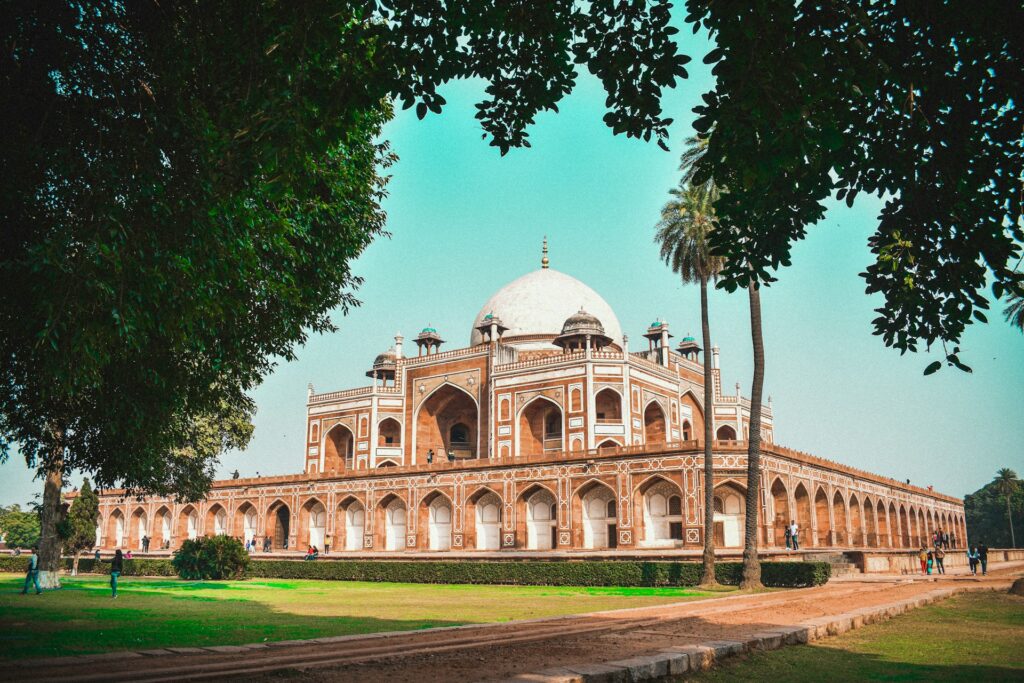
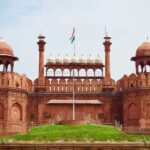
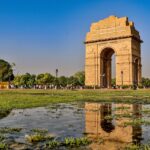
Begin your India travel itinerary in Delhi, India’s sprawling capital blending 5,000 years of history with modern metropolitan energy. Day 1 focuses on Old Delhi’s medieval chaos—explore Jama Masjid (India’s largest mosque), take a cycle rickshaw through the narrow lanes of Chandni Chowk’s spice markets, and visit the imposing Red Fort. Day 2 shifts to New Delhi’s more spacious colonial architecture including India Gate, Humayun’s Tomb (a UNESCO World Heritage site and precursor to the Taj Mahal), and Qutub Minar, the world’s tallest brick minaret standing 73 meters high.
Day 3: Delhi to Agra (230km, 3-4 hours)
Travel to Agra via private car or train. After checking in, visit the massive Agra Fort, a UNESCO site featuring stunning red sandstone architecture and marble inlay work. Walk the fort’s ramparts for views across the Yamuna River toward the Taj Mahal. Evening options include exploring local markets or taking a sunset walk along the river behind the Taj for silhouette photography.
Day 4: Agra (Taj Mahal) to Jaipur (240km, 5 hours)
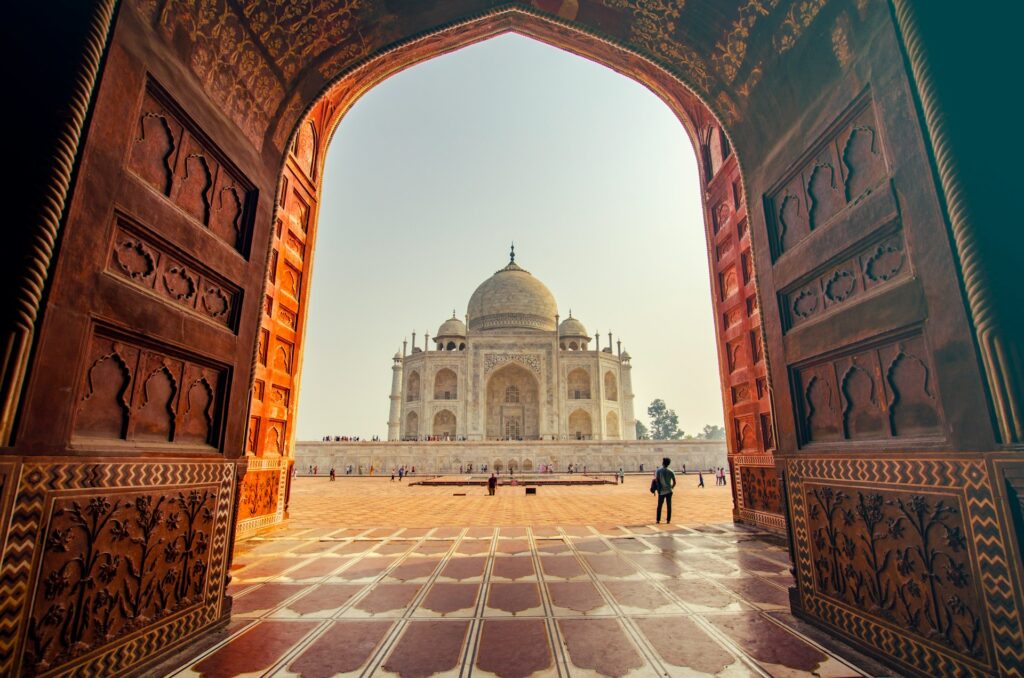
Wake early (5:30 AM) to witness sunrise at the Taj Mahal, one of humanity’s most perfect architectural achievements and undoubtedly one of the best places to visit in India. Spending 2-3 hours here allows you to appreciate the monument’s intricate marble inlay work, symmetrical gardens, and changing appearance as morning light shifts. Depart for Jaipur, stopping en route at Fatehpur Sikri, Emperor Akbar’s abandoned red sandstone capital that ranks among India’s most remarkable tourist places in India. Arrive in Jaipur by evening.
Days 5-6: Jaipur – The Pink City
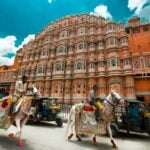
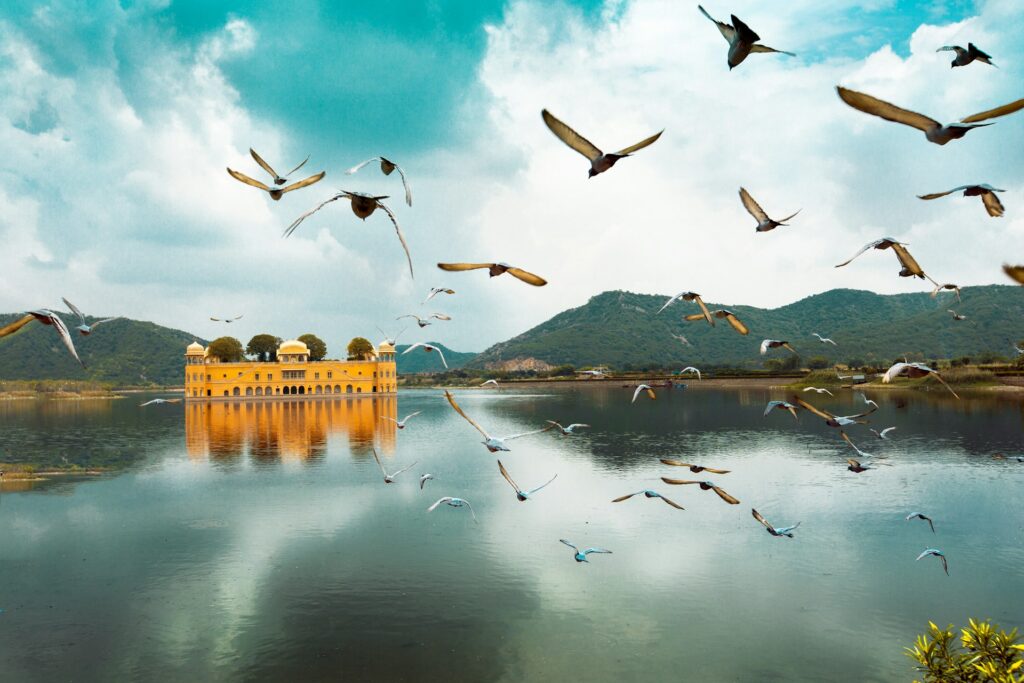
Dedicate two full days to Jaipur, Rajasthan’s capital known as the Pink City for its terracotta-colored buildings. Day 5 takes you to Amber Fort, located 11 kilometers outside the city—this hillside palace complex features the stunning Sheesh Mahal (mirror palace) and offers elephant rides (though walking is recommended for ethical reasons). Afternoon visits include the City Palace (still home to Jaipur’s royal family), Jantar Mantar (a fascinating 18th-century astronomical observatory), and the iconic Hawa Mahal (Palace of Winds) with its distinctive honeycomb facade.
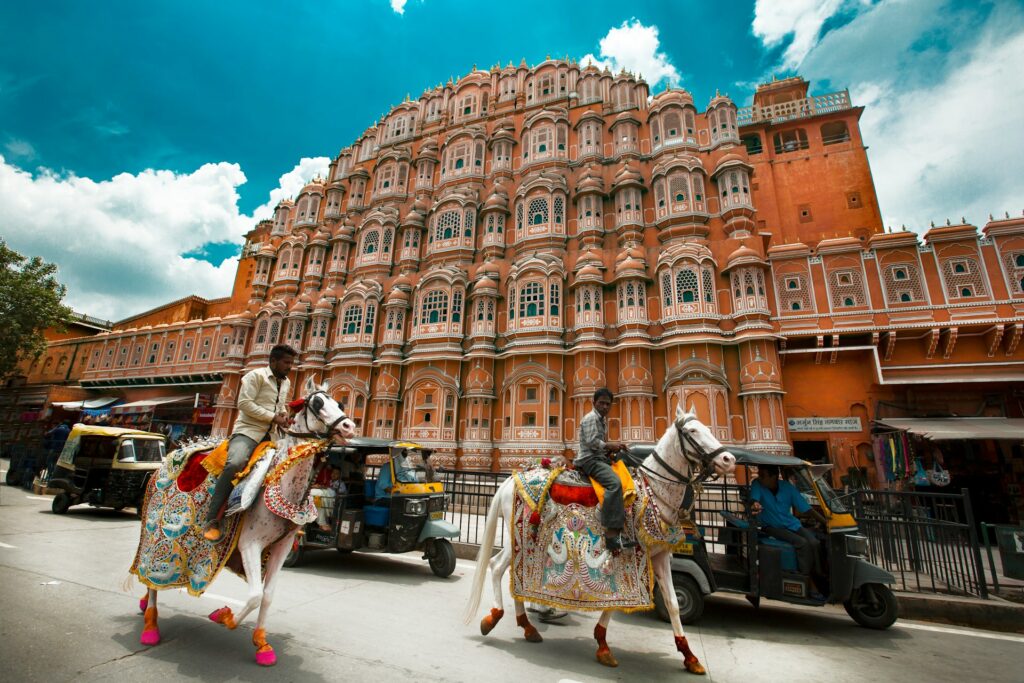
Day 6 allows deeper Jaipur exploration—wander the vibrant bazaars specializing in textiles, jewelry, and handicrafts, visit the impressive Nahargarh Fort for sunset views over the city, or take a cooking class to learn Rajasthani cuisine techniques. This India travel itinerary pace ensures you experience Jaipur’s culture beyond major monuments.
Day 7: Jaipur to Delhi (280km, 5-6 hours) and Departure
Return to Delhi for evening flights, or extend your India itinerary with additional days exploring Delhi’s museums, markets, or nearby destinations like Agra’s lesser-known Itmad-ud-Daulah (Baby Taj).
Itinerary 2: Extended Golden Triangle with Varanasi (10 Days)
This expanded India travel itinerary adds India’s spiritual heartland to the classic Golden Triangle, incorporating Varanasi—the world’s oldest continually inhabited city and Hinduism’s holiest pilgrimage site. The addition transforms a cultural tour into a profound spiritual experience, adding depth and diversity to your exploration of places to visit in India.
Days 1-6: Golden Triangle (As Above)
Follow the 7-day Golden Triangle India itinerary outlined above, covering Delhi (2 days), Agra (1 day), and Jaipur (2 days), with Day 6 returning to Delhi.
Day 7: Delhi to Varanasi (Flight or Overnight Train)
Fly to Varanasi (1.5 hours) or take the overnight Mahakal Express train for an authentic Indian rail experience. Arrive by afternoon, check in, and rest before evening’s Ganga Aarti ceremony at Dashashwamedh Ghat—a spectacular ritual involving priests, fire, bells, and thousands of devotees that ranks among the most mesmerizing experiences among all tourist places in India.
Days 8-9: Varanasi – Spiritual Intensity
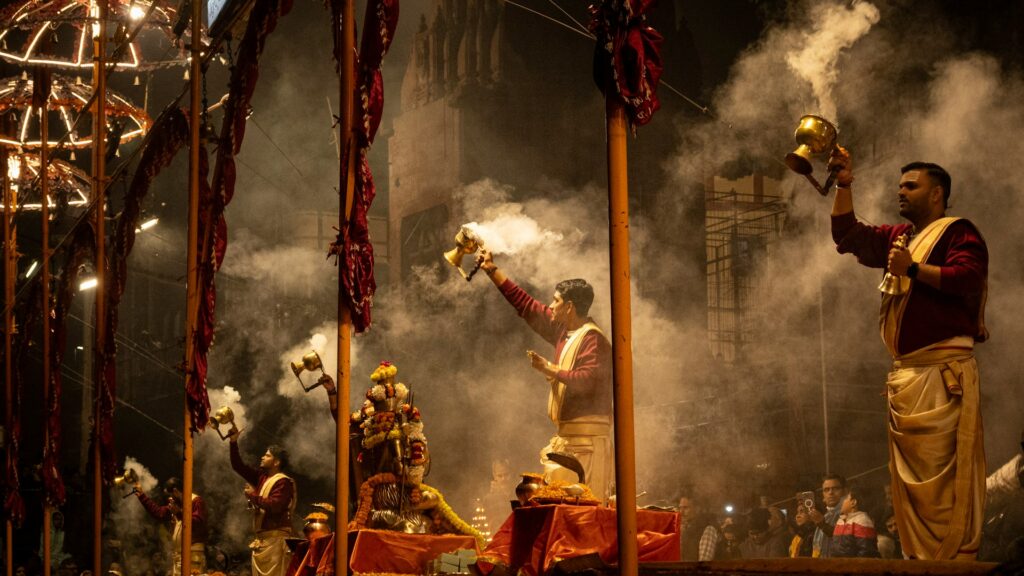
Day 8 begins before dawn with a sunrise boat ride on the Ganges River, witnessing pilgrims bathing, performing rituals, and cremation ceremonies at the burning ghats—a profound encounter with Hindu beliefs about death and rebirth. After breakfast, explore the labyrinthine old city lanes, visit Kashi Vishwanath Temple (one of Hinduism’s twelve Jyotirlingas), and take an afternoon excursion to Sarnath (10 kilometers away), where Buddha delivered his first sermon after enlightenment.
Day 9 offers flexibility for deeper Varanasi immersion—attend morning yoga classes, take silk weaving workshops, explore more distant ghats by bicycle, or simply absorb the city’s overwhelming sensory intensity. This extended India itinerary allows the profound Varanasi experience to fully register without feeling rushed.
Day 10: Varanasi to Delhi and Departure
Morning flight back to Delhi for international connections, or extend further into Khajuraho (temple sculptures) or Nepal.
Itinerary 3: Rajasthan Heritage Circuit (10 Days)
For travelers prioritizing architectural grandeur and desert landscapes, this Rajasthan-focused India itinerary explores the state’s most magnificent cities beyond just Jaipur, adding Jodhpur and Udaipur to create a more comprehensive Rajasthani experience. This route showcases why Rajasthan consistently ranks among the best places to visit in India for history and culture enthusiasts.
Days 1-2: Delhi
Begin with two days exploring Delhi as outlined in Itinerary 1, covering both Old and New Delhi’s major attractions.
Day 3: Delhi to Jaipur (280km, 5-6 hours)
Drive or take the Shatabdi Express train to Jaipur. Afternoon arrival allows evening exploration of local markets or visiting Albert Hall Museum.
Days 4-5: Jaipur
Two full days exploring Jaipur following Day 5-6 outline from Itinerary 1, including Amber Fort, City Palace, Hawa Mahal, and bazaar shopping.
Days 6-7: Jodhpur – The Blue City
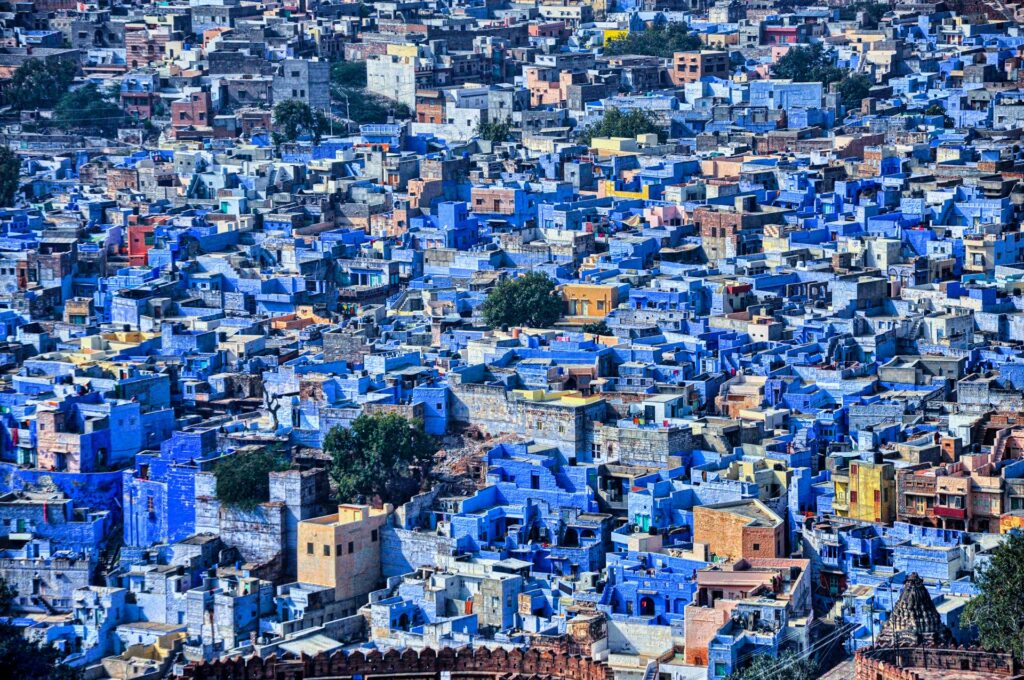
Travel to Jodhpur (340km, 6 hours drive). Day 6 afternoon explores the magnificent Mehrangarh Fort, one of India’s most impressive fortresses rising 122 meters above the city, containing palaces with intricate lattice windows and museum collections. Day 7 visits Jaswant Thada (the royal cremation ground featuring white marble cenotaphs), Clock Tower and Sardar Market for shopping, and optional jeep safaris to nearby Bishnoi villages to witness traditional Rajasthani rural life. This India travel itinerary section reveals authentic Rajasthani culture beyond tourist circuits.
Days 8-9: Udaipur – The City of Lakes
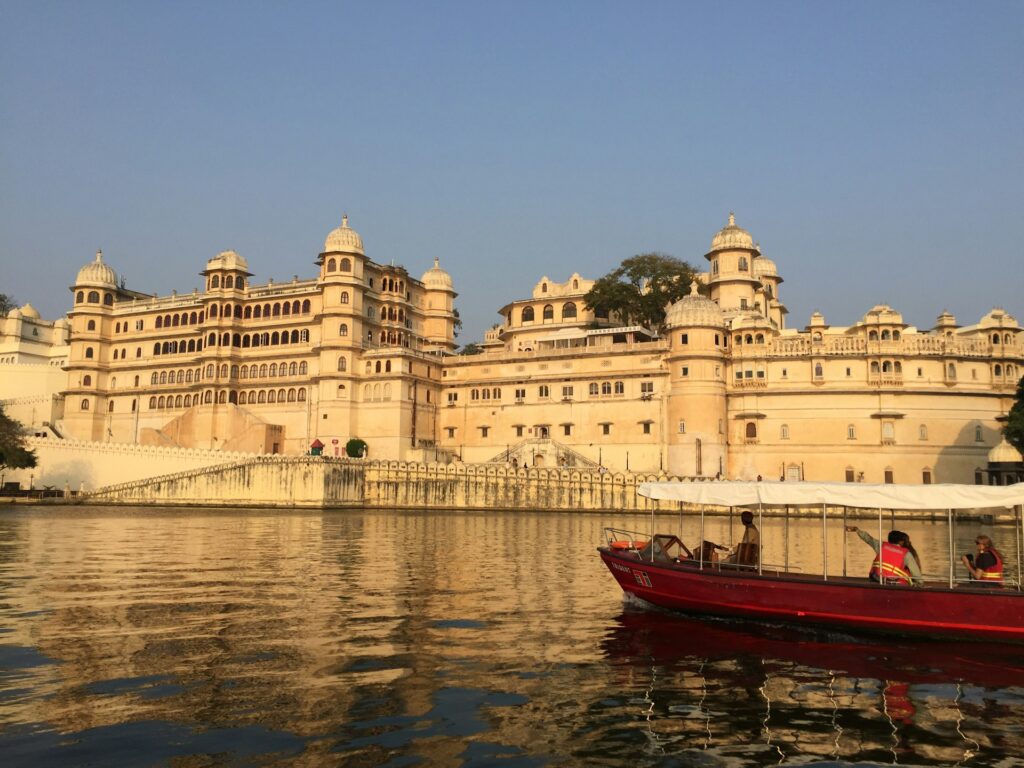
Drive to Udaipur (260km, 5-6 hours), stopping at Ranakpur’s exquisite Jain temples en route. Day 8 afternoon and Day 9 explore Udaipur’s romantic lakeside setting—visit City Palace complex overlooking Lake Pichola, take sunset boat rides, explore Saheliyon-ki-Bari gardens, and enjoy rooftop restaurant dining with lake and palace views. Often called “the Venice of the East,” Udaipur provides a relaxing conclusion to this India itinerary after the intensity of previous days.
Day 10: Udaipur to Delhi (Flight) and Departure
Morning flight to Delhi for international connections. This comprehensive Rajasthan travel itinerary covers the state’s three most spectacular cities while maintaining reasonable pacing.
Itinerary 4: Kerala Backwaters and Beaches (8 Days)
For travelers seeking tropical India rather than desert palaces, this South India travel itinerary focuses on Kerala—the lush, coastal state known for coconut palm-fringed backwaters, spice plantations, tea estates, and pristine beaches. This route offers completely different experiences from North India circuits, showcasing the diversity of where to go in India beyond the famous Golden Triangle.
Day 1-2: Kochi (Cochin) – Colonial Trading Port
Fly directly to Kochi (Cochin) on Kerala’s coast. Day 1 explores Fort Kochi’s colonial heritage including St. Francis Church (India’s oldest European church), Dutch Palace with Ramayana murals, Jewish Synagogue in Jew Town, and the iconic Chinese fishing nets lining the harbor. Day 2 includes a Kathakali dance performance (traditional Kerala art form) and relaxed wandering through Fort Kochi’s art galleries, cafes, and spice shops.
Days 3-4: Munnar – Hill Station Tea Country
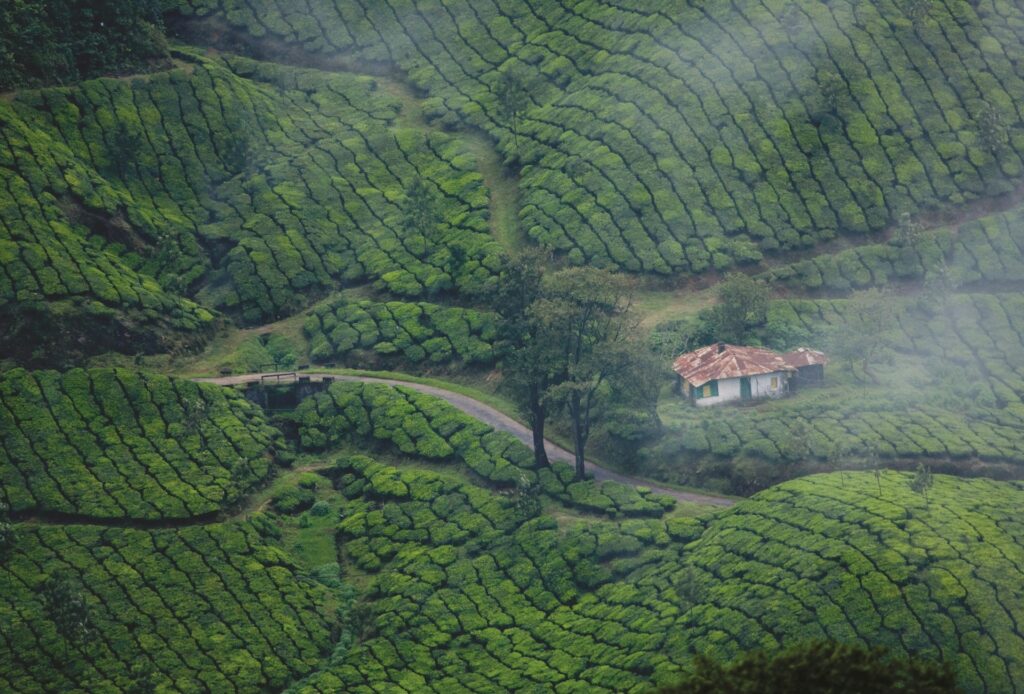
Drive to Munnar (130km, 4 hours) through increasingly mountainous terrain. Located 1,600 meters above sea level, Munnar’s cool climate and endless tea plantations provide refreshing contrast to coastal humidity. Day 3 visits tea factories explaining processing techniques, Eravikulam National Park (home to endangered Nilgiri Tahr mountain goats), and viewpoints like Top Station offering panoramic Western Ghats vistas. Day 4 offers optional trekking through tea estates or visiting spice plantations. This section of the India itinerary provides peaceful nature immersion.
Day 5: Thekkady – Wildlife and Spice Plantations
Drive to Thekkady (110km, 3 hours) for afternoon boat cruise on Periyar Lake within Periyar Wildlife Sanctuary, offering possible sightings of elephants, wild boar, deer, and numerous bird species along the lakeshore. Evening spice plantation tours demonstrate cardamom, pepper, vanilla, and cinnamon cultivation.
Day 6: Alleppey (Alappuzha) – Houseboat Experience
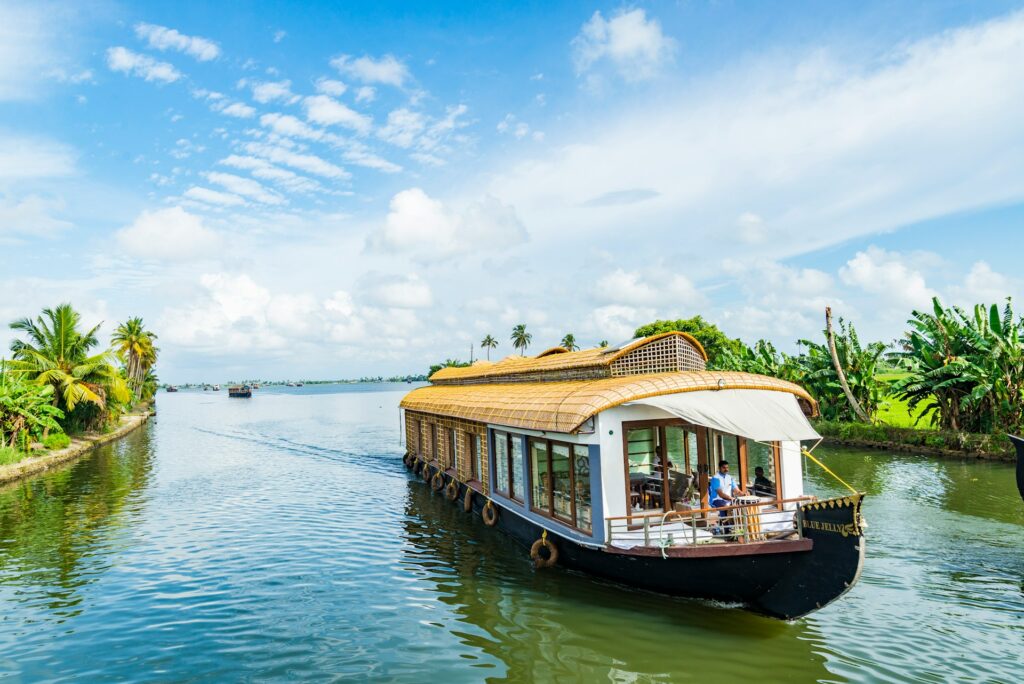
Travel to Alleppey (140km, 4 hours), the heart of Kerala’s famous backwaters. Board a traditional kettuvallam (houseboat) for an overnight cruise through narrow canals, vast Vembanad Lake, and village-lined waterways. Watch village life unfold along the banks—children swimming, women washing clothes, fishermen casting nets—while enjoying freshly prepared Kerala meals onboard. This houseboat experience consistently ranks among the most unique tourist places in India and defines this India itinerary’s highlight.
Days 7-8: Kovalam Beach – Tropical Relaxation
After disembarking from the houseboat, drive to Kovalam Beach near Trivandrum (160km, 4 hours). Spend two days relaxing on Kerala’s most famous beach, enjoying Ayurvedic spa treatments, swimming in the Arabian Sea, and savoring fresh seafood in beachfront restaurants. Day 8 evening fly from Trivandrum for onward connections.
Itinerary 5: North India Himalayan Adventure (10 Days)
This India travel itinerary combines the Golden Triangle with Himalayan beauty, adding Rishikesh and either Shimla or Dharamshala to experience India’s mountain regions. Perfect for travelers seeking nature, spirituality, and adventure alongside historical monuments, this route reveals the geographic diversity of best places to visit in India.
Days 1-2: Delhi
Standard Delhi exploration covering Old and New Delhi highlights as outlined in previous itineraries.
Days 3-4: Agra
Travel to Agra, visit Taj Mahal at sunrise, explore Agra Fort, and optionally visit Fatehpur Sikri. Day 4 afternoon travel to Jaipur or directly toward Rishikesh depending on time management.
Day 5: Jaipur (Optional) or Travel Day
Either squeeze in abbreviated Jaipur visit (Amber Fort and City Palace only) or use as travel day toward Himalayas.
Days 6-7: Rishikesh – Yoga Capital
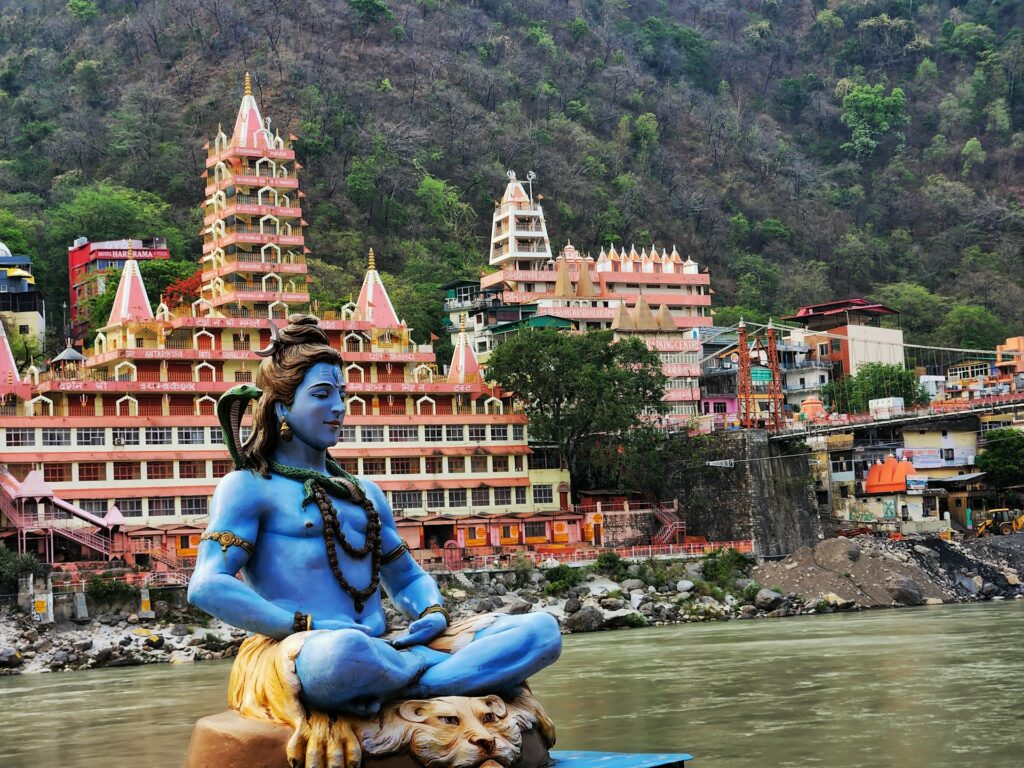
Travel to Rishikesh (240km from Delhi, 5-6 hours), the spiritual town nestled in Himalayan foothills where the Ganges River emerges from mountains. Day 6 explores both sides of the Ganges via footbridges, visits ashrams and temples, and attends evening Ganga Aarti ceremony at Triveni Ghat. Day 7 offers morning yoga classes, optional white-water rafting on the Ganges, Beatles Ashram visit (where the band stayed in 1968), or trekking to nearby waterfalls. Rishikesh provides spiritual immersion different from Varanasi’s intensity, making this India itinerary section particularly appealing for wellness-focused travelers.
Days 8-9: Shimla or Dharamshala
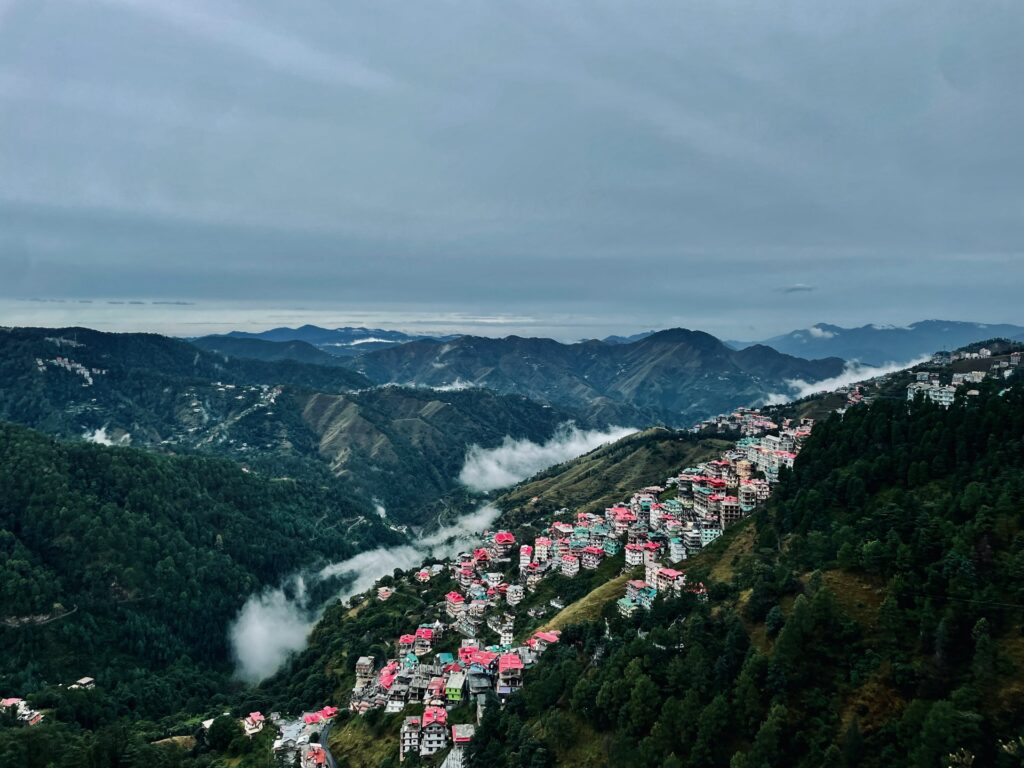
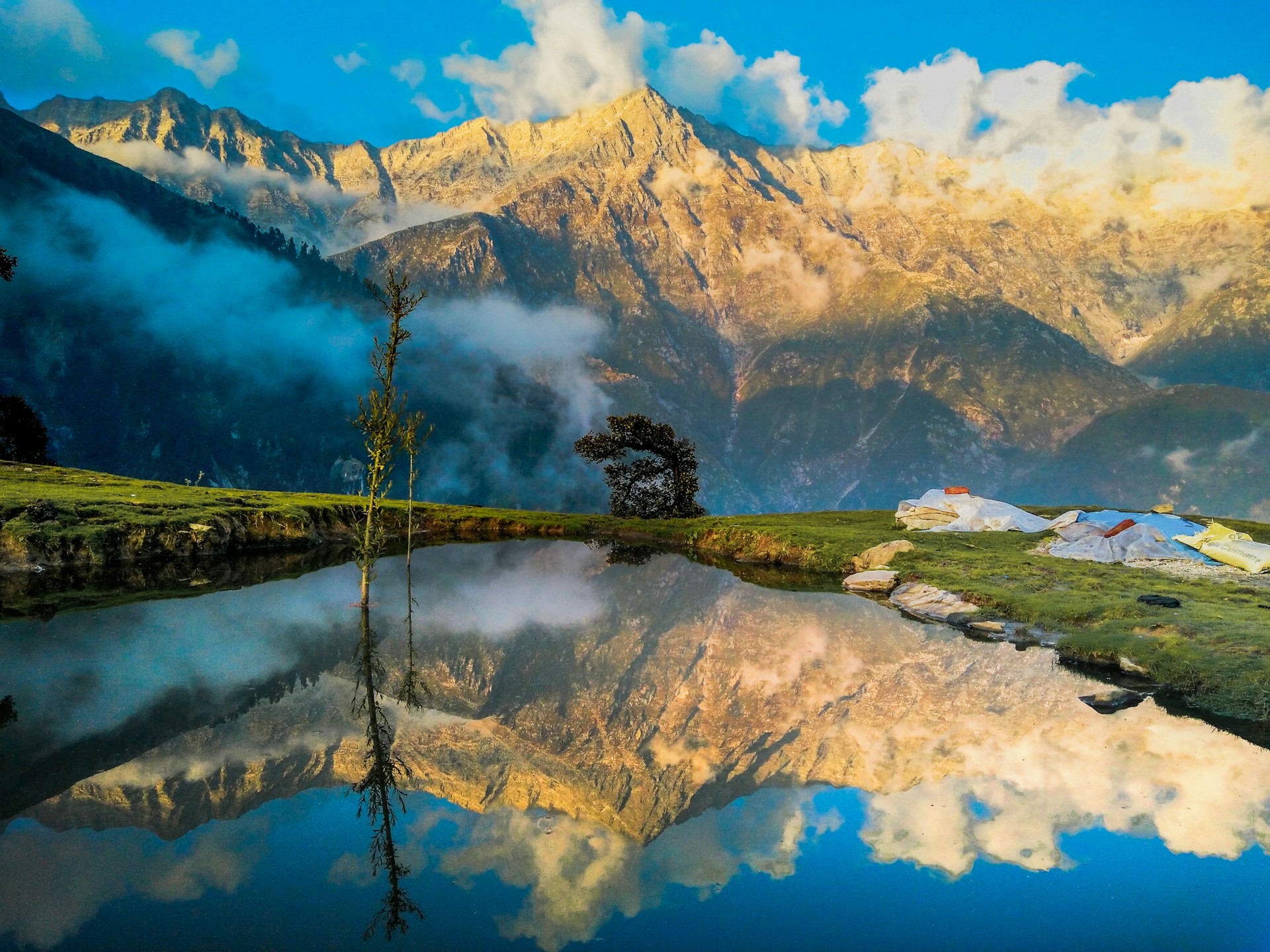
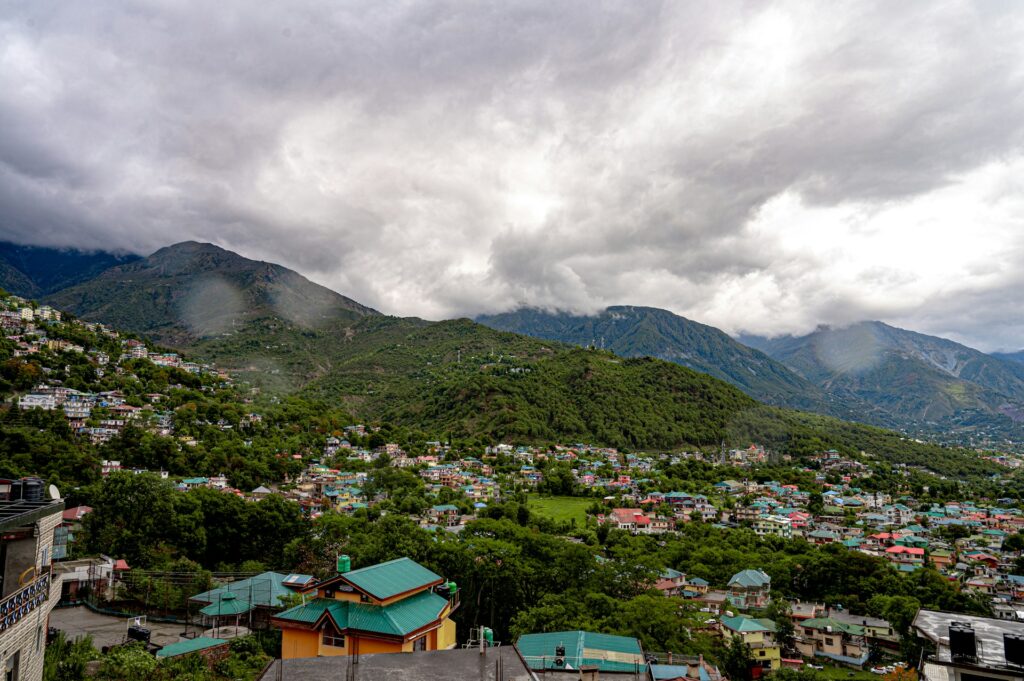
Choose between two Himalayan hill stations: Shimla (former British summer capital, 350km from Rishikesh, 8 hours) offers colonial architecture, toy train rides, and panoramic mountain views. Alternatively, Dharamshala (home to Dalai Lama and Tibetan government-in-exile, 320km, 8 hours) provides Tibetan Buddhist culture, monasteries, and trekking opportunities. Either destination adds mountain scenery and cooler temperatures to this diverse India itinerary.
Day 10: Return to Delhi and Departure
Long drive or flight back to Delhi for international connections. This India itinerary successfully combines cultural monuments with natural beauty and spiritual exploration.
Practical Tips for Your India Travel Itinerary
Transportation Between Cities
Every India itinerary requires efficient intercity transportation. Options include private car with driver (most comfortable and flexible, approximately ₹2,500-4,000/day or $30-50), trains (economical and authentic, book in advance via IRCTC or Cleartrip), and domestic flights (fastest for long distances, budget carriers include IndiGo and SpiceJet). Private cars work best for Golden Triangle and Rajasthan circuits where cities are 3-6 hours apart, while flights make sense for north-south connections like Delhi to Kochi.
Best Time to Visit
October through March provides optimal weather for most India travel itinerary routes, with comfortable temperatures (15-30°C/59-86°F), minimal rainfall, and clear skies perfect for sightseeing and photography. April-May becomes extremely hot across North India (40°C+/104°F+), while monsoon season (June-September) brings heavy rainfall that complicates travel though reduces tourist crowds dramatically. Kerala’s tropical climate remains relatively consistent year-round, making it suitable for summer escapes when North India swelters.
Accommodation Recommendations
Budget travelers find excellent hostels and guesthouses for ₹500-1,500/night ($6-18), mid-range hotels provide comfort and amenities for ₹2,000-5,000/night ($25-60), while luxury heritage hotels and palaces (particularly in Rajasthan) range ₹8,000-30,000+/night ($100-400+). Book accommodations in advance for popular places to visit in India during peak season (December-January), as the best properties fill quickly. Consider staying in heritage properties in Jaipur, Jodhpur, and Udaipur for authentic Rajasthani experiences that elevate your India itinerary beyond standard hotels.
Visa Requirements
Most nationalities require visas for India. The e-Visa system allows 30-day tourist visas obtained online (approximately $25-100 depending on nationality), typically processed within 2-4 business days. Apply at least one week before departure, though last-minute applications sometimes succeed. Indian visa regulations change periodically, so verify current requirements on India’s official Bureau of Immigration website before finalizing your India itinerary.
Conclusion: Choosing Your Perfect India Travel Itinerary
These five distinct India travel itinerary options demonstrate the country’s extraordinary diversity—from Mughal monuments and desert palaces to tropical backwaters and Himalayan foothills. First-time visitors typically gravitate toward the Classic Golden Triangle (Itinerary 1) for its manageable scope, excellent infrastructure, and concentration of world-famous monuments. Those with 10 days benefit from adding Varanasi (Itinerary 2) for spiritual depth or exploring more Rajasthan cities (Itinerary 3) for architectural immersion.
Travelers seeking alternatives to North India’s heritage circuits find refreshing contrasts in Kerala’s tropical landscapes (Itinerary 4), while adventure seekers appreciate combining monuments with mountains (Itinerary 5). Regardless of which India itinerary you choose, remember that India rewards slow, immersive travel over frantic monument-chasing. The most memorable experiences often occur between planned activities—chai conversations with shopkeepers, unexpected festival encounters, spontaneous cricket matches, and those magical moments when India’s overwhelming chaos suddenly crystallizes into profound beauty.
The best places to visit in India extend far beyond these five itineraries—Goa’s beaches, Ladakh’s Buddhist monasteries, Hampi’s ancient ruins, Khajuraho’s temples, and dozens of other destinations beckon for future visits. These carefully planned routes simply provide structured starting points for discovering why India remains one of the world’s most fascinating, challenging, and ultimately rewarding travel destinations. Your first India itinerary will undoubtedly leave you planning your return before you’ve even departed.
Related Posts