
African Safari Animals: Your Ultimate Guide to Wildlife Wonders
An African safari is a bucket-list experience that brings you face to face with some of the most majestic creatures on Earth. From powerful predators to graceful grazers, the types of animals in Africa are as diverse as its landscapes. This ultimate guide to African safari animals will introduce you to the continent’s iconic wildlife—from the Big Five to lesser-known but equally fascinating species—and help you plan where and when to see them. Whether you’re exploring South African wildlife reserves or venturing into East Africa’s savannas, this guide is your gateway to an unforgettable journey.
The Big Five of Africa’s Safari
What Are the Big Five? Originally named by hunters for being the most difficult and dangerous animals to hunt on foot, the Big Five now symbolize Africa’s wildlife tourism. They include the lion, leopard, rhinoceros, elephant, and Cape buffalo.
Lion
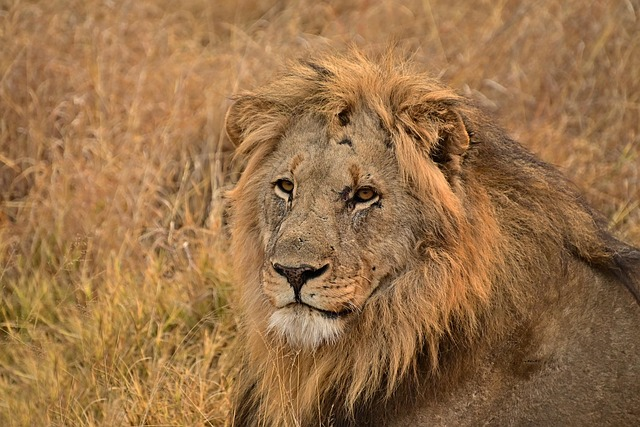
Known as the “King of the Jungle,” lions are among the most popular animals in Africa. Found in prides, these apex predators are most active at dawn and dusk, and you can spot them lounging under trees or stalking prey in national parks like Kruger and the Serengeti.
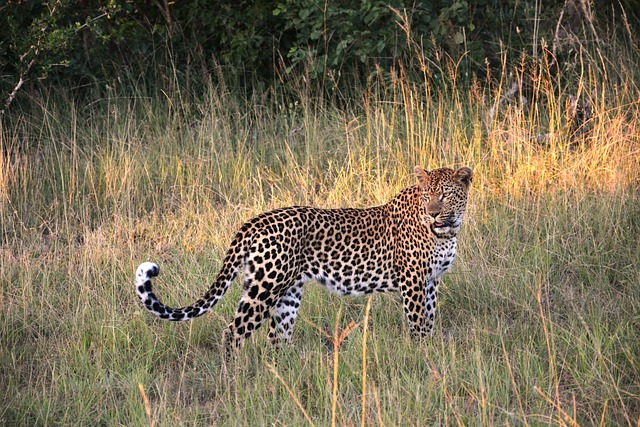
Leopard
Elusive and solitary, leopards are masters of camouflage. They often drag their kills up into trees to avoid scavengers. Night drives are your best chance to witness this stealthy hunter in action.
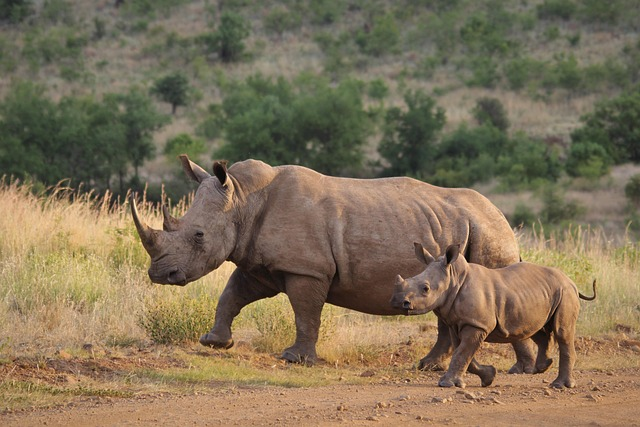
Rhinoceros
Both black and white rhinos roam Africa, though they are critically endangered. South Africa, especially private reserves, offers good opportunities to see these massive herbivores.
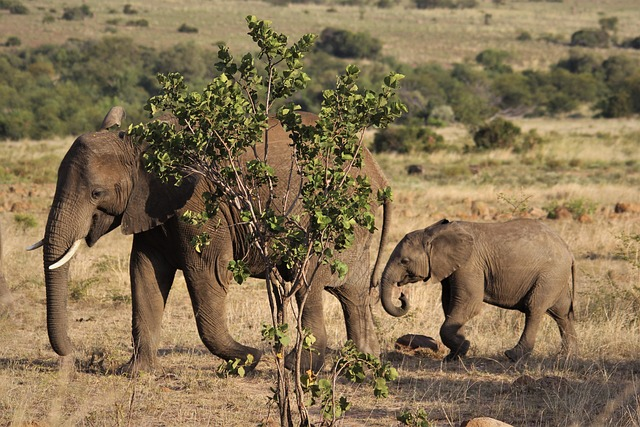
Elephant
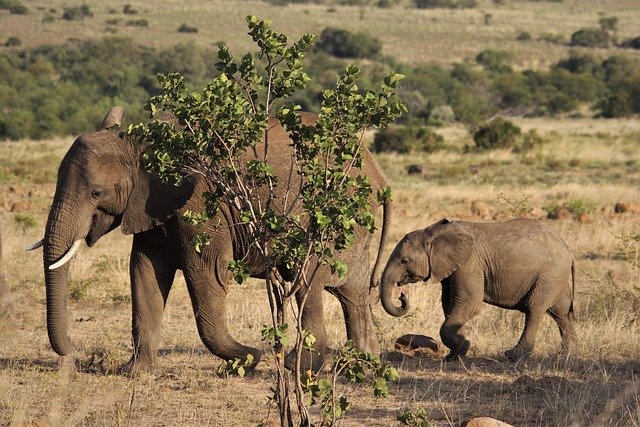
The African elephant is the world’s largest land animal. These gentle giants are known for their intelligence and complex social behavior. You’ll find them in large herds in places like Amboseli and Chobe National Parks.
Cape Buffalo
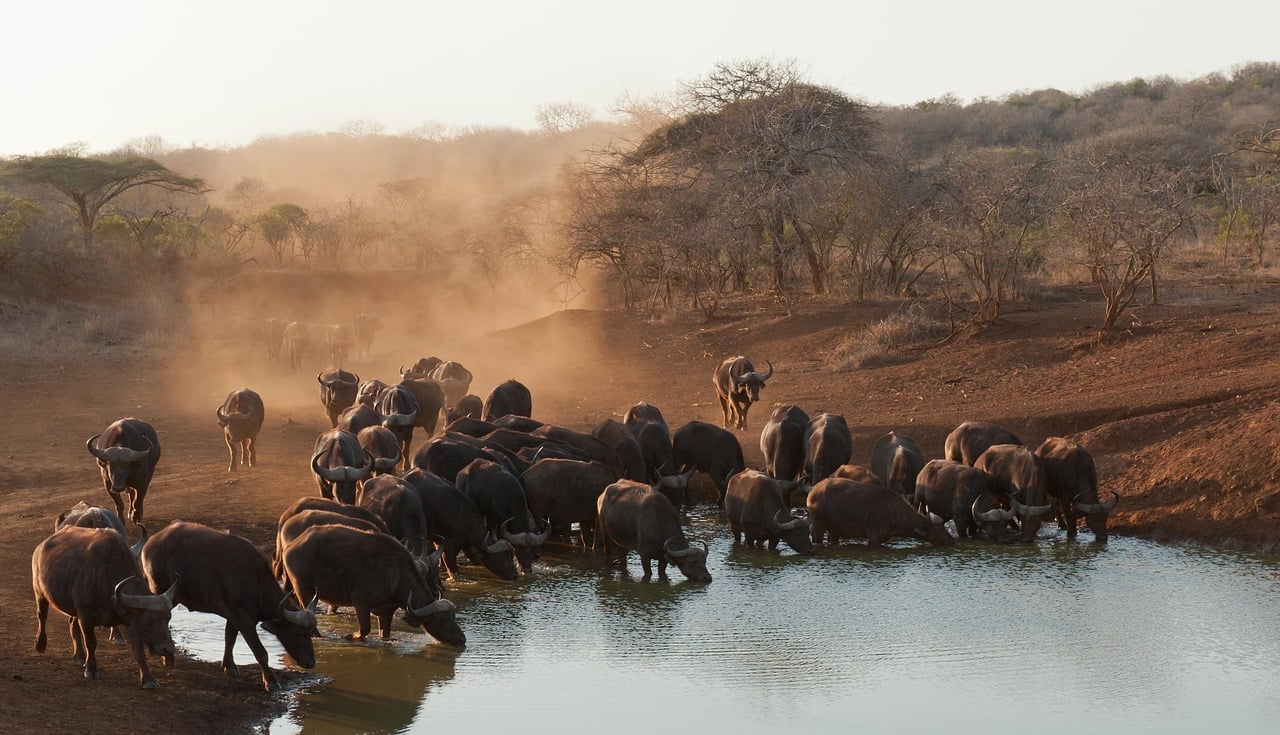
Don’t be fooled by their docile appearance—Cape buffalo are known for their unpredictable temperament and form large, tightly-knit herds that can number in the hundreds.
Other Iconic Safari Animals
Africa’s wildlife extends well beyond the Big Five. Here’s a look at other incredible species that define the African safari animals list.
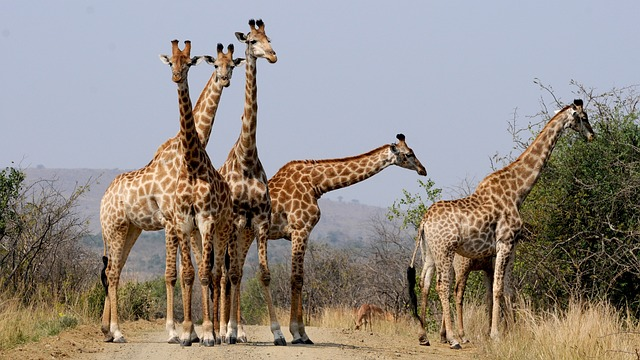
Giraffe
The tallest land animal on Earth, giraffes roam in loose groups across savannas and woodlands. Their spotted coats vary by species and help them blend into the landscape.
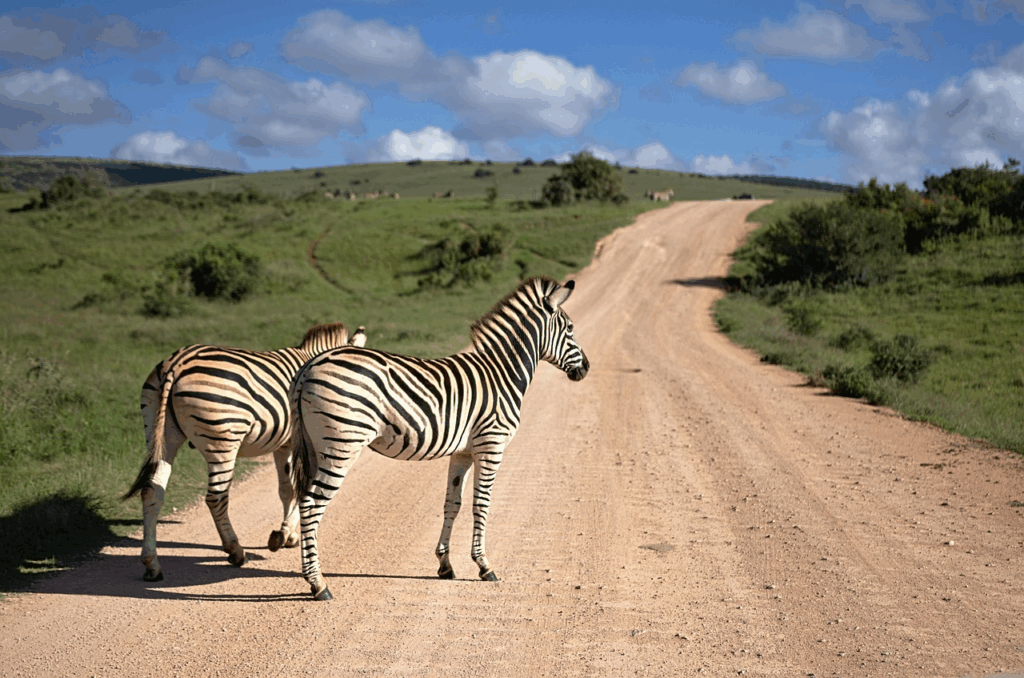
Zebra
Often found grazing alongside wildebeest, zebras are known for their distinct black-and-white stripes. Each zebra’s pattern is as unique as a fingerprint.
Hippopotamus
Spending most of their time submerged in rivers and lakes, hippos are surprisingly dangerous despite their hefty, slow appearance. Listen for their signature grunts during boat safaris.
Wildebeest
Famous for their role in the Great Migration, wildebeest move in large herds across the Serengeti and Maasai Mara in search of fresh grazing grounds.
Cheetah
Built for speed, cheetahs are the fastest land animals. Unlike other big cats, they hunt during the day and prefer open plains for high-speed chases.
African Wild Dog
Endangered and highly social, African wild dogs live in tight-knit packs and use cooperative strategies to hunt. Their mottled coats make them easy to identify.
Predators Beyond the Big Cats
Spotted Hyena
Often misunderstood, hyenas are skilled hunters with strong social hierarchies. Their eerie laughs echo across the plains during nighttime safaris.
Jackal
Smaller than hyenas but just as cunning, jackals are opportunistic feeders often seen scavenging or hunting small prey in pairs.
Serval
With long legs and large ears, servals are agile hunters of rodents and birds in grasslands. Spotting one is a rare but rewarding experience.
The Smaller Safari Stars
Meerkat
These curious little mammals live in colonies and are often seen standing upright to scan for predators. The Kalahari Desert is a hotspot for meerkat sightings.
Warthog
Recognizable by their tusks and facial “warts,” warthogs often trot with their tails pointed skyward. They’re commonly seen in open grasslands.
Honey Badger
Fierce and fearless, honey badgers are known to take on animals much larger than themselves. Though rare, spotting one is a highlight for many safari-goers.
Aardvark
Nocturnal and shy, aardvarks feed on ants and termites. You’ll need a bit of luck and a night drive to see one in the wild.
Birdlife and Other Wildlife
Ostrich
The world’s largest bird, ostriches are flightless and incredibly fast. They roam open plains and are often seen in small flocks.
Secretary Bird
This striking bird of prey uses its long legs to stomp on snakes and small mammals. Its dramatic crest makes it a favorite among birdwatchers.
Lilac-Breasted Roller
A photographer’s dream, this vibrantly colored bird is commonly seen perched on branches across Southern and East Africa.
African Fish Eagle
With a distinct call and powerful presence, this raptor is often seen swooping over lakes and rivers to snatch fish.
Flamingo
Large flocks of pink flamingos gather in soda lakes like Kenya’s Lake Nakuru, creating surreal, colorful landscapes.
Nile Crocodile
Often seen basking on riverbanks, Nile crocodiles are formidable predators and the largest reptiles in Africa.
Where to See African Safari Animals
Southern Africa
- Kruger National Park, South Africa – A top choice for the Big Five, birdlife, and more. Learn about private trips to South Africa.
- Chobe National Park, Botswana – Famous for elephant herds and river safaris.
- Etosha National Park, Namibia – Great for dry-season game viewing around waterholes.
East Africa
- Serengeti National Park, Tanzania – Home to the Great Migration and rich predator populations.
- Maasai Mara, Kenya – A must for big cat lovers and dramatic crossings during migration.
- Amboseli National Park, Kenya – Offers stunning views of elephants with Mount Kilimanjaro as a backdrop.
Central Africa
- Virunga National Park, DRC – Known for mountain gorillas and volcanic landscapes.
- Akagera National Park, Rwanda – A rising star offering the Big Five and boat safaris.
West Africa
- Niokolo-Koba National Park, Senegal – A UNESCO World Heritage Site with diverse species.
- Comoé National Park, Côte d’Ivoire – Offers a unique mix of savanna and rainforest animals.
Tips for a Successful Safari
Best Time to Visit
Timing is crucial. Dry seasons (June–October) offer the best wildlife visibility. For more, see our guide on the [best time to visit South Africa].
Safari Types
Options include self-drives, guided tours, fly-in safaris, and walking safaris. Each offers a different perspective on what animals live in the safari.
Ethical Tourism
Choose eco-conscious lodges, support local communities, and never disturb wildlife.
Photography Tips
Bring a zoom lens, extra memory cards, and learn basic animal behavior for perfect shots.
Packing Essentials
Include neutral clothing, binoculars, insect repellent, sunscreen, and a good hat.
Safety
Listen to guides, never approach animals, and always stay inside vehicles during drives.
Cultural Etiquette
Respect local customs, ask before taking photos, and learn a few greetings in local languages.
Conclusion
Africa is home to an astonishing variety of wildlife, from legendary predators to lesser-known gems. With careful planning, a respectful approach, and the right timing, your safari can offer life-changing encounters with the african safari animals that make this continent one of the most extraordinary places on Earth. Ready for your adventure? Explore [South Africa travel guides], plan a private trip to South Africa, and read about things to know before visiting South Africa.
FAQs
What is the best time of year for an African safari?
The dry season (June to October) is ideal for wildlife visibility.
How long should a safari be to see these animals?
A 7–10 day safari offers a good balance of locations and sightings.
Are there malaria risks in safari areas?
Yes, especially in tropical regions. Consult your doctor for prophylactics.
Can children go on safaris?
Yes, many lodges offer family-friendly options with age-appropriate activities.
What’s the difference between a lodge and a camp?
Lodges offer more permanent structures and amenities, while camps are often tented and more immersive.
Are walking safaris safe?
When led by experienced guides, walking safaris are both safe and thrilling.
What camera gear works best?
A DSLR or mirrorless camera with a 200mm–400mm zoom lens is ideal.
How many days do I need for a quality safari?
Plan for at least a week to explore multiple reserves and increase sightings.
What type of animals are in a safari?
From the Big Five to meerkats and flamingos, safaris showcase a wide variety of African animals.
What is the rarest safari animal?
The pangolin is among the rarest and most elusive animals in Africa.
What is the deadliest animal in the safari?
The mosquito, due to malaria, is technically the deadliest. Among larger animals, hippos are responsible for the most human fatalities.
What is the smartest animal in safari?
Elephants are considered the most intelligent, known for their memory and emotions.
What animals live in the safari?
Lions, leopards, zebras, elephants, giraffes, and many more—Africa is rich with biodiversity.
What kind of animals are in Africa?
Africa is home to over 1,100 mammal species and 2,600 bird species, making it a paradise for wildlife enthusiasts.
Related Posts