
Best Time to Visit South Korea: Seasons, Festivals, Weather and Cheapest Months to Go
Determining the best time to visit South Korea depends on your interests, budget, and weather preferences. Whether you’re chasing cherry blossoms, autumn foliage, vibrant festivals, or simply the cheapest deals, South Korea offers compelling experiences year-round. This comprehensive guide reveals the best time to visit South Korea for every type of traveler, with detailed weather patterns, festival schedules, and cost breakdowns.
The question “best time to go to Korea” receives different answers based on priorities. Spring cherry blossoms draw massive crowds to Seoul and Busan, autumn foliage transforms mountains into golden masterpieces, winter offers ski resorts and ice festivals, and summer brings beach culture and water activities. Understanding Seoul weather patterns and regional variations helps you choose wisely.
Many travelers also wonder, “is South Korea expensive?” The good news is that with smart timing, you can enjoy South Korea budget travel without sacrificing quality. This article reveals the cheapest months, shoulder seasons, and money-saving strategies alongside the best time to travel to South Korea for peak experiences.
Spring (March-May): Cherry Blossoms and Pleasant Weather
March: Early Blossoms and Mild Temperatures
March marks the official best time to visit South Korea for early spring enthusiasts. Temperatures average 10°C (50°F), with Seoul seeing highs around 12°C and lows near 1°C. Cherry blossoms begin blooming in southern islands like Jeju, gradually moving north to Seoul by late March. This shoulder season offers fewer crowds and lower prices than peak April.
Seoul weather in March features about 5 rainy days and 281 hours of sunshine. Plum blossoms and early cherry varieties create spectacular photo opportunities before the main sakura season. Hotel rates drop 20-30% compared to April, making March ideal for South Korea budget travel.
April: Peak Cherry Blossom Season
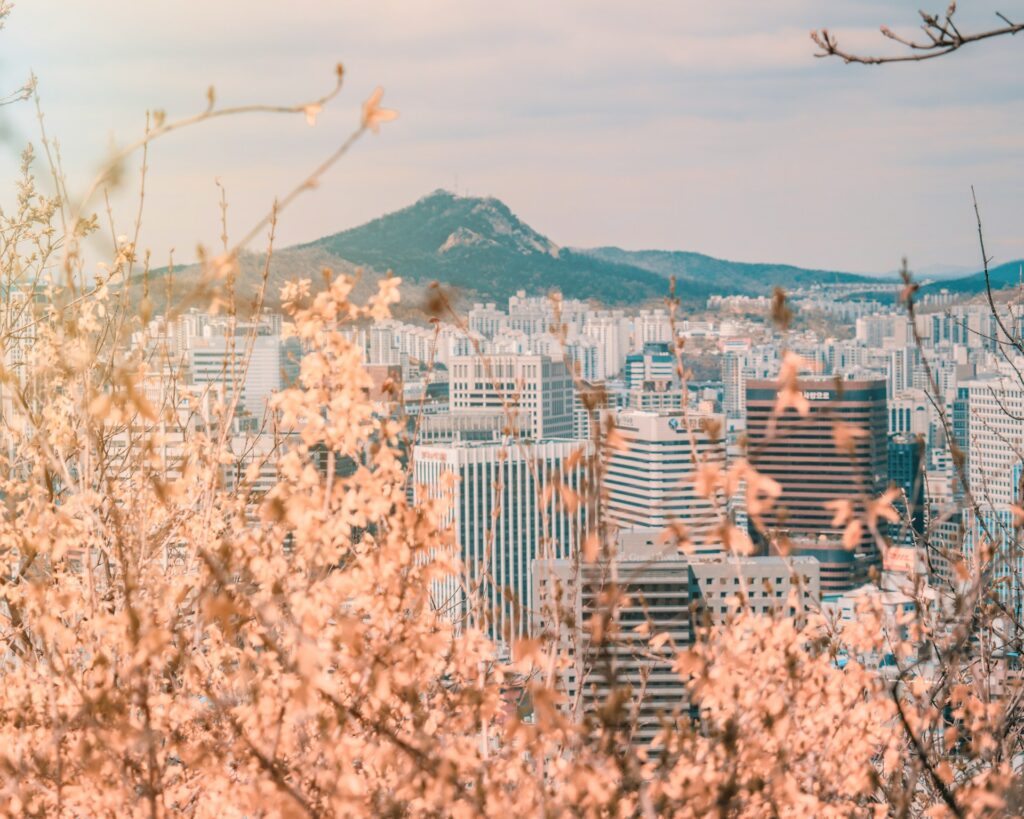
April represents the undisputed best time to visit South Korea for most travelers. Cherry blossoms blanket Seoul, Busan, and Gyeongju in pink clouds, drawing massive international crowds. Expect highs of 18°C (65°F) and comfortable walking weather. Yeouido Spring Flower Festival and Jinhae Cherry Blossom Festival attract millions annually.
However, April coincides with Golden Week holidays in Japan and China, pushing prices skyward. Flights to Seoul increase 40-60% and hotels book solid months in advance. If blossoms are your priority, this is the best time to travel to Korea, but plan ahead and expect crowds.
May: Green Season and Golden Week
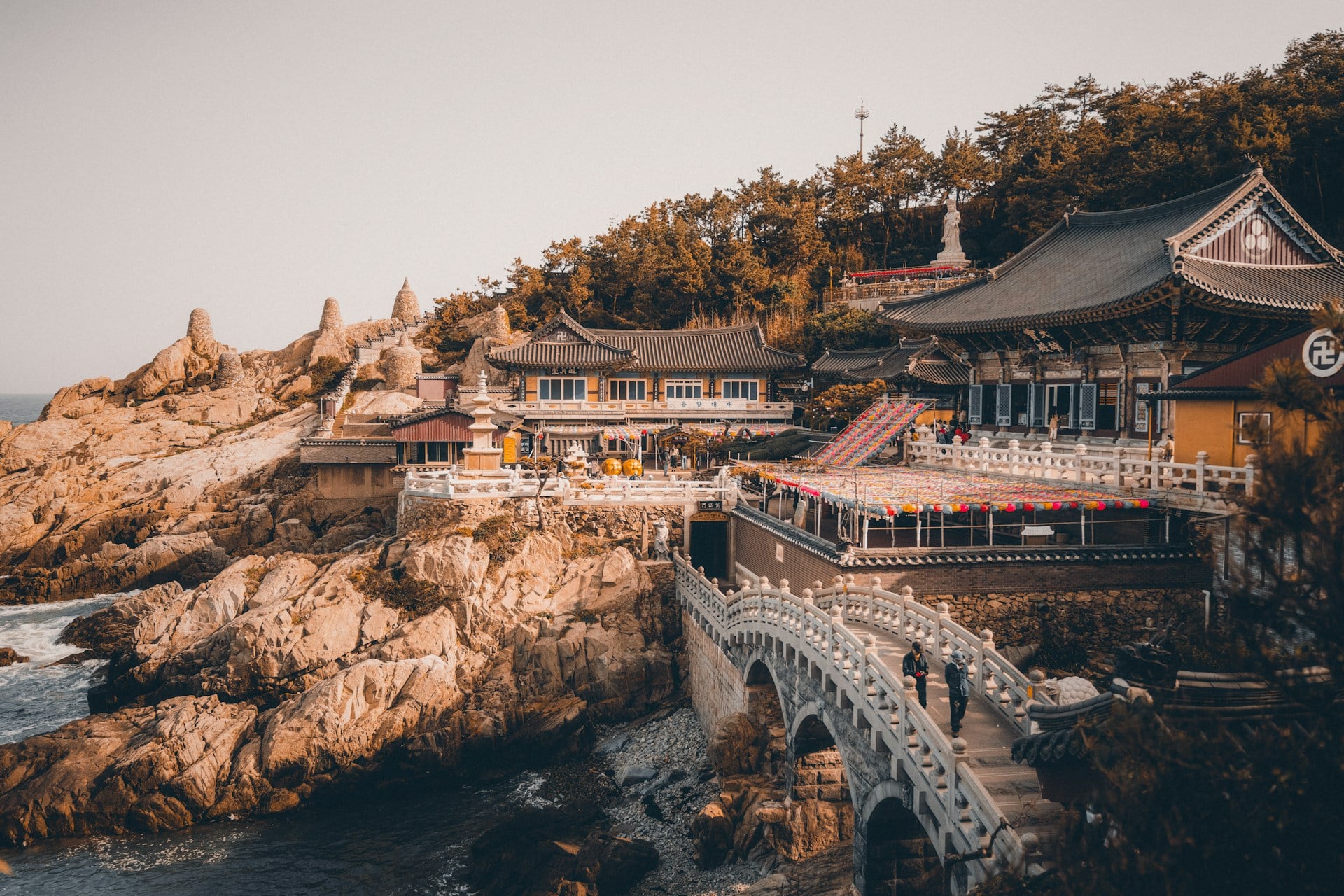
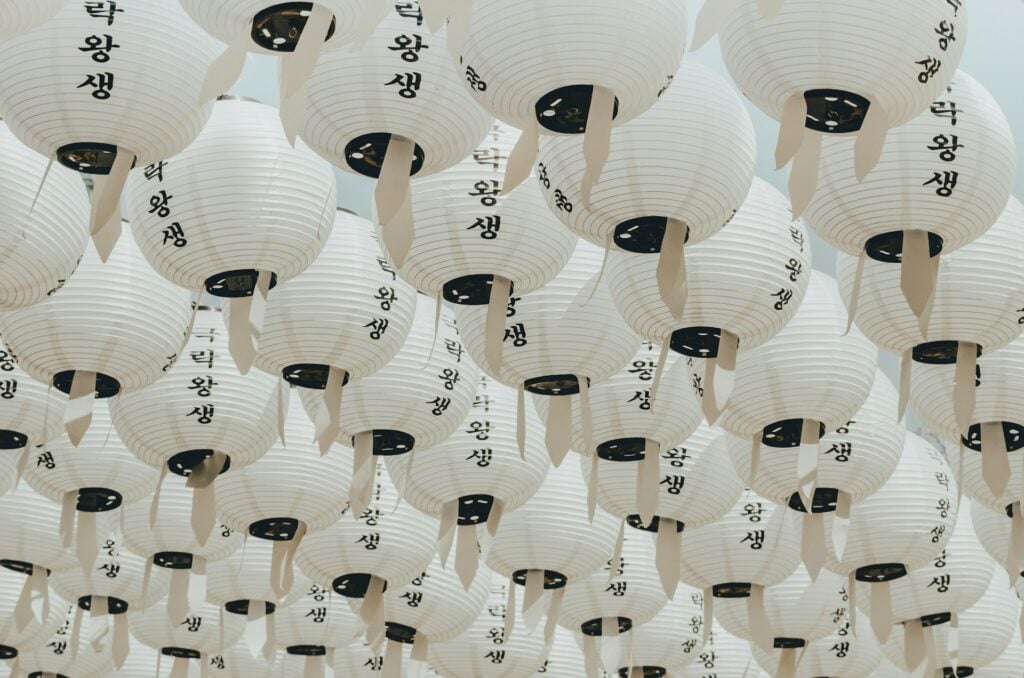
May continues as an excellent best time to visit South Korea, with lush greenery, mild temperatures (23°C/74°F highs), and fewer crowds than April. Buddha’s Birthday illuminates temples nationwide with lantern festivals, while hiking season begins in Seoraksan and Jirisan National Parks. Rainfall increases slightly to 111mm across 9 days.
Hotel prices stabilize post‑cherry blossom season, offering value for South Korea budget travel. May provides the best time to travel to South Korea balance of pleasant weather, cultural events, and reasonable costs before summer humidity arrives.
Summer (June-August): Festivals, Beaches and Monsoon
June: Cultural Expos and Urban Exploration
June offers a compelling best time to go to Korea for urban explorers comfortable with rain. Average highs reach 27°C (81°F) with 86mm rainfall across 8 days. Boryeong Mud Festival on Daecheon Beach attracts 2-3 million visitors for mud wrestling, concerts, and beach parties. Seoul’s water parks and indoor attractions thrive during rainy afternoons.
Shoulder season pricing makes June attractive for South Korea budget travel. International flights drop 15-25% compared to spring, and hotels offer promotions before July-August peak family travel.
July-August: Peak Heat and Monsoon Season
July and August represent challenging months despite festival appeal. Seoul weather hits 30°C (86°F) highs with 252-269mm rainfall across 15-16 days. Monsoon season brings humidity levels above 80%, making outdoor activities uncomfortable. However, water activities flourish at beaches like Haeundae and indoor attractions like Lotte World remain popular.
Despite heat, summer hosts major events including the Busan International Film Festival (BIFF) and various music festivals. Prices peak due to school holidays, making summer less ideal for best time to travel to South Korea value seekers.
Autumn (September-November): Foliage and Harvest Festivals
September: Post‑Monsoon Comfort
September emerges as another best time to visit South Korea, with comfortable 26°C (79°F) highs and reduced humidity. Chuseok (Korean Thanksgiving) in late September features family gatherings, traditional markets, and harvest festivals nationwide. Rainfall drops to 133mm across 9 days.
Foliage begins changing in mountainous areas, offering spectacular hiking opportunities. Hotel prices remain reasonable before October peak foliage season.
October: Golden Autumn Peak
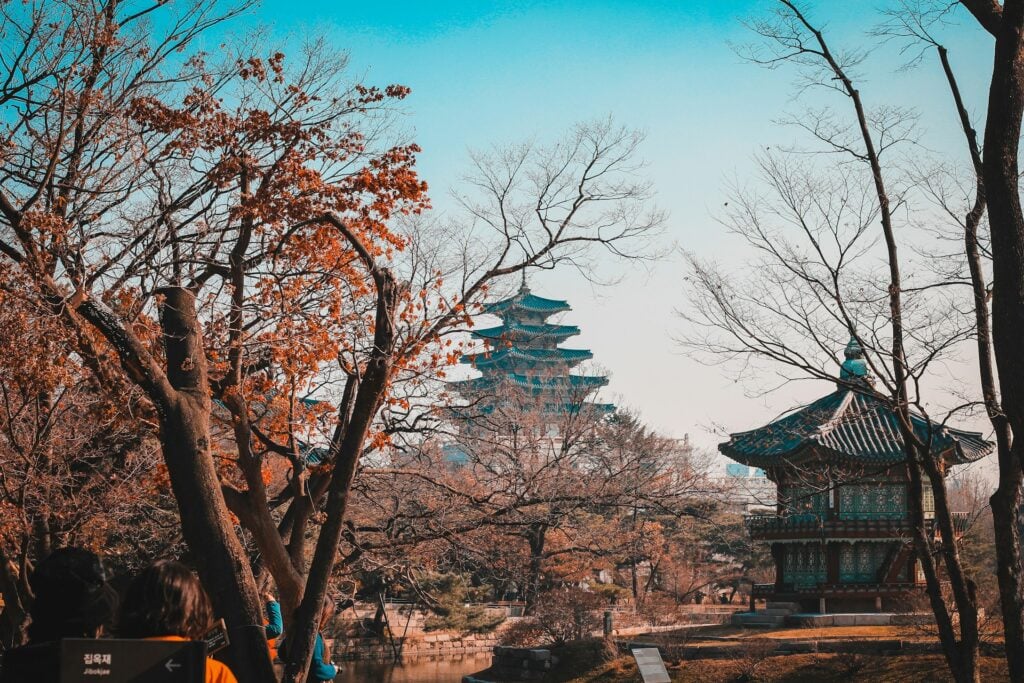
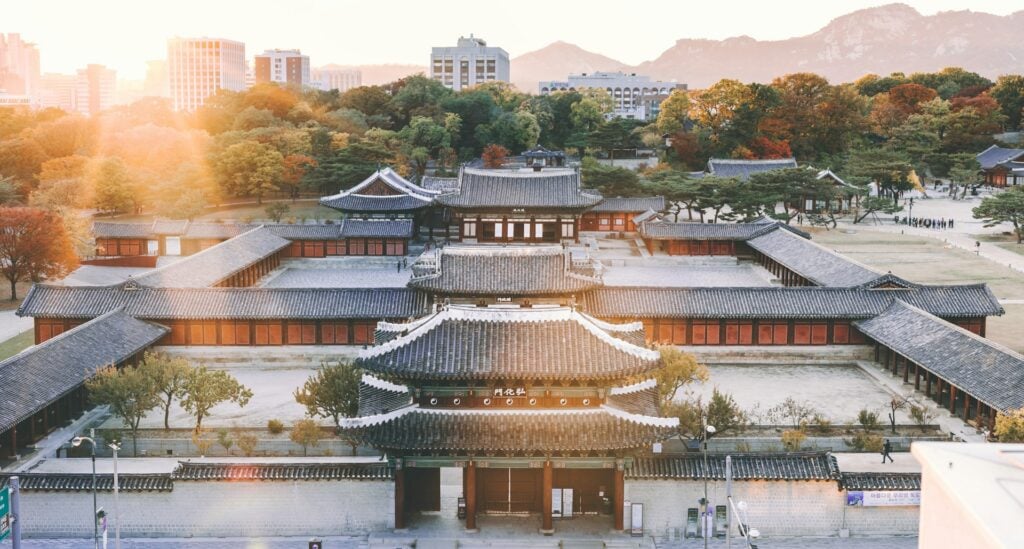
October rivals spring as the ultimate best time to travel to Korea. Temperatures average 20°C (68°F) with crisp blue skies and vibrant foliage carpeting mountains in red, orange, and gold. Namsan Park in Seoul and Seoraksan National Park draw massive crowds for autumn leaf viewing. Andong Mask Dance Festival showcases traditional performances.
Expect high season prices with flights up 30% and popular hotels booking solid. October represents the best time to visit South Korea for photographers, hikers, and nature lovers willing to pay peak rates.
November: Late Autumn and Fireworks
November offers excellent South Korea budget travel value with 13°C (55°F) highs and stunning foliage lingering into early month. Fireworks festivals and food fairs celebrate the season. Rainfall remains moderate at 54mm across 5 days.
As crowds thin, November provides the best time to go to Korea shoulder season balance of autumn beauty and lower prices before winter sets in.
Winter (December-February): Snow, Skiing and Savings
December: Christmas Markets and Winter Festivals
December transforms into a festive wonderland, making winter a surprising best time to visit South Korea for holiday enthusiasts. Seoul weather averages 4°C (39°F) highs with occasional snow. Myeongdong and Insadong host Christmas markets, while Lotte World offers ice skating and holiday lights.
Hotel prices drop significantly, ideal for South Korea budget travel. International flights see 20-40% savings compared to summer.
January-February: Peak Winter and Ski Season
January delivers the best time to travel to South Korea for winter sports, with temperatures averaging -2°C (28°F) and reliable snowfall at resorts like Yongpyong and Alpensia. Hwacheon Sancheoneo Ice Festival features ice fishing and snow sculptures. Jeonju Hanji Festival celebrates traditional paper crafts.
January consistently ranks as the cheapest month to visit South Korea, with domestic flights 30% below average and hotels offering winter promotions. Seollal (Lunar New Year) brings family traditions and temple visits.
Seoul Weather Month by Month Guide
Temperature and Precipitation Table
Understanding Seoul weather patterns helps you pack appropriately and plan indoor/outdoor activities:
- January: -2°C avg, 19mm rain, 198 sunshine hours
- April: 12°C avg, 55mm rain, 286 sunshine hours
- July: 26°C avg, 252mm rain, 293 sunshine hours
- October: 14°C avg, 63mm rain, 262 sunshine hours
Major Festivals and Events Calendar
Spring Festivals
The best time to visit South Korea spring includes Yeouido Cherry Blossom Festival (late March-April), Jinhae Gunhangje Cherry Blossom Festival, and Buddha’s Birthday lantern festivals.
Summer Events
Boryeong Mud Festival (July), Busan International Film Festival (October), and waterbomb concerts represent summer highlights.
Autumn Celebrations
Chuseok (September-October), Andong Mask Dance Festival (October), and autumn foliage festivals peak in fall.
Winter Highlights
Hwacheon Sancheoneo Ice Festival (January), Seollal (Lunar New Year), and Christmas markets define winter festivities.
Cheapest Months for South Korea Budget Travel
January: Lowest Prices
January consistently delivers the best time to travel to South Korea value, with flights 30-50% below summer rates and hotels offering winter discounts. Minimal crowds enhance experiences at major attractions.
Mid-May to June: Shoulder Season Savings
Post‑cherry blossom and pre‑monsoon June offers excellent South Korea budget travel opportunities with pleasant weather and festival access.
Late November: Post‑Foliage Deals
Late November provides autumn beauty remnants with off‑season pricing before winter fully arrives.
Is South Korea Expensive? Budget Planning Guide
Addressing “is South Korea expensive?”, the answer depends on timing and choices. Off‑peak travel (January, June, November) significantly reduces costs:
- Flights: $600-800 roundtrip off‑peak vs $1200+ peak
- Hotels: $50-80/night vs $150+ peak season
- Domestic trains: KTX Seoul-Busan $50-70
- Meals: Street food $2-5, restaurants $10-20
Why Choose Acqua Travel for Optimal Timing
While understanding the best time to visit South Korea is crucial, turning seasonal knowledge into perfect itineraries requires local expertise. Acqua Travel specializes in timing your best time to travel to South Korea journey for maximum value and experiences.
Seasonal Expertise
Our specialists optimize your travel around cherry blossoms, festivals, foliage, and shoulder season savings, ensuring you experience the best time to go to Korea without peak pricing.
Budget Optimization
We identify the cheapest months for South Korea aligned with your interests, combining low‑season savings with high‑value experiences.
Festival Access
Exclusive access to major festivals and events ensures you experience the best time to travel to South Korea cultural highlights.
Conclusion: Your Ideal Best Time to Visit South Korea
The ultimate best time to visit South Korea depends on your priorities, but spring (March-May) and autumn (September-November) consistently deliver perfect weather, festivals, and natural beauty. For South Korea budget travel, target January, mid-May-June, and late November when prices drop significantly.
Regardless of season, understanding Seoul weather patterns, festival calendars, and shoulder season opportunities ensures optimal timing. Whether chasing cherry blossoms, autumn leaves, winter snow, or summer beaches, South Korea offers extraordinary experiences year‑round when you time it right.
Plan your perfect Trip to South Korea with Acqua Travel specialists who combine seasonal knowledge with insider access. Let us transform your South Korea journey into unforgettable memories timed for maximum impact and value.