

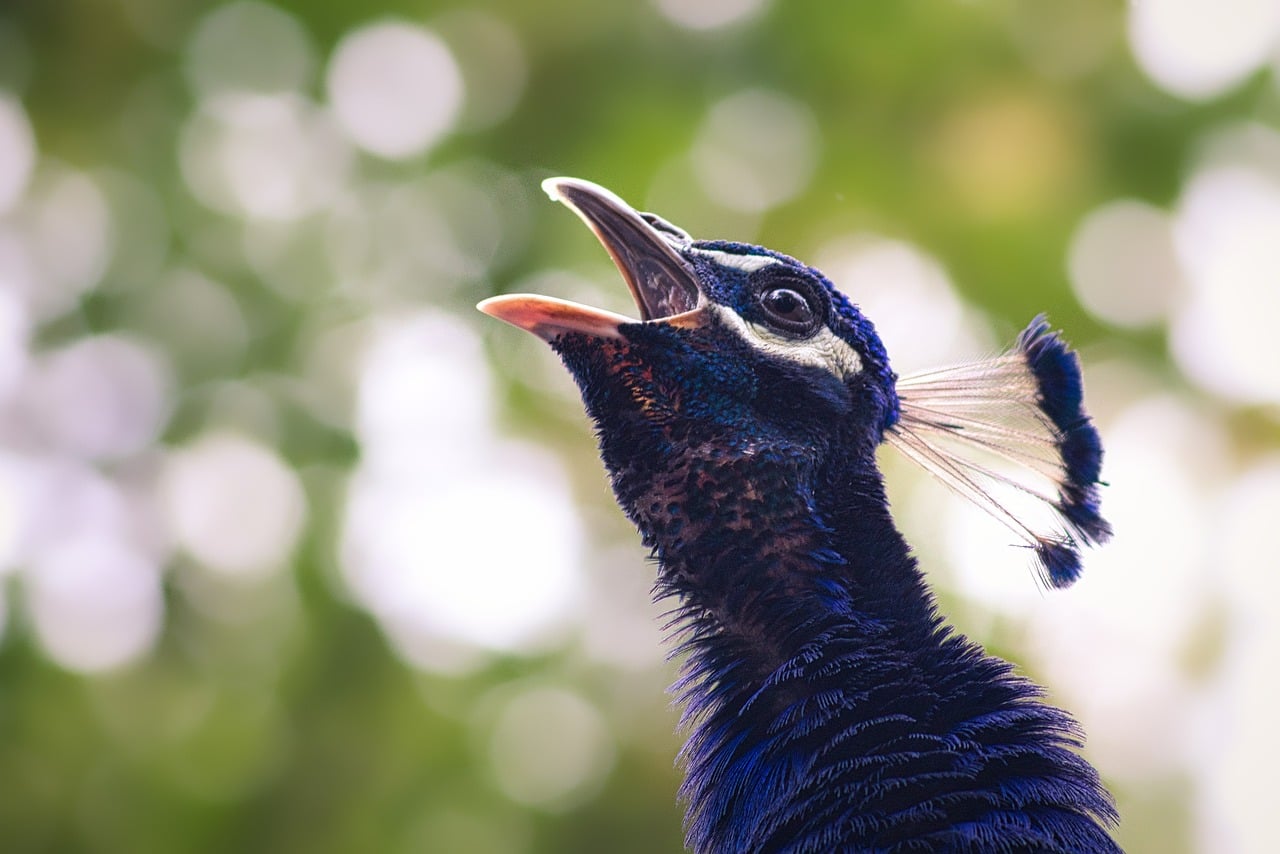
The Best Wildlife Safaris in India: From Ranthambore to Kaziranga
Introduction
India’s rich biodiversity offers nature lovers and adventurers a unique opportunity to experience the wilderness in all its glory. From the majestic Bengal tiger to the elusive snow leopard, India’s national parks and wildlife sanctuaries boast some of the world’s most impressive wildlife. Embarking on a wildlife safari in India is not just about spotting iconic species like tigers, elephants, and rhinos but also about immersing oneself in the diverse landscapes, from dense forests and swamps to sprawling grasslands. Each safari park in India has its own charm, making every visit an exciting new adventure. A trip to India is incomplete without going for a wildlife safari in one of its national parks.
In this blog, we explore the best places for jungle safari in India, highlighting key destinations like Ranthambore, Kaziranga, Jim Corbett, and more. Whether you’re in search of the Royal Bengal tiger or the Asiatic lion, this guide will help you plan your next unforgettable journey into the wild.
Exploring India’s Wildlife Sanctuaries and National Parks
Ranthambore National Park, Rajasthan
Overview
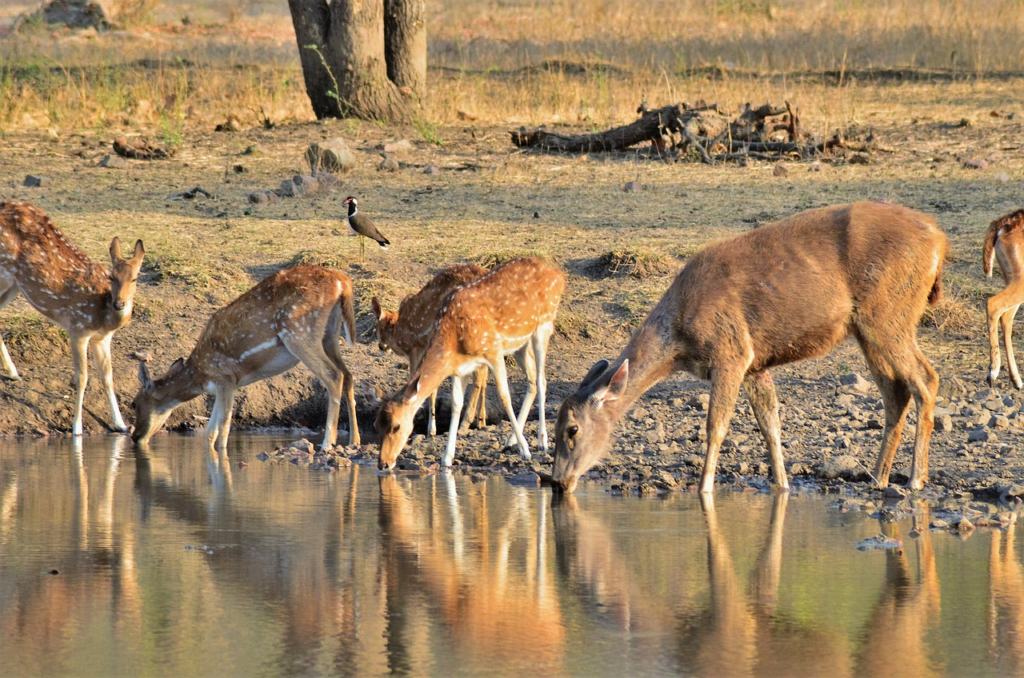
Located in the southeastern part of Rajasthan, Ranthambore National Park is one of the most famous and iconic wildlife sanctuaries in India. Originally a royal hunting ground, the park is now a major hub for tiger conservation and a favorite destination for wildlife photographers and nature enthusiasts.
Safari Highlights
Ranthambore offers thrilling jeep and canter India safaris, giving visitors the chance to explore the park’s rugged terrain and spot wildlife. The park is known for its tiger sightings, especially near its lakes and ancient ruins, which add a historical charm to the safaris.
Wildlife Species
The park is home to a variety of wildlife, including:
- Bengal tigers
- Leopards
- Sloth bears
- Marsh crocodiles
- Sambar deer
Best Time to Visit
The best time to visit Ranthambore is between October and June, with the peak season for tiger sightings falling between March and May when animals gather near water sources.
Kaziranga National Park, Assam
Overview
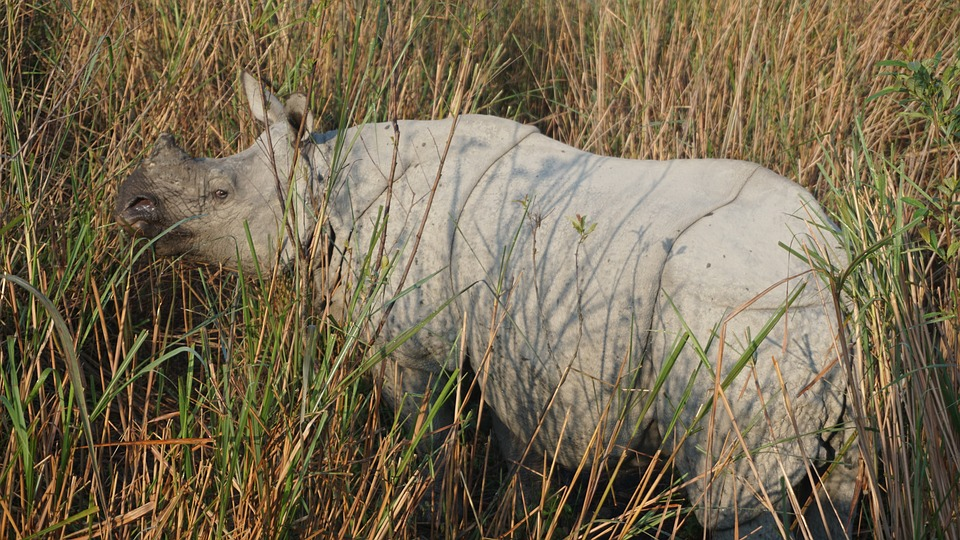
Located in the northeastern state of Assam, Kaziranga National Park is a UNESCO World Heritage Site and a global symbol of wildlife conservation. Famous for hosting two-thirds of the world’s population of Indian one-horned rhinoceroses, Kaziranga is also a paradise for birdwatchers and those seeking to explore the natural beauty of Assam.
Safari Highlights
Visitors can experience jeep safaris and elephant-back safaris through Kaziranga’s marshlands and tall elephant grass. The park’s floodplains also offer stunning views of the Brahmaputra River and its tributaries.
Wildlife Species
Kaziranga’s diverse ecosystem is home to:
- Indian one-horned rhinoceroses
- Bengal tigers
- Asian elephants
- Wild water buffalo
- Swamp deer
Best Time to Visit
The ideal time to visit Kaziranga is between November and April, when the weather is pleasant and animals are more visible. The park remains closed during the monsoon season from June to October due to flooding.
Jim Corbett National Park, Uttarakhand
Overview
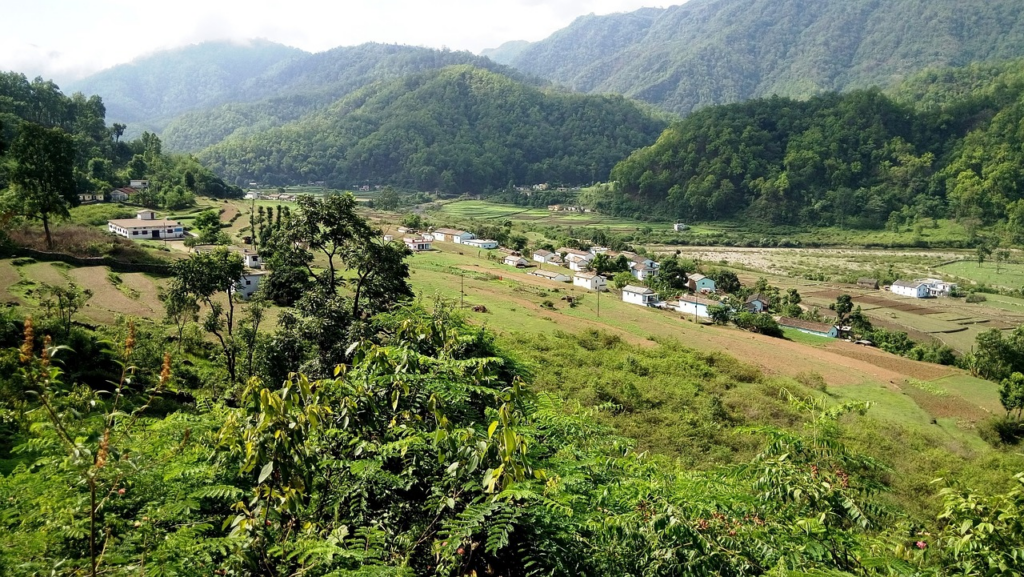
Jim Corbett National Park, named after the legendary British hunter-turned-conservationist, is India’s oldest national park and part of the larger Corbett Tiger Reserve. Located in the Himalayan foothills, Corbett is known for its dense forests, rivers, and rich biodiversity. This is one of the great places for India tiger safari.
Safari Highlights
The park offers Jeep safaris through its diverse landscapes, including dense forests and grasslands. Corbett is also one of the few parks where visitors can stay overnight within the reserve, enhancing the safari experience.
Wildlife Species
Jim Corbett is home to:
- Bengal tigers
- Leopards
- Elephants
- Otters
- Gharials
Best Time to Visit
The best time to visit Jim Corbett is from November to February for pleasant weather, though the summer months of April and May offer the best chances of tiger sightings.
Bandhavgarh National Park, Madhya Pradesh
Overview
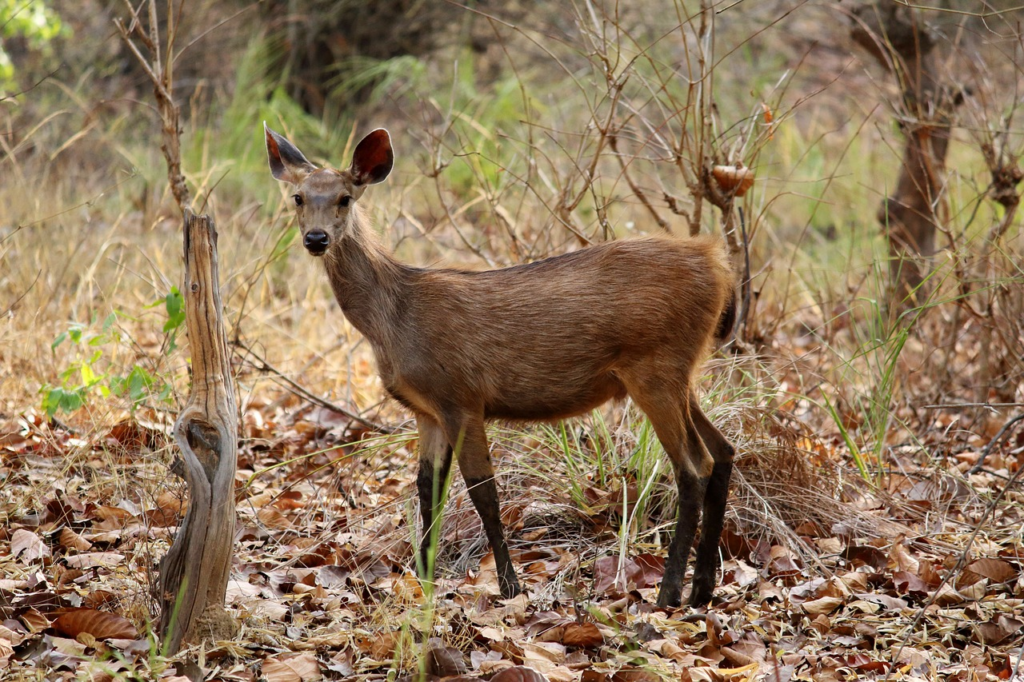
Bandhavgarh National Park is a gem in central India, boasting one of the highest densities of tigers in the world. The park’s name comes from the ancient Bandhavgarh Fort, which sits atop a hill offering panoramic views of the surrounding jungle.
Safari Highlights
Bandhavgarh offers exciting jeep safaris through its thick forests and hilly terrain. The park is divided into different zones, and the Tala zone is particularly popular for tiger sightings.
Wildlife Species
The park is known for its high tiger population and also hosts:
- Leopards
- Sambar deer
- Indian bison (gaur)
- Langurs
- Wild boar
Best Time to Visit
The best time to visit Bandhavgarh is from October to June, with March to May being prime for tiger sightings.
Sundarbans National Park, West Bengal
Overview
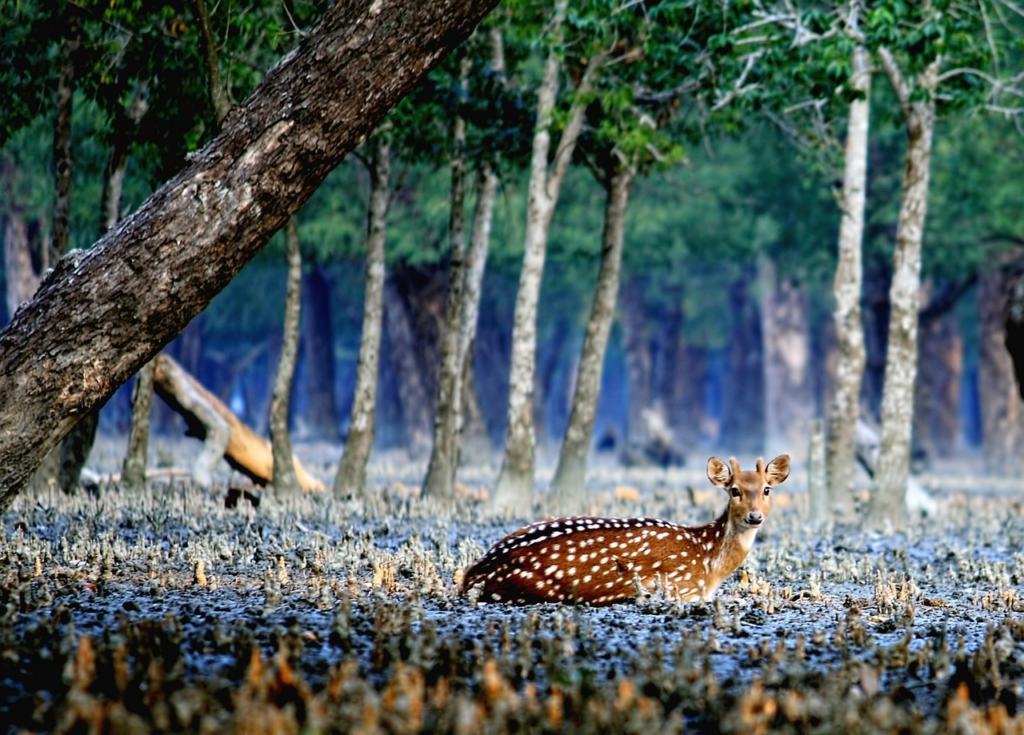
The Sundarbans, a UNESCO World Heritage Site, is the largest mangrove forest in the world and home to the iconic Royal Bengal tiger. Located in the delta region of the Ganges, Brahmaputra, and Meghna rivers, the Sundarbans are a unique ecosystem with a mix of freshwater and saltwater, teeming with wildlife.
Safari Highlights
Unlike other parks, safaris in the Sundarbans are conducted by boat, offering a completely different experience as you navigate through the mangrove-lined waterways in search of tigers, crocodiles, and exotic bird species.
Wildlife Species
Apart from tigers, the Sundarbans host:
- Estuarine crocodiles
- Indian fishing cats
- Monitor lizards
- Gangetic dolphins
Best Time to Visit
The best time to visit the Sundarbans is from November to March when the weather is cool and wildlife is more active.
Periyar Wildlife Sanctuary, Kerala
Overview
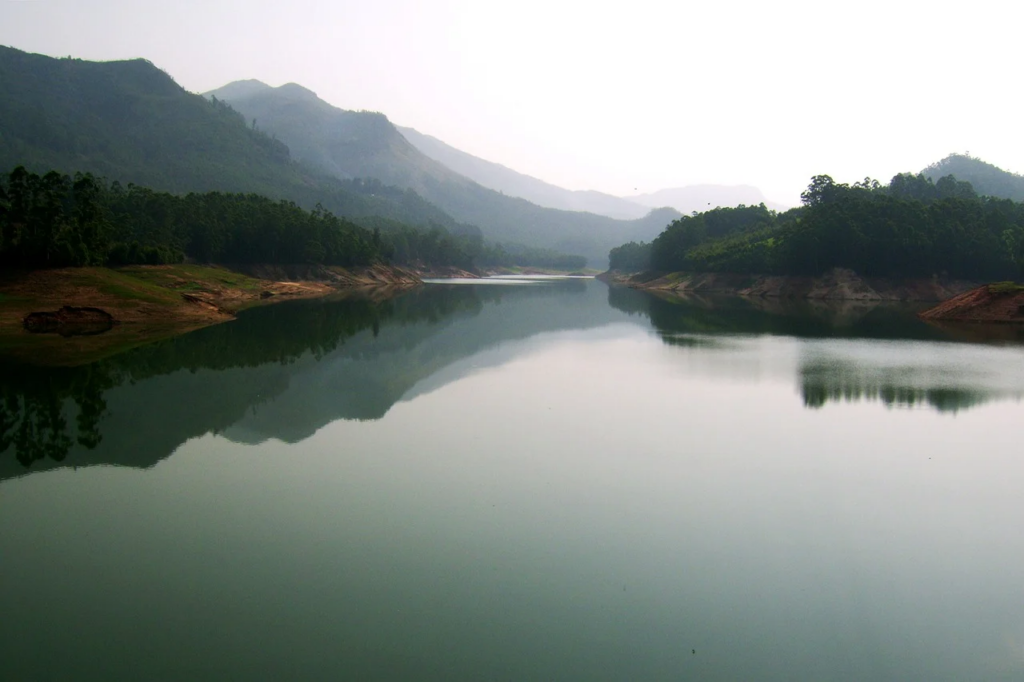
Nestled in the Western Ghats, Periyar Wildlife Sanctuary is one of India’s most picturesque wildlife destinations. Famous for its elephant population, Periyar is a great place for those seeking a serene safari experience combined with the beauty of Kerala’s backwaters and rolling hills.
Safari Highlights
Periyar offers boat safaris on the Periyar Lake, allowing visitors to enjoy the scenic beauty of the forest while spotting elephants and other wildlife near the water’s edge. Trekking and bamboo rafting are also popular activities in the park.
Wildlife Species
The sanctuary is home to:
- Indian elephants
- Bengal tigers
- Sambar deer
- Indian giant squirrels
- Nilgiri langurs
Best Time to Visit
The best time to visit Periyar is from October to February, though boat safaris can be enjoyed year-round.
Gir National Park, Gujarat
Overview
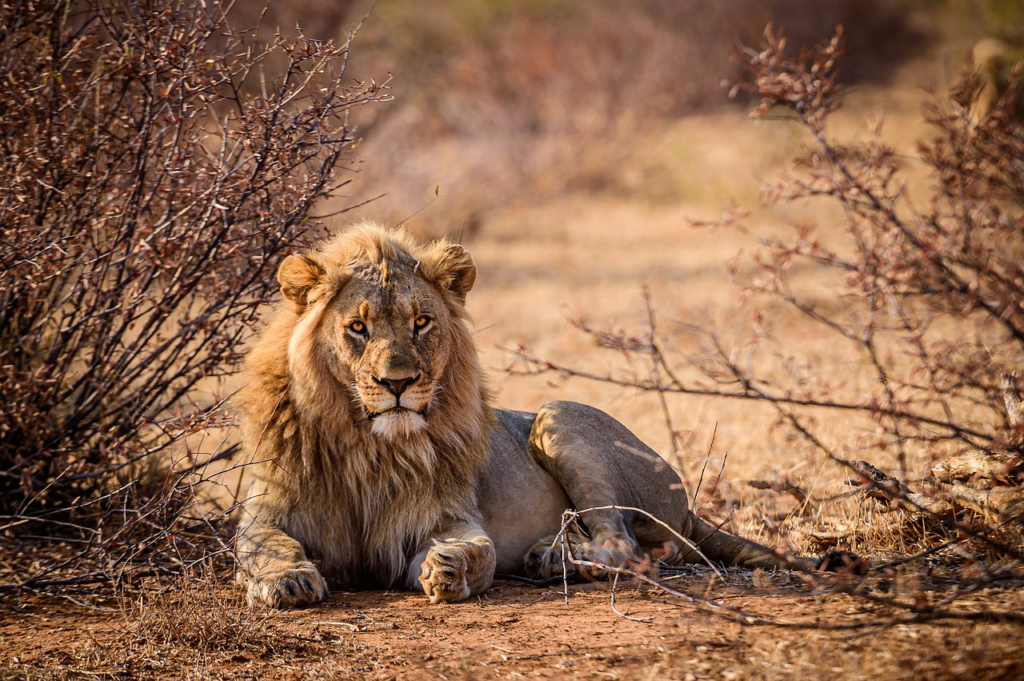
Gir National Park is the only place in the world where you can see Asiatic lions in their natural habitat. Located in Gujarat, the park’s dry deciduous forests provide the perfect setting for tracking these majestic lions.
Safari Highlights
Gir offers jeep safaris that take visitors deep into the lion territory. The excitement of spotting a pride of lions in the wild is unparalleled, making this one of India’s most unique safari experiences.
Wildlife Species
In addition to Asiatic lions, Gir is home to:
- Leopards
- Striped hyenas
- Indian jackals
- Nilgai (blue bull)
- Crocodiles
Best Time to Visit
The ideal time to visit Gir is from December to March, though the park remains open until mid-June before the monsoon season.
Tips for Planning a Safari
Best Time to Visit
The best time for wildlife safaris in India varies by park, but most parks are open from October to June. Peak seasons for wildlife sightings, especially tigers, are during the summer months (March-May) when animals gather around water sources.
Accommodation Options
India offers a range of accommodation options near its national parks, from luxury lodges to budget-friendly camps. Some popular options include:
- Luxury Lodges: Offering top-notch amenities and often located within the parks, these lodges provide a blend of comfort and adventure.
- Budget Camps: For those seeking an affordable yet immersive experience, campsites outside the parks offer basic accommodations with opportunities for night safaris and nature walks.
Safari Activities
India’s national parks offer a variety of safari experiences:
- Jeep Safaris: The most common and efficient way to explore the parks.
- Elephant Safaris: Available in certain parks, such as Kaziranga, for a unique vantage point.
- Walking Safaris: Ideal for those looking to experience the wilderness up close, offered in some parks like Periyar.
Ethical Considerations and Responsible Tourism Practices
While enjoying wildlife safaris, it’s essential to be a responsible traveler. Always follow park guidelines, respect wildlife, and avoid littering or disturbing animals. Supporting eco-friendly accommodations and tours helps ensure the conservation of these beautiful ecosystems.
Cultural Experiences
Exploring Local Villages and Communities
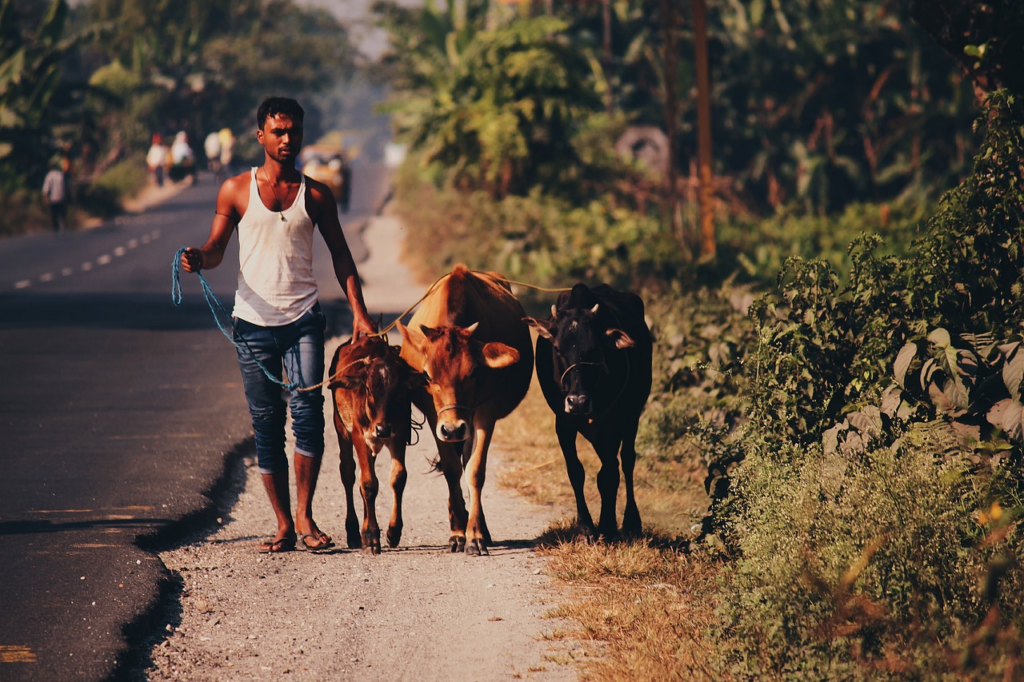
Many national parks in India are surrounded by vibrant local communities. Visiting these villages provides a glimpse into rural Indian life, with opportunities to experience traditional crafts, cuisine, and festivals. While trying cuisines in India, ensure to tell the concerned person about the amount of spices you would want – less, medium, or as they serve.
The Significance of Wildlife Conservation in Indian Culture
India’s relationship with wildlife is deeply rooted in its cultural and religious traditions. From the tiger’s reverence as a symbol of strength to the elephant’s significance in Hinduism, wildlife plays a crucial role in India’s heritage. Engaging with local communities and understanding their connection to nature adds another layer of meaning to your safari experience.
FAQ
These FAQs might help you know about the steps to plan a trip to India for a safari.
1. What is the best way to book a wildlife safari in India?
The best way to book a wildlife safari in India is through official government websites of the national parks or through certified travel agencies that specialize in wildlife tours. Many parks have online booking systems for safari permits, which are required for entry. Alternatively, booking through a reputable travel agency or lodge near the park ensures convenience as they often provide complete packages, including guided safaris, accommodation, and transportation. Booking well in advance, especially during peak seasons, is recommended to secure your spot.
Which is the best wildlife safari in India?
The best wildlife safari in India depends on your wildlife preferences and the kind of experience you seek. For those looking to spot tigers, Ranthambore National Park in Rajasthan and Bandhavgarh National Park in Madhya Pradesh are excellent choices due to their high tiger populations. For a unique safari experience with Asiatic lions, Gir National Park in Gujarat is the top destination. Kaziranga National Park in Assam is the best for seeing the rare Indian one-horned rhinoceros. Each park offers its own special attractions, making it hard to choose just one.
Which National Park has the most wildlife in India?
Kaziranga National Park in Assam is renowned for its rich biodiversity and is often considered the park with the most wildlife in India. It is home to the largest population of Indian one-horned rhinoceroses and also boasts a wide variety of animals like Bengal tigers, elephants, wild water buffalo, and swamp deer. Its mix of grasslands, wetlands, and forests provides a unique habitat for over 500 species of birds, making it a haven for wildlife enthusiasts.
Which park in India has the most tigers?
Bandhavgarh National Park in Madhya Pradesh is believed to have one of the highest densities of tigers in India, making it the best place for tiger sightings. It is a popular destination for photographers and nature lovers hoping to catch a glimpse of the majestic Bengal tiger. Ranthambore National Park in Rajasthan also has a notable population of tigers and offers high chances of sightings, especially near its lakes and ruins.
Which national park is the most scenic in India?
Jim Corbett National Park in Uttarakhand is often regarded as the most scenic national park in India. Nestled in the foothills of the Himalayas, Corbett offers stunning landscapes, including lush forests, grasslands, rivers, and rolling hills. Its picturesque environment, coupled with a diverse range of flora and fauna, makes it a beautiful spot for both wildlife lovers and nature photographers. Other scenic parks include Periyar Wildlife Sanctuary in Kerala, with its serene lake and Western Ghats backdrop, and Sundarbans National Park in West Bengal, known for its mystical mangrove forests.
Related Posts