
Bhutan Travel Guide: How to Plan Your Trip & What to Expect
Welcome to the Land of the Thunder Dragon. A Bhutan travel guide is essential for anyone planning a journey to this extraordinary Himalayan kingdom. Nestled between China and India, Bhutan represents one of the world’s most unique travel destinations, where ancient Buddhist culture thrives alongside pristine natural landscapes. This comprehensive Bhutan travel guide covers everything you need to know about planning your adventure to this remarkable country.
Unlike most popular travel destinations, Bhutan maintains strict control over tourism to preserve its environment and culture. Your Bhutan journey requires understanding unique government policies, sustainable travel practices, and cultural sensitivities that define this nation. Whether you’re a first-time visitor or experienced traveler, this detailed guide ensures your Bhutan experience becomes transformative and unforgettable.
The question isn’t whether this Bhutan travel information exists—it’s how to navigate the unique requirements and opportunities this country presents. From the iconic Tiger’s Nest Monastery clinging to cliff faces to hidden valleys untouched by mass tourism, Bhutan offers experiences unavailable anywhere else on Earth.
Why Bhutan? Understanding the Unique Appeal
Before diving into your Bhutan travel planning, understand what makes this country extraordinary. Bhutan measures progress not by GDP but by Gross National Happiness—a philosophy that prioritizes citizen wellbeing over economic growth. This fundamental difference shapes every aspect of Bhutan travel experiences.
Bhutan is one of the world’s only carbon-negative countries, absorbing more carbon than it produces. The nation restricts tourism deliberately, maintaining strict environmental and cultural preservation standards. Your Bhutan travel journey supports this sustainable model, directly contributing to conservation efforts and community development.
Beyond philosophy, Bhutan offers spectacular natural beauty, dramatic mountain scenery, ancient monasteries, vibrant festivals, and authentic cultural experiences. A Bhutan travel guide emphasizes that this is not a destination for casual tourism but for thoughtful travelers seeking meaningful cultural encounters and personal transformation.
Essential Visa and Documentation Requirements
Your Bhutan travel journey begins with understanding visa requirements. Bhutan maintains unique entry procedures that differ significantly from most countries. Citizens of India, Bangladesh, and the Maldives can enter without advance visas by presenting valid identification at borders. All other nationalities must obtain visas before arrival.
Visa Requirements in Your Bhutan Travel Guide:
- Valid passport with at least six months remaining validity
- Completed visa application through authorized Bhutan tour operators
- Visa fee: USD $40 per person
- Processing time: 5-7 working days
- Visa must be obtained before arrival; no on-arrival visas available
- Visa issued as electronic authorization and printed on arrival
A critical aspect of your Bhutan travel guide is understanding that tourists cannot enter Bhutan independently. The government requires all foreign visitors to book accommodations and tours through licensed Bhutanese tour operators. This regulation ensures quality tourist experiences while controlling visitor numbers and environmental impact.
Understanding Bhutan’s Sustainable Development Fee
One of the most important sections of any Bhutan travel guide addresses the Sustainable Development Fee (SDF). This daily charge represents Bhutan’s commitment to high-value, low-impact tourism. As of January 2026, the SDF stands at USD $100 per person per night for international visitors (until August 31, 2027).
SDF Details for Your Bhutan Travel Guide:
- International visitors: USD $100 per person per night
- Indian nationals: Rs. 1,200 per person per night (approximately USD $14)
- Children under 6 years: Free
- Children aged 6-12: 50% discount (USD $50)
- Fee includes contributions to healthcare, education, and environmental conservation
This Bhutan travel guide clarifies that the SDF no longer covers accommodations, meals, or transportation. You pay separately for these services, making your actual costs substantially higher. Standard tour packages typically cost USD $350-$400 per night for budget travelers, while luxury packages range from USD $800-$2,000 per night.
Best Time to Visit: Your Bhutan Travel Guide Seasonal Breakdown
Choosing the right season is crucial in any Bhutan travel planning process. Bhutan’s Himalayan location creates distinct seasons that dramatically affect your experience. October through November represents peak season when approximately 80% of international tourists visit, while January-February brings colder temperatures and fewer crowds.
Autumn (September-November) – Peak Season
Your Bhutan travel guide highlights autumn as the ideal visiting period. Clear skies, comfortable temperatures (around 25°C), and excellent visibility create perfect trekking and sightseeing conditions. October specifically draws massive visitor numbers, so book accommodations and flights 3-4 months in advance.
Spring (March-May) – Rhododendron Season
This Bhutan travel season features spectacular rhododendron blooms carpeting hillsides in vivid colors. Pleasant temperatures and blooming landscapes make spring an excellent choice for photographers and nature lovers. March and April specifically are popular, with the Paro Tshechu festival occurring in early April.
Winter (December-February) – Clear Mountain Views
Your Bhutan winter experience offers colder temperatures but crystal-clear skies and stunning Himalayan views. Fewer tourists mean lower accommodation costs and more intimate cultural interactions. This season suits trekkers comfortable with cold weather and visitors seeking authentic experiences.
Monsoon (June-September) – Challenging but Rewarding
Your Bhutan monsoon season experiences frequent rainfall and reduced visibility, making trekking challenging. However, this period offers fewer tourists, lower prices, and opportunities to experience Bhutan’s lush green landscapes. Photography enthusiasts appreciate misty mountain scenes and dramatic lighting after rainfall.
Must-See Destinations in Your Bhutan Travel Guide
Paro Valley and Tiger’s Nest Monastery
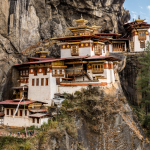
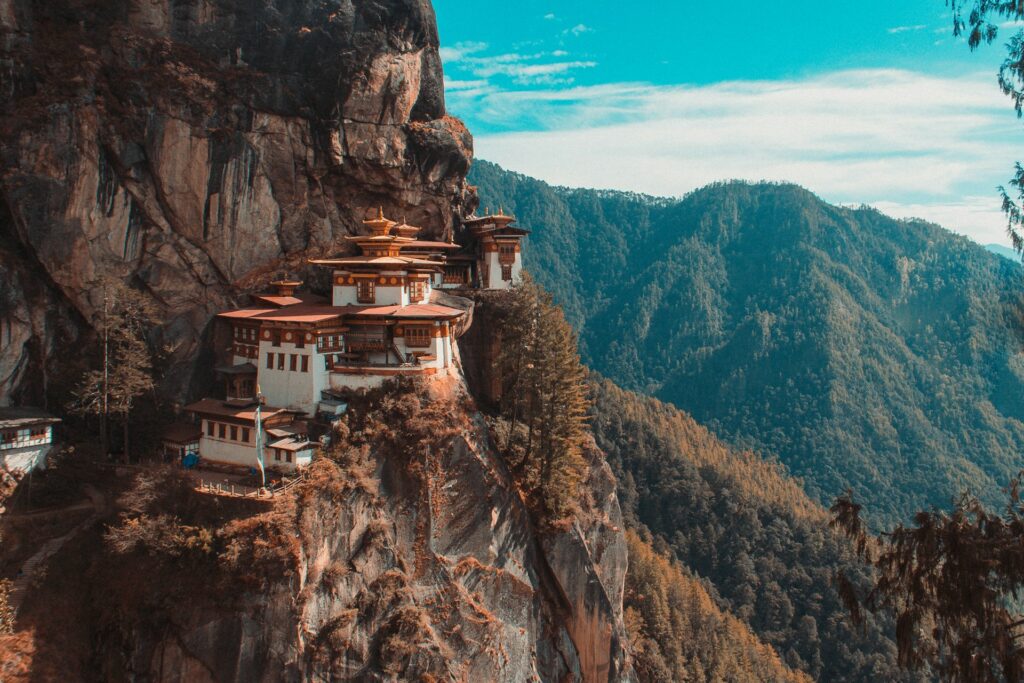
No Bhutan travel guide is complete without extensive coverage of Paro Valley, home to the iconic Taktsang Monastery (Tiger’s Nest). This UNESCO World Heritage site perches dramatically on a cliff 914 meters above the valley floor. The three-hour hike to Tiger’s Nest ranks among the world’s most spectacular walks, offering breathtaking Himalayan vistas.
Your Bhutan guide notes that Tiger’s Nest represents the spiritual center of Bhutanese Buddhism. Legend claims the monastery marks where Guru Padmasambhava arrived on a flying tiger in the 8th century, introducing Buddhism to Bhutan.
Thimphu: The Capital
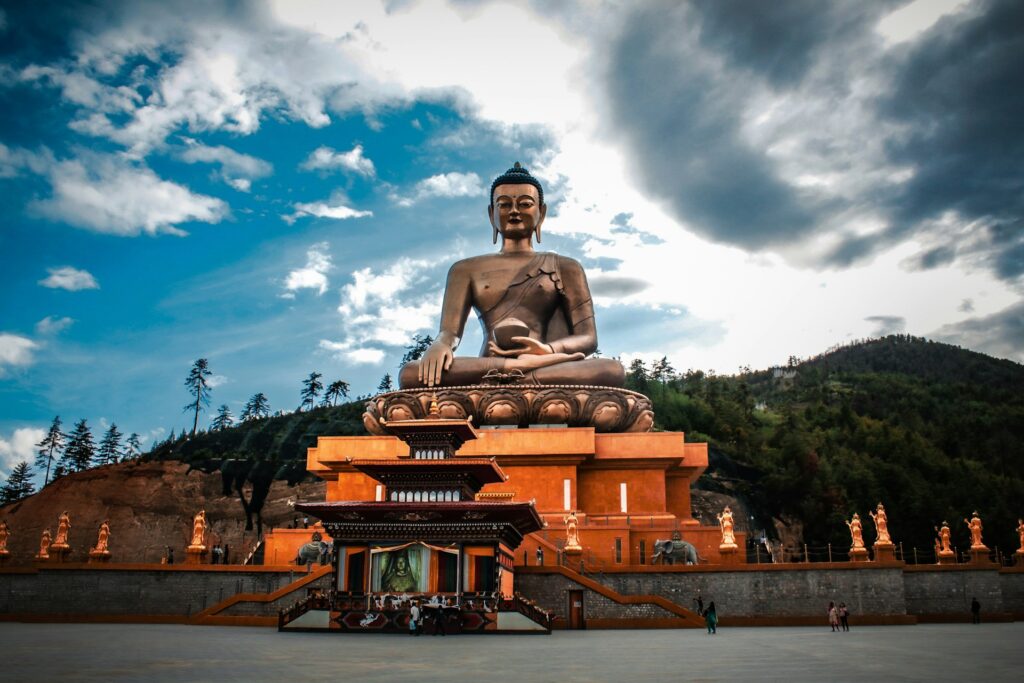
Thimphu uniquely blends modernity with tradition—a refreshing characteristic emphasized in any Bhutan travel guide. The capital features no traffic lights, strict architectural preservation, and stunning landmarks including Buddha Dordenma (a giant statue visible throughout the city) and Tashichho Dzong (combining governmental and monastic functions).
Your Bhutan travel guide highlights Thimphu’s scale as uniquely human, lacking the overwhelming nature of typical Asian capitals. Local markets, museums, and cafes provide genuine glimpses into modern Bhutanese life.
Punakha Dzong
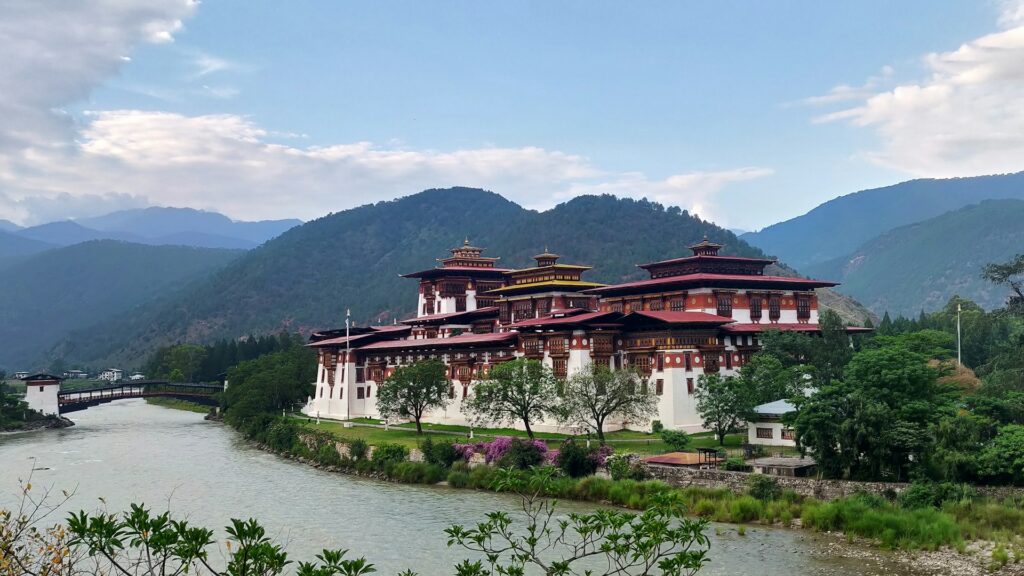
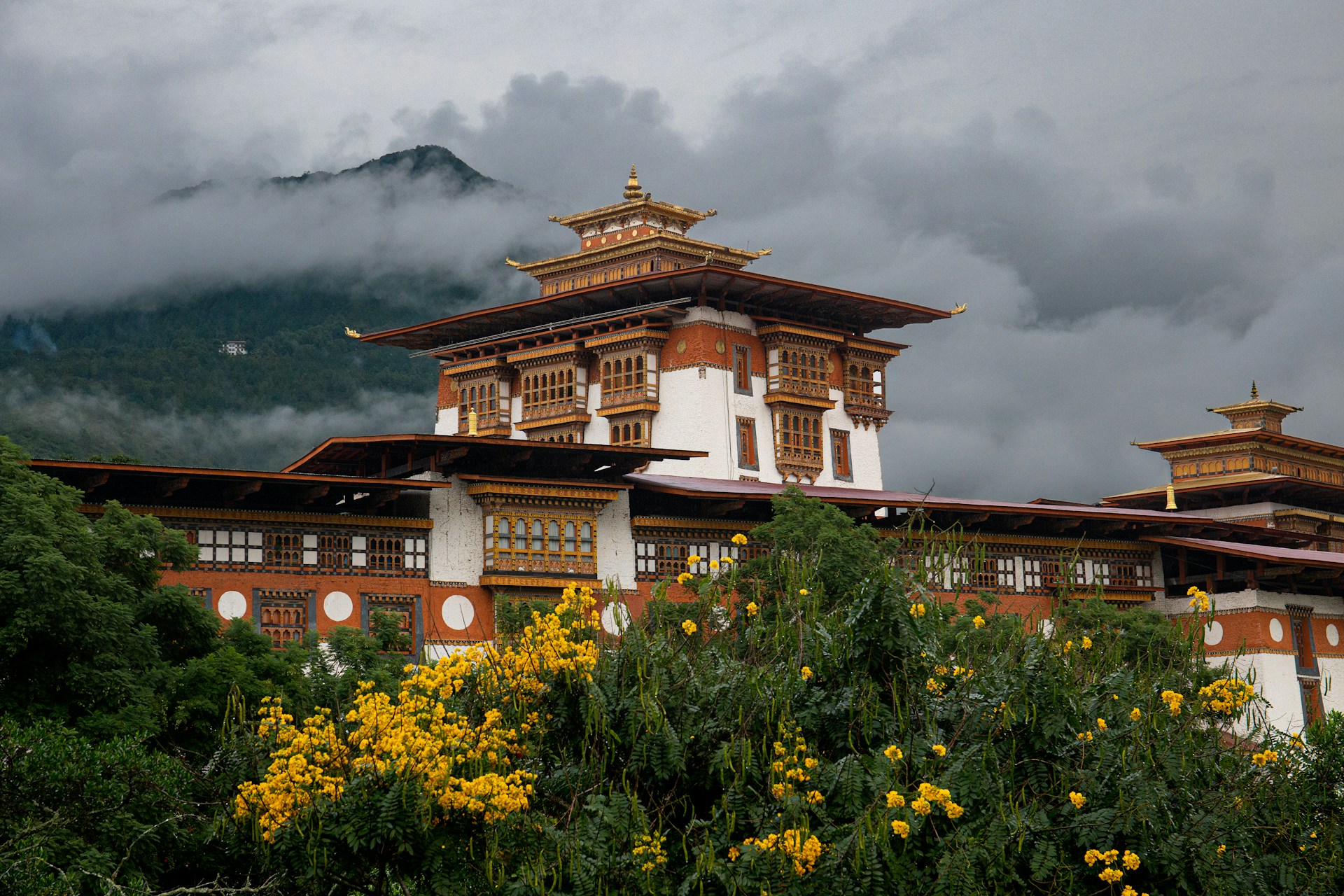
This Bhutan travel guide section emphasizes Punakha Dzong as one of Bhutan’s most magnificent fortresses. Built in 1637, this architectural masterpiece combines religious and administrative functions. The stunning white walls, intricate carvings, and riverside location create unforgettable visual impressions.
Bumthang Valley
Often described as Bhutan’s spiritual heart, Bumthang Valley features prominently in any thorough Bhutan travel guide. This region encompasses four interconnected valleys rich with Buddhist heritage, ancient monasteries, and sacred sites. The spiritual atmosphere and authentic cultural experiences make Bumthang essential for serious travelers.
Phobjikha Valley
Your Bhutan travel journey should include Phobjikha Valley, known for hosting endangered black-necked cranes each winter (late October through mid-February). This pristine valley embodies Bhutan’s commitment to wildlife preservation and offers peaceful, rural experiences away from tourist centers.
Practical Planning Information for Your Bhutan Travel Guide
Getting There
Your Bhutan travel guide transportation section highlights that Bhutan has one international airport—Paro International Airport (also called Druk Chirwang Airport). Major routes operate from Delhi, Bangkok, and other Asian cities. Druk Air and Bhutan Airlines operate most flights. Flight costs typically range USD $300-$500 for regional routes.
Internal Transportation
This Bhutan travel guide emphasizes that all inter-city transportation requires licensed government vehicles with approved drivers. You cannot rent vehicles independently. Your tour operator arranges all transportation logistics, ensuring professional service and safety compliance.
Accommodation Options
Your Bhutan travel guide covers diverse accommodation choices: 3-star hotels (USD $40-80 per night), 4-star hotels (USD $90-250 per night), and 5-star luxury properties (USD $250+ per night). All accommodations include traditional Bhutanese architectural elements and hospitality standards. Budget travelers typically choose 3-star properties, while luxury travelers prefer 5-star resorts.
Currency and Payment
This Bhutan travel guide notes that Bhutan’s currency is the Bhutanese Ngultrum (BTN), though USD is widely accepted in tourist areas. Exchange rates fluctuate around 80-85 BTN per USD. Major towns have ATMs, but carrying sufficient cash for rural areas is recommended. Credit cards are accepted at larger establishments in Thimphu and Paro.
Language
Your Bhutan travel guide highlights that Dzongkha is the national language, though English is increasingly common among younger Bhutanese and in tourist establishments. Licensed tour guides speak English fluently. Learning basic courtesies in Dzongkha enhances cultural interactions.
Cultural Considerations and Etiquette
A comprehensive Bhutan travel guide addresses cultural sensitivities essential for respectful travel. Bhutan’s deeply Buddhist culture shapes daily life, architecture, and social interactions. Understanding these cultural norms prevents inadvertent offense and deepens your experience.
Key Cultural Points for Your Bhutan Travel Guide:
- Remove shoes before entering homes, temples, and some restaurants
- Pass items with both hands to show respect
- Don’t point at people, especially monks
- Avoid discussing sensitive political topics or criticizing the royal family
- Dress modestly, especially when visiting religious sites
- Respect prayer flags and religious artifacts—never touch them carelessly
- Don’t photograph people without permission, especially monks
- Accept blessings and food offerings graciously
Food and Dining in Your Bhutan Travel Guide Experience
Your Bhutan travel guide culinary section explores traditional Bhutanese cuisine, heavily featuring chilies, dairy, and locally grown ingredients. Ema datshi (cheese and chili) represents the national dish. Most accommodations serve excellent traditional Bhutanese meals alongside Indian, Chinese, and Continental options.
This Bhutan travel guide notes that vegetarian options are readily available, though the cuisine emphasizes meat dishes. Inform your tour operator about dietary restrictions in advance. Street food is limited, with most dining occurring at hotels and restaurants.
Trekking and Adventure Activities
Your Bhutan travel guide adventure section highlights world-class trekking opportunities. Popular treks include the Druk Path Trek, Bumohtang Trek, and Haa-Paro Trek, offering varying difficulty levels. October-November and March-April provide optimal trekking weather. Most treks require 7-10 days and professional guides.
Beyond trekking, this Bhutan travel guide covers archery (the national sport), rafting, and horseback riding. Most hotels can arrange these activities upon request.
Health and Insurance Considerations
Your Bhutan travel guide health section recommends comprehensive travel insurance covering medical evacuation. While Bhutan maintains adequate healthcare in major towns, facilities are limited in rural areas. Altitude sickness affects some visitors when trekking above 3,000 meters, so acclimatization is important.
This Bhutan travel guide recommends vaccinations including hepatitis A, typhoid, and Japanese encephalitis. Consult your healthcare provider regarding personal health requirements.
Book Your Bhutan Trip with Acqua Travels
Common Questions About Your Bhutan Travel Guide
How long should I stay in Bhutan?
This Bhutan travel guide recommends 7-10 days for a meaningful cultural tour combining major destinations. Longer stays (10-14 days) allow trekking and deeper exploration. Shorter trips (4-5 days) work for rushed travelers but limit experience quality.
Is Bhutan safe?
Your Bhutan travel guide confirms that Bhutan is exceptionally safe with minimal crime against tourists. The country maintains strong security, clean environments, and excellent infrastructure.
Can I travel independently?
This Bhutan travel guide clarifies that independent travel is impossible. All tourists must book accommodations and tours through licensed operators, ensuring quality standards while controlling visitor numbers.
Is Bhutan worth the cost?
Your Bhutan travel guide affirms that Bhutan offers unparalleled value despite high daily costs. The experiences, pristine environments, authentic culture, and transformative journeys justify investment for serious travelers.
Conclusion: Beginning Your Bhutan Adventure
This comprehensive Bhutan travel guide provides the foundation for planning an extraordinary journey to the Land of the Thunder Dragon. From understanding visa requirements and sustainable development fees to selecting optimal seasons and must-see destinations, your Bhutan travel guide knowledge prepares you for transformative travel.
Bhutan represents a rare opportunity to experience authentic Buddhism, pristine natural beauty, and genuine cultural encounters. Your Bhutan travel journey supports sustainable tourism practices while creating memories lasting a lifetime.
Begin your Bhutan adventure with Acqua Travel today. Our specialists transform this Bhutan travel information into personalized experiences, ensuring your journey becomes the transformative adventure you envision. Whether seeking spiritual enlightenment, adventure, cultural immersion, or peaceful escape, Bhutan awaits with extraordinary possibilities.
Related Posts