
Cairo Travel Guide: Pyramids, Sphinx & 3-Day Itinerary
Cairo, the sprawling capital of Egypt, stands as one of the world’s most captivating cities where 5,000 years of history collide with contemporary urban energy. This comprehensive Cairo travel guide unlocks the secrets of a metropolis that has fascinated travelers since ancient times, from the iconic Pyramids of Giza and enigmatic Sphinx to the labyrinthine lanes of Khan El Khalili bazaar.
As the gateway to ancient Egypt and home to one‑third of the country’s population, Cairo offers an overwhelming yet thrilling experience for first‑time visitors. The city’s treasures include the world’s greatest collection of pharaonic artifacts, UNESCO‑listed Islamic architecture, Coptic Christian heritage and a food scene that has perfected the art of street‑side dining over millennia.
This Cairo travel guide provides everything you need to plan a perfect 3‑day visit, covering the essential Pyramids of Giza, must‑see museums, historic neighborhoods and practical tips to navigate one of Africa’s largest and most chaotic cities with confidence and wonder.
Why Cairo Deserves a Place on Your Travel Bucket List
Every Cairo travel guide begins by acknowledging the obvious: this is where you will stand before the last surviving wonder of the ancient world. But Cairo offers far more than the Pyramids of Giza.
- Ancient monuments: The Pyramids of Giza, Sphinx, Step Pyramid of Saqqara, Memphis ruins and over 600 Islamic monuments within the UNESCO‑listed Historic Cairo.
- World‑class museums: The Egyptian Museum houses Tutankhamun’s treasures, while the new Grand Egyptian Museum near the pyramids represents the world’s largest archaeological museum dedicated to a single civilization.
- Living history: Unlike ruins isolated behind fences, Cairo’s historic quarters remain vibrant neighborhoods where medieval mosques, markets and madrasas continue their original functions.
- Cultural immersion: From sipping mint tea in 500‑year‑old coffeehouses to haggling for spices in Khan El Khalili, Cairo provides authentic Middle Eastern experiences unavailable in more sanitized tourist destinations.
- Value for money: Compared to European or American cities, Cairo offers incredible value, with world heritage sites, excellent guides and delicious meals at a fraction of Western prices.
Day 1: Pyramids of Giza, Sphinx and Saqqara
The first day of this Cairo travel guide itinerary dedicates itself entirely to ancient monuments on Cairo’s western plateau, the necropolis where pharaohs built their eternal resting places.
Morning: The Pyramids of Giza and Great Sphinx
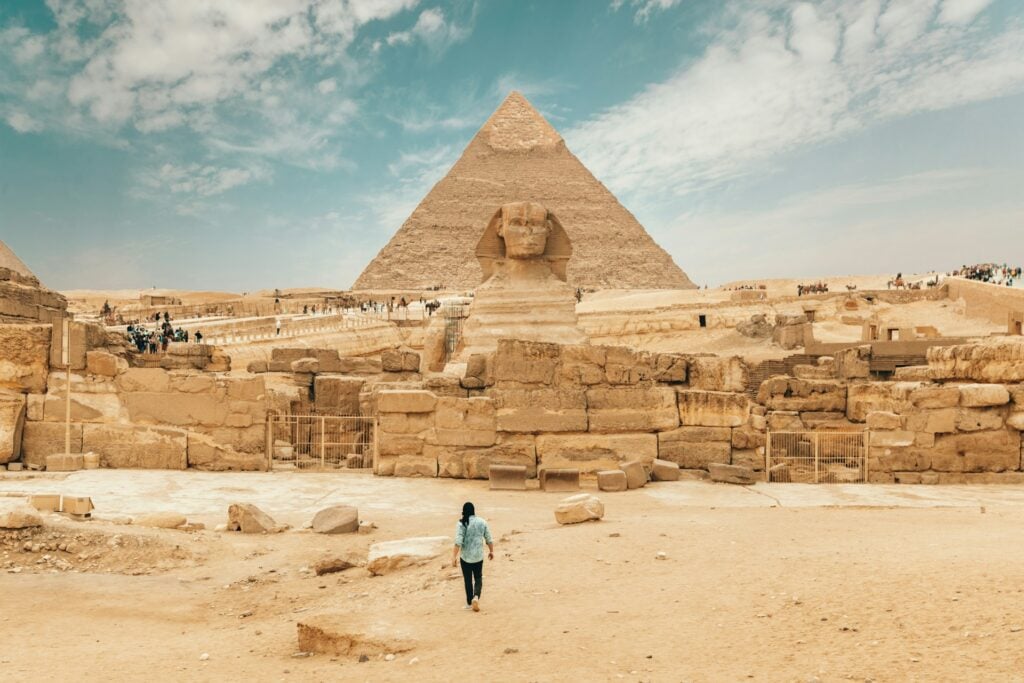
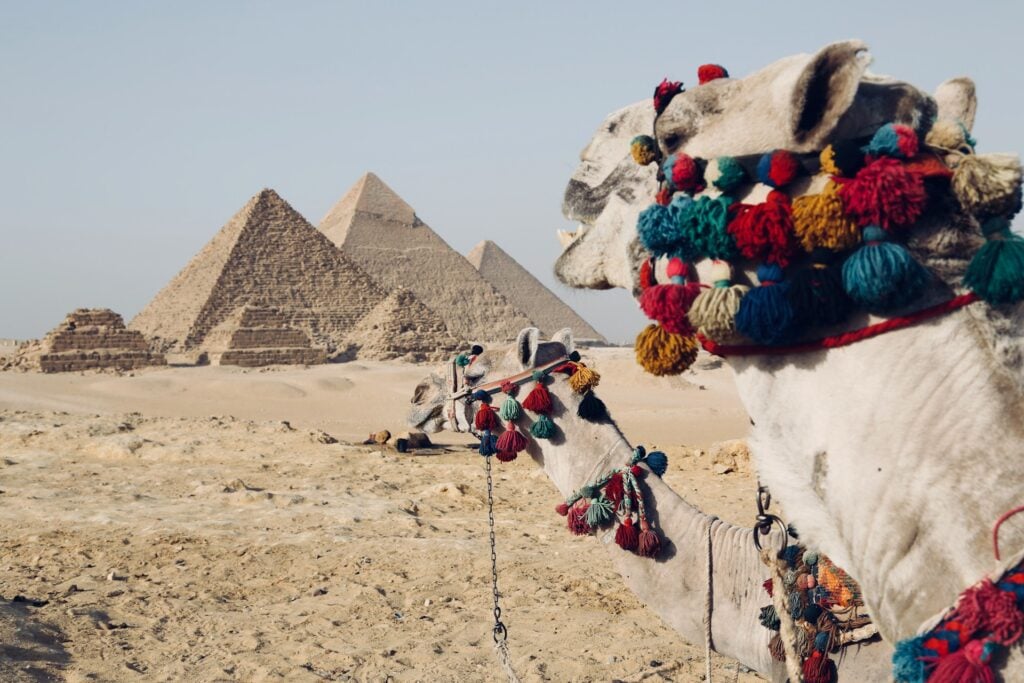
Start your day at 8:00 AM at the Giza Plateau to beat the heat and crowds. The Pyramids of Giza—specifically the Great Pyramid of Khufu (Cheops), the Pyramid of Khafre and the Pyramid of Menkaure—tower over the desert exactly as they have for 4,500 years.
- Great Pyramid of Khufu: The largest of the three and originally 146 meters tall. Consider purchasing a separate ticket to climb inside the narrow passages to the burial chamber—a claustrophobic but unforgettable experience not for everyone.
- Pyramid of Khafre: Appears taller than Khufu’s due to elevated ground but is actually slightly smaller. Still retains some of its original limestone casing at the peak.
- Great Sphinx: The enigmatic limestone statue with a lion’s body and pharaoh’s head guards the pyramid complex. Walk around to the viewing platform for the classic photo angle.
- Valley Temple: Visit the granite temple beside the Sphinx where pharaohs were mummified, showcasing the precision of ancient Egyptian stonework.
Allow 3–4 hours for the Giza complex, including time for photos, camel rides (negotiate prices beforehand) and exploring the Solar Boat Museum near Khufu’s pyramid, which houses a reconstructed ancient wooden boat.
Afternoon: Saqqara Step Pyramid and Memphis
After lunch, drive 30 kilometers south to Saqqara, home to the Step Pyramid of Djoser, Egypt’s oldest pyramid and the prototype for all pyramid construction. This 4,700‑year‑old structure, designed by the architect Imhotep, marks humanity’s first attempt at monumental stone architecture.
The Saqqara necropolis extends for kilometers and includes nobles’ tombs with colorful wall paintings depicting daily life in ancient Egypt, offering context and artistic beauty that the more famous Giza lacks.
Nearby Memphis, the ancient capital of Egypt for over 1,000 years, now consists mostly of ruins, but the open‑air museum displays a massive fallen statue of Ramses II and an alabaster sphinx.
Evening: Sunset at the Pyramids or Sound and Light Show
Return to Giza for sunset views as the pyramids turn golden, or attend the evening Sound and Light Show where lasers and narration dramatize pharaonic history against the monuments’ silhouettes.
Day 2: Egyptian Museum, Citadel and Islamic Cairo
Day two of this Cairo travel guide shifts from ancient pyramids to medieval mosques, museums and the vibrant chaos of Islamic Cairo.
Morning: Egyptian Museum in Tahrir Square
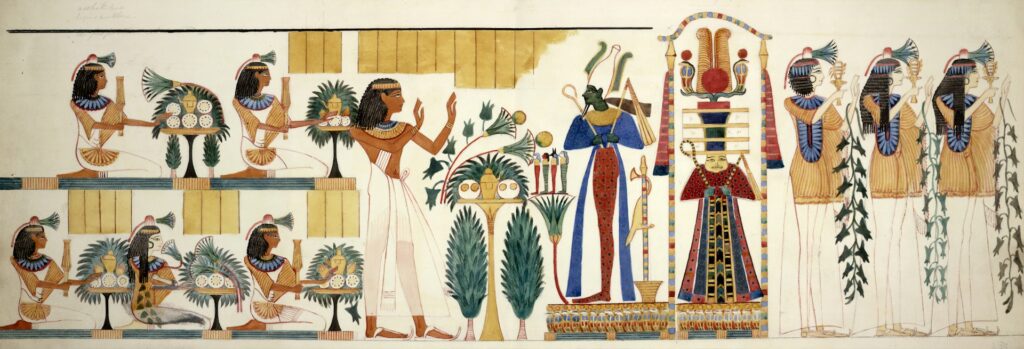
Arrive at 9:00 AM when the Egyptian Museum opens to avoid crowds in the galleries. This pink neoclassical building houses over 120,000 artifacts spanning 5,000 years, though the collection will eventually move to the new Grand Egyptian Museum.
Focus your 2–3 hours on:
- Tutankhamun galleries: The boy king’s golden death mask, throne, chariots and jewelry—treasures discovered nearly intact in 1922 that revolutionized Egyptology.
- Royal Mummy Room: Separate ticket required; view the preserved bodies of Egypt’s most famous pharaohs including Ramses II and Hatshepsut.
- Old Kingdom masterpieces: Statues of Khafre and Menkaure, the Narmer Palette and other foundational works of Egyptian art.
Hiring an Egyptologist guide transforms the experience from overwhelming artifact overload into comprehensible historical narrative.
Midday: Citadel of Saladin and Mohamed Ali Mosque
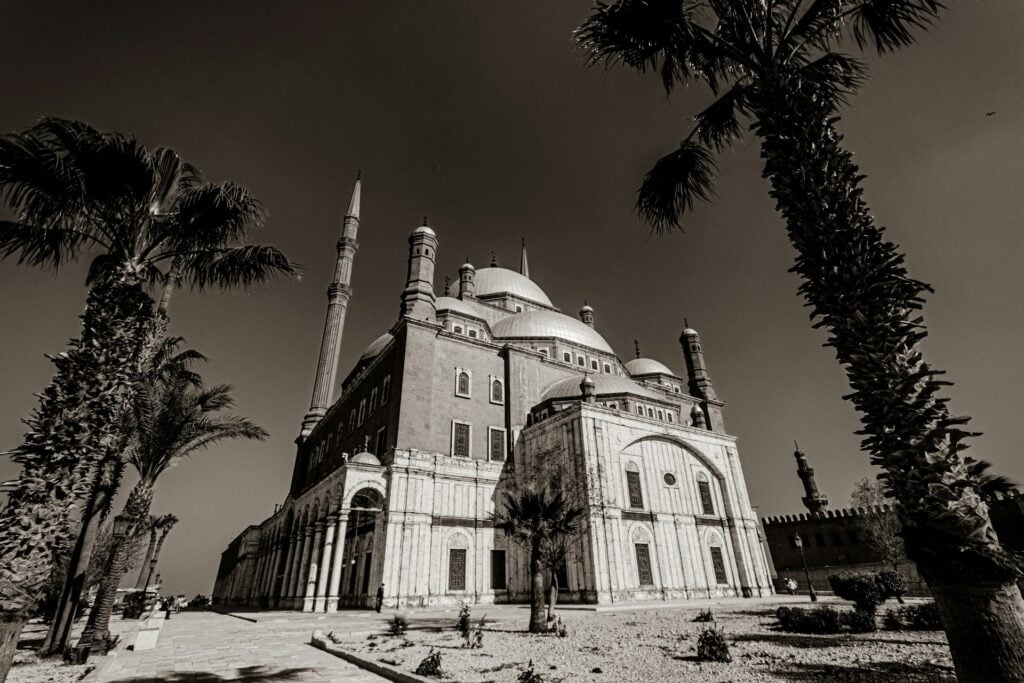
Perched on a hill overlooking Cairo, the medieval Citadel served as Egypt’s seat of power for 700 years. The complex includes the striking Mohamed Ali Mosque with its Ottoman‑style domes and minarets, offering panoramic views over the sprawling city and, on clear days, the distant pyramids.
The Citadel also houses military museums, the beautiful Al‑Nasir Muhammad Mosque and shaded courtyards perfect for escaping midday heat.
Afternoon: Islamic Cairo Walking Tour
Descend into the historic heart of Islamic Cairo, a UNESCO World Heritage Site and one of the world’s oldest Islamic cities with over 600 registered monuments.
- Al‑Azhar Mosque: Founded in 970 CE, it remains one of Sunni Islam’s most prestigious centers of learning. Non‑Muslim visitors may enter outside prayer times.
- Sultan Hassan Mosque: A masterpiece of Mamluk architecture with soaring iwans (vaulted halls) and intricate stone carving.
- Al‑Muizz Street: A beautifully restored medieval avenue lined with mosques, sabil‑kuttabs (public fountains with Quranic schools above) and merchants’ houses showcasing Islamic Cairo’s golden age.
Evening: Khan El Khalili Bazaar
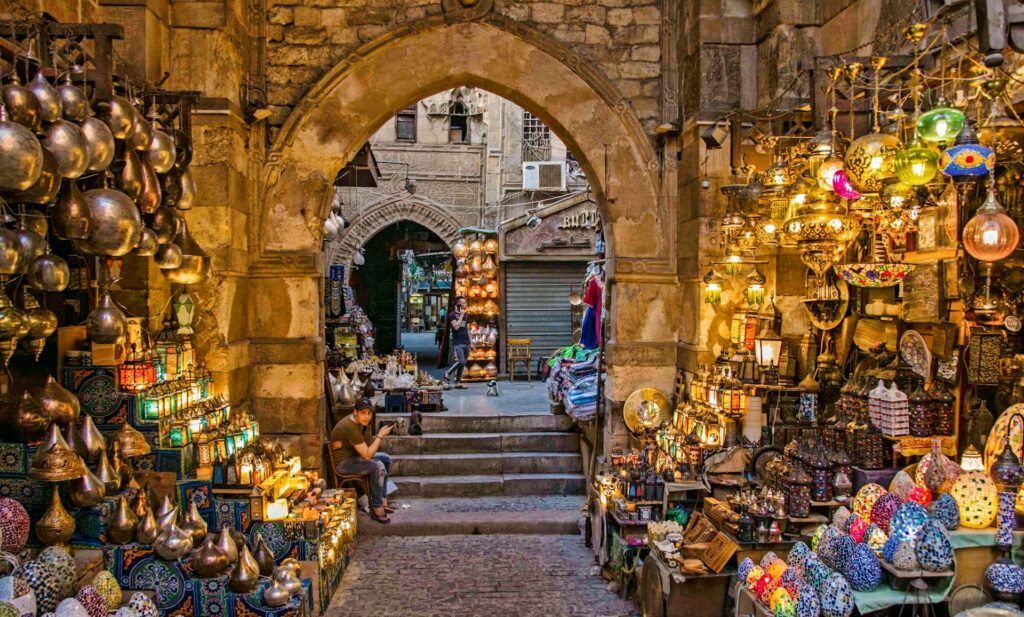
As sunset approaches, arrive at Khan El Khalili, Cairo’s most famous bazaar and an essential stop in any Cairo travel guide. Established in 1382 during the Mamluk era, this sprawling labyrinth of over 600 shops represents the soul of traditional Cairo commerce.
Navigate narrow alleys filled with the aroma of cardamom and roasting coffee, the clang of copper being hammered, and merchants calling out to passersby. Shop for gold and silver jewelry, spices, perfumes, textiles, brass lanterns, mother‑of‑pearl boxes and papyrus paintings. Bargaining is expected—start at 40–50% of the asking price and negotiate with good humor.
Stop at the historic Fishawi’s Coffeehouse, operating since 1773, for mint tea, shisha and people‑watching in an atmospheric courtyard unchanged for centuries.
Day 3: Coptic Cairo, Nile Cruise and Local Experiences
The final day of this Cairo travel guide explores Old Cairo’s Christian heritage, relaxing Nile experiences and optional activities based on your interests.
Morning: Coptic Cairo
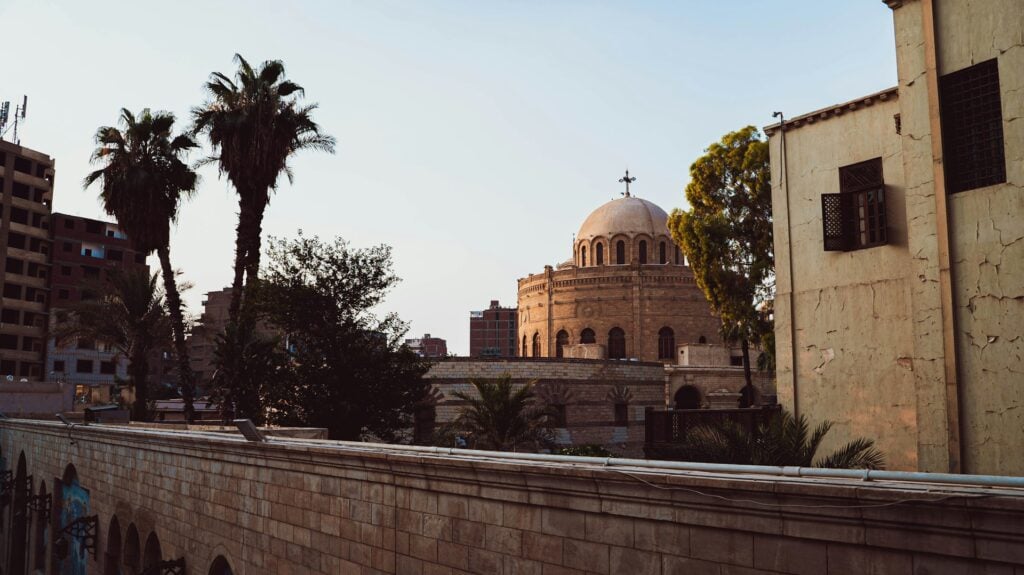
Visit Old Cairo’s Coptic quarter, where Egypt’s Christian minority has worshiped for nearly 2,000 years. The Hanging Church (Al‑Muallaqa), built atop a Roman fortress, features beautiful wooden screens inlaid with ivory. The Church of St. Sergius marks the traditional site where the Holy Family rested during their flight to Egypt.
The Coptic Museum nearby houses one of the world’s finest collections of Coptic art, illuminated manuscripts and textiles, telling the story of Christianity’s early centuries in Egypt.
Midday: Nile Felucca Ride
Escape Cairo’s intensity with a peaceful felucca (traditional sailboat) ride on the Nile. Drift along the river that has sustained Egyptian civilization for millennia, watching modern Cairo’s skyline glide past while the wind fills white sails. Sunset cruises offer particularly magical light and cooler temperatures.
Afternoon: Choose Your Own Adventure
Depending on energy levels and interests, spend your final afternoon:
- At the Grand Egyptian Museum: If fully opened, this new museum near the Giza Pyramids displays over 100,000 artifacts including the complete Tutankhamun collection.
- Exploring Zamalek: Cairo’s upscale island neighborhood with tree‑lined streets, art galleries, boutique shops and riverside cafés offering a dramatically different vibe from old Cairo.
- Shopping in local souqs: Venture to less‑touristy markets like Ataba or Sayeda Zeinab for genuine local shopping experiences.
- Taking a cooking class: Learn to make koshari, molokhia or stuffed pigeon with a local chef.
Evening: Final Dinner and Reflection
Celebrate your final night with dinner at a rooftop restaurant overlooking the Nile, sampling Egyptian mezze, grilled meats and perhaps trying pigeon or rabbit dishes. Consider attending a Tanoura dance performance, where Sufi whirling dervishes spin in colorful skirts to hypnotic music—a spiritual art form with roots in Islamic mysticism.
Essential Cairo Travel Guide Tips
Best Time to Visit Cairo
- October to April: Ideal weather with pleasant temperatures (15–25°C), making pyramid climbing and outdoor exploration comfortable.
- November to February: Peak season with higher prices but perfect conditions for sightseeing.
- May to September: Extremely hot (35–40°C+), fewer tourists and lower prices, but outdoor activities become exhausting; early morning starts are essential.
Getting Around Cairo
- Hiring a guide with car: Most efficient for multi‑site days; guides know routes, handle tickets and provide historical context worth the cost.
- Uber and taxis: Uber works well in Cairo and avoids haggling; regular taxis require negotiating fares before entering.
- Cairo Metro: Clean, air‑conditioned and cheap, useful for getting between downtown and some areas, though not comprehensive.
- Walking: Feasible within specific neighborhoods like Islamic Cairo or Zamalek, but not between major sites due to distances and chaotic traffic.
Money and Costs
- Budget travelers: $40–60 per day (hostels, street food, public transport, basic entry tickets).
- Mid‑range travelers: $80–120 per day (3‑star hotels, sit‑down restaurants, private guides, all major sites).
- Luxury travelers: $200+ per day (5‑star hotels like Marriott Mena House, fine dining, private tours, premium experiences).
Pyramid entry costs around $10–15, interior visits $15–25 extra, museum tickets $7–12, and hiring guides $40–80 for full days.
What to Pack
- Modest clothing: Cover shoulders and knees when visiting mosques; women should bring a scarf for head covering.
- Comfortable walking shoes: You will walk several kilometers daily on uneven ancient stones.
- Sun protection: Hat, sunglasses, high‑SPF sunscreen and refillable water bottle.
- Toilet paper and hand sanitizer: Not always available in public restrooms.
- Cash: Many vendors and small restaurants do not accept cards; ATMs are common in central areas.
Safety and Scams
Cairo is generally safe for tourists, but be aware of common issues:
- Persistent vendors: Polite but firm “no thank you” works; avoid engaging if not interested.
- Inflated prices: Always agree on prices before services (taxis, camel rides, felucca trips).
- Unofficial guides: Only hire licensed guides; unofficial ones may pressure you into shops where they earn commissions.
- Photography fees: Some sites charge extra for cameras; check before snapping away.
- Pickpockets: Watch valuables in crowded markets and metro.
Cultural Etiquette
- Remove shoes when entering mosques and some homes.
- Ask permission before photographing people, especially women.
- Dress modestly to show respect and avoid unwanted attention.
- Learn basic Arabic greetings: “Salam aleikum” (peace be upon you), “shukran” (thank you).
- During Ramadan, avoid eating, drinking or smoking in public during daylight fasting hours.
Where to Stay: Neighborhood Guide
Near the Pyramids
Stay in Giza for sunrise pyramid access before crowds arrive. Options range from budget hotels to the legendary Marriott Mena House with pyramid views from your balcony.
Downtown Cairo
Central location near Tahrir Square and the Egyptian Museum, with easy access to Islamic Cairo. More local atmosphere, cheaper accommodation, but noisier and more chaotic.
Zamalek
Upscale island neighborhood in the Nile, quieter than downtown with good restaurants, cafés and proximity to museums. Mid‑range to luxury hotels.
Heliopolis
Near the airport, useful for early flights. Less convenient for sightseeing but safer and cleaner than central districts.
Extending Your Cairo Travel Guide: Optional Add‑Ons
If you have more than three days, this Cairo travel guide recommends these extensions:
- Alexandria day trip: Egypt’s Mediterranean port city with Greco‑Roman ruins, seaside Corniche and fresh seafood (3 hours by train).
- Dahshur: See the Bent Pyramid and Red Pyramid, earlier experiments in pyramid building less crowded than Giza.
- Fayoum Oasis: Desert landscapes, ancient waterwheels and the magical Wadi El Rayan waterfalls, 2 hours south of Cairo.
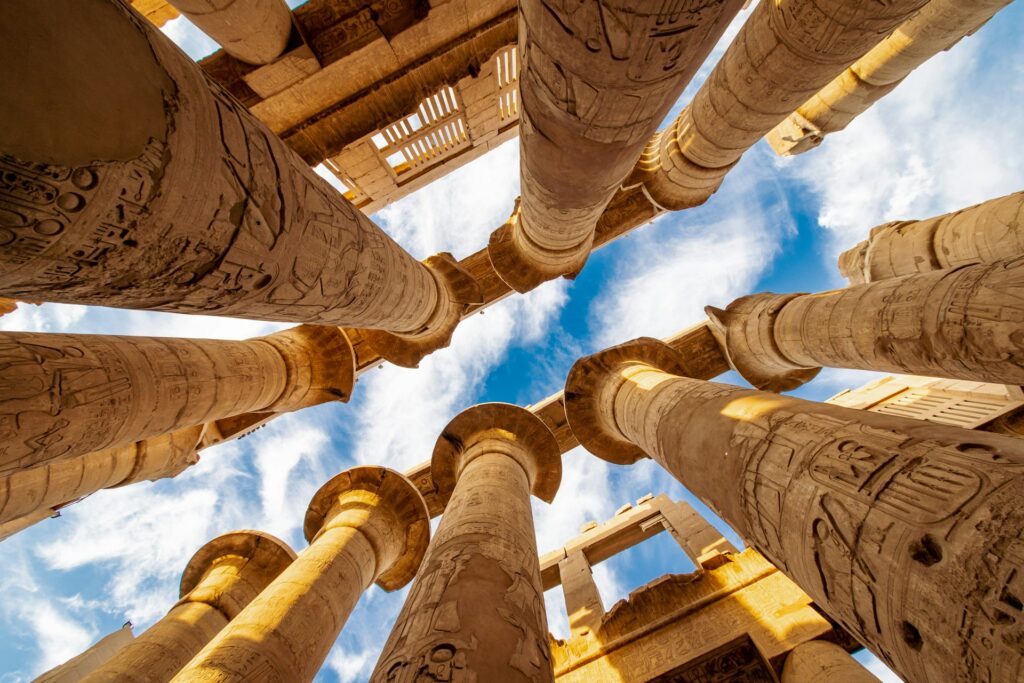
- Luxor: Egypt’s greatest concentration of pharaonic temples; reachable by short flight or overnight train for 2–3 day extensions.
Final Thoughts: Embracing Cairo’s Chaos and Wonder
This Cairo travel guide has laid out a manageable 3‑day itinerary hitting the essential Pyramids of Giza, Sphinx, Egyptian Museum treasures, Islamic Cairo’s architectural masterpieces and the sensory overload of Khan El Khalili. But Cairo defies neat itineraries—it is a city that demands you surrender to its rhythm, accept its challenges and open yourself to unexpected moments of beauty and connection.
You will be overwhelmed by traffic, frustrated by hustlers, exhausted by heat and crowds. You will also stand speechless before monuments that have witnessed 4,500 years of human history, taste street food perfected over centuries, and experience the warmth of Egyptian hospitality that has welcomed travelers since pharaonic times.
Use this Cairo travel guide as your foundation, but leave room for spontaneity. The best Cairo experiences often happen when you get delightfully lost in Islamic Cairo’s alleys, linger over tea with a shopkeeper who insists on telling you his family history, or watch the sun set over the Nile from a felucca deck while the call to prayer echoes across the water.
Cairo is not an easy city, but it is an unforgettable one—a place where every stone tells a story, where ancient and modern collide in glorious chaos, and where the monuments you have dreamed about since childhood finally, impossibly, materialize before your eyes in all their weathered, magnificent reality.