
Egypt in October: The Sun Festival of Abu Simbel and Desert Culture
October marks a magical turning point for travelers heading to the land of the Pharaohs. As the scorching, triple-digit heat of the desert summer finally breaks, a refreshing autumn breeze sweeps across the Nile Valley. The cooling temperatures reopen the gates to comfortable daytime exploration, signaling the official beginning of the peak travel season. However, visiting during this shoulder month offers much more than just pleasant weather; it grants you a front-row seat to some of the most profound and exclusive cultural celebrations on earth.
Choosing to experience Egypt in October means stepping away from the standard tourist tracks and diving headfirst into the living, breathing heart of Egyptian history and desert tradition. From miraculous astronomical alignments in the far south to indigenous harvest celebrations hidden deep within western desert oases, autumn provides a festive tapestry unmatched by any other month. To help you design an extraordinary itinerary, we have created the ultimate guide to the grand celebrations, mystical alignments, and essential reasons why visiting Egypt in October is an unforgettable adventure.
The Celestial Wonder: Abu Simbel Sun Festival October
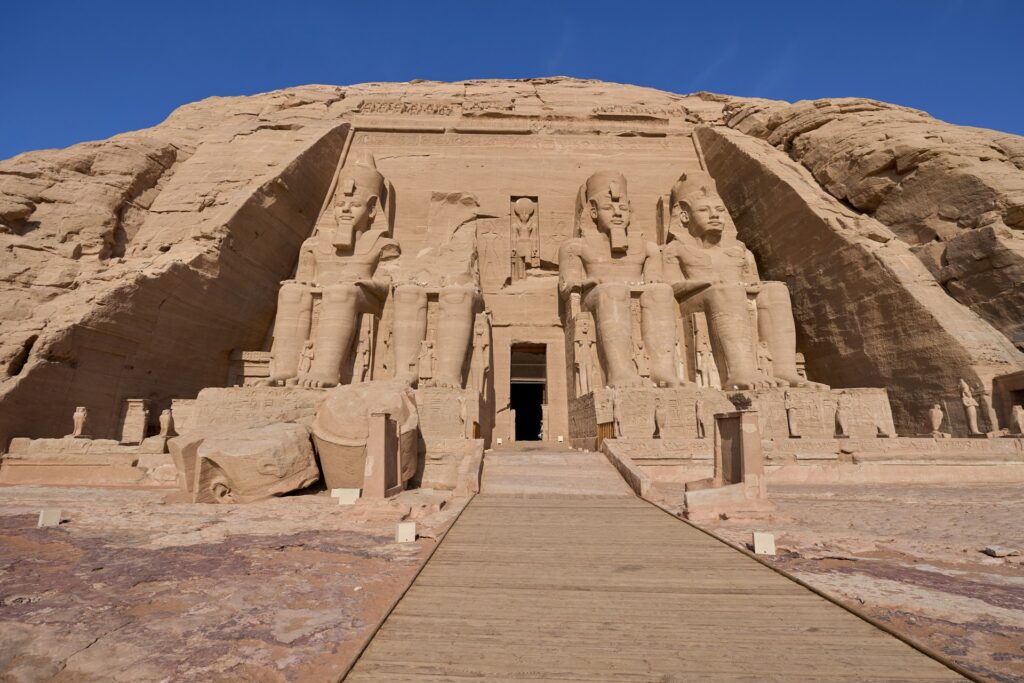
The crown jewel of autumn travel sits deep in Nubian territory, near the southern border of the country. Here, ancient engineering and modern awe collide in a spectacular solar phenomenon that only happens twice a year.
Attending the legendary Abu Simbel sun festival october celebration is a bucket-list pilgrimage for history buffs and astronomy enthusiasts alike. Built by the megalomaniacal Pharaoh Ramesses II in the 13th century BCE, the great sun temple was meticulously engineered so that its internal chamber remains in complete darkness for 363 days of the year. However, on two specific dates—marking the Pharaoh’s birthday and his ascension to the throne—the morning sun rays pierce through the narrow entrance temple doors, illuminating the pitch-black sanctuary inside.
On the morning of October 22nd, the sun perfectly aligns to travel 200 feet deep into the mountain rock, illuminating three of the four seated colossal statues: Amun-Ra, Ra-Horakhty, and a deified Ramesses II himself, while purposely leaving Ptah, the god of the underworld, shrouded in shadow. Travelers participating in the Abu Simbel sun festival october gather outside the temple gates in the pre-dawn darkness, surrounded by traditional Nubian folk musicians and dancers. As the first ray of golden sunlight strikes the statues, the crowd erupts into celebration, kicking off a day-long street festival of music, storytelling, and local food that breathes vibrant life into the ancient desert monuments.
Desert Mystique: Siwa Oasis Date Harvest Festival
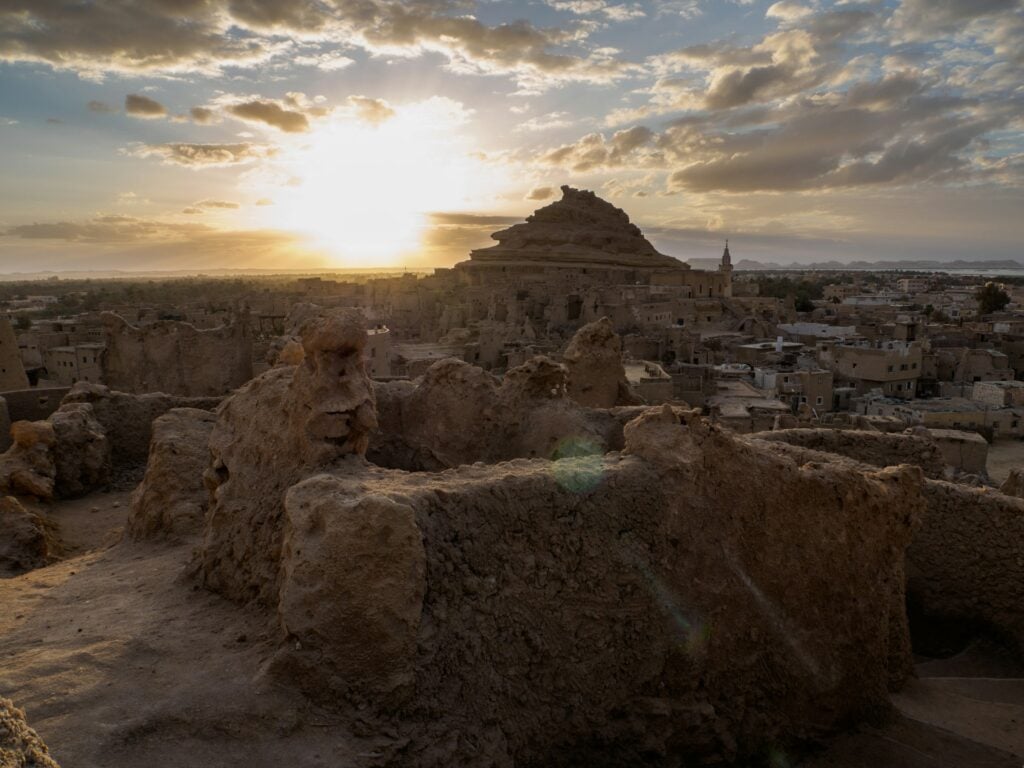
While the Nile Valley celebrates the ancient kings, traveling far out into the Western Desert brings you to a completely isolated world where indigenous culture takes center stage during the autumn season.
Deep within the Sahara, the remote, eco-centric paradise of Siwa hosts the spectacular Siwa oasis date harvest festival, known locally as the Siyaha Festival. Taking place during the mid-October full moon, this centuries-old gathering marks the end of the agricultural harvest cycle for dates and olives, which form the lifeblood of the local economy. Unlike the rest of the country, the people of Siwa are of Amazigh (Berber) descent, preserving their own distinct language, unique attire, and ancient customs.
During the three days of the festival, all local disputes are formally settled, and the entire population gathers at the base of Mount Dakrour to celebrate peace, unity, and gratitude. Travelers who journey out for the Siwa oasis date harvest festival will witness a mesmerizing ocean of white robes as thousands of Sufi devotees chant in unison, share massive communal banquets of traditional bread and meat, and perform spiritual dances under the moonlight. Surrounded by millions of palm trees, salt lakes, and natural hot springs, it is a soulful, transformative glimpse into ancient North African desert culture that remains completely untouched by mass tourism.
The Cultural Tapestry: Best Cultural Events in Egypt
Beyond these standalone regional spectacles, autumn acts as the catalyst for several of the absolute best cultural events in Egypt, transforming major metropolitan hubs into lively artistic centers.
The Cairo International Arab Music Festival
Held annually at the prestigious Cairo Opera House, this multi-day festival gathers the most celebrated vocalists, musicians, and orchestral ensembles from across the Arab world. For travelers spending time in the capital, it provides a sophisticated evening of classical Arabic music, mesmerizing lute (oud) performances, and traditional poetry recitals. It is a vibrant, elite celebration of Middle Eastern artistic heritage that offers a beautiful contrast to the rugged desert excursions.
The Moulid of Sayyid Ahmed al-Badawi
For a raw, high-energy immersion into Egyptian spiritual life, travelers can venture to the Delta city of Tanta. This massive Islamic festival draws up to two million pilgrims to honor one of Sufism’s most beloved saints. The streets around the grand mosque are transformed into a kaleidoscope of colorful tents, vibrant sweet-stalls, and spinning carnival rides. Witnessing the rhythmic, trance-inducing dhikr rituals performed by Sufi brotherhoods makes it one of the most intensely immersive, authentic Egypt in october highlights available.
Frequently Asked Questions (FAQs)
What is the weather like in Egypt in October?
October offers exceptional transition weather. In Cairo and the northern coast, daytime temperatures hover around a pleasant 28°C to 30°C (82°F to 86°F). In southern destinations like Luxor, Aswan, and Abu Simbel, daytime temperatures average around 34°C (93°F), but the lack of humidity and cool desert breezes make exploring outdoor tombs and temples highly comfortable compared to the summer months.
How do I travel to Abu Simbel for the Sun Festival?
Abu Simbel is located roughly 3 hours south of Aswan by road. To experience the sunrise solar alignment, most travelers book a guided day-tour that departs Aswan by bus in the middle of the night (around 2:00 AM) to arrive before dawn. Alternatively, you can catch a short domestic flight from Aswan or Cairo directly to Abu Simbel airport, or stay overnight in a local Nubian eco-lodge the evening before.
Is it safe and easy to travel to the Siwa Oasis?
Yes, traveling to Siwa is safe, though it requires a bit of an adventure. Siwa sits roughly 8 to 9 hours away from Cairo by road. Most travelers opt for a private driver, a guided desert tour, or an overnight long-distance bus from Cairo. Because of its remote location, the reward is an incredibly peaceful, secure oasis town with unparalleled hospitality.
What should I pack when visiting Egypt in October?
Pack lightweight, breathable clothing made of cotton or linen to stay cool during the sunny afternoons. However, because you will be in desert environments, temperatures drop significantly once the sun goes down; packing a light jacket, pashmina scarf, or sweater for evening Nile cruises and desert stargazing is highly recommended. Always respect local customs by keeping shoulders and knees covered when visiting religious sites.
Can anyone attend the October cultural festivals?
Absolutely! Gatherings like the Siwa Siyaha Festival and the Abu Simbel alignments are open to the public and warmly welcome international travelers. While outdoor street festivals are free, indoor spectacles like the Arab Music Festival in Cairo require buying performance tickets in advance through the Opera House box office.
The Final Verdict: Why Autumn is Egypt’s True Golden Hour

Ultimately, choosing to explore Egypt in October rewards you with the perfect equilibrium of pristine climate and deep cultural access. By structuring your trip around the astronomical wonders of the south, the spiritual harvest circles of the western desert, and the artistic revivals of Cairo, your vacation transforms from a simple sightseeing tour into an immersive cultural odyssey. As you finalize your travel timeline, prepare to watch the desert sands glow, the ancient temples align, and the vibrant spirit of Egypt in October completely sweep you away.