
Is Egypt Safe to Visit? Current Travel Advisories, Tourist Areas and Real Traveler Tips
When planning a trip to the land of pyramids and pharaohs, one question dominates traveler concerns: is Egypt safe to visit? This comprehensive safety guide addresses the most frequently asked travel security question about Egypt, examining current conditions, official travel advisories, tourist area security measures, and real-world traveler experiences. Understanding whether is Egypt safe to travel requires looking beyond sensational headlines to examine actual conditions on the ground, government security initiatives, and statistical evidence from millions of annual visitors.
Egypt welcomes over 11.7 million international tourists annually, with tourism representing a cornerstone of the national economy. The Egyptian government consequently prioritizes visitor protection through dedicated tourist police forces, enhanced security protocols at major attractions, and continuous infrastructure improvements. While questions like “is it safe to travel to Egypt” persist due to regional geopolitics and historical security incidents, the reality in 2026 shows that popular tourist destinations maintain robust security measures that effectively protect visitors.
This guide examines Egypt safety from multiple angles—current travel advisories from major governments, area-specific security assessments, transportation safety standards, common risks travelers actually face, and practical precautions that ensure comfortable experiences. Whether you’re wondering “is Cairo safe” or evaluating beach resort security, this article provides the evidence-based information necessary for making informed travel decisions about Egypt in 2026.
Current Egypt Travel Advisory Status (2026)
Official government travel advisories provide essential context when evaluating Egypt travel safety. As of February 2026, most Western governments maintain cautious yet permissive advisory levels that distinguish between tourist areas and restricted regions. Understanding these nuanced advisories clarifies the actual Egypt travel advisory stance rather than media simplifications.
United States Travel Advisory
The U.S. State Department maintains a Level 2 advisory for Egypt (last updated June 15, 2025), recommending travelers “Exercise Increased Caution.” This designation—the same level applied to many European countries—advises heightened awareness rather than travel avoidance. The advisory specifically recommends avoiding North Sinai, the Western Desert near the Libyan border, and certain areas along the Israel-Egypt border at Taba. Critically, popular tourist destinations including Cairo, Luxor, Aswan, Alexandria, and Red Sea resorts face no travel restrictions.
United Kingdom Travel Advice
The UK Foreign Office similarly advises against travel to specific restricted zones—North Sinai, parts of South Sinai (excluding Sharm el-Sheikh resort), and border regions near Libya and Sudan. However, the advisory confirms that major tourist areas remain open and functional for British citizens. The UK government emphasizes staying within established tourist zones, avoiding political gatherings, and using reputable tour operators.
Australian and Canadian Advisories
Australia’s Smartraveller and Canada’s travel advisory systems mirror these assessments, recommending “high degree of caution” for Egypt generally while specifically warning against border regions. Both governments acknowledge that mainstream tourist areas maintain enhanced security and welcome international visitors. These advisories clarify that when travelers ask “is Egypt safe to visit,” the answer depends significantly on destination—the Nile Valley corridor and Red Sea resorts differ dramatically from restricted border zones.
What Travel Advisories Really Mean
Government travel advisories reflect worst-case scenarios and legal liability considerations rather than typical tourist experiences. A Level 2 “Exercise Increased Caution” designation indicates standard urban precautions—the same awareness recommended for major cities worldwide including Paris, Rome, or London. When evaluating Egypt travel advisory information, focus on destination-specific guidance rather than country-wide generalizations. The overwhelming majority of Egypt’s 11.7 million annual visitors complete their trips without security incidents, demonstrating that official caution reflects regional complexity rather than tourist danger.
Tourist Area Safety: Where Is Egypt Safe?
When travelers question “is Egypt safe to travel,” they typically reference specific destinations rather than the entire country. Egypt’s vast geography encompasses diverse security environments, with tourist corridors maintaining substantially different conditions than restricted border regions. Understanding area-specific Egypt safety assessments helps travelers make informed destination choices.
Cairo and Giza: High Security in the Capital
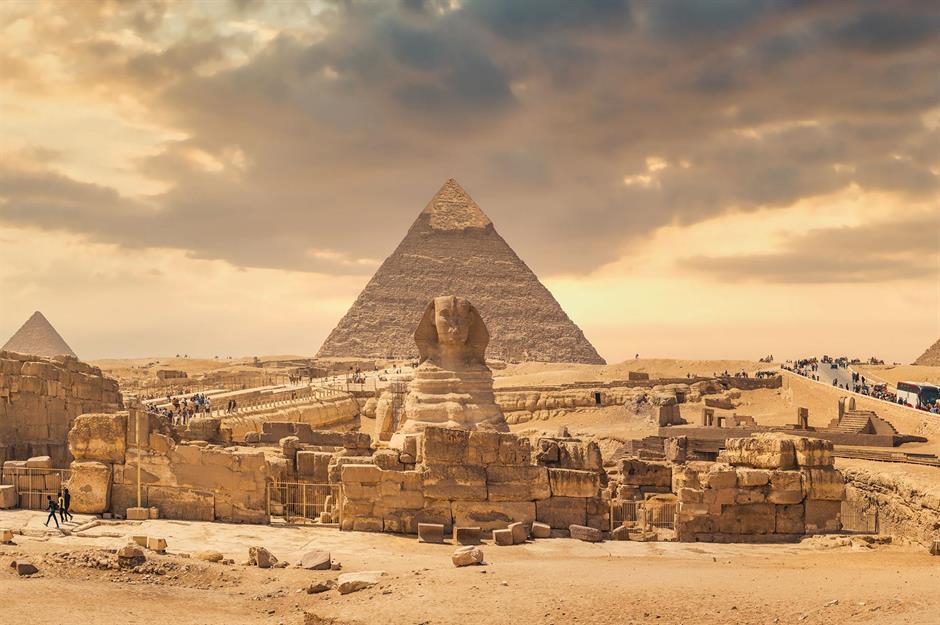
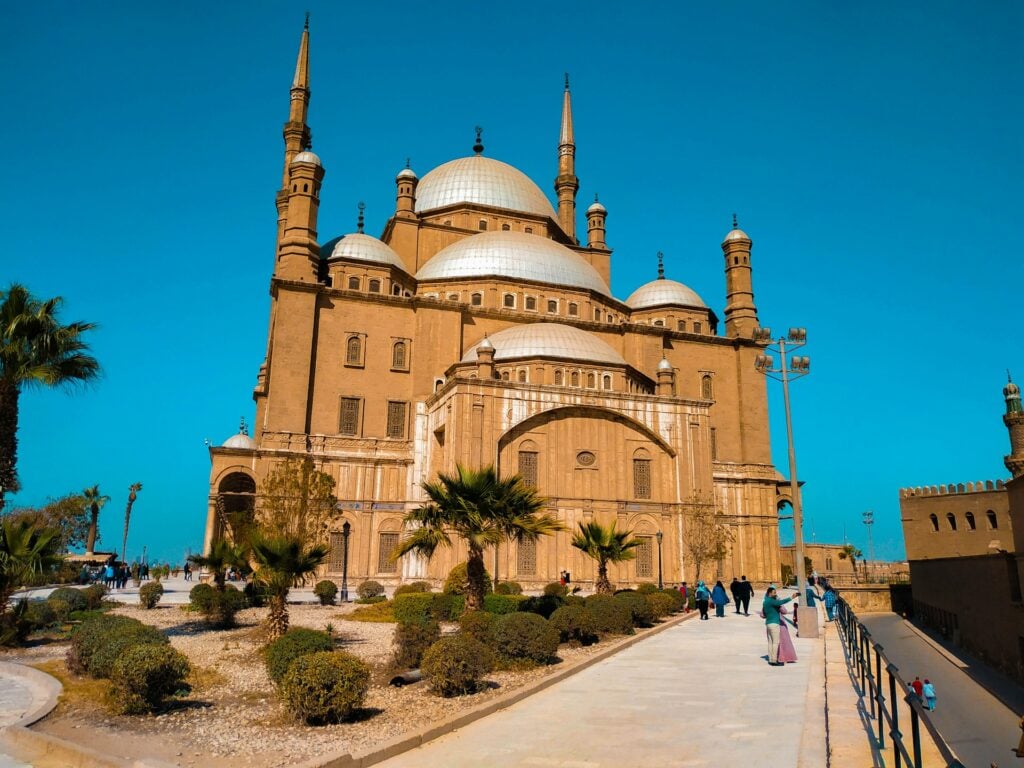
Questions like “is Cairo safe” rank among travelers’ most common concerns, yet Cairo and adjacent Giza host millions of international visitors annually with minimal incidents. The Egyptian capital maintains visible security presence throughout tourist districts including Downtown Cairo, Zamalek, Garden City, and the Giza Plateau. Police and military checkpoints operate near major hotels, museums, metro stations, and archaeological sites. The Pyramids of Giza specifically feature constant security monitoring, with dedicated tourist police stations, controlled entry points, and licensed vendor registration.
Cairo International Airport has upgraded security systems to international standards, implementing advanced screening technology and passenger profiling. Within the city, tourist-frequented neighborhoods benefit from embassy security (many embassies cluster in Zamalek and Garden City), international hotel security protocols, and proactive tourist police patrols. Common Cairo risks involve typical urban challenges—traffic congestion, occasional overcharging, and persistent vendors—rather than security threats. Travelers using reputable transportation services (Uber operates extensively throughout Cairo), staying in established hotel districts, and exercising standard urban awareness typically experience Cairo as safe and manageable.
Luxor and Aswan: The Safe Nile Valley
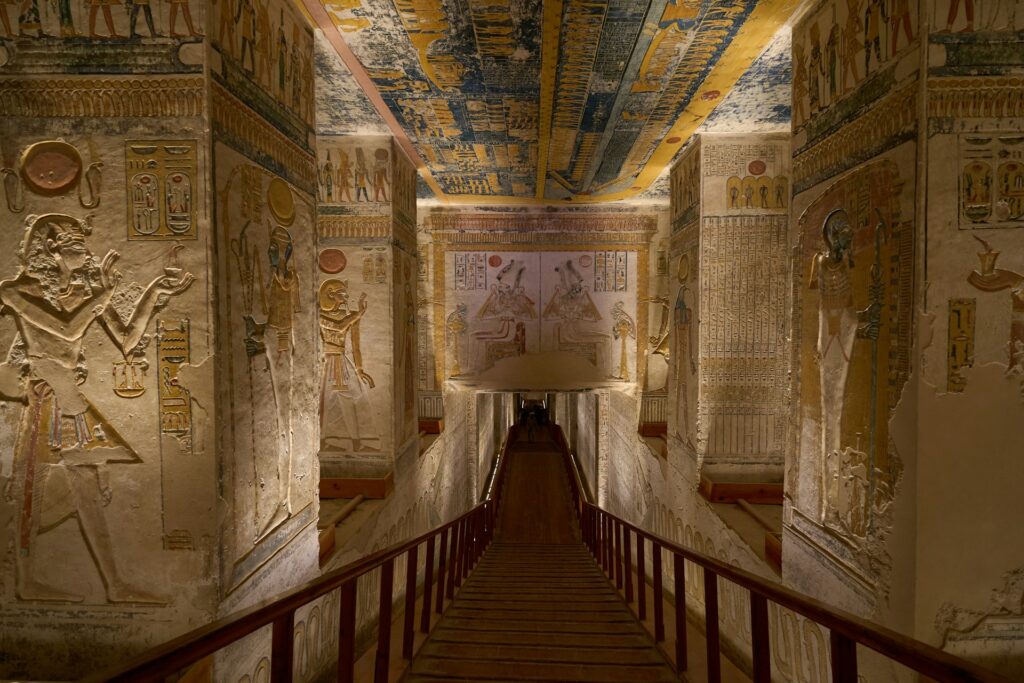
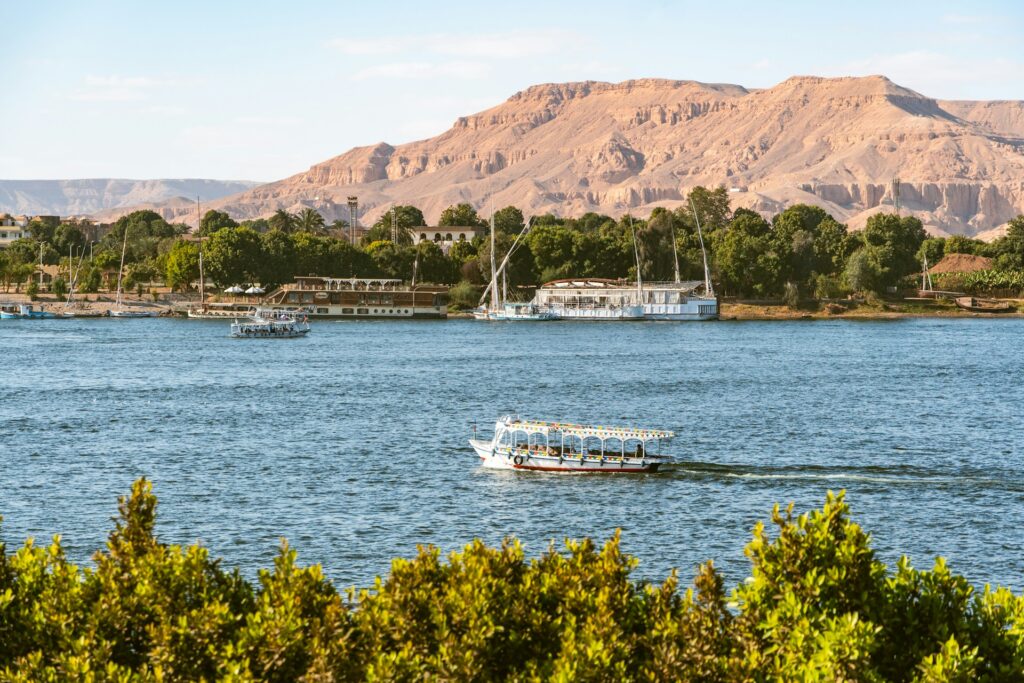
The Nile Valley corridor connecting Luxor and Aswan represents one of Egypt’s safest tourist regions. These Upper Egypt destinations attract cruise passengers and independent travelers exploring Karnak Temple, Valley of the Kings, Philae Temple, and Abu Simbel. Egyptian authorities maintain intensive security throughout this tourism-dependent region, with checkpoints on highways, security screening at archaeological sites, and tourist police presence at major attractions. Nile cruise ships employ private security, undergo regular safety inspections, and follow regulated navigation routes.
This region demonstrates effective Egypt travel safety management—terrorist incidents targeting tourists are exceptionally rare, violent crime against visitors virtually nonexistent, and tourism infrastructure well-developed. Travelers frequently describe Luxor and Aswan as feeling safer than Cairo due to smaller populations, less traffic chaos, and dedicated tourism economies that prioritize visitor protection.
Red Sea Resorts: Premium Security Standards
Red Sea destinations including Sharm el-Sheikh, Hurghada, Marsa Alam, and El Gouna maintain the highest security levels in Egypt. These resort zones feature restricted entry points, comprehensive CCTX coverage, private hotel security forces, and stringent access controls. Resort hotels implement metal detectors, luggage screening, and controlled beach access. The relative isolation of these coastal destinations—separated from population centers and political activity—contributes to their exceptional safety records.
Red Sea resorts welcome families, solo travelers, and diving enthusiasts seeking secure beach vacations. Safety standards here often exceed those in comparable Mediterranean or Caribbean destinations. When evaluating is Egypt safe for beach holidays, Red Sea resorts consistently rank among the safest options regionally and internationally.
Alexandria: Coastal City Security
Alexandria, Egypt’s second-largest city and Mediterranean coastal destination, maintains good security standards for tourists. The city’s historical attractions including the Bibliotheca Alexandrina, Qaitbay Citadel, and Montaza Palace operate under tourist police protection. Alexandria feels more relaxed than Cairo, with Mediterranean cultural influences and less intense vendor activity. The corniche (waterfront promenade) remains safe for evening walks, restaurants cater to international standards, and transportation options include reliable taxi services and ride-sharing apps.
What Security Measures Protect Tourists in Egypt?
Understanding the comprehensive security infrastructure protecting visitors clarifies why experienced travelers consistently confirm that is Egypt safe to visit has a reassuring answer. The Egyptian government has invested heavily in tourist protection systems following security challenges in earlier years, creating multi-layered security protocols that operate largely invisibly to visitors while maintaining effective protection.
Dedicated Tourist Police Force
Egypt’s Tourist Police (identifiable by distinctive armbands and typically wearing more formal uniforms than regular police) operate specifically to assist and protect international visitors. These officers receive English language training, understand tourist concerns, and maintain visible presence at major attractions, bazaars, airports, hotels, and transportation hubs. Tourist Police stations operate at the Pyramids of Giza, Luxor Temple, Khan el-Khalili bazaar, and other high-traffic tourist sites. Travelers experiencing issues with vendors, transportation, or needing assistance can approach Tourist Police directly.
Archaeological Site Security
Major attractions implement comprehensive security measures including metal detectors at entrances, bag screening, CCTV monitoring, controlled access points, and regular security patrols. The Egyptian Museum, Pyramids complex, Karnak Temple, and other premier destinations employ these protocols consistently. Security procedures may cause minor delays but demonstrate the government’s commitment to maintaining Egypt travel safety at cultural heritage sites.
Hotel and Resort Security
Egyptian hotels, particularly 4-star and 5-star properties, maintain international security standards. Most hotels implement entry screening, luggage scanning, vehicle inspections, controlled elevator access to room floors, and in-room safes. Resort hotels exceed these measures with perimeter security, private beach access controls, and 24-hour security staff presence. International hotel chains (Marriott, Hilton, Sofitel, Four Seasons) apply global security protocols to their Egyptian properties.
Transportation Security
Airports in Cairo, Hurghada, Sharm el-Sheikh, and Luxor follow international aviation security standards with enhanced screening procedures. Tour buses traveling between destinations often receive police escorts through certain regions, and highways feature regular security checkpoints. Domestic flights undergo rigorous security screening comparable to international standards. This transportation security infrastructure addresses concerns about whether is it safe to travel to Egypt between cities—the answer is overwhelmingly yes when using licensed transportation services.
Real Risks Travelers Actually Face in Egypt
Balanced Egypt safety assessment requires acknowledging actual risks travelers encounter versus theoretical security concerns. The overwhelming majority of visitor challenges in Egypt involve practical travel issues rather than security threats. Understanding these common situations helps travelers prepare appropriately without excessive anxiety.
Scams and Overcharging
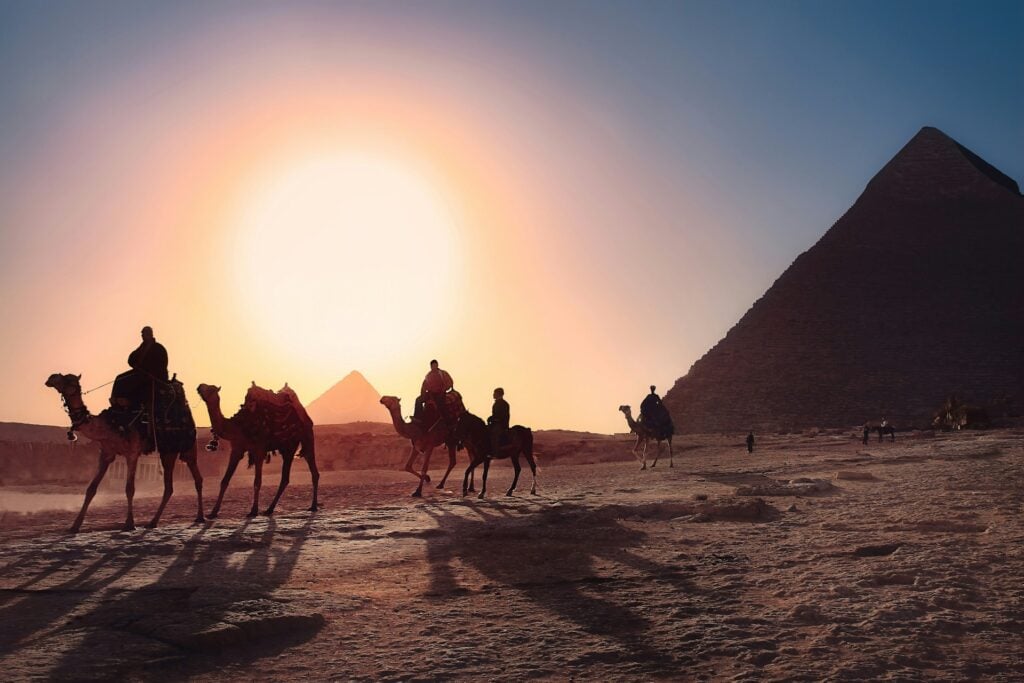
The most common traveler complaint involves vendor persistence, overcharging, and various scam attempts. At the Pyramids, unlicensed guides may offer “free” services then demand payment, camel ride operators quote inflated prices, and vendors employ high-pressure sales tactics. In bazaars, initial asking prices often exceed reasonable amounts by 300-500%. These situations cause frustration and financial loss but pose no physical danger. Booking through reputable tour companies, agreeing on prices before accepting services, and politely but firmly declining unwanted offers effectively mitigate these issues.
Traffic and Road Safety
Egyptian traffic, particularly in Cairo, presents genuine safety challenges. Driving standards differ markedly from Western norms, with aggressive lane changes, minimal turn signal usage, and creative traffic rule interpretation. Pedestrian crossings command little respect from drivers. Travelers should avoid renting vehicles in Cairo, use established taxi services or Uber, and exercise extreme caution when crossing streets. Road accidents represent statistically higher risks than terrorism or violent crime for Egypt visitors.
Petty Theft
Pickpocketing and bag snatching occur in crowded areas including bazaars, metro stations, and busy tourist sites. These incidents remain relatively uncommon compared to major European tourist cities but warrant standard precautions—using anti-theft bags, avoiding displaying expensive jewelry or electronics, maintaining awareness in crowds, and securing passports and large amounts of cash in hotel safes. Violent robbery targeting tourists is exceptionally rare in Egypt.
Health and Hygiene Concerns
Traveler’s diarrhea (“Egyptian tummy”) affects many visitors due to different bacteria in Egyptian food and water. Drinking bottled water exclusively, avoiding ice in drinks, eating only cooked foods from reputable establishments, and carrying anti-diarrheal medication reduces this risk. Heat-related illness during summer months (May-September) when temperatures exceed 40°C (104°F) requires hydration awareness and midday activity limitations. These health considerations represent more probable concerns than security issues when evaluating is Egypt safe to travel.
Practical Safety Tips for Egypt Travelers
Maximizing Egypt travel safety requires combining awareness with practical preparation. These evidence-based recommendations reflect advice from tour operators, experienced travelers, and security experts familiar with Egyptian conditions.
Pre-Trip Preparation
- Register with your embassy or consulate upon arrival (most offer online registration)
- Purchase comprehensive travel insurance covering medical evacuation—verify policy doesn’t exclude Egypt
- Research your hotel location—stay in established tourist districts with positive security reviews
- Download offline maps and save important contact numbers including hotel, embassy, and tourist police (126)
- Share your itinerary with family or friends including accommodation details and travel dates
- Check current travel advisories within one week of departure for recent updates
Cultural Sensitivity and Appropriate Behavior
- Dress conservatively, especially at religious sites—shoulders and knees covered for both genders
- Women should consider covering hair when visiting mosques (scarves typically provided)
- Avoid public displays of affection—Egypt maintains conservative social norms
- Request permission before photographing people, particularly women and children
- Remove shoes when entering mosques and some homes
- Avoid discussing sensitive political topics or criticizing Egyptian government or leadership
- Respect prayer times and Ramadan observances (avoid eating/drinking publicly during Ramadan daylight hours)
Transportation Safety Recommendations
- Use Uber or Careem ride-sharing apps in Cairo rather than street taxis when possible
- If using taxis, agree on prices before entering vehicle or insist on using the meter
- Book airport transfers through your hotel rather than accepting offers from airport touts
- Avoid driving in Egypt unless experienced with aggressive traffic patterns
- For intercity travel, use reputable tour operators or domestic flights rather than independent driving
- When using metro in Cairo, consider women-only cars during rush hours for comfort
At Attractions and Crowded Areas
- Keep valuables secure and bags zipped in crowded locations
- Hire licensed guides through hotels or established tour companies rather than street guides
- Agree on all prices in advance—camel rides, felucca boats, horse carriages
- Politely but firmly decline unwanted services with “La shukran” (No thank you)
- Carry small bills for approved purchases to avoid change-making disputes
- Stay with your group at archaeological sites and follow guide instructions
Health and Wellness Precautions
- Drink only bottled water—verify seal is intact before opening
- Avoid ice cubes in drinks unless at international hotel properties
- Eat at busy, well-reviewed restaurants where food turnover ensures freshness
- Carry anti-diarrheal medication and rehydration salts
- Use sunscreen (SPF 30+) and wear hats during daytime outdoor activities
- Stay hydrated, particularly during summer months—drink water before feeling thirsty
- Carry basic first aid supplies including bandages, antiseptic, and any prescription medications
Solo Female Traveler Considerations
Women traveling alone to Egypt frequently question whether is Egypt safe for solo female travelers. Egypt presents specific challenges for women traveling independently, primarily involving verbal harassment and unwanted attention rather than physical safety threats. Understanding these dynamics and taking appropriate precautions allows women to travel Egypt successfully and confidently.
Conservative Dress Standards
Modest clothing significantly reduces unwanted attention. Long pants or maxi skirts, tops covering shoulders and cleavage, and avoiding tight or transparent fabrics communicate cultural respect while minimizing harassment. Many female travelers adopt headscarves in conservative areas or during Ramadan, though this isn’t required except in mosques. Conservative dress doesn’t eliminate attention entirely but substantially reduces its frequency and intensity.
Joining Group Tours
Solo female travelers often benefit from joining small group tours for major attractions and intercity travel. Tours provide social interaction, professional guides who buffer vendor interactions, and collective security. Many tour operators offer women-only tour options or small groups specifically designed for solo travelers. This approach maximizes safety while maintaining independence.
Accommodation Selection
Choose hotels in established tourist districts with positive reviews from other female travelers. Larger international hotels typically maintain stronger security protocols and more professional staff interactions. Reading recent reviews from solo female travelers on platforms like TripAdvisor provides valuable insights into specific property safety and comfort levels.
Transportation Considerations
Using Uber rather than street taxis gives women more control and accountability. Cairo metro offers women-only cars during rush hours (typically first two cars of the train). For evening activities, arrange hotel transportation rather than walking alone after dark. These precautions address practical comfort concerns central to questions about Egypt travel safety for women.
Best Time to Visit Egypt for Safety and Comfort
While security conditions remain relatively consistent year-round in tourist areas, seasonal considerations affect travel comfort and certain safety factors. Understanding optimal visiting periods helps travelers maximize positive experiences while minimizing heat-related health risks and crowd-related stress.
October to April: Peak Tourist Season
Cooler temperatures (20-25°C / 68-77°F) make sightseeing comfortable during these months. Peak season coincides with maximum tourist police presence, fully operational tourism infrastructure, and vibrant cultural activities. However, major attractions experience significant crowds, particularly December-January, which can intensify vendor activity and require more patience navigating popular sites.
May to September: Summer Off-Season
Extreme heat (frequently exceeding 40°C / 104°F) makes summer challenging, particularly in Upper Egypt destinations like Luxor and Aswan. However, dramatically fewer tourists mean more personalized attention at hotels, reduced vendor pressure, and potential price discounts. Red Sea beach destinations remain popular during summer for swimming and diving. Travelers tolerating heat can find summer Egypt exceptionally rewarding, though midday outdoor activities become impractical.
Ramadan Considerations
Visiting during Ramadan (dates vary annually based on Islamic lunar calendar) presents unique considerations. Many restaurants close during daylight fasting hours, though hotel restaurants remain open for tourists. Evening activities intensify as families celebrate iftar (fast-breaking meals). Tourists should respect religious observance by avoiding eating, drinking, or smoking publicly during daylight hours, though no legal restrictions prevent this. Security typically increases during Ramadan, and tourist sites maintain normal operating hours.
Comparing Egypt Safety to Other Destinations
Context helps answer is Egypt safe questions—how does Egypt compare to other popular tourist destinations? Statistical crime rates, tourist incident reports, and traveler satisfaction surveys provide objective comparison metrics.
Egypt’s tourist crime rates remain lower than many European cities including Barcelona, Paris, and Rome where pickpocketing and tourist scams are endemic. Violent crime against tourists in Egypt is statistically rare compared to certain Caribbean, South American, and even some North American destinations. The dedicated tourist police force and comprehensive security at archaeological sites exceed protection levels in many countries where historical attractions lack specific tourist security infrastructure.
Compared to regional neighbors, Egypt maintains stability and security advantages. Jordan offers comparable safety with similar security protocols, while Turkey’s tourist areas maintain good security despite regional challenges. Morocco presents similar vendor persistence and bazaar haggling culture without Egypt’s intensive archaeological site security. When travelers research Egypt travel advisory information, comparing advisory levels for alternative destinations (many popular locations carry similar Level 2 designations) provides valuable perspective.
Why Choose Acqua Travel for Your Egypt Journey
While this guide demonstrates that is it safe to travel to Egypt has a largely affirmative answer, maximizing safety and comfort requires local expertise, established relationships, and professional logistics management. Acqua Travel specializes in creating secure, seamless Egypt experiences that allow travelers to explore confidently while trained specialists handle security considerations, transportation logistics, and cultural navigation.
Vetted Local Partners and Security Protocols
Our Egypt programs utilize exclusively licensed tour operators, government-approved guides, and security-vetted transportation services. We maintain direct relationships with hotel security managers and local authorities, ensuring real-time information about conditions and immediate support if travelers require assistance. This professional infrastructure addresses Egypt safety concerns through proven systems rather than reassuring rhetoric.
Customized Itineraries Emphasizing Secure Destinations
We design Egypt itineraries focusing on areas maintaining highest security standards while avoiding restricted or unpredictable regions. Our specialists understand which neighborhoods, transportation routes, and attraction timing minimize exposure to common travel hassles while maximizing cultural experiences. This expertise ensures your Egypt journey emphasizes wonder over worry.
Pre-Departure Briefings and Cultural Preparation
Before departure, Acqua Travel provides comprehensive briefings covering practical safety protocols, cultural sensitivity guidelines, health precautions, and realistic expectations about Egyptian travel dynamics. This preparation transforms general Egypt travel safety advice into personalized action plans addressing your specific itinerary, accommodation choices, and travel style.
24/7 In-Country Support
Throughout your Egypt journey, Acqua Travel maintains continuous communication channels with your guides, drivers, and our local operations team. This real-time support network addresses immediate concerns, adapts plans based on current conditions, and ensures professional assistance remains available throughout your entire visit. When travelers question whether is Cairo safe or encounter unexpected situations, having instant access to local expertise provides invaluable peace of mind.
Common Questions About Egypt Safety
Is terrorism a real risk for tourists in Egypt?
While terrorist groups have conducted attacks in Egypt historically, incidents specifically targeting tourists are exceptionally rare, and security measures at tourist sites are comprehensive. The vast majority of terrorism concerns focus on restricted border regions rather than popular tourist corridors. Millions of tourists visit Egypt annually without incident.
Can I travel Egypt independently or should I book tours?
Independent travel is possible and common in Egypt, though first-time visitors often benefit from guided tours that handle transportation logistics, provide cultural context, and buffer vendor interactions. Solo travelers and couples frequently combine guided tours for major attractions with independent time for shopping and exploration.
What should I do if I feel unsafe or encounter problems?
Contact tourist police (dial 126) who specifically assist international visitors. Hotel concierges can also summon police or arrange secure transportation. Your embassy maintains 24-hour emergency contacts for citizens experiencing serious problems. Reputable tour operators provide emergency contact numbers and local support resources.
Are credit cards and ATMs safe to use in Egypt?
Major hotels, restaurants, and shops accept credit cards safely, though small vendors and markets operate cash-only. ATMs in hotel lobbies and bank branches are generally secure—avoid standalone street ATMs. Notify your bank before traveling to prevent card freezing. Carrying moderate cash amounts (in small bills) proves practical for daily purchases.
Is Egyptian food safe to eat?
Egyptian cuisine is delicious and generally safe when following basic precautions—eat at busy restaurants with good reviews, avoid raw salads and unpeeled fruits unless washed in purified water, and skip street food unless cooking occurs at high temperatures. Most travelers experience minor digestive adjustment, but serious food-borne illness remains uncommon with reasonable caution.
Conclusion: The Verdict on Egypt Safety
So, is Egypt safe? The evidence-based answer is: Yes, Egypt is safe for tourists in 2026, particularly in established tourist areas including Cairo, Luxor, Aswan, Alexandria, and Red Sea resorts. While no destination offers absolute safety and Egypt presents specific challenges including persistent vendors and chaotic traffic, the country maintains comprehensive security infrastructure protecting millions of annual visitors. Government travel advisories distinguish between tourist corridors (where advisories recommend increased caution rather than travel avoidance) and restricted border regions (which tourists naturally avoid).
Real risks travelers encounter in Egypt—overcharging, traffic safety, petty theft, and digestive issues—represent practical travel challenges rather than security threats. These situations occur in virtually every international destination and respond well to standard precautions including cultural research, modest dress, reputable transportation services, and situational awareness. The overwhelming majority of Egypt visitors complete their journeys safely while creating extraordinary memories exploring pyramids, temples, bustling bazaars, and Nile Valley landscapes.
Understanding Egypt travel safety requires distinguishing between perception and reality. Media headlines emphasizing regional instability and historical security incidents create anxiety disproportionate to actual tourist risk levels. Egypt’s tourism-dependent economy drives intensive government focus on visitor protection through dedicated tourist police, archaeological site security, and enhanced infrastructure standards. When travelers approach Egypt with realistic expectations, appropriate preparation, and cultural sensitivity, they discover a welcoming, fascinating, and predominantly safe destination that rewards those willing to look beyond oversimplified safety narratives.
Begin your Egypt adventure with Acqua Travel today. Our specialists provide comprehensive support addressing safety questions, designing secure itineraries, coordinating trusted local services, and ensuring your Egyptian journey becomes the transformative experience you envision—not the security concern media reports might suggest. Whether exploring ancient wonders, diving Red Sea coral reefs, or navigating Cairo’s vibrant chaos, Egypt awaits with extraordinary possibilities and proven visitor protection systems.