

How to Experience Armenia’s Rich Heritage and Traditions?
Introduction
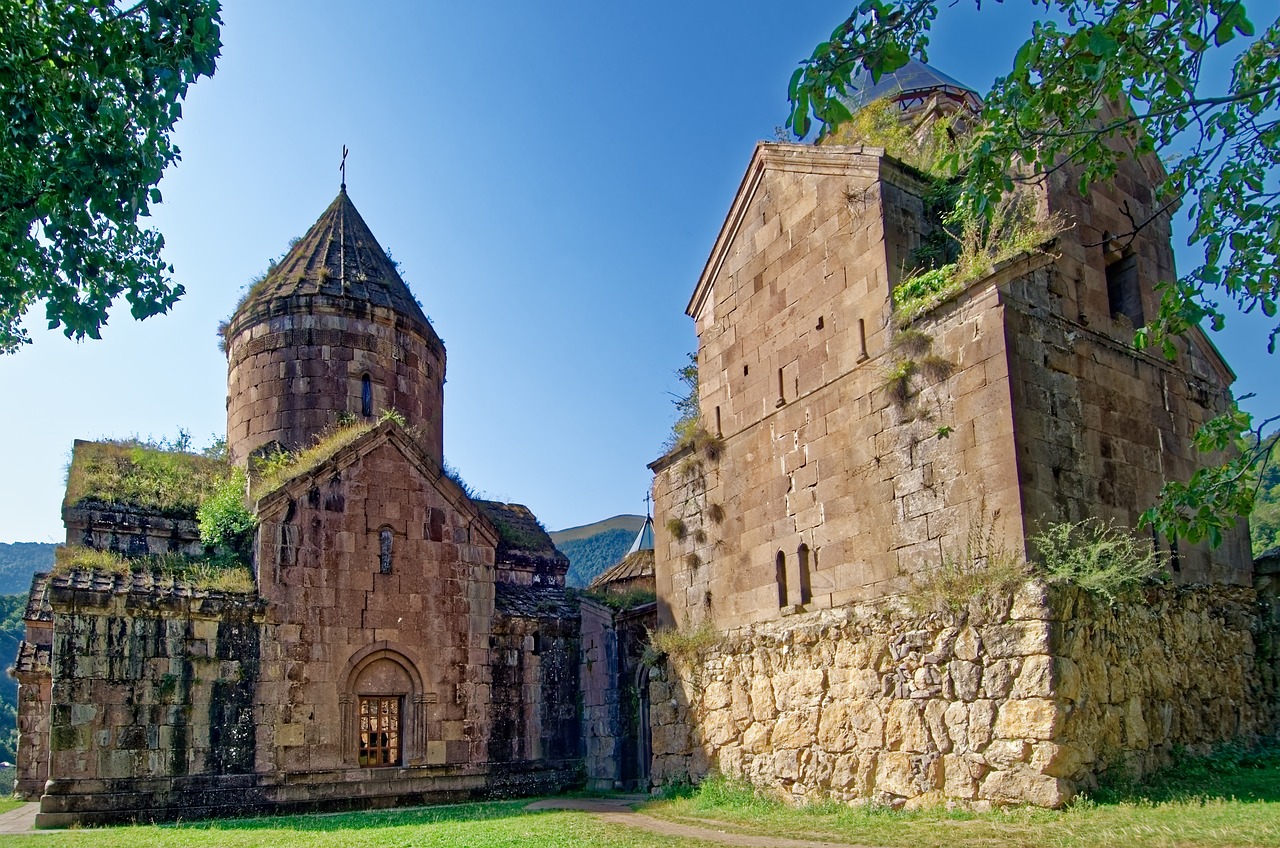
Armenia, a land of ancient traditions and vibrant cultural heritage, offers travelers a unique and enriching experience. Known for its historical landmarks, breathtaking landscapes, and warm hospitality, Armenia invites you to immerse yourself in its rich tapestry of traditions. Experiencing local culture is essential for a truly fulfilling travel adventure, as it allows you to connect deeply with the essence of the place and its people.
Discover Armenia – Where every corner tells a story of history, culture, and unforgettable experiences.
Section 1: Historical Background
Armenia’s history is a captivating journey through time, marked by significant cultural milestones and influences from various civilizations. As one of the oldest nations in the world, Armenia boasts a rich heritage that dates back to ancient times.
Key Cultural Milestones
Armenia was the first nation to adopt Christianity as its state religion in 301 AD, which has profoundly shaped its culture and identity. The creation of the Armenian alphabet by Mesrop Mashtots in the 5th century further cemented its cultural foundation, allowing for the preservation and proliferation of Armenian literature and traditions.
Ancient Civilizations to Modern Times
From the Urartian civilization in the 9th century BC to its time under Roman, Persian, and Ottoman rule, Armenia has been a melting pot of cultural influences. Each era has left its mark, contributing to the rich tapestry of Armenian culture that we see today.
Significant Cultural Landmarks and UNESCO World Heritage Sites
Armenia is home to several remarkable cultural landmarks and UNESCO World Heritage sites. The Monasteries of Haghpat and Sanahin, the Cathedral and Churches of Echmiatsin, and the archaeological site of Zvartnots are just a few examples of Armenia’s architectural and cultural treasures. These sites offer a glimpse into the country’s storied past and are a testament to its enduring cultural legacy.
Section 2: Must-Visit Historical Sites
When planning trips to Armenia, several historical sites should be at the top of your list. Each site offers a unique glimpse into Armenia’s rich cultural heritage and history.
Echmiadzin Cathedral
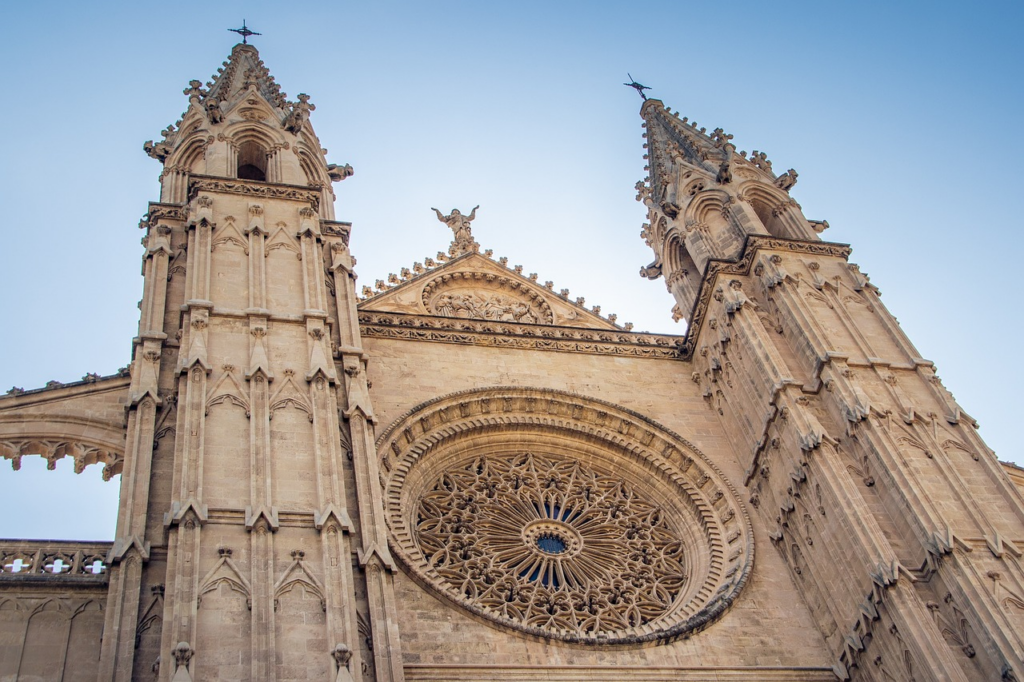
History and Significance: Known as the oldest cathedral in the world, Echmiadzin Cathedral was established in 301 AD by Saint Gregory the Illuminator. It serves as the spiritual center of the Armenian Apostolic Church.
What to See: Visitors can explore the main altar, which is believed to be the place where Christ descended in a vision. The cathedral complex also includes a museum that houses various religious artifacts, manuscripts, and relics.
Garni Temple
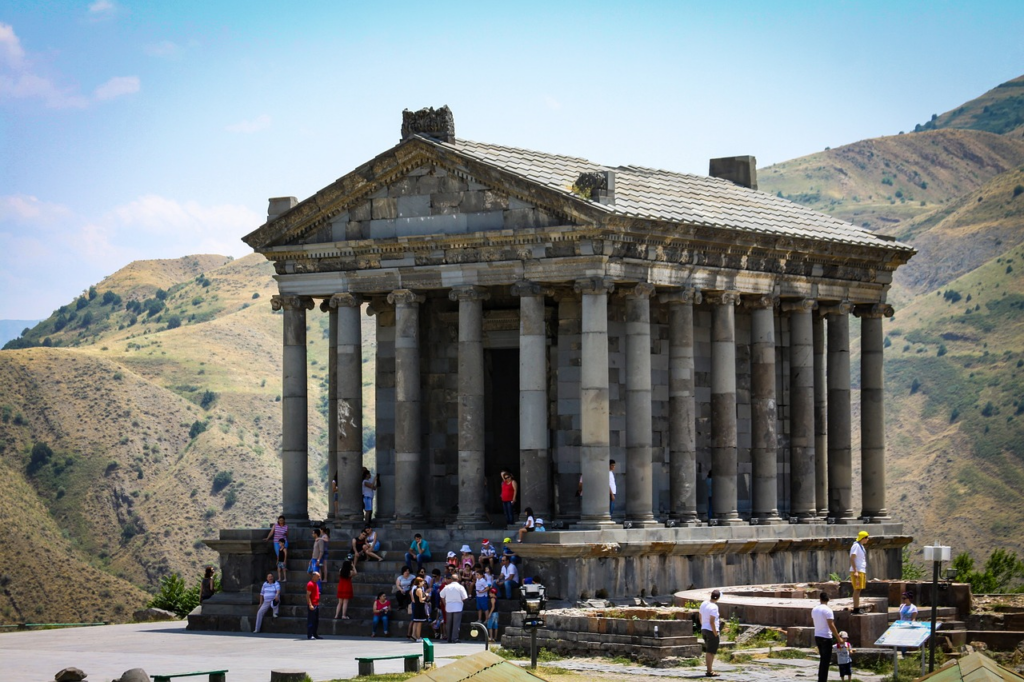
Pagan Temple and Architecture: The Garni Temple, built in the 1st century AD, is the only remaining pagan temple in Armenia. Dedicated to the sun god Mihr, it showcases Hellenistic architecture with its elegant columns and intricate carvings.
Surroundings: The temple is set against a stunning backdrop of the Azat River Gorge, offering breathtaking views of the surrounding mountains and landscapes. Nearby, the Garni Gorge features the “Symphony of Stones,” a natural wonder of basalt columns.
Geghard Monastery
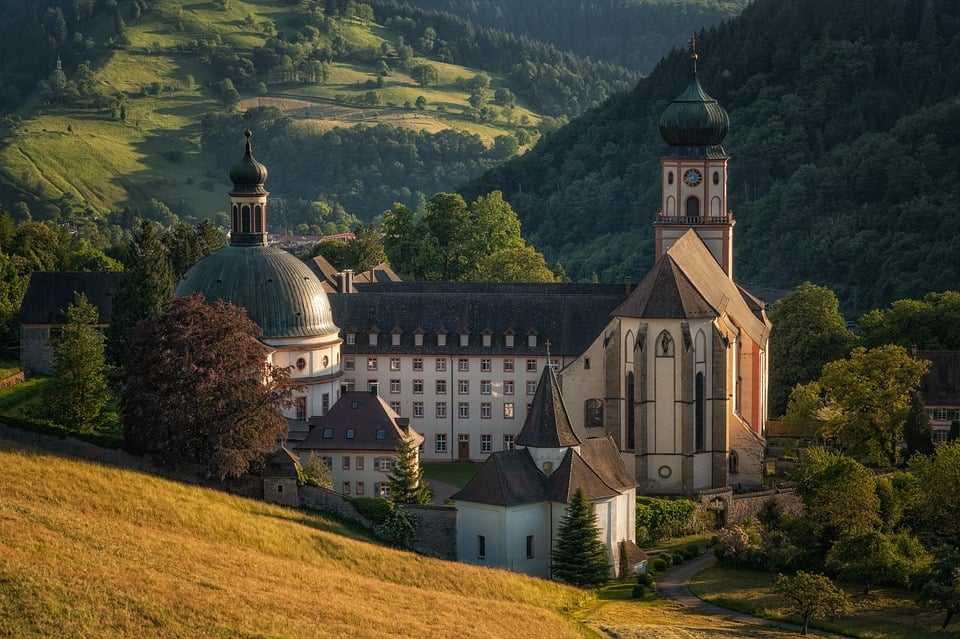
Unique Rock-Hewn Structures: Geghard Monastery, partially carved out of a mountain, dates back to the 4th century. Its name, meaning “Monastery of the Spear,” refers to the spear that pierced Christ’s side, which is believed to have been brought here.
Religious Importance: The monastery complex includes a series of chapels and tombs, each carved into the rock with remarkable precision and artistry. It is a UNESCO World Heritage site and a testament to medieval Armenian architecture and spirituality.
Khor Virap
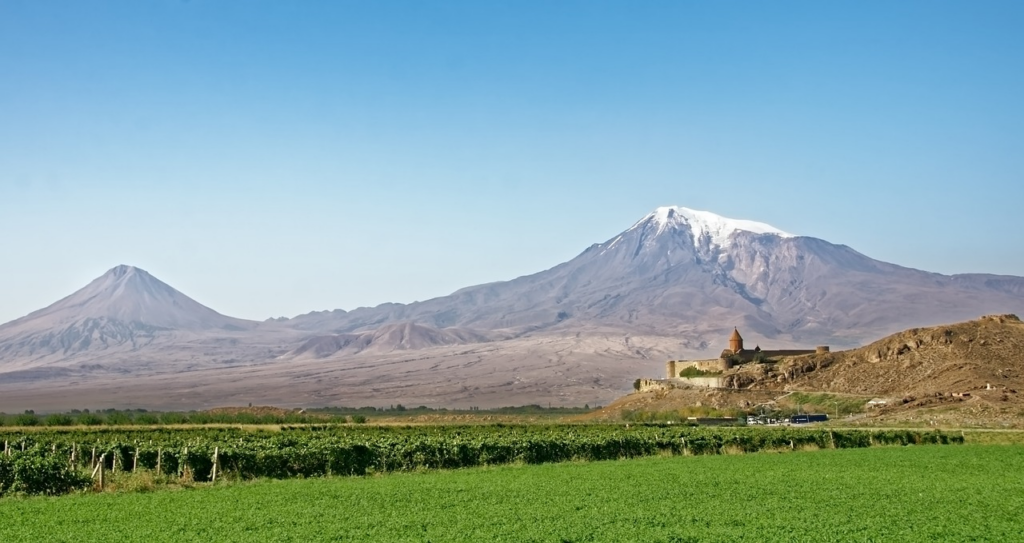
Connection to Armenian Christianity: Khor Virap is famously known as the site where Saint Gregory the Illuminator was imprisoned for 13 years before curing King Tiridates III of disease, leading to the king’s conversion and Armenia’s adoption of Christianity in 301 AD.
Stunning Views of Mount Ararat: The monastery offers unparalleled views of Mount Ararat, the national symbol of Armenia. The picturesque scenery, combined with the historical and religious significance, makes Khor Virap a must-visit destination on trips to Armenia.
Section 3: Traditional Armenian Festivals
Armenia’s rich cultural heritage is vividly showcased through its traditional festivals, which are deeply rooted in history and religion. Participating in these festivals is a great way to experience the vibrant spirit and customs of Armenia during your trips to Armenia.
Vardavar
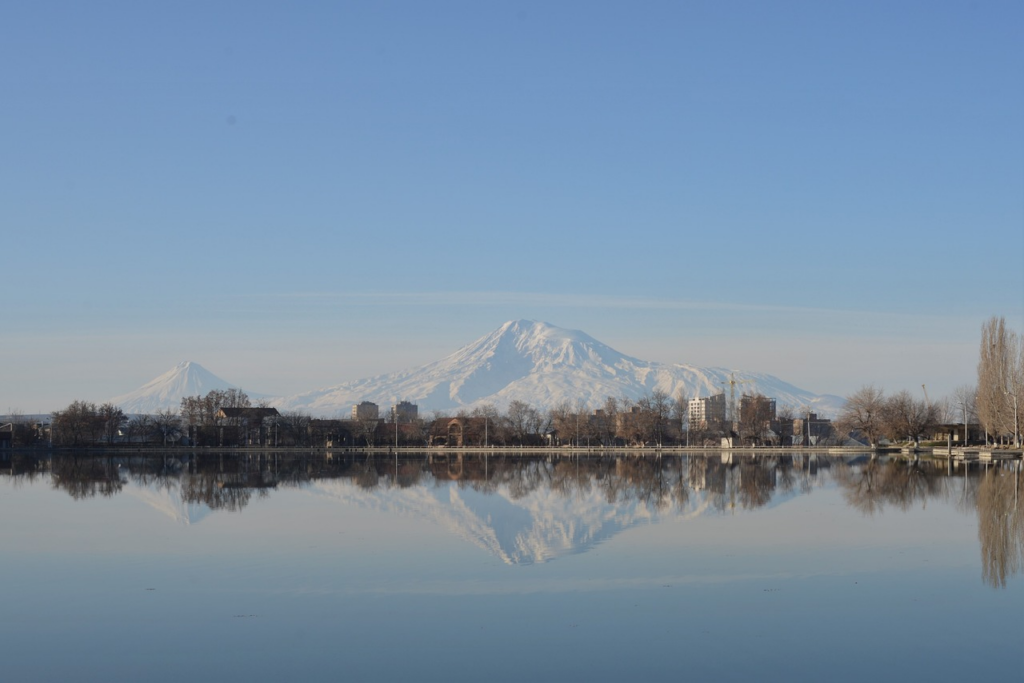
Water Festival and Origins: Vardavar is one of Armenia’s most beloved festivals, celebrated 14 weeks after Easter. Its origins trace back to pagan times, dedicated to the goddess Astghik, the deity of water, beauty, love, and fertility.
How It’s Celebrated: On Vardavar, people of all ages splash water on each other, turning the streets into a lively, joyous water fight. The festival symbolizes purification and the blessing of water. Communities come together to enjoy this playful and refreshing celebration, creating an atmosphere of unity and fun.
Tsaghkazard (Palm Sunday)
Traditions and Cultural Practices: Tsaghkazard, or Palm Sunday, marks the beginning of the Holy Week leading up to Easter. It commemorates Jesus Christ’s triumphant entry into Jerusalem.
Cultural Practices: On this day, churches are adorned with willow branches, symbolizing new life and renewal. Believers attend special church services and carry blessed willow branches home as a symbol of protection and good fortune. The festive atmosphere includes singing hymns, reciting prayers, and participating in traditional dances and songs.
Zatik (Easter)

Unique Armenian Customs: Zatik, the Armenian Easter, is a major religious and cultural celebration. It commemorates the resurrection of Jesus Christ and is rich in unique customs and traditions.
Foods Associated with Easter: Armenian Easter is marked by a variety of special foods. Traditional dishes include “chorek” (sweet braided bread), “colored eggs,” and “fish dishes.” The colored eggs symbolize the resurrection and new life, often dyed red to represent the blood of Christ. Families gather for a festive meal, sharing traditional foods and engaging in egg-cracking games, where two people tap their eggs against each other, and the person with the unbroken egg is considered the winner.
Experiencing these traditional festivals firsthand provides an authentic glimpse into Armenian culture and allows visitors to connect with the locals on a deeper level.
Section 4: Armenian Music and Dance
Armenian music and dance are integral parts of the country’s cultural heritage, reflecting its rich history and vibrant traditions. Experiencing these artistic expressions during your trips to Armenia offers a deeper understanding of the nation’s soul.
Traditional Armenian Music
Instruments: Armenian music is characterized by its distinctive instruments, each contributing to the unique sound of the region.
- Duduk: The duduk is a double-reed woodwind instrument made of apricot wood, known for its warm, melancholic tones. It is considered a symbol of Armenian music and has been recognized by UNESCO as a Masterpiece of the Intangible Heritage of Humanity.
- Kanun: The kanun is a traditional string instrument resembling a zither. It is played on the lap, with musicians using their fingers or plectra to produce a wide range of melodic and harmonic tones.
- Zurna: The zurna is a woodwind instrument similar to an oboe. It is often used in festive occasions and folk music, and is known for its loud, penetrating sound.
Famous Armenian Musicians and Their Contributions:
- Komitas Vardapet: A revered ethnomusicologist and composer, Komitas is credited with preserving and revitalizing Armenian folk music. His work has had a lasting impact on the development of Armenian classical and folk music.
- Aram Khachaturian: A prominent 20th-century composer, Khachaturian is best known for his ballet scores, including “Spartacus” and “Gayane.” His compositions have achieved international acclaim and continue to influence classical music.
- Duduk Masters: Musicians like Jivan Gasparyan have brought the haunting sound of the duduk to a global audience, collaborating with international artists and performing worldwide.
Traditional Dance Forms
Description of Popular Dances:
- Kochari: Kochari is one of the most popular and ancient Armenian dances. It is a fast-paced, energetic dance performed in a circle, symbolizing unity and strength. The dance steps involve rhythmic stomping and synchronized movements, often accompanied by traditional music.
- Shalakho: Shalakho is a lively and expressive dance, typically performed at celebrations and festive gatherings. It features quick, intricate footwork and graceful hand movements, showcasing the dancers’ agility and coordination.
Where to Watch and Participate in Traditional Dance Performances:
- Cultural Centers and Festivals: Many cultural centers and festivals in Armenia feature traditional dance performances. The annual “Yerevan Taraz Fest” and “Golden Apricot Yerevan International Film Festival” often include dance showcases.
- Folk Dance Ensembles: Professional folk dance ensembles, such as the “Barekamutyun” (Friendship) Dance Ensemble and the “Sardarapat” Ensemble, regularly perform at cultural venues and events throughout the country.
- Community Events: Visitors can also experience traditional dances at local weddings, festivals, and community celebrations, where they are often encouraged to join in and learn the steps.
Engaging with Armenian music and dance offers a dynamic and immersive way to connect with the cultural heritage of Armenia, providing unforgettable experiences that highlight the country’s artistic spirit.
Section 5: Culinary Heritage
Armenian cuisine is a vital part of the country’s cultural heritage, reflecting its history, geography, and traditions. Rich in flavors and diverse in ingredients, Armenian food offers a delicious journey through the nation’s culinary landscape.

Overview of Armenian Cuisine and Its Cultural Importance
Armenian cuisine is known for its use of fresh, locally sourced ingredients and time-honored cooking methods. It emphasizes the importance of communal meals and the sharing of food, which are central to Armenian hospitality and cultural identity.
Traditional Dishes to Try
- Dolma: Dolma consists of grape leaves stuffed with a mixture of rice, minced meat, and various herbs and spices. This savory dish is often served with yogurt and is a staple at Armenian family gatherings.
- Khorovats: Khorovats, or Armenian barbecue, features skewered and grilled meats, usually lamb, pork, or chicken. The meat is marinated with herbs and spices before being cooked over an open flame, giving it a distinctive smoky flavor.
- Lavash: Lavash is a traditional Armenian flatbread, often baked in a tandoor. It is a versatile bread used in many dishes, from wraps to sandwiches, and is part of UNESCO’s Intangible Cultural Heritage.
- Harissa: Harissa is a comforting porridge made from wheat and slow-cooked with lamb or chicken. This dish has a deep cultural significance, often prepared for communal feasts and religious occasions.
Unique Cooking Methods and Ingredients
Armenian cooking methods often involve grilling, baking, and slow cooking, which help enhance the flavors of the ingredients. Commonly used ingredients include fresh herbs, legumes, nuts, dried fruits, and spices like sumac, cinnamon, and cumin. Pomegranate, a symbol of fertility and abundance, is frequently used in both savory and sweet dishes.
Best Places to Experience Authentic Armenian Food
- Local Markets: Visiting local markets, such as the GUM Market in Yerevan, provides an opportunity to taste fresh produce, spices, dried fruits, and traditional snacks. These markets offer a vibrant atmosphere and a direct connection to Armenian food culture.
- Traditional Restaurants: Restaurants like Dolmama, Tavern Yerevan, and Anoush Restaurant offer authentic Armenian dining experiences, serving traditional dishes made with locally sourced ingredients.
- Home-Cooked Meal Experiences: For an immersive culinary experience, consider joining a home-cooked meal with a local family. This provides a unique opportunity to learn about Armenian cooking techniques, enjoy traditional dishes, and experience the warm hospitality of Armenian homes.
Exploring the culinary heritage of Armenia through its traditional dishes, unique cooking methods, and local dining experiences is a delightful way to understand and appreciate the rich cultural tapestry of the country.
Section 6: Handicrafts and Art
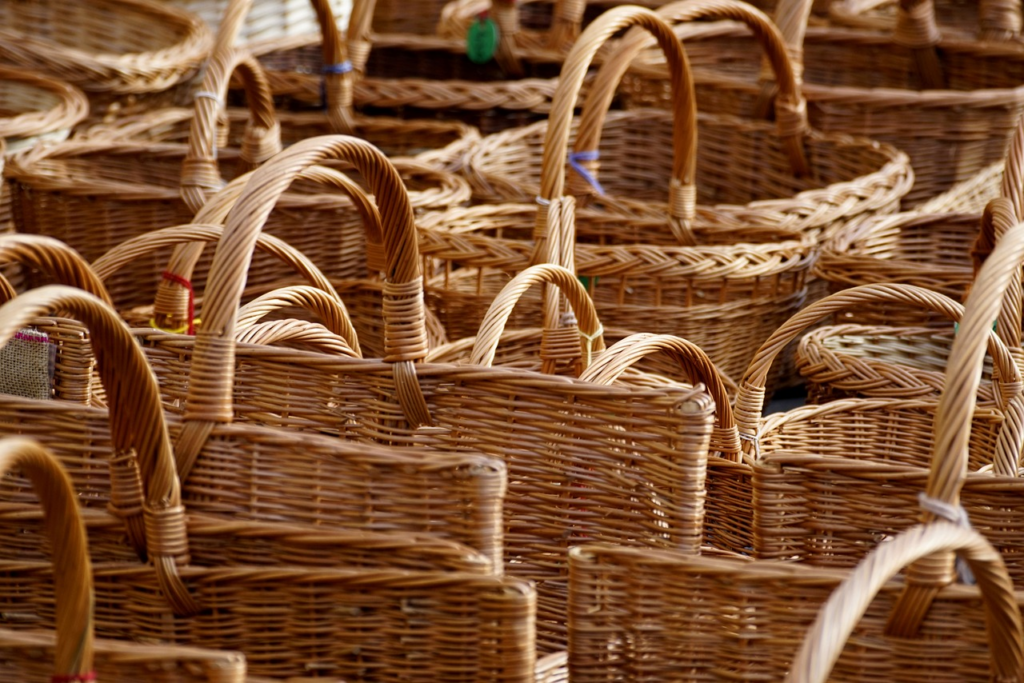
Armenian arts and crafts are a reflection of the nation’s rich history, cultural traditions, and artistic ingenuity. From intricate carpet weaving to distinctive ceramics and symbolic khachkars, Armenian craftsmanship offers a fascinating exploration of the country’s heritage.
Exploration of Armenian Arts and Crafts
Carpet Weaving:
- History and Techniques: Armenian carpet weaving dates back centuries, with each region developing its unique patterns and styles. Traditional Armenian carpets, known for their vibrant colors and intricate designs, often feature symbolic motifs and geometric patterns.
- Where to Buy: Authentic Armenian carpets can be found in specialized shops like Megerian Carpet Museum and Tufenkian Artisan Carpets in Yerevan. These places often provide insights into the history and making of these exquisite pieces.
Ceramics and Pottery:
- Traditional Designs and Significance: Armenian ceramics and pottery are renowned for their intricate designs and vibrant colors. Traditional motifs often include floral patterns, animals, and religious symbols, reflecting the cultural and spiritual life of the Armenians.
- Significance: Ceramics play an important role in Armenian culture, used in daily life and special occasions. They are cherished for their beauty and craftsmanship.
- Where to Buy: Authentic Armenian ceramics can be found at local markets and artisan workshops, such as the Vernissage Market in Yerevan and the town of Sisian, known for its pottery traditions.
Khachkars (Cross-Stones):
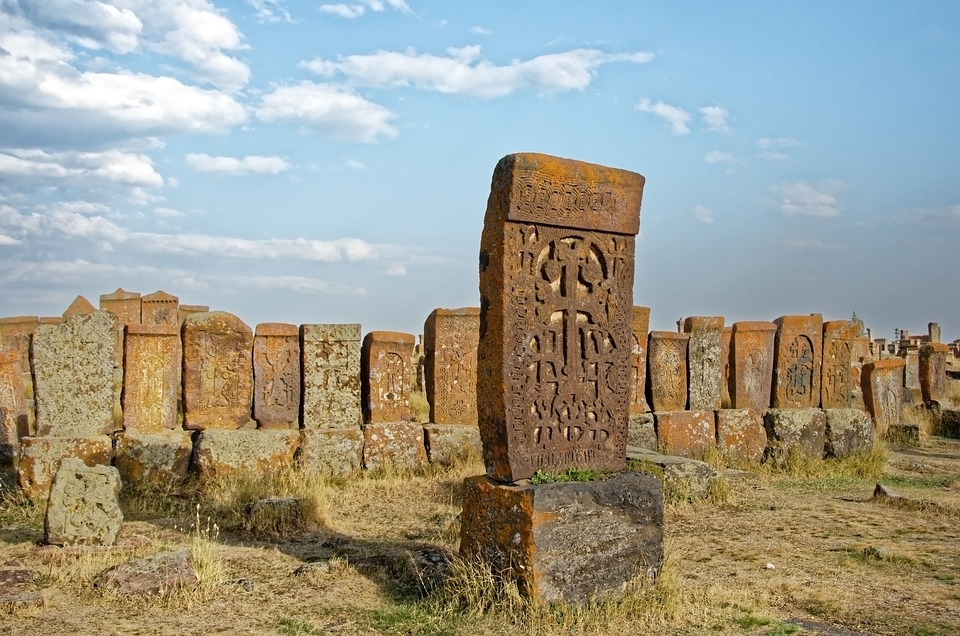
- Artistry and Cultural Meaning: Khachkars are unique Armenian cross-stones, intricately carved with detailed designs, representing a fusion of art and spirituality. These stone carvings often serve as memorials and hold deep cultural and religious significance.
- Where to Find: Authentic khachkars can be seen at historical sites and monasteries, such as the Noratus Cemetery near Lake Sevan, which has one of the largest collections of khachkars. Smaller, intricately carved replicas are available at cultural centers and souvenir shops.
Where to Find Authentic Armenian Handicrafts
Local Markets:
- Markets such as Vernissage in Yerevan offer a wide array of authentic Armenian handicrafts, including carpets, ceramics, and khachkars. These markets provide a vibrant atmosphere and a direct connection to local artisans.
Artisan Workshops:
- Visiting workshops like the Megerian Carpet Museum in Yerevan allows you to witness the intricate process of carpet weaving and purchase directly from the artisans. These workshops often offer demonstrations and insights into traditional techniques.
Cultural Centers:
- Cultural centers and museums, such as the Armenian Museum of Folk Art in Yerevan, showcase a variety of traditional crafts and provide a deeper understanding of their cultural significance. Many of these centers have gift shops where you can purchase authentic handicrafts.
Exploring Armenian arts and crafts offers a tangible connection to the country’s cultural heritage, allowing you to take home a piece of Armenia’s rich artistic tradition.
Section 7: Language and Literature
The Armenian language and literature are deeply intertwined with the nation’s identity and cultural heritage. Understanding the language and exploring its literary works offer a profound insight into Armenian history and traditions.
Brief Overview of the Armenian Language and Its Historical Development
The Armenian language, an independent branch of the Indo-European language family, has a rich history that spans over millennia. It is one of the oldest languages still in use today, with its unique alphabet created by Mesrop Mashtots in 405 AD. The invention of the Armenian alphabet was a monumental event that significantly contributed to the preservation and development of Armenian culture and literature.
Introduction to Famous Armenian Literary Works and Authors
Armenian literature boasts a wealth of influential authors and timeless works that reflect the nation’s historical and cultural journey.
- Mesrop Mashtots: As the creator of the Armenian alphabet, Mashtots’ contribution to Armenian literature cannot be overstated. His work laid the foundation for the development of Armenian written culture.
- Gregory of Narek: A 10th-century monk, poet, and theologian, Gregory of Narek is best known for his mystical and deeply spiritual work, “Book of Lamentations,” which is considered a masterpiece of Armenian literature.
- Hovhannes Tumanyan: Often referred to as the “All-Armenian Poet,” Tumanyan’s works, including “Anush” and “David of Sassoun,” capture the essence of Armenian folklore and the human experience.
- William Saroyan: An Armenian-American writer, Saroyan achieved international acclaim with works such as “The Human Comedy” and “My Name Is Aram.” His writings often reflect his Armenian heritage and explore themes of family, resilience, and identity.
Tips on Learning Basic Armenian Phrases to Enhance the Cultural Experience
Learning a few basic Armenian phrases can greatly enhance your travel experience, allowing you to connect more deeply with locals and show appreciation for their culture. Here are some essential phrases:
- Barev (բարեւ) – Hello
- Shnorhakalutyun (շնորհակալություն) – Thank you
- Yes sirum em (ես սիրում եմ) – I love
- Vonts es? (Ինչպես ես?) – How are you?
- Ayo (այո) – Yes
- Voch (ոչ) – No
- Khanaghutyun (ներողություն) – Excuse me / Sorry
- Inch’pes k’antrum eq? (ինչպես կընտրում եք?) – How much does it cost?
- Lav (լավ) – Good
- Tstesutyun (ցտեսություն) – Goodbye
Practicing these phrases will not only help you navigate daily interactions but also demonstrate your respect for Armenian culture and enhance your overall travel experience.
Exploring the Armenian language and literature provides a meaningful connection to the country’s rich cultural heritage, allowing you to appreciate its history and traditions on a deeper level.
Section 8: Immersive Cultural Experiences
Immersive cultural experiences are the best way to truly connect with Armenia’s rich heritage and vibrant traditions. Here are some recommendations for engaging deeply with Armenian culture during your trip.
Recommendations for Immersive Cultural Activities
Participating in a Traditional Armenian Cooking Class:
- Experience: Join a hands-on cooking class where you can learn to prepare traditional Armenian dishes like dolma, khorovats, and lavash. These classes often take place in local homes or small culinary schools, providing an authentic and intimate experience.
- Recommendation: Look for cooking classes in Yerevan or rural villages, where local hosts can share their family recipes and cooking techniques.
Joining a Guided Tour of Historical Sites with Local Experts:
- Experience: Explore Armenia’s rich history with a knowledgeable guide who can provide insights into the cultural and historical significance of sites like Echmiadzin Cathedral, Garni Temple, Geghard Monastery, and Khor Virap.
- Recommendation: Consider tours offered by local companies such as Hyur Service or Envoy Tours, which employ local historians and experts.
Attending a Traditional Music or Dance Performance:
- Experience: Enjoy live performances of Armenian music and dance at cultural centers, theaters, or festivals. Witness the enchanting sounds of instruments like the duduk and the energetic movements of traditional dances like Kochari and Shalakho.
- Recommendation: Visit venues like the Aram Khachaturian Concert Hall in Yerevan, or attend festivals such as the Golden Apricot Film Festival, which often includes cultural performances.
Suggestions for Responsible and Respectful Cultural Engagement
Be Respectful of Local Customs and Traditions:
- Show respect for Armenian customs, such as dressing modestly when visiting religious sites and observing local etiquette during meals and social interactions.
Support Local Artisans and Businesses:
- Purchase souvenirs and crafts directly from local artisans and markets to support the local economy and help preserve traditional crafts.
Learn Basic Armenian Phrases:
- Using simple phrases like “Barev” (Hello) and “Shnorhakalutyun” (Thank you) shows respect and appreciation for the local culture and helps foster positive interactions.
Be Mindful of Cultural Sensitivities:
- Avoid making assumptions about cultural practices and be open to learning and adapting to local customs. Ask for permission before taking photographs of people or private properties.
Participate in Community-Based Tourism:
- Engage in community-based tourism initiatives that prioritize sustainable practices and benefit local communities. This approach ensures that your travel has a positive impact on the people and places you visit.
Conclusion
Armenia offers travelers a captivating journey through its rich heritage and vibrant traditions. From ancient historical sites to lively cultural festivals, the country invites you to immerse yourself in its unique tapestry of culture and history.
Throughout this guide, we’ve explored the depth of Armenian heritage:
- Historical and Cultural Landmarks: Discover ancient monasteries like Geghard and historical treasures like Echmiadzin Cathedral, each telling a story of Armenia’s enduring faith and cultural resilience.
- Traditional Festivals: Experience the joy of Vardavar’s water festival, the solemnity of Tsaghkazard, and the warmth of Zatik celebrations, each offering a glimpse into Armenia’s deep-rooted traditions.
- Arts and Crafts: Explore the intricate artistry of Armenian carpets, ceramics, and khachkars, witnessing craftsmanship that spans centuries and reflects the nation’s artistic soul.
- Culinary Delights: Indulge in the flavors of dolma, khorovats, and lavash, savoring dishes that embody Armenian hospitality and culinary expertise.
- Language and Literature: Dive into the poetic works of Hovhannes Tumanyan and the spiritual depth of Gregory of Narek, and learn a few basic Armenian phrases to enhance your cultural interactions.
Armenia beckons you to embrace its traditions and immerse yourself fully in its cultural tapestry. Plan your journey to Armenia, where every corner offers an opportunity to discover, learn, and connect.
Call to Action
Embark on your cultural journey to Armenia and share in its rich heritage. Whether you explore the bustling markets of Yerevan, hike to ancient monasteries nestled in the mountains, or participate in a traditional cooking class, your experiences will create lasting memories and deepen your appreciation for this extraordinary country.
Let Armenia’s history, art, music, and cuisine inspire you to explore, learn, and engage with its vibrant culture. Start planning your trip today and prepare to be captivated by Armenia’s beauty, warmth, and profound cultural legacy. Reach out to us and customize your tour to Armenia, now!