

Famous Historical Places in Italy to Explore with Your Family
Italy is a treasure trove of historical sites and landmarks that appeal to travelers of all ages, making it a captivating destination for families. From grand basilicas and ancient ruins to picturesque landscapes and UNESCO Heritage sites, Italy offers a journey through time that’s both educational and entertaining. Every city and region tells its own story, providing a hands-on history lesson for children while fascinating adults with Italy’s storied past. For families planning trips to Italy, this guide covers Italy’s must-see historical sites that guarantee an enriching experience.
Why Italy’s Historical Sites are Perfect for Families
Italy’s historical landmarks captivate all age groups. Children are often intrigued by the Leaning Tower of Pisa, awed by the grandeur of Roman arenas, and curious about the mystical legends surrounding Italy’s ancient ruins. Each location serves as a vibrant history lesson, where Italy’s long-spanning influence in art, architecture, and culture comes alive. Whether it’s exploring the ruins of Pompeii, admiring Leonardo da Vinci’s masterpieces, or wandering through the scenic towns of Cinque Terre, Italy’s rich heritage transforms a vacation into an unforgettable journey.
Famous Historical Places in Italy
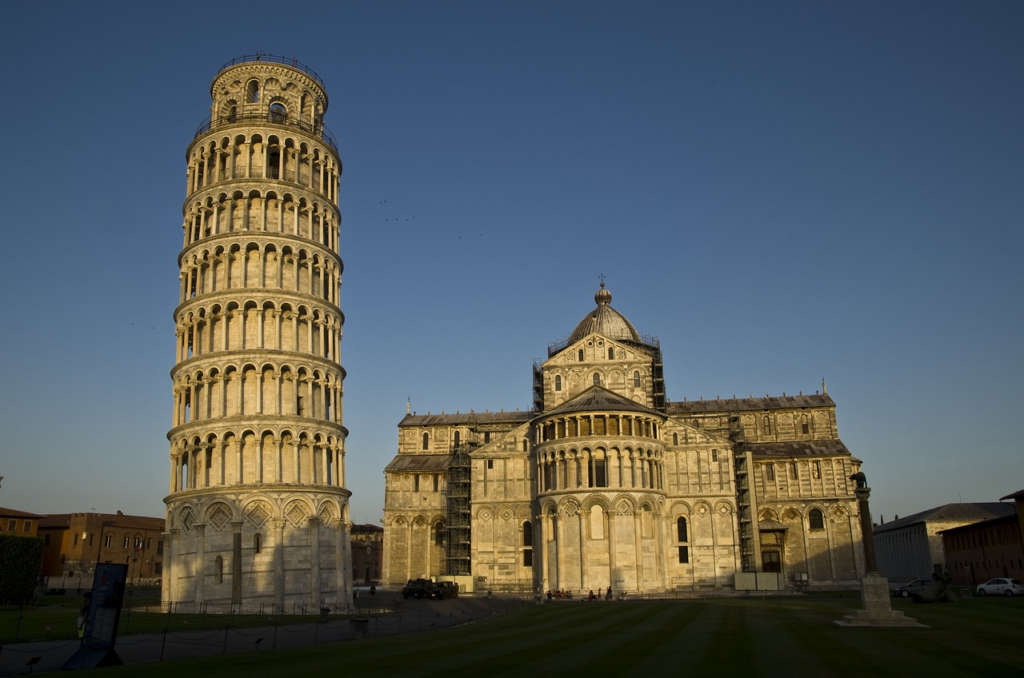
The Leaning Tower of Pisa
A visit to the Leaning Tower of Pisa is one of the most iconic experiences in Italy. This renowned bell tower, known for its unintended tilt, has drawn travelers for centuries. Kids and adults alike enjoy capturing photos with the tower, and a climb to the top offers panoramic views of Pisa and the surrounding Tuscan countryside.
Saint Mark’s Basilica, Venice
Saint Mark’s Basilica in Venice is a breathtaking masterpiece of Byzantine architecture. Its golden mosaics, intricate domes, and ornate decorations leave visitors in awe. Located in the bustling Piazza San Marco, the basilica offers insight into Venice’s maritime and cultural heritage.
Herculaneum
While Pompeii is often more famous, Herculaneum is a must-visit for families who want to explore lesser-known historical sights in Italy. This ancient Roman town was preserved by volcanic ash from Mount Vesuvius, and its remains offer a unique look at Roman daily life, with homes, frescoes, and even wooden furniture intact.
Area Sacra di Largo Argentina, Rome
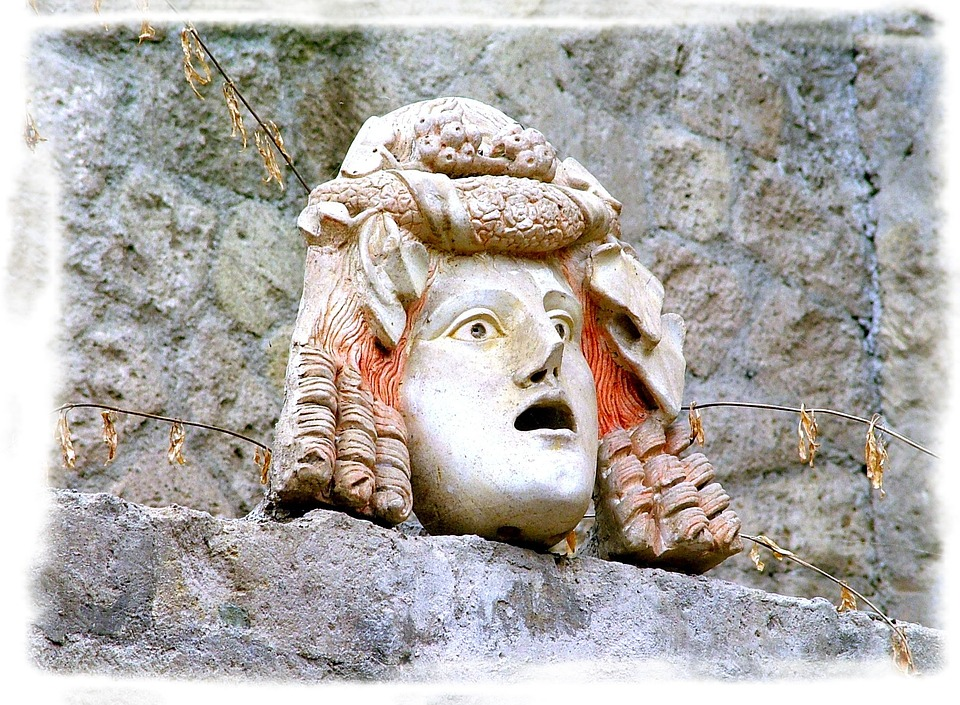
The Area Sacra di Largo Argentina in Rome is a hidden gem for history enthusiasts. This archaeological site features four ancient temples and is also known as the location where Julius Caesar was assassinated. Visitors can view these ruins while also interacting with the local cats that roam the area.
Paestum, Campania
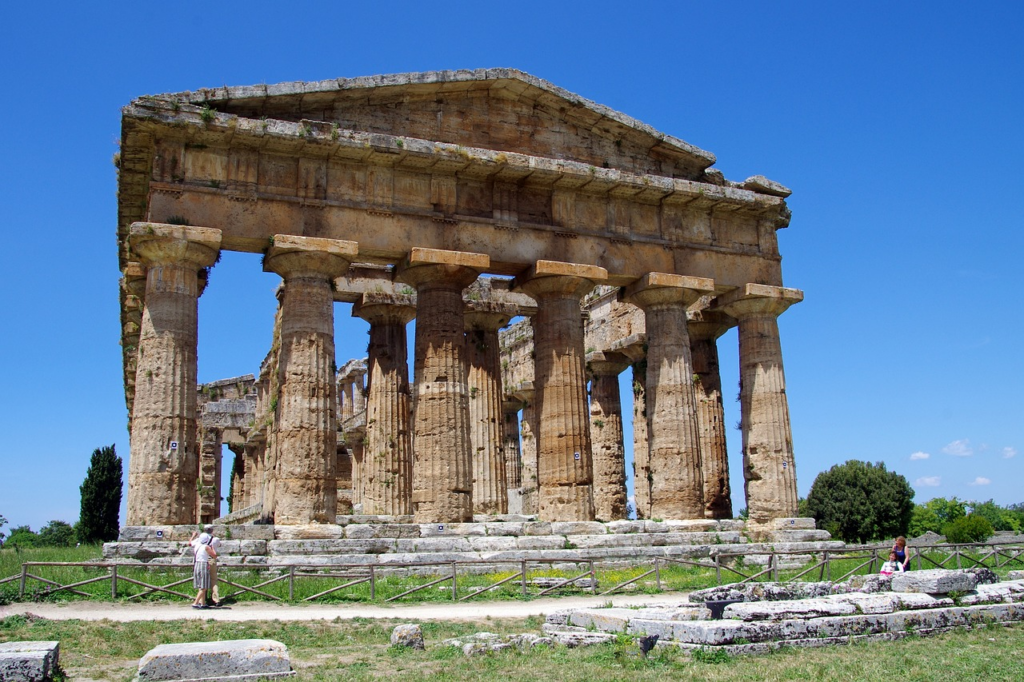
Paestum is home to some of Italy’s best-preserved Greek temples. Located south of Naples, this UNESCO World Heritage Site showcases the grandeur of ancient Greek architecture. Walking through Paestum’s temples and the nearby museum provides a glimpse into early Mediterranean history.
Florence Cathedral (Duomo)
The Florence Cathedral, or Duomo, is one of Italy’s most celebrated architectural achievements. Brunelleschi’s massive dome is an engineering marvel and offers a rewarding climb for panoramic views of Florence. The Duomo’s richly decorated façade and historical significance make it an essential stop on any family itinerary.
Villa d’Este, Tivoli
A trip to Villa d’Este in Tivoli is like stepping into a storybook. The villa’s Renaissance gardens are famous for their ornate fountains, sculptures, and terraced landscapes. Kids will enjoy exploring the garden’s waterworks, while adults can appreciate the villa’s architectural beauty and UNESCO heritage status.
Botanical Gardens in Padua
The Botanical Gardens of Padua are the oldest in the world, dating back to the 16th century. This UNESCO World Heritage site is a serene escape, featuring medicinal plants, ancient trees, and themed garden sections. It’s both a relaxing and educational stop for families exploring northern Italy.
Santa Maria delle Grazie, Milan (The Last Supper)
Santa Maria delle Grazie in Milan houses The Last Supper, one of Leonardo da Vinci’s most famous paintings. Viewing this masterpiece is an unforgettable experience, and learning about its history and restoration provides an engaging look at Renaissance art and Italy’s cultural legacy.
Cinque Terre
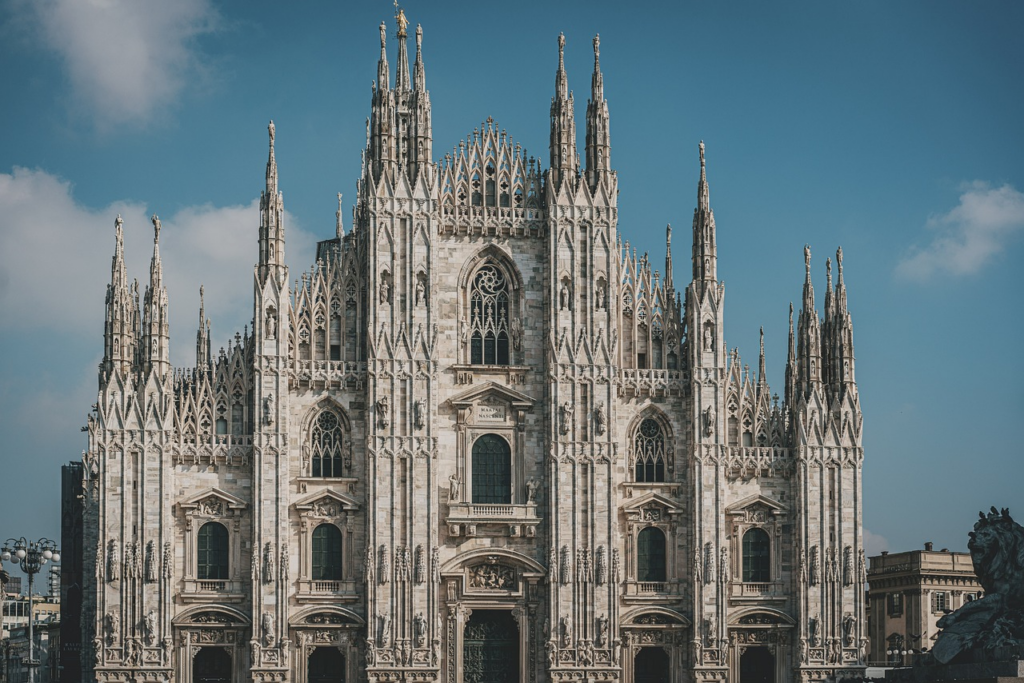
The Cinque Terre region, comprising five charming coastal villages, combines natural beauty with historical charm. The colorful houses, cliffside views, and winding trails are enchanting, offering a unique setting where families can explore Italy’s scenic landscapes and traditional architecture.
Roman Forum, Rome
The Roman Forum is one of the most significant historical sites in Italy, offering a glimpse into the heart of ancient Rome. Walking through the ruins of temples, basilicas, and public spaces transports visitors back in time, giving both children and adults an immersive look at Roman civilization.
Castel Sant’Angelo, Rome
Originally built as a mausoleum for Emperor Hadrian, Castel Sant’Angelo served various purposes throughout history, including as a fortress and papal residence. Today, it’s a museum offering stunning views of the Tiber River and a fascinating look into Rome’s architectural evolution.
Uffizi Gallery, Florence
The Uffizi Gallery is a world-renowned museum showcasing masterpieces by Italian artists such as Michelangelo, Botticelli, and da Vinci. Families can explore Italy’s artistic heritage through an incredible collection that spans centuries, making it a must-see for any art-loving traveler.
Piazza del Campo, Siena
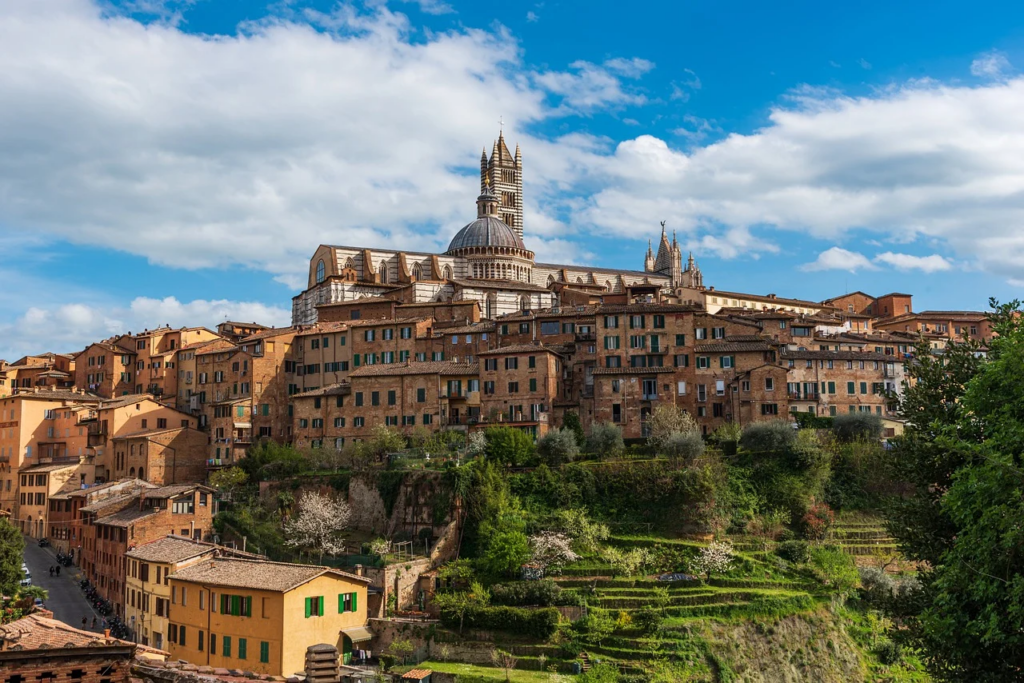
The Piazza del Campo in Siena is one of Europe’s most beautiful medieval squares, famed for its unique shell shape. It’s a fantastic location to soak in the atmosphere of historical Italy, and kids will be fascinated by the twice-yearly Palio horse race held here.
Ponte Vecchio, Florence
The Ponte Vecchio bridge, lined with artisan shops, is one of Florence’s most iconic landmarks. Crossing this bridge feels like stepping back in time, and it’s a great spot for families to enjoy shopping for unique souvenirs while appreciating Florence’s rich history.
Traveling to Italy? Check Out These Great Itineraries
Explore our customized itineraries for trips to Italy to make the most of your journey through Italy’s historical wonders. Our guides take you through the best historical cities in Italy, allowing you to experience the essence of Italy’s ancient landmarks.
FAQs
Which part of Italy is best for families?
Italy’s central and northern regions, including Florence, Rome, and Venice, offer a range of family-friendly activities and historical places in Italy that appeal to all ages.
What is the biggest historical event in Italy?
One of Italy’s most significant historical events is the unification of Italy in the 19th century, which played a key role in shaping the nation as we know it today.
What is the most visited area in Italy?
Rome is the most visited city in Italy, drawing millions of visitors to landmarks like the Colosseum, Roman Forum, and Vatican City.
What is the most ancient city in Italy?
Matera is one of the oldest continuously inhabited cities in the world, with cave dwellings dating back thousands of years.
How many historical sites are in Italy?
Italy is home to over 50 UNESCO World Heritage sites, with countless other historically significant locations, making it a top destination for history enthusiasts.
Where to take a kid in Italy?
For children, interactive sites like the Roman Colosseum, Florence’s Uffizi Gallery, and the Leaning Tower of Pisa offer both fun and educational experiences.
What are three or four UNESCO Heritage Historic Centers in Italy?
Some UNESCO Heritage sites in Italy include Rome, Florence, Venice, and the historic center of Naples, each offering unique historical sights in Italy.
Is Lake Como good for families?
Yes, Lake Como offers boat tours, lakeside walks, and scenic towns perfect for a family-friendly Italian getaway.
Can you swim in the sea in Italy?
Yes, Italy has beautiful beaches along the Amalfi Coast, Sardinia, and Sicily, where families can enjoy swimming and seaside activities.
Which are the best activities to do in Italy?
Exploring historical cities in Italy, such as Rome, Florence, and Venice, visiting ancient landmarks, tasting Italian cuisine, and taking scenic drives along the coast are among the best activities.
How many days are enough to visit Italy?
A 10-14 day itinerary is ideal to experience Italy’s major cities, historical landmarks, and coastal regions without rushing.
What is the best time to visit Italy?
Spring (April-June) and fall (September-October) offer mild weather and fewer crowds, making these the best seasons for family-friendly trips to Italy.
Italy is a land where history is beautifully woven into every corner. With ancient cities, captivating landmarks, and UNESCO sites at every turn, exploring Italy’s past provides an experience as enriching as it is memorable.
Related Posts