
Famous Mountains of Japan: Exploring Sacred Peaks and Spiritual Journeys
Introduction
Japan’s landscape is blessed with awe-inspiring mountains that not only shape its physical terrain but also play a pivotal role in its spiritual and cultural identity. For centuries, these mountains have been revered as sacred spaces where the human spirit connects with nature and the divine. This tradition, known as Shugendo, combines elements of Buddhism, Shinto, and Taoism, highlighting a deep reverence for the mountains as places of purification, spiritual ascension, and enlightenment. The mountains of Japan are more than just natural wonders; they are places where pilgrims, monks, and travelers have embarked on spiritual journeys for centuries.
In Japan, the tradition of mountain worship has made these peaks sites of pilgrimage, devotion, and cultural significance. From the towering Mount Fuji, an enduring symbol of the country, to the mystical Mount Osore, believed to be a gateway to the underworld, these mountains offer both spiritual enrichment and natural beauty. In this blog, we’ll explore the most famous mountains in Japan, delving into their religious significance, cultural importance, and the unique experiences they offer to travelers seeking both adventure and spiritual journeys.
Japan Famous Mountains
Mount Fuji: The Symbol of Japan
Overview
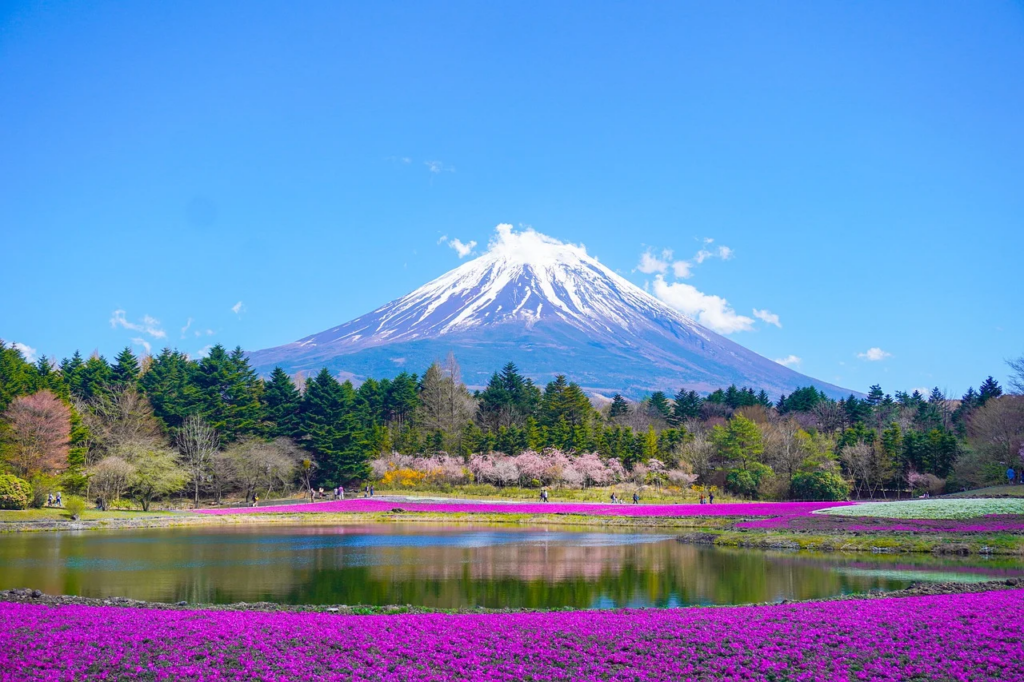
Standing at 3,776 meters, Mount Fuji is Japan’s highest peak and one of the most iconic symbols of the country. This active stratovolcano, located on the island of Honshu, is a UNESCO World Heritage Site and attracts millions of visitors each year. Its nearly symmetrical cone has been depicted in countless works of art, literature, and photography, solidifying its status as a national treasure.
Religious Significance
In Japanese culture, Mount Fuji is considered sacred and has long been a pilgrimage site for followers of both Shinto and Buddhism. The mountain is seen as a deity, and its summit has been worshipped since ancient times. The practice of climbing Mount Fuji, or Fujisan, is considered a spiritual journey that allows pilgrims to cleanse their souls and attain spiritual rebirth. The Shiraito Falls at the base of Mount Fuji are also considered sacred, symbolizing the purifying power of water.
Experiences
Climbing Mount Fuji is an unparalleled experience for those seeking a mix of adventure and spirituality. The official climbing season runs from early July to early September when the weather is favorable, and the mountain huts are open. Visitors can either hike the full ascent or take shorter, more accessible routes. For those unable to climb, experiencing Mount Fuji’s beauty from Lake Kawaguchi or Chureito Pagoda offers spectacular views.
Mount Koya: The Heart of Japanese Buddhism
Overview
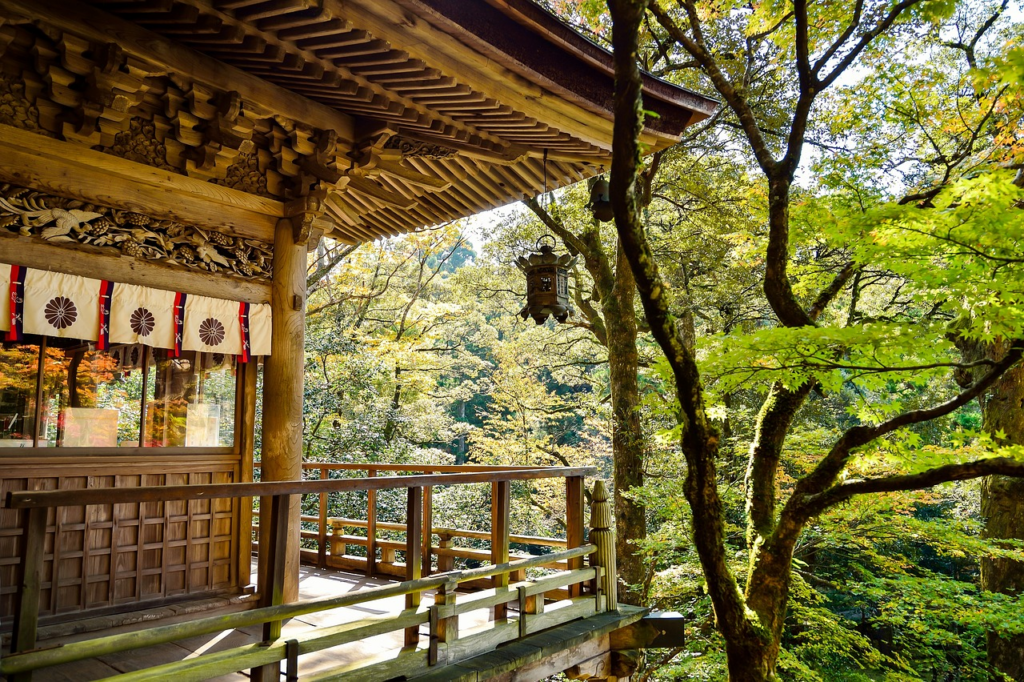
Mount Koya (Koyasan), located in Wakayama Prefecture, is the spiritual heart of Shingon Buddhism, one of Japan’s major Buddhist sects. This mountain is home to over 100 temples and the famous Okunoin Cemetery, where the founder of Shingon Buddhism, Kobo Daishi, is believed to be in eternal meditation. The entire area is a UNESCO World Heritage Site, and visitors are drawn to its tranquility, temples, and sacred rituals.
Religious Significance
Mount Koya is deeply entwined with Japanese Buddhism and serves as a place of learning, pilgrimage, and spiritual reflection. Many Buddhists believe that Mount Koya is where the spirits of the dead find peace. The temple complex on the mountain is a pilgrimage destination for devotees, offering a peaceful retreat for meditation and self-reflection.
Experiences
One of the most unique experiences at Mount Koya is staying overnight at a shukubo (temple lodging). Guests can participate in morning prayers, learn about Buddhist practices, and enjoy traditional vegetarian monk meals (shojin ryori). Visiting Okunoin Cemetery at dawn or dusk provides an otherworldly experience, with thousands of stone lanterns lighting up the path through the ancient cemetery.
Mount Haku: The White Mountain of Purity
Overview
Located on the border of Ishikawa and Gifu Prefectures, Mount Haku (Hakusan) is one of Japan’s three sacred mountains, along with Mount Fuji and Mount Tateyama. Known for its snow-capped peak that remains white throughout much of the year, Hakusan stands at 2,702 meters and is revered for its unspoiled natural beauty and rich biodiversity.
Religious Significance
Mount Haku has been a site of mountain worship for over a millennium. In Shinto tradition, the mountain is regarded as a place of purity, with its pristine streams and lakes believed to be spiritually cleansing. Pilgrims used to climb the mountain as an act of devotion, seeking purification of the soul through physical exertion and communion with nature.
Experiences
Hiking trails on Mount Haku offer breathtaking views of alpine meadows, crystal-clear streams, and wildflower-dotted landscapes. The summit hike is challenging but rewarding, and the journey through the forests provides moments of quiet reflection. Visitors can also explore Shirayama Hime Shrine, a shrine dedicated to the mountain’s deity, for a deeper understanding of its spiritual significance.
Mount Osore: The Mountain of Fear
Overview
Located in northern Honshu, Mount Osore is often referred to as the “Mountain of Fear” due to its eerie volcanic landscape, with bubbling sulfur pits and a desolate, lunar-like environment. This mountain is considered one of the most sacred sites in Japan and is closely associated with the afterlife in Japanese folklore.
Religious Significance
Mount Osore is believed to be the gateway to the underworld. The combination of its barren terrain, toxic gas emissions, and sulfurous lakes has made it a place where the boundaries between the living and the dead are thought to blur. For centuries, pilgrims have visited this mountain to pray for the souls of the deceased. The Itako (spiritual mediums) of Mount Osore are famous for conducting rituals to communicate with the dead.
Experiences
Visiting Mount Osore is a unique experience unlike any other in Japan. Pilgrims and travelers can visit the Bodaiji Temple, where religious ceremonies are performed to honor the dead. The annual Osorezan Taisai festival draws many visitors who come to consult the Itako for spiritual guidance and messages from departed loved ones. The eerie silence and otherworldly atmosphere of the mountain make it a profoundly moving and unforgettable experience.
Mount Tateyama: The Mountain of Death and Rebirth
Overview
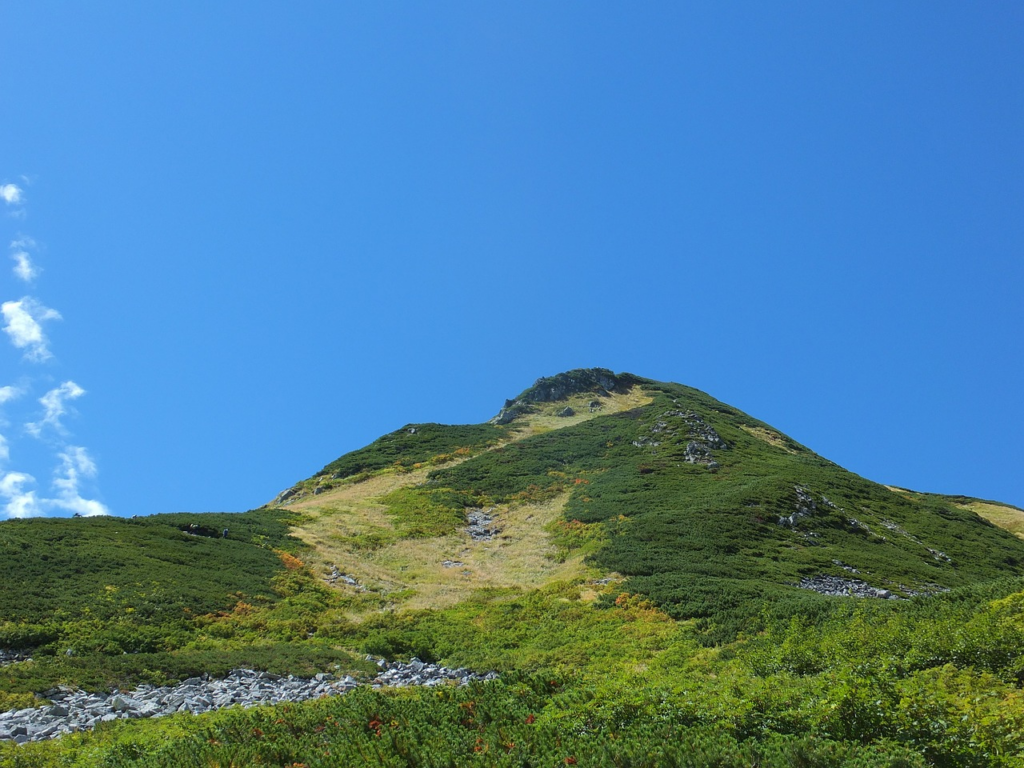
Mount Tateyama, located in Toyama Prefecture, is one of Japan’s three sacred mountains and is part of the majestic Tateyama-Kurobe Alpine Route. The mountain stands at 3,015 meters and is associated with both death and spiritual rebirth, making it a place of deep spiritual significance.
Religious Significance
In Shugendo and other religious traditions, Mount Tateyama symbolizes the journey of the soul from death to rebirth. Pilgrims have long believed that climbing the mountain mirrors the soul’s passage through the afterlife. The Oyama Shrine, located near the summit, is dedicated to mountain worship and remains an important site for rituals and offerings.
Experiences
Travelers to Mount Tateyama can explore the scenic Tateyama-Kurobe Alpine Route, which includes dramatic landscapes of snow corridors, alpine flowers, and the famous Kurobe Dam. The hike to Oyama Shrine is a spiritual journey for many, offering serene moments of reflection amid spectacular mountain views. For those seeking less strenuous activities, the Murodo Plateau at the base of the mountain offers easy trails with stunning vistas of the surrounding peaks.
If you are looking for a Japan private tour, we are here for you! Reach out to us, and our team will help you plan the best trip to Japan.
Tips for Visiting Holy Mountains
Visiting Japan’s sacred mountains offers a deeply rewarding experience, blending nature, spirituality, and adventure. Here are some tips to make the most of your journey:
- Planning your itinerary and transportation: Research the best routes to your chosen mountain, whether by train, bus, or car. Some mountains, like Mount Fuji, have dedicated climbing seasons, so check availability and permits in advance.
- Respecting local customs and traditions: Always be mindful of the spiritual significance of the mountains. Follow the rules at temples, shrines, and sacred sites, such as removing your shoes, staying quiet during prayers, and being respectful of worshippers.
- Packing appropriately for the weather and terrain: Japan’s mountains can have unpredictable weather, especially at higher altitudes. Pack layers, rain gear, sturdy hiking shoes, and plenty of water. The terrain can vary from volcanic rock to forested paths, so be prepared for different conditions.
- Considering the physical demands of hiking: Some mountains, like Mount Fuji, require long, strenuous hikes that may not be suitable for beginners. Ensure you’re physically prepared for the climb or consider shorter, less demanding routes.
FAQ
Are there any restrictions or fees for visiting sacred sites?
Yes, many sacred mountains and temple areas have entry fees, especially at well-known pilgrimage sites. For example, Mount Fuji has a voluntary conservation fee to maintain the trails, while Mount Koya has fees for temple stays and guided tours. Always check for specific regulations before visiting.
What is the most spiritual place in Japan?
Mount Koya is considered one of the most spiritual places in Japan, being the center of Shingon Buddhism and home to numerous temples and the revered Okunoin Cemetery. It offers a tranquil setting for meditation and spiritual reflection.
What are the mystical mountains in Japan?
Mount Fuji, Mount Tateyama, and Mount Osore are often considered the most mystical mountains in Japan. Each has deep religious and spiritual significance, with Mount Fuji symbolizing spiritual ascension, Mount Tateyama representing death and rebirth, and Mount Osore seen as the gateway to the underworld.
What is the spiritual significance of Mount Fuji?
Mount Fuji is a symbol of spiritual purity and enlightenment. It has been a pilgrimage site for centuries, with its summit regarded as the home of deities. Climbing Mount Fuji is seen as a spiritual journey, and its iconic form has been immortalized in art and religion.
What are the three sacred mountains of Japan?
The three sacred mountains of Japan, known as Sanreizan, are Mount Fuji, Mount Haku, and Mount Tateyama. These mountains are central to Japan’s spiritual landscape, representing purity, death, and rebirth, and are revered in both Shinto and Buddhist traditions.