
15 Things First-Time Visitors Need to Know About India
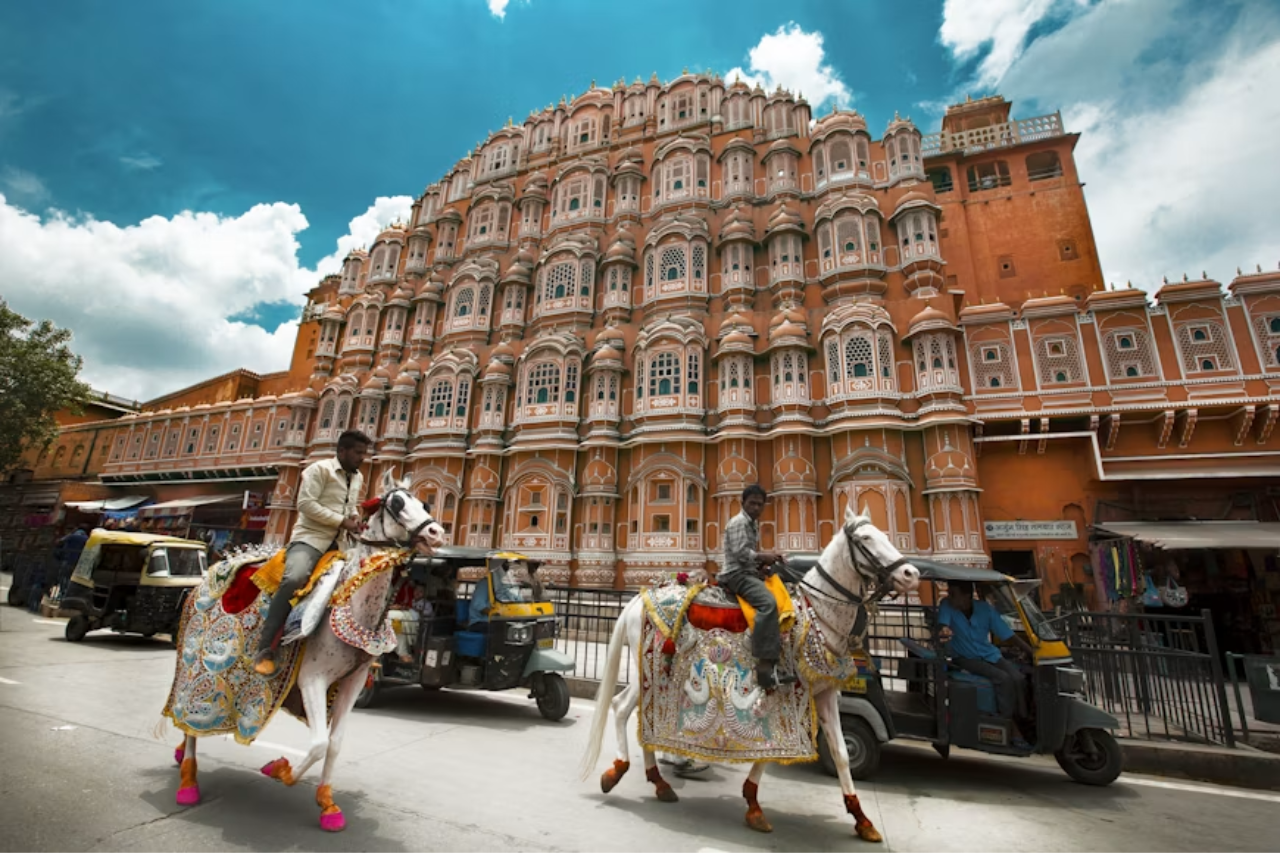
There’s a reason seasoned travelers say India isn’t a destination — it’s an experience that rewires how you see the world. One moment you’re watching the sun rise behind the Taj Mahal, the next you’re haggling for silk scarves in a Jaipur bazaar, and a day later you’re sipping chai on a houseboat drifting through Kerala’s backwaters. It’s exhilarating, occasionally overwhelming, and like nowhere else on earth.
But that magic comes with a learning curve. India runs on its own rhythm, and first-time visitors who arrive with a little local knowledge tend to have a far smoother — and far richer — experience than those who don’t. So before you pack your bags, here are 15 things every first-time traveler to India should know.
1. India Isn’t One Destination — It’s Many
Ask someone what India is “like” and you’ll get a different answer depending on where they went. The snow-dusted monasteries of Ladakh, the desert forts of Rajasthan, the tropical backwaters of Kerala, and the Himalayan hill stations of the northeast are practically different worlds — each with its own languages, cuisines, festivals, and pace of life. The biggest mistake first-timers make is trying to “see India” in one trip. Instead, pick a region or theme — the Golden Triangle, South India’s temples, or a Himalayan escape — and go deep rather than wide. A custom private India tour built around your interests will always beat a rushed checklist itinerary.
2. You’ll Need a Visa Before You Go
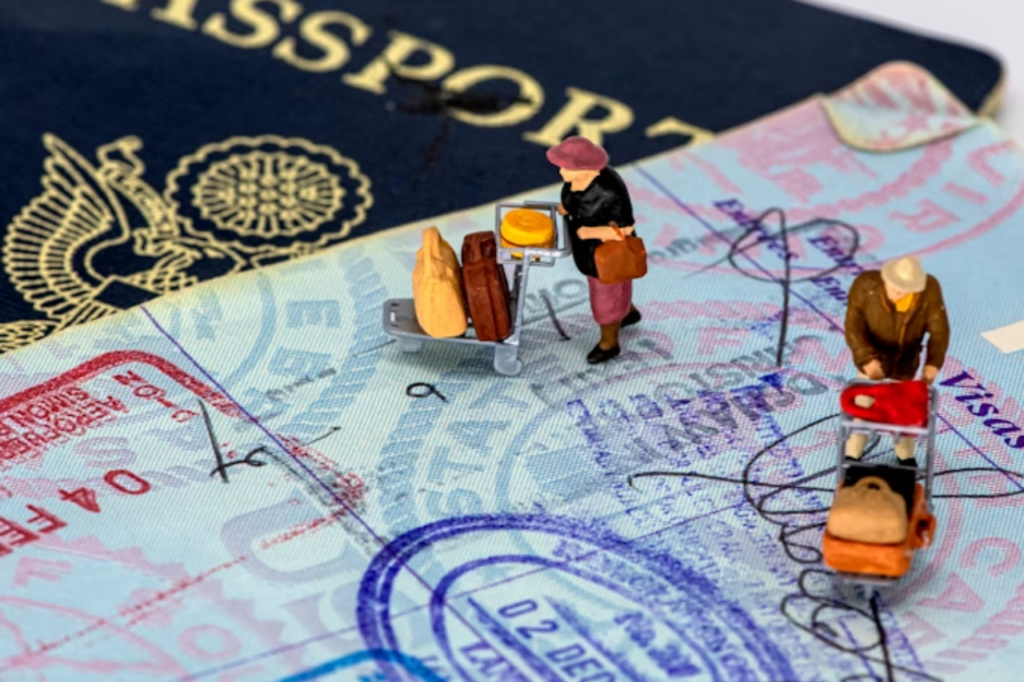
U.S. and Canadian citizens require a visa to enter India, and the easiest route for most travelers is the e-Visa, which can be applied for entirely online ahead of departure. Processing usually takes a few business days, so it’s worth applying at least two to three weeks before you fly — closer to your trip during peak season. Double-check your passport has at least six months of validity left and a couple of blank pages, as Indian immigration is strict about this.
3. Pack for Several Climates, Not Just One
India’s geography spans snow-capped mountains, deserts, coastline, and dense forest — sometimes within the same state. What you pack will depend heavily on where (and when) you’re going, so check the best time to visit India for your specific route before you start shopping for the trip. As a general rule, lightweight breathable layers work for most of the year in the cities and plains, while a warm jacket is essential if Rajasthan’s winter nights or the Himalayan foothills are on your itinerary.
4. Skip the Tap Water — Always
This one is non-negotiable: don’t drink tap water anywhere in India, and be cautious of ice cubes, fresh juices, and salads washed in tap water, especially in your first few days. Stick to sealed bottled water (check that the cap seal is intact) or use a portable purifier. Most hotels and reputable restaurants serve filtered water, but it never hurts to ask. A little extra caution here goes a long way toward protecting the rest of your trip.
5. Traffic Looks Chaotic — and It Kind of Is, But It Works
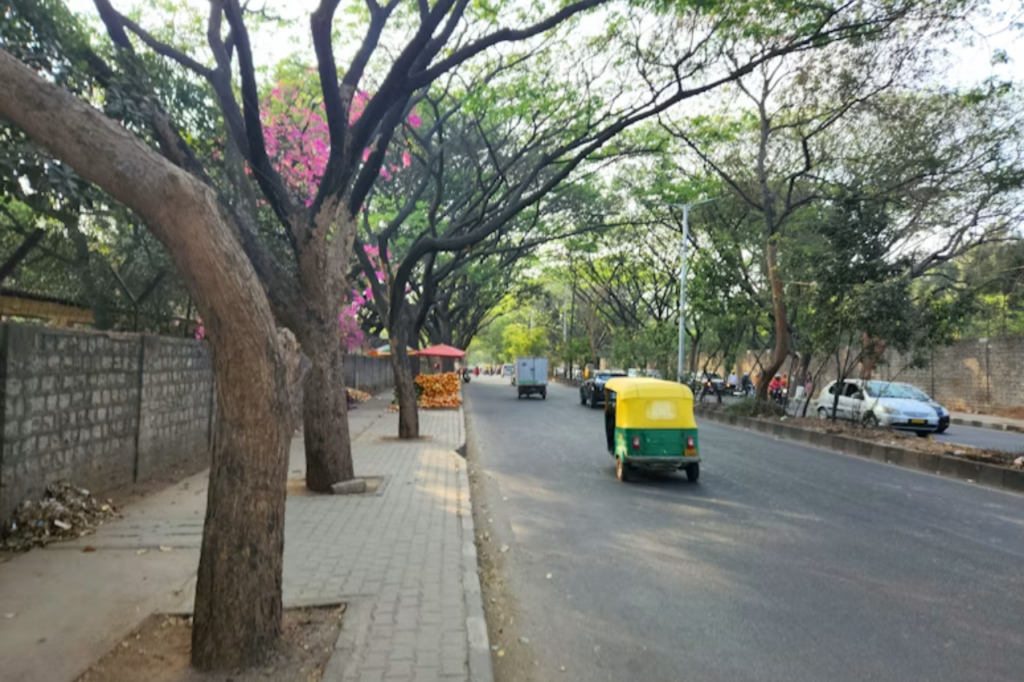
Indian roads can be a sensory overload for first-timers: horns, motorbikes, cows, auto-rickshaws, and pedestrians all sharing the same stretch of road with what looks like no rules at all. There is an unspoken order to it, but as a visitor, you don’t need to decode it — just don’t try to drive yourself in major cities. Ride-hailing apps like Uber and Ola are widely available and far less stressful, and for longer journeys between cities, a private car with a driver is the most comfortable, flexible option, which is exactly how we arrange transportation on every Acqua Travel itinerary.
6. Bargaining Is Part of the Culture, Not an Insult
In local markets, bazaars, and with rickshaw drivers who haven’t quoted a metered fare, haggling is expected and even a bit of fun once you get the hang of it. Start by offering roughly half the asking price and negotiate from there with a smile — it’s a normal social exchange, not a confrontation. Fixed-price government emporiums and most established shops, restaurants, and hotels won’t expect this, so save your negotiating energy for the markets.
7. Dress Modestly, Especially at Religious Sites
India is home to some of the world’s most sacred temples, mosques, and gurdwaras, and most require visitors to dress conservatively — covered shoulders and knees at minimum, sometimes a head covering. Many sites also require you to remove your shoes before entering, so slip-on footwear makes life much easier. Carrying a light scarf or shawl in your day bag is one of the simplest things you can do to stay respectful and ready for any spontaneous temple visit.
8. The Right Hand Is for Eating, Greeting, and Giving
In India, the left hand is traditionally considered unclean and is avoided for eating, shaking hands, handing over money, or passing food. It’s a small custom, but locals notice — and appreciate — when visitors make the effort to use their right hand for these everyday interactions. It’s one of those details that costs nothing to learn but goes a long way in how warmly you’re received.
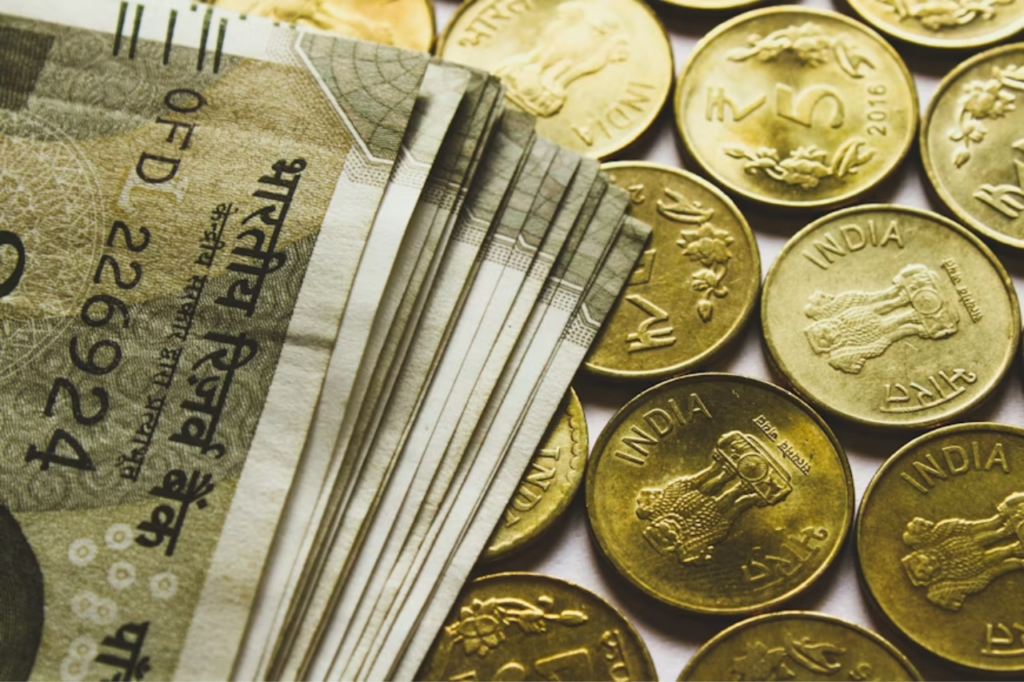
9. Carry Cash, But Don’t Worry — Cards and UPI Work Too
India’s currency is the Indian Rupee (INR), and while credit cards are widely accepted in hotels, malls, and city restaurants, it’s smart to carry some cash in small denominations for markets, tipping, temple donations, and rural areas where card machines aren’t common. ATMs are widely available in cities, and digital payment apps are everywhere — don’t be surprised if even a small fruit stand has a QR code for instant payment. Exchange money at banks or authorized counters rather than informal street vendors.
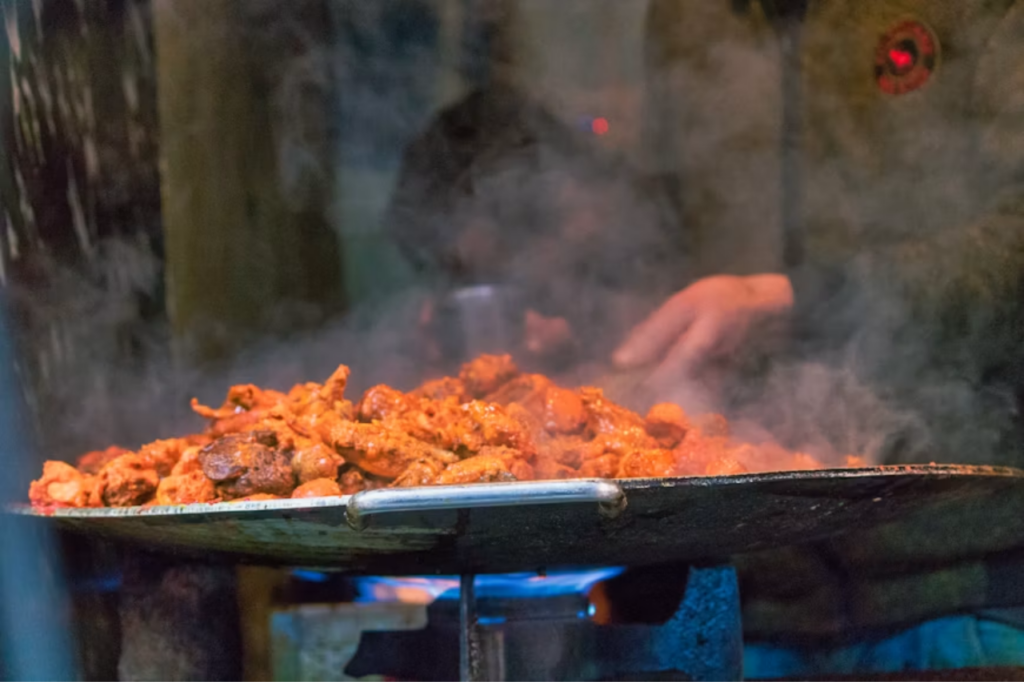
10. Street Food Is Incredible — Just Choose Your Stalls Wisely
Some of the best meals you’ll have in India come from a roadside stall, not a five-star restaurant. The trick for first-timers is choosing stalls with a high turnover of local customers (a sign the food is fresh and cooked to order) and watching your food being made fresh in front of you. Go easy the first couple of days while your system adjusts, then dive in — pani puri, dosas, and chaat are not to be missed.
11. Personal Space Works Differently Here
With over a billion people, India’s relationship with crowds and queues is different from what many Western travelers are used to. Lines can be loose, train platforms can be packed, and a bit of friendly jostling in markets or at festivals is completely normal — not rudeness. Going in with a relaxed, flexible mindset (and a sense of humor) will serve you far better than trying to maintain Western-style personal space everywhere you go.
12. Ask Before You Photograph People
India is endlessly photogenic, but it’s good etiquette to ask permission before photographing individuals, especially sadhus (holy men), worshippers at religious sites, and people in their homes or workplaces. Most people are happy to oblige with a smile, and it often opens the door to a genuine, friendly interaction. Be mindful around military installations, border areas, and certain religious ceremonies, where photography may be restricted altogether.
13. Tipping Isn’t Mandatory, But It’s Expected
Tipping isn’t legally required in India, but it’s a meaningful part of how service is recognized, especially for drivers, guides, and hotel staff who often go well out of their way for guests. A general guideline is around 10% in restaurants if a service charge isn’t already included, with guides and drivers tipped based on trip length and quality of service. Keeping a stash of smaller rupee notes on hand makes this easy to do as you go.
14. Staying Connected Is Easier Than You Think
Picking up a local SIM card at the airport or a nearby shop is quick, affordable, and gives you reliable data for navigation, translation apps, and staying in touch — just bring your passport and a passport photo, as registration is required. Many travelers now use an eSIM instead, which can be activated before you even land. Either way, Wi-Fi is standard in hotels and cafés, so you’re rarely far from a connection if you need one.
15. A Local Expert Makes All the Difference
This is the one piece of advice that ties all the others together: India rewards travelers who have someone in their corner. The single biggest factor in how smooth — and how meaningful — a first trip to India feels usually comes down to who’s helping you plan it. A knowledgeable local destination expert can map a realistic route, match you with the right guides and drivers, time your trip around festivals or weather, and handle the details that are hard to anticipate from afar. That’s the entire idea behind Acqua Travel’s custom private tours — you get the freedom of independent travel with the backup of people who know India inside and out.
Final Thoughts
India isn’t a place you simply visit — it’s a place you experience with all five senses, often all at once. A little preparation around visas, money, food, and etiquette removes most of the friction, leaving you free to focus on what actually matters: the people you meet, the flavors you try, and the monuments that have stood for centuries before you arrived.
If this is your first trip to India, you don’t have to figure it all out alone. Explore our Best Places to Visit in India, check the Best Time to Visit India for your travel dates, or dive into our full India Travel Guide for more first-timer tips. When you’re ready, let an Acqua Travel destination expert build your custom India itinerary — so all you have to do is show up and take it in.
FAQs: First-Time Travel to India
Is India safe for first-time visitors?
Yes, India is generally safe for tourists who take normal travel precautions — staying in well-reviewed accommodations, using reputable transportation, keeping valuables secure, and being aware of common tourist scams in crowded areas.
How many days do I need for a first trip to India?
Most first-time travelers spend 10–15 days covering one region in depth, such as the Golden Triangle (Delhi, Agra, Jaipur) plus an extension into Rajasthan or Kerala, rather than trying to cover the whole country in one visit.
Do I really need a guide for my first trip to India?
You don’t need one, but most first-timers find it makes an enormous difference. A private guide or driver handles logistics, language, and local etiquette, freeing you up to actually enjoy the destination instead of troubleshooting it.
What’s the single biggest mistake first-time visitors make in India?
Trying to see too much, too fast. India rewards travelers who slow down, pick a region, and allow time to absorb it rather than rushing between landmarks.
Can I customize my first trip to India?
Absolutely — that’s exactly how Acqua Travel works. Every itinerary is built around your interests, pace, and budget, with a local destination expert handling the details from start to finish.