
Kyoto Itinerary: 3–5 Day Itineraries and the Best Day Trips to Nara, Arashiyama and Beyond
Kyoto represents Japan’s cultural soul, a city where ancient traditions flourish alongside modern convenience. Planning the perfect Kyoto itinerary requires understanding the city’s layered history, identifying must-see temples and shrines, and strategically incorporating day trips from Kyoto that maximize your exploration time. Whether you have three days or a full week, this comprehensive Japan Kyoto guide provides detailed hour-by-hour schedules, insider tips for avoiding crowds, recommendations for authentic dining experiences, and perfectly planned day trips from Kyoto to neighboring cultural treasures. From the iconic vermillion gates of Fushimi Inari to the bamboo groves of Arashiyama, from the sacred deer parks of Nara to the traditional pottery villages of nearby regions, your Kyoto itinerary determines whether you experience surface tourism or transformative cultural immersion. This ultimate japan Kyoto guide ensures every moment of your visit aligns with your interests and energy levels, transforming you from rushed tourist to contemplative cultural explorer.
Understanding Kyoto’s Geography and Districts
Before structuring your Kyoto itinerary, understanding the city’s geographical organization proves essential. Kyoto spreads across 827 square kilometers but concentrates most attractions within five walkable districts. The Central District (Shimogyo-ku) houses Kyoto Station and major shopping areas. The Higashiyama District hosts the densest temple concentration, traditional machiya residences, and the famous Gion geisha quarter. Arashiyama occupies the western hillsides with bamboo groves and scenic mountain temples. The Northern District contains the imperial palace and quiet residential neighborhoods. Organizing your Kyoto trip around these districts prevents exhausting crisscrossing and maximizes sightseeing efficiency. Most visitors structure their Kyoto itinerary by concentrating on one or two districts daily, allowing adequate time for temple exploration, meal breaks, and spontaneous discoveries. Understanding this spatial organization transforms your day trips from Kyoto planning, as proximity determines whether you allocate 4-hour or full-day excursions.
The Perfect 3-Day Kyoto Itinerary
Day 1: Discovering Historic Higashiyama District
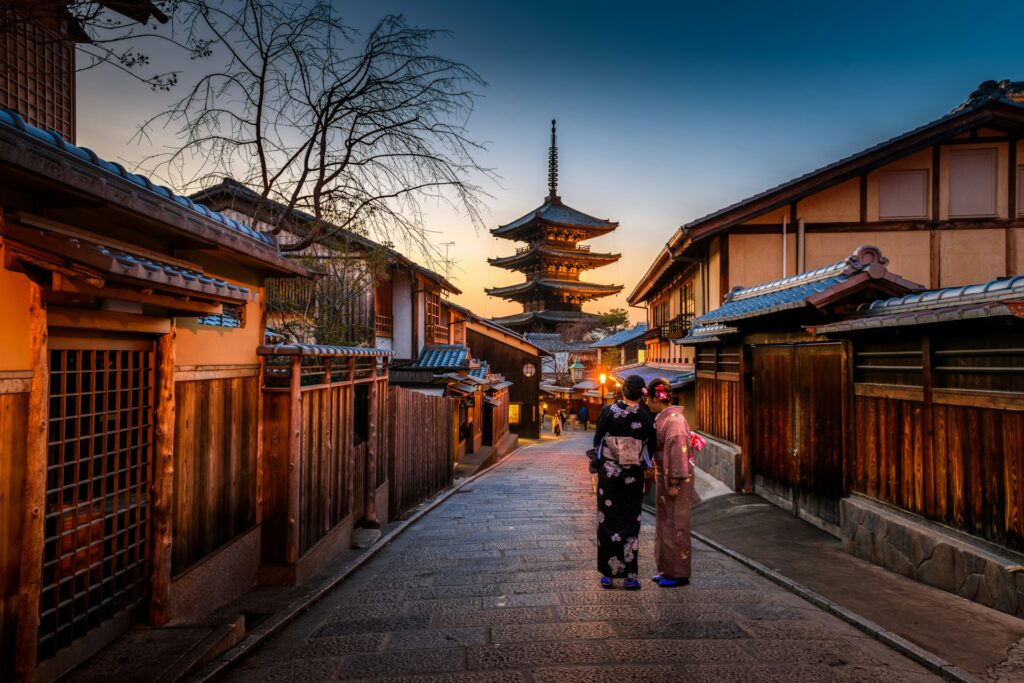
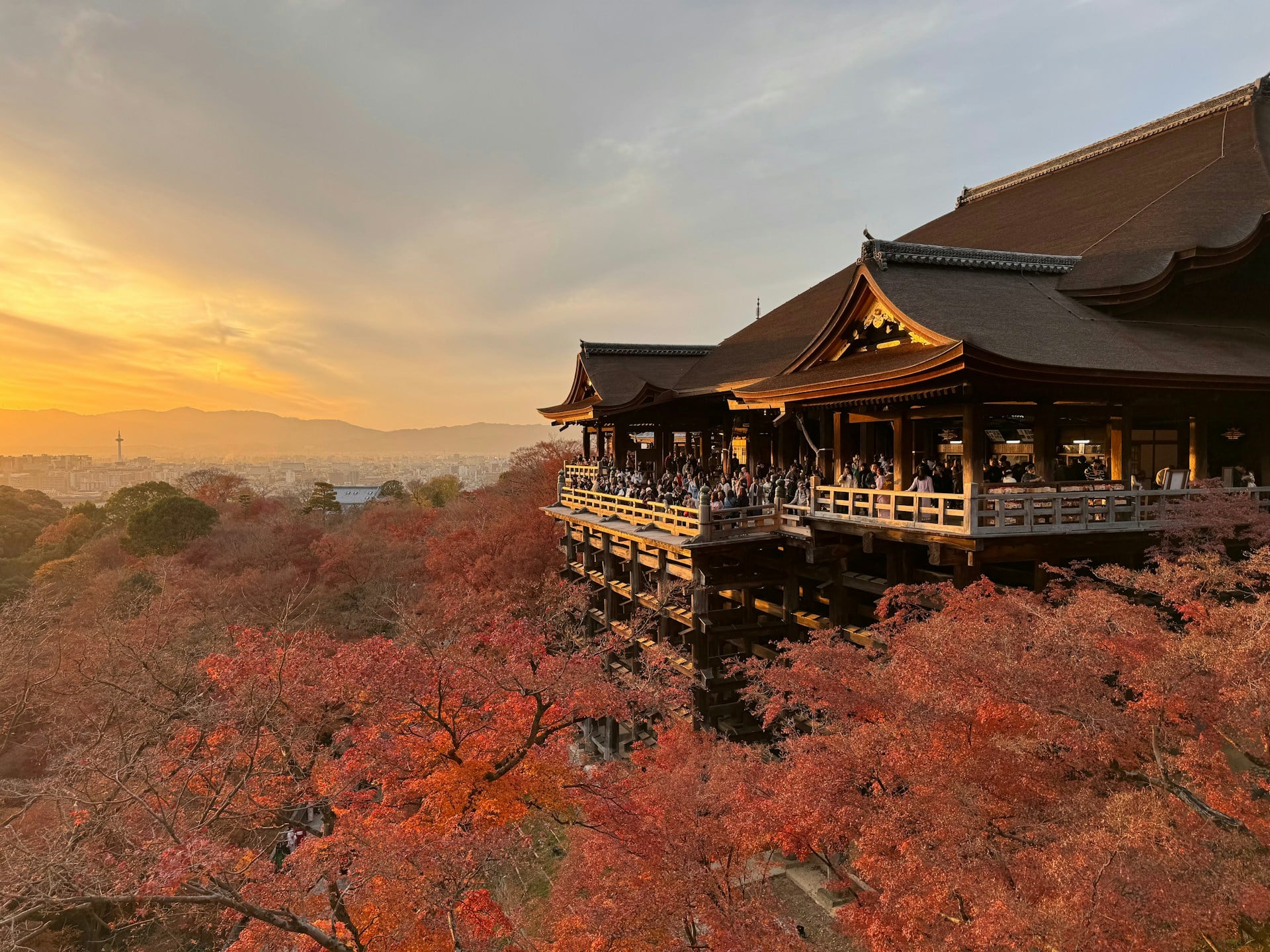
Your first day’s Kyoto itinerary should focus on Higashiyama, Kyoto’s most atmospheric district. Start at Kiyomizu-dera Temple (7:00 AM arrival prevents crowds). This UNESCO World Heritage site features a dramatic wooden platform jutting over forested slopes, offering stunning city views. Spend 90 minutes exploring the three-tiered main hall, sacred water falls believed to grant wishes, and surrounding subtemples. From Kiyomizu-dera, descend through the charming Sannenzaka shopping street lined with traditional storefronts selling tea, crafts, and snacks—perfect for light breakfast or sampling local treats.
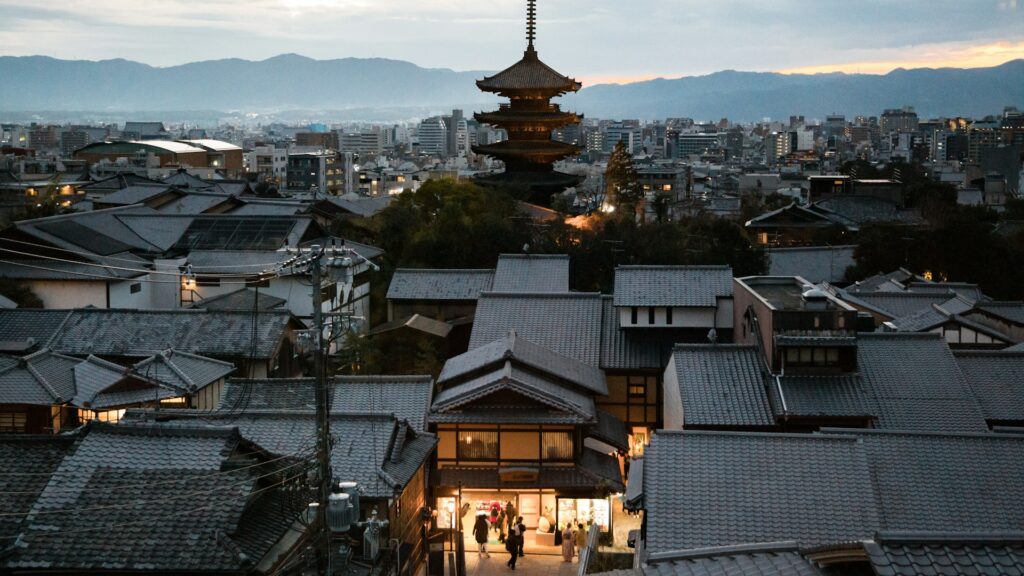
By 9:30 AM, continue to Sannen-zaka Street’s end, transitioning into Ninenzaka, another atmospheric traditional lane. Continue downhill to Yasaka Pagoda (Hokanji Temple), an iconic five-story structure dating to 1440, photographed extensively by travelers seeking quintessential Kyoto imagery. Enter the pagoda’s ground level (additional fee) to climb interior staircases revealing increasingly expansive city views from each level.
Around 10:30 AM, visit Maruyama Park’s central location, perfect for catching your breath before continuing your Kyoto itinerary. The park’s weeping cherry tree becomes a pilgrimage site during spring bloom season. From here, access Yasui Kompira-gu Shrine (entry free), a small shrine with an unusual rope-bound stone representing the breaking of bad relationships—visitors tie rope around themselves to symbolize severing negative connections.
By 11:30 AM, this japan Kyoto guide recommends visiting Gion District’s eastern edge, browsing traditional restaurants and teahouses before lunch. Grab authentic Kyoto ramen or tofu-focused cuisine at a local favorite (Google Maps + offline translation apps essential). Afternoon exploration of Higashiyama continues with Sanjusangendo Temple (33,000 golden statues), one of Kyoto’s most spiritually intense sites. Allocate 60 minutes for respectful contemplation of this 12th-century masterpiece.
Conclude Day 1 of your Kyoto itinerary with sunset at Gion District proper. Walk through narrow lanes around Hanami-koji and Pontocho where geishas transition between evening appointments. Evening stroll through these atmospheric streets (no photography of geishas without permission) provides magical reflection on your first day. Dinner at a traditional kaiseki restaurant (reservations essential weeks in advance) or casual yakitori establishment completes this foundational japan guide experience.
Day 2: Arashiyama’s Iconic Bamboo and Mountain Temples
Day 2 of your Kyoto itinerary explores Arashiyama, Kyoto’s most Instagram-famous district. Start with an early arrival (7:30 AM) at Arashiyama Bamboo Grove (Sageogurayama Chikurindo), where towering bamboo stalks create an otherworldly cathedral-like atmosphere. Early arrival proves critical—by 9:00 AM, crowds become overwhelming. Spend 30-45 minutes wandering the serene grove’s main path and smaller side trails where fewer tourists venture. This Kyoto itinerary segment exemplifies balancing must-see attractions with crowd management.
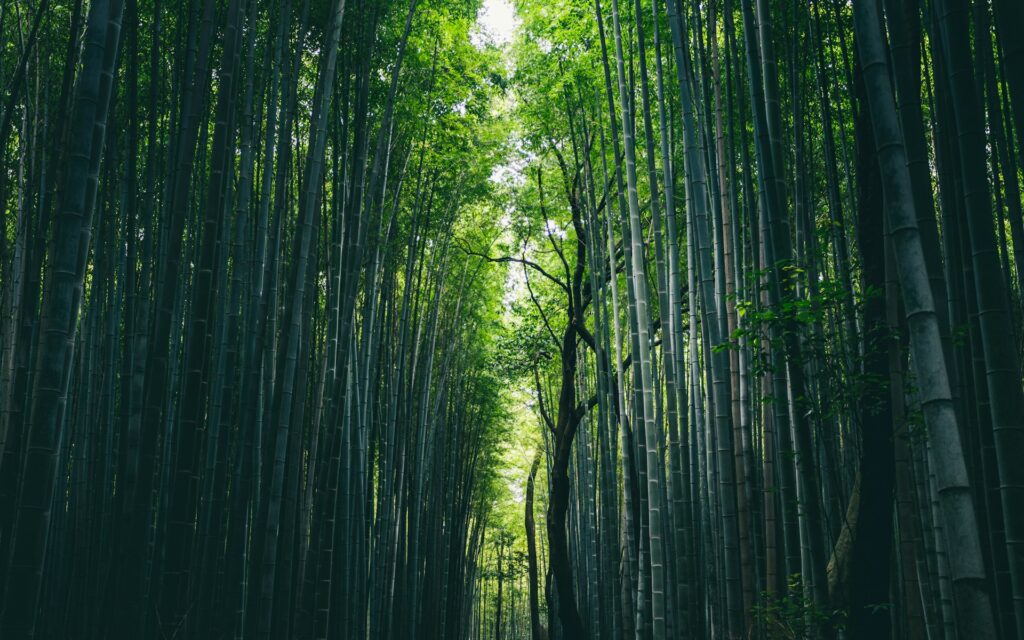
From the bamboo grove, this japan Kyoto guide directs you to Tenryu-ji Temple, an adjacent UNESCO site featuring a stunning garden with mountain backdrop. The temple predates many Kyoto landmarks, dating to 1339. Allocate 90 minutes for exploring the main hall, walking through the serene garden (photographed hundreds of times but never loses its majesty), and climbing hillside trails to secondary temples. Temple admission fees are modest (typically ¥800-1,000), and the experience justifies every yen.
By 10:30 AM, your Kyoto itinerary should include climbing to Okochi Villa, a private mountain estate with expansive city views. The villa’s restoration preserves early-20th-century Japanese aristocratic living standards. The steep climb takes 20-30 minutes but rewards with serene gardens, traditional architecture, and contemplative spaces. Included matcha tea service in garden pavilions provides delightful respite and cultural immersion.
Lunch in Arashiyama’s charming restaurants overlooking the Oigawa River follows naturally. This Kyoto itinerary recommends seeking yudofu (hot pot with tofu) specialties or riverside soba establishments. Afternoon activities include browsing Arashiyama’s numerous craft shops, visiting Togetsukyo Bridge for photographs, or exploring the romantic riverside paths.
This japan guide suggests afternoon visits to secondary Arashiyama temples like Adashino Nembutsu-ji (1000+ stone Buddha statues creating meditative atmosphere) or Otagi Nenbutsu-ji (smaller, less crowded alternative with delightful gardens). Your Kyoto itinerary concludes with sunset walks along the riverside promenade or visits to traditional restaurants for kaiseki dinner overlooking illuminated gardens.
Day 3: Fushimi Inari and Imperial Kyoto
Day 3 of your Kyoto itinerary emphasizes two contrasting experiences: the spiritual intensity of Fushimi Inari’s vermillion gates and the serene grandeur of imperial palaces. Begin with an early train journey to Fushimi Inari Station (30-minute journey from central Kyoto). Arriving before 8:00 AM proves essential at this perpetually crowded site.
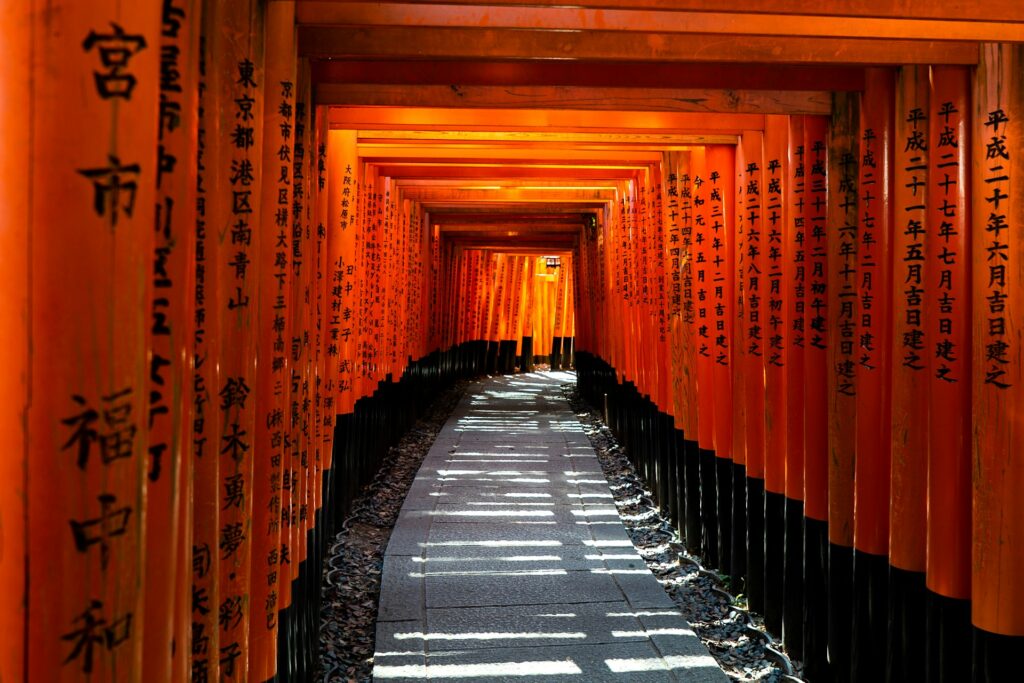
Fushimi Inari Taisha, Japan’s oldest Shinto shrine, features thousands of vermillion torii gates creating a magical tunnel effect up the mountainside. This iconic Kyoto guide destination represents one of Japan’s most photographed locations. Dedicate 2-3 hours to climbing the mountain trail through countless gates, discovering small shrines, scenic overlooks, and peaceful groves where fewer visitors venture. The main shrine area remains perpetually crowded, but climbing higher reveals serene forest experiences that justify the early start.
Returning to central Kyoto by 11:30 AM, this Kyoto itinerary shifts focus to imperial sites. Visit Kyoto Imperial Palace (reservations typically required but often available same-day). This former imperial residence represents exquisite traditional Japanese architecture with expansive grounds. Ninety minutes allow exploring the main ceremonial hall, imperial family quarters, beautiful gardens, and surrounding structures. Guards provide detailed historical context (typically in Japanese, but foreign language guides available).
Conclude Day 3 with visits to nearby Nijo Castle or Emperor’s Summer Villa (Katsura Imperial Villa), depending on your Kyoto itinerary preferences. Both represent UNESCO World Heritage sites with distinct architectural styles and cultural significance. This comprehensive japan guide kyoto ensures your three-day experience encompasses spiritual sites, natural beauty, and imperial grandeur.
Expanding to a 4–5 Day Kyoto Itinerary
Additional days allow deeper exploration and day trips from Kyoto to neighboring cultural treasures. Day 4 of your Kyoto itinerary typically dedicates to full-day day trips from Kyoto to Nara (45-minute train journey). This japan guide kyoto recommends allocating a full day for Nara’s sacred deer parks and Todai-ji Temple. Upon arrival, purchase a day pass for local transportation and deer park access.
Day Trip: Nara’s Sacred Deer and Ancient Temples
Nara represents one of the most rewarding day trips from Kyoto, featuring semi-tame deer roaming freely in Nara Park, creating surreal and delightful interactions. Upon arrival at Nara Station, head directly to Nara Park (entry free) where hundreds of friendly deer bow for crackers. This japan guide kyoto advises caution—while generally gentle, deer may bite or knock visitors over seeking snacks. Buy crackers from vendors and enjoy interactive (and photogenic) experiences unavailable elsewhere in Japan.
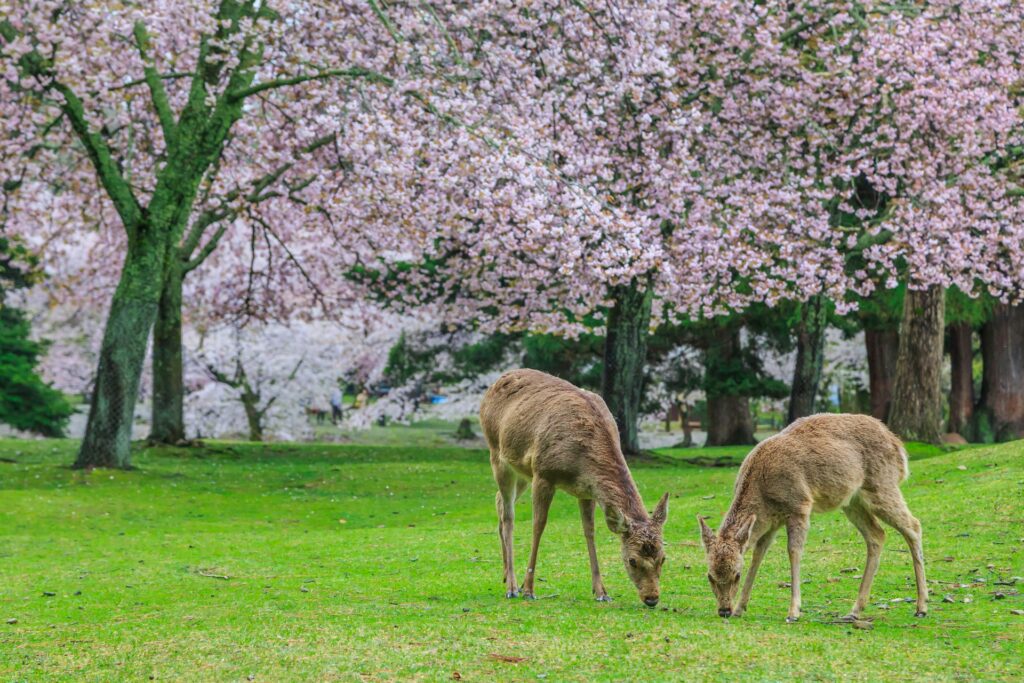
Within Nara Park stands Todai-ji Temple, home to the Great Buddha (Daibutsu), a colossal bronze statue cast in the 8th century. This day trips from Kyoto experience proves spiritually overwhelming—few encounters with human achievements inspire such awe. The main hall (Daibutsu-den) ranks among the world’s largest wooden structures. Allocate 2-3 hours for respectful temple exploration.
Additional day trips from Kyoto Nara activities include visiting Kasuga Taisha Shrine, famous for thousands of stone and bronze lanterns creating magical atmosphere when illuminated. Afternoon exploration of Nara’s southern temples (Todai-ji area) completes this compelling Kyoto itinerary expansion. Return trains to Kyoto run frequently, allowing flexible evening scheduling.
Optional Day 5 Additions to Your Kyoto Itinerary
A fifth day of your Kyoto itinerary allows exploring less-visited districts and additional day trips from Kyoto. Options include visiting Kurama and Kibune (mountain villages north of Kyoto featuring hot springs and hiking), exploring Philosopher’s Path (scenic canal walk with dozens of temples), visiting Ryoan-ji Temple (famous rock garden), or exploring southern Kyoto’s Fushimi District beyond the main shrine.
Alternative day trips from Kyoto include Uji (45 minutes south, famous for tea plantations and Byodo-in Temple), Ohara (rural mountain village 90 minutes north with peaceful temples), or Takayama (3-4 hour journey featuring traditional wooden townscape). This japan guide kyoto emphasizes personalizing your Kyoto itinerary based on interests—history enthusiasts prioritize temples, food lovers seek culinary workshops, photographers focus on golden hour positions at scenic sites.
Practical Tips for Maximizing Your Kyoto Itinerary
Transportation and Logistics
This japan guide kyoto strongly recommends purchasing Kyoto City Bus One-Day Pass (unlimited bus travel, approximately ¥700-800). Most attractions cluster along bus routes, and all-day passes pay for themselves after 3-4 journeys. Download offline Google Maps and the Hyperdia app for train schedules. For day trips from Kyoto, JR Passes provide excellent value for longer excursions to Nara, Uji, or Takayama. Your Kyoto itinerary benefits from strategic transportation planning preventing wasted time navigating unfamiliar routes.
Crowd Management Strategies
Successful Kyoto itinerary execution requires arriving at famous sites by 7:30-8:00 AM before crowds arrive. Evening exploration of quieter temples offers different but equally rewarding experiences. This japan guide kyoto advises avoiding weekend visits during cherry blossom season (late March-early April) and autumn foliage season (mid-November) when tourist crowds reach overwhelming levels. Off-season visits (summer and winter) offer superior experiences with manageable crowds.
Dining Recommendations Within Your Kyoto Itinerary
Kyoto cuisine emphasizes kaiseki (multi-course traditional meals), yudofu (tofu hot pot), and shojin ryori (Buddhist vegetarian cuisine). High-end options require advance reservations (weeks ahead for famous establishments), but exceptional casual restaurants serve equally delicious meals. Your Kyoto itinerary benefits from balancing one special meal at a fine establishment with casual discoveries at local favorites. This japan guide kyoto recommends exploring side streets for ramen, udon, okonomiyaki, and street food. Convenience stores (7-Eleven, Lawson) provide surprisingly good quick meals between attractions.
Accommodation Strategy for Your Kyoto Itinerary
Hotel location significantly impacts your Kyoto itinerary success. Central locations near Kawaramachi or Shijo stations minimize transit time between attractions. Traditional ryokan experiences (Japanese inns with tatami rooms and kaiseki breakfasts) characterize many Kyoto stays, though prices exceed standard hotels. Budget-conscious travelers find excellent hostels and guesthouses in Gion, Arashiyama, and central districts. Your japan guide kyoto suggests prioritizing walkability and proximity to transit over luxury amenities for optimized sightseeing efficiency.
Seasonal Considerations for Planning Your Kyoto Itinerary
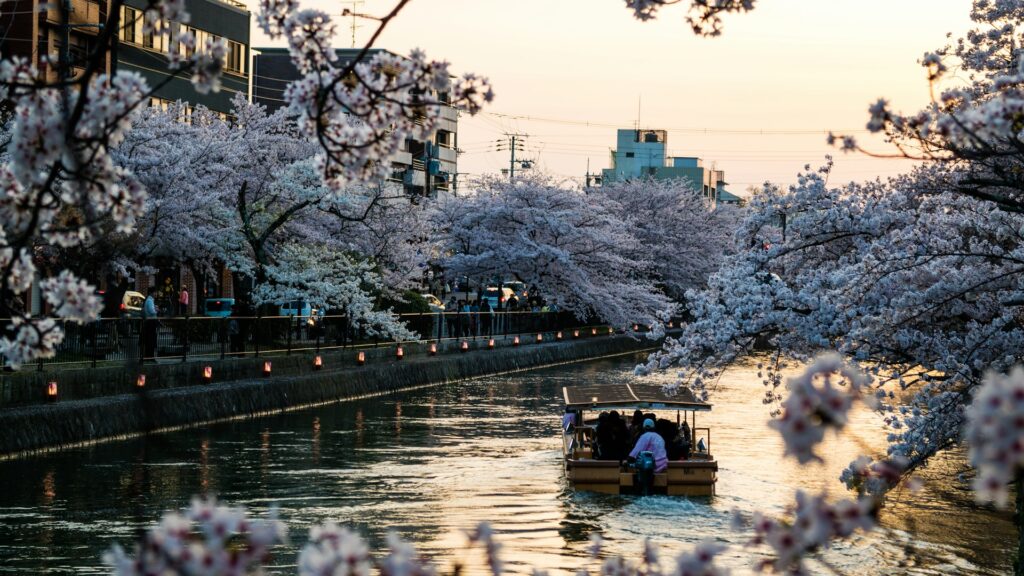
Kyoto’s four distinct seasons dramatically affect your Kyoto itinerary experience. Spring (March-May) brings cherry blossoms creating iconic pink landscapes but attracts massive crowds and higher prices. Summer (June-August) features scorching heat and humidity—challenging for lengthy walking but offering quiet temples and vibrant festival season. Autumn (September-November) delivers perfect weather and stunning foliage but coincides with peak tourist season. Winter (December-February) provides cold temperatures and fewer crowds, enabling serene temple experiences. This japan guide kyoto recommends visiting during shoulder seasons (late April-May or September-October) balancing weather quality with manageable crowds.
Beyond the Standard Kyoto Itinerary
Once your Kyoto itinerary covers major attractions, consider lesser-known experiences distinguishing your visit from typical tourist routes. Attending a traditional tea ceremony, participating in a cooking class learning Kyoto cuisine, exploring night illuminations at secondary temples, or visiting during major festivals (Gion Festival in July, Jidai Festival in November) transforms repetitive sightseeing into transformative experiences. This japan guide kyoto emphasizes that authentic cultural connection requires moving beyond guidebook attractions toward spontaneous discoveries and meaningful interactions with local communities.
Kyoto’s Timeless Appeal and Your Perfect Itinerary
Crafting an ideal Kyoto itinerary requires balancing must-see attractions with personal interests, managing crowds through strategic timing, incorporating day trips from Kyoto to nearby treasures like Nara and Arashiyama, and remaining flexible for unexpected discoveries. This comprehensive japan guide kyoto provides frameworks, not rigid schedules—your most memorable moments likely emerge from spontaneous exploration, conversations with locals, and embracing the contemplative pace traditional Kyoto encourages.
Expert Planning Support for Your Kyoto Adventure
Creating a personalized Kyoto itinerary accounting for your interests, energy levels, and preferences can feel overwhelming. Acqua Travel specializes in crafting bespoke Kyoto experiences integrating must-see sites with hidden gems, managing logistics and transportation seamlessly, arranging authentic dining experiences from casual yakitori to fine kaiseki establishments, and providing real-time support throughout your journey. Rather than spending hours researching, let our Kyoto specialists create your perfect japan guide kyoto experience. Our guides provide cultural context, insider access to restricted temples, and photography guidance ensuring you capture Kyoto’s essence authentically. Book your personalized Kyoto itinerary with Acqua Travel and experience Japan’s cultural capital as it deserves to be experienced!
Conclusion: Creating Your Perfect Kyoto Itinerary
Whether you have three days or a full week, this comprehensive japan guide kyoto provides everything necessary for crafting an unforgettable Kyoto itinerary. From serene temples and sacred shrines to bamboo groves and imperial palaces, from interactive day trips from Kyoto to Nara’s sacred deer to Arashiyama’s romantic riverside walks, your Kyoto experience reveals layers of Japanese culture, history, and beauty. The Kyoto itinerary you create—whether following this guide precisely or adapting it to your interests—represents the foundation for transforming a vacation into a transformative cultural journey. Embrace the pace Kyoto encourages, respect the traditions shaping this remarkable city, explore beyond tourist centers, and allow spontaneous discoveries to reshape your Kyoto itinerary as you progress. Your willingness to engage deeply with Kyoto’s treasures, incorporating both famous landmarks and hidden retreats, ensures your visit transcends typical tourism, becoming a profound appreciation for one of humanity’s greatest cultural repositories. Begin planning your ideal Kyoto itinerary today—Kyoto awaits.
Related Posts