

Mount Fuji Travel Guide: Everything You Need to Know
Locations to View Mount Fuji
Mount Fuji is one of Japan’s most iconic landmarks, and there are numerous places to enjoy breathtaking views of the mountain:
- Fuji Five Lakes (Fujigoko) – Offers stunning reflections of Mount Fuji on the lakes.
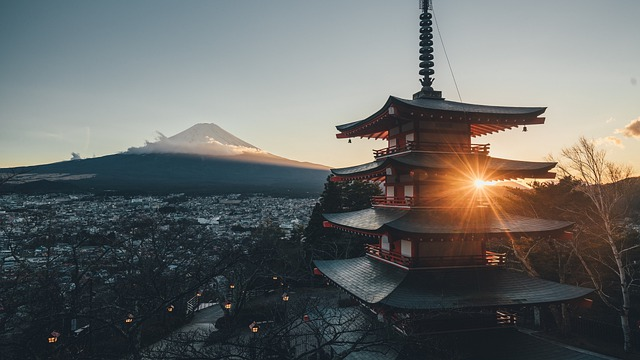
- Chureito Pagoda – Famous for its postcard-perfect view of Mount Fuji with a red pagoda in the foreground.
- Hakone – A scenic area with hot springs and cable cars offering panoramic views.
- Lake Kawaguchi – One of the most popular spots for photography, especially during cherry blossom season.
- Shizuoka Prefecture – Provides lesser-known but equally stunning viewpoints.
Best Time to Visit Mount Fuji
Mount Fuji’s beauty varies by season, offering different experiences throughout the year:
- Spring (March-May) – Cherry blossoms bloom around Fuji Five Lakes, creating picturesque landscapes.
- Summer (June-August) – The official climbing season runs from early July to early September.
- Autumn (September-November) – Fall foliage paints the surrounding areas in vibrant red and gold hues.
- Winter (December-February) – Clear skies offer the best visibility of the snow-capped peak.
Best Months for Climbing Mount Fuji
- July to September – Safe for hiking as mountain huts and trails are open.
- Off-season (October-June) – Climbing is dangerous due to extreme weather conditions.
Best Months for Photography and Sightseeing
- December to February – Crisp, clear views with snow-covered peaks.
- April – Cherry blossoms provide a stunning foreground.
- November – Vibrant autumn colors enhance the scenery.
Facts About Mount Fuji
- Height: 3,776 meters (12,389 feet), Japan’s highest peak.
- Type: Stratovolcano, last erupted in 1707.
- Cultural Significance: A sacred site and UNESCO World Heritage Site.
- Climbing Routes: Four main trails – Yoshida, Subashiri, Gotemba, and Fujinomiya.
- Symbolism: Represents Japan’s national identity and artistic inspiration.
How to Get to Mount Fuji
Mount Fuji is easily accessible from Tokyo and other major cities:
- From Tokyo:
- Train: Take the JR Chuo Line to Otsuki Station, then transfer to the Fujikyu Railway.
- Bus: Direct buses from Shinjuku, Shibuya, or Tokyo Station to Fuji Five Lakes or the Subaru 5th Station.
- From Kyoto or Osaka:
- Take the Shinkansen (bullet train) to Mishima Station and transfer to a local bus.
- By Car: Renting a car allows flexibility to explore multiple viewpoints.
- Private Tours: Convenient but more expensive, often including guides and planned itineraries.
Mount Fuji Hiking Trails
Yoshida Trail (Most Popular)
- Starting Point: Fuji Subaru Line 5th Station
- Difficulty: Moderate
- Best Time to Hike: July to September
Subashiri Trail
- Starting Point: Subashiri 5th Station
- Difficulty: Challenging, with fewer crowds
- Best Time to Hike: July to September
Gotemba Trail
- Starting Point: Gotemba 5th Station
- Difficulty: Most difficult due to long and steep ascent
- Best Time to Hike: July to September
Fujinomiya Trail
- Starting Point: Fujinomiya 5th Station
- Difficulty: Shortest but steepest route
- Best Time to Hike: July to September
Things to Do Near Mount Fuji
Visit the Five Lakes (Fuji Five Lakes Region)
Scenic lakes offering beautiful reflections of Mount Fuji, ideal for nature lovers and photographers.
Chureito Pagoda
A five-story pagoda providing one of the most famous views of Mount Fuji, especially during cherry blossom season.
Fuji-Q Highland
One of Japan’s top amusement parks, featuring record-breaking roller coasters and stunning mountain views.
Hot Springs (Onsen) with Fuji Views
Relax in a traditional Japanese onsen while enjoying panoramic views of Mount Fuji.
Mount Fuji Photography Spots
- Lake Kawaguchi – Best for reflections.
- Chureito Pagoda – Classic framed view.
- Hakone Ropeway – Aerial views.
- Fuji Five Lakes – Various perspectives of the mountain.
- Oshino Hakkai – Traditional village scenery.
Where to Stay Near Mount Fuji
- Luxury: Hoshinoya Fuji – A glamping resort with scenic views.
- Mid-Range: Fuji View Hotel – Comfortable stays with Fuji-facing rooms.
- Budget: K’s House Mt. Fuji – A backpacker-friendly hostel near Kawaguchiko.
- Ryokan Experience: Kozantei Ubuya – Traditional Japanese inn with hot springs.
Essential Travel Tips for Mount Fuji
- Packing Essentials: Warm clothing, sturdy hiking shoes, and sun protection.
- Transportation: Trains and buses are the best ways to reach Fuji’s key attractions.
- Weather Preparation: Mountain weather can change rapidly; check forecasts before visiting.
- Permits & Safety: No permit is needed, but hiking outside the official season is not advised.
- Local Etiquette: Respect cultural and environmental guidelines when visiting sacred sites.
Conclusion
Mount Fuji is a must-visit destination for nature lovers, adventure seekers, and photography enthusiasts. Whether you plan to climb its peak, explore its scenic surroundings, or simply admire it from afar, Mount Fuji promises an unforgettable experience. Start planning your trip today!
Traveling to Japan? Check Out These Great Itineraries
FAQs
What is special about Mount Fuji in Japan?
Mount Fuji is Japan’s highest mountain, a cultural icon, and a UNESCO World Heritage Site.
How long is the train ride from Tokyo to Mount Fuji?
Approximately 2-3 hours, depending on the train route.
Can tourists go to Mount Fuji?
Yes, visitors can hike, view, and explore the surrounding areas.
What city in Japan is Mount Fuji located in?
It is located between Shizuoka and Yamanashi prefectures.
What is the closest major city to Mount Fuji?
Tokyo is the nearest major city, about 100 km away.
Is Mount Fuji worth a day trip?
Yes, but an overnight stay allows for a more immersive experience.
What month is best to see Mount Fuji?
December to February for clear views.
Can you stay at the top of Mount Fuji?
Yes, mountain huts are available during climbing season.
Is Mt. Fuji closer to Tokyo or Kyoto?
It is closer to Tokyo.
Can I hike Mount Fuji without a guide?
Yes, but first-time climbers may benefit from guided tours.
Do I need a permit to hike Mount Fuji?
No permit is needed for summer hikes, but winter climbing requires special permissions.
Related Posts