

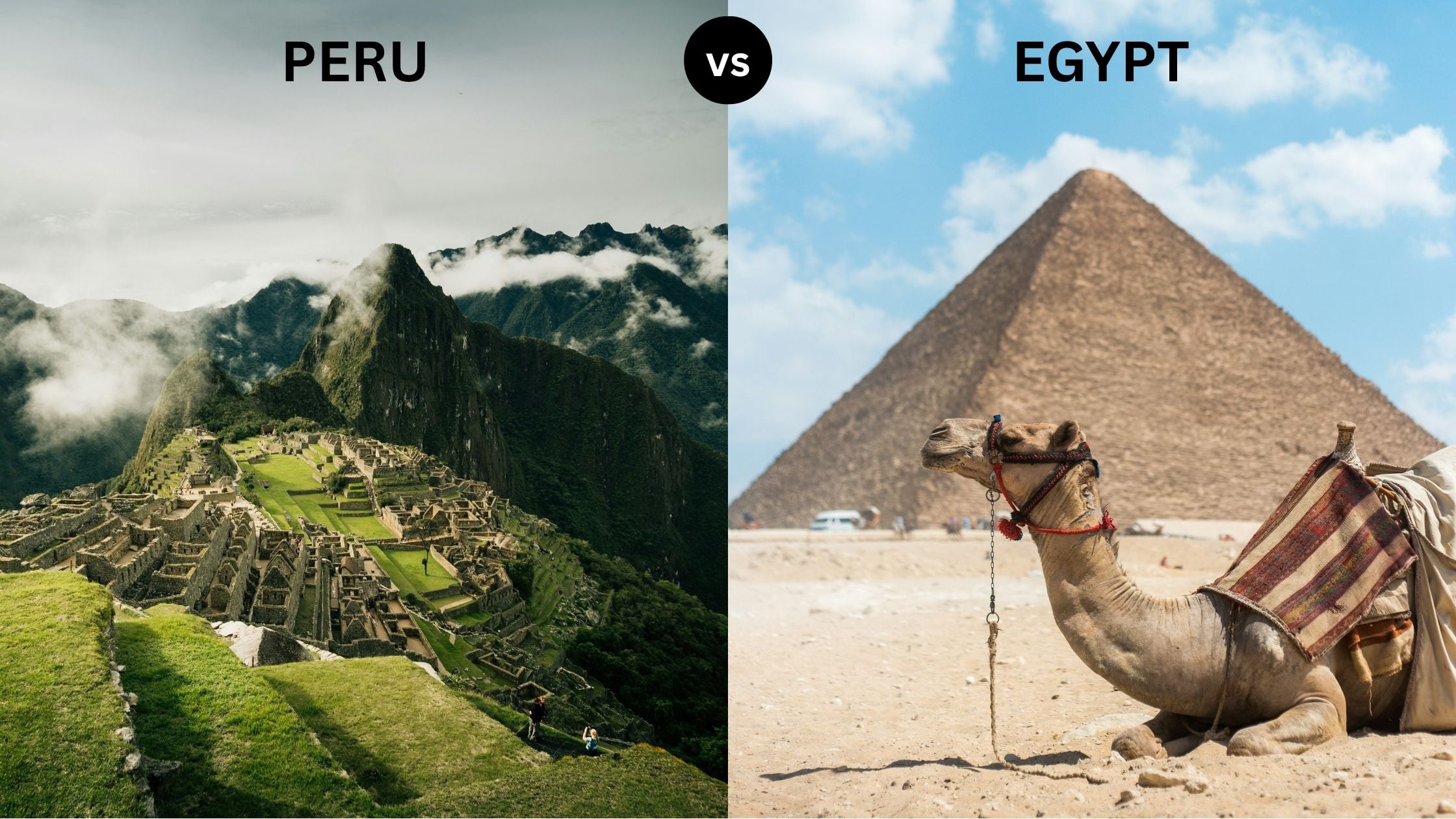
Peru vs Egypt: Which Ancient Wonder Destination Should You Visit First?
When you reach the stage of travel planning where you are ready to cross a true wonder of the world off your bucket list, two titans inevitably rise to the top of your list: Peru and Egypt. Both represent the absolute pinnacle of best ancient history trips, offering travelers the rare opportunity to step back into legendary eras of monumental architecture, mysterious rituals, and profound engineering. Whether you are actively weighing Machu Picchu vs Pyramids of Giza, choosing between the lush canopy of the Amazon and the desert sands of the Nile, or looking into high-end luxury tours Peru vs Egypt, deciding between these two destinations is a thrilling dilemma.
So, when planning a massive Peru or Egypt which is better to visit travel milestone, how do you make the ultimate choice? Both countries host deep, transformative cultural heritages, yet they present entirely different atmospheric vibes, topographies, and culinary landscapes. To help settle the debate for your next big Peru or Egypt which is better to visit dilemma, we have broken down how these two legendary destinations stack up across history, environments, food, and logistics.
The Ultimate Showdown: Machu Picchu vs. Pyramids of Giza
The core of a standard Peru vs Egypt vacation comparison usually comes down to their most iconic archaeological sites. If you are stuck wondering Peru or Egypt which is better to visit, looking at how you prefer to experience these historical landmarks is the best starting point.
Peru: The Misty Citadel of the Incas
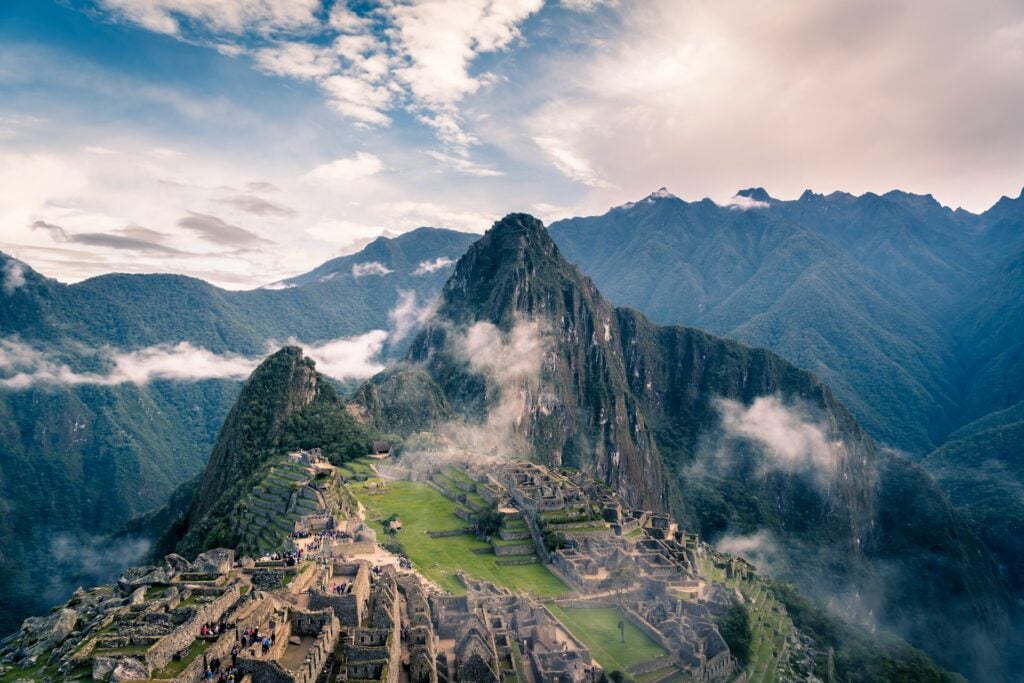
Machu Picchu is all about atmospheric drama, vertical landscapes, and late-medieval stone engineering. Built in the 15th century and famously never discovered by the Spanish Conquistadors, this majestic Incan citadel clings to a narrow ridge between sharp mountain peaks, surrounded by vertical emerald cliffs and swirling cloud forests. The experience here is physical and sensory. You feel the crisp mountain air, watch the morning fog lift to reveal the meticulously cut stone terraces, and marvel at how the Incas engineered a city to withstand earthquakes without a single drop of mortar.
Egypt: The Eternal Monuments of the Pharaohs
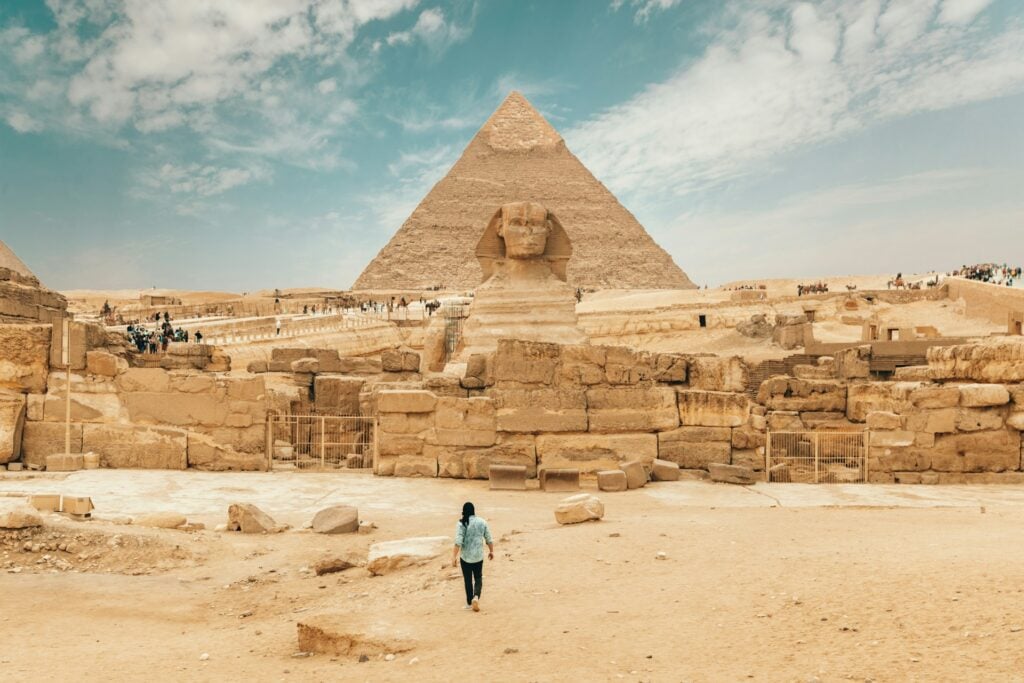
The Pyramids of Giza offer an entirely different scale of historic awe: sheer age and monumental mass. Standing proudly on the edge of the Sahara Desert, the Great Pyramid of Khufu was built around 2560 BCE and remained the tallest man-made structure on Earth for over 3,800 years. Standing at the base of these immense limestone blocks, you are confronting the deep dawn of human civilization. Nearby, the Sphinx guards a landscape of tombs, shifting desert sands, and dry heat that feels entirely disconnected from modern time.
The Visual Verdict: Choose Peru if you want breathtaking mountain scenery, lush nature, and a sense of hidden discovery. Choose Egypt if you want mind-boggling scale, sheer antiquity, and classic desert mystique.
Deep History & Archaeological Variety
Beyond their primary postcards, both countries boast an incredible network of ancient sites that appeal to history buffs looking for a rich itinerary. If you’re analyzing Peru or Egypt which is better from a pure archaeological standpoint, you have two vastly different historical timelines to evaluate.
The Incan and Pre-Incan Empires
While the Inca Empire gets the most international attention, Peru’s rich history stretches back thousands of years before them. Travelers can explore the Sacred Valley, which is scattered with impressive ruins like the fortress of Ollantaytambo and the concentric agricultural terraces of Moray. In Cusco, the ancient Incan capital, colonial Spanish churches were built directly on top of massive, polished Incan stone foundations. For those looking deeper, pre-Incan wonders include the mysterious Nazca Lines carved into the coastal desert, and the massive mud-brick city of Chan Chan built by the Chimú culture.
The Pharaonic Dynasties
Egypt’s historical footprint is extraordinarily dense along the ribbon of the Nile River, providing a linear journey through time. Luxor (Ancient Thebes) is home to the Valley of the Kings, where the tombs of King Tutankhamun and Ramesses II are cut deep into the rock, covered in vivid, 3,000-year-old painted hieroglyphs. The Karnak and Luxor Temples present massive complexes of towering columns, obelisks, and giant statues. Located far south, the twin temples of Abu Simbel feature colossal rock-cut statues of Ramesses the Great guarding the entrance, an unforgettable sight of royal ego and architectural genius.
Iconic River Landscapes: Amazon vs. Nile
The geography of both countries is defined by a legendary river system that shapes the entire flow of a peru vs egypt vacation.
| Attribute | The Amazon (Peru) | The Nile (Egypt) |
|---|---|---|
| Primary Landscape | Dense, vibrant tropical rainforest and winding tributaries. | Stark, golden desert meets a thin, fertile ribbon of green. |
| Travel Style | Deep-nature eco-lodges or small-ship wildlife cruises. | Classic multi-day river cruises on elegant riverboats or traditional feluccas. |
| Key Highlights | Spotting pink river dolphins, macaws, howler monkeys, and sloths. | Sailing past timeless farming villages, ancient temples, and royal tombs. |
| Vibe | Wild, adventurous, and centered entirely on nature. | Historical, relaxed, and deeply romanticized. |
Food, Culture, and Vibe
When analyzing Peru or Egypt which is better, the daily cultural experience and culinary scene play a massive role in trip satisfaction.
Peru: A Global Culinary Superpower
Peru is consistently voted one of the world’s absolute top culinary destinations. Lima is home to some of the finest restaurants on the planet, pioneering “New Andean” cuisine. You will feast on fresh ceviche cured in lime juice and chilies, savory lomo saltado (stir-fried beef), and dishes featuring hundreds of varieties of native potatoes and corn. The culture is a vibrant blend of contemporary South American city life and indigenous Quechua traditions—visible in the colorful hand-woven textiles of the Andes.
Egypt: Middle Eastern Hospitality & Bustling Souks
Egyptian culture is warm, chaotic, festive, and incredibly hospitable. The food is comforting, hearty, and aromatic. Expect fresh flatbreads dipped in hummus and baba ganoush, koshary (a comforting mix of lentils, rice, pasta, and spicy tomato sauce), and slow-roasted meats seasoned with cumin, coriander, and mint. The vibe involves navigating the labyrinthine alleys of Cairo’s Khan el-Khalili market, bargaining over spices and brass lamps, and sipping mint tea or Turkish coffee while listening to the call to prayer echo over the city.
Practicalities: Best Time to Visit and Luxury Travel
Planning a trip of this magnitude requires careful attention to seasons and logistics. Your personal travel calendar can heavily dictate the answer to Peru or Egypt which is better to visit.
Best Time to Visit Egypt and Peru
Because they are in different hemispheres and climate zones, their peak travel seasons don’t align. The best time to visit Egypt and Peru depends entirely on when you can take time off. For Peru, the best time to visit is during the dry season, from May to September. This is winter in the Southern Hemisphere, offering clear blue skies ideal for trekking the Inca Trail and viewing Machu Picchu. Conversely, the best time to visit Egypt and Peru‘s desert landscapes is during Egypt’s cooler months, from October to April. Summer in Egypt (May to September) brings scorching, triple-digit desert heat that makes exploring open-air tombs and temples exhausting.

Luxury Tours Peru vs Egypt
Both destinations cater exceptionally well to high-end travelers, though the style of luxury differs significantly. In Peru, luxury looks like riding the elegant Hiram Bingham train to Machu Picchu, staying in converted historic palaces in Cusco, and booking high-end glamping or premium eco-lodges along the Inca Trail or deep in the Amazon basin. In Egypt, luxury is defined by historic, five-star heritage hotels like the Marriott Mena House overlooking the pyramids, or booking an exclusive, private dahabiya (a traditional wooden sailing boat) to glide down the Nile far away from the large cruise crowds.
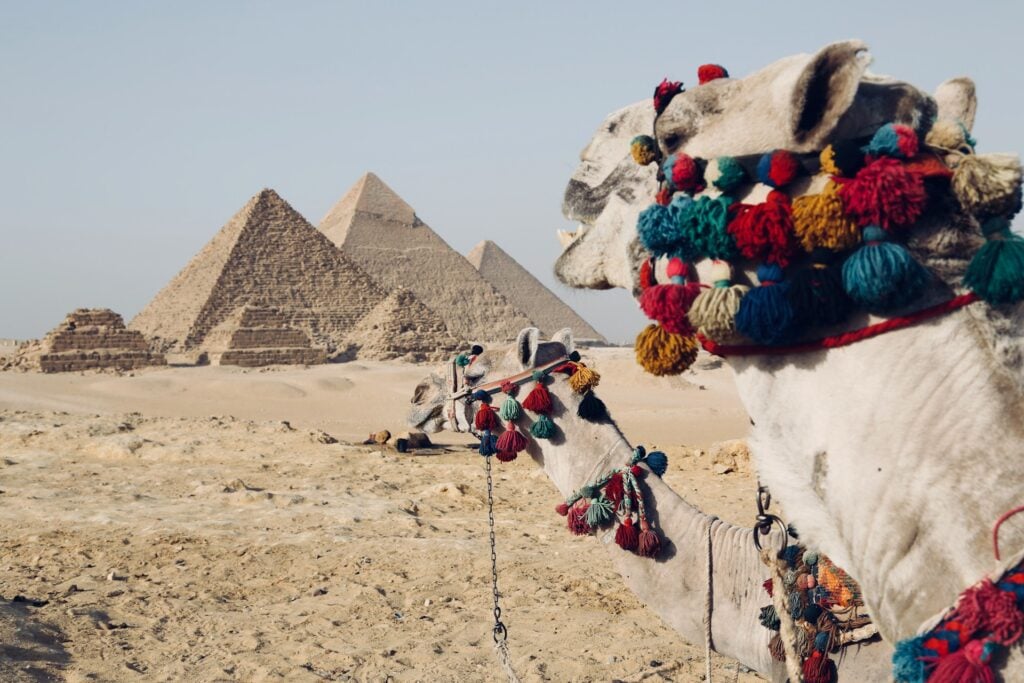
The Final Verdict: How to Choose Your Vacation
When deciding between a Peru vs Egypt vacation, look at what kind of traveler you are:
- Go to Peru if: You love a mix of outdoor adventure, alpine landscapes, world-class culinary scenes, and vibrant indigenous traditions. You prefer hiking, green scenery, wildlife, and cooler, crisp mountain climates.
- Go to Egypt if: You are a pure history enthusiast who wants to stand before the absolute oldest monuments of human civilization. You want a classic, romantic river cruise experience and enjoy desert landscapes, bustling Middle Eastern cities, and a slower, sight-driven itinerary.
Related Posts