
What Are Sri Lanka’s Best Wildlife & Nature Experiences? — Safaris, National Parks & Elephant Experiences
Introduction: Asia’s Safari Gem
When travelers think of wildlife safaris, Africa typically dominates the conversation. Yet this small island nation off India’s southern coast punches far above its weight for biodiversity and wildlife encounters. A Sri Lanka wildlife safari offers the thrilling possibility of spotting leopards with the world’s highest density, encountering herds of wild elephants and observing over 400 bird species—all within a compact, accessible landscape framed by tropical jungles, coastal wetlands and misty highlands.
Sri Lanka’s best national parks in Sri Lanka protect an astonishing variety of ecosystems across just 65,610 square kilometers, making it possible to experience multiple wildlife tours in Sri Lanka within a single week. From the arid scrublands of Yala teeming with leopards to the lush elephant corridors of Udawalawe and the serene wilderness of Wilpattu, each park offers distinct landscapes and wildlife personalities.
This comprehensive guide explores the best Sri Lanka wildlife safari experiences, covering the top national parks for leopard spotting in Sri Lanka, ethical Sri Lanka elephant sanctuary options, prime birdwatching in Sri Lanka locations and practical tips to help you plan unforgettable encounters with the island’s remarkable fauna.
Why Choose a Sri Lanka Wildlife Safari?
Before diving into specific parks and experiences, it is worth understanding why a Sri Lanka wildlife safari deserves a place on every wildlife enthusiast’s bucket list:
- World’s highest leopard density: Yala National Park’s Block I has approximately one leopard per square kilometer, offering better spotting odds than most African reserves.
- Guaranteed elephant sightings: Parks like Udawalawe host 400+ wild elephants with near 100% sighting rates on safari drives.
- Compact geography: Multiple ecosystems within short distances mean you can experience dry zone savannas, rainforests and coastal wetlands in days rather than weeks.
- Endemic species: Sri Lanka’s 34 endemic mammals and 34 endemic bird species exist nowhere else on earth, making every sighting globally significant.
- Accessibility: No multi-day expeditions required; most national parks sit 2–5 hours from Colombo with excellent road access.
- Value: Safari experiences cost a fraction of African equivalents while delivering comparable wildlife encounters.
Yala National Park: Leopard Capital of the World
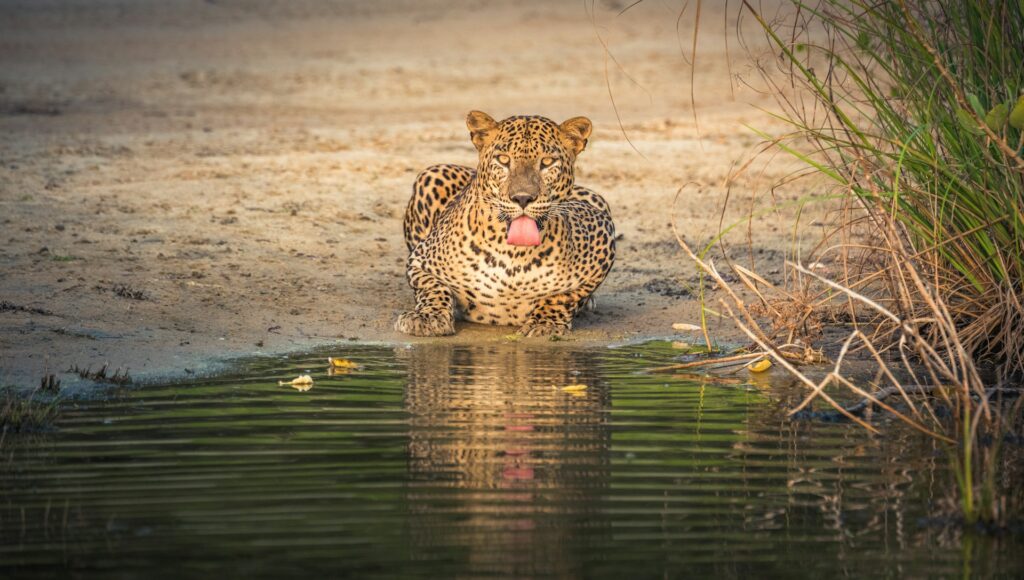
When discussing the best national parks in Sri Lanka, Yala inevitably tops the list. Located in the island’s southeast, Yala National Park spans 979 square kilometers of dry zone wilderness characterized by scrub jungle, grasslands, lagoons and rocky outcrops that create perfect leopard territory.
Why Yala Is the Ultimate Leopard Spotting Destination
Yala holds the distinction of having the world’s highest density of leopards anywhere on the planet, with Block I (the most visited section) hosting roughly one leopard per square kilometer. This concentration translates to sighting probabilities of 60–80% during peak season—extraordinary odds for an animal notoriously elusive elsewhere. For serious leopard spotting in Sri Lanka, Yala remains unmatched.
The Sri Lankan leopard (Panthera pardus kotiya) is a distinct subspecies that has evolved as the island’s apex predator in the absence of tigers or lions. Yala’s leopards display bolder behavior than their mainland cousins, often spotted lounging on rocks, walking roads during daylight and hunting in relatively open terrain—behaviors that make photography and observation far easier than in dense forests.
Beyond Leopards: Yala’s Wildlife Diversity
While leopards steal the spotlight on any Sri Lanka wildlife safari through Yala, the park protects remarkable biodiversity across its varied habitats:
- Elephants: Around 350 wild elephants roam Yala’s blocks, often spotted near waterholes and lagoons.
- Sloth bears: These shaggy black bears emerge during early morning and late afternoon safaris, particularly around termite mounds.
- Crocodiles: Massive mugger crocodiles bask along lagoon edges and riverbanks.
- Deer species: Spotted deer (chital), sambar and barking deer create the prey base supporting Yala’s leopard population.
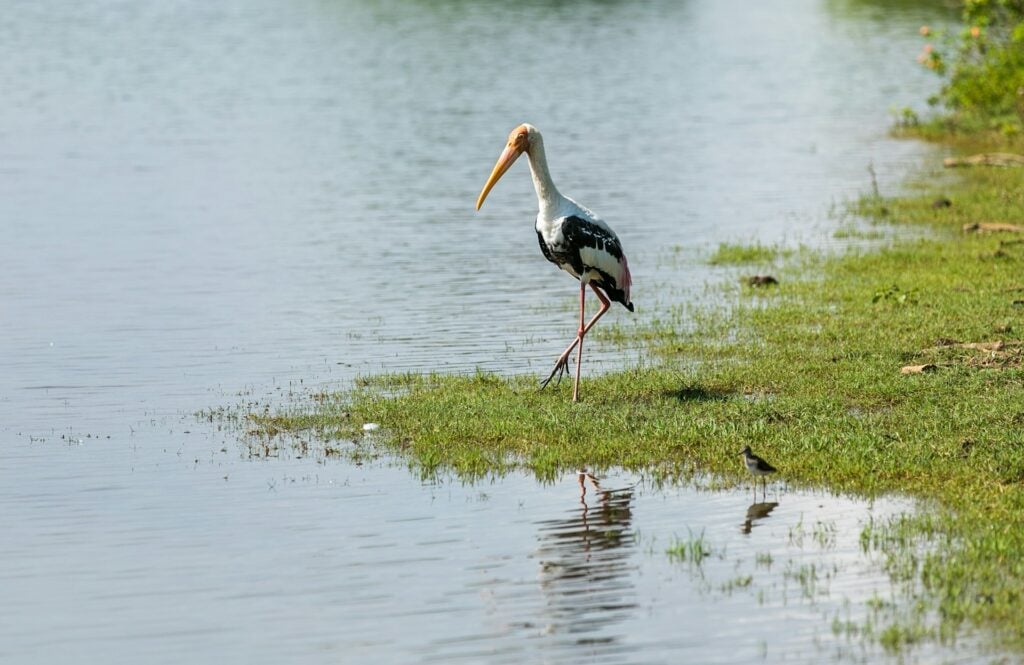
- Birds: Over 215 bird species including painted storks, peacocks, hornbills and rare black-necked stork make Yala excellent for birdwatching in Sri Lanka.
Best Time for Yala Safaris
The dry season from February to July offers optimal conditions for wildlife tours in Sri Lanka focused on Yala. During these months, water sources shrink, concentrating animals around remaining lagoons and increasing visibility as vegetation thins. Early morning safaris (6:00 AM starts) and late afternoon drives provide the best leopard spotting opportunities as cats become active during cooler hours. Note that Yala closes annually in September and October for park maintenance.
Udawalawe National Park: Elephant Paradise
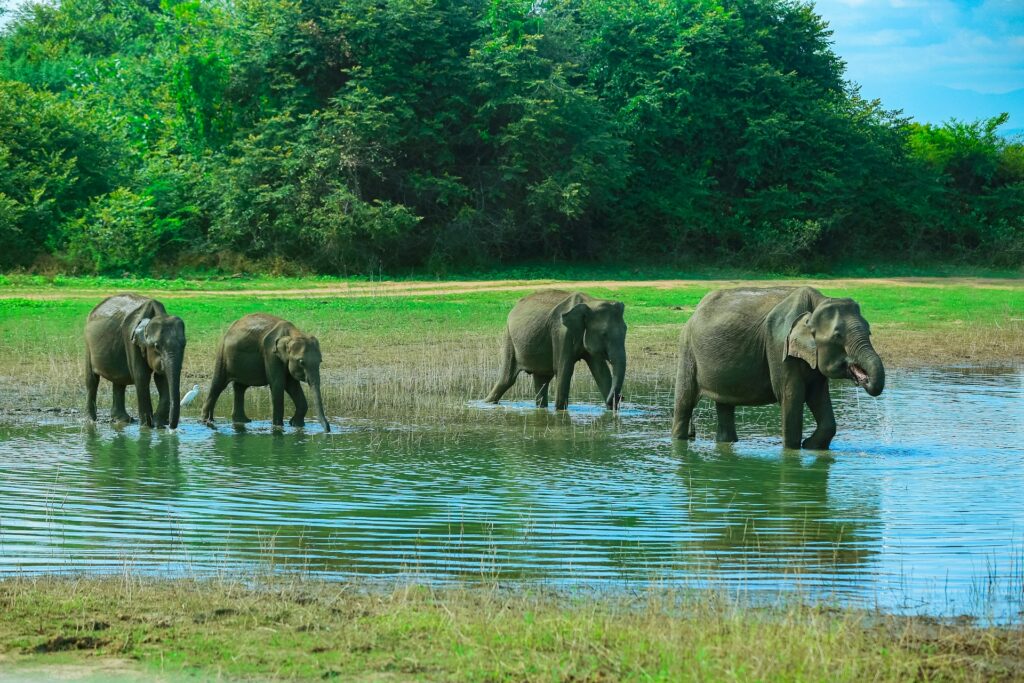
If Yala reigns as the leopard kingdom, Udawalawe National Park claims the throne for elephant encounters. This 308-square-kilometer park centered around the Udawalawe Reservoir in south-central Sri Lanka offers the island’s most reliable and spectacular elephant experiences.
Guaranteed Elephant Sightings
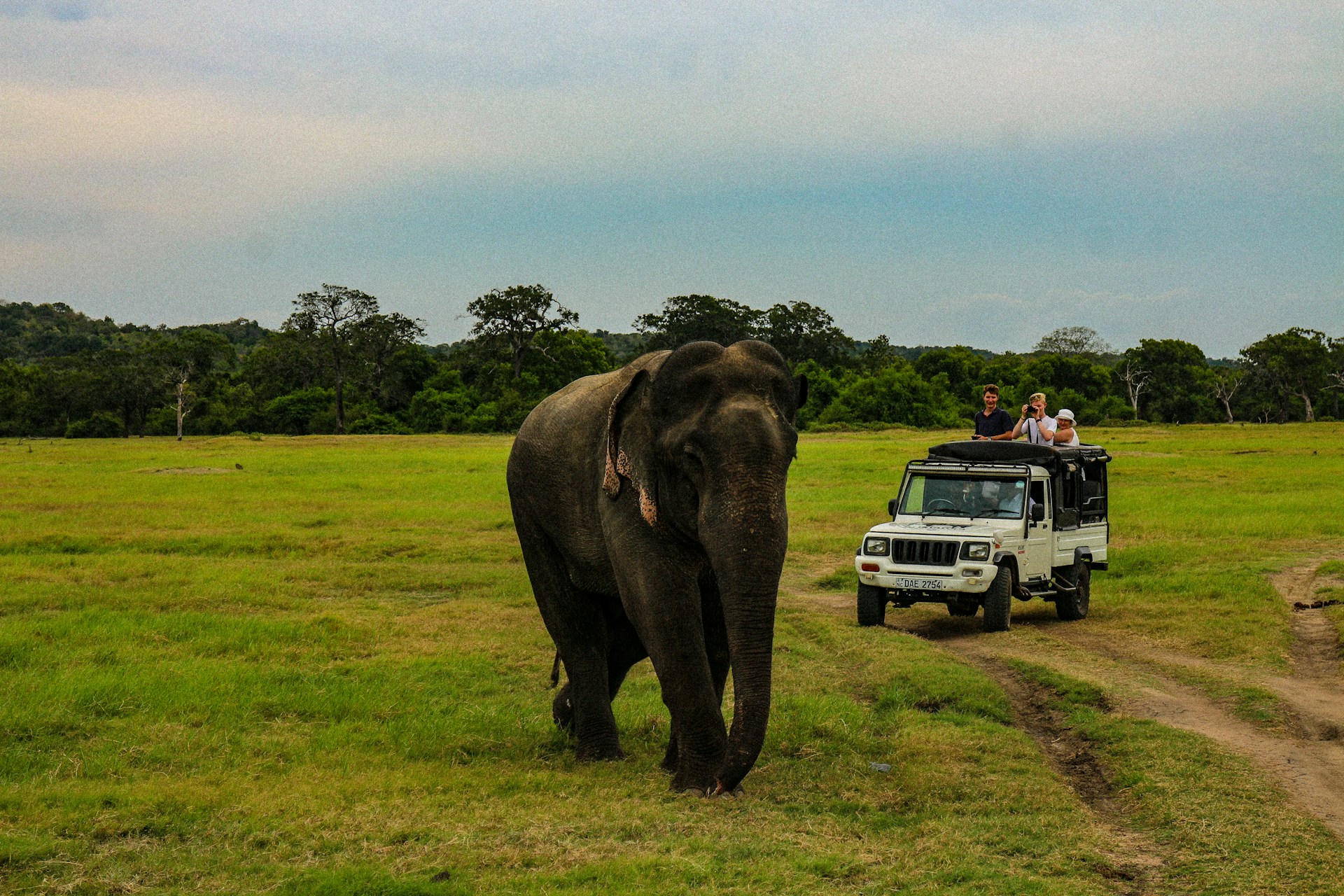
Udawalawe hosts approximately 400–600 wild elephants—one of the highest densities in Asia—making sightings virtually guaranteed on every Sri Lanka wildlife safari through the park. Unlike forests where elephants remain hidden in vegetation, Udawalawe’s open grasslands and reservoir margins allow clear, extended observations of herds feeding, bathing, playing and interacting.
Visitors regularly witness entire family groups including adorable calves, young bulls play-fighting, matriarchs leading migrations to water and spectacular dust-bathing displays. The park’s landscape resembles an African savanna more than typical Asian jungle, creating dramatic photographic backdrops with elephants silhouetted against golden grass and water reflections.
Elephant Transit Home
Adjacent to the national park, the Elephant Transit Home (ETH) represents one of the most ethical Sri Lanka elephant sanctuary experiences available. This rehabilitation center rescues orphaned elephant calves, raises them with minimal human interaction, and releases them into Udawalawe National Park once they reach adolescence.
Visitors can observe feeding times (twice daily at set hours) from a designated viewing platform, watching young elephants receive milk bottles before they run back to forest enclosures. Importantly, there is no riding, bathing or direct touching—the ETH prioritizes elephant welfare and successful rewilding over tourist entertainment, making it a model for responsible elephant tourism.
Beyond Elephants at Udawalawe
While elephants dominate the experience, Udawalawe also protects:
- Water buffalo herds grazing reservoir edges
- Sambar deer and wild boar in grasslands
- Mugger crocodiles basking on reservoir banks
- Raptors including white-bellied sea eagles and grey-headed fish eagles
- Resident and migratory waterfowl, particularly during November–March
Wilpattu National Park: Wilderness and Leopards
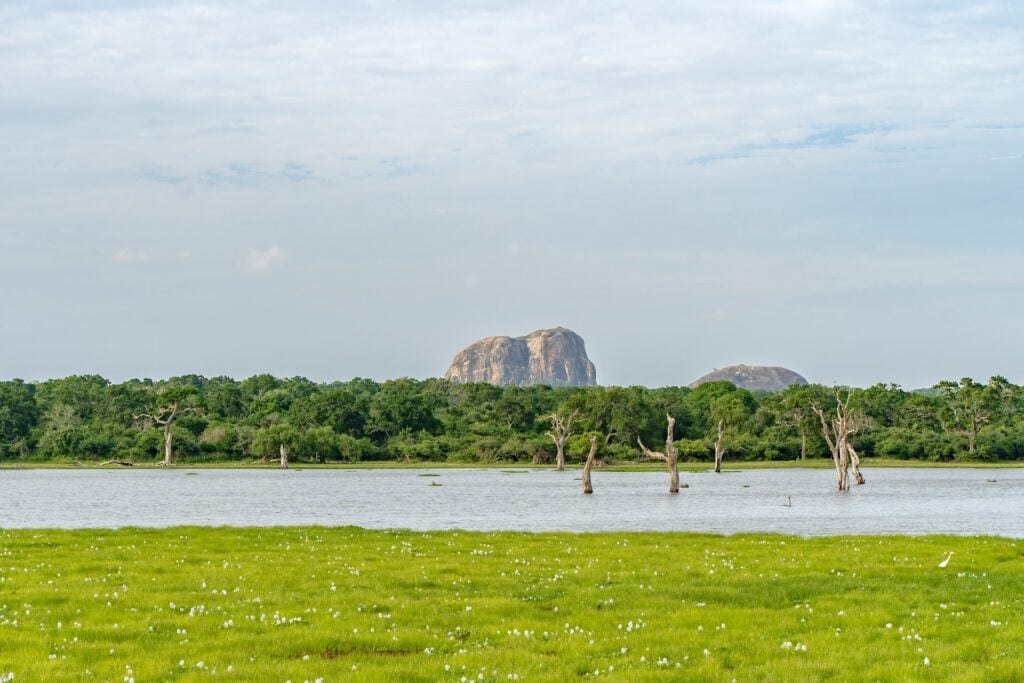
For travelers seeking one of the best national parks in Sri Lanka without Yala’s crowds, Wilpattu offers pristine wilderness with increasingly impressive leopard sightings. Located in the northwest dry zone, Wilpattu is Sri Lanka’s largest national park at 1,317 square kilometers, characterized by dense scrub jungle punctuated by dozens of “willus” (natural lakes) that give the park its name.
Rising Leopard Spotting Destination
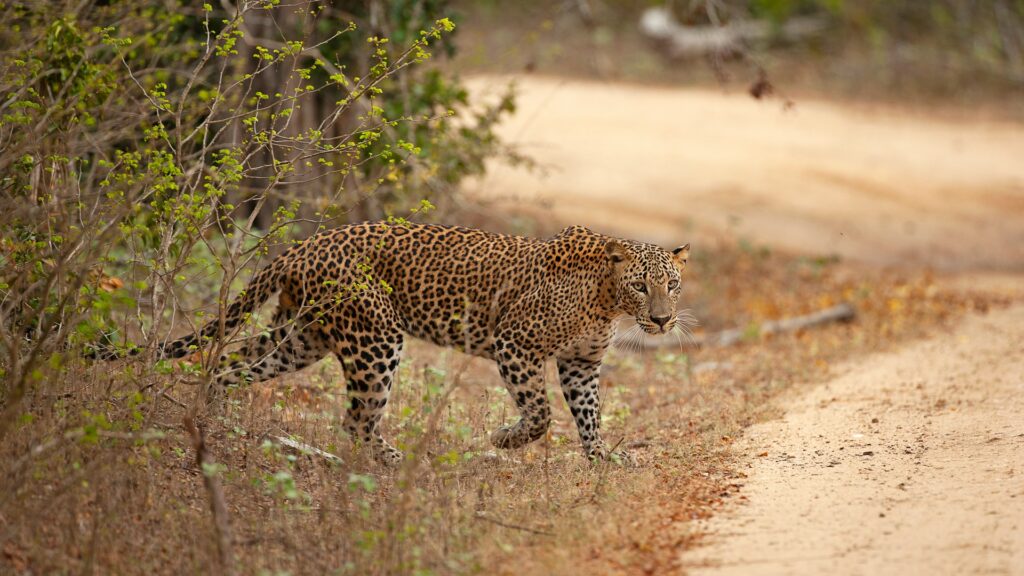
Since 2023, Wilpattu has emerged as a serious rival to Yala for leopard spotting in Sri Lanka, with guides reporting 50%+ sighting rates during dry season safaris. The park’s lower visitor numbers mean fewer jeeps crowding around sightings, creating more intimate wildlife encounters. Leopards here display similar bold behavior to Yala’s population, often spotted drinking at willus or resting on roads during dawn and dusk.
What Makes Wilpattu Special
Beyond leopards, Wilpattu protects exceptional biodiversity including:
- Large elephant populations, though less visible than in Udawalawe’s open terrain
- Sloth bears frequently spotted during early morning safaris
- Unique willu ecosystems that create natural wildlife congregation points
- Historic sites including ancient Buddhist monastery ruins within park boundaries
- Pristine wilderness with far fewer tourists than Yala or Udawalawe
The best time to visit Wilpattu for Sri Lanka wildlife safari experiences runs from May to September, opposite to Yala’s peak season, allowing travelers to combine both parks during extended stays.
Minneriya & Kaudulla National Parks: The Gathering
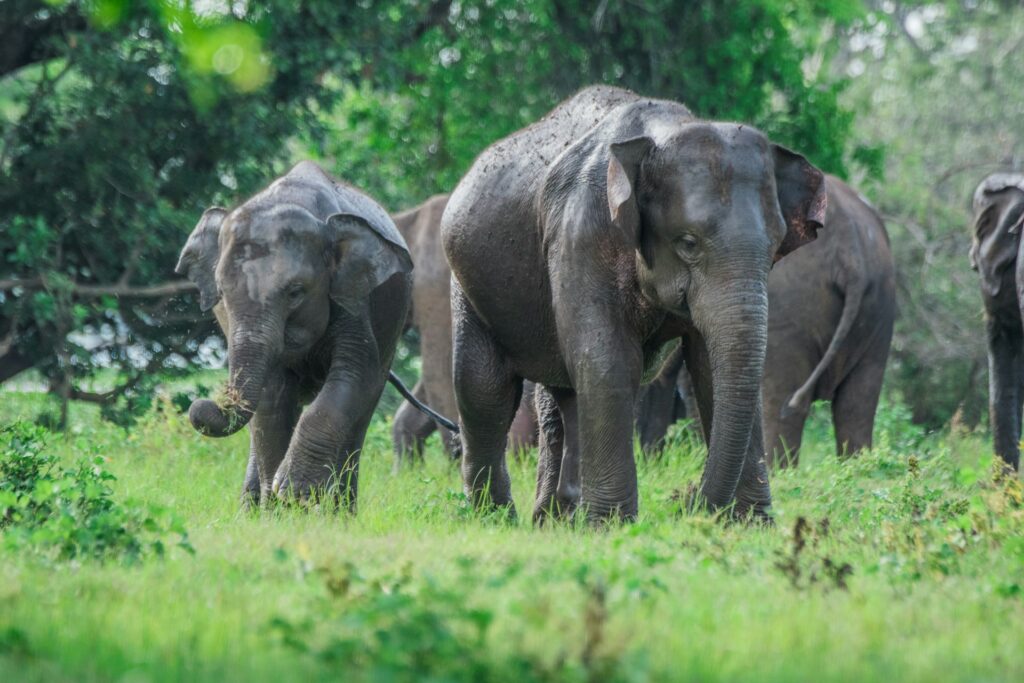
In Sri Lanka’s north-central dry zone, Minneriya and adjacent Kaudulla National Parks host one of Asia’s most spectacular wildlife phenomena: “The Gathering.” During the dry season (July–October), hundreds of elephants—sometimes exceeding 300 individuals—congregate around the ancient Minneriya Tank reservoir as surrounding waterholes dry up.
Watching hundreds of elephants of all ages feeding, bathing, socializing and competing for mates against the backdrop of a vast reservoir creates one of the most memorable wildlife tours in Sri Lanka. The open terrain around the tank allows unobstructed views and photography opportunities rivaling anything Africa offers. These parks provide excellent alternatives or additions to Udawalawe for elephant-focused safaris.
Bundala National Park: Coastal Wetlands and Birdwatching
For serious birdwatching in Sri Lanka, Bundala National Park on the southern coast delivers extraordinary diversity. This relatively small park (62 square kilometers) protects coastal wetlands, lagoons, dunes and salt pans that attract massive concentrations of resident and migratory waterbirds.
Bundala serves as a critical wintering ground for greater flamingos (up to 10,000 birds during peak season), along with painted storks, pelicans, ibises, spoonbills and dozens of wader species. The park also hosts elephants, crocodiles, monitor lizards and occasionally leopards, making it a well-rounded addition to any Sri Lanka wildlife safari itinerary focused on avian diversity.
Ethical Elephant Experiences: Choosing Responsibly
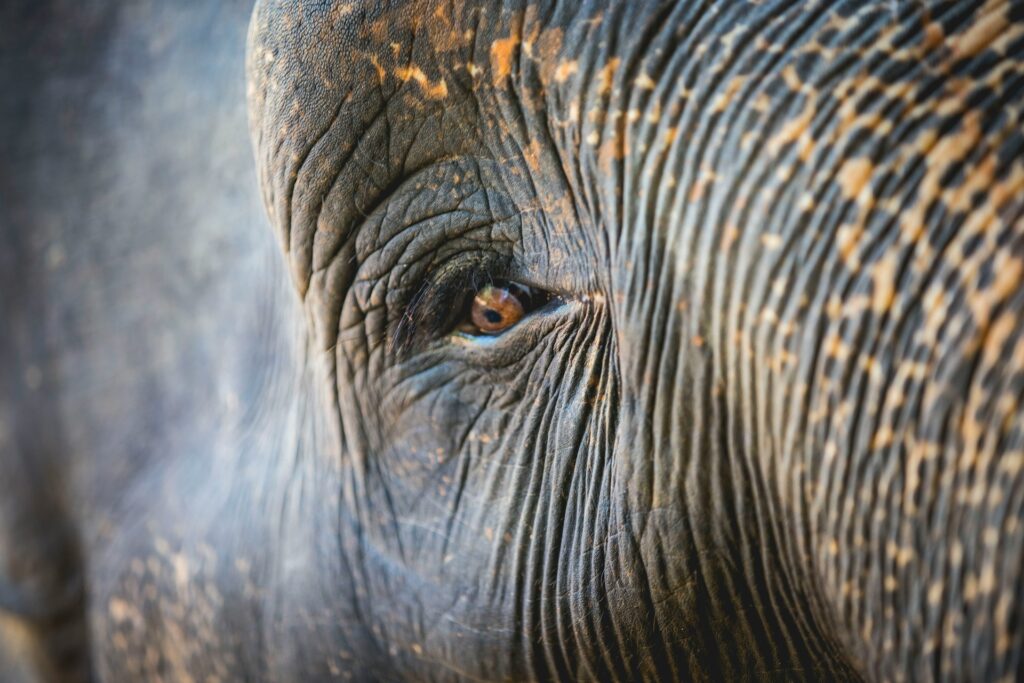
Sri Lanka’s complicated relationship with elephants includes both conservation successes and ongoing welfare concerns around captive elephants used in tourism and cultural ceremonies. When seeking a Sri Lanka elephant sanctuary experience, prioritize genuinely ethical facilities that:
What Defines an Ethical Elephant Sanctuary
- No riding: Elephant spines are not designed to carry human weight; riding causes long-term skeletal damage.
- No bathing or forced performances: Elephants should not be made to perform tricks or submit to bathing sessions on command.
- Minimal direct contact: Observation from safe distances respects elephant space and reduces stress.
- Transparency: Facilities should openly discuss how elephants arrived, their care protocols and long-term goals (rehabilitation, retirement sanctuary).
- No breeding: Ethical sanctuaries do not breed elephants in captivity.
Recommended Ethical Facilities
- Elephant Transit Home (Udawalawe): Rehabilitation center for orphaned elephants with no direct contact; viewing from platforms only.
- Elephant Freedom Project (Kegalle): Small rescue facility with no chains, riding or bathing; elephants roam freely in large forested enclosures.
- Millennium Elephant Foundation (Kegalle): Offers feeding opportunities but no riding; focuses on retired working elephants.
Avoid facilities advertising elephant rides, bathing experiences or circus-style performances. Choosing ethical options ensures your wildlife tours in Sri Lanka contribute to conservation rather than perpetuating exploitation.
Birdwatching in Sri Lanka: Endemic Treasures
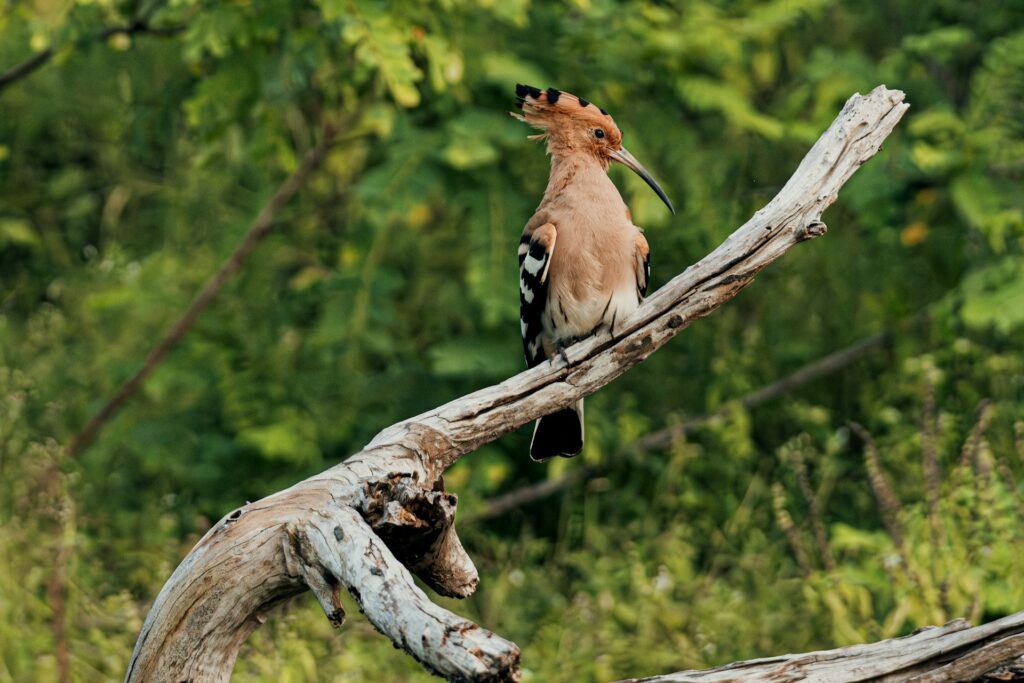
Sri Lanka ranks among Asia’s premier birdwatching destinations, with 439 recorded species including 34 endemics found nowhere else on earth. A Sri Lanka wildlife safari focused on ornithology can target these habitats:
Lowland Dry Zone (Yala, Bundala, Wilpattu)
Look for Sri Lanka grey hornbill, Sri Lanka junglefowl (national bird), painted stork, woolly-necked stork and endemic Ceylon frogmouth.
Highland Rainforests (Sinharaja, Knuckles, Horton Plains)
Target endemic species like Sri Lanka blue magpie, orange-billed babbler, Sri Lanka whistling thrush, yellow-eared bulbul and dull-blue flycatcher in misty montane forests.
Coastal Wetlands (Bundala, Kalametiya)
Winter months bring migratory waders and waterfowl including flamingos, sandpipers, plovers and terns by the thousands.
Cultural Triangle (Minneriya, Sigiriya area)
Combine wildlife watching with cultural sites, spotting painted storks, peacocks, bee-eaters and kingfishers around ancient reservoir systems.
Planning Your Sri Lanka Wildlife Safari: Practical Guide
Best Time for Wildlife Safaris
- Yala & Udawalawe: February–July (dry season; best visibility and animal concentration)
- Wilpattu: May–September (dry season in northwest)
- Minneriya & Kaudulla: July–October (peak “Gathering” season)
- Birdwatching: November–March (migratory birds present; resident species year-round)
Safari Logistics
- Half-day safaris: Typically 3–4 hours; morning (6:00 AM start) or afternoon (2:00 PM start) options
- Full-day safaris: 6–8 hours with packed breakfast/lunch; maximizes chances for rare sightings
- Private vs shared jeeps: Private jeeps cost more but allow flexible timing and route choices
- Book in advance: Peak season (December–April) requires advance booking, especially for Yala
What to Pack
- Neutral-colored clothing (avoid bright colors that spook wildlife)
- Sun protection: hat, sunscreen, sunglasses
- Binoculars for distant sightings and birdwatching
- Camera with telephoto lens (200mm+ recommended for leopards)
- Insect repellent
- Reusable water bottle
- Light jacket for early morning drives
Budget Expectations
- National park entry: $12–20 USD per person depending on park
- Jeep hire: $35–60 USD for half-day private jeep (seats 6)
- Tracker/guide: Often included in jeep price; tips appreciated
- Full safari package (transport + guide + entry): $80–150 USD per person from nearby towns
Sample Sri Lanka Wildlife Safari Itinerary
5-Day Wildlife Focus
- Day 1–2: Yala National Park (leopard spotting, two safari drives)
- Day 3: Udawalawe National Park (elephants) + Elephant Transit Home visit
- Day 4: Bundala National Park (birdwatching, coastal wildlife)
- Day 5: Return via southern coast or continue to highland reserves
7-Day Comprehensive Wildlife Tour
- Days 1–2: Yala (leopards, multiple safaris)
- Day 3: Udawalawe (elephants)
- Days 4–5: Minneriya/Kaudulla (elephant gathering) + Cultural Triangle sites
- Day 6: Wilpattu (wilderness leopards)
- Day 7: Sinharaja Rainforest (endemic birds, biodiversity hotspot)
Final Thoughts: Why Sri Lanka Deserves Wildlife Recognition
A Sri Lanka wildlife safari offers something increasingly rare in modern travel: the thrill of spotting apex predators in the wild combined with accessibility, diversity and value. The ability to photograph leopards in the morning, watch elephant herds in the afternoon and fall asleep to jungle sounds at a comfortable lodge—all within a compact island nation—creates wildlife experiences that rival the world’s most famous safari destinations.
The best national parks in Sri Lanka protect ecosystems and species found nowhere else, making every sighting globally significant. Whether you are tracking leopards through Yala’s scrub, observing elephant family dynamics at Udawalawe, seeking endemic birds in montane forests or choosing ethical Sri Lanka elephant sanctuary experiences, this island delivers wildlife encounters that will remain etched in memory long after you return home.
As you plan your wildlife tours in Sri Lanka, remember that responsible tourism—choosing ethical operators, respecting wildlife distances, supporting conservation initiatives—ensures these remarkable animals and habitats survive for future generations to witness. The Sri Lanka wildlife safari experience is not just about ticking species off a list; it is about connecting with wild nature in one of Asia’s most biodiverse and underrated destinations.