

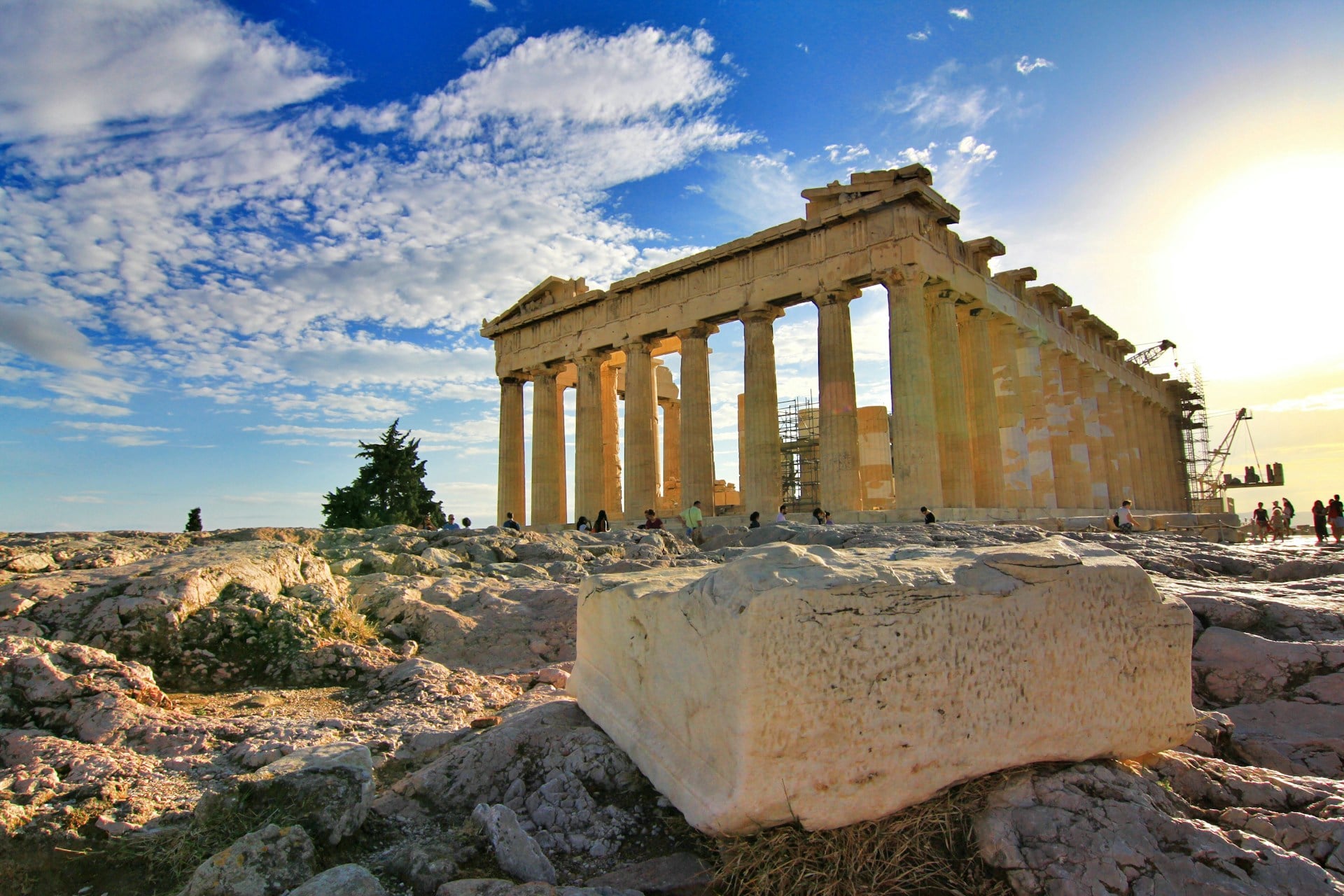
Things to Do in Greece: 21 Unforgettable Experiences
Greece is a dream destination where ancient history, turquoise waters, and vibrant culture collide. From exploring iconic ruins to savoring local cuisine, there are endless things to do in Greece for every type of traveler—solo adventurers, couples, or families. The best time to visit is April to June or September to October, when the weather is perfect and crowds are thinner. Whether you’re seeking adventure, relaxation, or cultural immersion, this guide covers the top activities to do in Greece for an unforgettable trip.
What is Greece Known For?
Greece is famous for its profound historical significance, stunning landscapes, and laid-back Mediterranean lifestyle. As the cradle of Western civilization, it boasts ancient landmarks like the Acropolis and Delphi. Its 200+ inhabited islands, including Santorini and Mykonos, offer breathtaking beaches and charming villages. What is Greece known for? Think UNESCO World Heritage Sites, crystal-clear waters, olive groves, and mouthwatering dishes like souvlaki and baklava.
Why Visit Greece?
Greece offers a unique blend of history, natural beauty, and affordability. As the birthplace of democracy, philosophy, and the Olympics, it’s a history buff’s paradise. Its islands provide endless opportunities for relaxation and adventure, from sailing to hiking. Compared to other Western European destinations, Greece is budget-friendly, with affordable accommodations and dining. Whether you’re exploring ancient ruins or sipping coffee in a seaside kafeneio, Greece delivers unforgettable experiences.
Best Things to Do in Greece
Here are 21 must-do experiences to make your Greek adventure epic. These things to see in Greece cover iconic landmarks, hidden gems, and cultural delights.
Explore the Acropolis in Athens
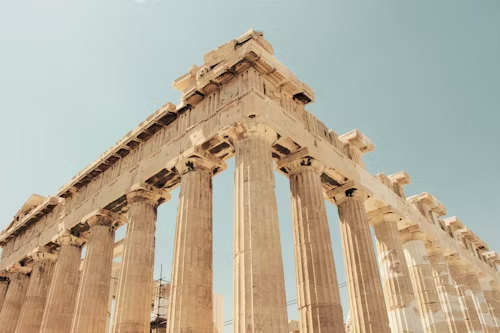
Perched above Athens, the Acropolis is a must-visit symbol of ancient Greece. This UNESCO site, crowned by the Parthenon, offers a glimpse into the birthplace of democracy. Wander through marble ruins and enjoy panoramic city views. Book a guided tour via Greece Private Tours for expert insights. Arrive early to beat crowds and wear comfortable shoes for the rocky paths.
Watch the Sunset in Oia, Santorini
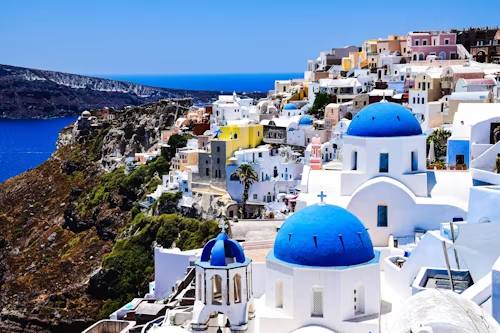
Oia’s whitewashed buildings and blue-domed churches create a postcard-perfect setting. Watching the sunset here is one of the top things to do in Greece. The sky transforms into a canvas of pinks and oranges, drawing crowds to cliffside cafes. Book accommodations early, as this iconic spot fills up fast.
Sail the Cyclades Islands
Sailing the Cyclades is a bucket-list adventure. Islands like Mykonos, Paros, and Naxos offer pristine beaches and vibrant nightlife. Charter a yacht or join a group tour to hop between islands. This is a top choice for those wondering what to do in Greece for adventure and relaxation.
Visit the Meteora Monasteries
Meteora’s monasteries, built atop towering rock pillars, are a UNESCO marvel. These 14th-century structures seem to defy gravity. Guided tours provide historical context, and the views are breathtaking. Wear modest clothing and prepare for some climbing.
Hike the Samaria Gorge in Crete
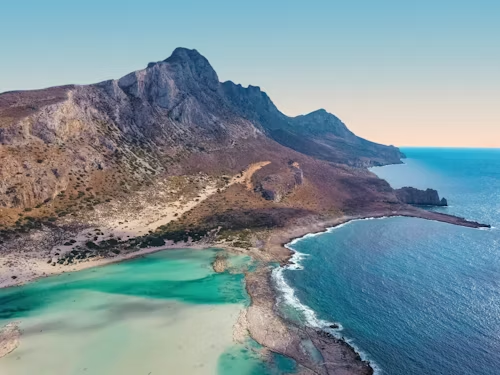
For outdoor enthusiasts, hiking the Samaria Gorge is a top activity. This 16km trail in Crete winds through dramatic cliffs and ends at a coastal village. It’s one of the best activities to do in Greece for nature lovers. Bring sturdy shoes and plenty of water.

Take a Food Tour in Thessaloniki
Thessaloniki’s food scene is a delight for foodies. Join a food tour to sample local specialties like bougatsa (custard pastry) and fresh seafood. Markets and tavernas offer authentic flavors, making this a must for culinary travelers.
Go Island-Hopping from Athens
Island-hopping from Athens is a quintessential Greek experience. Ferries connect to islands like Hydra and Aegina, perfect for day trips. Check out Places to Visit in Greece for itinerary ideas. Pack light and book ferry tickets in advance.
Visit the Ruins of Delphi
Delphi, once considered the center of the world in ancient Greece, is a must-see. Explore the Temple of Apollo and the ancient theater. This UNESCO site is steeped in myth and history, perfect for those curious about what is Greece known for.
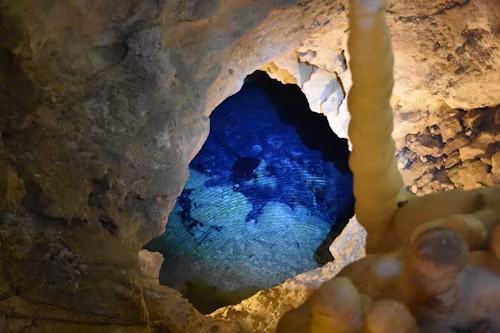
Swim in the Blue Caves of Zakynthos
The Blue Caves of Zakynthos are a natural wonder, with crystal waters reflecting vibrant hues. Boat tours take you inside these sea caves for swimming and snorkeling. It’s a magical experience for beach lovers.
Explore Rhodes Old Town
Rhodes Old Town, a UNESCO site, is a medieval maze of cobblestone streets and ancient walls. Wander through the Street of the Knights and visit the Palace of the Grand Master. It’s a history-packed gem.
Relax on Navagio (Shipwreck) Beach
Navagio Beach, with its iconic shipwreck and turquoise waters, is one of Greece’s most photographed spots. Accessible only by boat, it’s perfect for a day of swimming and sunbathing. Arrive early to avoid crowds.
See Ancient Olympia
Ancient Olympia, the birthplace of the Olympic Games, is a must for history buffs. Explore the stadium and temple ruins. Guided tours offer fascinating insights into this iconic site.
Discover the Palace of Knossos, Crete
The Palace of Knossos is the heart of Minoan civilization. This sprawling archaeological site features colorful frescoes and ancient myths like the Minotaur. It’s a top pick for cultural explorers.
Visit the Temple of Poseidon at Cape Sounion
Perched on a cliff overlooking the Aegean, the Temple of Poseidon is a stunning sunset spot. This ancient site is an easy day trip from Athens. Pair it with a coastal drive for a perfect outing.
Attend a Greek Festival or Traditional Dance
Greek festivals are vibrant celebrations of music, dance, and food. Join a traditional dance like the syrtaki or attend a summer festival. Check local event calendars for authentic experiences.

Try Greek Coffee at a Kafeneio
Sipping strong Greek coffee at a traditional kafeneio is a cultural must. These cozy cafes are social hubs where locals gather. Pair your coffee with a sweet loukoumades (honey-dipped doughnuts).
Take a Greek Cooking Class
Learn to make moussaka or tzatziki in a Greek cooking class. Many classes include market visits and wine tasting. It’s a delicious way to bring Greece home with you.

Go Wine Tasting in Santorini
Santorini’s volcanic soil produces unique wines like Assyrtiko. Visit wineries for tastings with sea views. Book ahead for a spot at popular vineyards like Santo Wines.
Day Trip to Hydra, Aegina, or Poros
These Saronic Islands are perfect for day trips from Athens. Hydra’s car-free streets and Aegina’s pistachio groves are highlights. Ferries make island-hopping easy and affordable.
Explore Ancient Athens Beyond the Acropolis
Beyond the Acropolis, Athens offers gems like the Ancient Agora and Kerameikos. Stroll through Plaka’s charming streets for a taste of old Athens. It’s a great way to uncover hidden history.
Climb the Stone Monasteries of Meteora
For a second dose of Meteora magic, climb to lesser-visited monasteries. The views and serenity are unmatched. Guided tours ensure you don’t miss the best spots.
Planning Your Trip to Greece
Timing your trip is key. The best time to visit Greece is April to June or September to October for mild weather and fewer crowds. Major airports in Athens, Thessaloniki, and Heraklion connect to international flights. Accommodation options range from budget hostels to luxury resorts on islands like Santorini. Greece uses the Euro (€), and ATMs are widely available.
Greece Travel Tips
- Learn Greek Phrases: Basic phrases like “kalimera” (good morning) go a long way.
- Tipping: A 5–10% tip is polite in restaurants and taxis.
- Island-Hopping: Use ferries or domestic flights for seamless travel between islands.
- Cash is King: Small tavernas and taxis often prefer cash, so carry some Euros.
Conclusion
From the ancient wonders of Athens to the sun-soaked beaches of Santorini, Greece offers endless things to do in Greece for every traveler. Whether you’re hiking gorges, savoring local dishes, or sailing the Aegean, your Greek adventure will leave lasting memories. Start planning with Best Time to Visit Greece and make your trip unforgettable.
FAQs
What is Greece Most Famous For?
Greece is renowned for its ancient history, including sites like the Acropolis and Delphi, and its stunning islands like Santorini and Crete.
What’s the Best Time to Visit Greece?
April to June and September to October offer ideal weather and fewer tourists, making them the best months to explore.
How Many Days Do You Need in Greece?
A 7–10 day trip allows you to visit Athens and a few islands. Add more time for deeper exploration of Crete or Rhodes.
Can You Travel Between Islands Easily?
Yes, ferries and domestic flights make island-hopping straightforward. Book tickets early during peak season.
What Food Should I Try in Greece?
Don’t miss souvlaki, moussaka, tzatziki, and baklava. Food tours in Thessaloniki are a great way to sample local flavors.
What is the Most Common Thing to Do in Greece?
Island-hopping and visiting ancient sites like the Acropolis are among the most popular things to do in Greece.
What Activities Can You Do in Greece?
From hiking the Samaria Gorge to wine tasting in Santorini, there are countless activities to do in Greece for all interests.
What Are the Do’s and Don’ts in Greece?
Do learn basic Greek phrases and tip modestly. Don’t disrespect historical sites or expect businesses to open during siesta hours.
Is Greece Expensive to Visit?
Greece is relatively affordable compared to Western Europe. Budget travelers can find meals for €10–15 and hostels for €20–40 per night.
Do They Speak English in Greece?
English is widely spoken in tourist areas, especially in Athens and the islands, but learning a few Greek phrases is appreciated.
Do You Tip in Greece?
Tipping 5–10% in restaurants and for taxis is customary but not mandatory.
What Drugs Are Illegal in Greece?
All recreational drugs, including marijuana, are illegal. Penalties for possession or trafficking are strict.
What is Not Allowed in Greece?
Avoid smoking in indoor public spaces, disrespecting religious sites, or taking pebbles from beaches (it’s illegal in some areas).
What Currency Does Greece Use?
Greece uses the Euro (€), and ATMs are widely available, though small businesses may prefer cash.
What is the Cheapest Month to Go to Greece?
February to March is typically the cheapest time to visit, with lower accommodation and flight prices.
How Much Would a Meal Cost in Greece?
A meal at a local taverna costs €10–20 per person, while upscale restaurants may charge €30–50.
Related Posts