
Best Things to Do in Iceland: Outdoor Wonders, Tours & Must-Sees
Iceland, a land of fire and ice, captivates with its dramatic landscapes, from towering glaciers and erupting geysers to cascading waterfalls and ethereal Northern Lights. This Nordic island offers year-round adventures, whether you’re hiking volcanic trails, soaking in geothermal pools, or chasing auroras under starry skies. From iconic things to do in Iceland like the Golden Circle to hidden gems off the beaten path, this guide covers the top experiences to make your trip unforgettable. Plan your journey with Private Tours to Iceland and dive into a world of natural wonders.
Natural Wonders & Landscapes in Iceland
Iceland’s raw beauty shines through its glaciers, waterfalls, and volcanic beaches. Here are the must-see natural attractions.
Visit Jökulsárlón Glacier Lagoon
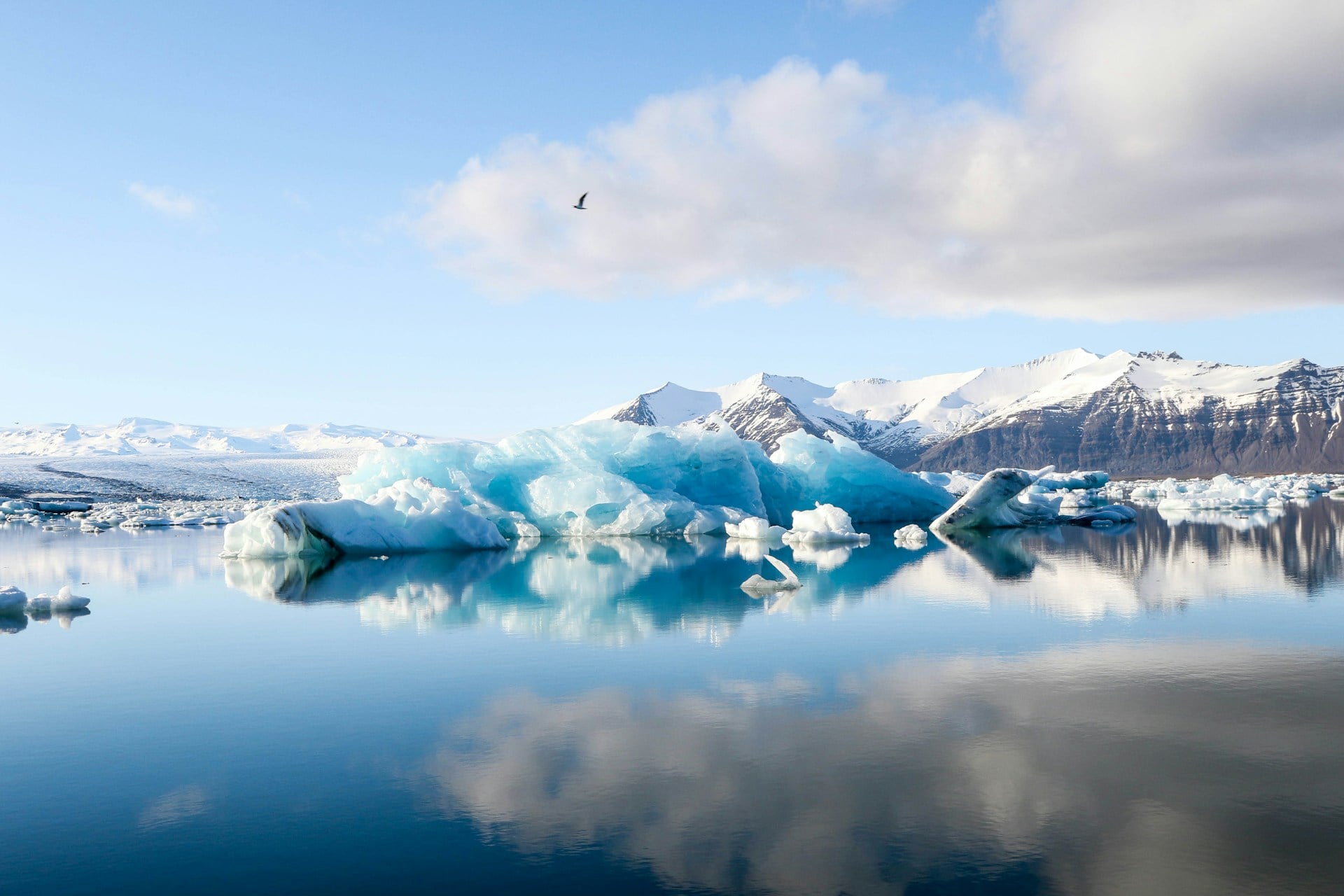
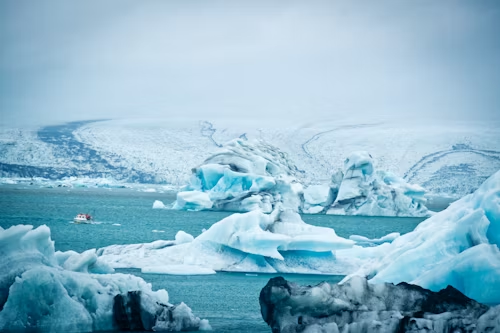
Cruise Jökulsárlón Glacier Lagoon, where icebergs float in a serene, turquoise basin. Nearby Diamond Beach, with ice chunks scattered on black sand, is a photographer’s dream.
Watch Strokkur Geyser Erupt
Marvel at Strokkur in the Golden Circle, erupting every 5–10 minutes with jets of steaming water up to 40 meters high. It’s a geothermal spectacle not to miss.
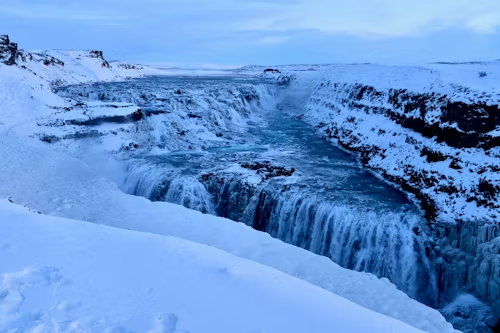
Admire Skogafoss, Seljalandsfoss, and Gullfoss Waterfalls
Visit Skogafoss for its mighty 60-meter drop, walk behind Seljalandsfoss for a unique perspective, and see Gullfoss’ powerful cascade in the Golden Circle.
See the Black Sand Beaches of Reynisfjara and Diamond Beach
Explore Reynisfjara’s striking black sand beach, framed by basalt columns and sea stacks. Diamond Beach, near Jökulsárlón, dazzles with icebergs on volcanic sand.
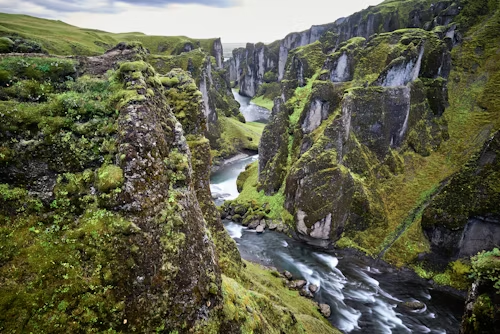
Hike Fjadrargljufur Canyon
Trek the lush Fjadrargljufur Canyon in South Iceland, with its winding river and steep, moss-covered walls. This 2-km trail offers breathtaking views.
Explore Kerid Crater
Walk around Kerid Crater, a volcanic caldera with a vivid blue lake at its center. Its red volcanic rock contrasts beautifully with the water, making it a quick but stunning stop.
Iceland’s Unique Geothermal Experiences
Iceland’s geothermal activity creates otherworldly adventures. Here are the top ways to explore its icy and fiery landscapes.
Glacier Hiking on Vatnajökull or Skaftafell
Strap on crampons for a guided glacier hike on Vatnajökull, Europe’s largest glacier, or Skaftafell’s rugged ice fields. These tours offer stunning views and safe exploration.
Tour the Crystal Blue Ice Cave
Venture into the Crystal Blue Ice Cave in Vatnajökull, accessible from November to March. These shimmering ice tunnels are a bucket-list experience for Iceland attractions.
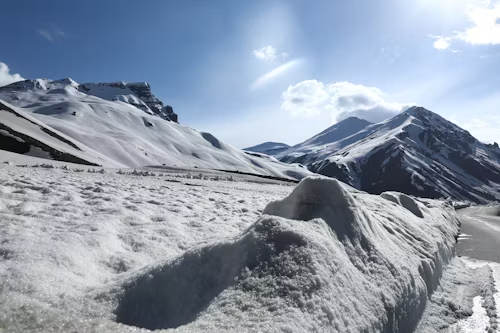
Snowmobiling on Langjökull Glacier
Race across Langjökull Glacier on a snowmobile tour, combining adrenaline with panoramic snowy vistas. It’s an exhilarating way to explore Iceland’s icy interior.
Zodiac Boat Ride on Jökulsárlón
Hop on a Zodiac boat for a close-up view of Jökulsárlón’s floating icebergs. This fast-paced ride lets you weave through the lagoon’s glacial wonders.
Northern Lights & Seasonal Experiences
Iceland’s skies and seasons offer unique spectacles. Here’s how to make the most of them.
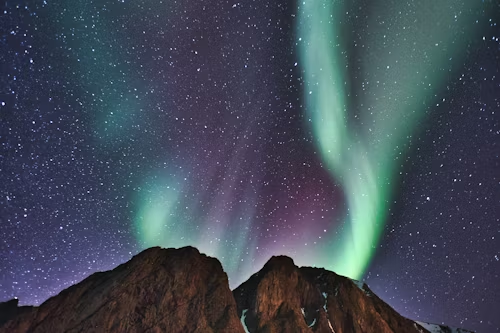
Chase the Northern Lights (Oct–Mar)
Hunt for the Northern Lights from October to March, either on guided tours from Reykjavik or in remote spots like Thingvellir for clearer skies. Check aurora forecasts for the best chances.
Visit During Midnight Sun (June)
Experience the Midnight Sun in June, when Iceland’s skies never fully darken. It’s perfect for late-night hikes or exploring Iceland tourist attractions like Snæfellsnes.
Best Time to See Whales (May–Sep)
Join whale-watching tours in Húsavík from May to September to spot humpbacks and minke whales. Summer offers calm seas and frequent sightings.
Winter vs. Summer Pros/Cons
Winter brings Northern Lights and ice caves but shorter days, while summer offers endless daylight and milder weather for road trips. Check the Best Time to Visit Iceland for details.
Iceland Self-Drive Routes & Tours
Self-driving lets you explore Iceland at your own pace. Here are the best routes and tips.
The Golden Circle Drive (Thingvellir, Gullfoss, Geysir)
Drive the 230-km Golden Circle to see Thingvellir National Park, Gullfoss waterfall, and Geysir hot springs. This day trip is a must for things to do in Iceland.
Ring Road Itinerary (10-Day Loop of Iceland)
Embark on a 10-day Ring Road adventure, circling Iceland to visit waterfalls, glaciers, and Eastfjords. Plan stops like Seydisfjordur and Jökulsárlón for a full experience.
South Coast Self-Drive: Vik, Waterfalls, Glaciers
Explore the South Coast, including Vik’s black sand beaches, Skogafoss, and Vík’s glaciers. This route is perfect for a 2–3 day trip.
Snæfellsnes Peninsula for Offbeat Beauty
Discover Snæfellsnes, dubbed “Iceland in Miniature,” with its volcanic craters, Kirkjufell mountain, and dramatic cliffs. It’s a scenic day trip from Reykjavik.
Recommended Car Rentals + Road Safety Tips
Rent from trusted companies like Blue Car Rental and opt for a 4×4 for F-roads. Check road.is for conditions and drive cautiously in unpredictable weather.
Iceland Hot Springs & Spas
Iceland’s geothermal pools are a relaxing highlight. Here are the best spots to unwind.
Relax at the Blue Lagoon (Pros/Cons)
Soak in the Blue Lagoon’s milky-blue waters near Keflavik. It’s iconic but crowded; book in advance and expect higher prices compared to local pools.
Visit the Sky Lagoon for Ocean Views
Enjoy the Sky Lagoon in Kópavogur, with infinity pools overlooking the Atlantic. Its modern design and ritual spa make it a luxurious alternative.
Hrunalaug & Secret Lagoon — Less Touristy Options
Bathe in Hrunalaug or Secret Lagoon for a rustic, less crowded experience. These natural hot springs near Flúðir offer authentic Icelandic relaxation.
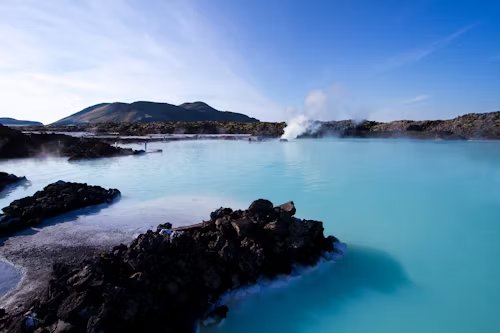
Geothermal Pools in Reykjavik
Visit Reykjavik’s public pools like Laugardalslaug for affordable geothermal soaking. Locals love these spots, and they’re great for families.
Hidden Gems in Iceland
Venture off the tourist trail to discover Iceland’s lesser-known treasures.
Kvernufoss — Underrated Waterfall
Hike to Kvernufoss, a secluded waterfall near Skogafoss with fewer crowds. Its serene setting and walkable path make it a hidden gem.
Eastfjords Reindeer Spotting
Spot wild reindeer in the remote Eastfjords, especially around Seydisfjordur. This rugged region offers quiet beauty and unique wildlife.
The Abandoned DC Plane on Sólheimasandur
Trek 4 km to the abandoned DC-3 plane wreck on Sólheimasandur’s black sand beach. It’s an eerie, photogenic relic from 1973.
Walk Through the Seltún Geothermal Area
Explore Seltún’s bubbling mud pots and steaming vents in Krýsuvík. This colorful geothermal field is a quick stop on the Reykjanes Peninsula.
Wildlife Experiences in Iceland
Iceland’s fauna adds charm to its landscapes. Here are the top wildlife encounters.
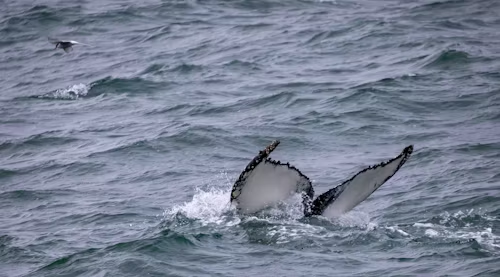
Whale Watching in Húsavík
Sail from Húsavík, Iceland’s whale-watching capital, to see humpbacks, orcas, and dolphins. Tours from May to September offer the best sightings.
Puffins and Seabirds in Westfjords
Spot puffins in the Westfjords’ Látrabjarg cliffs from June to August. These colorful birds nest in massive colonies, delighting birdwatchers.
Icelandic Horses (Tours & Photo Spots)
Ride or photograph Icelandic horses, known for their unique tölt gait. Tours near Reykjavik or Hella combine scenic trails with cultural insights.
Explore Reykjavik: Art, Food & Culture
Reykjavik blends urban charm with Icelandic culture. Here’s what to do in Iceland’s capital.
Walk Rainbow Street
Stroll Skólavörðustígur, Reykjavik’s Rainbow Street, lined with colorful shops and cafes. It leads to Hallgrímskirkja and is perfect for photos.
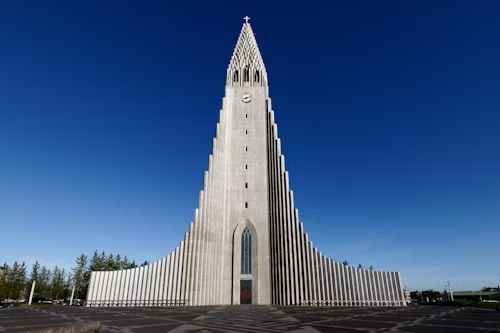
Climb Hallgrímskirkja Church Tower
Ascend Hallgrímskirkja’s tower for panoramic views of Reykjavik’s colorful rooftops and Faxaflói Bay. The church’s striking design is a city landmark.
Visit Harpa Concert Hall
Admire Harpa’s glass facade, inspired by Iceland’s basalt columns. Catch a concert or simply explore this cultural hub by the harbor.

Go on a Reykjavik Food Tour
Join a food tour to taste Icelandic dishes like lamb soup, skyr, and fermented shark. Stops include Bæjarins Beztu for iconic hot dogs.
Perlan Museum & Lava Show
Experience Perlan’s glacier exhibit and planetarium or watch molten lava at the Lava Show. Both offer immersive insights into Iceland’s geology.
Planning Your Trip to Iceland
Make your Iceland adventure seamless with these tips. Explore more Places to Visit in Iceland for inspiration.
Best Months to Visit
Visit from October to March for Northern Lights or June to August for Midnight Sun and milder weather. Shoulder seasons (April, September) balance crowds and costs.
Visa and Schengen Rules
Iceland is in the Schengen Area; U.S., Canadian, and EU citizens need no visa for up to 90 days. Check passport validity (6 months recommended).
How Long to Spend
Plan 4–10 days: 4 for Reykjavik and Golden Circle, 7–10 for Ring Road or multi-region trips. Tailor based on Iceland vacation spots.
Where to Stay
Choose Reykjavik hotels for urban access, countryside cabins for nature, or campsites for budget travel. Book early for summer or aurora season.
What to Pack
Pack waterproof jackets, thermal layers, sturdy boots, and swimwear for hot springs. Iceland’s weather shifts fast, so versatility is key.
Iceland Travel Tips
- Weather: Dress in layers and check Veður for forecasts.
- Waterproof Gear: Essential for waterfalls and rain.
- Tap Water: Safe and pristine; bring a reusable bottle.
- Gas Stations: Sparse in rural areas; refuel often.
- Apps: Use Aurora Forecast, road.is, and Happy Campers for travel ease.
- Pronunciation: Learn basics like “Jökulsárlón” (YOK-ul-sar-lon) to connect with locals.
Conclusion
Iceland’s otherworldly landscapes and vibrant culture make it a dream destination. From glacier hikes and Northern Lights hunts to soaking in hot springs and exploring Reykjavik’s art scene, the things to do in Iceland offer endless adventure. Whether you’re driving the Ring Road or chasing waterfalls, this guide ensures you experience the best of Iceland’s natural and cultural wonders. Start planning your trip today for a journey unlike any other.
FAQs
When is the Best Time to Visit Iceland?
October to March is ideal for Northern Lights, while June to August offers Midnight Sun and warmer weather for things to do in Iceland.
Is Iceland Expensive to Travel?
Yes, Iceland is pricey, with high costs for food, tours, and lodging. Budget by cooking, staying in hostels, or visiting in shoulder seasons.
Can I See the Northern Lights in Summer?
No, summer’s Midnight Sun prevents aurora sightings. Plan for October to March for the best chances to see this Iceland top attraction.
How Many Days Do I Need in Iceland?
Spend 4–7 days for key Iceland attractions like the Golden Circle and South Coast, or 10 days for a full Ring Road adventure.
Do I Need a 4×4 Car for Iceland?
A 4×4 is recommended for F-roads and winter driving but not essential for paved routes like the Golden Circle or South Coast.
What Are the Top 5 Things to Do in Iceland?
Visit the Blue Lagoon, drive the Golden Circle, chase Northern Lights, explore Jökulsárlón, and hike waterfalls like Skogafoss.
Are Hot Springs in Iceland Safe?
Yes, hot springs like Blue Lagoon and Secret Lagoon are safe with proper facilities. Avoid unmarked wild pools due to scalding risks.
What Are the Best Months to Visit Iceland?
September–October or April–May balance weather, crowds, and costs for exploring what is there to do in Iceland.
What is Iceland Famous For?
Iceland is renowned for Northern Lights, geothermal pools, glaciers, waterfalls, and unique geology, drawing visitors to its Iceland tourist attractions.
What Food is Eaten in Iceland?
Try lamb soup, skyr, rye bread, and hot dogs. Adventurous eaters can sample fermented shark or puffin at local restaurants.
What Currency Does Iceland Use?
Iceland uses the Icelandic Króna (ISK). Cards are widely accepted, even for small purchases, making cash less necessary.
Related Posts