
Tokyo Itinerary: What to Do in 3 Days (With and Without Day Trips)
Tokyo, Japan’s electrifying capital, represents a mesmerizing collision of ultra-modern technology and ancient traditions, neon-lit streets and serene temples, cutting-edge fashion and centuries-old craftsmanship. Planning the perfect Tokyo itinerary requires strategic navigation through 23 special wards, understanding distinct neighborhood characters, identifying must-see attractions, and balancing energetic daytime exploration with vibrant nightlife experiences. Whether you’re crafting your Tokyo trip planner schedule for a quick three-day visit or extended exploration, this comprehensive guide reveals how to maximize every moment of your Tokyo trips, prioritize among countless Tokyo attractions, experience authentic things to do in Tokyo in 3 days, immerse yourself in Tokyo at night culture, and strategically incorporate optional day trips from Tokyo to nearby natural wonders and cultural sites. From the organized chaos of Shibuya Crossing to the peaceful gardens of the Imperial Palace, from cutting-edge technology districts to traditional geisha quarters, your Tokyo itinerary determines whether you experience Tokyo as a overwhelming tourist blur or a captivating urban exploration revealing layers of Japanese culture, innovation, and charm.
Understanding Tokyo’s Neighborhoods and Strategic Planning
Before structuring your Tokyo itinerary, understanding Tokyo’s distinct neighborhoods proves essential for efficient navigation and authentic experiences. Tokyo comprises 23 special wards, but most visitors concentrate on 6-8 central districts, each with unique character and attractions. Shibuya represents cutting-edge fashion, entertainment, and youth culture centered around the famous crossing. Shinjuku functions as Tokyo’s neon-soaked entertainment district, famous for nightlife, shopping, and the iconic Godzilla Head building. Harajuku caters to creative youth culture, vintage fashion, and quirky aesthetics. Ginza epitomizes luxury shopping, fine dining, and upscale experiences. Chiyoda houses the Imperial Palace, government buildings, and traditional gardens. Asakusa preserves traditional Tokyo with the iconic Senso-ji Temple and nostalgic atmosphere. Akihabara specializes in electronics, anime culture, and gaming. Understanding these neighborhoods helps your Tokyo trip planner strategy cluster related attractions, minimizing transit time. Your Tokyo itinerary benefits from dedicating specific days to geographic regions rather than crisscrossing the sprawling metropolis. This Tokyo attractions guide emphasizes strategic routing preventing exhausting navigation.
The Perfect 3-Day Tokyo Itinerary
Day 1: Historic Asakusa and Imperial Tokyo
Your Tokyo itinerary begins in Asakusa, Tokyo’s most traditionally atmospheric district. Start at Senso-ji Temple (6:00 AM arrival prevents crowds), Tokyo’s oldest temple dating to 645 AD. The iconic red lantern, towering pagoda, and incense-filled grounds create quintessential Tokyo imagery. Spend 90 minutes exploring the main hall, purchasing omamori (protective amulets), browsing souvenir stalls lining Nakamise-dori shopping street, and capturing photographs during golden morning light. This Tokyo trip planner strategy emphasizes early arrival at famous attractions before crowds overwhelm the experience.
By 8:00 AM, explore Asakusa’s surrounding neighborhoods on foot, discovering hidden shrines, traditional wooden buildings, and casual breakfast spots serving traditional Japanese fare. Small ramen or udon restaurants open early, providing authentic meals among locals rather than tourists. This things to do in Tokyo in 3 days segment establishes your appreciation for traditional Tokyo before transitioning to modern districts.
By 10:30 AM, travel to the Imperial Palace district (Chiyoda ward). The Imperial Palace East Gardens provide free admission and peaceful exploration among manicured landscapes, historic gates, and serene walking paths. Allocate 90 minutes for leisurely garden strolls, discovering hidden shrines and contemplative spaces. This Tokyo attractions experience contrasts sharply with urban intensity, offering spiritual respite within the city center. Your Tokyo itinerary benefits from balancing high-energy districts with peaceful cultural sites.
Lunch in the Ginza district (adjacent to the Imperial Palace) introduces you to upscale Tokyo dining. This Tokyo trip planner recommends exploring izakayas (casual pubs) alongside fine dining establishments, experiencing price ranges from affordable to extravagant. Afternoon exploration of Ginza’s luxury boutiques, art galleries, and department stores showcases Tokyo’s shopping culture. Window shopping alone provides entertainment and cultural insights into Japanese design aesthetics.
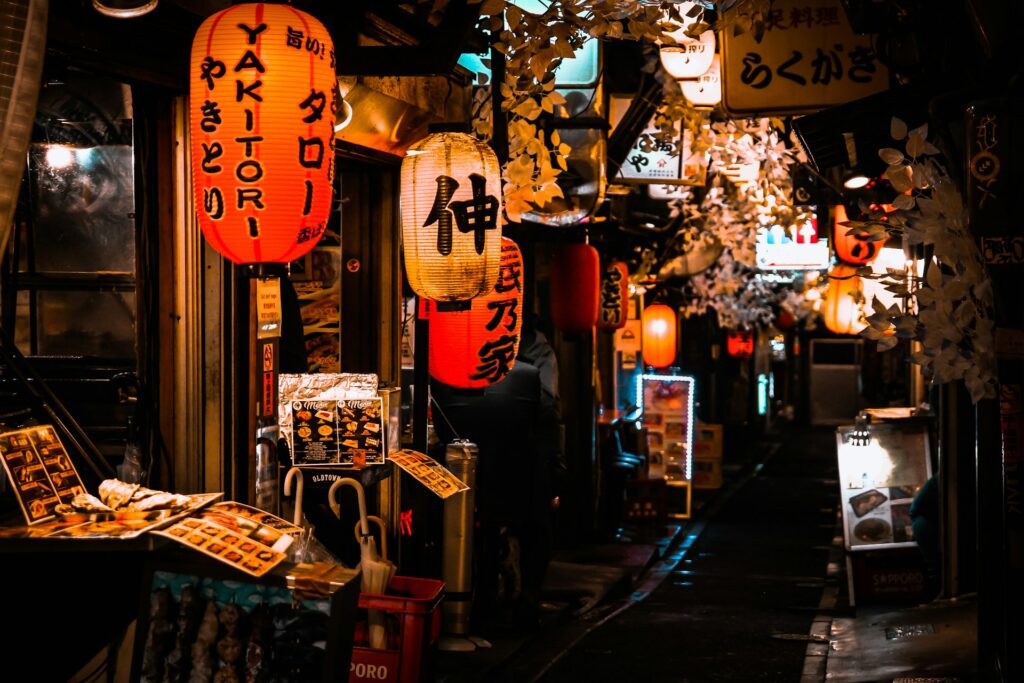
Conclude Day 1 of your Tokyo itinerary with exploration of Tokyo at night in the Ginza district. Neon signs illuminate, izakayas fill with salary men unwinding after work, and the district transforms into a glittering urban wonderland. Dinner at a standing sushi bar, ramen shop, or casual restaurant provides authentic local experiences. Evening strolls through illuminated streets, shopping arcades, and entertainment zones create magical first-night impressions of Tokyo’s electric energy.
Day 2: Modern Tokyo—Shibuya, Shinjuku, and Harajuku
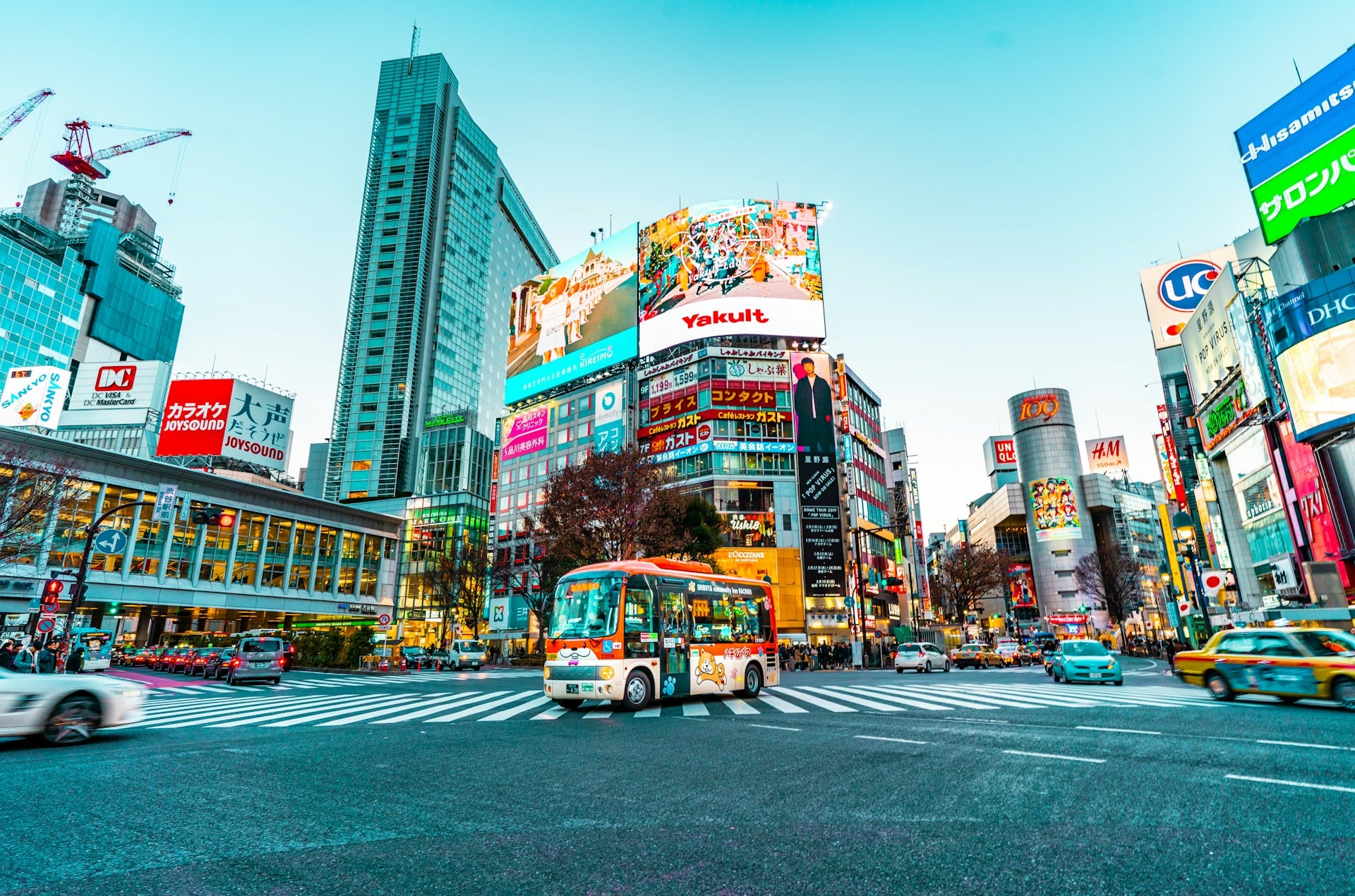
Day 2 of your Tokyo itinerary immerses you in Tokyo’s cutting-edge modern culture. Begin at Shibuya Crossing (8:00 AM), the world’s busiest pedestrian intersection where thousands cross simultaneously in organized chaos. Arrive early to secure optimal viewing positions from Starbucks overlooking the crossing or dedicated observation decks. This Tokyo attractions icon appears in countless films and photographs—experiencing it firsthand proves transformative. Spend 30-45 minutes observing the crossing’s rhythm, photographing the spectacle, and absorbing the energy that defines Tokyo’s modern character.
By 9:30 AM, explore Shibuya’s shopping district, browsing fashion boutiques, cosmetics stores, and entertainment venues. Shibuya represents youth culture epicenter, where Tokyo’s trendiest fashions debut before spreading globally. This Tokyo trip planner recommends visiting the Hachiko statue (famous dog monument), exploring Center Gai pedestrian street, and discovering hidden shops in narrow alleyways. Breakfast or coffee at a trendy café establishes your connection to Shibuya’s fashion-forward atmosphere.
By 11:00 AM, travel to Harajuku, adjacent to Shibuya and famous for creative youth culture, vintage fashion, and quirky aesthetics. Takeshita Street represents Tokyo’s most crowded shopping lane, packed with boutiques, accessory shops, and crepe vendors. This things to do in Tokyo in 3 days segment immerses you in Tokyo’s pop culture, fashion experimentation, and youthful energy. Lunch at a vintage-themed café or trying maid café experiences (if interested) provides cultural immersion into Tokyo’s unique entertainment culture.
Afternoon exploration continues with visits to Meiji Shrine, a serene Shinto shrine nestled within a forested area, surprisingly peaceful despite urban surroundings. Meiji Shrine honors Emperor Meiji and exemplifies Shinto spiritual practices. Allocate 90 minutes for respectful exploration, understanding ritual cleansing, proper shrine etiquette, and the peaceful forest atmosphere. This Tokyo itinerary balances hectic shopping districts with spiritual sanctuaries.
By 3:30 PM, travel to Shinjuku, Tokyo’s most notorious neon-soaked entertainment district. Shinjuku Station ranks among the world’s busiest train stations, a good introduction to Tokyo’s scale and pace. Explore Shinjuku’s contrasts: luxury department stores adjacent to pachinko parlors, fine restaurants near ramen alleys, tranquil parks surrounded by dense urban development. Visit Tokyo Metropolitan Government Building for free observation decks providing 360-degree city views. This Tokyo attractions experience captures Tokyo’s complexity and contrasts.
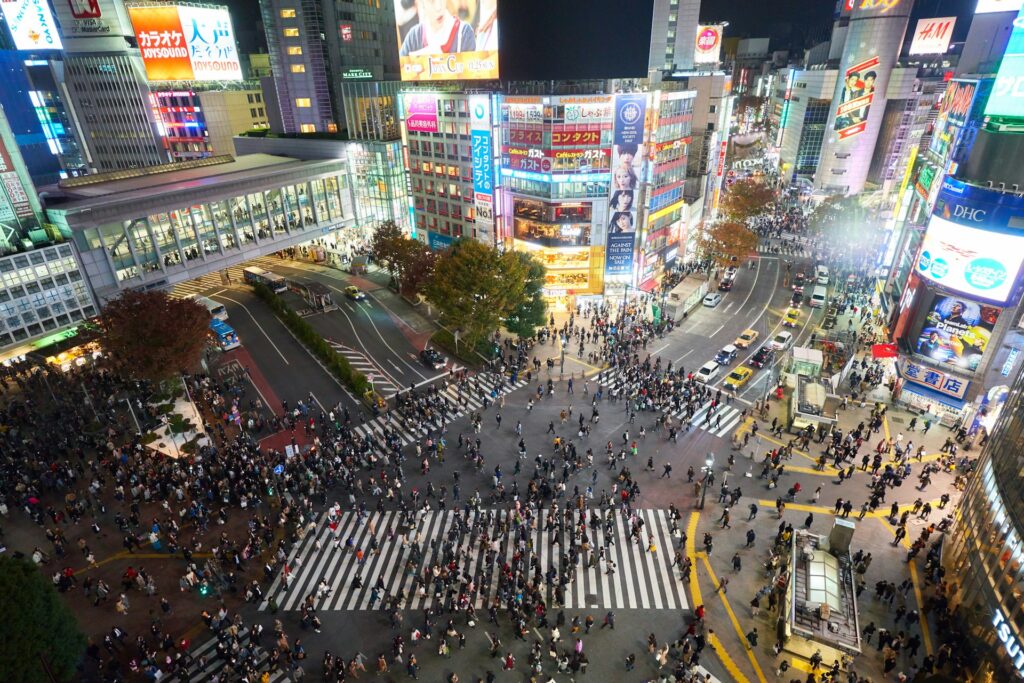
Conclude Day 2 immersed in Tokyo at night culture in Shinjuku. Kabukicho district represents Tokyo’s adult entertainment zone—neon-soaked, sensory-overwhelming, and utterly fascinating. While some areas cater to adult entertainment exclusively, the district offers excellent dining, karaoke establishments, izakayas, and nightlife venues suitable for all visitors. Dinner at a Michelin-starred establishment, casual ramen shop, or trendy fusion restaurant provides memorable dining experiences. Late-night exploration of Shinjuku’s transformation after dark, observation of the organized entertainment district logistics, and participation in karaoke creates unforgettable Tokyo memories.
Day 3: Technology, Culture, and Optional Day Trips
Day 3 of your Tokyo itinerary offers flexibility: spend it exploring additional Tokyo neighborhoods or embark on day trips from Tokyo to nearby attractions. For those remaining in Tokyo, this day emphasizes areas missed during Days 1-2, allowing personalization based on interests.
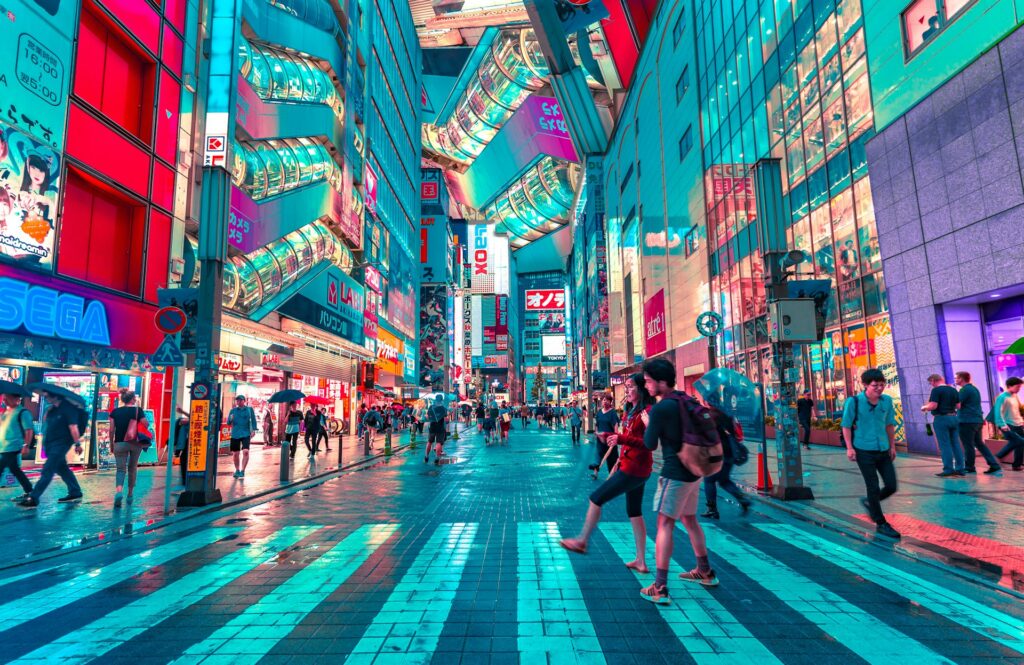
For tech enthusiasts, Akihabara represents the ultimate Tokyo attractions destination. This district specializes in electronics, anime culture, gaming, and cutting-edge technology. Browse multi-story electronics megastores, visit anime/manga shops, experience arcade gaming centers, and immerse yourself in otaku (enthusiast) culture. Lunch at themed restaurants (maid cafés, anime-themed establishments) provides entertaining cultural experiences. This Tokyo trip planner segment appeals to technology enthusiasts and pop culture fans.
For art and culture enthusiasts, Tokyo’s museums offer world-class collections. The Tokyo National Museum in Ueno houses Japanese art, historical artifacts, and cultural treasures. The teamLab Borderless digital art museum provides immersive, boundary-pushing artistic experiences using cutting-edge projection technology. These things to do in Tokyo in 3 days activities appeal to culturally-minded visitors seeking refined experiences beyond typical tourist attractions.
For nature lovers, Ueno Park provides peaceful green space, temples, shrines, and museum clusters. Rikugien Garden and Koishikawa Korakuen offer traditional Japanese garden experiences with ponds, bridges, seasonal landscaping, and contemplative atmosphere. These Tokyo attractions balance Tokyo’s urban intensity with natural beauty and historical significance.
Conclude Day 3 with final Tokyo at night experiences. Return to your favorite district, revisit memorable restaurants, watch the city transform into its neon-lit evening persona one final time, or explore districts previously missed. Evening strolls through neighborhoods at different times reveal Tokyo’s temporal transformations—the same street appears entirely different at 3:00 PM versus 10:00 PM.
Optional Day Trips from Tokyo
Extended Tokyo trips benefit from incorporating nearby day trips from Tokyo, dramatically expanding your Japan experience. Several excellent options exist within 1-2 hours of Tokyo.
Day Trip Option 1: Mount Fuji and Hakone
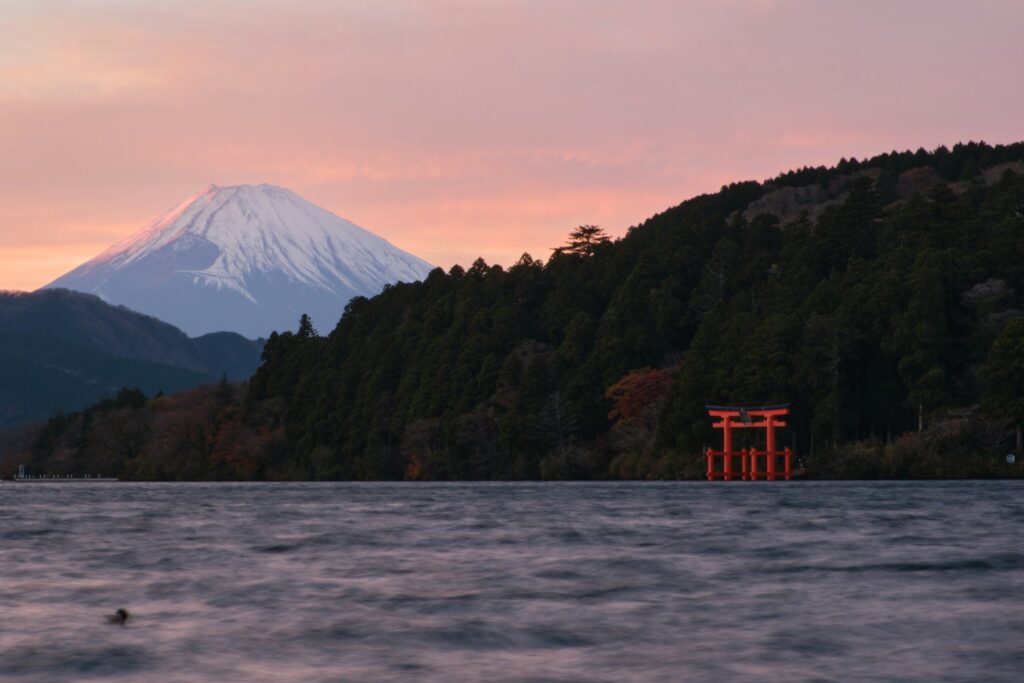
For Tokyo trip planner schedules allowing 4+ days, Mount Fuji expeditions represent quintessential Japan experiences. Full summit climbs require overnight mountain hut stays (separate planning), but day trips to the Hakone region provide excellent Mount Fuji views and alpine experiences. Take the train to Hakone, ride the scenic ropeway over volcanic valley, visit hot spring resorts, and enjoy mountain scenery. Clear weather reveals Mount Fuji’s perfect cone—a humbling sight inspiring artists and pilgrims for centuries. This day trips from Tokyo option suits nature enthusiasts and photography enthusiasts seeking Japan’s most iconic imagery.
Day Trip Option 2: Nikko’s Shrines and Natural Beauty
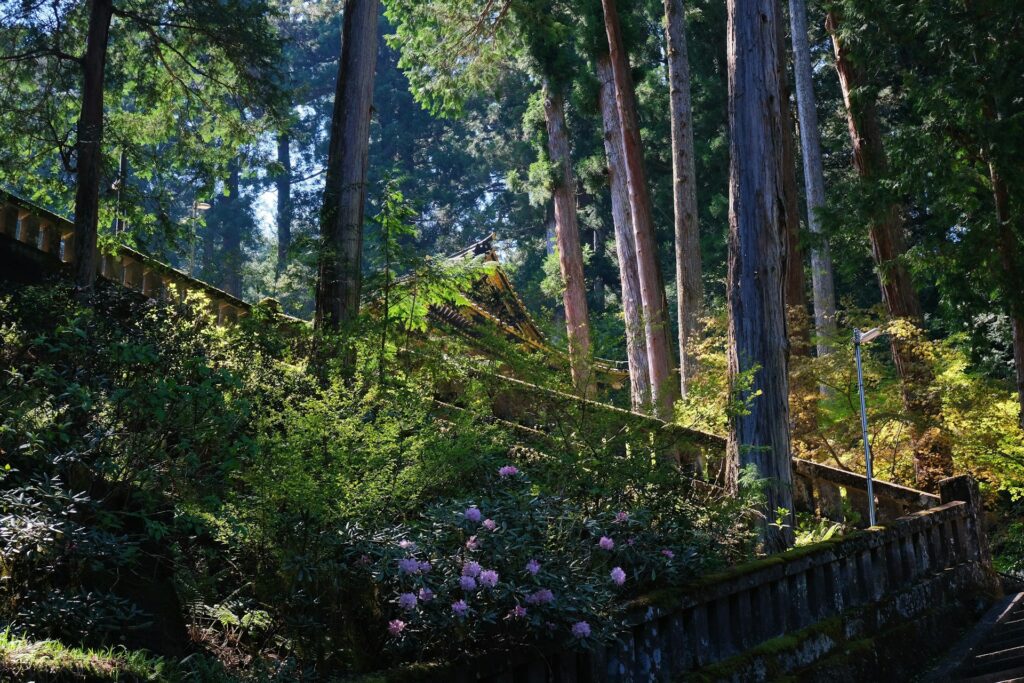
Nikko, 140 kilometers north of Tokyo, represents one of Japan’s most culturally and naturally significant locations. The UNESCO World Heritage Toshogu Shrine honors the great shogun Tokugawa Ieyasu, featuring elaborate carvings, peaceful forest setting, and spiritual atmosphere. Nearby waterfalls, hiking trails, and Lake Chuzenji provide natural beauty contrasting with Tokyo’s urban intensity. This Tokyo trip planner day trip option requires 10-12 hours total but provides diverse cultural and natural experiences justifying the time investment.
Day Trip Option 3: Kawagoe’s Traditional Town Experience
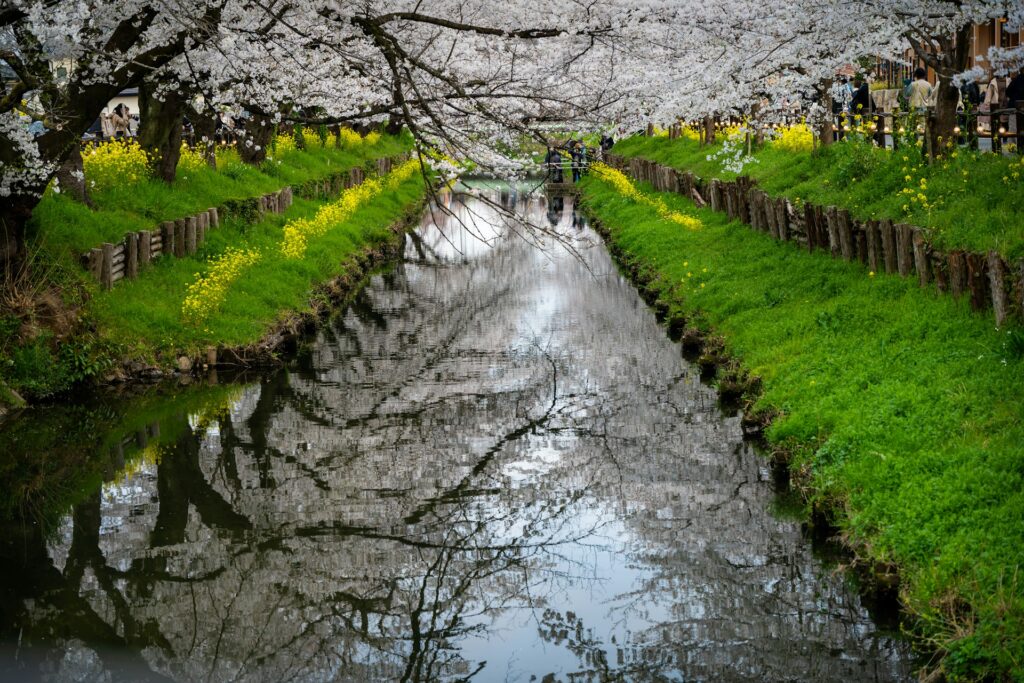
Kawagoe, 30 minutes west of Tokyo, preserves Edo-period architecture and traditional townscape remarkably well. Kurazukuri warehouses, traditional shops, sweet factories, and cultural museums create nostalgic atmosphere resembling historical Japan. This day trips from Tokyo option suits travelers seeking traditional experiences without committing to longer excursions. Kawagoe offers accessible cultural immersion for those wanting things to do in Tokyo in 3 days supplemented with nearby historical exploration.
Day Trip Option 4: Yokohama’s Waterfront and Modern Architecture
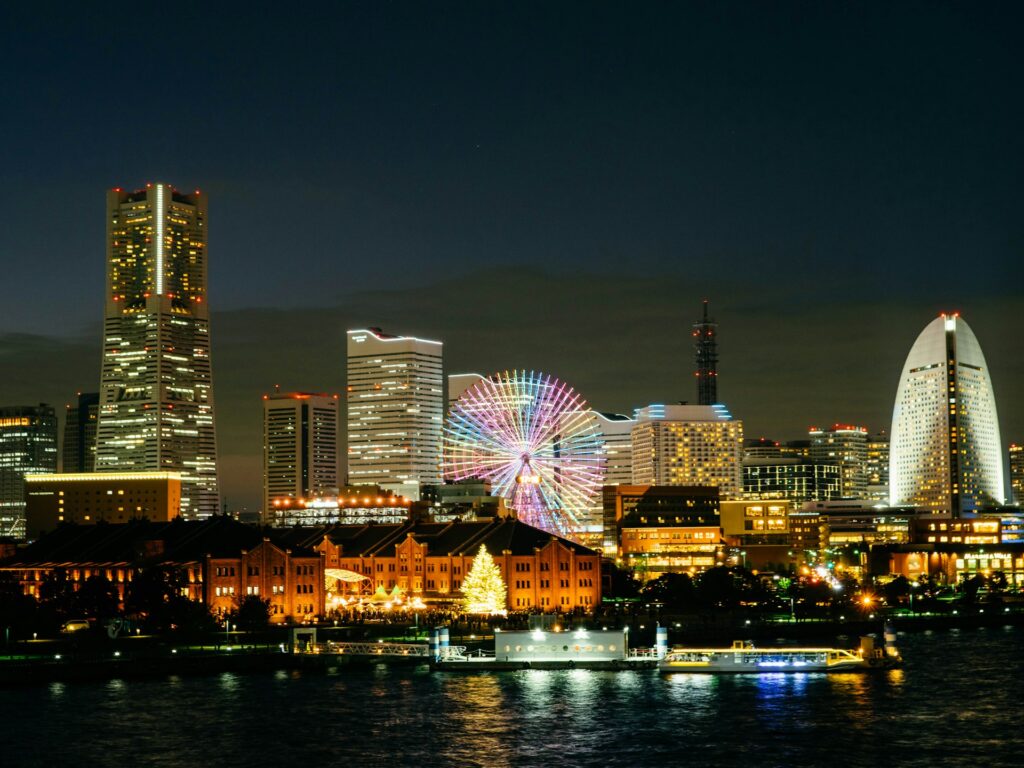
Yokohama, Tokyo’s neighbor city (30 minutes south), offers contemporary cultural attractions, waterfront dining, shopping, and modern architecture. The Landmark Tower observation deck provides expansive views, the Red Brick Warehouse hosts cultural events and restaurants, and Chinatown provides lively entertainment. This Tokyo trip planner option suits travelers wanting day trips from Tokyo exploring contemporary Japan rather than historical sites.
Practical Strategies for Your Tokyo Itinerary Success
Transportation Efficiency
Tokyo’s efficient, comprehensive train and subway system makes Tokyo trip planner navigation straightforward despite the city’s vastness. Purchase a rechargeable Suica or Pasmo card used across all public transportation, avoiding repeated ticket purchases. Download the Google Maps app (works offline with downloaded areas) and the Hyperdia app for train schedules. Your Tokyo itinerary benefits dramatically from understanding train system logistics—stations display clear signage, staff provide assistance, and announcements include English translations. This things to do in Tokyo in 3 days planning tool prevents transportation-related frustrations.
Timing Strategies for Avoiding Crowds
Successful Tokyo attractions exploration requires arriving early at famous sites (6:00-7:00 AM recommended) before crowds overwhelm the experience. Shibuya Crossing appears less crowded during early morning hours, temples provide peaceful experiences before 9:00 AM, and shopping districts feel less frenetic on weekday mornings. This Tokyo trip planner timing strategy dramatically improves your ability to photograph, reflect, and meaningfully experience attractions without fighting through massive crowds. Evening exploration of Tokyo at night offers entirely different experiences—neon-lit, energetic, and electric—providing temporal variety enriching your Tokyo itinerary.
Dining Strategies Within Your Tokyo Itinerary
Tokyo’s culinary scene ranges from Michelin-starred fine dining to exceptional street food and casual establishments. Your Tokyo trip planner should balance high-end meals (requiring advance reservations) with spontaneous discoveries at local favorites. Lunch sets at upscale restaurants cost 1/3 to 1/2 of dinner prices, providing excellent value. Convenience stores (7-Eleven, Lawson) offer surprisingly delicious meals between major activities. Ramen, udon, tonkatsu (breaded pork cutlet), tempura, and sushi restaurants provide authentic experiences at reasonable prices. This things to do in Tokyo in 3 days dining strategy prevents excessive spending while sampling Tokyo’s food culture comprehensively.
Accommodation Location for Optimal Tokyo Itinerary
Hotel location dramatically impacts Tokyo itinerary success. Central locations near major train stations (Shinjuku, Shibuya, Ginza, Asakusa) minimize transit time between attractions. Budget accommodations concentrate in Ikebukuro and Uguisudani, while mid-range options cluster throughout central districts. Capsule hotels and hostels provide budget-friendly sleeping options popular with travelers. Your Tokyo trip planner should prioritize proximity to transit over luxury amenities for sightseeing efficiency. Many accommodations offer tourist information, train pass assistance, and restaurant recommendations—leveraging staff expertise enhances your Tokyo itinerary.
Seasonal Considerations for Planning Your Tokyo Itinerary
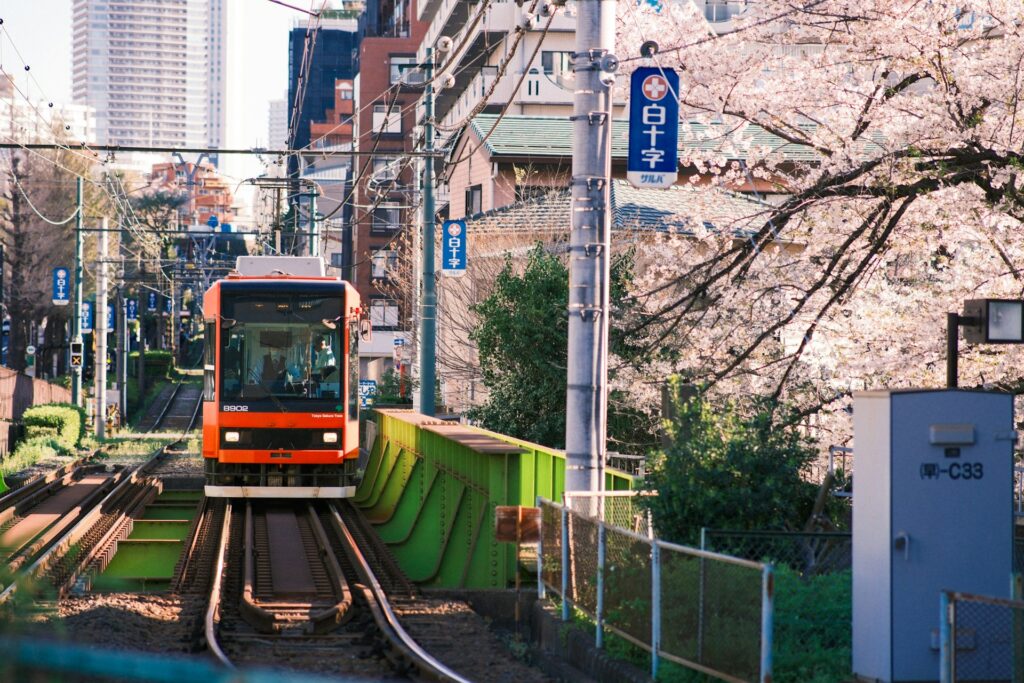
Tokyo’s four distinct seasons dramatically affect your Tokyo itinerary experience. Spring (March-May) brings cherry blossoms, pleasant weather, but massive crowds and premium prices. Summer (June-August) features hot, humid weather, festival season, and fireworks—challenging for walking but exciting for cultural events. Autumn (September-November) delivers perfect weather, falling leaves, and comfortable temperatures—arguably the best season for extended Tokyo trips. Winter (December-February) brings cold temperatures, occasional snow, holiday illuminations, and fewer tourists. This tokyo trip planner guide recommends visiting during shoulder seasons (late April-May or September-October) balancing weather quality with manageable crowds.
Advanced Tokyo Experiences Beyond the Standard Itinerary
Once your Tokyo itinerary covers major attractions, consider specialized experiences distinguishing your visit from typical tourist routes. Tea ceremony workshops teach preparation and appreciation of traditional tea culture. Cooking classes learning sushi-making, ramen preparation, or tempura techniques provide hands-on cultural engagement. Sumo wrestling tournaments (held January, May, September) offer intense sporting experiences and cultural immersion. Traditional theater performances (Kabuki, Noh) reveal sophisticated performing arts traditions. Robot restaurants provide avant-garde entertainment blending technology, dance, and spectacle. These things to do in Tokyo in 3 days supplementary activities transform your Tokyo itinerary from tourist checklist into transformative cultural experiences.
Mastering Tokyo’s Energy and Rhythms
Successful Tokyo trip planner strategies acknowledge that Tokyo overwhelms visitors through sheer scale, energy, and sensory intensity. Rather than fighting this reality, embracing Tokyo’s kinetic pace, surrendering to the city’s rhythms, and observing how locals navigate the metropolis enriches your understanding and experience. Your Tokyo itinerary succeeds when you balance ambitious sightseeing with moments of rest, peaceful observation, and spontaneous exploration. Allow yourself to get temporarily lost in neighborhoods, discover unexpected restaurants, strike up conversations with locals, and embrace unpredictable moments that create your most memorable experiences within this extraordinary city.
Expert Planning Support for Your Tokyo Adventure
Creating an optimal Tokyo itinerary accounting for your interests, physical capacity, budget, and preferences can feel overwhelming given Tokyo’s infinite options. Acqua Travel specializes in designing bespoke Tokyo experiences integrating must-see attractions with personalized discoveries, managing logistics and transportation seamlessly, arranging authentic dining from casual neighborhood favorites to fine Michelin-starred establishments, and providing real-time support throughout your journey. Rather than spending hours researching contradictory travel guides, let our Tokyo specialists create your perfect tokyo trip planner experience. Our guides provide insider access to hidden neighborhoods, photography tips for capturing Tokyo’s essence authentically, cultural coaching preparing you for Tokyo at night experiences, and strategic day trips from Tokyo planning maximizing your regional exploration. Book your personalized Tokyo itinerary with Acqua Travel and experience Japan’s electric capital as it deserves to be experienced!
Conclusion: Your Perfect Tokyo Itinerary Awaits
Whether you have three days or longer, this comprehensive guide provides everything necessary for crafting an unforgettable Tokyo itinerary. From peaceful temple gardens and serene shrines to electrifying Shibuya Crossing, neon-soaked Shinjuku, creative Harajuku fashion culture, and authentic geisha quarters, your Tokyo trip planner experience reveals Tokyo’s remarkable duality: ancient traditions seamlessly coexisting with cutting-edge innovation. The things to do in Tokyo in 3 days recommendations in this guide—whether you follow them precisely or adapt them to your interests—represent merely the foundation for what Tokyo offers. Tokyo attractions span museums, temples, gardens, shopping, technology, art, food, and entertainment, ensuring every visitor discovers their own Tokyo magic. Experiencing Tokyo at night transforms your understanding of the city—the same streets appear entirely different illuminated by neon and filled with evening energy. Should you have additional time, day trips from Tokyo to Mount Fuji, Nikko, Kawagoe, or coastal regions expand your Japan experience exponentially. Begin planning your ideal Tokyo itinerary today—Tokyo’s incomparable energy, boundless possibilities, and transformative experiences await your arrival. Your three days in Tokyo will likely inspire you to return repeatedly, discovering new neighborhoods, restaurants, and experiences each visit.