

Top Brazilian Festivals You Can’t Miss
Introduction
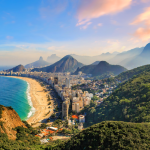
Brazil, a land known for its pulsating energy, sun-drenched beaches, and passionate people, is home to some of the most vibrant festivals in the world. From world-renowned spectacles like Carnival in Rio de Janeiro to traditional folk celebrations in the Amazon, Brazil’s festivals reflect the nation’s rich cultural tapestry. These events offer travelers unique opportunities to immerse themselves in the local culture, connect with warm-hearted Brazilians, and participate in unforgettable experiences. Whether you’re a fan of lively music, colorful costumes, or folklore, these festivals in Brazil will leave you spellbound.
In this guide, we’ll take you through the top festivals in Brazil, showcasing their highlights, where to experience them, and what makes each celebration so special. Let’s dive into the must-see festivals in Brazil for anyone planning a Brazil tour.
Brazilian Festivals
Carnival in Rio de Janeiro

Overview
The Rio Carnival is often considered the greatest show on Earth. This iconic event takes place in the lead-up to Lent and attracts millions of visitors from all over the world. It’s a celebration of music, dance, and cultural heritage, where samba schools compete with elaborate floats and extravagant costumes. You can say this is the top Brazil festival!
Festival Highlights
- Sambadrome Parades: Experience the dazzling parades featuring Rio’s top samba schools.
- Bloco Street Parties: Join in the endless street parties known as blocos, where people dance to live music in the streets.
- Costumes and Masks: From glamorous costumes to extravagant feathered headpieces, Carnival fashion is a sight to behold.
Where to Experience It
The heart of Carnival is in Rio’s Sambadrome, but the street parties take over the entire city, especially in neighborhoods like Lapa, Copacabana, and Ipanema.
What Makes It Special
What sets the Rio Carnival apart is the sheer scale of the event. The energy is unmatched as the entire city transforms into a giant party where everyone is welcome to join. It’s a time of unity, celebration, and, most of all, pure joy.
Best Time to Attend
Carnival takes place 40 days before Easter, typically falling in February or early March. Make sure to plan your Brazil tour accordingly, as the festival lasts for about five days, with the main parades happening over the final weekend.
Parintins Folklore Festival
Overview
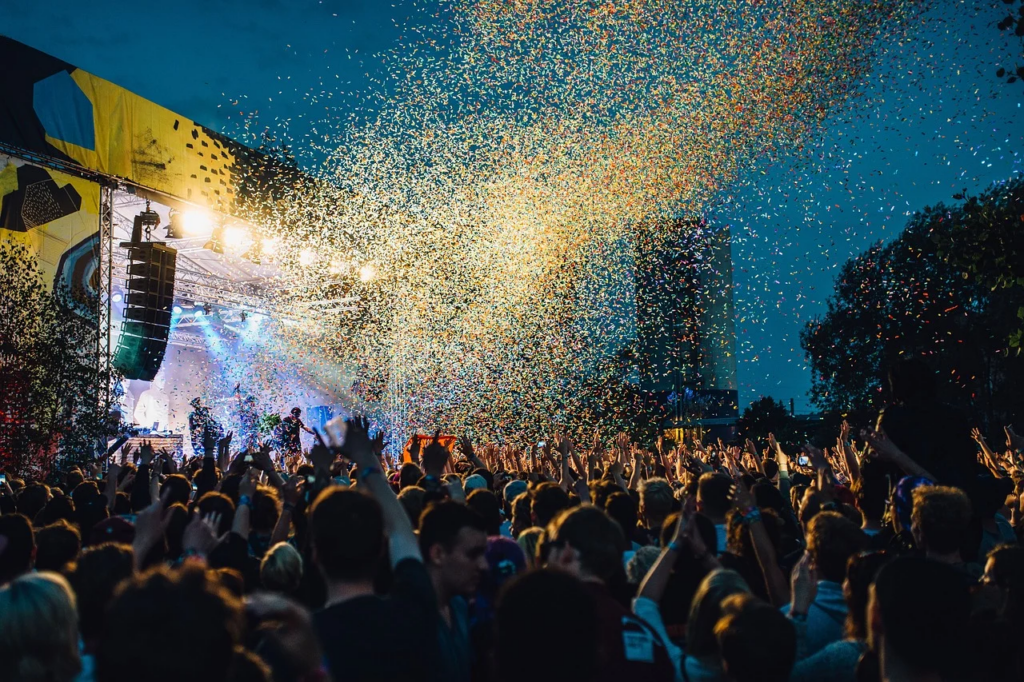
Held in the Amazonian city of Parintins, the Parintins Folklore Festival is a celebration of the region’s indigenous roots and traditions. The festival, also known as Festival do Boi-Bumbá, is a theatrical competition between two groups: Caprichoso (blue) and Garantido (red), who perform retellings of local legends, often involving music, dance, and elaborate costumes. This is yet another amazing festival in Brazil.
Festival Highlights
- Bumbódromo Performances: Watch the theatrical performances that depict Amazonian folklore and stories about native animals, gods, and traditions.
- Colorful Floats: Expect extravagant and creative floats that parade through the streets during performances.
- Traditional Music: Hear local rhythms such as toadas, which are characteristic of this region.
Where to Experience It
The festival takes place in Parintins, an island city in the Amazon River. The Bumbódromo stadium is where the main performances are held, but the entire city gets involved in the festivities.
What Makes It Special
The Parintins Folklore Festival is a rare opportunity to witness the rich traditions of the Amazon come to life. The fierce but friendly rivalry between the Caprichoso and Garantido groups makes this festival even more exciting.
Best Time to Attend
The festival is held annually from June 28th to 30th. It’s worth making a special trip to Parintins during your Brazil tour to experience this unique folklore event.
Festa Junina
Overview
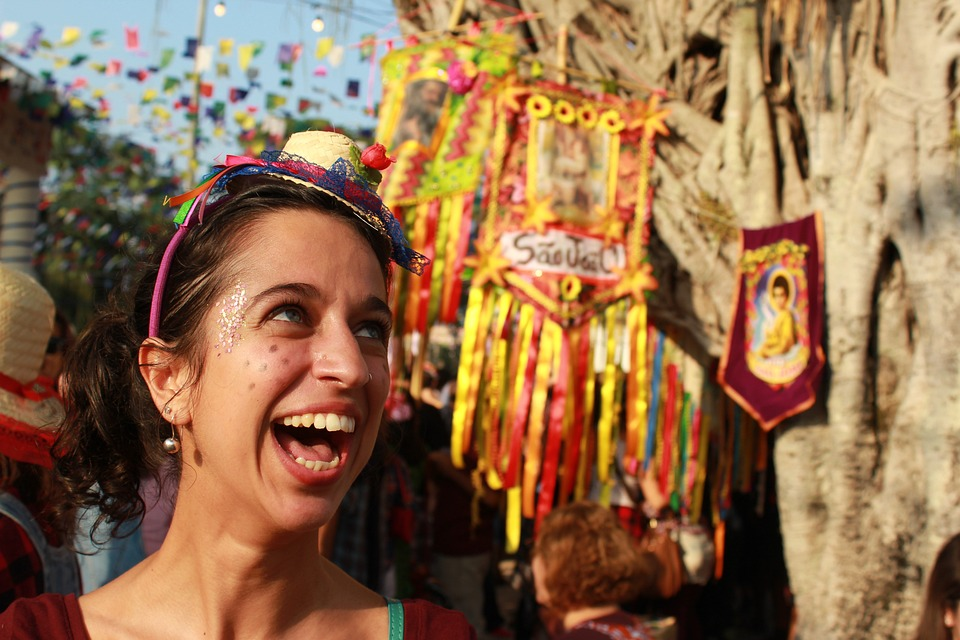
Festa Junina is a traditional Brazilian festival celebrating rural life and marking the winter solstice. Originating from European Midsummer traditions, it’s a colorful celebration featuring folk dances, country music, and food that honors Brazil’s agrarian past.
Festival Highlights
- Quadrilha Dance: A choreographed group dance where participants dress as country folk, complete with straw hats and gingham clothes.
- Bonfires: A central feature of Festa Junina celebrations, bonfires are lit in honor of Saint John.
- Rural-Themed Costumes: People dress in traditional country attire, often mimicking the farmers who are the focus of this celebration.
Where to Experience It
Festa Junina is celebrated across Brazil, but it’s especially prominent in the northeastern states like Bahia and Pernambuco. Cities like Recife and Campina Grande are renowned for their grand celebrations.
What Makes It Special
Festa Junina offers a deep insight into Brazil’s rural traditions, blending Catholic rituals with folk celebrations. It’s a family-friendly event where both locals and visitors can enjoy music, dancing, and hearty traditional foods.
Best Time to Attend
Festa Junina takes place throughout June, with major events on June 13th (St. Anthony’s Day), June 24th (St. John’s Day), and June 29th (St. Peter’s Day).
New Year’s Eve in Rio de Janeiro (Réveillon)

Overview
Réveillon in Rio is one of the most famous New Year’s Eve celebrations in the world. Every year, millions gather on Copacabana Beach to ring in the new year with fireworks, music, and celebrations.
Festival Highlights
- Fireworks Display: The midnight fireworks show over the Atlantic Ocean is the highlight of the evening.
- Live Music: Several stages are set up along Copacabana Beach, featuring a mix of samba, rock, and pop music.
- All-White Attire: It’s traditional for attendees to wear all-white outfits, believed to bring peace and good luck in the coming year.
Where to Experience It
The largest and most iconic Réveillon celebration takes place on Copacabana Beach in Rio de Janeiro.
What Makes It Special
Réveillon is more than just a fireworks show. The sheer number of people, the music, the waves, and the breathtaking setting make it a magical way to start the new year.
Best Time to Attend
New Year’s Eve is the time to be in Rio. Book accommodations early, as hotels fill up quickly for this popular event.
Rock in Rio
Overview
Rock in Rio, Brazil music festival, is one of the largest music festivals in the world, drawing in international and local artists to perform across a variety of genres. Originally focused on rock, the festival now features pop, electronic, and alternative music, attracting fans of all musical tastes.
Festival Highlights
- Headlining Performers: Over the years, Rock in Rio has hosted stars like Queen, Beyoncé, and Metallica.
- Massive Stages: Expect giant stages, top-notch production, and some of the world’s most popular artists.
- Diverse Music: While rock remains a staple, fans of all genres will find something to love at this festival.
Where to Experience It
Rock in Rio takes place at the Cidade do Rock (City of Rock) in Rio de Janeiro, but there are also satellite versions of the festival held in Lisbon, Madrid, and Las Vegas.
What Makes It Special
What makes Rock in Rio stand out is its ability to bring together fans from all over the world to celebrate music on an epic scale. It’s more than just a concert – it’s a global event.
Best Time to Attend
Rock in Rio typically takes place in September, though the dates can vary slightly. Be sure to plan your Brazil tour accordingly, as tickets sell out fast.
Salvador Carnival
Overview
While Rio’s Carnival gets most of the international attention, Salvador’s Carnival is the largest street party in the world. It’s a more laid-back, street-oriented celebration that highlights Afro-Brazilian culture.
Festival Highlights
- Trio Elétrico: Huge trucks outfitted with speakers and stages parade through the streets, with bands performing live on top.
- Afoxé and Blocos Afro: These Afro-Brazilian musical groups infuse the festival with samba-reggae beats.
- Street Parties: Unlike Rio’s Sambadrome-centric parades, Salvador’s Carnival is all about partying in the streets with locals.
Where to Experience It
The historic city of Salvador, Bahia, is the place to be. The action happens in neighborhoods like Pelourinho, Barra, and Ondina.
What Makes It Special
Salvador Carnival celebrates the unique Afro-Brazilian heritage of Bahia and offers a more immersive and interactive experience, with locals and tourists alike dancing in the streets for days.
Best Time to Attend
Salvador Carnival coincides with Rio’s Carnival, usually in February or March. If you’re looking for a more authentic, street-level experience, head to Salvador during your Brazil tour.
Oktoberfest in Blumenau
Overview
Blumenau, a city in southern Brazil with a large German population, hosts the second-largest Oktoberfest in the world, second only to Munich’s. It’s a festive celebration of German culture with plenty of beer, traditional dances, and hearty food.
Festival Highlights
- Beer Gardens: Sip on a variety of local and German-style beers while enjoying live music.
- Traditional Costumes: Locals dress in traditional Bavarian outfits such as dirndls and lederhosen.
- German Cuisine: Sample German favorites like bratwurst, sauerkraut, and pretzels.
Where to Experience It
Blumenau is located in the state of Santa Catarina, which has strong European roots, making it the perfect setting for an authentic Oktoberfest experience.
What Makes It Special
Blumenau’s Oktoberfest brings the Bavarian spirit to Brazil, blending German and Brazilian cultures in a fun and festive atmosphere.
Best Time to Attend
The festival takes place annually in October. Make sure to check the specific dates for each year, as it typically lasts around two weeks.
Tips for Attending Brazilian Festivals
What to Wear at Brazilian Festivals
- Carnival: Feel free to go all out with colorful, extravagant costumes adorned with feathers, sequins, and masks.
- Festa Junina: Dress in traditional rural attire like checkered shirts, straw hats, and country-style dresses.
- Réveillon: White outfits are a must, symbolizing peace and good fortune for the new year.
Festival Foods to Try in Brazil
Brazilian festivals are a feast for the senses, and the food is no exception. Make sure to try:
- Feijoada: A hearty black bean stew with pork, commonly enjoyed during Carnival.
- Pamonha: Sweet corn cakes often served during Festa Junina.
- Acarajé: A popular Afro-Brazilian snack made from black-eyed peas and shrimp, frequently found at Salvador Carnival.
The best Brazil travel guide is the one that helps you attend at least one of these amazing festivals!
FAQ
What is the best time to visit Brazil for festivals?
Brazil’s festival season kicks off with Carnival in February or March and continues throughout the year, with Festa Junina in June and Rock in Rio in September. Plan your Brazil tour based on the festival you want to experience.
Do I need tickets for Brazilian festivals?
Some festivals, like Carnival in the Sambadrome or Rock in Rio, require tickets for entry, while many street parties and local celebrations are free to attend.
What should I pack for Brazilian festivals?
Comfortable shoes for dancing, lightweight clothing, and sun protection are essential. For Rio’s Carnival and Réveillon, consider packing a fun costume or an all-white outfit.
Can I attend these festivals as part of a guided tour?
Absolutely! Many tour operators offer Brazil tour packages that include tickets, accommodations, and transportation for major festivals like Carnival, Rock in Rio, and more.
Related Posts