
Top Wildlife Safaris in South Africa: Ultimate 2025-26 Adventure Guide
South Africa is a land where untamed wilderness meets modern luxury, where the roar of a lion echoes through golden savannahs, and where every sunrise promises a new adventure. Whether you’re dreaming of spotting the Big Five, capturing rare moments on a photographic safari, or embracing sustainable travel, South Africa offers unforgettable wildlife experiences for every kind of traveler.
If 2025–26 is your year to embark on an extraordinary journey through nature, this guide to the top wildlife safaris in South Africa will help you plan your ultimate adventure — from iconic national parks to hidden conservation gems and luxury lodges.
Why Choose South Africa for Your Safari
South Africa stands out as a premier safari destination because it blends diverse landscapes, exceptional wildlife density, and world-class infrastructure. You can explore the wild through open-vehicle game drives, guided walking safaris, or even road safaris that give you complete freedom to travel at your own pace.
Moreover, the country’s growing focus on eco-tourism and sustainable safaris ensures that your journey contributes to wildlife conservation and local communities. From Kruger National Park to private reserves and cultural experiences, every safari here tells a story of coexistence and respect for nature.
1. Kruger National Park – The Iconic Big Five Destination
No safari list is complete without Kruger National Park. Spanning nearly 20,000 square kilometers, it’s one of the largest game reserves in Africa and home to the Big Five animals — lions, leopards, elephants, rhinos, and buffalo.
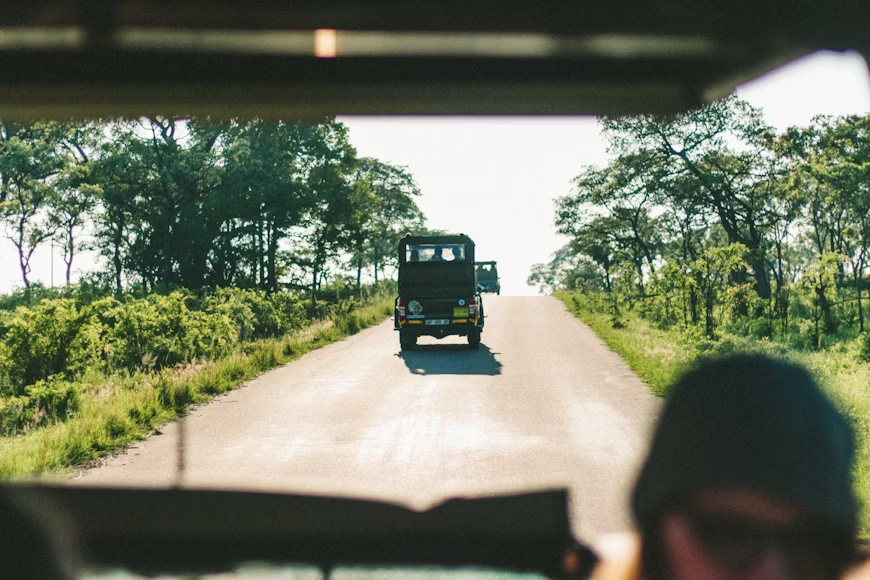
Kruger’s vast network of roads makes it ideal for road safaris in South Africa, allowing travelers to explore at their own pace. You can stay in everything from budget camps to luxury lodges in South Africa offering gourmet dining, private pools, and exclusive game drives.
Top Experiences:
- Sunrise and sunset game drives with expert rangers
- Guided bush walks tracking the Big Five
- Staying in private concessions like Sabi Sands or Timbavati
- Birdwatching — with over 500 species recorded
Best Time to Visit: May to September (dry season) for optimal wildlife visibility.
2. Sabi Sands Game Reserve – Luxury Meets Wilderness
Adjacent to Kruger, Sabi Sands Game Reserve is known for its luxury and exclusivity. It’s a haven for those seeking intimate encounters with nature without sacrificing comfort.
This private reserve offers some of the best photographic safaris in South Africa thanks to its unrestricted off-road driving policy — meaning you can get incredibly close to wildlife.
Top Lodges: Londolozi, Singita, and Lion Sands — all pioneers in sustainable tourism and conservation practices.
Why Visit: If you’re looking for a mix of sustainable safaris 2025–26 and world-class hospitality, Sabi Sands delivers both seamlessly.
3. Madikwe Game Reserve – Family-Friendly and Malaria-Free
Located near the Botswana border, Madikwe Game Reserve is a hidden gem perfect for families and first-time safari-goers. This malaria-free reserve hosts a variety of animals including the Big Five, wild dogs, and cheetahs.
The park’s focus on community-based eco-tourism in South Africa has helped transform the region into a thriving conservation success story.
Top Experiences:
- Child-friendly lodges with educational bush programs
- Evening drives for nocturnal wildlife sightings
- Elephant interactions and rhino conservation walks
Best Time to Visit: March to November for dry weather and excellent game viewing.
4. Phinda Private Game Reserve – Conservation in Action
Situated in KwaZulu-Natal, Phinda Private Game Reserve is a shining example of sustainable tourism. Managed by &Beyond, this 70,000-acre reserve is often called “Seven Worlds of Wonder” because of its diverse habitats — from wetlands and forests to mountains and grasslands.
Phinda is also famous for its conservation experiences, allowing guests to participate in rhino tracking, wildlife relocations, and community visits.
Why Go: This is the perfect destination for travelers passionate about ethical travel and meaningful impact.
5. Addo Elephant National Park – A Haven for Elephant Lovers
If elephants fascinate you, Addo Elephant National Park near Port Elizabeth should be on your list. Established in 1931 to protect just 11 elephants, it now shelters over 600 and remains one of the best places to witness these majestic creatures up close.
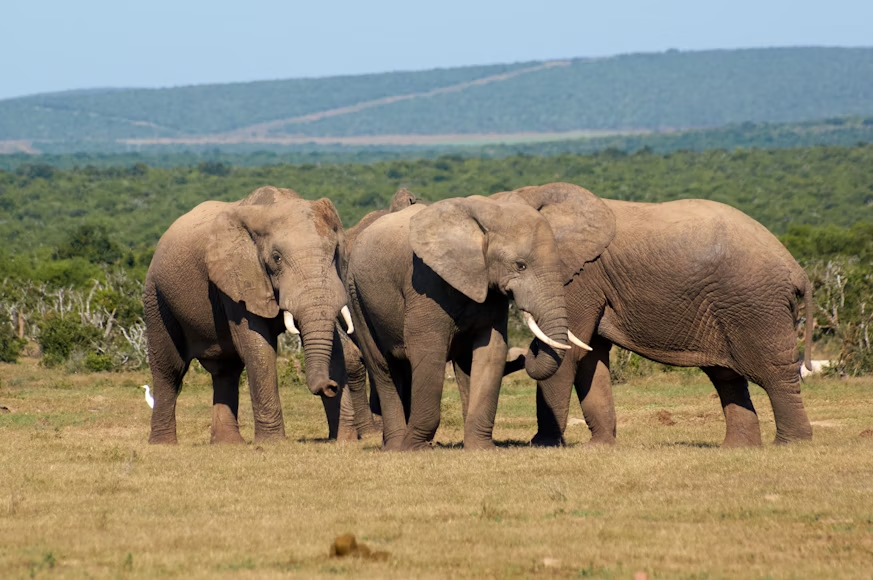
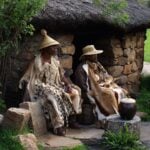
Addo also offers cultural safaris in South Africa, where you can explore Xhosa traditions and local community initiatives.
Top Tip: Addo is easily accessible via the Garden Route, making it a perfect stop on a self-drive or road safari across South Africa.
6. Kgalagadi Transfrontier Park – A Photographer’s Dream
Stretching across South Africa and Botswana, the Kgalagadi Transfrontier Park is a paradise for photographers and adventure seekers. Its vast red dunes and open landscapes offer stunning backdrops for wildlife photography, especially big cats like cheetahs and black-maned Kalahari lions.
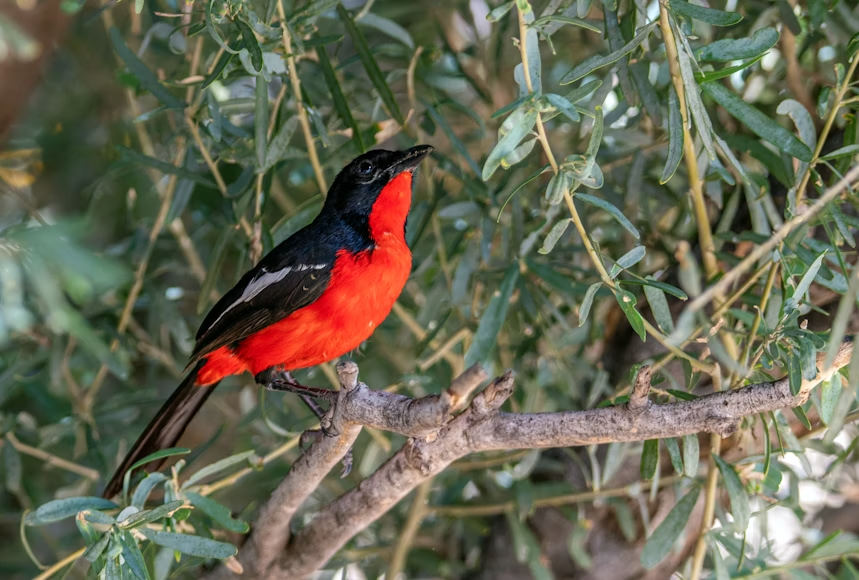
This park is ideal for photographic safaris thanks to the dramatic lighting and unique desert scenery.
Why It’s Special: Unlike other parks, Kgalagadi focuses on raw, untouched wilderness, making it one of the most authentic safari experiences in Southern Africa.
7. Hluhluwe–iMfolozi Park – Africa’s Oldest Game Reserve
As Africa’s oldest proclaimed game reserve, Hluhluwe–iMfolozi Park carries historical significance in wildlife conservation. It’s the birthplace of rhino protection efforts, which helped bring white rhinos back from near extinction.
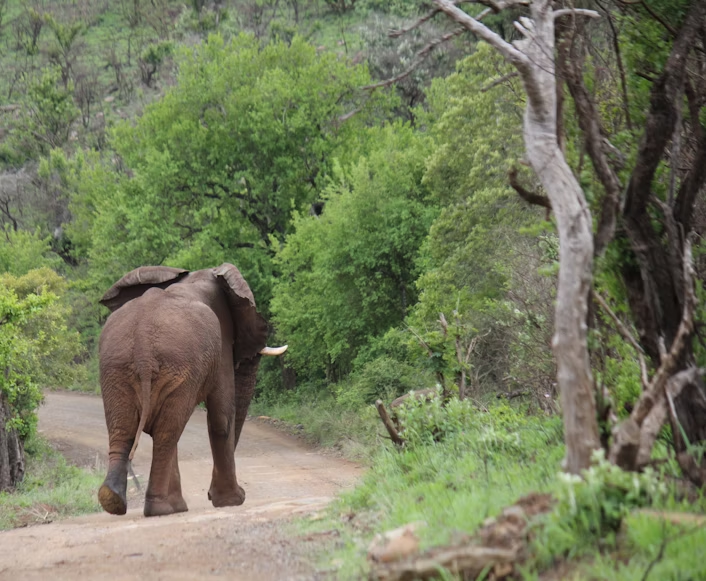
Here, travelers can enjoy cultural safaris in South Africa, combining wildlife exploration with insights into Zulu heritage and traditions.
Top Experiences:
- Rhino tracking on foot
- Community-driven craft markets and village visits
- Scenic hilltop drives with panoramic views
Best For: Travelers seeking a blend of culture, conservation, and wilderness.
8. Tswalu Kalahari Reserve – The Ultimate Sustainable Safari
If exclusivity and sustainability top your list, Tswalu Kalahari Reserve is unmatched. South Africa’s largest private reserve focuses on low-impact tourism and wildlife restoration.
Home to rare species like pangolins, meerkats, and sable antelopes, Tswalu offers an intimate and personalized safari experience. Guests can join conservation experiences, such as tracking endangered species alongside researchers.
Luxury Meets Purpose: Each stay directly funds the Tswalu Foundation’s conservation projects — a true definition of a sustainable safari 2025–26.
Planning Your South African Safari
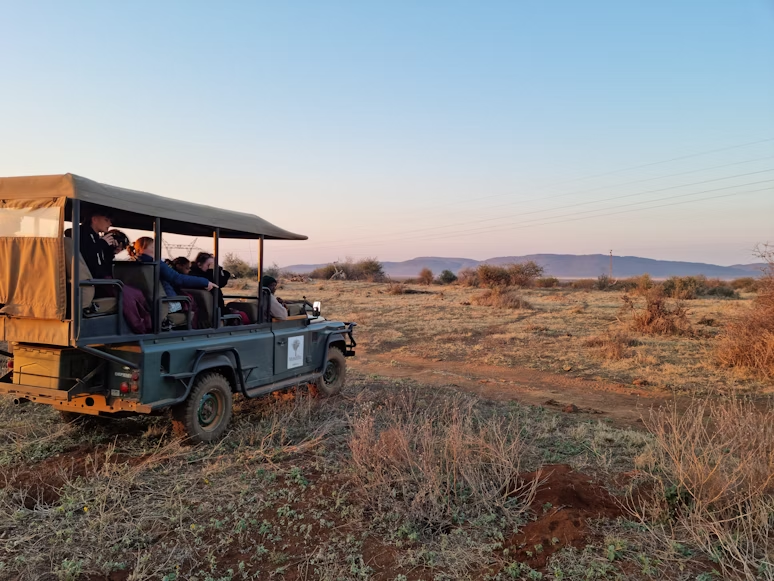
When planning your safari, consider your travel style, interests, and the type of experience you seek:
- For Big Five spotting: Kruger National Park, Sabi Sands, and Madikwe
- For sustainability & conservation: Phinda and Tswalu Kalahari
- For self-drives: Kruger and Addo Elephant National Park
- For culture & community: Hluhluwe–iMfolozi Park and Addo
- For photography: Kgalagadi Transfrontier Park and Sabi Sands
You can explore these safaris as part of a guided tour or a custom-made trip with expert local operators.
Sustainable Travel: Making a Difference
South Africa’s safari industry is evolving rapidly toward eco-tourism and responsible travel. Many lodges are solar-powered, support anti-poaching initiatives, and collaborate with nearby villages. By choosing sustainable safaris in 2025–26, you’re helping preserve wildlife habitats for future generations while empowering local communities.
If you’re looking for a journey that’s both breathtaking and meaningful, there’s never been a better time to explore the wild side of South Africa responsibly.
Frequently Asked Questions (FAQs)
- What are the best months for a South African safari?
The best time is during the dry season, from May to September, when animals gather around water sources and vegetation is sparse, making sightings easier. - Are South African safaris safe for travelers?
Yes, safaris are generally very safe when conducted with licensed operators. Always follow your ranger’s instructions and stay within designated areas. - What should I pack for a safari?
Lightweight clothing in neutral colors, a hat, sunscreen, binoculars, insect repellent, and a good camera are essential. - Can I go on a safari year-round?
Yes, South Africa offers year-round safaris. The summer months (November–March) are great for birdwatching and lush landscapes, while winter offers better visibility for wildlife. - What are “Big Five” animals?
The Big Five include lions, leopards, elephants, rhinos, and buffalo — historically the most sought-after animals to spot on safari.
Related Posts