

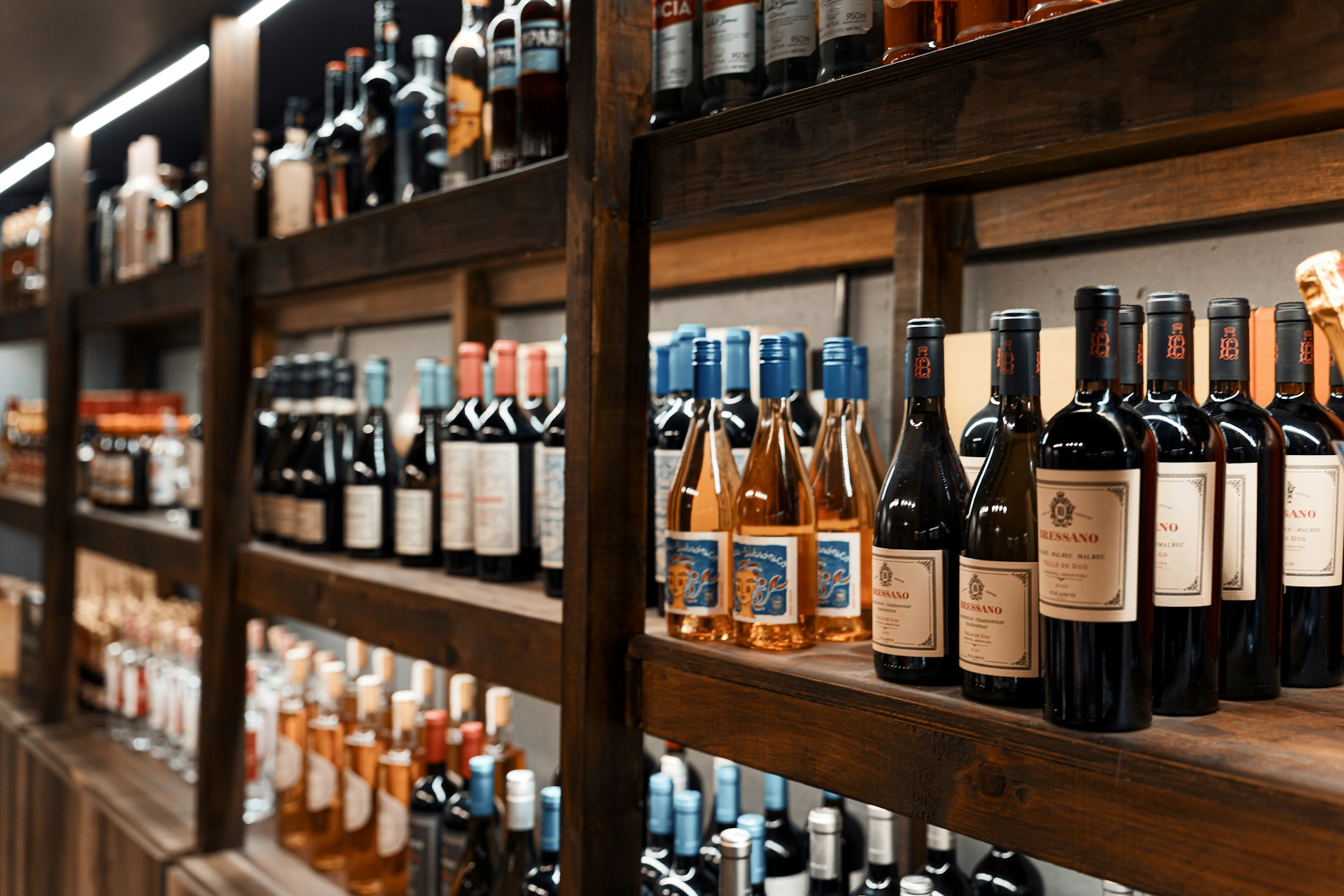
Top Wine & Gastronomy Adventures in Argentina 2025-26
Picture yourself strolling through sun-drenched vineyards at the foot of the snow-capped Andes, a glass of velvety Malbec in hand, as the aroma of sizzling asado wafts from a nearby parrilla. This is the essence of Argentine wine 2025-26, where the world’s passion for bold reds meets the heartwarming traditions of gaucho cuisine. Argentina, the fifth-largest wine producer globally, continues to captivate foodies and oenophiles with its diverse terroirs and evolving gastronomic scene. As we approach the 2025-26 season, expect enhanced sustainable practices, innovative pairings, and a surge in experiential tours that blend luxury with authenticity.
From the Malbec heartland of Mendoza to the vibrant steak houses Buenos Aires offers, this guide uncovers the top wine routes, gastronomy tours Mendoza, and culinary festivals Argentina hosts. Whether you’re craving Malbec tastings amid Andean vistas or seeking vegetarian Argentine dishes that honor local flavors, there’s something for every palate. Empanadas Argentina, fresh from wood-fired ovens, and classic asado recipes passed down generations add layers to this flavorful journey. With vineyard stays providing serene escapes and top restaurants Argentina elevating simple ingredients to art, your trip promises not just meals, but memories. Let’s uncork the possibilities and savor what makes Argentina’s food and wine scene unmissable.
In 2025-26, Argentine wine 2025-26 trends lean toward high-altitude “mountain wines” from the Uco Valley, where cooler nights yield complex, terroir-driven bottles. Meanwhile, gastronomy evolves with a nod to sustainability—think farm-to-table asados using grass-fed beef from regenerative ranches. Buenos Aires pulses as a culinary hub, while Mendoza remains the epicenter for immersive experiences. Ready to raise a toast? Dive into the routes, recipes, and revelations that define this golden era of Argentine indulgence.
Traversing Argentina’s Premier Wine Routes
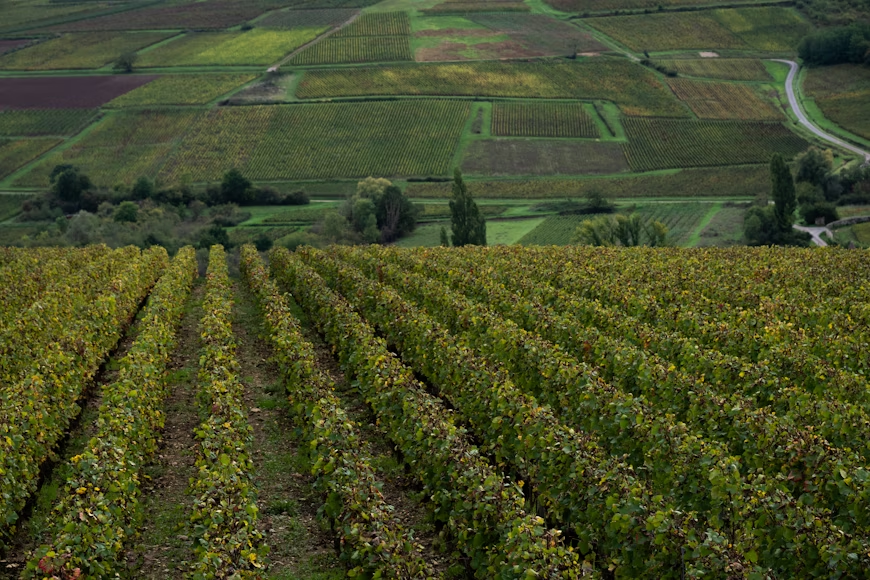
Argentina’s wine routes stretch over 2,000 kilometers, weaving through provinces that showcase everything from high-desert Torrontés to Patagonian Pinot Noirs. The crown jewel is Mendoza’s Ruta del Vino, a circuit of over 1,000 bodegas in Luján de Cuyo and Maipú, where Malbec reigns supreme. In 2025-26, this route gains buzz with new electric bike tours and AI-guided apps highlighting sustainable vineyards.
Head to the Uco Valley for a dramatic ascent: at elevations up to 1,500 meters, wineries like Salentein and Andeluna produce elegant, mineral-laced wines. A full-day self-drive itinerary might start at Bodega Tierras Altas for a panoramic tasting, then snake through olive groves to Zorzal Wines, known for organic expressions. Expect to cover 50 kilometers, stopping for picnics amid vine rows heavy with fruit. For northern flair, detour to Salta’s Calchaquí Valleys, where amphitheater-like landscapes cradle Torrontés vines. Cafayate’s Ruta Nacional 68 offers 20-plus stops, blending wine with adobe architecture and quinoa fields.
San Juan’s Tulum Valley emerges as a 2025 dark horse, with its focus on bold Syrahs and family-run estates like Graffigna. Patagonia rounds out the adventure: Neuquén’s almond-shaped lakes frame Pinot-focused producers like Bodega del Fin del Mundo. These routes aren’t just drives—they’re narratives of resilience, from Andean irrigation canals to wind-swept Patagonian soils. Book multi-region passes for discounts, and pair with gastronomy tours Mendoza for seamless transitions. With climate-resilient varietals on the rise, 2025-26 promises vintages that capture Argentina’s spirit.
Savoring Malbec Tastings: The Soul of Argentine Wine
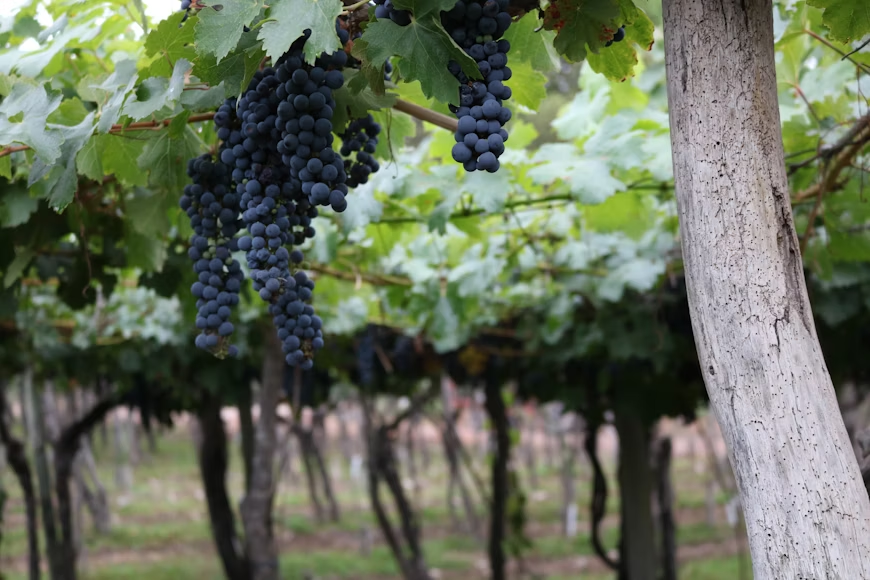
No visit skips Malbec tastings, the grape that put Argentina on the map. Planted here since the 1850s, Malbec thrives in Mendoza’s sun-soaked days and chilly nights, yielding plummy, violet-scented wines with grippy tannins. In 2025-26, tastings evolve beyond barrels: interactive sessions at Catena Zapata’s pyramid-inspired bodega let you blend your own cuvée, guided by sommeliers unpacking terroir notes.
Start in Luján de Cuyo at Bodega Norton, where underground cellars host vertical tastings of vintages back to 1895. For $50, sample five flights paired with charcuterie, learning how altitude shapes acidity. Uco Valley’s Clos de los Siete consortium—seven estates sharing vines—offers comparative tastings that highlight microclimates: Bodega Monteviejo’s floral notes versus Salentein’s structured power. High-altitude gems like Gualtallary (1,300 meters) deliver ethereal Malbecs; try Atamisque’s amphora-aged release for a funky twist.
In Salta, Malbec plays second to Torrontés, but El Esteco’s high-plains versions surprise with blackberry and herb layers. Patagonia adds cool-climate finesse: Bodega Noemía’s river-influenced Malbecs sip like silk. Trends for 2025-26 include amphora fermentation and orange wines, with producers like Zuccardi Valle de Uco leading the charge. Book ahead—small-group tastings (8-12 people) ensure intimacy. Pro tip: Visit during harvest (February-March) for hands-on grape stomping, turning tasting into tradition.
Immersive Gastronomy Tours in Mendoza
Gastronomy tours Mendoza fuse wine with cuisine, transforming valleys into edible landscapes. These half- or full-day escapades, often private, hit three to five bodegas while weaving in cooking demos and markets. A standout is the Francis Mallmann-inspired tour in Uco Valley: forage for wild herbs, then grill Patagonian lamb over open flames at Andeluna Cellars. Priced at $200 per person, it includes transport and a sommelier-matched lunch.
For urban flair, Mendoza city’s Secret Food Tours roam plazas, sampling locro stew and alfajores before a bodega finale. Bike tours through Maipú’s olive and walnut orchards culminate in empanada-making classes at La Rural fairgrounds—perfect for families. Luxury seekers opt for Argentina4u’s Uco Valley gourmet: a private chef preps regional dishes like humita en chala (corn tamales) amid vineyard views.
In 2025-26, tours emphasize zero-waste: Bodega Renacer’s permaculture farm yields ingredients for farm-to-fork pairings. Expect vegan adaptations and carbon-offset shuttles. These experiences aren’t rushed; linger over conversations with winemakers, who share tales of immigrant roots. Whether pedaling or chauffeured, gastronomy tours Mendoza distill Argentina’s bounty into unforgettable bites.
Mastering Asado Recipes: The Art of Argentine Barbecue
Asado, Argentina’s Sunday ritual, elevates beef to poetry—slow-grilled over quebracho wood for smoky depth. In 2025-26, asado recipes trend toward inclusivity, with plant-based marinades and global fusions. At home, start with vacio (flank steak): marinate in chimichurri (parsley, garlic, oregano, vinegar, oil) overnight, then sear indirectly for two hours per side. Serve sliced thin with provoleta (grilled provolone) and chimichurri drizzle.
For authenticity, join a parrilla class at Don Julio in Buenos Aires: learn to layer cuts—chorizo first, then morcilla (blood sausage), finishing with bife de chorizo (sirloin). Pair with Malbec; the tannins cut the fat. Vegetarian twists? Grill eggplant “steaks” brushed with miso-chimichurri or portobello caps stuffed with quinoa. Sides shine: ensalada criolla (tomatoes, onions, bell peppers) and papas a la provenzal (potatoes in garlicky butter).
Festivals amplify the vibe—Mendoza’s Vendimia features asado marathons. Master this, and you’ve unlocked Argentina’s social soul: gatherings where stories flow as freely as wine.
Delightful Empanadas and Iconic Argentine Bites
Empanadas Argentina embody versatility—flaky pastries stuffed with history. Baked in Salta’s adobe ovens or fried in Buenos Aires, fillings range from spiced beef (picante) to cheese-onion (queso y cebolla). In 2025-26, fusion empanadas pop up: beetroot-goat cheese or kimchi-mushroom at trendy spots.
Bake your own: Sauté onions, ground beef, olives, raisins, and cumin; enclose in dough, brush with egg, and oven at 400°F for 20 minutes. Regional twists? Tucumán’s corn-squash (humita) or Patagonia’s crab. Pair with Torrontés for crisp contrast. Beyond empanadas, explore milanesa napolitana (breaded cutlet topped with tomato, ham, cheese) or dulce de leche-filled facturas. These bites, street-side or sit-down, capture Argentina’s comforting core.
Premier Steak Houses in Buenos Aires
Steak houses Buenos Aires are temples of carnivory, where grass-fed pampas beef meets old-world charm. Don Julio, a perennial favorite, dry-ages T-bone for 45 days, serving it with bone marrow and Malbec reductions—$80 for two. La Cabrera dazzles with theatrical presentations: whole short ribs carved tableside, accompanied by truffle fries.

For intimacy, La Cabrera’s Palermo outpost offers wagyu asado. Elena at Four Seasons innovates with Uruguayan imports and veggie sides like grilled octopus. In 2025, expect omakase-style menus at Parilla Don Julio, blending Japanese techniques. Reservations essential; arrive hungry—these houses redefine indulgence.
Embracing Vegetarian Argentine Dishes
Vegetarian Argentine dishes challenge the meat myth, drawing from indigenous roots. Provoleta—seared provolone with oregano—melts into bliss; grill two minutes per side. Humita, creamy corn stew wrapped in husks, simmers with basil and cheese. In 2025-26 trends, plant-based asados rise: lentil chorizos and jackfruit vacio, fueled by inflation and eco-awareness.
Tortilla de papa (potato omelet) and fugazzeta (onion-cheese pizza) satisfy heartily. Mendoza’s locavore scene shines: El Mercadito’s quinoa salads with Andean herbs. These dishes prove Argentina’s cuisine adapts, honoring veggies without sacrifice.
Luxurious Vineyard Stays for Ultimate Relaxation
Vineyard stays immerse you in serenity. The Vines Resort & Spa in Uco Valley offers casitas amid 1,500 acres, with private pools and on-site blending sessions—rates from $600/night. Casa de Uco, a Relais & Châteaux gem, pairs yoga with dawn tastings; suites overlook Andes, spa uses grape-seed scrubs.
Entre Cielos in Vistalba fuses wellness: aerial cable car to treetop dining. In 2025-26, Salta’s Patios de la Laguna adds glamping pods by Torrontés vines. These retreats blend luxury with learning—wake to vineyard mists, dine under stars.
Culinary Festivals Argentina: Feasts to Savor in 2025-26
Culinary festivals Argentina ignite senses. Mendoza’s Vendimia (March 2025) blends harvest parades, asado feasts, and wine auctions—tickets $100 for grandstand views. Buenos Aires’ Feria Masticar (May) showcases 100 vendors: empanada contests, chef demos.
Salta’s Fiesta de la Torrontés (September) pairs whites with locro. Patagonia’s Fiesta Nacional del Chivito (March 2026) grills goat amid Patagonian lamb. These events, with music and markets, celebrate community—book early for VIP tastings.
Planning Your Wine and Gastronomy Escape for 2025-26
Fly into Buenos Aires or Mendoza; internal flights connect regions. Best time: March-May or September-November for mild weather, fewer crowds. Budget $250-500 daily, including tours. Pack layers, reusable bottles. Visas easy; health checks minimal. Opt for small groups for personalization.
Conclusion
Argentina’s wine and gastronomy in 2025-26 weave a tapestry of flavors—from Malbec’s depth to asado’s warmth. These adventures nourish body and soul, inviting mindful indulgence. Book now; let Argentina’s bounty redefine your palate.
Frequently Asked Questions (FAQs)
What are the best wine routes in Argentina for 2025-26?
Mendoza’s Uco Valley and Salta’s Calchaquí Valleys top lists for diverse terroirs and tastings.
How can I enjoy Malbec tastings on a budget?
Opt for self-guided routes in Maipú or group tours at $50, focusing on family bodegas.
What makes gastronomy tours Mendoza unique?
They combine wine, cooking classes, and farm visits for holistic experiences.
Are there good vegetarian options in Argentine cuisine?
Yes, provoleta, humita, and modern plant-based asados abound.
Which steak houses Buenos Aires should I visit?
Don Julio and La Cabrera for authentic, high-quality parrilla.
When are key culinary festivals Argentina in 2025-26?
Vendimia in March 2025, Masticar in May, and Torrontés in September.
Related Posts