
Vietnam Travel Guide for First‑Time Visitors: Where to Go, Costs and Essential Tips
Vietnam represents one of Southeast Asia’s most captivating destinations for first-time visitors, offering an extraordinary blend of natural beauty, cultural richness, historical significance, and unbeatable affordability that transforms backpacker dreams into reality. Planning a successful Vietnam travel guide experience requires understanding the country’s geographic diversity, realistic cost expectations, essential travel logistics, and cultural nuances that distinguish Vietnam from other popular Southeast Asian destinations. Whether you’re seeking adventure through tropical jungles, cultural immersion in ancient towns, culinary exploration of world-class street food, or budget-friendly island experiences, this comprehensive Vietnam travel guide provides everything necessary for crafting an unforgettable first visit. From visa requirements and daily budget breakdowns to strategic destination routing and practical safety advice, this guide covers the essential travel tips for Vietnam that transform anxious first-time travelers into confident explorers. Understanding where to go, realistic costs for various travel styles, necessary travel to Vietnam logistics, and proven Vietnam travel tips ensures your travel in Vietnam experience exceeds expectations while staying within your budget and comfort zone.
Understanding Vietnam’s Appeal and Geography
Vietnam stretches nearly 1,000 miles north to south, creating dramatically different regional experiences within a single country—a fundamental concept in any solid Vietnam travel guide. The north features dramatic limestone karsts, rice paddies, ethnic minority hill tribes, and the vibrant capital Hanoi. Central Vietnam preserves ancient heritage sites, charming lantern-lit towns, and transitional beach destinations. Southern Vietnam encompasses bustling Ho Chi Minh City, the Mekong Delta’s floating markets, and tropical island escapes. This geographic diversity means travel in Vietnam rarely feels repetitive—each region offers distinct experiences, landscapes, and cultural flavors. Most Vietnam travel guide recommendations suggest spending 10-14 days to adequately experience multiple regions, though shorter trips focusing on one or two regions work well for time-constrained travelers. The key to successful visiting Vietnam involves strategic routing that minimizes backtracking while maximizing region-specific experiences unique to Vietnam’s north-south orientation.
Where to Go: Regional Breakdown for Your Vietnam Travel Guide
Northern Vietnam: Mountains, Karsts, and Heritage
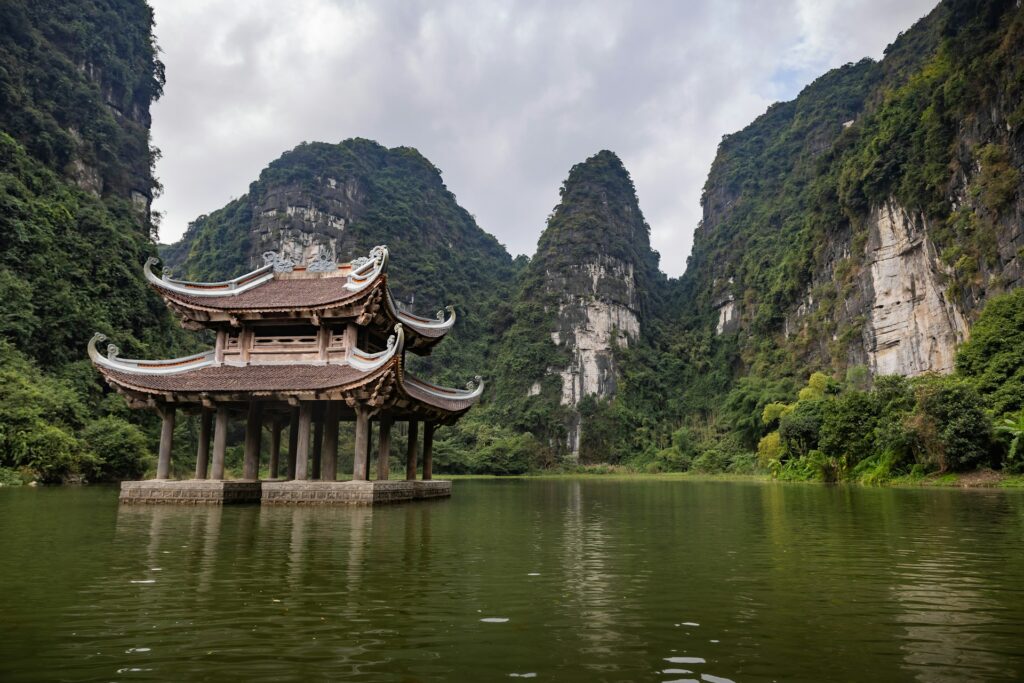
Hanoi, Vietnam’s ancient capital, serves as the logical starting point for most Vietnam travel guide itineraries, offering Old Quarter wandering, cultural museums, and access to multiple northern excursions. From Hanoi, travelers exploring travel to Vietnam itineraries typically visit Ha Long Bay (UNESCO World Heritage limestone karsts reached via 4-hour drive) or Ninh Binh (alternative karst scenery with less tourism infrastructure and more authentic atmosphere). Sapa, a mountainous northern town, attracts hikers seeking ethnic minority villages, terraced rice fields, and cooler climates contrasting sharply with Vietnam’s lowland humidity. For first-timers, Northern Vietnam provides the cultural shock and stunning natural beauty making Vietnam travel tips emphasize this region as essential to any comprehensive travel in Vietnam experience. The north represents Vietnam’s historical heart, where traditional practices persist more visibly than in rapidly modernizing southern regions.
Central Vietnam: Heritage, Beaches, and Culinary Excellence
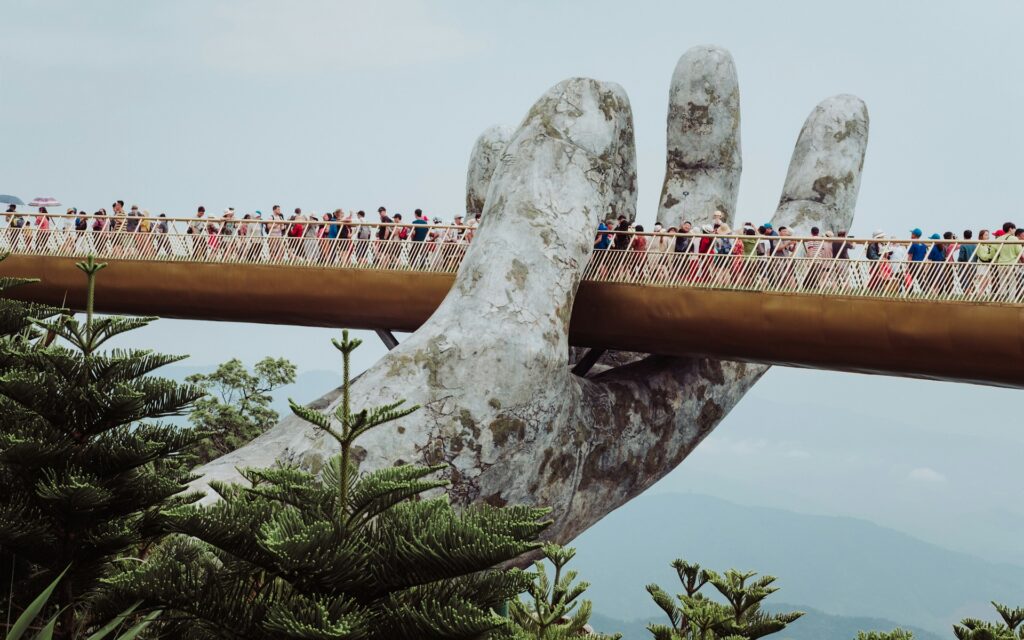
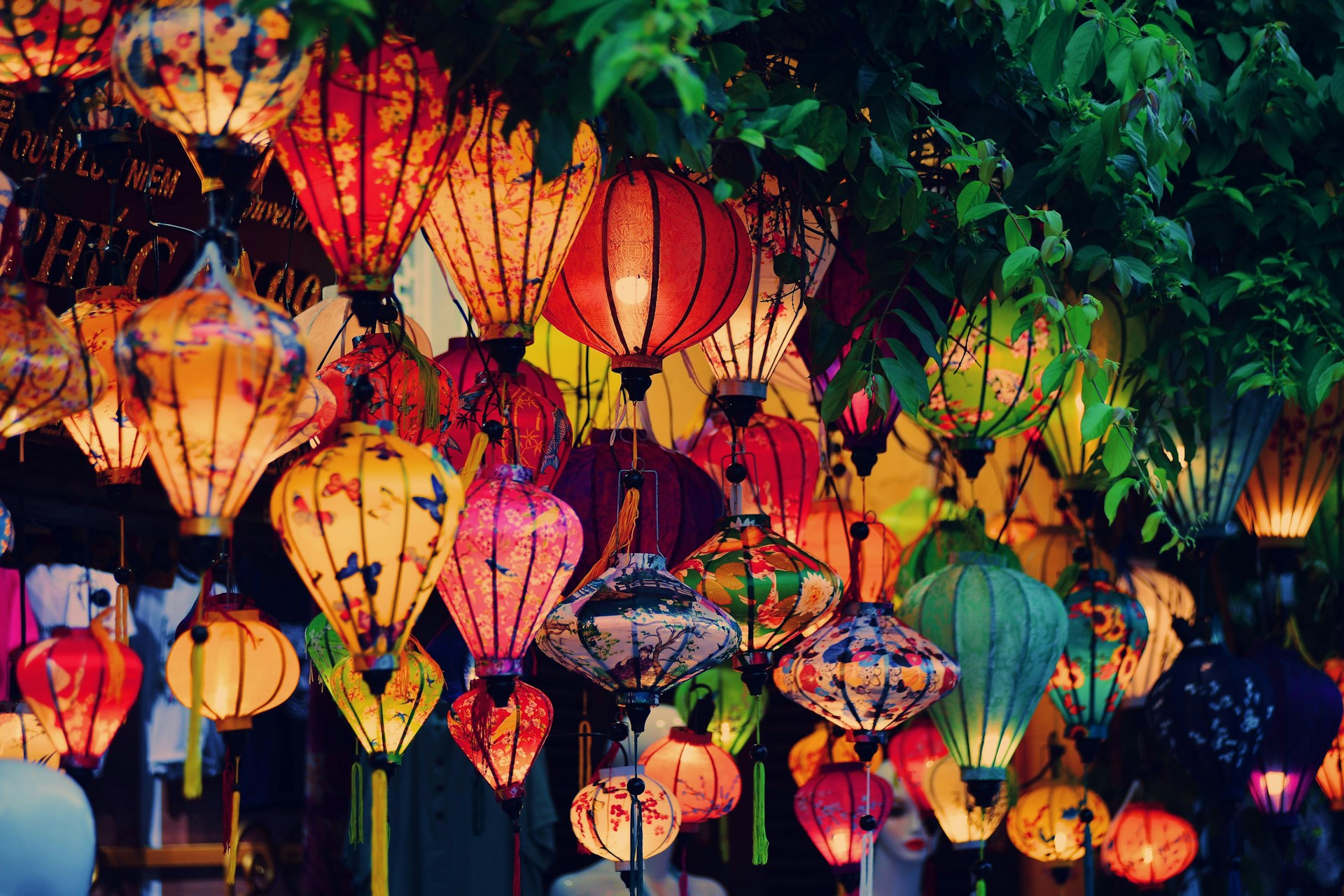
Central Vietnam balances cultural heritage with coastal relaxation, making it a favorite section of most Vietnam travel guide itineraries. Hue, the imperial capital, preserves royal tombs, citadels, and ceremonial sites representing Vietnam’s feudal history. Hoi An enchants visitors with its perfectly preserved merchant town, lantern-lit Ancient Town, and proximity to excellent tailoring opportunities. Da Nang offers modern city infrastructure, nearby My Khe Beach, and the dramatic Hai Van Pass providing scenic viewpoints. Nha Trang adds beach resort amenities and water activities. This region exemplifies why experienced Vietnam travel tips recommend allocating 4-5 days to central Vietnam—the combination of culture, beaches, food, and infrastructure variety provides balanced experiences unattainable elsewhere in the country. Traveling to Vietnam without experiencing central Vietnam misses a crucial element of the nation’s diverse character.
Southern Vietnam: Modern Megacity and Delta Experiences
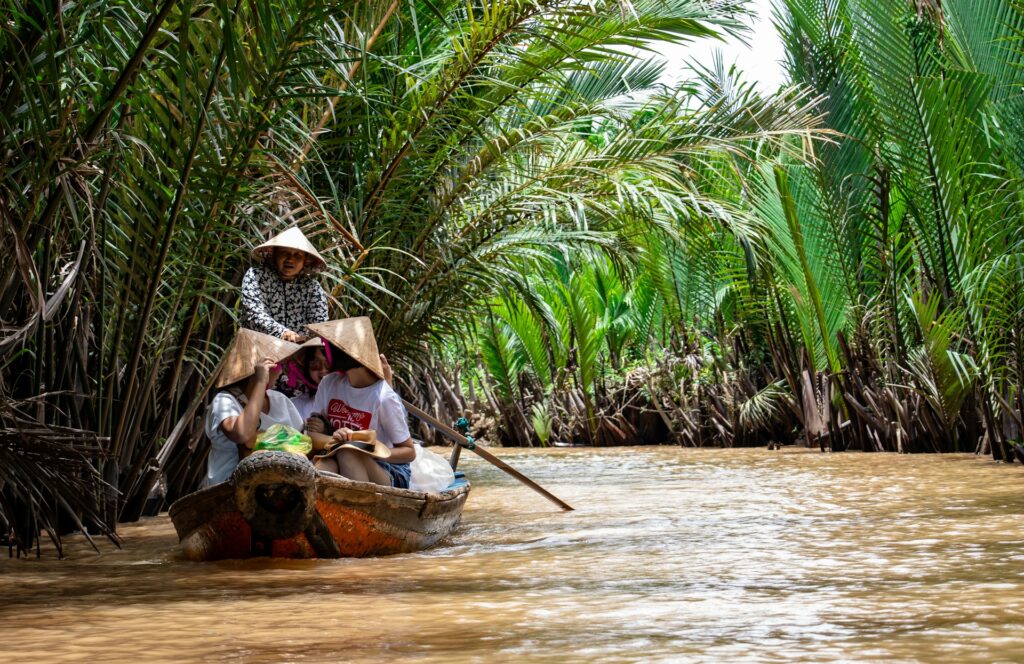
Ho Chi Minh City (formerly Saigon) represents Vietnam’s economic engine, pulsing with energy, rooftop bars, war history, and gastronomic innovation that distinguishes southern experiences from historical northern and central zones. From HCMC, travelers visiting Vietnam typically add day trips to Cu Chi Tunnels (war-era underground network), the Mekong Delta (floating markets, fruit orchards, riverside homestays), or nearby island escapes like Phu Quoc. The southern region offers urban sophistication, modern infrastructure, and contemporary Vietnam contrasting with tradition-focused northern zones. This Vietnam travel guide region suits travelers seeking nightlife, contemporary dining, historical war sites, and tropical island experiences unavailable elsewhere. The south represents where Vietnam looks toward the future while maintaining cultural roots—a balance exemplifying modern Southeast Asian development.
Realistic Costs: Breaking Down Vietnam Travel Expenses
Budget Travel in Vietnam
Vietnam’s reputation as Southeast Asia’s budget destination stems from reality—first-time travelers traveling to Vietnam discover daily costs significantly lower than neighboring Thailand or Cambodia. Budget travelers embracing hostel dorms, street food, and local transportation consistently report daily expenses of $25-40 USD including accommodation, meals, transport, and attractions. Hostel dorms cost $5-12 USD nightly, street food meals range $0.50-2 USD, and bus tickets between cities cost $5-15 USD. This Vietnam travel guide budget makes extended travel accessible to backpackers and students. The most important Vietnam travel tips for budget travelers involve embracing local transportation (buses preferred over trains/flights), eating where locals congregate, and prioritizing free attractions (temples, city wandering, beach time). Understanding this exceptional budget value transforms travel in Vietnam from intimidating to empowering for cost-conscious explorers.
Mid-Range Travel in Vietnam
Mid-range travelers seeking private rooms, diverse dining, organized tours, and comfort without luxury typically budget $60-100 USD daily while visiting Vietnam. This category accommodates 2-3 star hotels ($30-50 USD nightly), meal combinations of street food and restaurants ($15-25 USD daily), domestic flights ($40-80 USD per segment), and paid activities/tours ($30-60 USD). This Vietnam travel guide budget level enables leisurely exploration without constant financial anxiety—travelers can enjoy nice meals, skip exhausting buses by flying between regions, and participate in organized activities without budgeting stress. Most first-time travelers discover mid-range budgeting offers optimal balance between experience quality and value, making these travel tips for Vietnam most universally applicable for general visitor planning.
Luxury Travel in Vietnam
Luxury travelers spending $150-300+ USD daily while travel to Vietnam access boutique hotels, fine dining, private guides, and premium experiences like luxury Ha Long Bay cruises. This tier accommodates 4-5 star properties ($100-250+ USD nightly), upscale dining ($30-80 USD per meal), private transportation, and premium tour options. While Vietnam remains comparatively affordable at luxury levels, travel in Vietnam at this budget requires deliberate selection since exceptional mid-range options provide superior value than premium ones. The most important luxury Vietnam travel tips emphasize identifying where premium pricing adds genuine value (certain temples, specific guides, particular meals) versus where it merely inflates costs unnecessarily.
Essential Travel Logistics for Your Vietnam Journey
Visas and Documents
Understanding visa requirements represents perhaps the most critical preliminary Vietnam travel tips—visa regulations impact entry costs and planning timelines significantly. Most nationalities qualify for 90-day visa exemptions (vary by citizenship), can obtain e-visas online ($25-30 USD processed in 2-3 business days), or arrange visas on arrival (riskier but occasionally more affordable). Excellent travel tips for Vietnam emphasize verifying current regulations on official Vietnamese government websites 2-3 months before travel, as policies change periodically. Travel insurance, while not mandated, provides crucial protection for medical emergencies and trip cancellations—highly recommended Vietnam travel guide practice. Valid passports (at least 6-month validity beyond intended departure) remain non-negotiable documentation for traveling to Vietnam.
Health and Vaccinations
While Vietnam doesn’t legally mandate vaccinations, consulting travel medicine clinics 4-6 weeks before departure remains essential Vietnam travel tips. Common recommendations include Japanese encephalitis, typhoid, and hepatitis A/B vaccinations depending on itinerary and medical history. Malaria prophylaxis typically applies only to rare northern mountain regions below 1,000 meters, but individual risk assessment proves important. Tap water safety represents crucial travel in Vietnam logistics—avoid tap water entirely, purchasing bottled water and brushing teeth with bottled water. Stomach issues result primarily from unfamiliar bacteria rather than food quality—eating at busy establishments with visible food turnover dramatically reduces illness risk. Travel insurance covering medical evacuation proves invaluable for serious emergencies when visiting Vietnam.
Currency and Money Management
The Vietnamese Dong (VND) trades at approximately 24,000-25,000 per USD (rates fluctuate), making Vietnam expenses feel affordable when converted to home currency. ATMs are widely available in cities and towns—Visa/Mastercard withdrawals incur modest fees ($2-4 USD) but provide favorable exchange rates compared to airport currency exchange. Credit cards see acceptance increasing but remain less universal than cash—major restaurants, hotels, and shops accept cards, but temples, small eateries, and rural areas require cash. Practical Vietnam travel tips recommend carrying a mix of cash and credit cards, withdrawing moderate amounts regularly rather than large lump sums, and keeping backup cards in separate locations. This travel tips for Vietnam approach prevents catastrophic loss if wallet is misplaced while maintaining spending flexibility throughout your travel to Vietnam experience.
Safety Considerations and Practical Precautions
General Safety Overview
Vietnam is generally considered safe for tourists—violent crime against visitors is rare, and most travelers navigate the country without serious incidents. However, practical Vietnam travel guide safety awareness prevents problems. Petty theft in crowded areas (particularly Hanoi and HCMC) includes bag snatching from motorbikes and pickpocketing on buses—keep valuables secure and use day packs rather than vulnerable shoulder bags. Avoid traveling alone at night, stick to well-lit areas, and trust instincts about uncomfortable situations. These fundamental travel tips for Vietnam apply standard urban caution that veterans of any major city practice instinctively.
Traffic and Transportation Safety
Vietnam’s chaotic traffic represents the single biggest shock for first-time visiting Vietnam—motorbikes weave through minimal lane organization, creating controlled chaos confusing Western drivers. Critical Vietnam travel tips emphasize never underestimating traffic danger—cross streets slowly and steadily (allowing drivers to predict movement), avoid wandering into traffic while distracted, and utilize crosswalks when available. Taxis and ride-sharing apps (Grab) prove safer than walking unfamiliar nighttime streets. Helmet use on motorcycles is legally required and genuinely life-saving—never travel without helmets even short distances. This travel in Vietnam reality humbles many first-timers but becomes manageable with awareness and respect for traffic chaos.
Food Safety and Eating Strategies
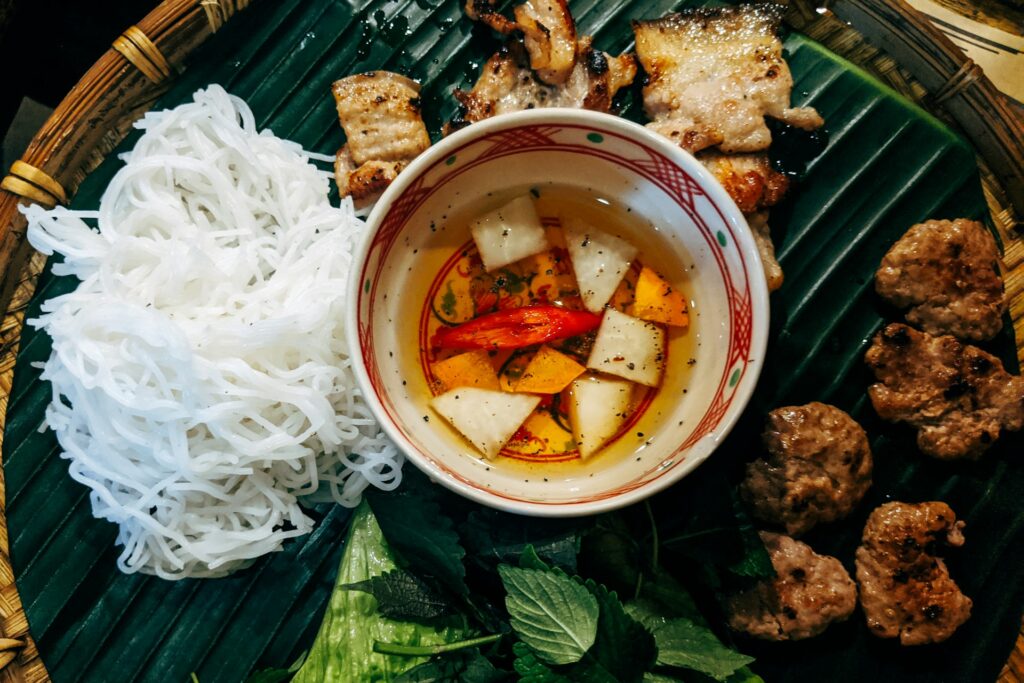
Street food is legendary in Vietnam and genuinely safe when consumed at busy stalls with fast turnover—high customer volume ensures food freshness and proper preparation. Excellent Vietnam travel tips emphasize eating where locals congregate rather than avoiding street food entirely. Cooked dishes are safer than raw preparations for unaccustomed stomachs. Avoid ice made from tap water (reputable restaurants use filtered/bottled water for ice, but small establishments sometimes don’t). Peel fruits yourself when possible or accept pre-peeled options from reputable vendors. These straightforward travel tips for Vietnam prevent most food-related illness without sacrificing the authentic street food experience that defines Vietnamese travel.
Cultural Etiquette and Practical Tips
Religious and Sacred Site Respect
Vietnam’s diverse religions—Buddhism, Taoism, Catholicism, and indigenous traditions—mean sacred sites appear throughout the country. Essential Vietnam travel guide etiquette includes removing shoes before entering temples and homes, dressing modestly (shoulders and knees covered) in religious spaces, and refraining from photography in certain areas. Never disrespect Buddha images or statues—sitting with feet pointing at Buddha statues offends locals. Monks receive particular respect in Buddhist communities—avoid eye contact, don’t touch them, and don’t photograph without permission. These travel tips for Vietnam cost nothing but prevent disrespecting the spiritual foundation of Vietnamese culture, enabling more authentic interactions and meaningful temple experiences when traveling to Vietnam.
General Interaction Norms
Vietnamese communication values harmony and face-saving—direct criticism, visible anger, or raised voices create discomfort even when necessary discussions occur. Practical Vietnam travel tips emphasize calm, polite communication even when frustrated. Smiling facilitates interaction significantly—it costs nothing and opens numerous doors when visiting Vietnam. Learning basic Vietnamese phrases (“xin chào” – hello, “cảm ơn” – thank you, “bao nhiêu tiền?” – how much?) demonstrates respect and generates warm responses from locals. Gift-giving isn’t expected but brings joy—small items from your home country make memorable tokens. These travel tips for Vietnam transform interactions from transactional tourist encounters into genuine human connections enriching your travel in Vietnam experience.
Suggested Itineraries for First-Time Visitors
The 10-Day Classic Route
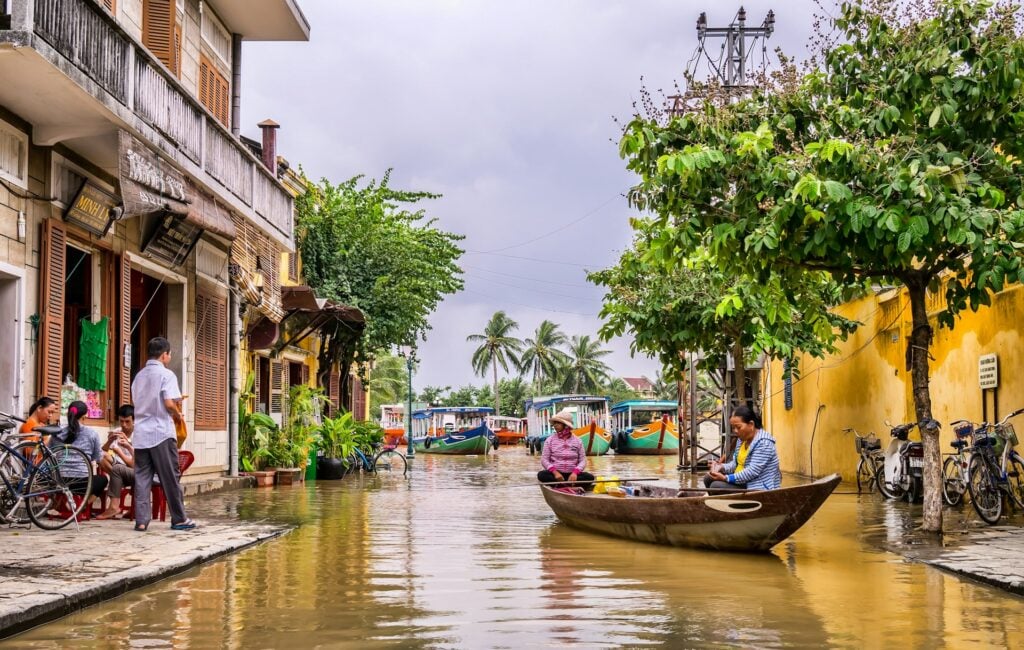
A popular 10-day Vietnam travel guide itinerary includes 3-4 days in Hanoi, 2 days Ha Long Bay or Ninh Binh, 3-4 days central Vietnam (Hoi An recommended), and 2-3 days in HCMC or beach areas. This travel to Vietnam routing balances northern cultural immersion, natural wonders, heritage sites, and modern urban experience while minimizing excessive travel. Overnight buses or domestic flights efficiently transition between regions—buses save money while flights preserve energy and time. This Vietnam travel guide timeline accommodates most first-timers without extreme rushing or excessive stationary time.
The 14-Day Comprehensive Route
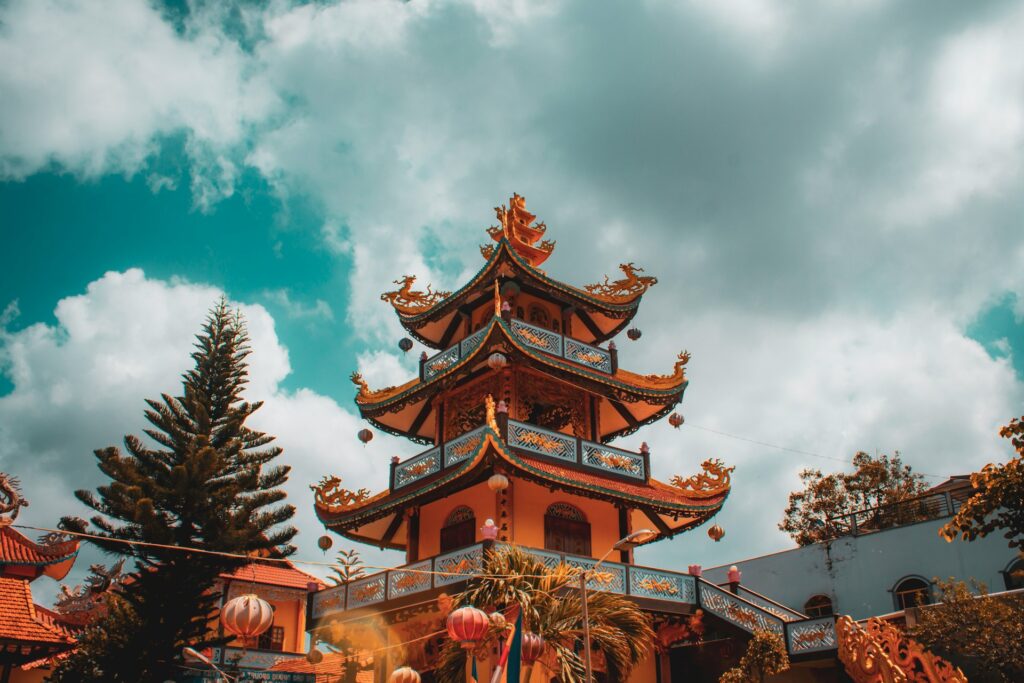
Extended travel in Vietnam itineraries allocate 14+ days allowing deeper regional exploration. This might include Hanoi (3 days), northern mountain experience like Sapa (2-3 days), Ha Long Bay cruise (2-3 days), Central Vietnam (4-5 days across Hue/Hoi An/Da Nang), HCMC (2-3 days), and Mekong Delta (1-2 days). This Vietnam travel guide timeline enables relaxed pacing, spontaneous detours, and deeper cultural engagement than rushed shorter visits. Extended travel tips for Vietnam emphasize slower travel revealing communities and experiences unavailable to racing itineraries—one of the most valuable lessons experienced visiting Vietnam travelers share.
The 7-Day Quick Escape
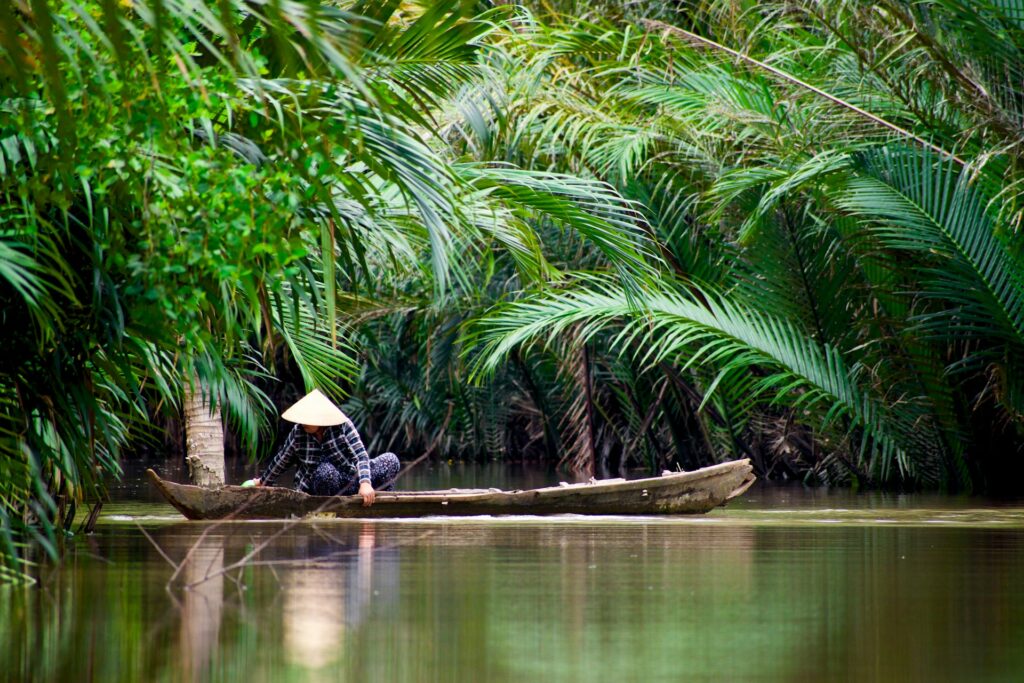
Time-constrained travelers traveling to Vietnam on 7-day budgets might concentrate on either north (Hanoi + Ha Long Bay + Sapa) or south (HCMC + Mekong Delta + beach town). While rapid, this Vietnam travel guide approach provides meaningful experiences without attempting comprehensive coverage. Strategic choices about which region aligns with personal interests—mountains and culture versus delta and beaches—maximize satisfaction within compressed timelines. Even brief travel in Vietnam journeys spark desires for longer return visits, making “quick” first trips valuable stepping stones toward deeper future exploration.
Practical First-Timer Tips for Vietnam Travel
Getting Around: Transportation Options
Vietnam’s transportation infrastructure offers multiple options for visiting Vietnam travelers. Overnight buses connect major cities affordably ($10-30 USD) but sacrifice sleep quality and comfort. Domestic flights offer speed and comfort ($40-100 USD), particularly valuable for north-south transitions or time-conscious travelers. Trains provide nostalgic charm and reasonable pricing but run slower than alternatives. Ride-sharing apps (Grab) function in major cities, providing safe, affordable local transport. This Vietnam travel guide transportation variety enables personalizing travel to Vietnam logistics based on budget, schedule, and comfort priorities.
Communication and Language
English proficiency in Vietnam varies dramatically by region and age—younger Vietnamese in tourist areas often speak English, while older residents and rural populations rarely do. Download translation apps (Google Translate, Duolingo) enabling basic communication. Learning simple Vietnamese phrases demonstrates respect and generates goodwill exponentially. These travel tips for Vietnam transform communication from potential friction point into opportunity for connection and cultural appreciation.
Technology and Connectivity
SIM cards are exceptionally affordable in Vietnam—purchase local SIM cards with data plans ($2-5 USD monthly) immediately upon arrival at airports, enabling navigation, translation, and communication throughout your travel in Vietnam journey. WiFi availability in accommodations and restaurants is reliable in urban areas. Essential Vietnam travel tips include downloading offline maps of major cities before arrival, enabling navigation during connectivity gaps in rural regions or caves.
Expert Support for Your Vietnam Adventure
Crafting an optimal Vietnam travel guide experience accounting for your specific interests, schedule, and budget can feel overwhelming given Vietnam’s diverse offerings and competing prioritization decisions. Acqua Travel specializes in designing bespoke Vietnam itineraries integrating iconic attractions with hidden gems, managing logistics seamlessly, arranging authentic dining experiences, and providing real-time support throughout your journey. Rather than spending hours researching contradictory online guides, let our Vietnam specialists create your perfect travel in Vietnam experience. Our guides provide cultural coaching before arrival, insider access to local communities and experiences unavailable to independent travelers, photography guidance capturing Vietnam’s essence authentically, and strategic itinerary planning maximizing value within your timeframe. Book your personalized Vietnam travel guide itinerary with Acqua Travel and experience Southeast Asia’s most rewarding destination as it deserves to be experienced!
Final Wisdom for Your Vietnam Journey
Vietnam rewards first-time visitors with extraordinary experiences, genuine hospitality, excellent value, and landscapes ranging from misty mountains to tropical islands to urban energy that rivals global megacities. This comprehensive Vietnam travel guide provides frameworks and travel tips for Vietnam, but your most meaningful moments likely emerge from spontaneous interactions, discoveries off suggested routes, and embracing the controlled chaos that defines travel in Vietnam. Armed with realistic budgets, strategic routing, practical logistics knowledge, and cultural awareness, you’re ready for an unforgettable first traveling to Vietnam experience. The country’s remarkable affordability, warmth, and diversity make it ideal for first-time Southeast Asian explorers—book your tickets, commit to the adventure, and prepare for an experience that will inspire you toward deeper travel engagement. Vietnam awaits your arrival with open arms and world-class pho.
Related Posts