

What Is the Best Time to Visit China? Weather, Crowds, Air Quality and the Worst Weeks to Avoid
When planning for the best time to visit China, you are not just choosing between seasons—you are navigating a vast country with dramatically different climates, navigating peak tourist periods that can make or break your experience, and considering air quality issues that vary significantly by city and season. Getting your timing right transforms a China trip from overwhelming chaos into a smooth, memorable adventure.
China spans five climate zones from tropical Hainan to frigid Harbin, meaning the ideal travel window shifts dramatically depending on your destinations. Add in China’s mass domestic tourism during Golden Week holidays when hundreds of millions of Chinese citizens travel simultaneously, and the question of when to travel to China becomes crucial for your planning.
This comprehensive guide breaks down the best time to visit China by season, identifies the absolute worst weeks to avoid, explains regional climate variations and provides insider tips to help you choose the perfect window for your China vacation, whether you are booking China travel packages or planning an independent adventure.

The Short Answer: Best Overall Times
For most first‑time visitors planning for the best time to visit China, the sweet spots are:
- Mid‑September to late October: Autumn brings comfortable temperatures, crisp blue skies, stunning fall colors and excellent air quality—especially if you avoid October 1–7 Golden Week.
- April to mid‑May: Spring offers blooming flowers, pleasant weather across most regions and manageable crowds outside the May 1–5 Labor Day holiday.
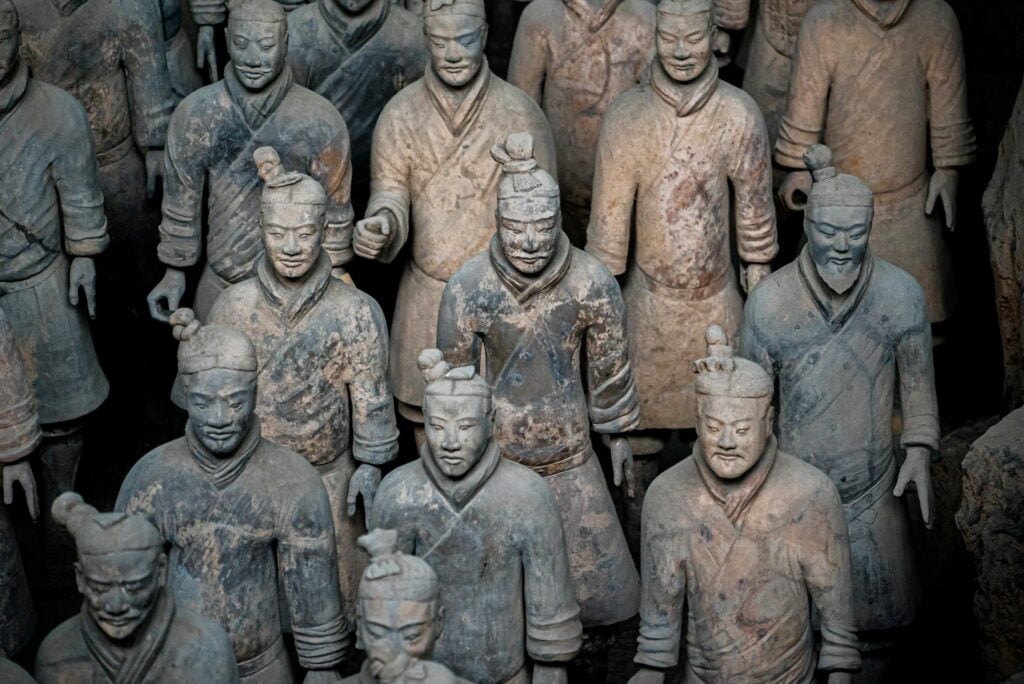
These shoulder seasons combine comfortable weather, reasonable prices and crowd levels that allow you to actually enjoy the Great Wall, Forbidden City and Terracotta Warriors without being trampled by tour groups. Most best China tours and China travel packages focus on these windows for good reason.
Spring in China: April to May
Why Spring Is One of the Best Times to Visit China
Spring ranks as one of the best times to visit China for several compelling reasons. Post‑winter temperatures warm to comfortable levels across most of the country, making outdoor sightseeing pleasant rather than punishing. Beijing averages 9–20°C (48–68°F), Shanghai reaches 11–20°C (52–68°F), and southern destinations like Guilin become lush and green.
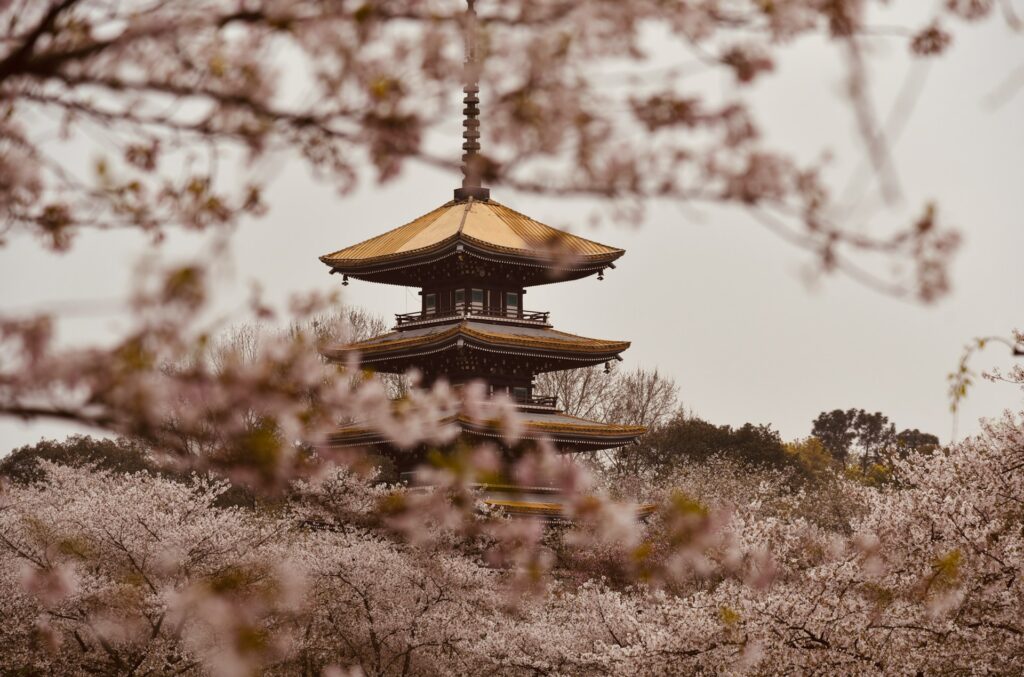
Cherry blossoms, peach blossoms and rapeseed fields paint the countryside in pastels, particularly stunning in Wuyuan (Jiangxi Province), Hangzhou’s West Lake and the gardens of Suzhou. This visual beauty makes spring ideal for photography‑focused China vacations.
Crowds remain manageable in April, before the summer rush begins and domestic tourism ramps up. Air quality improves significantly compared to winter, especially in northern cities like Beijing where coal heating stops and winds clear pollution.
Spring Weather by Region
- Northern China (Beijing, Xi’an): Pleasant days, cool nights; occasional sandstorms in March but clearing by April.
- Eastern China (Shanghai, Hangzhou): Warm and comfortable; late March through April brings cherry blossoms.
- Southern China (Guilin, Guangzhou): Warm to hot with increasing humidity; occasional rain but generally dry.
- Southwest China (Yunnan, Sichuan): Excellent weather; Kunming’s “eternal spring” lives up to its name.
Spring Drawbacks
The main caveat when considering spring as the best time to visit China is the Labor Day holiday (May 1–5), when domestic tourism surges and transportation becomes congested. Prices spike and popular sites overflow. If your China trip falls in early May, book everything well in advance or shift dates to avoid this period entirely.

Autumn in China: September to October
Why Autumn Tops Most “Best Time to Visit China” Lists
Many China travel experts consider September through October the single best time to visit China overall. Summer’s oppressive heat and humidity fade, replaced by crisp, comfortable temperatures perfect for walking the Great Wall, exploring hutongs or cycling Xi’an’s city walls.
Autumn colors transform northern China’s landscapes—the Great Wall surrounded by golden leaves, Inner Mongolia’s grasslands turning amber, Jiuzhaigou National Park’s forests exploding in reds and oranges. The sky clears to brilliant blue, especially in Beijing, making this prime time for photography.
Air quality reaches its annual best in September and October as winds disperse pollution and heating season has not yet begun. This matters enormously for anyone concerned about respiratory health or simply wanting clear skies for photos.
Regional Autumn Highlights
- Northern China (Beijing, Inner Mongolia): Crisp and dry with stunning fall foliage; peak season for the Great Wall.
- Eastern China (Shanghai, Suzhou): Comfortable temperatures; gardens and water towns look their best.
- Southern China (Guilin, Guangzhou): Still warm but less humid; October to December is ideal for Guilin’s karst landscapes.
- Southwest China (Yunnan, Sichuan): Perfect weather; Jiuzhaigou and Shangri‑La display spectacular autumn colors.
- Tibet and Western China: Late September to early October offers the last window before winter closes roads.
Autumn’s Major Caveat: Golden Week
The single worst period that disqualifies early October from being the universal best time to visit China is Golden Week (October 1–7), China’s National Day holiday. Hundreds of millions of Chinese citizens travel simultaneously, creating unprecedented chaos at every tourist site, transportation hub and hotel.
During Golden Week, expect crowds so dense you cannot move freely at the Forbidden City or Great Wall, hotel prices doubling or tripling, flights and trains fully booked months ahead, and tourist sites implementing crowd control measures. Many best China tours deliberately avoid this week, and independent travelers should too.
Solution: Visit in mid‑to‑late September or wait until October 8 onward when domestic tourists return to work and crowds dissipate almost overnight.
Summer in China: June to August
Why Summer Is Generally NOT the Best Time to Visit China
Summer rarely makes “best time to visit China” recommendations for most destinations due to extreme heat, oppressive humidity and intense domestic tourism. Beijing, Shanghai and Xi’an regularly hit 35–40°C (95–104°F) with humidity that makes outdoor sightseeing exhausting. Air conditioning helps indoors, but temple courtyards, the Great Wall and ancient streets become punishing saunas.
The Yangtze River basin experiences the “plum rain” season in June and July—persistent drizzle, suffocating humidity and occasionally severe flooding. Shanghai, Hangzhou, Suzhou and Nanjing suffer particularly during these months, making any China vacation less enjoyable.
School summer holidays (July–August) bring peak domestic tourism with families traveling en masse, further crowding major attractions and driving up prices for China travel packages.
Summer Exceptions: When Hot Weather Works
Despite the heat, summer can be the best time to visit China for specific regions:
- Tibet: June to September is the main travel window when weather permits road access and temperatures are bearable at high altitudes.
- Xinjiang and the Silk Road: Summer’s long daylight hours and warm days (with cool nights) make desert exploration feasible.
- Inner Mongolia: Grasslands bloom in July–August, and traditional Naadam festivals occur during this period.
- Northern coastal areas: Beach destinations like Qingdao and Dalian attract visitors seeking relief from inland heat.
For these specific regions, summer is not just acceptable but essential for travel to China.
Winter in China: November to February
Winter as Budget-Friendly Off‑Season
Winter is rarely cited as the best time to visit China for most itineraries, but it offers significant advantages for budget‑conscious travelers and those seeking to avoid crowds. November through February constitutes low season for most of China, meaning:
- Lowest flight prices for international and domestic routes
- Hotel rates drop 30–60% compared to spring and autumn
- Major attractions feel nearly empty, especially weekdays
- No competition for tickets or tour guide bookings
For travelers prioritizing savings and crowd avoidance over perfect weather, winter China vacations deliver excellent value.
Winter Regional Guide
- Northern China (Beijing, Xi’an, Harbin): Bitterly cold (-10 to 5°C / 14–41°F) but offers unique experiences like Harbin’s Ice Festival (January–February), the world’s largest ice and snow festival.
- Eastern China (Shanghai, Hangzhou): Cold and damp (0–10°C / 32–50°F) with poor air quality from heating pollution; not ideal but manageable with warm layers.
- Southern China (Guangzhou, Guilin, Hainan): Mild to warm (15–25°C / 59–77°F); Hainan Island becomes a domestic tourism hotspot for beach weather.
- Southwest China (Yunnan): Kunming remains comfortable year‑round; Dali and Lijiang offer mild winter weather and fewer tourists.
Winter’s Major Drawback: Chinese New Year
The worst period to travel to China in winter is Chinese New Year (Spring Festival), a week‑long holiday that shifts dates annually (late January to mid‑February). This is arguably the single worst time to attempt a China trip due to:
- The world’s largest human migration as hundreds of millions travel to ancestral homes
- Transportation completely booked; trains, flights and buses sell out weeks ahead
- Many restaurants, shops and attractions close for the holiday
- Hotel prices spike while service quality drops
- Cities either become ghost towns (Beijing, Shanghai) or impossibly crowded (smaller cities receiving returning families)
Avoid Chinese New Year week at all costs unless you specifically want to experience the festival with a Chinese host family. It does not qualify as the best time to visit China by any measure for independent tourists.
The Absolute Worst Weeks to Visit China
When researching the best time to visit China, knowing which specific weeks to avoid is just as important as identifying ideal months. These are the absolute worst periods for travel to China:
1. Chinese New Year Week (Late January or February)
Dates shift annually based on the lunar calendar. In 2026, Chinese New Year falls on February 17, with peak travel chaos from February 10–24. Avoid this entire two‑week window.
2. Labor Day Golden Week (May 1–5)
A five‑day national holiday that sees massive domestic tourism surges. Extend your avoidance to April 30 – May 6 to escape the worst crowds entering and exiting the holiday.
3. National Day Golden Week (October 1–7)
The longest and most chaotic holiday period. The entire week transforms China’s tourist sites into human gridlock. Avoid September 29 – October 8 completely.
4. August Peak Summer Heat
While not a holiday, August combines the year’s highest temperatures with school summer vacation crowds, creating miserable conditions at most China vacation destinations.
Air Quality Considerations for Your China Trip
Air quality significantly impacts which months constitute the best time to visit China, particularly for northern cities. Beijing, Tianjin, Xi’an and other industrial centers suffer from pollution that varies dramatically by season:
Best Air Quality Months
- September–October: Winds clear pollution; heating season has not started; consistently blue skies
- April–May: Spring winds disperse pollutants; coal heating has ended; generally clear conditions
Worst Air Quality Months
- November–February: Coal heating creates heavy smog; temperature inversions trap pollution; frequent “airpocalypse” events in northern cities
- March: Sandstorms from Inner Mongolia and northern deserts blow into Beijing and nearby cities
Travelers with respiratory conditions or sensitivities should prioritize spring and autumn for the best air quality during their China vacation.
Choosing the Best Time to Visit China by Region
Because China spans such vast geography, the best time to visit China depends heavily on your specific itinerary:
Classic Golden Triangle (Beijing–Xi’an–Shanghai)
Best months: April, May, September, October (avoiding holidays)
Avoid: January–February (cold), July–August (heat and humidity), all Golden Week periods
Southern China (Guilin, Guangzhou, Hong Kong)
Best months: October–December (dry, comfortable, 18–25°C)
Avoid: June–September (extreme heat, typhoon season along coast)
Tibet and High‑Altitude West
Best months: June–September (only window with reliable road access and tolerable weather)
Avoid: November–March (extremely cold; many areas inaccessible)
Yunnan and Southwest
Best months: March–May, September–November (comfortable year‑round; these months ideal for trekking)
Avoid: July–August (rainy season; trails muddy)
Booking Best China Tours and China Travel Packages
When selecting among China travel packages and best China tours, timing affects not just weather and crowds but also pricing and availability:
Book Early If Traveling During:
- April–May and September–October (peak foreign tourist season)
- Cherry blossom season (late March–early April)
- Autumn foliage season (September–October)
- Tibet’s narrow summer window (July–September)
Last‑Minute Deals Available During:
- January–February (excluding Chinese New Year)
- June–July (heat and rain deter many travelers)
- November–early December (cold weather, low season)

Final Verdict: What Is the Best Time to Visit China?
The best time to visit China for most travelers comes down to mid‑September through late October (avoiding October 1–7) and April through mid‑May (avoiding May 1–5). These windows deliver comfortable weather across most of the country, manageable crowds, excellent air quality in northern cities and reasonable prices before peak season premiums kick in.
September arguably edges out as the single best month to travel to China, offering autumn colors, crisp skies, comfortable temperatures and crowds that have not yet reached Golden Week insanity. April runs a close second with spring blossoms and post‑winter freshness.
Tailor your China trip timing to your specific destinations—if Tibet is your focus, summer is non‑negotiable; if you are chasing beach weather in Hainan, winter works beautifully. But for classic itineraries covering Beijing, Xi’an, Shanghai and Guilin, stick to April–May or September–October.
Above all, avoid the three Golden Week periods (Chinese New Year in late January/February, Labor Day in early May, National Day in early October) unless you enjoy crowds measured in millions and transportation systems pushed beyond capacity. Build your China vacation around these avoidance zones, and you will discover why millions of travelers fall in love with this vast, complex, endlessly fascinating country.
Use this guide when planning China travel packages or booking best China tours, adjust for your specific regional interests, and you will experience China at its absolute best—comfortable, accessible and breathtakingly beautiful.
Related Posts