


The Ultimate China Travel Tips Guide: Everything First-Timers Need to Know
Planning an adventure to the world’s most populous nation? China travel tips are essential before embarking on this transformative journey. The China travel guide for first time travellers, has all the resources which’ll help first-time visitors navigate cultural differences, practical logistics, and unforgettable experiences across this vast country. Whether you’re contemplating the travel to China for the Great Wall, the Forbidden City, or to experience authentic Chinese cuisine, understanding crucial preparation points ensures your journey succeeds.
This comprehensive China travel blog article consolidates 20 essential China travel tips that every first-timer needs, transforming potential anxiety into confident anticipation. From visa requirements through cultural etiquette, from navigating mobile payments to understanding internet restrictions, these China travel tips provide the foundation for remarkable experiences. By the end, you’ll possess the knowledge to travel to China confidently, making informed decisions that maximize enjoyment while minimizing unexpected challenges. This China guide represents your passport to unforgettable Chinese adventures.
1. Obtain Your China Visa Well in Advance
Before you can travel to China, visa procurement becomes your first critical step. Most nationalities require visas, obtainable through Chinese embassies, consulates, or convenient online services. Standard visitor visas (L-visas) typically cost $140-200 USD and process within 7-14 business days, though expedited services cost more. This China guide recommends applying 8-10 weeks before departure to accommodate processing delays and unexpected complications. Tourist visas typically grant 30-90 day validity, permitting single or multiple entries depending on visa type. Ensure your passport maintains six months validity beyond your intended departure date—many officials enforce this strictly. Extensions prove possible within China if your plans change, though local Public Security Bureau processes can prove bureaucratic and time-consuming. China travel tips from experienced travelers emphasize visa procurement shouldn’t be rushed or delayed.
2. Master the Great Firewall: Download VPN Before Arrival

One of the most critical China travel tips involves understanding internet restrictions. China’s notorious Great Firewall blocks access to Google, Facebook, WhatsApp, Instagram, YouTube, Gmail, and countless other Western websites and applications. Attempting to download VPN applications after arriving in China becomes impossible—the Chinese government actively blocks VPN service installations within the country. This China travel blog strongly recommends downloading reliable VPN applications (ExpressVPN, NordVPN, or Surfshark) on all devices before departure. Install VPN applications on your smartphone, tablet, and laptop, testing functionality before you board your flight. VPN services cost approximately $5-12 monthly, offering essential connectivity to home-country services. Without VPN, you cannot access international news, email platforms, communication apps, or entertainment services taken for granted in Western countries. Sharing this China guide tip with fellow travelers frequently prevents significant frustration.
3. Understand Mobile Payment Systems: Alipay and WeChat Pay
When you travel to China, cash-based transactions become increasingly obsolete in major cities. Alipay and WeChat Pay dominate the payment landscape, accepted at virtually every vendor from luxury restaurants through neighborhood convenience stores. This China travel tips guide emphasizes that not carrying cash works perfectly fine—mobile payments prove more convenient and safer than carrying currency. Upon arrival, purchase a Chinese SIM card and download both Alipay and WeChat applications. Link these apps to your international debit or credit card, enabling seamless payments throughout your journey. Vendors frequently display QR codes—simply scan with your phone’s camera and complete payments instantly. This China guide notes that elderly vendors and remote locations may still require cash, so maintaining 500-1000 CNY in backup currency proves wise. Mobile payments also eliminate overpayment risks and provide clear transaction records beneficial for expense tracking during your travels.
4. Secure a Chinese Mobile SIM Card Immediately
Obtaining a Chinese mobile SIM card within hours of arrival represents essential China travel tips every guide emphasizes. Major carriers including China Mobile, China Unicom, and China Telecom provide SIM cards with straightforward setup. Simply visit any airport branch or convenience store with your passport. Monthly plans cost approximately 30-50 CNY ($4-7 USD) with data allowances exceeding most travelers’ daily usage. This China travel blog recommends purchasing 5-10 GB monthly data, enabling map navigation, translation app usage, and app-based payment functionality. Alternatively, portable Wi-Fi devices available at airport rental desks provide connectivity for entire groups, costing 25-50 CNY daily. Without local mobile connectivity, navigating Chinese cities becomes significantly more challenging despite offline map capabilities. This China guide advises treating mobile connectivity as non-negotiable for first-time travelers.
5. Learn Basic Mandarin Phrases for Cultural Connection
Essential China travel tips include learning basic Mandarin expressions demonstrating respect for local culture. Simple phrases like “Nǐ hǎo” (hello), “Xièxiè” (thank you), “Duōshao qián?” (how much?), and “Zàijiàn” (goodbye) facilitate positive interactions with locals who genuinely appreciate visitors’ linguistic efforts. Download offline translation applications like Google Translate or Pleco before departure, enabling efficient communication when phrases escape memory. This China guide emphasizes that perfect pronunciation matters less than genuine attempt—locals frequently become friendlier when visitors demonstrate respect through language efforts. Learning numbers from one through ten proves particularly useful for haggling in markets and confirming payment amounts. Additionally, understanding common gesture meanings prevents accidental offense. This China travel blog notes that effort toward language respect builds meaningful connections transforming travel from mere sightseeing into genuine cultural exchange.
6. Plan Your Itinerary Around China’s Vast Geography
When preparing to travel to China, understanding the country’s enormous geographical scale proves critical. China spans 9.6 million square kilometers—larger than continental United States—with significant distances separating major attractions. This China travel tips article recommends allocating minimum four days per city, allowing adequate time for acclimatization, major site exploration, and authentic local experiences. First-time visitors attempting to visit Beijing, Shanghai, Xi’an, and Guilin within a single week create exhausting, unsatisfying experiences. This China guide suggests prioritizing three to four key destinations, allowing deeper exploration, such as this 10 day China Itinerary. Flying between cities proves affordable—domestic airfare typically costs $40-100 USD with frequent daily flights. High-speed trains offer comfortable, scenic alternatives, traveling between major cities at impressive speeds while proving more affordable than international standards. This China travel blog emphasizes that quality trumps quantity when exploring such vast territory.
7. Visit Iconic Sites: Great Wall, Forbidden City, Terracotta Warriors

No travel to China feels complete without experiencing iconic landmarks that defined Chinese civilization for millennia. The Great Wall stretches over 21,000 kilometers, constructed across centuries to defend against invading armies. Accessible sections near Beijing permit full-day explorations combining hiking with historical immersion. The Forbidden City served as imperial palace from 1420-1912, now housing a world-class museum with artifacts spanning dynastic eras. Allocate three hours minimum for comprehensive exploration of this massive complex covering 175 acres. The Terracotta Army in Xi’an ranks among humanity’s greatest archaeological discoveries—8,000 life-sized warriors positioned exactly as buried 2,000 years ago. This China travel tips guide recommends booking these attractions through official channels in advance, avoiding costly markup vendors. All these sites, which are some of the Best Places to visit in China, embody what makes travel to China transformative, offering direct connections to humanity’s most enduring civilizations.
8. Respect China’s Cultural Etiquette and Social Customs
Understanding cultural etiquette represents crucial China travel tips preventing unintentional offense. Gift-giving requires avoiding white or black wrapping (associated with death), presenting gifts with both hands, and refusing initial offers gracefully before accepting. Never stick chopsticks upright into rice bowls—this symbolizes funeral ceremonies. Tipping is not customary in China; providing tips may create awkwardness rather than appreciation. Photography requires respecting privacy—always request permission before photographing individuals, particularly monks or locals in minority areas. This China guide emphasizes avoiding political discussions, sensitive historical topics, or criticism of Chinese governance—locals may become uncomfortable discussing these subjects. Remove shoes before entering temples or homes. Point using your entire hand rather than single fingers—considered rude in Chinese culture. Learning these China travel tips demonstrates respect transforming interactions from transactional tourist exchanges into meaningful cultural conversations.
9. Be Prepared for Healthcare and Carry Essential Medications
China travel tips regarding health preparation prevent frustrating situations compromising your journey. Ensure routine vaccinations remain current, consider hepatitis A/B immunizations, and consult travel health clinics before departure. Pack comprehensive first-aid supplies, including personal prescription medications in original containers with doctor letters explaining medical necessity. This China guide recommends carrying antidiarrheal medications, antihistamines, pain relievers, and any condition-specific treatments. While China’s medical system is adequate in major cities, rural healthcare proves less standardized. Avoid tap water completely—drink only bottled water, including for tooth brushing. Traveler’s diarrhea remains common, yet prevention through careful food selection and water awareness suffices. Ensure comprehensive travel insurance covering medical evacuation, particularly important given distances from specialized facilities in rural regions. This China travel blog emphasizes that health preparation enables focus on experiences rather than medical concerns.
10. Navigate Transportation: High-Speed Trains and Domestic Flights

When you travel to China, navigating transportation systems requires understanding multiple options. High-speed trains (bullet trains) represent the most convenient travel method, connecting major cities with reliable, comfortable services. Trains offer expansive views, restaurant cars, and comfortable seating—often superior to flying. Book tickets through Trip.com or other online platforms in English, bypassing language barriers and markup agents. Domestic flights cost remarkably affordably, with routes between major cities averaging $40-80 USD. Public transportation within cities proves excellent—metro systems in Beijing, Shanghai, Chengdu, and Guangzhou feature English signage, modern stations, and economical fares. Taxis work reliably, though using apps (DiDi) prevents overcharging language barriers. This China travel tips guide recommends avoiding self-driving—traffic patterns, road signs in Chinese, and variable driving customs present significant challenges for unfamiliar visitors.
11. Time Your Visit: Best Seasons and Avoiding Peak Holidays
Strategic timing makes considerable difference when you travel to China. The Best time to visit China, is Spring (April-May) and autumn (September-October) which offer optimal weather—mild temperatures, clear skies, and comfortable conditions for extensive sightseeing. Summer brings intense heat exceeding 35°C (95°F), humidity, and peak tourism crowds. Winter permits exploring Southern China comfortably, though Northern regions experience severe cold. This China guide strongly advises avoiding Golden Week (October 1-7), when the entire country travels—accommodation prices triple, transportation books months ahead, and attractions become unbearably crowded. Chinese New Year (January-February) similarly creates disruption with reduced services and closing businesses. This China travel tips article emphasizes that thoughtful timing transforms experiences from frustrating crowds to manageable exploration. Visiting during shoulder seasons (March-April or November) balances pleasant weather with manageable crowds.
12. Explore Diverse Regional Cuisines and Food Safety
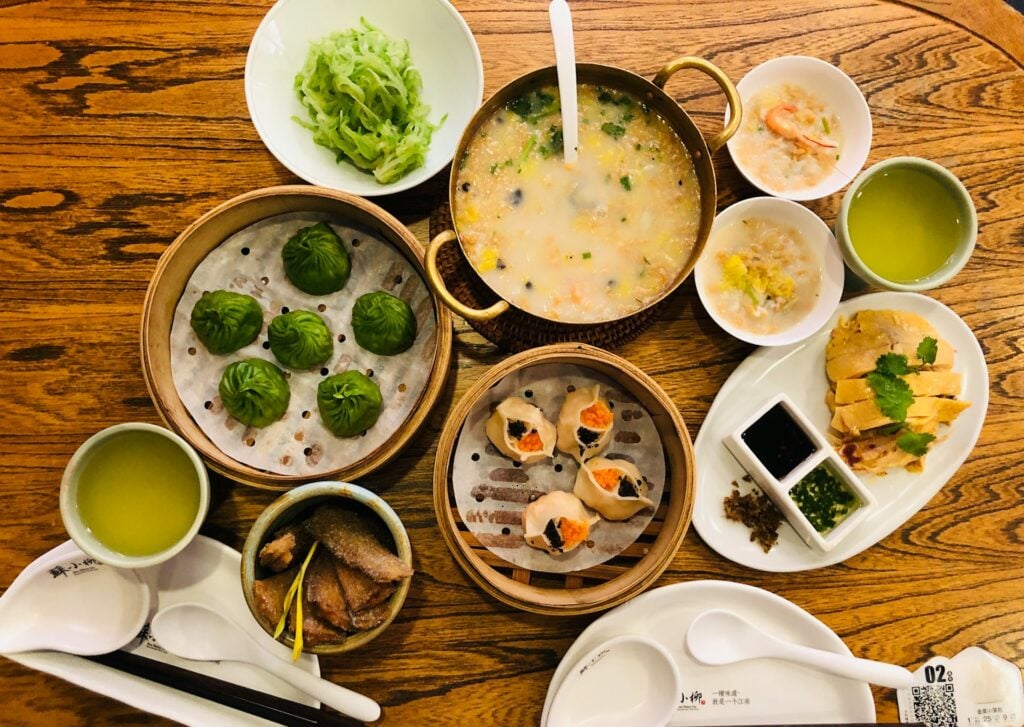
Among the most rewarding China travel tips involves embracing regional culinary diversity. Each region boasts distinctive cuisines—Sichuan’s spicy hotpot, Cantonese dim sum, Shanghai’s thick noodles, Hunan’s chili-centric dishes, all of which are some of the Best Things to Eat in China. This China travel blog encourages adventurous eating as cultural immersion. Download Meituan or other food apps enabling restaurant browsing with translated menus and customer photos. Eating where locals dine ensures authenticity and reasonable pricing. Avoid raw vegetables, unpeeled fruits, and questionable water sources. Bottled water availability ensures safety—purchase reliably rather than risking tap water. This China guide notes that food safety in established restaurants proves excellent, transforming concerns into unnecessary worry. The culinary experience often becomes the highlight of travel to China adventures.
13. Accommodation Options: Hotels, Guesthouses, and Hostels
When planning travel to China, accommodations range from budget hostels through luxury five-star properties. This China travel tips guide notes that excellent hotels cost $50-100 USD nightly in prime locations, offering remarkable value compared to Western standards. Major platforms like Booking.com, Agoda, and Trip.com facilitate easy reservations with English support. Guesthouses and hostels provide budget options ($10-30 USD), enabling social connections with fellow travelers. Traditional courtyard hotels offer authentic experiences in cultural districts. This China guide recommends booking accommodations in advance during peak seasons, though late bookings work fine during shoulder seasons. Each accommodation type offers unique advantages—chains provide reliability, guesthouses offer personality, hostels enable budget travel and friendships. Your accommodation becomes a base for exploring, so prioritizing location over luxury amenities often proves wiser for first-time visitors.
14. Pack Smart: Weather-Appropriate Clothing and Essential Items
Successful travel to China requires thoughtful packing addressing diverse climates and situations. This China travel tips article recommends bringing comfortable walking shoes (you’ll average 20,000+ daily steps), weather-appropriate layered clothing, sunscreen, and hats. China guide packing lists should include universal power adapters (220V), portable phone chargers, and any specialty items unavailable in China. Pack minimal—Chinese accommodations provide limited closet space. Important documents including passport copies, visa confirmation, travel insurance documents, and vaccination records deserve secure, separate storage. Toiletries availability varies; bringing familiar personal care items prevents frustration. This China travel blog emphasizes that intentional packing prevents purchasing expensive replacements mid-journey.
15. Understand Currency and Money Management

China’s currency, the Chinese Yuan (CNY), fluctuates daily against major currencies. When you travel to China, obtaining local currency through ATMs provides favorable exchange rates compared to airport exchanges. Withdraw cash upon arrival—ATMs are ubiquitous in cities. This China guide recommends carrying 1,000-2,000 CNY ($140-280 USD) in cash backup, though mobile payments dominate. Credit cards work at major hotels and shopping centers but often fail at restaurants and markets. Notify your bank before traveling to prevent transaction blocks. Budgeting proves remarkably affordable—meals cost $2-8 USD, attractions $5-20 USD, accommodations $50-100 USD. This China travel tips information helps you plan realistic daily budgets and financial preparation.
16. Be Aware of China’s Safety Profile for Travelers
Contrary to concerns some travelers harbor, China ranks among Asia’s safer destinations for tourism. This China travel tips guide emphasizes that violent crime targeting tourists is exceptionally rare. Petty theft occurs primarily in crowded metro stations and tourist markets—use standard precautions: secure bags, avoid displaying valuables, and remain vigilant in crowded places. Police presence in cities remains visible and helpful toward tourists. This China guide notes that women travelers often report feeling safer in China than comparable Western cities. LGBTQ+ travelers should exercise discretion in public displays of affection, as Chinese society maintains traditional attitudes despite not criminalizing homosexuality. Millions visit China annually without safety incidents when exercising basic common sense. Political demonstrations and sensitive governmental areas present the primary safety concerns, avoided by normal tourism.
17. Research Attractions and Book Tours for Optimal Experiences
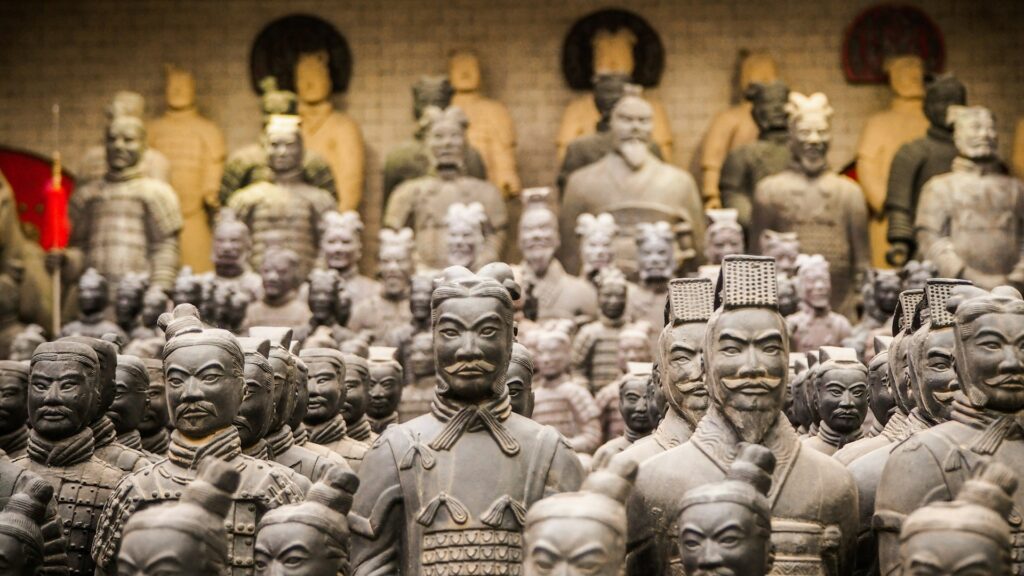
Maximize travel to China value by researching attractions and booking reputable tours. This China travel blog recommends using Viator, GetYourGuide, or Trip.com for guided tours providing context and convenience. Great Wall tours from Beijing, Terracotta Army tours from Xi’an, and Li River cruises from Guilin deserve professional guidance explaining historical significance. This China travel tips guide suggests booking tours in advance during peak seasons, avoiding sellouts. Walking tours (often free, tip-based) provide excellent introduction to city layouts and history. Self-guided exploration works fine using offline maps and translation apps—balancing independent exploration with structured tours creates optimal experiences. This China guide emphasizes that informed attraction selection prevents wandering aimlessly through overwhelming sites.
18. Understand Photography Etiquette and Drone Restrictions
China travel tips regarding photography prevent cultural offense and legal complications. Always request permission before photographing locals, monks, or individuals in minority areas. Never photograph government buildings, military installations, or sensitive locations—authorities take photography restrictions seriously. Drone operation within China requires permits and pre-approval; casual drone use violates regulations with serious consequences. This China guide recommends focusing on landscape and architecture photography, capturing China’s stunning natural and architectural beauty without involving people without consent. Temples often restrict photography in certain areas—observe signage and respect restrictions. Temple courtyard photography typically remains permitted if respectful. This China travel blog notes that respectful photography creates positive interactions and authentic travel memories.
19. Familiarize Yourself with Notable Cultural Attractions and Museums

Beyond iconic monuments, travel to China introduces remarkable museums preserving cultural heritage. The National Palace Museum in Beijing houses imperial treasures spanning dynasties. The Shanghai Museum features bronze vessels, ceramics, and painting collections. The Shaanxi History Museum in Xi’an complements Terracotta Warriors with broader provincial history. This China guide recommends allocating museum time—Chinese museums rival world-class institutions in curatorial quality. The Summer Palace in Beijing combines gardens, architecture, and lake scenery. Mountain temples throughout China offer spiritual exploration opportunities. China travel tips emphasize that diverse cultural attractions provide comprehensive understanding surpassing single-site visits.
20. Connect with Local Experiences: Markets, Traditional Activities, and Authentic Dining
Perhaps the most rewarding China travel tips involve authentic local experiences transcending typical tourism. Visit morning markets observing locals purchasing daily necessities—these spaces reveal genuine Chinese life. This China travel blog recommends traditional activity participation: calligraphy classes, tea ceremonies, martial arts lessons, or cooking classes deepening cultural understanding. Eat street food where locals eat, haggle in markets, and accept invitations from friendly locals sharing perspectives. This China guide emphasizes that these moments—conversations with locals, unexpected discoveries, spontaneous explorations—often become the most cherished travel memories. Stepping beyond guidebook recommendations creates authentic travel to China experiences reflecting true Chinese hospitality and culture.
| Major City | Key Attractions | Best Time to Visit | Minimum Days |
|---|---|---|---|
| Beijing | Great Wall, Forbidden City, Tiananmen Square, Summer Palace | Apr-May, Sep-Oct | 4-5 days |
| Shanghai | The Bund, Yu Garden, Oriental Pearl Tower, French Concession | Oct-Nov, Mar-Apr | 3-4 days |
| Xi’an | Terracotta Warriors, City Wall, Muslim Quarter, Ancient Pagodas | Sep-Oct, Mar-May | 3-4 days |
| Guilin & Yangshuo | Li River Cruise, Karst Mountains, Cycling, Rafting | Oct-Apr | 3-4 days |
Ready to embark on your transformative Chinese adventure? Plan your perfect China journey with comprehensive travel support and expert guidance for unforgettable exploration.
Book Your China Adventure Today →
Conclusion: Transform Preparation into Unforgettable Exploration
Planning to travel to China represents one of travel’s most rewarding decisions. This comprehensive China travel guide consolidating 20 essential China travel tips provides everything first-time visitors require for confident, prepared journeys. From visa procurement through cultural etiquette, from mobile payments through transportation navigation, these practical guidelines transform potential anxiety into excitement. When you travel to China, you’re accessing 5,000 years of continuous civilization—arguably humanity’s most enduring cultural achievement. The Great Wall awaits your exploration, temples echo with spiritual resonance, mountains inspire awe, and locals welcome respectful visitors warmly. This China travel blog concludes with encouragement: Begin your Chinese adventure today. Apply for your visa, download essential applications, book accommodations, and prepare mentally for transformative experiences. China travel tips emphasize that thorough preparation enables presence—the ability to fully absorb remarkable moments without logistical distraction. Your Chinese journey awaits. Make it unforgettable.
Related Posts