
Is Bhutan Worth the Cost? A Realistic Guide to Bhutan’s High-Value Tourism Model
Considering a journey to the Last Himalayan Kingdom? Understanding Bhutan travel cost becomes your first essential question. Many travellers ask: is Bhutan worth visiting given its unique high-value tourism model? The Bhutan tourist fee, officially known as the Bhutan Sustainable Development Fee (SDF), generates substantial debate among potential visitors. This comprehensive guide examines whether the cost to visit Bhutan justifies the experience, explaining the Bhutan daily tariff structure and the philosophy behind high value low volume tourism. The Bhutan SDF fee represents more than simple taxation—it funds education, healthcare, environmental conservation, and infrastructure protecting Bhutan’s extraordinary culture and pristine landscapes. This detailed analysis of Bhutan trip budget requirements, including expensive Bhutan travel components, Bhutan visa and fees, and what makes sustainable tourism Bhutan unique, helps you determine if Bhutan delivers value matching its premium pricing. By understanding Bhutan entry requirements and comparing Bhutan tour packages cost against delivered experiences, you’ll confidently answer whether Bhutan proves worth the money. This Bhutan travel cost guide transforms confusion into clarity, enabling informed decisions about one of Earth’s most exclusive destinations.
Understanding Bhutan’s Sustainable Development Fee (SDF)
What is the Bhutan Tourist Fee?
The Bhutan Sustainable Development Fee represents the cornerstone of the country’s tourism policy. As of September 2022, the Bhutan SDF fee stands at $100 USD per person per night for most international tourists. This mandatory daily charge replaced the previous Minimum Daily Package Rate (MDPR) system that bundled accommodation, meals, transport, and guides into one tariff. The current structure separates the SDF from actual service costs, providing tourists greater flexibility while maintaining revenue supporting national development. Indian, Bangladeshi, and Maldivian citizens pay reduced rates of ₹1,200 (approximately $15 USD) per night under regional agreements. Children aged 6-12 receive 50% discounts, while children under 6 travel free. This Bhutan tourist fee must be paid regardless of accommodation type, travel style, or activities—everyone contributes equally to Bhutan’s sustainable development. The fee gets collected before visa approval, ensuring compliance before arrival. Understanding this Bhutan daily tariff structure proves essential when calculating total Bhutan travel cost.
What Does the SDF Actually Fund?
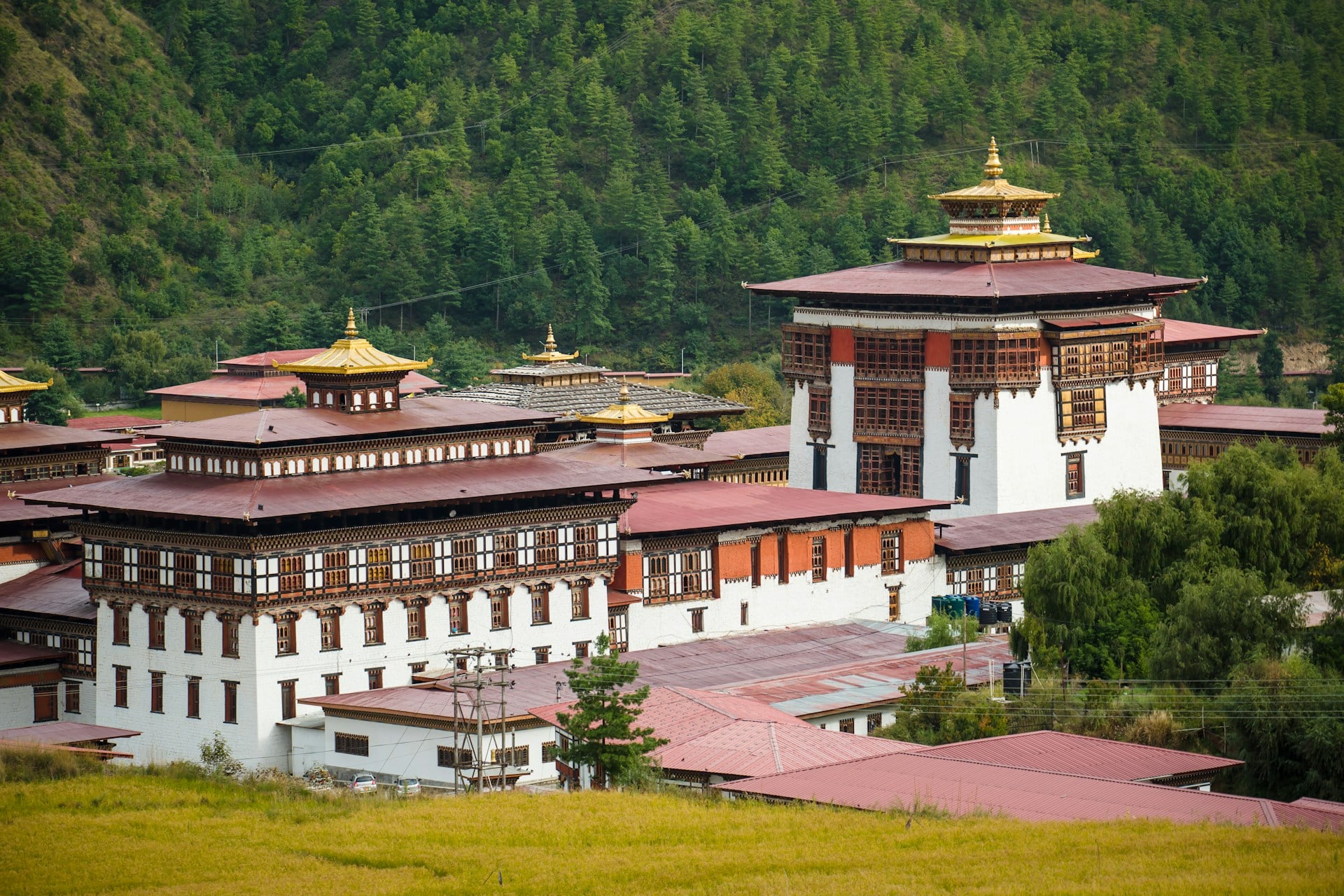
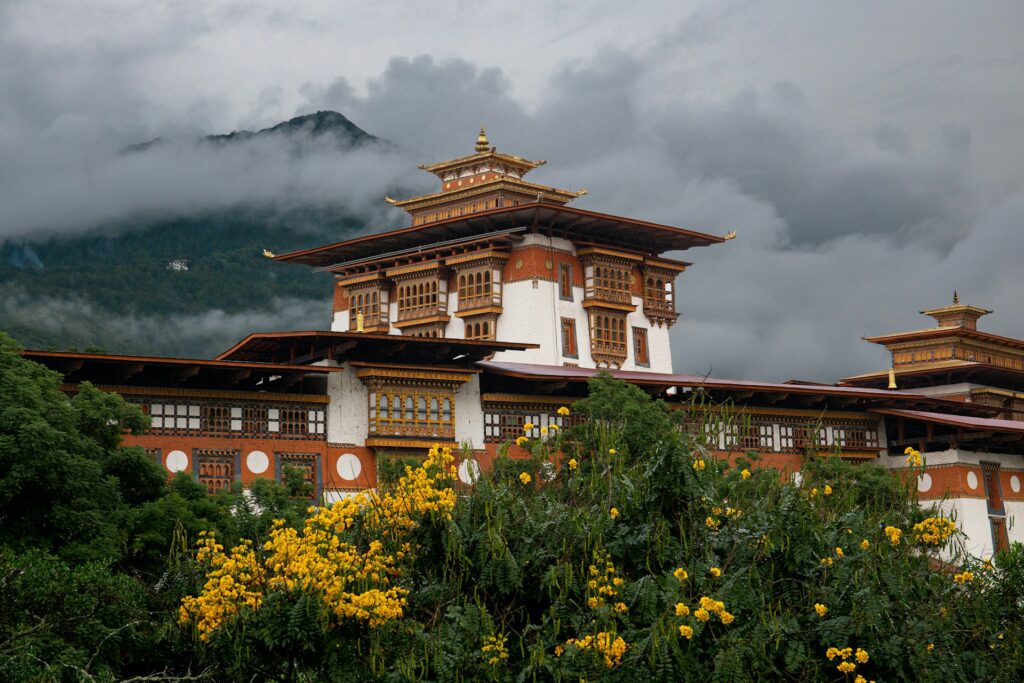
The Bhutan Sustainable Development Fee directly finances programs preserving what makes Bhutan unique. Revenue supports free education for all Bhutanese citizens, universal healthcare (also free), environmental conservation projects protecting pristine forests covering 72% of the country, infrastructure development in remote regions, and cultural preservation initiatives maintaining traditions threatened by globalization. The fee also subsidizes renewable energy projects—Bhutan generates 100% electricity from hydropower and remains one of only three carbon-negative countries globally. Additionally, SDF funds help maintain and restore monasteries, dzongs (fortress-monasteries), and sacred sites central to Bhutanese Buddhism. Unlike general taxation that disperses broadly, this dedicated tourism fee focuses specifically on maintaining the qualities attracting visitors: unspoiled nature, authentic culture, spiritual atmosphere, and genuine hospitality. When evaluating is Bhutan worth visiting, understanding your fee directly preserves these experiences adds philosophical value beyond simple tourism. This represents sustainable tourism Bhutan at its finest—visitors actively contribute to destination preservation rather than exploitation.
Breaking Down Total Bhutan Travel Cost
Mandatory Costs: SDF and Visa
Calculating cost to visit Bhutan starts with mandatory government fees. For a typical 7-day trip, expect:
- Bhutan SDF Fee: $100/night × 7 nights = $700 USD
- Visa Fee: $40 USD (one-time processing)
- Total Mandatory Government Fees: $740 USD
These costs remain non-negotiable regardless of travel style, accommodation choices, or activities. Budget travelers and luxury visitors pay identical government fees—the difference appears in discretionary spending. For Indian/Bangladeshi/Maldivian passport holders, the calculation changes dramatically: ₹1,200 × 7 nights = ₹8,400 (approximately $105 USD) plus nominal visa fees, making Bhutan significantly more accessible for regional travelers. This tiered Bhutan tourist fee structure acknowledges regional economic differences while maintaining revenue from Western tourists whose currencies provide stronger purchasing power. When friends ask “how much does Bhutan cost?”, these mandatory fees represent your starting baseline before adding accommodation, meals, transportation, and guide services. Understanding this foundation helps answer is Bhutan worth visiting by clarifying exactly where your money goes.
Accommodation Costs in Bhutan
Post-SDF reform, accommodation operates on free-market pricing ranging dramatically across categories:
- Budget Guesthouses: $30-60 per night (basic rooms, shared facilities)
- Mid-Range Hotels: $80-150 per night (comfortable rooms, private bathrooms, decent amenities)
- Boutique Hotels: $200-400 per night (excellent service, unique properties, superior locations)
- Luxury Lodges: $500-1,500+ per night (Amankora, COMO Uma, Six Senses—world-class luxury)
For a 7-night stay, accommodation ranges from $210 (budget) to $10,500+ (ultra-luxury). Most first-time visitors choose mid-range hotels ($80-120/night), totaling approximately $700 for the week. These establishments provide comfortable, clean rooms with hot water, WiFi, and included breakfast. The wide range means Bhutan travel cost adapts significantly to personal preferences and budgets. Unlike the old MDPR system that limited accommodation flexibility, current rules let you mix categories—splurge on luxury in Paro and Thimphu, economize in smaller towns. This flexibility addresses previous complaints about expensive Bhutan travel lacking personalization. When calculating Bhutan trip budget, accommodation represents your largest variable cost after the mandatory SDF.
Meals and Dining Expenses
Food costs in Bhutan remain remarkably affordable compared to mandatory fees:
- Local Restaurants: $3-8 per meal (traditional Bhutanese dishes, simple settings)
- Tourist Restaurants: $8-15 per meal (varied menus, comfortable atmosphere)
- Hotel Dining: $15-30 per meal (upscale presentations, broader selections)
- Luxury Dining: $40-80+ per meal (resort restaurants, fine dining experiences)
Budget approximately $30-50 daily for three meals eating at mid-range establishments. A 7-day trip requires $210-350 for food. Many hotels include breakfast, reducing daily meal costs. Bhutanese cuisine centers on red rice, ema datshi (chili cheese), momos (dumplings), and various meat and vegetable preparations flavored with chilies—Bhutanese consume more chilies per capita than any nationality. Vegetarian and vegan options are readily available given Buddhist influence. Alcohol costs vary: local ara (grain alcohol) and chang (barley beer) cost minimally, imported beer runs $3-5, while imported wines and spirits command premium prices. When assessing cost to visit Bhutan, food represents one expense area where conscious choices significantly impact total spending without sacrificing experience quality. Eating where locals eat provides authentic cultural immersion while managing Bhutan travel cost effectively.
Transportation Within Bhutan
Ground transportation requirements contribute substantially to Bhutan trip budget:
- Licensed Tour Vehicle with Driver: $80-120 per day (mandatory for most tourists)
- Guide Services: $30-50 per day (technically optional post-reform, practically essential)
- Domestic Flights: Paro-Bumthang or similar routes cost $150-250 one-way
For a typical 7-day circuit visiting Paro, Thimphu, Punakha, and returning to Paro, expect $560-840 for vehicle hire plus $210-350 for guide services if hired separately. The distances appear small on maps but mountain roads mean 3-4 hours driving between major towns. Attempting self-drive isn’t permitted for tourists—all vehicles require Bhutanese drivers familiar with narrow, winding mountain roads lacking guardrails. The mandatory driver/vehicle system protects tourist safety, provides local employment, and ensures visitors don’t get lost in remote areas. Many travelers initially resent this expensive Bhutan travel requirement but later appreciate having knowledgeable drivers navigating challenging roads while sharing cultural insights. When evaluating is Bhutan worth visiting, factor in that transportation costs directly employ local families and prevent the environmental damage associated with rental car tourism overwhelming fragile mountain infrastructure. This represents another facet of sustainable tourism Bhutan philosophy prioritizing long-term preservation over short-term profit.
Activities and Entrance Fees
Most attractions maintain reasonable entrance fees or allow free access:
- Dzongs and Monasteries: Free to $5 (Tiger’s Nest monastery trail: free)
- Museums: $2-5 entrance (National Museum, Folk Heritage Museum)
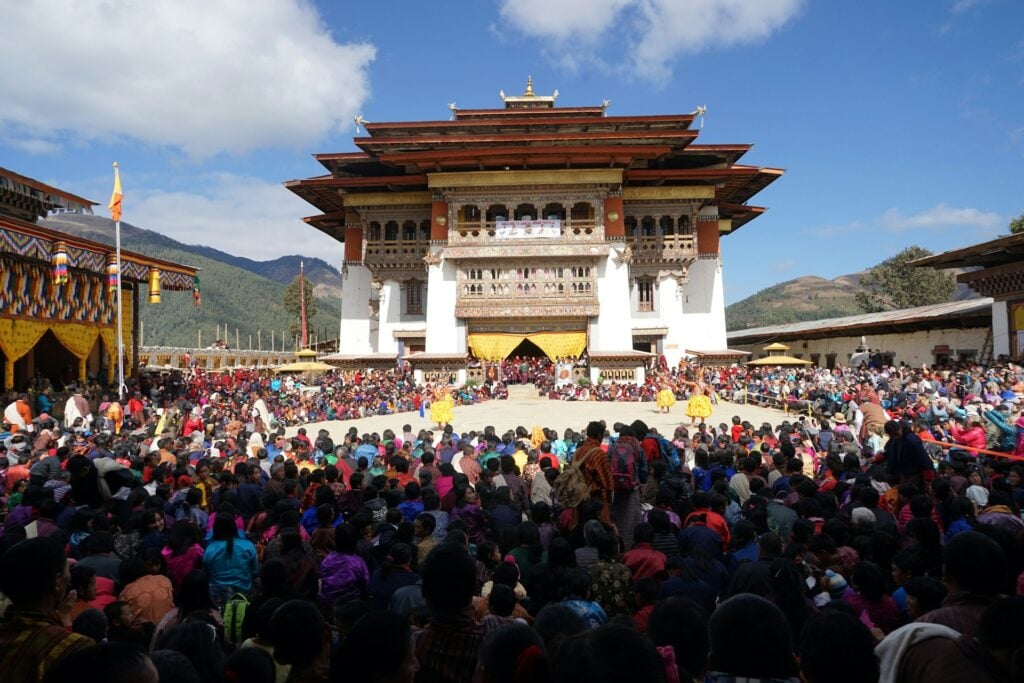
- Festivals: Free attendance (tshechu festivals, local celebrations)
- Special Activities: Hot stone bath $15-25, archery lesson $10-20, traditional dinner/cultural show $30-50
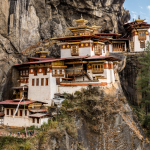
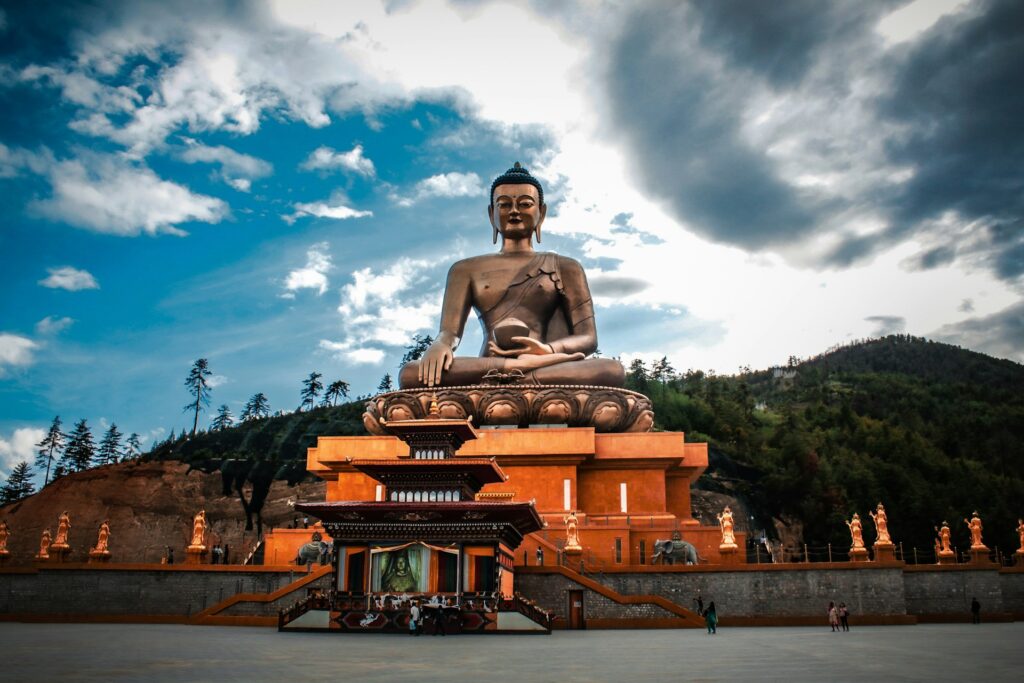
The famous Tiger’s Nest (Taktsang) monastery hike, often considered Bhutan’s highlight experience, costs nothing beyond optional horseback riding ($20-30 one-way to viewpoint). Most temples, dzongs, and viewpoints similarly charge minimal or zero entrance fees. This accessibility contrasts sharply with the high SDF, illustrating Bhutan’s philosophy: pay substantially to enter the country, then enjoy its treasures without constant nickel-and-diming. Many travelers accustomed to expensive entrance fees at major world attractions appreciate that after paying significant Bhutan tourist fee, individual sites remain affordable. Budget $100-200 for the week covering all entrance fees, special activities, and optional experiences. When friends question is Bhutan worth visiting given high initial costs, explaining that actual on-ground experiences don’t require constant additional payments helps contextualize value. The Bhutan daily tariff essentially pre-pays much of the experience, simplifying budgeting and eliminating unpleasant financial surprises during travel.
Complete 7-Day Bhutan Trip Budget Breakdown
Budget Traveler (Economy Tier)
- SDF (7 nights): $700
- Visa Fee: $40
- Budget Accommodation: $350 (7 nights × $50 average)
- Meals: $210 (7 days × $30 daily)
- Vehicle & Driver: $560 (7 days × $80 daily)
- Guide: $210 (7 days × $30 daily)
- Activities/Entrance Fees: $100
- Total: $2,170 USD
This budget-conscious approach minimizes discretionary spending while meeting all mandatory requirements. Accommodations are basic but clean, meals favor local restaurants, and guides/drivers stay at lower pay rates. This represents the minimum realistic cost to visit Bhutan for 7 days, not including international flights to Paro. Budget travelers should expect simple comfort rather than luxury but will experience identical cultural access and natural beauty as luxury visitors. The high mandatory SDF means budget approaches only reduce costs by 25-30% compared to mid-range spending, explaining why Bhutan naturally attracts mid-to-high budget travelers. For backpackers accustomed to $30 daily Southeast Asia budgets, Bhutan’s $310 daily minimum ($2,170 ÷ 7 days) represents significant investment. However, comparing Bhutan to European or North American destinations shows costs aligning more closely with those markets. Asking is Bhutan worth visiting on a budget yields “yes” only if you accept basic accommodation and appreciate that the expensive component (SDF) remains fixed regardless of budget level.
Mid-Range Traveler (Comfortable Tier)
- SDF (7 nights): $700
- Visa Fee: $40
- Mid-Range Hotels: $700 (7 nights × $100 average)
- Meals: $280 (7 days × $40 daily)
- Vehicle & Driver: $700 (7 days × $100 daily)
- Guide: $280 (7 days × $40 daily)
- Activities/Entrance Fees: $150
- Shopping/Miscellaneous: $150
- Total: $3,000 USD
This mid-range budget provides comfortable hotels with good amenities, varied dining including tourist restaurants, reliable vehicles and experienced guides, and flexibility for spontaneous activities or purchases. At approximately $430 daily, this tier delivers excellent value: comfortable rooms, good food, knowledgeable guides, and worry-free logistics. Most first-time visitors targeting this range feel satisfied with accommodations and services while maintaining reasonable total costs. The mid-range Bhutan travel cost compares favorably to similar-comfort trips in Switzerland, Norway, or Iceland where daily costs often exceed $500 without mandatory development fees. When evaluating Bhutan tour packages cost, most organized tours target this spending level. The difference between budget and mid-range ($830 total) seems substantial but distributed across seven days equals only $118 daily—the comfort upgrade from basic guesthouse to nice hotel, local eatery to pleasant restaurant, and economy guide to experienced professional. Many travelers consider this differential worthwhile for enhanced comfort during an expensive, once-in-lifetime journey.
Luxury Traveler (Premium Tier)
- SDF (7 nights): $700
- Visa Fee: $40
- Luxury Hotels: $2,100 (7 nights × $300 average, or $7,000+ for Amankora)
- Meals: $420 (7 days × $60 daily, premium dining)
- Premium Vehicle & Driver: $840 (7 days × $120 daily)
- Expert Guide: $350 (7 days × $50 daily)
- Activities/Special Experiences: $500 (cultural programs, special access)
- Shopping/Miscellaneous: $500
- Total: $5,450 USD (or $10,350+ with ultra-luxury lodges)
Luxury travelers enjoy Bhutan’s finest accommodations, whether boutique heritage properties or international luxury brands (Amankora, COMO Uma, Six Senses). Premium guides with decades of experience, art history knowledge, or special access connections enhance cultural understanding. Private cultural performances, special temple access, meetings with monks or artists, and other exclusive experiences become possible. Gourmet meals showcasing Bhutanese cuisine’s potential, wine selections, and fine dining elevate the culinary experience. At $780-1,480 daily depending on lodge choice, this tier compares to luxury travel anywhere globally. The interesting observation: even luxury travelers pay identical SDF rates—the $700 fee represents 13% of total luxury budget versus 32% of budget travel, meaning higher spenders contribute proportionally less toward development while receiving identical cultural/natural access. This inverted proportion explains why Bhutan welcomes luxury tourism while maintaining high value low volume tourism principles. The answer to is Bhutan worth visiting at luxury level depends on whether pristine culture, minimal crowds, and exclusive access justify premium pricing. Many luxury travelers report Bhutan delivers exceptional value compared to heavily commercialized luxury destinations offering inferior cultural authenticity.
International Flights to Bhutan
International flights significantly impact total Bhutan trip budget but exist separately from in-country costs:
- From India (Delhi/Kolkata/Mumbai): $300-500 round-trip
- From Nepal (Kathmandu): $400-600 round-trip
- From Thailand (Bangkok): $600-900 round-trip
- From Singapore: $800-1,200 round-trip
Only two airlines serve Bhutan: Drukair (Royal Bhutan Airlines) and Bhutan Airlines, both flying into Paro International Airport. The limited competition and challenging Paro approach (one of the world’s most difficult landings navigating Himalayan valleys) keeps fares elevated. However, the spectacular approach viewing Himalayas, villages, and monasteries from air provides unforgettable introduction to Bhutan. Most international visitors connect through Delhi, Bangkok, Kathmandu, or Singapore. When calculating complete cost to visit Bhutan, add $400-1,200 for flights depending on origin. Americans, Europeans, and Australians should budget $1,000-1,500 for international flights. The spectacular landing approach and limited access actually enhance Bhutan’s exclusive atmosphere—many travelers appreciate limited connectivity preventing mass tourism development. When discussing expensive Bhutan travel with skeptical friends, explaining that flight costs remain comparable to other Himalayan/mountain destinations (Nepal, Ladakh, Patagonia) provides useful context. The Bhutan visa and fees system doesn’t artificially inflate flight prices—limited airlines and challenging geography naturally create higher costs.
Is Bhutan Worth Visiting? Value Analysis
What You Get for Your Money
Determining is Bhutan worth visiting requires examining delivered experiences against costs. For $3,000-5,000 total (mid-range 7-day trip including flights), you receive:
- Pristine Natural Environment: 72% forest coverage, clean air, protected ecosystems with rare species
- Authentic Cultural Preservation: Living Buddhist traditions, traditional architecture, thriving arts and crafts
- Minimal Tourist Crowds: Low visitor numbers prevent overcrowding at major sites unlike Nepal, Tibet, or India
- Safety and Cleanliness: Extremely safe travel environment, very low crime, well-maintained infrastructure
- Genuine Hospitality: Warm, welcoming population unburdened by mass tourism irritation
- Iconic Experiences: Tiger’s Nest monastery, dzong fortresses, festival celebrations, Himalayan vistas
- Contribution to Sustainability: Your SDF directly funds programs preserving what you came to experience
Compare this to similarly-priced destinations. A $4,000 European city tour provides urban culture, museums, and dining but limited nature access and significant crowds. A $4,000 African safari offers wildlife and landscapes but minimal cultural immersion. A $4,000 Japanese journey delivers excellent culture and food but very high population density and modern urbanization. Bhutan’s unique combination—Himalayan scenery, living Buddhist culture, minimal commercialization, genuine traditions—exists nowhere else at any price. When friends ask is Bhutan worth the cost, the answer depends on values: if pristine nature, authentic culture, and meaningful travel matter deeply, Bhutan delivers exceptional value despite high absolute costs. If primarily seeking beach relaxation, party scenes, or budget backpacking, Bhutan isn’t appropriate regardless of price. The question isn’t “is Bhutan expensive?” (it is) but “does Bhutan deliver unique value justifying costs?” For the right traveler, absolutely yes.
Comparing Value: Bhutan vs. Other Destinations
Context helps evaluate Bhutan travel cost reasonably:
- Switzerland: Similar daily costs ($400-600) for accommodation, meals, transport; comparable mountain scenery; less cultural depth; much higher tourist density
- Iceland: Similar total trip costs ($4,000-6,000); comparable pristine nature; minimal cultural heritage; growing overtourism issues
- Norway: Higher daily costs ($500-700); stunning nature; limited spiritual/cultural depth; very expensive for all services
- Nepal: Much cheaper ($50-100 daily); similar Himalayan access; beautiful temples; significant overcrowding at popular sites; less infrastructure
- Tibet: Complex permits; political sensitivities; reduced religious freedom; fewer pristine areas; comparable costs
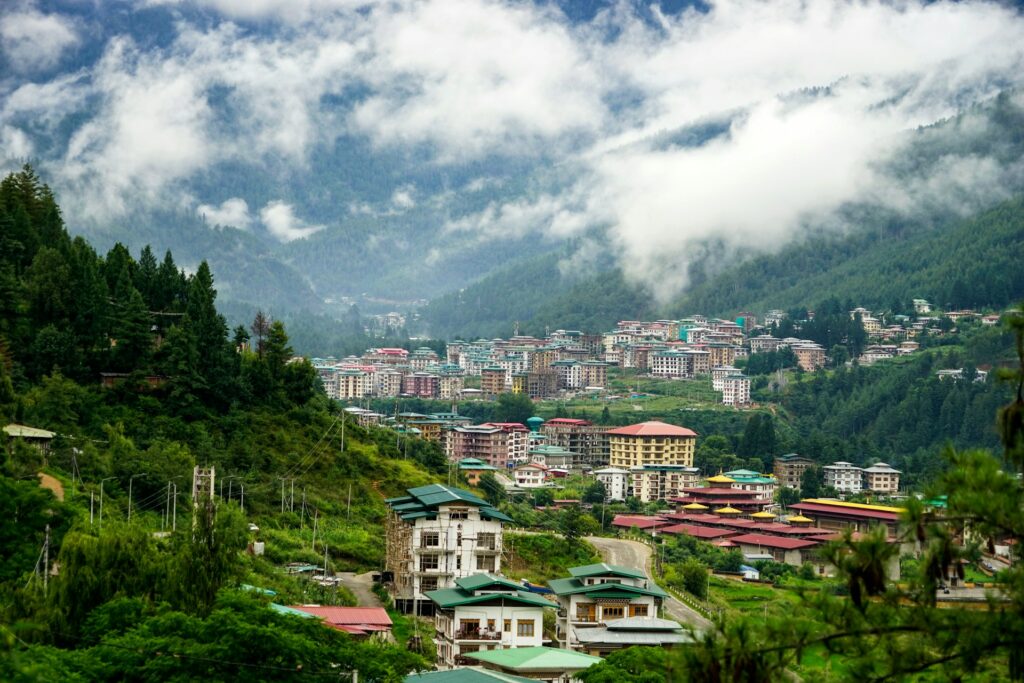
Bhutan’s high value low impact tourism model creates advantages invisible in simple cost comparisons. The mandatory SDF limits visitor numbers, preventing the overcrowding degrading Nepal’s Annapurna Circuit or Iceland’s tourist sites. You’ll rarely encounter bus groups overwhelming monastery courtyards or queuing for Tiger’s Nest photos—the selective access maintains quality experiences. The fixed SDF also prevents the aggressive price inflation affecting destinations with unrestricted tourism—Bhutanese vendors don’t constantly raise prices because visitor numbers stay controlled. When evaluating worth the money Bhutan delivers, consider not just what you see but what you avoid: crowds, commercialization, environmental degradation, cultural commodification. The sustainable tourism Bhutan model preserves destination integrity that mass tourism inevitably erodes. Your expensive visit today ensures Bhutan remains similarly pristine for future generations—unlike destinations where mass tourism degrades experiences within years.
Who Should Visit Bhutan?
Answering is Bhutan worth visiting depends on traveler profile:
Perfect for:
- Culture and spirituality seekers appreciating living Buddhist traditions
- Nature lovers prioritizing pristine environments over amenities
- Travelers valuing quality over quantity—fewer sites, deeper experiences
- Those seeking authentic experiences avoiding commercialized tourism
- Photographers and hikers drawn to Himalayan landscapes
- Sustainable tourism advocates willing to pay premium for preservation
- Anyone on a “bucket list” journey accepting higher costs for unique experiences
Not ideal for:
- Strict budget travelers seeking $30 daily costs
- Beach/resort vacationers prioritizing relaxation over exploration
- Party seekers—Bhutan’s culture is conservative and traditional
- Those requiring extensive nightlife, shopping, or urban entertainment
- Travelers expecting luxury amenities everywhere (limited five-star options)
- Anyone uncomfortable with Buddhist cultural dominance
- People with serious mobility issues (many sites require hiking/stairs)
If your travel style aligns with the “perfect for” category, Bhutan travel cost represents investment in once-in-lifetime experiences impossible to replicate elsewhere. If you identify more with “not ideal” traits, Bhutan’s expense likely won’t justify returns regardless of destination quality. The key insight: Bhutan doesn’t try attracting all travelers—the Bhutan tourist fee deliberately selects visitors valuing what Bhutan offers. This selectivity prevents the problems plaguing destinations attempting universal appeal. When travel becomes too accessible, destinations change to accommodate masses, losing the qualities attracting initial visitors. Bhutan’s pricing prevents this degradation. Whether that tradeoff seems worth the money Bhutan charges depends entirely on personal values and travel priorities.
How to Reduce Bhutan Travel Costs
Travel with Groups
Sharing vehicle and guide costs reduces per-person expenses significantly. A group of 4 sharing costs:
- Vehicle: $700 ÷ 4 = $175 per person (vs. $700 solo)
- Guide: $280 ÷ 4 = $70 per person (vs. $280 solo)
- Total Savings: $735 per person
This reduction brings total mid-range costs from $3,000 to approximately $2,265 per person—substantial savings without sacrificing experience quality. Join organized small-group tours or convince friends to travel together. Many tour operators offer fixed-departure group tours at discounted rates. This strategy particularly benefits solo travelers who would otherwise absorb full vehicle and guide costs alone. When evaluating Bhutan tour packages cost, group offerings almost always provide better value than custom private arrangements. The tradeoff involves less itinerary flexibility and compromising on preferences, but for budget-conscious travelers, group travel makes cost to visit Bhutan significantly more manageable. This represents the single most effective way to reduce expenses while maintaining quality.
Travel During Low Season
Visiting during low season (December-February, June-August) offers advantages:
- Hotel rates drop 20-40% with negotiation leverage
- Vehicle and guide rates potentially negotiable
- Some tour operators offer promotional packages
- Fewer tourists mean better access and experiences
Winter (December-February) brings cold temperatures and occasional snow but crystal-clear mountain views. Summer monsoon (June-August) involves rain but lush landscapes and agricultural activities. Spring (March-May) and autumn (September-November) offer perfect weather but higher costs and more tourists. This Bhutan trip budget consideration trades ideal weather for significant savings. The SDF remains fixed, but discretionary costs decrease. Many travelers report preferring low-season visits—fewer crowds enhance experiences despite weather challenges. Tour operators hungry for business during slow periods negotiate more readily on vehicle, guide, and accommodation packages. Email multiple operators mentioning competitors’ quotes to leverage best deals. When asking is Bhutan worth visiting on a tighter budget, low-season travel makes the destination significantly more accessible without compromising core experiences.
Choose Budget Accommodations
Selecting guesthouses over hotels saves $50-100 nightly, totaling $350-700 weekly savings. Budget accommodations provide basic comfort: clean rooms, hot water, breakfast. The tradeoff involves fewer amenities, smaller rooms, and sometimes shared bathrooms, but the core Bhutan experience—temples, monasteries, landscapes, culture—remains identical. Luxury hotels don’t grant access to closed sites or restricted areas—everyone sees the same dzongs, hikes identical trails, and attends the same festivals. Since the Bhutan daily tariff (SDF) stays fixed, reducing accommodation costs provides the main budget flexibility. For travelers prioritizing experiences over amenities, basic rooms suffice for sleeping between full activity days. This approach makes expensive Bhutan travel more affordable without sacrificing trip quality. Mix accommodation types—budget in smaller towns, mid-range in Thimphu and Paro where you’ll spend more time. This hybrid strategy optimizes cost versus comfort effectively.
Regional Passport Advantages
Indian, Bangladeshi, and Maldivian citizens enjoy dramatically lower costs:
- SDF: ₹1,200 per night ($15 USD) vs. $100 for other nationalities
- 7-night trip SDF: ₹8,400 ($105) vs. $700—85% savings
This regional discount makes Bhutan highly accessible for South Asian travelers. Combined with shorter flight distances and cultural familiarity, regional tourists experience Bhutan at fraction of Western costs. If you hold or qualify for regional citizenship, Bhutan becomes budget-friendly destination. Otherwise, this serves as reminder that Bhutan travel cost reflects deliberate policy decisions, not inherent destination expense. The fee structure acknowledges different economic realities while generating revenue from wealthier markets. Western travelers shouldn’t resent this—most developed nations charge higher visa fees for developing-country citizens. The Bhutan tourist fee simply applies this principle in reverse, creating more equitable global travel access.
Bhutan Entry Requirements and Visa Process
How to Obtain Bhutan Visa
The Bhutan visa and fees process flows through licensed tour operators:
- Book through Licensed Operator: Choose a tour operator licensed by Tourism Council of Bhutan (TCB)
- Pay Fees Upfront: Transfer SDF, visa fee, and operator deposits (typically 30-50% total cost)
- Operator Submits Visa Application: Your operator handles all paperwork with immigration
- Receive Visa Approval Letter: Email confirmation usually arrives within 1 week
- Board Flight to Paro: Present approval letter when checking in
- Visa Stamped on Arrival: Immigration stamps visa into passport at Paro airport
This process seems complicated but tour operators manage everything. You simply provide passport details and payment—they handle bureaucracy. Indian citizens process differs: apply online directly through Bhutanese immigration without tour operators, pay reduced fees, and receive simpler entry permits. For all others, working through licensed operators isn’t optional—it’s how Bhutan entry requirements function. This system ensures visitor accountability and maintains tourism standards. When researching cost to visit Bhutan, budget processing time: apply 4-6 weeks before travel to accommodate approvals, payment clearance, and potential complications. Rushing applications close to departure dates creates stress and may incur expediting fees. The visa itself costs only $40, but remember your operator won’t submit applications until receiving full SDF payment plus deposits, requiring substantial upfront investment.
Extending Your Stay
Visa extensions require additional SDF payments per extra night plus small processing fees. Extensions process through your tour operator—not something you handle independently. Each extension night adds $100 SDF plus approximately $10 processing. Plan your itinerary carefully initially because changing plans mid-trip proves expensive and logistically challenging. Most visitors find 7-10 days optimal—sufficient for major sites without rushing while avoiding excessive costs. Two-week trips allow deeper exploration reaching central or eastern Bhutan but double SDF expense to $1,400 minimum. When calculating Bhutan trip budget, each additional day adds approximately $200-300 (SDF + accommodation + meals + transport/guide proportions). The marginal daily cost actually decreases with longer stays as fixed costs (flights, visa) distribute across more days, but absolute costs keep climbing. Balance between seeing more versus spending more based on budget constraints and available time. For most first-timers, one week provides satisfying introduction without overwhelming finances.
The Philosophy Behind High-Value Low-Volume Tourism
Why Bhutan Charges High Fees
Understanding sustainable tourism Bhutan philosophy contextualizes costs. The high value low volume tourism model emerged from observing mass tourism’s destructive effects in Nepal, India, Thailand, and Indonesia. Bhutan’s government deliberately chose quality over quantity, recognizing that unlimited tourist growth inevitably degrades culture and environment. The Bhutan Sustainable Development Fee serves multiple purposes:
- Limits Visitor Numbers: High costs naturally restrict arrivals to serious travelers
- Generates Revenue: Fewer visitors paying more total similar revenue as masses paying less
- Funds Preservation: SDF directly finances conservation and cultural programs
- Maintains Quality: Limited tourists prevent overcrowding degrading experiences
- Protects Culture: Controlled exposure to foreign influence preserves traditions
- Environmental Conservation: Lower visitor numbers reduce ecological footprint
This model prioritizes long-term sustainability over short-term profit. While Bhutan could theoretically remove restrictions and attract millions spending less individually but more collectively, the government recognizes this path leads to cultural erosion, environmental damage, and ultimately destroys the destination’s unique appeal. The expensive Bhutan travel criticism misses the point: costs intentionally select visitors appreciating preservation over accessibility. When travelers question is Bhutan worth visiting at these prices, they’re really asking: “Do I value preserved authenticity enough to pay premium prices?” For many, the answer is yes—they’ve seen what mass tourism does to special places and appreciate Bhutan’s protective stance. The Bhutan daily tariff essentially purchases entry to one of the world’s last well-preserved traditional Buddhist kingdoms. That access seems expensive until you realize it funds the preservation preventing Bhutan becoming another overcrowded, commercialized tourist trap.
Comparing Tourism Models
Bhutan’s approach contrasts sharply with alternatives:
Mass Tourism (Thailand, Spain, Hawaii): Low barriers, maximum visitors, rapid economic growth, followed by overcrowding, environmental damage, cultural commodification, local resentment, and eventual quality decline.
Unrestricted Growth (Nepal, Iceland): Easy access attracts growing numbers, initially boosting economy, but infrastructure struggles, popular sites overcrowd, environmental impacts accumulate, and destinations change to accommodate mass markets.
Bhutan’s Model: High barriers, limited visitors, steady sustainable revenue, maintained environmental integrity, preserved culture, positive local attitudes, and consistent quality experiences over decades.
The question becomes: would you prefer cheap access to degraded destinations or expensive access to pristine ones? The cost to visit Bhutan represents admission price to exclusivity. Many travelers complain destinations aren’t “authentic” anymore—too crowded, too commercial, too changed. Bhutan’s model prevents these problems. Your high fees today preserve the Bhutan your grandchildren might visit. This long-term thinking distinguishes sustainable tourism Bhutan from extractive tourism elsewhere. When evaluating worth the money Bhutan provides, consider you’re not just purchasing a vacation—you’re investing in preservation, supporting communities, and participating in an experiment proving sustainable tourism can work. That philosophical dimension adds value beyond simple sightseeing. For ethically-minded travelers, this alignment between tourism and conservation makes Bhutan particularly worthwhile despite costs.
What to Expect When Visiting Bhutan
Realistic Expectations
Understanding what Bhutan is (and isn’t) prevents disappointment worth more than any Bhutan travel cost savings:
Bhutan IS:
- Pristine natural environment with protected ecosystems
- Living Buddhist culture with functional monasteries and practicing monks
- Traditional architecture and preserved heritage
- Welcoming, genuine local population
- Safe, clean, well-organized destination
- Limited but adequate tourism infrastructure
Bhutan IS NOT:
- Ultra-luxury destination with five-star amenities everywhere
- Party destination with nightlife and entertainment
- Shopping paradise (limited consumer goods)
- Beach or tropical resort destination
- Easily accessible with last-minute spontaneous travel
- Budget backpacker destination like Southeast Asia
Accepting these realities ensures satisfaction. Many negative reviews stem from misaligned expectations—visitors hoping for luxury facilities at all locations, extensive shopping, or spontaneous freedom to wander independently. Bhutan offers different rewards: spiritual experiences, natural beauty, cultural authenticity, and meaningful interactions with preservation-focused communities. If these appeal, Bhutan delivers tremendous value. If you primarily seek luxury, shopping, or party scenes, better destinations exist regardless of budget. The question is Bhutan worth visiting requires honest self-assessment about travel priorities. For travelers valuing what Bhutan actually offers, the experience frequently exceeds expectations despite high costs. For others seeking different experiences, even free visits wouldn’t satisfy because the destination doesn’t align with their interests. Know yourself, understand Bhutan, and decide accordingly.
Conclusion: Making Your Decision About Bhutan
Answering is Bhutan worth visiting requires balancing objective costs against subjective values. The Bhutan travel cost reality: budget travelers need minimum $2,200, mid-range visitors $3,000-4,000, and luxury seekers $5,500+ for week-long trips including international flights. The Bhutan Sustainable Development Fee of $100 nightly represents 25-35% of total expenses, funding education, healthcare, conservation, and infrastructure preserving what attracts visitors. This Bhutan tourist fee proves non-negotiable—everyone pays equally regardless of accommodation, travel style, or activities. Understanding the Bhutan daily tariff structure clarifies that costs reflect deliberate policy protecting cultural integrity and environmental health rather than exploitation or greed.
The high value low volume tourism philosophy successfully preserves Bhutan’s unique character while generating sustainable revenue. Whether Bhutan proves worth the money depends entirely on personal values. If pristine nature, authentic culture, spiritual depth, and sustainable travel matter deeply—if you’re willing to pay premium prices for preserved experiences impossible elsewhere—Bhutan delivers exceptional value. The cost to visit Bhutan purchases more than sightseeing: it funds preservation, supports communities, and participates in proving sustainable tourism viability. This philosophical alignment adds value many travelers find meaningful.
Conversely, if budget constraints prevent comfortable spending $3,000-5,000, or if travel priorities emphasize beaches, nightlife, shopping, or luxury amenities, Bhutan won’t satisfy regardless of destination quality. The expensive Bhutan travel reality means it’s not for everyone—by design. The selective access maintains quality preventing mass tourism degradation. Your decision should rest on: (1) Can you afford it without financial stress? (2) Do your travel values align with what Bhutan offers? (3) Will you appreciate both the experiences and the preservation they fund?
If answering yes to these questions, is Bhutan worth visiting? Absolutely—it’s one of Earth’s most unique destinations offering experiences impossible to replicate. If answering no, that’s equally valid—not every destination suits every traveler. The Bhutan trip budget requirements and sustainable tourism Bhutan philosophy create selective destination appealing strongly to certain travelers while naturally deterring others. Neither group is wrong—just seeking different experiences.
For those deciding to visit, understand you’re not just buying a vacation but participating in an experiment: can tourism simultaneously preserve destinations while providing access? Bhutan proves it can, but only through managed access and meaningful fees. Your Bhutan SDF fee enables this model’s success. That knowledge transforms expense from frustrating cost into meaningful investment. Whether that transformation occurs for you determines if Bhutan proves worth visiting at these premium prices. Make your decision based on honest self-assessment, accurate cost understanding, and realistic expectations. Bhutan rewards those seeking what it genuinely offers with unforgettable, transformative experiences. For the right traveler, it’s priceless.
Related Posts