
Cherry Blossom in Japan: Festivals, Matsuri & Seasonal Magic
Japan’s Ephemeral Beauty: Cherry Blossoms, Sacred Matsuri & Seasonal Celebrations That Move the Soul
Japan’s seasons don’t just change—they transform the nation into living art. When cherry blossom in Japan bursts forth each spring, millions pause to contemplate beauty, impermanence, and the spiritual renewal embodied in delicate pink petals. But Japan’s festival calendar extends far beyond sakura season: throughout the year, festivals Japan celebrates—matsuri celebrations rooted in Shinto tradition, seasonal events Kyoto preserves, temple festivals echoing ancient rituals, and hanami picnics gathering families beneath flowering branches. From the electric energy of Tokyo’s cherry blossoms to the serene hanami experiences in Kyoto’s temples, from summer fireworks Japan lights with wonder to autumn moon-viewing ceremonies, these cultural festivals in Japan represent the nation’s deepest values: reverence for nature, communal joy, and the bittersweet acceptance of transience, something which you can experience for yourself on your own Private Tour to Japan with Acqua Travels. This guide reveals how to experience cherry blossom in Japan authentically, discover hidden matsuri celebrations, and embrace sustainable event travel Japan offers—transforming seasonal tourism into spiritual pilgrimage.
1. Sakura Season: The Arrival of Cherry Blossom in Japan
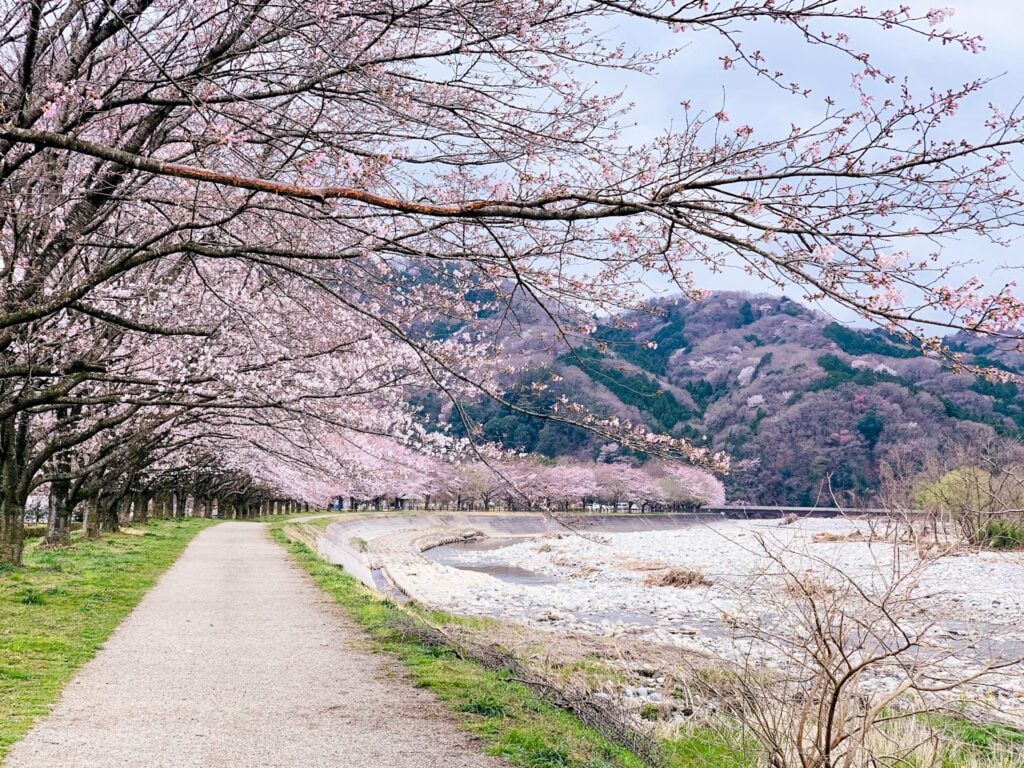
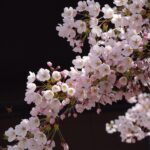
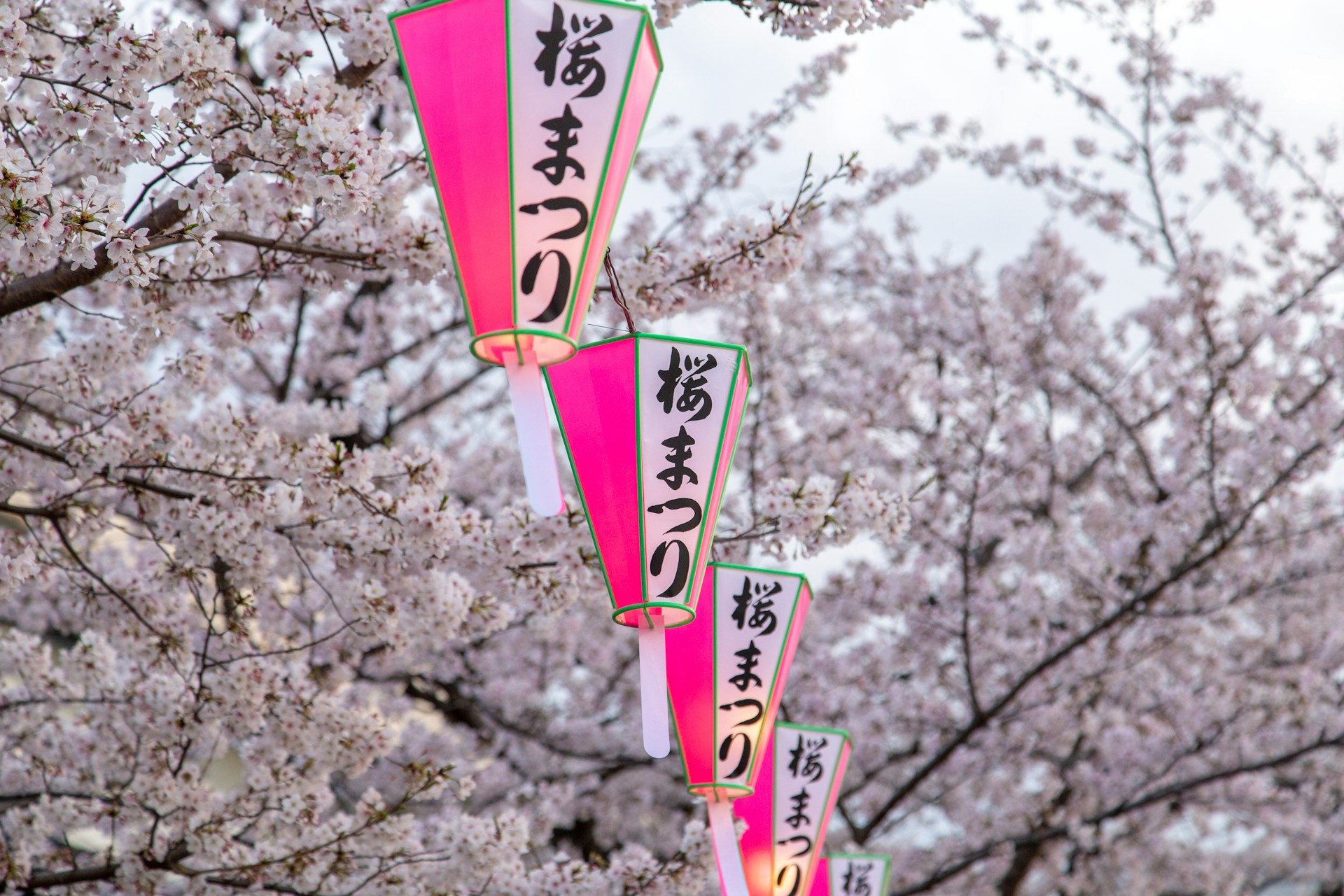
Cherry blossom in Japan is more than nature—it’s a national meditation on beauty and mortality. Late March to early April, Japan transforms as [translate:桜 sakura] (cherry trees) explode into bloom, painting parks, temple grounds, and mountainsides in ethereal pink and white. The sakura season lasts mere weeks—sometimes days—lending urgency and poignancy to hanami picnics and cherry blossoms Tokyo celebrations. Locals camp out in parks (hanami picnics where families and coworkers gather under canopies), night-viewing (yozakura) illuminates blossoms under lantern light, and entire cities pause for cherry blossom in Japan’s most sacred season. The Japanese concept of [translate:儚さ mononoke no aware]—the pathos of transience—finds perfect expression in sakura: perfect, fleeting, eternally mourned. This is the emotional heart of cultural festivals Japan celebrates throughout the year.
Where to Experience: Ueno Park (Tokyo), Maruyama Park (Kyoto), Philosophers’ Path (Kyoto), Takayama (Shirakawa Go), Castle towns nationwide
2. Cherry Blossoms Tokyo: Urban Hanami & Metropolitan Magic
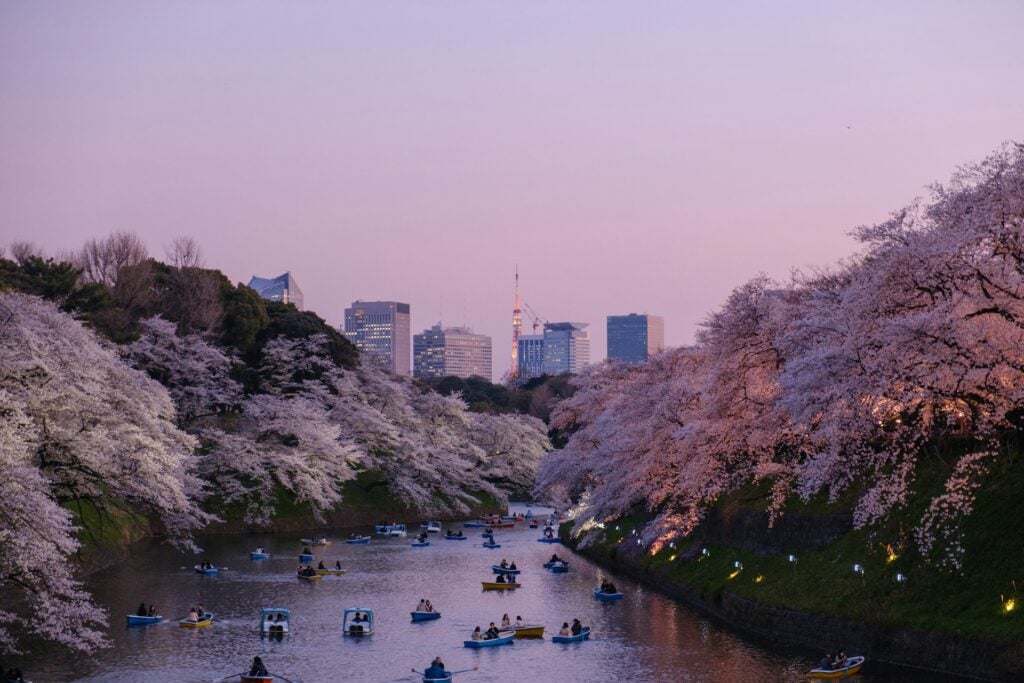
Tokyo’s cherry blossoms transform the sprawling metropolis into a garden—cherry blossom in Japan reaches peak intensity in the capital. Ueno Park becomes a pilgrimage site where thousands hanami picnic under ancient trees, their branches laden with pink blossoms creating natural tunnels. Cherry blossoms Tokyo also illuminate the Meguro River at night (thousands of lanterns transform the canal into a ribbon of light), crown Tokyo Tower against twilight, and frame the Imperial Palace’s east gardens. The energy is frenetic—convenience store onsigiri (rice balls) and beer beneath the blossoms, laughter echoing, phones capturing endless selfies. Yet amid the crowds, cherry blossom in Japan offers moments of profound stillness—a single petal spiraling down, dappled light through petals, the realization that this beauty vanishes tomorrow. Cherry blossoms Tokyo represent the festival energy of matsuri celebrations—communal joy, public celebration, and the acceptance that seasons change.
Where to Experience: Ueno Park, Meguro River, Imperial Palace East Gardens, Chidoriguchi Park, Shinjuku Gyoen
3. Matsuri Celebrations: Shinto Heritage & Festival Energy
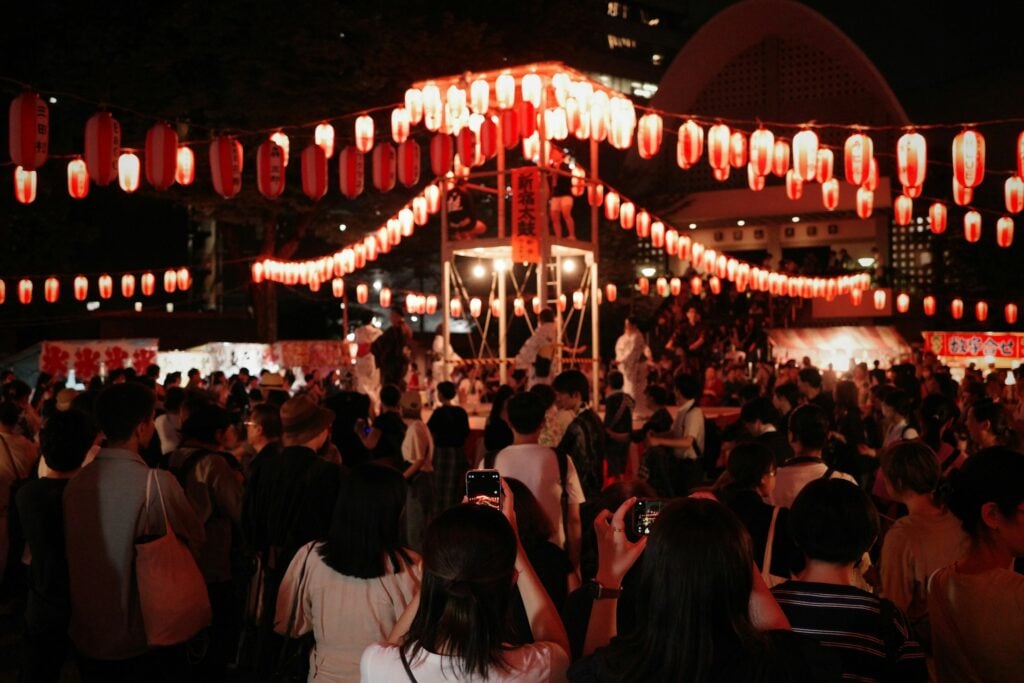
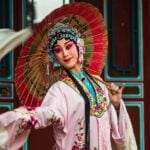
Matsuri (Shinto festivals Japan celebrates year-round) are among the most vibrant cultural festivals Japan preserves—sacred rituals blended with street energy, portable shrines (omikoshi), music, food stalls, and communal prayer. Summer matsuri are legendary: Gion Matsuri (Kyoto, July) features geisha, lantern-lit streets, and centuries-old tradition; Aomori Nebuta (August) showcases massive illuminated floats parading through streets; Awa Odori (Tokushima, August) erupts in synchronized dancing that lasts all night. Matsuri celebrations embody Shinto philosophy: appeasing spirits, giving thanks for harvests, and renewing community bonds. The energy is electric—yukata-clad revelers, the thundering of taiko drums, the intoxicating aroma of grilled yakitori and takoyaki, the collective pulse of thousands moving as one. These festivals Japan represent spiritual tradition meeting contemporary joy—making matsuri celebrations essential cultural experiences.
Where to Experience: Gion Matsuri (Kyoto, July), Aomori Nebuta (Aomori, August), Awa Odori (Tokushima, August), Takayama Matsuri (Takayama, April/October)
4. Seasonal Events Kyoto: Temple Festivals & Sacred Seasons
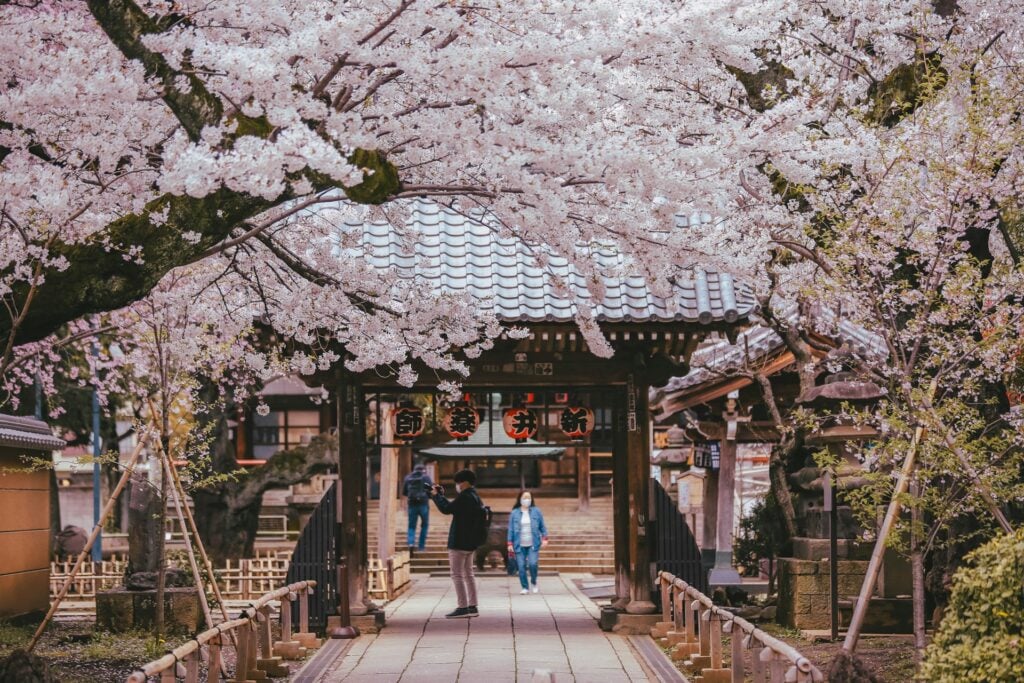
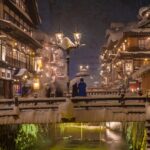
Kyoto, Japan’s spiritual heartland, hosts seasonal events Kyoto pilgrims and travelers flock to year-round. Spring brings cherry blossom in Japan with thousand-year-old temples framed in bloom; summer offers Gion Matsuri (one of Japan’s three greatest festivals) with geisha performances and lantern-lit streets; autumn ignites golden foliage at Ryoan-ji and Kinkaku-ji temples; winter brings snow-dusted pagodas and intimate seasonal events Kyoto preserves. Fushimi Inari Festival (November) draws thousands to the iconic vermillion torii gates; Aoi Matsuri (May) features ox-drawn carts and court nobles in Heian-period costumes processing to sacred shrines. Seasonal events Kyoto blur the line between tourist attraction and spiritual practice—you’re never quite sure if you’re sightseeing or participating in something sacred. These temple festivals connect travelers to centuries of Japanese cultural heritage.
Where to Experience: Fushimi Inari Shrine, Gion district (Gion Matsuri), Kinkaku-ji, Ryoan-ji, Arashiyama Bamboo Grove, Philosopher’s Path
5. Hanami Picnics: The Art of Cherry Blossom Viewing
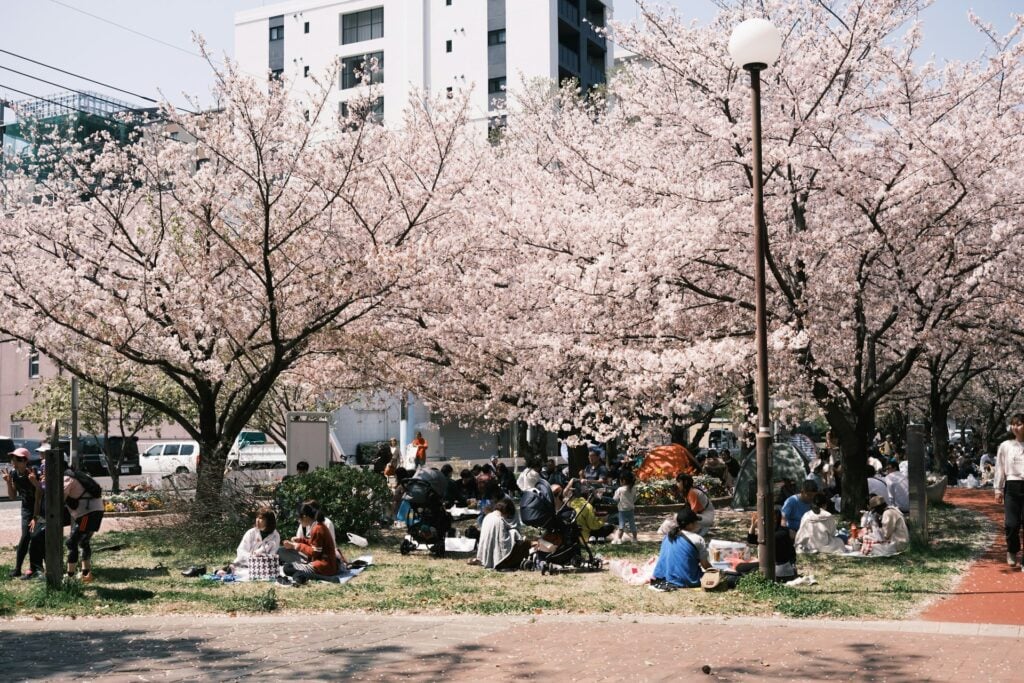
Hanami picnics are a quintessential Japanese tradition—bringing food, friends, and sake beneath flowering branches to contemplate beauty and transience. Hanami picnics are both lighthearted (office workers singing karaoke under cherry blossoms) and meditative (solitary contemplation of petals falling). The practice dates back centuries—emperors and nobility hanami picnicked as spiritual exercises. Modern hanami picnics blend reverence with joy: bento boxes, cherry blossom-flavored treats (sakura mochi, sakura ice cream), and sake warming over charcoal. The best hanami picnics happen at dawn, before crowds arrive—when you have parks nearly to yourself, light filtering through blossoms is golden, and cherry blossom in Japan feels like a private conversation with nature. Hanami picnics exemplify how cultural festivals Japan celebrate both the sacred and social dimensions of seasonal change.
Where to Picnic: Ueno Park (Tokyo), Maruyama Park (Kyoto), Takayama, Yoshino (40,000 cherry trees), lakeside parks nationwide
6. Fireworks Japan: Summer Celebration & Sacred Fire
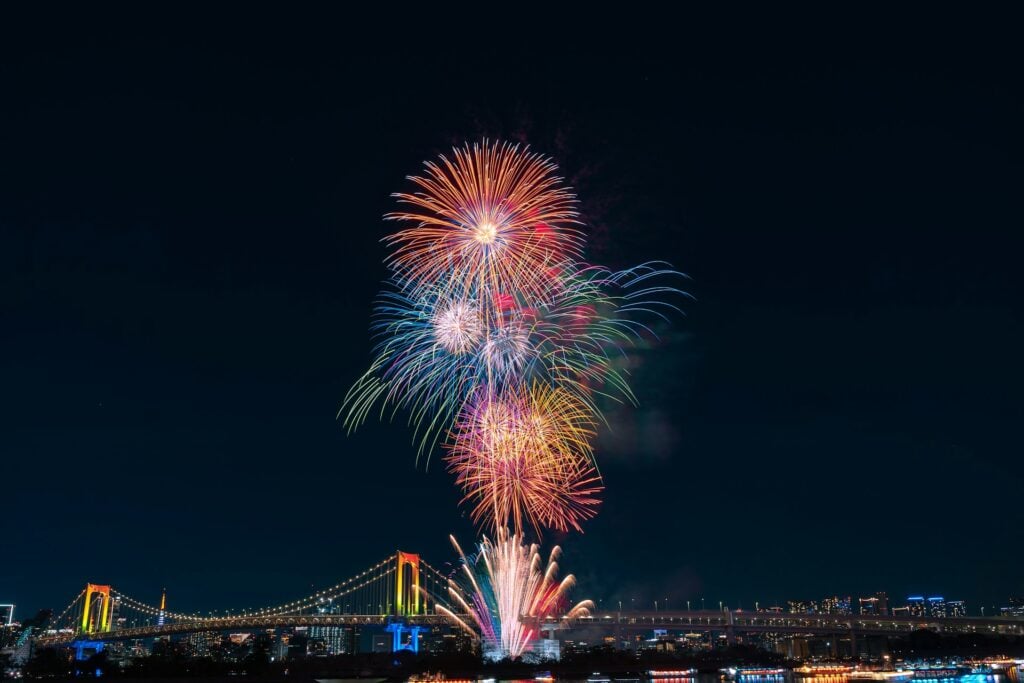
Summer fireworks Japan illuminates night skies with magnificent displays—fireworks Japan represents celebration, gratitude, and the brief, brilliant beauty that defines matsuri celebrations. Fireworks Japan festivals attract millions: the Sumida River Fireworks (Tokyo, July) draws over 1 million; Kyoto’s Arashiyama fireworks (August) reflect off the river; smaller regional fireworks light country skies. But fireworks Japan goes beyond spectacle—they’re offerings to deities, purification rituals, and communal moments where strangers become family under the same starbursts. Many luxury festival tours now offer VIP viewing on riverboats with kaiseki dinners, blending indulgence with spiritual experience. Sustainable event travel Japan means respecting viewing areas, minimizing waste at festival sites, and supporting local artisans selling traditional crafts.
Where to Experience: Sumida River Fireworks (Tokyo, last Saturday July), Arashiyama Fireworks (Kyoto, August), Nagaoka Festival (Niigata, August)
7. Temple Festivals: Spiritual Traditions & Year-Round Celebrations
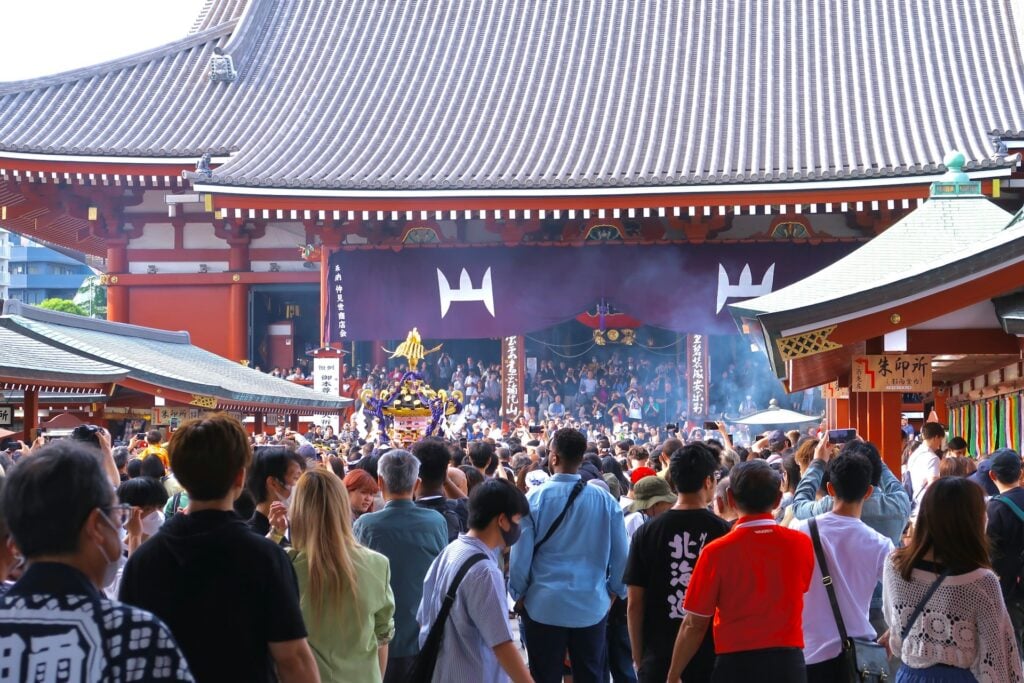
Temple festivals are the backbone of cultural festivals Japan—each temple has its own calendar of observances, fire rituals, and ceremonies. Takayama Matsuri (Takayama, April & October) showcases elaborate floats and Edo-period traditions; Rooster Fairs (Ōtori Shrine, Tokyo, November) celebrate prosperity with decorative rakes; Setsubun (nationwide, February) involves throwing beans to ward off demons and invite fortune. Temple festivals preserve practices dating to Japan’s founding—purification, gratitude, and the honoring of natural and spiritual forces. Many temples welcome visitors to participate: join matsuri celebrations by wearing yukata, buying wooden prayer plaques (ema), and participating in community rituals. These temple festivals represent the continuity of cultural festivals Japan, where cherry blossom in Japan and fireworks Japan are bookends to year-round spiritual observance.
Where to Experience: Fushimi Inari Shrine (Kyoto), Senso-ji (Tokyo), Meiji Shrine (Tokyo), local temples in every city
8. Spring Forward: Pre-Sakura Festivals & Cherry Blossom Anticipation
Before cherry blossom in Japan reaches peak bloom, spring festivals Japan celebrate renewal. Hinamatsuri (Doll Festival, March 3) displays nested dolls in homes, celebrating girls and spring’s arrival; Takayama Matsuri (Spring edition, April 14-15) features ornate floats parading through mountain town streets. These pre-sakura seasonal events Kyoto and nationwide build anticipation—people sense cherry blossoms Tokyo will soon transform parks, and festivals Japan intensify. Early spring festivals blend the waning winter chill with blooming hope. By late March, the entire nation holds its breath—weather forecasters track cherry blossom in Japan bloom dates with the precision of military intelligence, and hanami picnic reservations fill weeks in advance. Spring forward festivals represent the cultural festivals Japan embrace as seasonal markers and spiritual check-ins.
Where to Experience: Hinamatsuri celebrations nationwide, Takayama Matsuri (spring), local spring rites
9. Autumn Moon-Viewing: Tsukimi Ceremonies & Seasonal Reflection
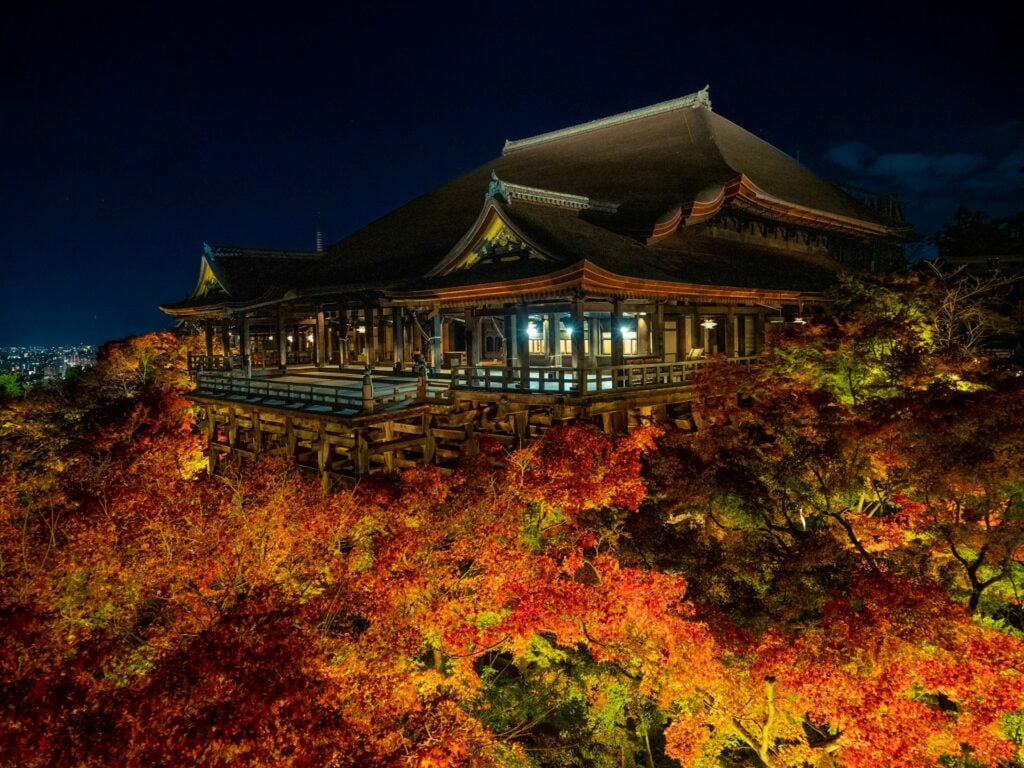
If spring cherry blossom in Japan represents youth and transience, autumn moon-viewing (tsukimi) represents maturity and meditation. Tsukimi ceremonies, observed for over 1,000 years, involve gathering under September’s full moon to appreciate beauty, compose poetry, and contemplate life’s seasons. Festival Japan autumn includes Tsukimi at temples, moon-viewing pavilions, and parks where people sit silently or recite haiku. The contrast to spring’s frenetic energy is profound—tsukimi is introspective, solitary even amid crowds. Dumplings and tea accompany viewing; some temples offer tsukimi dinner ceremonies. These seasonal events Kyoto and nationwide blend cultural festivals Japan with deep spiritual practice—festivals Japan are as much about internal transformation as external celebration. Sustainable event travel Japan means joining tsukimi contemplatively, leaving no trace, and honoring the quiet beauty matsuri celebrations sometimes overshadow.
Where to Experience: Temples nationwide (September full moon), rooftop viewing in cities, rural countryside viewing
10. New Year Celebrations: Ōshōgatsu & Fresh Beginnings
Japan’s New Year (Ōshōgatsu, January 1-7) is the nation’s most important festival—temples overflow with worshippers seeking blessings, shrine gates crush with crowds buying amulets, and festive energy electrifies cities. Ōshōgatsu marks the year’s reset: homes are thoroughly cleaned, new outfits are worn, special foods eaten (ozoni soup, mochi cakes). Hatsumode (first shrine visit of the year) draws millions; festivals Japan light with paper lanterns, food stalls, and traditional performances. The energy blends spiritual renewal with communal celebration—making Ōshōgatsu among the most important cultural festivals Japan preserves. For luxury festival tours, some hotels offer Ōshōgatsu experiences with kaiseki feasts, traditional entertainment, and private shrine access. Sustainable event travel Japan during Ōshōgatsu means respecting crowds, using public transport, and supporting local artisans selling traditional crafts.
Where to Experience: Fushimi Inari Shrine (Kyoto), Meiji Shrine (Tokyo), local shrines nationwide, temple grounds nationwide
Cherry Blossom in Japan & the Poetry of Seasonal Transformation
Cherry blossom in Japan is the nation’s greatest metaphor—beautiful, fleeting, eternally mourned, eternally reborn. But festivals Japan extend far beyond sakura season: matsuri celebrations root the nation in spiritual tradition, temple festivals preserve practices millennia old, hanami picnics connect families to seasonal change, and fireworks Japan illuminate summer skies with sacred fire. These cultural festivals Japan, woven through the calendar, represent the Japanese philosophy that life’s beauty lies in transience, that community is built through shared celebration, and that honoring seasons is honoring existence itself. Whether experiencing cherry blossom in Japan beneath ancient trees, dancing at summer matsuri celebrations under lantern light, moon-viewing in autumn silence, or celebrating Ōshōgatsu with millions—these festivals Japan transform tourism into spiritual pilgrimage. Come with intention, stay with respect, and let the seasons, cherry blossoms, and matsuri celebrations move your soul. Japan’s festivals Japan await—poetic, sacred, and eternally transformative.
Related Posts