

What to Eat in Germany: List of Traditional German Food You Should Try
Germany is a country where every region tells its story through food. Sizzling sausages sold all over the country in busy markets, to gargantuan pretzels served hot from bakery ovens, Germany’s food is a delectable mixture of tradition, artisan and regional pride. Whether soaking in Munich’s beer halls, gawking at the modern food stalls of Berlin or discovering little towns scattered between hundreds-of-years-old family recipes, you’ll come to understand that here sustenance isn’t just fuel, it’s heritage. Foods to eat Germany, the list is never ending!
If you’re thinking about your own Germany trip or looking up what to eat in Germany, I’ve included everything from classics to newer versions, as well as beer pairings, vegan options and the trends currently shaping Germany’s cuisine for 2026 and beyond.
The Legendary German Sausage Tradition
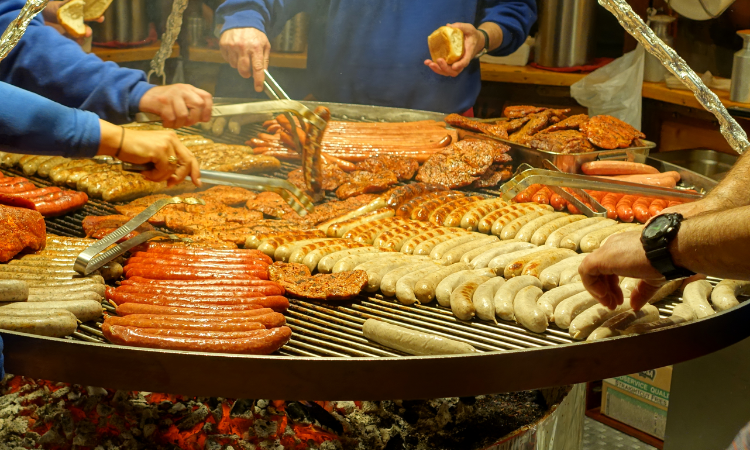
When people think of Germany, they think sausages — and with good reason. With over 1,500 varieties on offer throughout the country, German sausages are a national treasure and an art form in their own right.
Bratwurst: Germany’s Most Loved Sausage
Bratwurst and a combination of salt, pepper, nutmeg and marjoram is de facto comfort food for many Germans. On the lost of foods to eat Germany, this is on the top. You’ll see it everywhere — from street stalls and beer gardens to fancy places turning old classics into something new. Charred on the outside, juicy inside (thanks to a brine before grilling), it’s typically served with mustard, pretzels or crusty bread.
Chefs play around with herb blends, infused flavors, gourmet mustards and even sustainability-minded, vegetable-based bratwurst options.
Currywurst: Berlin’s Street Food Hero
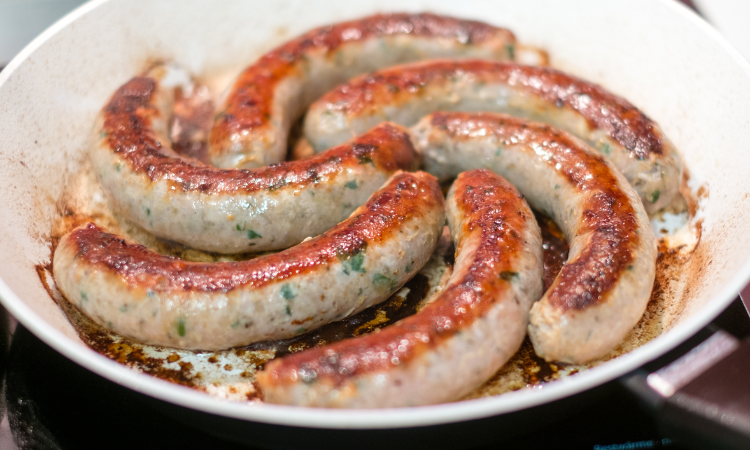
No talk of German food would be complete without street food Berlin staples. Currywurst is the leader of the pack. Schneiders Source: Supplied This sliced sausage smothered in spicy curry ketchup is fast and filling but full of big, bold flavor. Pull up some at an Imbiss stand and picnic Berlin-style.
Weibwurst: A Bavarian Morning Tradition
Weibwurst is a mild, creamy veal- and pork back bacon-based sausage which is eaten before noon along with a pretzel and sweet mustard. It introduces the novice to cravings for favours of Bavarian horseradish and mustard, and is a food people eat during German festivities – this one during Oktoberfest.
Pretzels in Germany: A Culinary and Cultural Symbol
Pretzels — called Brezeln — are something more than a snack in Germany. They show up in every day life, celebrations, holidays and religious observances.
A Staple of German Bakeries
Step inside any old-school bakery, and the scent of Germany style fresh pretzels will take you back: shiny on the outside, chewy on in the middle, with a lick of salt, seeds or cheese. The traditional Bavarian pretzel, with a golden brown crust and chunky dough arms, is best enjoyed with local beers or spreads that can be found everywhere in Germany.
Pretzels and Beer: A Match Made in the Kitchen
Pretzels are the best friend of beer-washed Germany. Whether sipping a pale pilsner, rich Märzen or fruity wheat beer, the salt and chewiness of pretzels adds to the jolt of the drink. In beer halls, pretzels are frequently served in giant renditions intended for sharing with friends (or not!). Pretzels is the most common and loved foods to eat Germany.
Pretzels in Modern German Cuisine
Today’s pretzels are evolving. Chefs are experimenting with wholegrain versions; pretzel sandwiches; vegan pretzels stuffed with plant-based cheese, a move spurred by increased attention to vegan German offerings.

Regional Dishes
Germany’s Flavors on a Map of their Own
Food in Germany is incredibly diverse by region. Every region has dishes inextricably linked to local agriculture, customs and history. To get a real taste of German regional foods, you need to visit it state by state.
Bavaria: Land of meat and comfort food
Bavaria’s reputation is built on large portions and lots of flavour. Dishes such as:
- Schweinshaxe (pork knuckle) — the skin was crispy and the meat tender.
- Leberkäse — a kind of fried meat loaf that is usually eaten in a bread roll.
- Käsespätzle — a mac and cheese in Germany’s image
These are indispensable in cultural feast Germany and work fabulously with a nice wheat beer.
The Black Forest: More Than Just Cake
This region offers:
- Schwarzwälder Schinken (Black Forest ham)
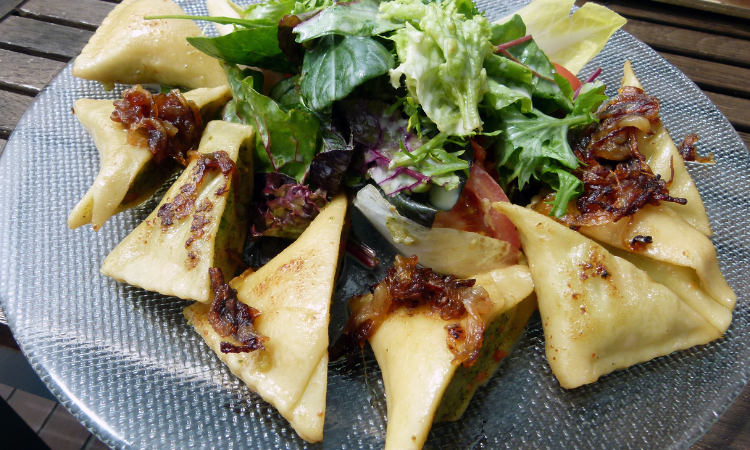
- Maultaschen – Swabian dumplings filled with minced meat and spinach and herbs
Kirschwasser desserts
Here food mirrors the dense woodland, rich soil, and hearty farming practices.
Rhineland: Sweet, Sour & Flavorful
Dishes of the Rhineland dance on a dynamic of sweet and sour, consistent with French traditions and alongside historic trade routes, too. Try:
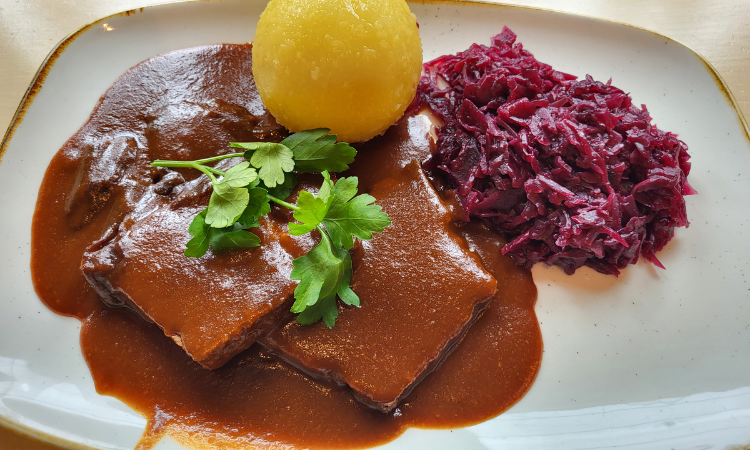
- Sauerbraten—marinated roast with sweet-sour gravy
- Halve Hahn—rye bread with cheese and mustard.
- Flammkuchen—a thin-crust German-French fusion
And this is also one of the best wine-on-wine regions in the country.
Northern Germany: Where Seafood Is Traditional German And Tradition
In the north, the coast delivers different tastes:
- Fischbrötchen—fish sandwiches
- Labskaus — a ship’s dish of corned beef, potatoes and beetroot
Sauerkraut & Fermented German Foods
You can’t address German food without recognizing its fermented heroes. Sauerkraut eats have been in German homes for many hundreds of years and are popular foodstuffs today.
Why Sauerkraut Is So Popular
Sauerkraut is piquant, flexible and healthful — it’s full of probiotics and nutrients. It’s great with pork, sausages, schnitzels and potatoes. You must try one of these foods to eat Germany.
Modern Sauerkraut Creations
Chefs 2026 are flipping sauerkraut with fusion accents:
- Kimchi-style sauerkraut
- Sauerkraut coleslaws with apple and caraway
- Vegan sauerkraut bowls
These modern tweaks are appealing for younger travelers who want to eat currently trending cuisine that feels familiar and new.
Vegan German Options: A Tasty Progression
Germany may be known for its meat-heavy meals, yet the country is quickly growing its plant-based scene. Vegan eaters won’t miss out on traditional German cuisine.
Plant-Based Sausages
Owing to the appetite for sustainable eating, vegan bratwurst and currywurst are now part of the mainstream. Berlin, in particular, is leading the charge on this front: Even street stalls here can sell versions of the stuff which are cruelty-free.
Vegan Pretzels & Pastries
Many German pretzels are naturally vegan, but a number of bakeries now offer stuffed, glazed and whole-grain varieties to accommodate various eating habits.
Vegan Twists on Classics
Try:
- Vegan schnitzel from soy or oyster mushrooms
- Plant-based Königsberger Klopse
- Dairy-free Black Forest cake
Germany’s creative take on vegan food only strengthens its reputation for culinary innovation and inclusivity.

Street Food in Berlin: The Modern Imbiss
If there is one city that will never let any food lover down, it’s Berlin. The city is a melting pot of culture, creativity and culinary curiosities.
Currywurst & Beyond
Currywurst defined Berlin street food but now you get:
- Doner kebabs
- Global fusion noodles
- Turkish-German pide
- Loaded fries
- Vegan shawarma stands
Every corner of Berlin seems like a new food story waiting to be uncovered.
Markets & Food Halls
Go to Markthalle Neun, Boxhagener Platz and Mauerpark for artisanal breads, craft beers, contemporary German snacks and the emerging food trends that will define national cuisine in 2026.
German Beer Culture: Tradition With Every Sip
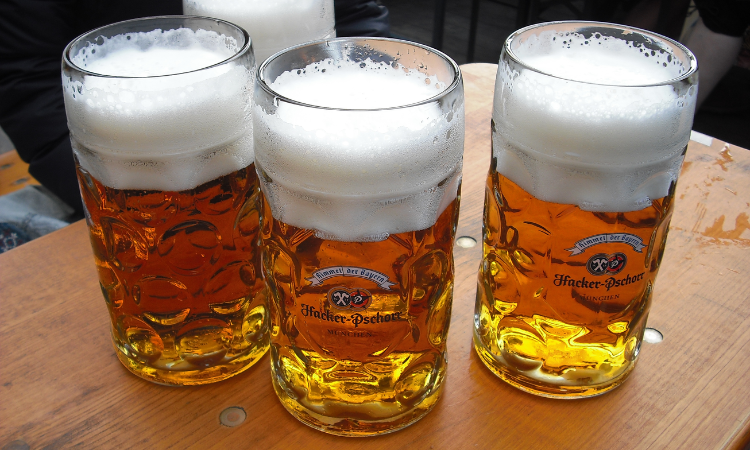
Beer is Germany’s glory — a craft honed over hundreds of years. In beer culture, with well over 1,300 breweries and thousands of unique styles to a region, it’s just as rich waiting for you in the food scene.
Classic Beer Pairings
To take your foodie expedition to the next level, try some of these classic German beer pairings:
- Wheat beer with pretzels
- Helles lager with veal dishes
- Dark Dunkel with roast meats
- Pilsner with seafood
- Märzen with sausages and sauerkraut
These pairings underscore the tight link between German beer and cooking traditions.
Craft Beer Boom
Germany’s craft beer scene is expanding, with cities such as Berlin, Hamburg and Munich pouring experimental brews infused with fruit, herbs and hops that take cues from global flavors. It’s a funky, contemporary way to have fun with food that combine well with current cooking trends.
Celebrations & Cultural Food Feasts in Germany
As in many other cultures, food in Germany is related to festivals and celebrations as well as to seasonal customs. Going on cultural feasts Germany allows travelers to taste authentic recipes the way they’ve been for countless generations.
Oktoberfest
Think giant pretzels, roast chicken, sausages, potato salads and beer without end. The heart of Bavarian food culture is Munich’s Oktoberfest.
Christmas Markets
The winter markets in Germany are a great source of comfort:
- Glühwein (mulled wine)
- Stollen
- Gingerbread
- Roasted chestnuts
- Sausages and potato pancakes
Easter & Harvest Festivals
Lamb specialties, home baked breads, asparagus delicacies and family or village bakeries are responsible for traditional cakes.
Regional Food Festivals
Every area has its food festival, from wine harvests in Rhineland to fish festivals on the coast, and with it a chance for visitors to taste genuine local flavors rarely encountered beyond their own region.

Trending Cuisine in Germany 2026
German cuisine is evolving. Though old-fashioned favorites remain popular, younger generations and international trends are redefining the local food scene.
Emerging Food Trends
Here are some of the latest and greatest culinary trends:
- Fusion German-Asian dishes
- Plant-based regional classics
- Gourmet street food
- Fermentation revival
- Locally sourced seasonal menus
- Small-batch craft beers
- More upscale sausages, plus pretzels with a twist
Germany’s culinary future is old school mixed with avant-garde, with something new to make you feel nostalgic and something familiar to surprise you.
Conclusion: Timeless & Ever-Evolving Food Culture in Germany
And whether you’re tearing through a warm pretzel, nibbling from various sausages or enjoying the heartier fare our guide for foods to eat Germany is ready to take you on an eating extravaganza like no other. The nation is driven by a commitment to innovation and sustainability, with restaurants influenced by recipes passed down for generations as well as international cultures.
There are so many foods to eat in Germany, whether you love sauerkraut plates and beer pairings, vegan cuisine or festival eats, that there’s something for every traveler that will be unforgettable. And returning to the starting gate with a gastronomic sophistication for 2026 (the World Cup always bursts out of it: “Germany emerged from their starting gates with vigour and purpose”), even such staples as bratwurst and pretzels are enjoying fresh, fizzy existence via modern sausage recipes 2026 and contemporary tricks.
Let Germany surprise you, one bite at a time.
Recent Posts