


Is a China Tour Worth It? What You Get vs Going DIY
If you’re researching a trip to China, chances are you’re the type of traveler who normally plans everything yourself. You compare hotels, book flights independently, map out routes, and enjoy having full control over your itinerary. For many destinations, that approach works beautifully.
China, however, is one of the few places where the decision between a guided tour and a DIY trip deserves a deeper look. The country’s incredible history, world-famous landmarks, high-speed rail network, and diverse landscapes make it one of the most rewarding destinations on earth. At the same time, China operates on a travel infrastructure that can feel very different from what experienced DIY travelers encounter elsewhere.
This China travel guide for first time travellers, provides an honest comparison of China guided tour vs DIY travel. We’ll explore the Best time to visit China, real costs, planning requirements, hidden challenges, and genuine benefits of both approaches so you can decide which option delivers the best value for your travel style.

Why This Question Is Different for China
Many experienced travelers assume that if they’ve successfully planned trips through Italy, Spain, Thailand, or Japan, they can easily handle China DIY travel. While that’s certainly possible, China presents a unique set of logistical realities that make the comparison between guided and self-planned travel more significant than in many other destinations.
The challenge isn’t safety. It isn’t friendliness. And it certainly isn’t a lack of tourism infrastructure. The challenge is that many of the tools Western travelers rely on simply don’t function the same way in China.
The Planning Environment Is Different
When most travelers plan a China trip yourself, they quickly discover that familiar tools are either restricted or unavailable.
For example:
- Google Maps doesn’t function normally
- Google Search is unavailable
- Gmail access requires preparation
- WhatsApp, Instagram, and Facebook are restricted
- Google Translate requires offline setup beforehand
Suddenly, the planning workflow that works perfectly in Europe or North America becomes much more complicated.
Booking Accommodation Isn’t Always Straightforward
Many travelers begin planning with platforms like Airbnb or Booking.com. In China, however, inventory is more fragmented and many domestic properties primarily operate through local platforms.
Some smaller accommodations are not licensed to host foreign visitors, something that may not be obvious when booking independently. This creates an additional research step that many DIY travelers don’t anticipate.
Payments Work Differently
China has rapidly transitioned into a largely cashless society.
While cash and international credit cards still work in many situations, daily transactions increasingly rely on:
- WeChat Pay
- Alipay
Both platforms can be used by international travelers, but setup requires preparation before departure and occasionally depends on card compatibility.
A guided tour eliminates this concern because transportation, accommodations, and most major expenses are already arranged in advance.
Timed Entry Systems Require Planning
Many of China’s most famous attractions now require advance reservations.
Popular sites such as:
- The Forbidden City
- Mutianyu Great Wall
- Terracotta Warriors Museum
- Mogao Caves
often sell out prime entry times days or weeks in advance during peak season.
Independent travelers must monitor availability and navigate booking systems, while guided tours generally secure these reservations ahead of time.
China’s Rail System Is Amazing—But Not Always Easy to Book
China’s high-speed rail network is one of the country’s greatest strengths. Trains connect Beijing, Xi’an, Shanghai, Chengdu, Guilin, and dozens of other destinations efficiently and comfortably.
The challenge lies in securing tickets.
The official booking platform, 12306, is designed primarily for domestic users and can present difficulties for foreign travelers, particularly regarding language and payment processing.
None of these obstacles make DIY travel impossible.
However, they do mean that China tour vs DIY is a more meaningful question than it would be for many other destinations.
For some travelers, solving these logistical puzzles is part of the adventure. For others, it’s exactly the kind of complexity they’d rather avoid while on vacation.

The Real Cost of a China Guided Tour vs DIY Travel
One of the biggest reasons travelers compare China guided tour vs DIY options is cost. On the surface, independent travel often appears significantly cheaper. However, once transportation, attraction tickets, guides, transfers, and planning time are factored in, the price difference is not always as large as many travelers expect. Understanding the true cost difference is one of the most important factors when evaluating a China guided tour vs DIY travel options.
The key is understanding exactly what each option includes.
Typical Cost of a Guided China Tour
Most China tour packages fall into three broad categories:
| Tour Style | Cost Per Person | Duration | Typical Inclusions |
|---|---|---|---|
| Budget Group Tour | $1,500–$2,500 | 7–10 Days | Hotels, transport, guides, major attractions |
| Mid-Range Small Group | $2,500–$4,500 | 10–14 Days | Better hotels, internal transport, daily breakfast, expert guides |
| Premium / Private Tour | $4,500–$8,000+ | 10–16 Days | Private transport, customized itineraries, luxury accommodations |
Most guided China tours include:
- Accommodation
- High-speed rail or domestic flights
- Airport transfers
- Attraction entry fees
- Local guides
- Daily logistics coordination
- Some meals
The biggest advantage is predictability. Travelers know their costs upfront and spend less time managing bookings once the trip begins.
Typical Cost of DIY China Travel
A self-planned trip can certainly cost less, particularly for travelers willing to use budget hotels and slower transportation options.
For a 10-day trip covering Beijing, Xi’an, and Shanghai, independent travelers might expect:
| Expense | Estimated Cost |
|---|---|
| Hotels | $400–$1,000 |
| Domestic transportation | $250–$700 |
| Attraction tickets | $100–$250 |
| Food | $150–$400 |
| Local transit & taxis | $50–$150 |
| Miscellaneous costs | $100–$300 |
A moderate DIY trip often lands between $1,200 and $2,800 per person, excluding international flights.

Where DIY Travelers Save
Independent travelers usually save money through:
- Budget accommodation choices
- Flexible dining options
- Selecting fewer attractions
- Slower travel pace
- Avoiding guide fees
For backpackers and highly experienced independent travelers, these savings can be substantial.
Where DIY Travelers Spend More Than Expected
Many travelers underestimate several costs when comparing guided tour vs independent China travel:
Transportation Mistakes
Incorrect train bookings, missed connections, or last-minute ticket purchases can quickly increase costs.
Translation Challenges
Sometimes convenience wins. Travelers may end up paying more for taxis, private transfers, or premium services simply because navigating alternatives becomes difficult.
Time
While not a direct financial cost, planning a multi-city China itinerary requires considerable research. Some travelers value their vacation time more than the savings generated by managing every detail themselves.
Attraction Logistics
Popular attractions often require advance reservations. Missing preferred time slots may lead to schedule changes or additional transportation expenses.
Is the Price Difference Worth It?
For experienced independent travelers who enjoy planning, problem-solving, and flexibility, DIY travel can absolutely provide excellent value.
For travelers visiting China for the first time, however, guided tours often deliver a surprisingly strong return on investment. The combination of transportation coordination, attraction access, local expertise, and reduced logistical stress frequently outweighs the additional upfront cost.
The real question is not simply which option is cheaper.
It’s which option allows you to spend more time enjoying China and less time figuring it out.
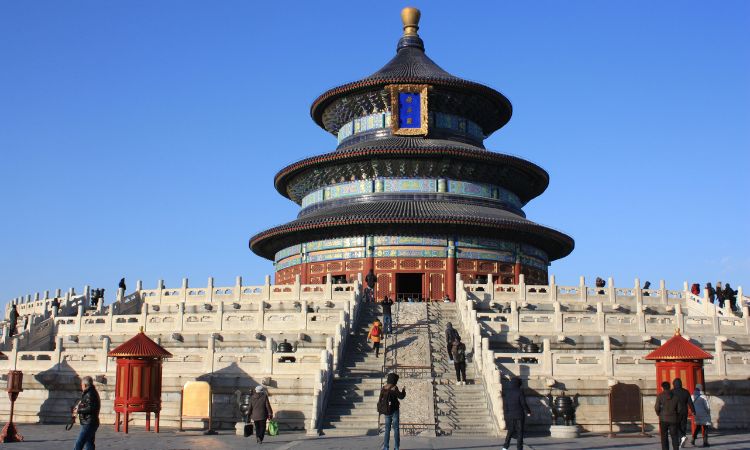
What You Get on a Guided China Tour That DIY Travelers Don’t
The biggest misconception about China guided tours is that they simply provide transportation and someone holding a flag. In reality, the value of a well-designed China tour goes far beyond logistics.
For many travelers, especially first-time visitors, the benefits become apparent not when everything goes according to plan—but when things don’t.
Expert Local Guides Bring History to Life
When comparing a China guided tour vs DIY travel, many visitors discover that convenience and cultural insight are just as valuable as the money saved through independent planning. China’s most famous landmarks are impressive on their own, but understanding their significance transforms the experience entirely.
Take the Forbidden City, for example. Without context, visitors see magnificent halls, courtyards, and architecture. With a knowledgeable guide, those same spaces become stories of emperors, political intrigue, dynastic power struggles, and daily life within the world’s largest imperial palace.
The same applies to:
- The Great Wall
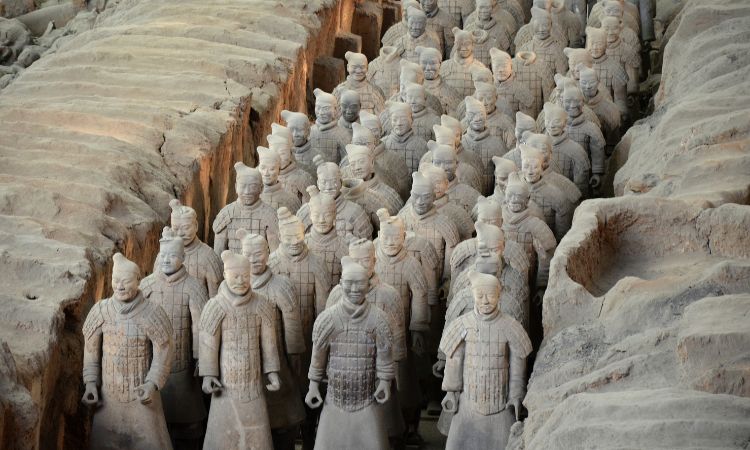
- The Terracotta Warriors
- The Summer Palace
- Ancient Xi’an
- Shanghai’s historic Bund
A guide doesn’t just tell you what you’re looking at—they explain why it matters.
Seamless Transportation Between Cities
China’s transportation network is exceptional, but coordinating multiple cities can still be time-consuming.
A guided tour handles:
- Train reservations
- Domestic flight bookings
- Airport transfers
- Hotel check-ins
- Baggage logistics
- Daily transportation
Instead of worrying about whether you’re at the correct station entrance or train platform, you simply focus on enjoying the journey.
Priority Access and Advance Reservations
Many major attractions now operate on timed-entry systems.
China Guided tours typically arrange:
- Attraction reservations
- Entry tickets
- Preferred visiting times
- Group admissions
This becomes particularly valuable during peak travel seasons when independent travelers may discover that their preferred dates or times are already sold out.
Local Knowledge Beyond Guidebooks
One of the most underrated benefits of guided travel is access to local insight.
Guides often recommend:
- Authentic regional dishes
- Hidden viewpoints
- Local customs
- Shopping areas worth visiting
- Neighborhoods tourists rarely discover independently
These small recommendations often become the most memorable parts of a trip.
Language Support Throughout the Journey
Although major tourist areas increasingly cater to international visitors, language barriers still arise regularly.
Guides help with:
- Restaurant ordering
- Transportation questions
- Hotel communication
- Unexpected situations
- Cultural misunderstandings
For travelers who don’t speak Mandarin, this support can significantly reduce stress.
Built-In Problem Solving
Travel inevitably involves surprises.
Weather changes.
Train schedules shift.
Attractions close unexpectedly.
On a guided tour, these challenges are handled behind the scenes. Experienced tour managers and local operators adjust plans without requiring travelers to spend hours researching alternatives.
DIY travelers maintain complete flexibility, but they also assume complete responsibility when plans change.
The Hidden Benefit: More Mental Space
Perhaps the greatest advantage of a guided China tour is something that doesn’t appear on any itinerary.
Mental freedom.
Instead of constantly thinking about:
- Directions
- Tickets
- Reservations
- Transportation
- Translation
- Timing
Travelers can focus entirely on the destination itself.
For many people, that’s what a vacation is supposed to feel like.
This doesn’t mean guided travel is automatically better than independent travel. Some travelers genuinely enjoy solving logistical puzzles and creating their own routes.
However, when evaluating China guided tour benefits, it’s important to consider not only the services provided but also the time, energy, and stress those services remove from the travel experience.
The Hidden Challenges of DIY Travel in China
Independent travel in China can be incredibly rewarding. Many experienced travelers successfully navigate the country on their own and enjoy the freedom to move at their own pace. However, it’s important to understand the realities before deciding that DIY is automatically the better option.
Most of the challenges aren’t major problems—they’re simply things that require extra time, preparation, and patience.
Planning Takes Longer Than You Expect
Researching a multi-city China itinerary often requires more effort than planning a comparable trip elsewhere.
Travelers need to coordinate:
- Train or domestic flight schedules
- Attraction reservations
- Hotel locations relative to train stations
- Payment setup
- Transportation between cities
- Backup plans for schedule changes
For someone visiting Beijing, Xi’an, Shanghai, Chengdu, and Guilin, the planning process can easily consume dozens of hours before departure.
Language Barriers Still Exist
Major tourist attractions and upscale hotels are becoming increasingly international, but English is still not widely spoken throughout much of China.
This isn’t usually a problem for simple interactions, but it can become challenging when:
- Asking for directions
- Changing transportation plans
- Handling booking issues
- Visiting smaller cities
- Managing unexpected situations
Translation apps help significantly, but they don’t eliminate every communication hurdle.
Transportation Logistics Add Up
China’s high-speed rail system is one of the world’s best, but navigating major stations for the first time can feel overwhelming.
Large transportation hubs often involve:
- Security screening
- Ticket verification
- Multiple waiting areas
- Platform changes
- Large crowds during peak travel periods
For independent travelers, every transfer requires research and careful timing.
Attraction Reservations Can Be Complicated
Many of China’s most popular sites now require advance booking.
Examples include:
- The Forbidden City
- Certain sections of the Great Wall
- Popular museums
- Cultural performances
Reservations may open only a limited number of days in advance and occasionally use systems designed primarily for domestic travelers.
Missing a reservation window can affect an entire day’s itinerary.
Digital Tools Require Preparation
One of the most overlooked aspects of China DIY travel is the need to prepare digital resources before arrival.
Many travelers download:
- Offline maps
- Translation packs
- VPN services (where permitted and compliant with local laws)
- Payment applications
- Train ticket platforms
Those who arrive unprepared often spend the first few days solving logistical issues instead of sightseeing, making it one of the most important things to know before travelling to China!
Flexibility Can Become Decision Fatigue
One of the greatest benefits of independent travel is freedom.
Ironically, that same freedom can sometimes become exhausting.
Every day requires decisions:
- Which attraction first?
- Which train?
- Which restaurant?
- Which route?
- Which ticket option?
Some travelers love this level of control. Others eventually realize they’re spending a significant portion of their vacation managing logistics rather than enjoying the destination.
DIY Works Best for Certain Travelers
Independent travel is often ideal for:
- Repeat visitors to China
- Long-term travelers
- Backpackers
- Travelers with flexible schedules
- People who genuinely enjoy trip planning
For first-time visitors with limited vacation time, the learning curve can be steeper than expected.
The important takeaway is not that DIY travel is difficult—it’s that China rewards preparation. Travelers willing to invest the time can absolutely create an unforgettable independent journey. The question is whether that preparation process adds to the experience or takes away from it.

Are China Tours Worth the Money?
The short answer is yes, China tours are worth the money for many travelers, particularly first-time visitors who want to maximize their experience while minimizing logistical challenges.
That doesn’t mean guided tours are automatically the right choice for everyone. The value comes down to what you prioritize most: saving money, saving time, gaining deeper cultural insight, or maintaining complete flexibility. For travelers weighing China guided tour vs DIY experiences, the answer often comes down to how much they value convenience, expert guidance, and stress-free travel.
Comparing Value, Not Just Price
Many travelers focus solely on the upfront cost difference between a guided tour and independent travel. A better question is:
What are you receiving in return for that additional investment?
A guided China tour package for North American travellers often bundles:
- Hotels
- Internal transportation
- Attraction tickets
- Local guides
- Airport transfers
- Daily logistics
- Cultural experiences
When priced individually, many of these expenses add up quickly. In some cases, the difference between a well-priced group tour and a DIY trip is smaller than travelers initially assume.
China Offers Exceptional Experiences
Few destinations provide the variety found in China.
Within a single trip, travelers can experience, the Best Places to visit in China:
- Imperial palaces in Beijing
- The Great Wall
- Ancient Xi’an and the Terracotta Warriors
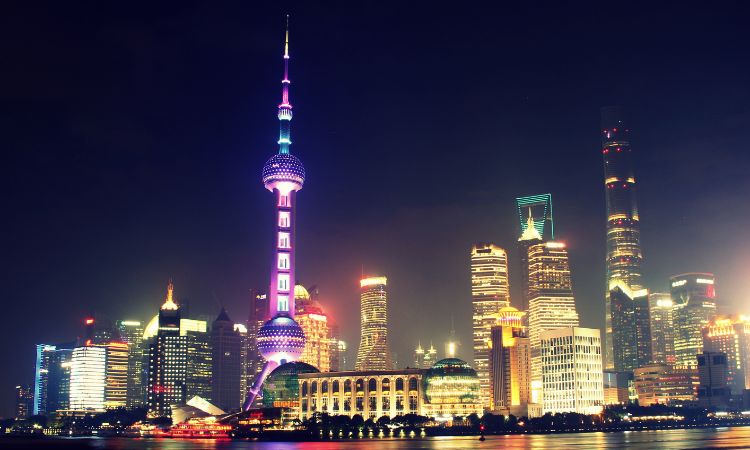
- Futuristic Shanghai skylines
- Giant pandas in Chengdu
- Karst mountains in Guilin
- River cruises on the Yangtze
Covering this much ground independently requires substantial coordination. Guided tours simplify the process and allow travelers to focus on the experience itself.
Value for Senior Travelers
Guided tours are particularly appealing for travelers who prefer comfort, convenience, and expert support.
Many China tours for seniors — value options highlight how guided travel removes stress and simplifies complex itineraries. Wwhere long distances, language differences, and transportation logistics can become tiring when handled independently.
Having accommodations, transportation, and sightseeing organized in advance allows travelers to enjoy the destination without constantly managing details.
The Value of Local Expertise
One of the most difficult benefits to assign a dollar amount to is local knowledge.
A China tour guide can explain:
- The symbolism behind temple architecture
- The history of imperial China
- Regional food traditions
- Local customs and etiquette
- Stories that aren’t found in guidebooks
These insights often transform sightseeing into genuine cultural immersion.
Time Is Valuable Too
Most travelers have limited vacation days.
If you have:
- One week
- Ten days
- Two weeks
In China, every hour matters.
Guided tours to China, reduce the amount of time spent researching, navigating, troubleshooting, and waiting in lines. For many travelers, that time savings alone justifies the additional cost.
When Tours Make the Most Sense
Guided China tours tend to offer the greatest value for:
- First-time visitors
- Multi-city itineraries
- Travelers with limited vacation time
- Couples seeking convenience
- Seniors looking for comfort and support
- Travelers interested in history and culture
DIY travel often works best for repeat visitors, long-term travelers, and people who genuinely enjoy planning every aspect of a journey.
Ultimately, the question isn’t whether guided tours cost more. The question is whether the added convenience, expertise, and peace of mind create a better travel experience for you. For many visitors to China, the answer is yes.
How to Choose the Right China Tour for Your Travel Style
Not all China tours are the same. Some focus on iconic highlights such as Beijing, Xi’an, and Shanghai, while others dive deeper into regional culture, natural landscapes, or specialized experiences. The key is choosing an itinerary that matches your interests, budget, and preferred pace of travel.
Before booking, ask yourself a few important questions.
What Are Your Must-See Destinations?
For first-time visitors, the classic 10 Day China Itinerary usually includes:
- Beijing and the Great Wall
- Xi’an and the Terracotta Warriors
- Shanghai
- Chengdu
- Guilin
These destinations provide an excellent introduction to China’s history, culture, and modern development.
If your interests are more specific, you may prefer itineraries focused on:
- Ancient history
- Food and culinary experiences
- Scenic landscapes
- River cruises
- Minority cultures and rural regions
Your must-see list should guide the rest of your planning.
Group Tour or Private Tour?
One of the biggest decisions involves choosing between group and private travel.
Group tours typically offer:
- Lower costs
- Social interaction with fellow travelers
- Fixed itineraries
- Excellent value for first-time visitors
Private tours provide:
- Flexible schedules
- Customized experiences
- Greater privacy
- More control over daily activities
If you’re unsure which option suits you best, explore our China Travel Guide on China small group tours vs private tours (price comparison)
How Much Time Do You Have?
Trip length significantly impacts both cost and experience.
Typical recommendations include:
- 7–8 days: Beijing, Xi’an, and Shanghai
- 10–12 days: Adds Chengdu or Guilin
- 14+ days: Allows deeper exploration and a more relaxed pace
Travelers with limited vacation time often benefit most from guided tours because transportation and logistics are already optimized.
Consider Your Travel Pace
Some travelers enjoy seeing as much as possible.
Others prefer slower mornings, fewer hotel changes, and more time in each destination.
Before booking, review:
- Number of cities included
- Average daily sightseeing hours
- Travel days
- Walking requirements
The most enjoyable tour is not necessarily the one that visits the most places—it’s the one that matches your preferred pace.
Look Closely at Inclusions
Two tours with similar prices may offer very different value.
Pay attention to:
- Hotel quality
- Internal flights or rail travel
- Attraction entry fees
- Meals included
- Group size
- Guide services
Understanding these details helps you compare tours accurately rather than focusing solely on the headline price.
The Best Tour Is the One That Fits You
China rewards every type of traveler, whether you prefer structured itineraries or independent exploration.
Some travelers thrive with complete flexibility. Others prefer knowing that hotels, transportation, and sightseeing are already arranged.
The best choice isn’t necessarily the cheapest or the most luxurious—it’s the one that allows you to experience China in a way that feels comfortable, rewarding, and memorable.
Ready to Explore China?
Whether you’re comparing guided tours with DIY travel or narrowing down itinerary options, the most important step is choosing an experience that matches your interests and travel style.
If you’d like to compare routes, inclusions, and pricing, compare China tour packages from Acqua and discover itineraries designed to showcase the country’s most iconic landmarks, fascinating history, and unforgettable cultural experiences.