
Jeju Island Travel Guide: Best Beaches, Hikes and 3–4 Day Itinerary
Welcome to Jeju Island, South Korea’s subtropical paradise and the country’s most beloved vacation destination. Often called the “Hawaii of Korea,” this volcanic island located off the southern coast combines pristine beaches, dramatic lava formations, UNESCO World Heritage sites, and lush hiking trails into one unforgettable package. As the crown jewel of South Korea tourism, Jeju Island attracts over 15 million visitors annually with its unique blend of natural beauty, cultural attractions, and Instagram-worthy landscapes that define the best places to visit in South Korea.
This comprehensive Jeju Island travel guide covers everything you need to plan the perfect 3-4 day itinerary, from the island’s most spectacular beaches and challenging hikes to practical transportation tips and must-see attractions. Whether you’re seeking a romantic holiday in Korea, an adventure-filled escape, or a relaxing beach retreat, Jeju Island delivers experiences that cater to every travel style. The island’s compact size (approximately 73 kilometers east to west) makes it ideal for road trips, while its diverse landscapes—beaches, waterfalls, volcanic craters, tea plantations, and lava tube caves—ensure you’ll never run out of fun things to do in South Korea.
From the iconic Seongsan Ilchulbong sunrise peak to the challenging Hallasan summit hike, from pristine white-sand beaches to dramatic black lava coastlines, this Jeju Island guide provides insider tips, detailed itineraries, and practical advice to maximize your Korean island adventure.
Why Jeju Island is Essential for South Korea Tourism
Jeju Island holds special status as South Korea’s only Special Self-Governing Province, granting it unique autonomy and visa-free entry for most nationalities (up to 30 days for many countries). This accessibility combined with stunning natural beauty makes it one of the most popular best places to visit in South Korea for both international tourists and domestic travelers seeking weekend escapes from Seoul and Busan.
The island’s volcanic origins create dramatic landscapes unlike anywhere else in Korea. Hallasan, South Korea’s highest mountain at 1,950 meters, dominates the center of Jeju Island, while over 360 parasitic volcanic cones (called “oreum”) dot the landscape. UNESCO recognizes three sites here: Hallasan Natural Reserve, Seongsan Ilchulbong Tuff Cone, and Geomunoreum Lava Tube System—collectively designated as Jeju Volcanic Island and Lava Tubes World Natural Heritage Site.
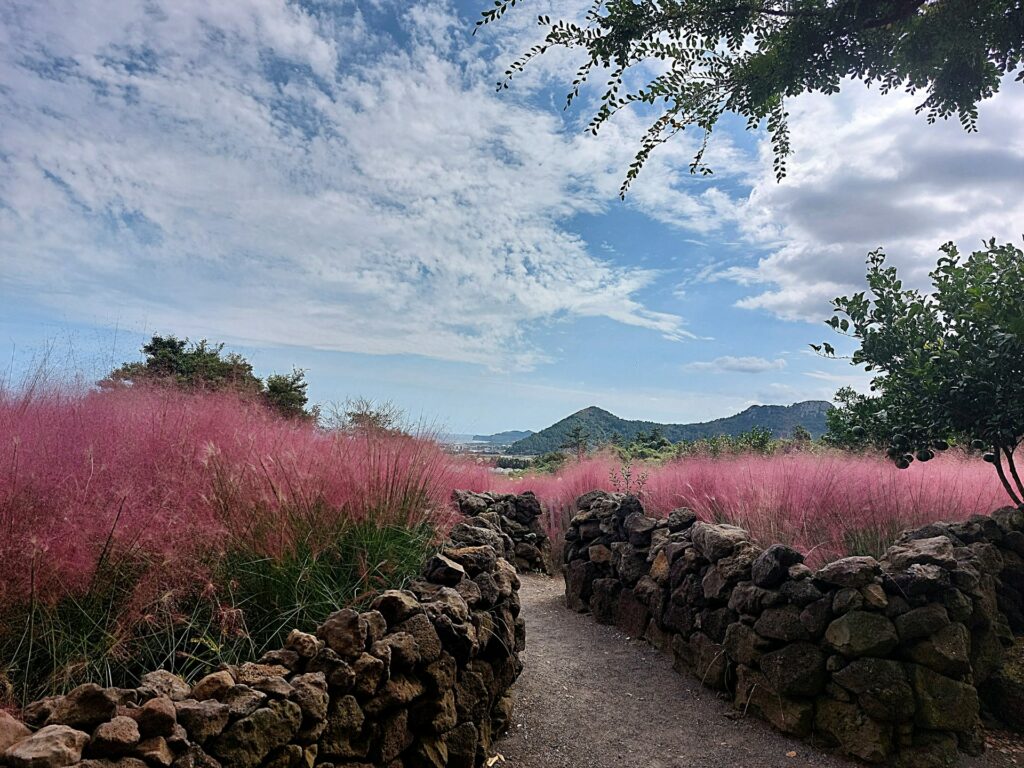
Beyond natural attractions, Jeju Island offers unique cultural experiences including haenyeo (female free-divers), traditional stone walls, dol hareubang (stone grandfather statues), and fresh seafood that defines Korean coastal cuisine. These elements combine to create one of the most diverse and rewarding destinations for anyone planning a holiday in Korea.
Best Time to Visit Jeju Island
Understanding Jeju Island’s seasonal patterns helps you choose optimal visiting periods. The island experiences four distinct seasons, each offering different advantages for exploring the best places to visit in South Korea.
Spring (April-May): Peak season for Jeju Island tourism. Cherry blossoms and canola flower fields create stunning yellow carpets across the countryside. Comfortable temperatures (15-20°C/59-68°F) perfect for hiking and beach walks. Expect higher accommodation prices and crowded attractions, especially during Korean holidays. Book hotels and rental cars 2-3 months ahead.
Summer (June-August): Beach season with temperatures reaching 28-33°C (82-91°F). July-August brings monsoon rains and occasional typhoons, but also peak domestic tourism during Korean summer holidays. Beaches fill with families, and accommodation prices peak. Best for swimming, water sports, and enjoying fun things to do in South Korea’s coastal paradise.
Autumn (September-November): Many travelers consider autumn the best time to visit Jeju Island. Pleasant temperatures (18-25°C/64-77°F), minimal rainfall, clear skies perfect for Hallasan hikes, and stunning fall foliage create ideal conditions. October especially popular—book early.
Winter (December-March): Off-season offers lowest prices, fewer tourists, and unique experiences like Hallasan summit snow hikes and mandarin picking. Temperatures mild (5-10°C/41-50°F) compared to mainland Korea, though beaches too cold for swimming. Many Jeju Island attractions remain open year-round, making winter viable for budget travelers seeking a peaceful holiday in Korea.
Best Beaches on Jeju Island
Jeju Island’s 250-kilometer coastline features diverse beaches ranging from pristine white-sand crescents to dramatic black volcanic shores. Here are the must-visit beaches showcasing why Jeju Island ranks among the best places to visit in South Korea.
Hyeopjae Beach – White Sand Paradise
Located on the northwest coast, Hyeopjae ranks as Jeju Island’s most famous beach for its powdery white sand composed of crushed shells and coral. The turquoise water, shallow depth perfect for families, and backdrop of Biyangdo Island create postcard-perfect scenery. Summer weekends get extremely crowded, so visit weekdays or shoulder seasons for the best experience. The adjacent Geumneung Beach offers similar beauty with fewer crowds.
Hamdeok Beach – Emerald Waters
This crescent-shaped beach near Jeju City combines convenience (only 20 minutes from the airport) with stunning beauty. Bright turquoise water, soft sand, and surrounding cafés and restaurants make Hamdeok ideal for day trips. The distinctive Seoubong Peak at one end provides excellent photo opportunities. Extremely popular with Korean families and young couples seeking fun things to do in South Korea near the capital.
Jungmun Saekdal Beach – Dramatic Black Sand
On the southern coast, this unique beach features dark volcanic sand contrasting with white-capped waves, creating dramatic visual appeal. Strong currents and waves attract surfers year-round, making it Jeju Island’s premier surf spot. Even non-surfers appreciate the powerful coastal scenery and nearby luxury resorts. The adjacent Jusangjeolli Cliff (hexagonal lava columns) and Cheonjiyeon Waterfall create perfect combination day trips.
Woljeongri Beach – Trendy Café Culture
This small beach on the northeast coast has exploded in popularity thanks to trendy cafés, boutique hotels, and Instagram-worthy aesthetics. White sand, clear water, and a relaxed bohemian vibe attract younger travelers and couples. The surrounding Woljeongri Village offers excellent dining, shopping, and coffee culture unique on Jeju Island.
Best Hikes on Jeju Island
Jeju Island hiking opportunities range from casual seaside walks to challenging mountain ascents. These trails showcase the island’s volcanic landscapes and rank among the most rewarding fun things to do in South Korea for active travelers.
Hallasan Summit Trail – Ultimate Challenge
Conquering Hallasan, South Korea’s highest peak, represents the ultimate Jeju Island hiking achievement. Two main trails lead to Baengnokdam Crater at the summit: Seongpanak Trail (9.6km one-way, easier gradient) and Gwaneumsa Trail (8.7km, steeper but shorter). The round-trip typically takes 8-10 hours. Start early (trails close at 12:30 PM for safety), bring plenty of water and snacks, and check weather conditions in advance.
Summit views on clear days reveal the entire Jeju Island spreading below you, with the ocean visible in all directions and mainland Korea faintly visible north. The crater lake (often dry in summer) and alpine vegetation above treeline create otherworldly scenery. This challenging hike is one of the most memorable experiences on any holiday in Korea.
Seongsan Ilchulbong (Sunrise Peak) – UNESCO Wonder
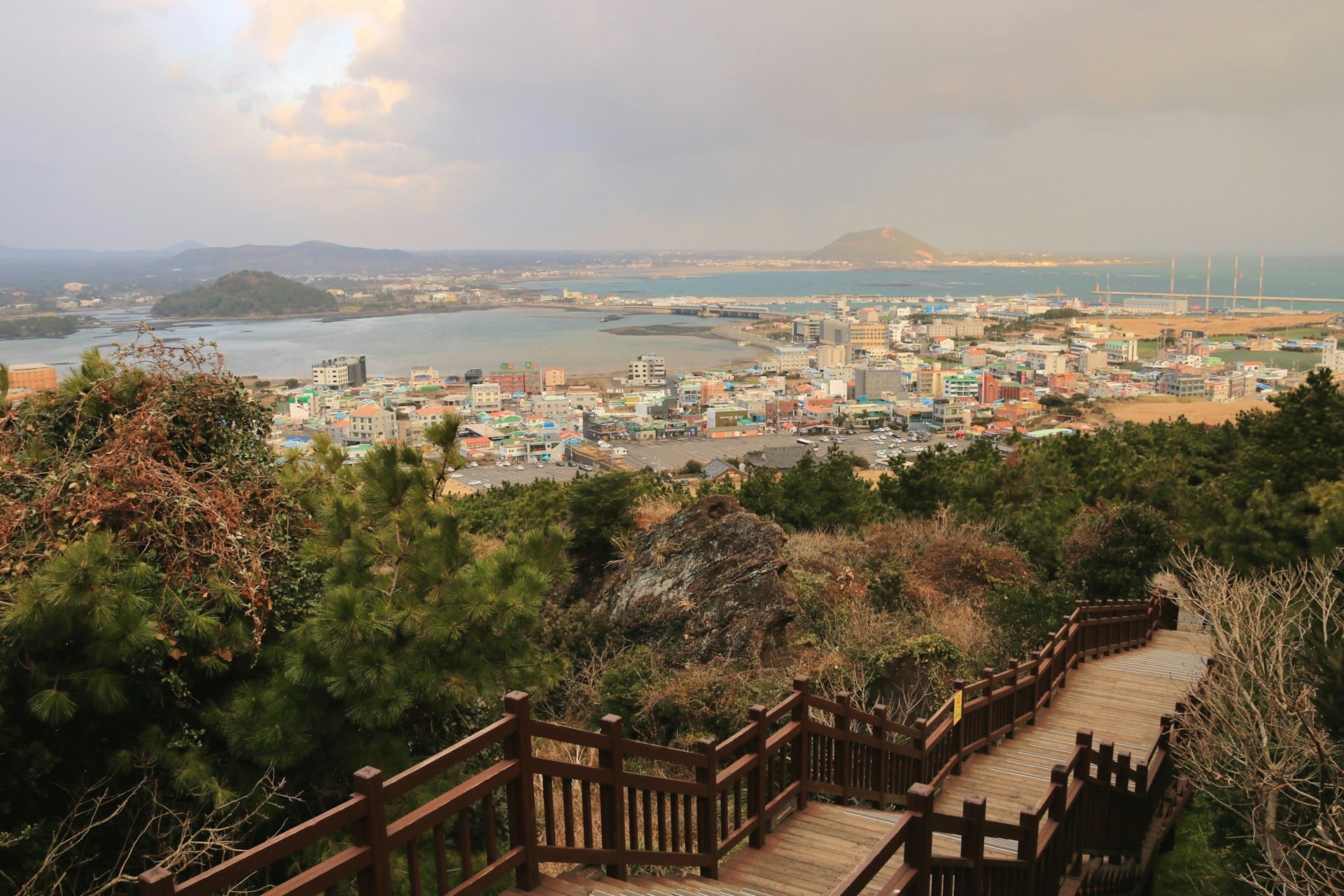
This dramatic volcanic tuff cone rising 182 meters from the sea represents Jeju Island’s most iconic landmark. The 30-40 minute hike up wooden stairs to the crater rim offers spectacular 360-degree views of the island, ocean, and the crater’s grass-filled interior. True to its name, sunrise here ranks among Korea’s most beautiful, though the climb requires arriving by 6:00 AM for the best views.
Seongsan Ilchulbong combines accessibility (suitable for most fitness levels), stunning scenery, and UNESCO World Heritage status into one essential Jeju Island experience. Don’t miss the haenyeo (female divers) performances at the base, showcasing traditional free-diving culture unique to this region.
Olle Trails – Coastal Walking Routes
The Jeju Olle Trail system comprises 27 routes totaling 425 kilometers around Jeju Island’s coastline. These walking paths—marked with distinctive orange and blue ribbons and horse symbols—pass through fishing villages, volcanic beaches, forests, and countryside. Each route takes 4-8 hours to complete, though you can walk shorter sections.
Popular routes for visitors include Olle Route 7 (Wolpyeong–Seogwipo, featuring waterfalls and ocean views) and Olle Route 10 (Hwasun–Moseulpo, passing dramatic coastal cliffs). The trails provide intimate encounters with Jeju Island’s natural beauty and rural culture, offering some of the best fun things to do in South Korea for walkers and photographers.
Must-See Attractions on Jeju Island
Manjanggul Lava Tube Cave
This UNESCO-listed lava tube stretches 13 kilometers (visitors can access 1 kilometer), making it one of the world’s longest. Walking through the tunnel, created by flowing lava 300,000 years ago, feels like entering another planet. Massive lava formations, including a 7.6-meter stone pillar, create surreal underground landscapes. The constant 11-13°C temperature provides relief on hot summer days, making this a top Jeju Island attraction year-round.
Seongeup Folk Village
This preserved traditional village showcases authentic Jeju Island culture with thatched-roof houses, stone walls, and demonstrations of traditional life. While touristy, it provides valuable context about island history and the harsh living conditions locals endured for centuries. Free admission makes it an easy addition to any Jeju Island itinerary, offering cultural depth to complement natural attractions.
Jusangjeolli Cliff
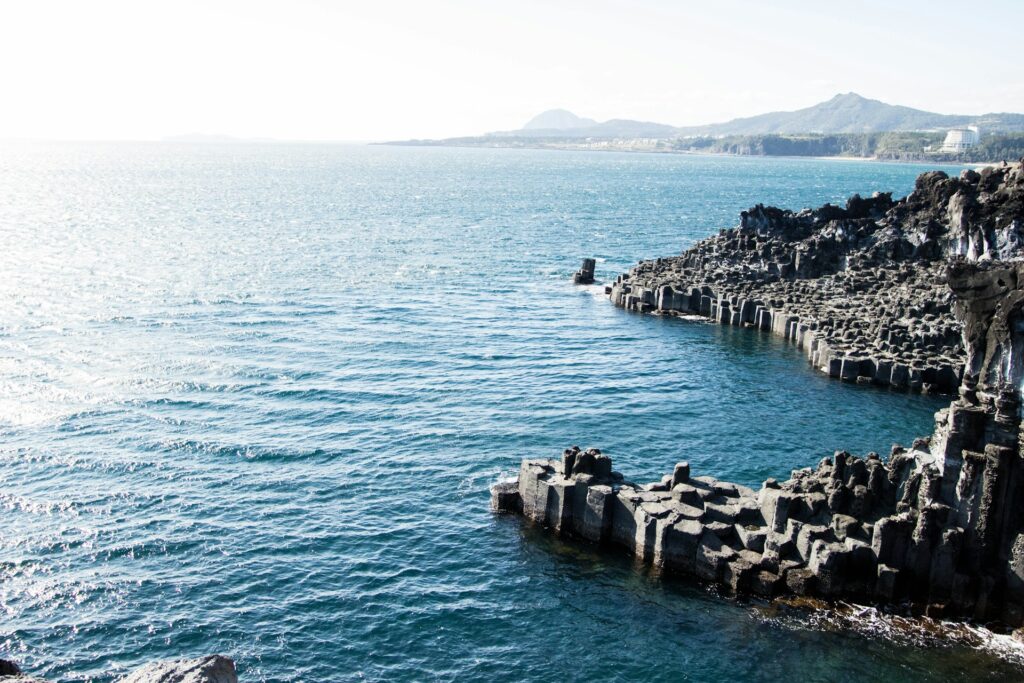
These spectacular hexagonal basalt columns formed when lava rapidly cooled upon hitting the ocean, creating geometric patterns along the southern coast. Waves crashing against the 20-meter-high cliffs create dramatic photo opportunities. Located near Jungmun Beach, Jusangjeolli easily combines with other southern Jeju Island attractions for efficient touring.
Cheonjiyeon and Jeongbang Waterfalls
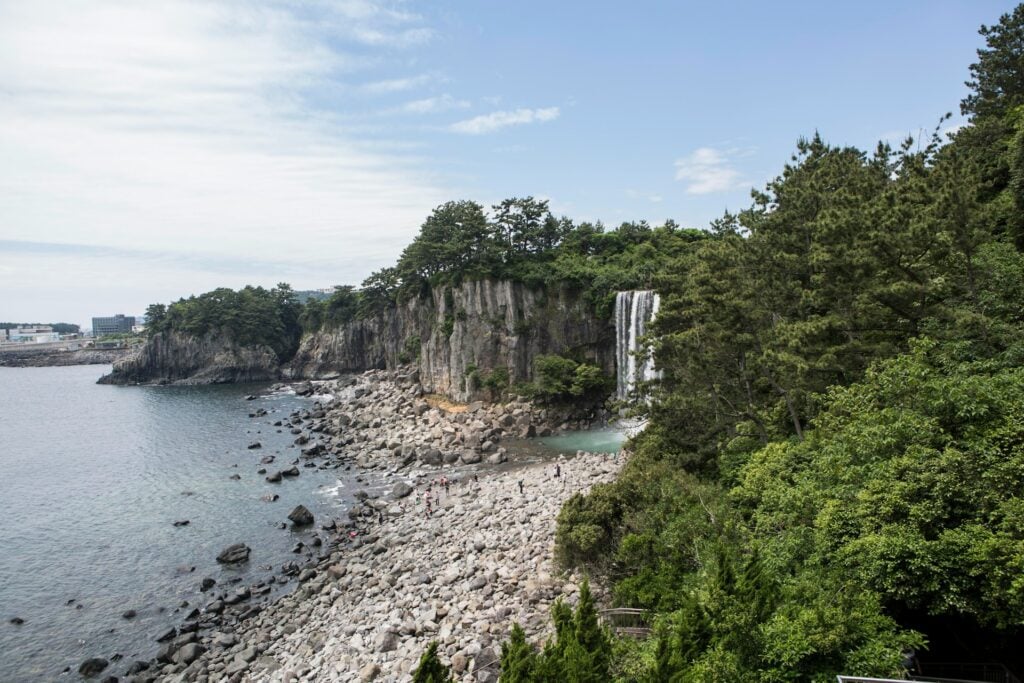
These two waterfalls near Seogwipo offer refreshing contrasts. Cheonjiyeon (22 meters) cascades into a pond surrounded by lush subtropical vegetation, while Jeongbang (23 meters) uniquely falls directly into the ocean—one of the only such waterfalls in Asia. Both provide easy access and showcase Jeju Island’s abundant water resources, making them popular stops on southern coast itineraries.
Jeju Island 3-4 Day Itinerary
This practical itinerary connects the best places to visit in South Korea’s premier island, balancing famous attractions, beaches, hikes, and hidden gems.
Day 1: East Jeju – Sunrise Peak and Coastal Beauty
Morning: Start early at Seongsan Ilchulbong (Sunrise Peak) for the iconic sunrise experience or mid-morning visit to avoid crowds. Hike to the crater rim (30-40 minutes) for spectacular views. Watch haenyeo diving demonstrations at the base.
Late Morning: Drive to nearby Seongeup Folk Village (15 minutes) to explore traditional Jeju Island culture and architecture.
Afternoon: Head to Woljeongri Beach for lunch at trendy cafés, beach relaxation, and photos. Continue to Hamdeok Beach (20 minutes) for afternoon swimming or simply enjoying the turquoise water and coastal walk.
Evening: Check into accommodation in Jeju City area. Explore Dongmun Traditional Market for dinner, trying local specialties like black pork barbecue, abalone porridge, and fresh seafood.
Day 2: Central Jeju – Hallasan Summit Challenge
Full Day: Dedicate this day to conquering Hallasan if you’re up for the challenge. Start Seongpanak Trail by 7:00 AM to ensure sufficient time (remember 12:30 PM entry cutoff). Pack lunch, plenty of water, layers for temperature changes, and sunscreen. The 8-10 hour round trip pushes your limits but rewards with summit views and accomplishment.
Alternative for Non-Hikers: Explore central Jeju Island attractions including Manjanggul Lava Tube Cave, Gimnyeong Beach, and Maze Land. Visit the Samseonghyeol Shrine and Jeju Stone Park to understand island mythology and culture. Drive through Bijarim Forest for peaceful nature walks among ancient nutmeg trees.
Day 3: West Jeju – Beaches and Dramatic Coastlines
Morning: Drive to Hyeopjae Beach (50 minutes from Jeju City) for the island’s finest white sand and turquoise water. Swim, relax, and enjoy the stunning scenery. Walk to nearby Geumneung Beach for quieter atmosphere.
Afternoon: Explore the dramatic west coast, stopping at Hallim Park (subtropical botanical gardens and lava caves), Hyeopjae Cave, and Biyangdo Island viewpoints. Drive along the scenic coastal road photographing coastal cliffs and traditional stone walls.
Evening: Watch sunset at Chagwi Island or Suwolbong Peak (small coastal peak with panoramic views). Enjoy fresh seafood dinner in a local restaurant, trying grilled mackerel, sea urchin bibimbap, or haemul pajeon (seafood pancake).
Day 4: South Jeju – Waterfalls and Coastal Wonders
Morning: Head south to Seogwipo, visiting Cheonjiyeon Waterfall for a refreshing forest walk and cascade views. Continue to Jeongbang Waterfall—walk down to the beach for the unique perspective of water falling into the ocean.
Late Morning: Visit Jusangjeolli Cliff to witness dramatic hexagonal basalt columns and crashing waves. Perfect for dramatic coastal photography.
Afternoon: Spend afternoon at Jungmun Saekdal Beach, either surfing or simply appreciating the powerful waves and black volcanic sand. Visit the nearby Teddy Bear Museum or Trick Art Museum if traveling with children or seeking quirky fun things to do in South Korea.
Evening: Return to airport area if departing next day, or extend your Jeju Island adventure with additional days exploring lesser-known eastern attractions, tea plantations, or Udo Island (small island off the east coast accessible by ferry).
Practical Information for Jeju Island
Getting There and Around
Jeju Island is accessible via Jeju International Airport with direct flights from Seoul (1 hour, $40-100), Busan (50 minutes, $30-80), and other Korean cities, plus international connections from China, Japan, Taiwan, and Southeast Asia. Budget airlines offer frequent cheap flights, especially from Seoul’s Gimpo Airport.
Renting a car is highly recommended for exploring Jeju Island efficiently. International driving permits accepted; rental cars available at the airport from $30-80 per day. The island’s circular highway and well-maintained roads make driving straightforward. GPS navigation systems available in English. Note that Korean driving culture can be aggressive—drive defensively.
Alternatives include public buses (inexpensive but slow with limited routes), tour buses (convenient but inflexible), and taxis (expensive for full-day touring but reasonable for airport transfers). Many hotels offer package deals including car rental.
Where to Stay
Jeju City (North): Most convenient for flights, offers urban amenities, restaurants, shopping, and central access. Best for short trips prioritizing efficiency.
Seogwipo (South): More relaxed coastal atmosphere, close to southern attractions including waterfalls and Jungmun Beach. Growing resort development offers luxury options.
Seongsan (East): Quieter area near Sunrise Peak, ideal for those wanting peaceful countryside settings and easy access to east coast attractions.
Accommodation ranges from budget guesthouses ($25-40/night), mid-range hotels ($60-100), to luxury resorts ($150-400+). Book well in advance during spring/autumn peak seasons.
Food and Dining
Jeju Island cuisine emphasizes fresh seafood, black pork, and tangerines. Must-try dishes include:
- Heuk Dwaeji (Black Pork): Local pork breed prized for tender meat and rich flavor, typically grilled Korean BBQ style.
- Jeonbok Juk (Abalone Porridge): Creamy rice porridge with fresh abalone—comforting and nutritious.
- Haemul Jjigae (Seafood Stew): Spicy stew packed with fresh catch including octopus, clams, shrimp, and fish.
- Kkochi Gui (Grilled Mackerel): Fresh mackerel simply grilled—showcases Jeju Island’s excellent seafood quality.
- Hallabong: Unique citrus fruit (hybrid of tangerine and orange) grown only on Jeju Island—try fresh juice, ice cream, or chocolates.
Conclusion: Your Jeju Island Adventure Awaits
This comprehensive Jeju Island travel guide equips you for an unforgettable Korean island adventure. From pristine beaches like Hyeopjae and dramatic volcanic landscapes like Seongsan Ilchulbong, from challenging Hallasan summit hikes to peaceful coastal Olle Trail walks, Jeju Island delivers diverse experiences that explain why it remains the undisputed crown jewel of South Korea tourism.
Whether you’re planning a romantic holiday in Korea, an adventure-filled escape, or a family beach vacation, Jeju Island rewards travelers with stunning natural beauty, unique cultural experiences, and incredibly fresh seafood that create memories lasting far beyond your departure flight. The island’s compact size, excellent infrastructure, and year-round accessibility make it one of the most rewarding and hassle-free best places to visit in South Korea.
Use this guide’s 3-4 day itinerary as a foundation, then customize your Trip to South Korea with Acqua Travels, based on your interests, energy levels, and season. Whether you’re watching sunrise from Seongsan Ilchulbong, conquering Hallasan summit, relaxing on white-sand beaches, or savoring grilled black pork, Jeju Island promises fun things to do in South Korea that exceed expectations and create the perfect island escape.