
Shanghai Travel Guide: Old Meets New in China’s Futuristic City
When you travel to Shanghai, you enter one of the world’s most dynamic cities—a dazzling metropolis where 1920s Art Deco architecture coexists with gravity-defying skyscrapers, ancient Buddhist temples sit peacefully amid commercial districts, and 27 million residents create unstoppable urban energy. This comprehensive China tour guide provides everything you need to navigate Shanghai successfully, from essential districts and must-see landmarks to culinary experiences and practical logistics.
Shanghai represents China’s bold vision for the future while honoring its complex past. Your travel to Shanghai experience offers unparalleled contrasts—the colonial Bund waterfront facing Pudong’s futuristic skyline, traditional shikumen lane houses alongside luxury malls, soup dumpling street stalls next to Michelin-starred restaurants. This tour guide Shanghai ensures you experience the city’s full spectrum of possibilities, whether you’re a first-time visitor or returning explorer.
Unlike Beijing’s imperial grandeur or Xi’an’s ancient warriors, Shanghai showcases China’s economic miracle and cosmopolitan character. From the Bund’s spectacular colonial facades to French Concession tree-lined streets, from rooftop bars with panoramic skyline views to hidden lane-house restaurants serving authentic Shanghainese cuisine, when you travel to Shanghai, you witness extraordinary transformation at every turn.
Best Time to Travel to Shanghai
Timing significantly impacts your Shanghai experience. This China tour guide breaks down seasonal considerations to help you choose optimal visiting periods.
Spring (March-May) – Peak Season
Spring represents an ideal time to travel to Shanghai with comfortable temperatures (10-25°C/50-77°F) and cherry blossoms transforming parks in late March and early April. However, spring attracts maximum tourist numbers, especially during Qingming Festival (early April) and Labor Day (May 1). Book accommodations 2-3 months ahead and expect crowds at major attractions.
Summer (June-August) – Hot and Humid
Summer brings intense heat (often exceeding 35°C/95°F) and oppressive humidity above 80%. This tour guide Shanghai recommends summer only for travelers comfortable with extreme weather or seeking lower accommodation rates (20-40% below peak season). June-July marks “plum rain season” with frequent downpours, while August brings typhoon risks. Advantages include vibrant street life, excellent air-conditioned indoor attractions, and fewer international tourists.
Autumn (September-November) – Optimal Weather
Autumn rivals spring as the best time to travel to Shanghai, offering pleasant temperatures (15-28°C/59-82°F), clear skies, and moderate humidity. Mid-Autumn Festival (late September) provides cultural experiences. However, avoid National Day Golden Week (October 1-7) when domestic tourism peaks dramatically. Late October through November offers the sweet spot—excellent weather with manageable crowds.
Winter (December-February) – Off-Season Opportunity
Winter brings cold, damp weather (3-10°C/37-50°F) but rarely snow. This China tour guide notes winter offers lowest accommodation rates (30-50% below peak), minimal crowds, and authentic local interactions. Chinese New Year (late January/February) transforms the city with decorations and celebrations, though many businesses close temporarily and travel becomes challenging.
Essential Districts: Where to Stay and Explore
The Bund (Waitan) – Iconic Waterfront
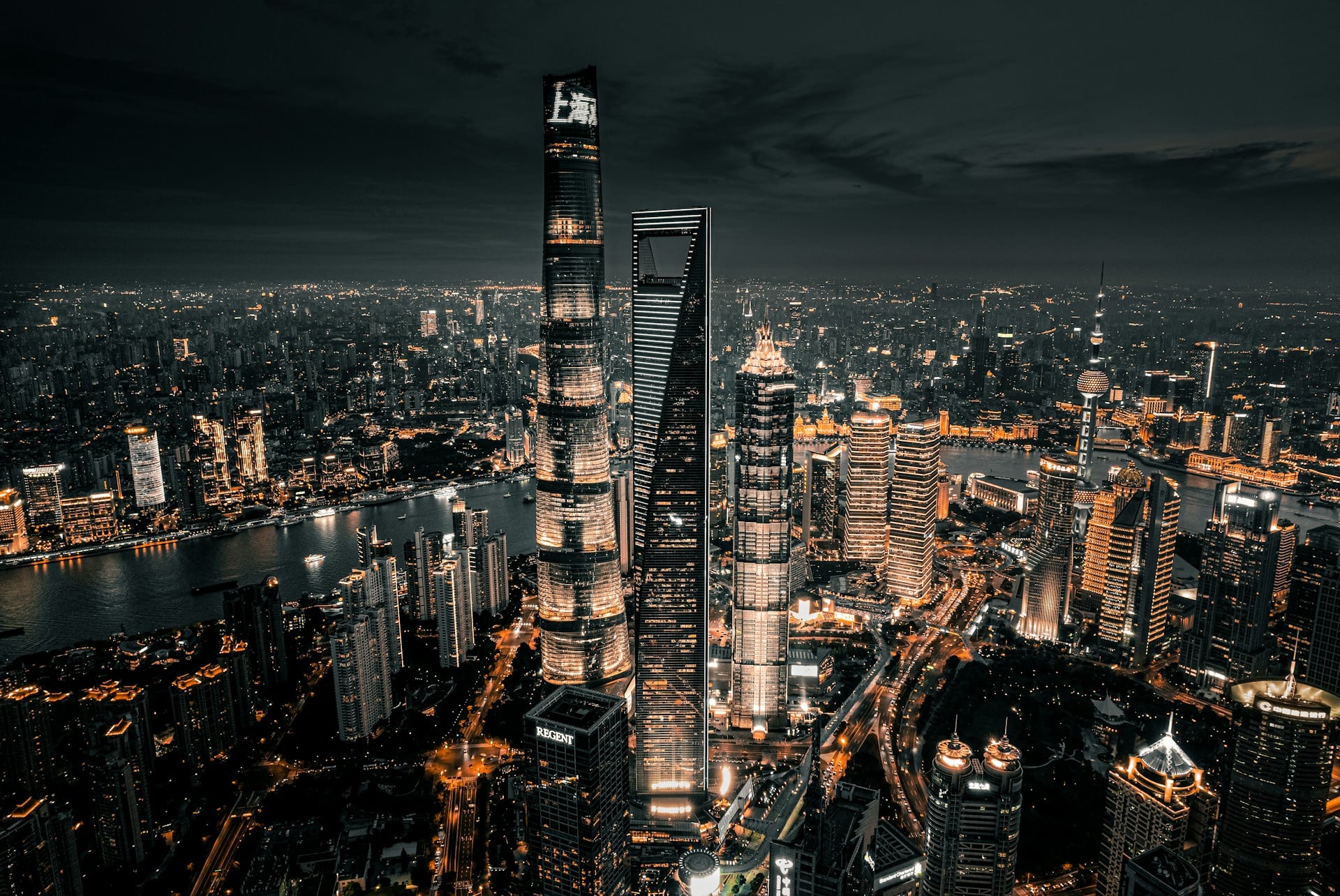
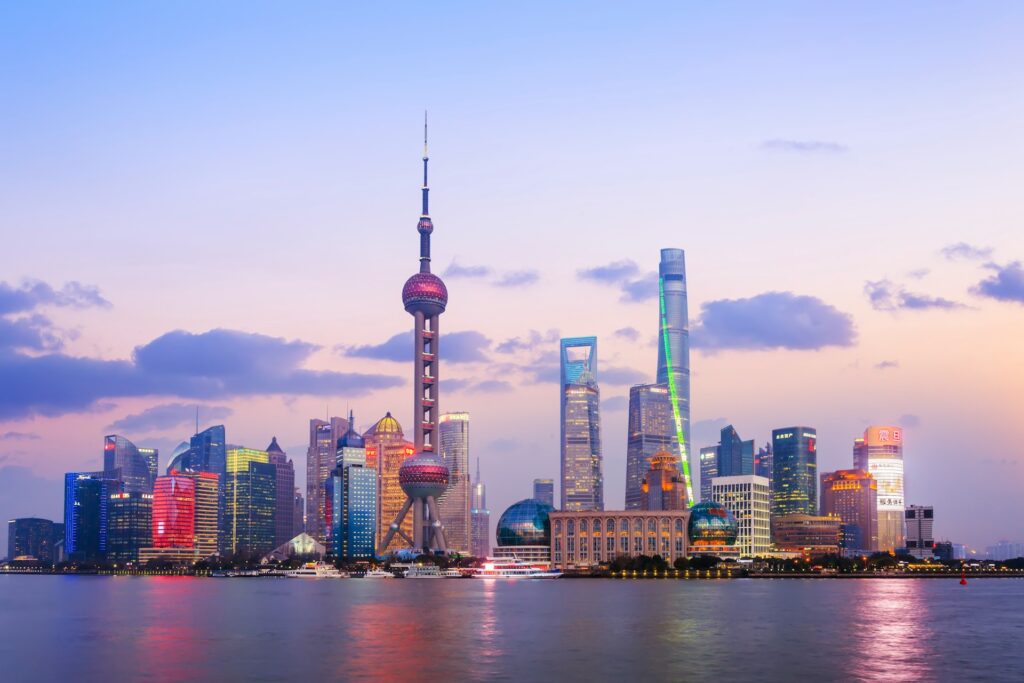
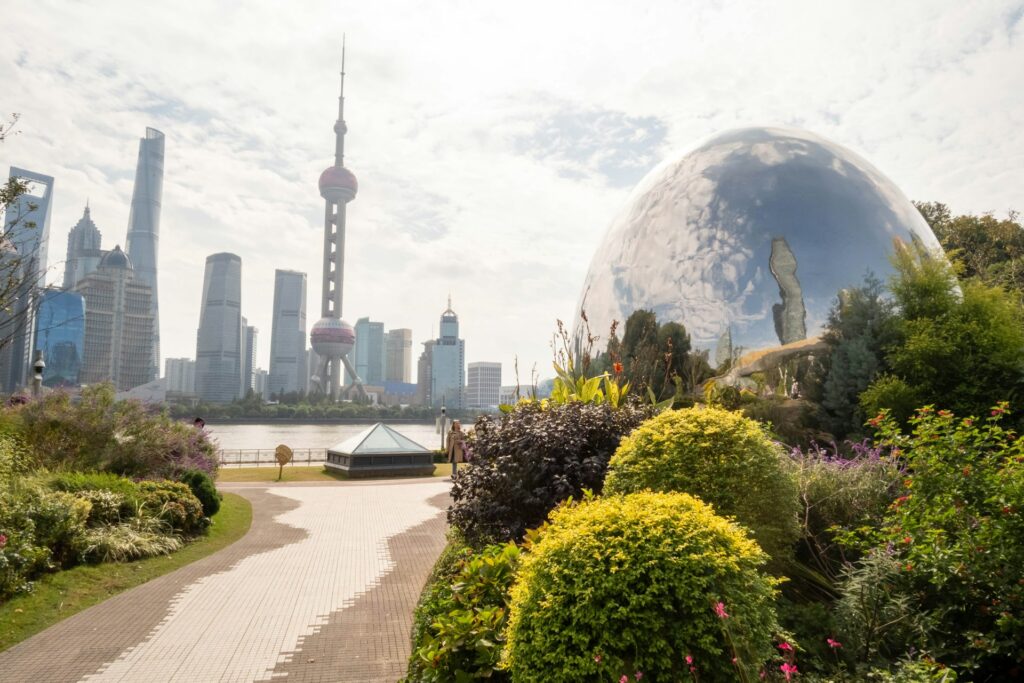
No resource for those who travel to Shanghai would be complete without extensive Bund coverage. This 1.5-kilometer waterfront promenade showcases 52 colonial-era buildings (1920s-1930s) in Gothic, Baroque, Renaissance, and Art Deco styles. Former banks and trading houses now contain luxury hotels (Waldorf Astoria, Peninsula Shanghai), flagship stores, and high-end restaurants. The Bund offers Shanghai’s most famous view—across the Huangpu River to Pudong’s futuristic skyline including Oriental Pearl Tower, Shanghai Tower (632m), and Shanghai World Financial Center. Visit both day and night for different spectacular experiences.
Pudong – Futuristic Skyline
When international travelers travel to Shanghai, Pudong represents the city’s futuristic ambitions. This district was farmland until 1990; today it contains the world’s second-tallest building (Shanghai Tower), observation decks with glass-floor walkways, and Lujiazui’s concentration of corporate headquarters. Beyond skyscrapers, Pudong offers excellent shopping at IFC Mall, the Shanghai Ocean Aquarium, Century Park, and the Maglev train reaching 431 km/h from Pudong Airport.
Former French Concession – Charming Elegance
The French Concession delights visitors seeking atmosphere and character. This historic district features plane-tree-lined avenues, Art Deco mansions, boutique shops, international restaurants, specialty coffee roasters, and vibrant nightlife. Key attractions include Tianzifang (arts and crafts enclave in converted shikumen), Xintiandi (upscale restaurants in restored buildings), and numerous specialty museums. This tour guide Shanghai highlights the French Concession as Shanghai’s most charming neighborhood for walkable exploration.
Old City (Yu Garden Area) – Traditional Heart
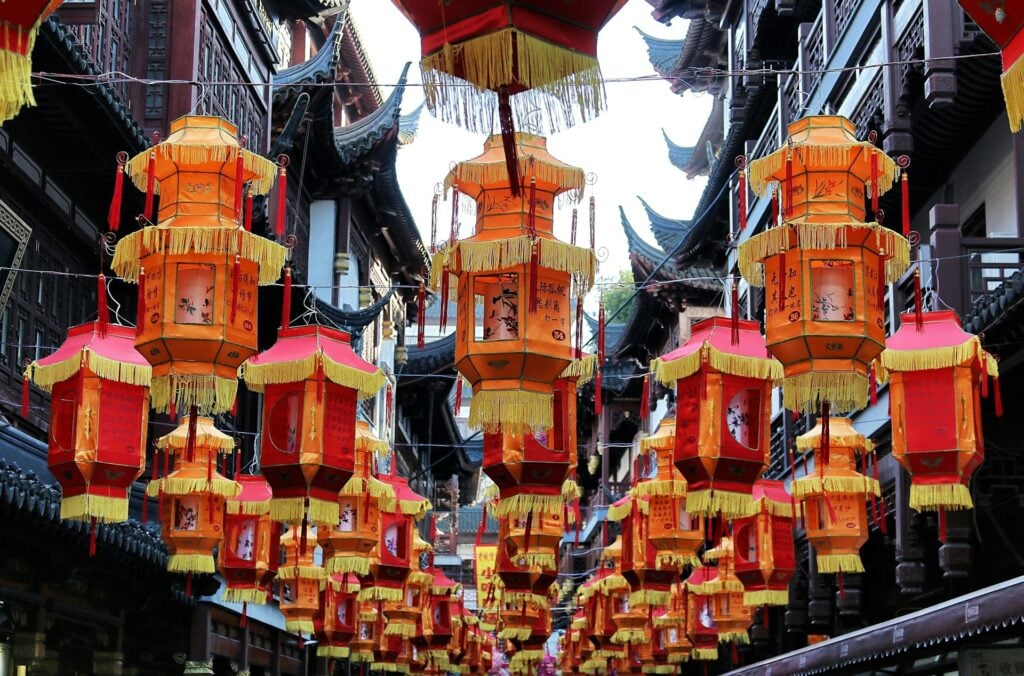
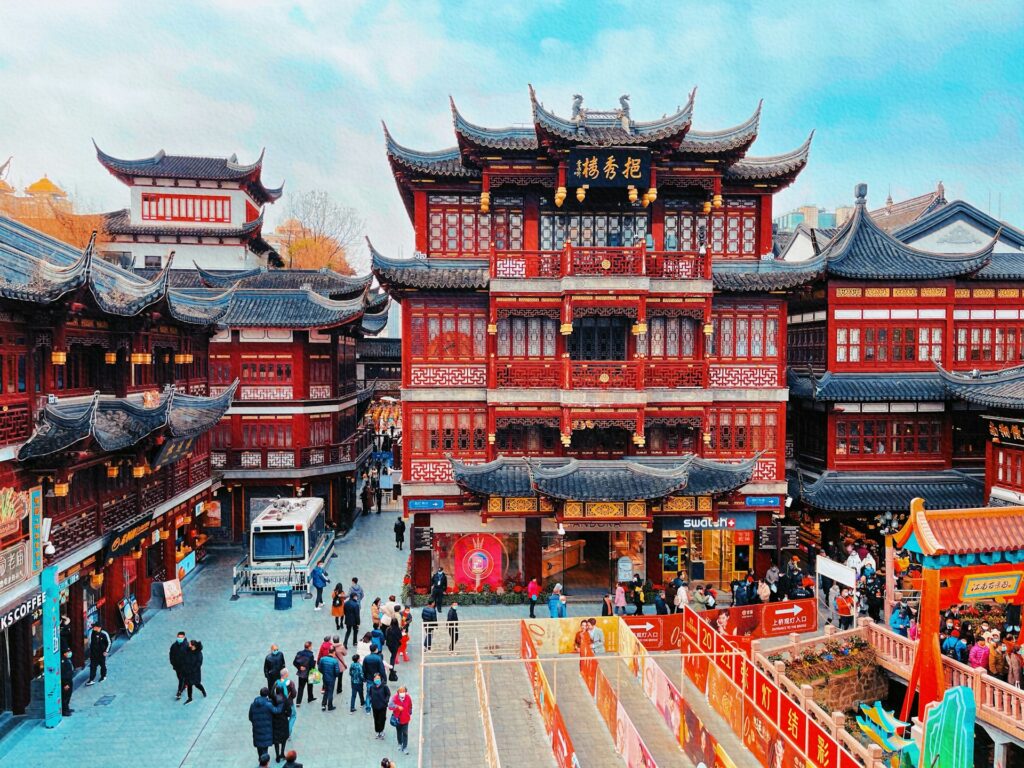
For traditional Chinese architecture, the Old City surrounding Yu Garden provides essential experiences. Yu Garden itself (built 1559 during Ming Dynasty) features classical Chinese landscaping with pavilions, ponds, rockeries, and the famous Exquisite Jade Rock. The surrounding Yuyuan Bazaar buzzes with craft shops, tea merchants, and xiaolongbao vendors. The City God Temple remains an active Taoist site. Expect significant crowds—visit early morning (before 9 AM) for the best experience.
Jing’an – Modern Shopping Hub
Jing’an Temple gives this central district its name. The area combines luxury shopping at Plaza 66 and HKRI Taikoo Hui with excellent dining, peaceful Jing’an Park, and Nanjing Road West shopping street. Jing’an appeals to travelers seeking modern comforts, convenience, and excellent metro connections (Lines 2, 7, 12, 13), making it an ideal base for exploring efficiently.
Must-See Attractions
Shanghai Tower Observation Deck
At 632 meters, Shanghai Tower is China’s tallest building. The observation deck on Floor 118 (546m) offers breathtaking 360-degree views. The world’s fastest elevators transport visitors at 18 meters per second. This China tour guide recommends visiting near sunset to experience both daylight and illuminated night views. Tickets: ¥180 adults. Visit duration: 1.5-2 hours. Metro: Lujiazui Station, Line 2.
Yu Garden and Old City Bazaar
This exquisite classical Chinese garden dates to 1559. Despite tourist crowds, Yu Garden rewards visitors with traditional landscape architecture—rocks, water, plants, and buildings creating “mountains and forests within the city.” Highlights include the Exquisite Jade Rock, Grand Rockery, and intricate lattice windows. The surrounding bazaar offers xiaolongbao at the famous Nanxiang Steamed Bun Restaurant. Tickets: ¥40. Visit duration: 2-3 hours. Metro: Yuyuan Garden Station, Line 10.
Shanghai Museum
Located in People’s Square, Shanghai Museum houses China’s finest ancient art collections across eleven galleries—bronzes, ceramics, calligraphy, paintings, jade, Ming and Qing furniture, and ethnic costumes. Free admission with advance online reservation required. Allocate 3-4 hours. Hours: 9 AM-5 PM (closed Mondays). Metro: People’s Square, Lines 1, 2, 8.
M50 Creative Park
Art enthusiasts who travel to Shanghai shouldn’t miss M50—a former textile compound converted into Shanghai’s premier contemporary art district. Over 130 galleries, studios, and creative organizations occupy this riverside complex. Notable galleries include ShanghART, Vanguard Gallery, and Island6 Arts Center. Visit Tuesday-Sunday (most closed Mondays). Free admission. Allow 2-3 hours.
Tianzifang
This labyrinthine neighborhood occupies former shikumen residences converted into boutiques, galleries, cafes, and bars. Unlike commercialized Xintiandi, Tianzifang retains authentic neighborhood character with residents still living above shops. Perfect for wandering, souvenir shopping, and enjoying coffee in hidden courtyards. Visit weekday mornings to avoid crowds. Metro: Dapuqiao Station, Line 9.
Shanghai’s Culinary Scene
Shanghai’s food culture deserves extended exploration when you travel to Shanghai. The city offers everything from street food to Michelin three-stars, traditional Shanghainese to international cuisines.
Traditional Shanghainese Cuisine
Traditional Shanghainese food emphasizes sweetness, seafood, and braising techniques. Essential dishes:
- Xiaolongbao (Soup Dumplings): Delicate steamed dumplings filled with pork and hot broth. Eating technique: place on spoon, nibble opening, sip broth, eat dumpling.
- Shengjianbao (Pan-Fried Pork Buns): Similar to xiaolongbao but pan-fried with crispy bottoms.
- Hongshaorou (Red-Braised Pork): Fatty pork belly braised for hours in soy sauce, sugar, and spices until tender.
- Hairy Crab: Seasonal delicacy (October-December) from Yangcheng Lake with sweet, delicate meat.
- Scallion Oil Noodles: Simple wheat noodles tossed with scallion-infused oil and soy sauce.
Where to Eat by Budget
Budget (Under ¥100/$15): Yang’s Fried Dumplings (shengjianbao), Jia Jia Tang Bao (xiaolongbao), Wujiang Road Food Street, university canteens.
Mid-Range (¥100-400/$15-60): Din Tai Fung (reliable xiaolongbao), Jesse Restaurant (authentic Shanghainese classics), Lost Heaven (upscale Yunnan cuisine), Fu 1088 (contemporary Shanghainese in heritage mansion).
High-End (¥400+/$60+): Ultraviolet by Paul Pairet (multi-sensory dining, ¥6,000-8,000), 8½ Otto e Mezzo Bombana (three-Michelin-star Italian), Canton 8 (refined Cantonese), L’Atelier de Joël Robuchon (classic French fine dining).
Practical Information
Visa Requirements
Most foreign nationals require visas to travel to Shanghai. Standard tourist (L) visas allow 30-90 day stays. Shanghai offers 144-hour (6-day) visa-free transit for 53 countries’ citizens arriving from one country and departing to a third country. Working with a china travel agency facilitates visa applications and provides required invitation letters.
Transportation
Shanghai’s metro system (20 lines, 800+ km) ranks among the world’s most efficient. Trains run 5:30 AM-11 PM with English signage throughout. Purchase Shanghai Public Transportation Card at stations or use Metro Daduhui app. Taxis are abundant and affordable (¥16 base fare) though few drivers speak English. Didi (Chinese Uber) works excellently once configured with Chinese phone number and payment method.
Money and Payments
China operates as a cashless society dominated by WeChat Pay and Alipay. International visitors can link foreign credit cards to these platforms. ATMs widespread accepting international cards (¥2,500-3,000 withdrawal limits). Exchange rates approximately ¥7.2-7.3 per USD. Always carry ¥200-500 cash as backup for vendors without mobile payment options.
Language and Communication
English proficiency limited outside tourist areas. Download Google Translate (via VPN or offline mode) and Pleco Dictionary app. Have hotel addresses in Chinese characters for taxi drivers. This tour guide Shanghai recommends learning basic phrases—”Nǐhǎo” (hello), “Xièxiè” (thank you), “Duōshao qián?” (how much?).
Internet and VPN
China blocks Google, Facebook, Instagram, WhatsApp, and many Western services. Install reliable VPN before arrival (ExpressVPN, Astrill, NordVPN). Purchase local SIM cards at airports (¥100-200 for 10-30GB). Hotel WiFi generally reliable in mid-range and upscale properties.
Day Trips from Shanghai
Suzhou – Classical Gardens (25-30 min by train)
Suzhou offers exquisite UNESCO-listed classical Chinese gardens (Humble Administrator’s Garden, Lingering Garden), ancient water towns, and silk museums. High-speed trains depart every 10-15 minutes from Shanghai Hongqiao (¥39.5-69.5). Full-day trips recommended.
Hangzhou – West Lake (45-60 min by train)
Hangzhou centers on stunning West Lake, celebrated in poetry and painting for centuries. Visit Lingyin Temple, explore Longjing tea plantations, and wander historic Qinghefang Street. High-speed trains reach Hangzhou East in 45 minutes (¥73-117.5).
Zhujiajiao Water Town (50km, metro accessible)
Ancient water town accessible via metro Line 17. Features canals, 36 stone bridges, Ming/Qing architecture, and boat rides. Less touristy than Zhouzhuang. Perfect for half-day or full-day excursions. Visit weekdays to avoid crowds.
Shopping in Shanghai
Shanghai offers shopping from luxury flagships to traditional markets. Luxury districts include Nanjing Road West and Huaihai Road with Plaza 66, HKRI Taikoo Hui, and IFC Mall housing international brands. Traditional markets include Dongtai Road Antique Market (bargaining essential), South Bund Fabric Market (custom tailoring at ¥150-400 for suits), and Qipu Road Clothing Market (wholesale prices). Tianzifang and Xintiandi offer boutique fashion. The Shanghai Museum Shop provides high-quality cultural souvenirs.
Nightlife and Entertainment
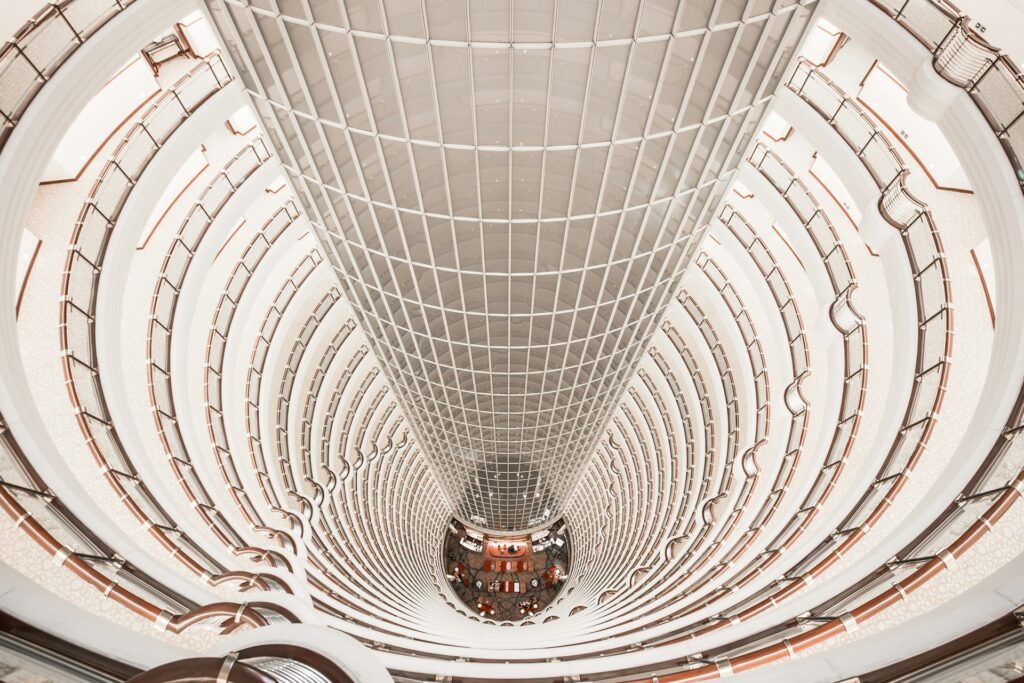
Shanghai’s nightlife rivals any global city. Rooftop bars with skyline views include Flair (Ritz-Carlton, 58th floor), VUE Bar (Hyatt on the Bund), Bar Rouge (Bund 18), and Cloud 9 (Grand Hyatt, 87th floor)—cocktails ¥100-200. French Concession offers intimate cocktail bars, craft beer pubs, and wine bars along Yongkang Road, Julu Road, and Anfu Road. Clubs include LAVO Shanghai (international DJs), M1NT (multi-floor with rooftop), The Shelter (underground electronic). Traditional entertainment features ERA acrobatics shows, Shanghai Grand Theatre opera and ballet, and JZ Club jazz performances.
Working with China Travel Professionals
While this comprehensive China tour guide provides essential information, partnering with experienced china travel agents such as Acqua Travels, significantly enhances your Shanghai experience. Professional china travel company services provide expert local knowledge, visa application support, customized private tours, English-speaking guides, logistics mastery (train bookings, private drivers, skip-the-line access), and 24/7 support throughout your journey.
Reputable china travel agents like us at Acqua Travels, facilitate restaurant reservations at popular establishments, secure exclusive access unavailable to independent travelers, and provide cultural context transforming sightseeing into meaningful understanding. When you travel to Shanghai, working with established professionals eliminates language barriers, navigation confusion, and logistical stress while maximizing limited vacation time through efficient itinerary design.
Conclusion: Your Shanghai Adventure Awaits
This comprehensive guide equips you to travel to Shanghai successfully—from understanding optimal seasons and navigating districts to experiencing culinary traditions and appreciating historical layers. Shanghai rewards travelers with extraordinary contrasts: colonial heritage facing futuristic towers, traditional soup dumplings alongside Michelin dining, Buddhist temples amid commercial development.
Whether you explore independently armed with this Shanghai tour guide knowledge or partner with experienced china travel agents for guided expertise, Shanghai welcomes you with infinite possibilities. From morning Bund strolls to midnight rooftop cocktails, from tai chi in People’s Park to late-night soup dumplings, Shanghai delivers unforgettable moments constantly.
Begin planning your travel to Shanghai journey today. The city awaits with its unique blend of tradition and innovation, chaos and beauty, history and future—ready to exceed expectations and create lasting memories.