

Best Time to Visit Vietnam: Weather by Region and When to Avoid
Planning your best time to visit Vietnam requires understanding how dramatically the country’s climate varies across its three distinct regions. Vietnam stretches over 1,000 miles from north to south, creating vastly different weather patterns that can make or break your travel experience. This comprehensive guide explores the best time to travel to Vietnam by region, reveals critical insights about Vietnam weather patterns, and helps you understand the nuances of when to travel to Vietnam for an unforgettable adventure. Whether you’re drawn to misty mountains, pristine beaches, or vibrant cities, understanding the weather in Vietnam throughout the year ensures you maximize your journey while avoiding costly mistakes and uncomfortable conditions.
Understanding Vietnam’s Three Distinct Climate Zones
Vietnam’s geography creates three separate climate regions, each with unique seasonal patterns and optimal travel windows. The best time to visit Vietnam depends entirely on which regions you plan to explore during your adventure. Northern Vietnam experiences four distinct seasons similar to temperate climates, with dramatic seasonal shifts. Central Vietnam sits in a transitional zone with its own complex monsoon patterns that differ significantly from surrounding regions. Southern Vietnam maintains consistent warmth year-round with only two pronounced seasons: dry and wet. Understanding these regional differences is absolutely essential for planning the best time to travel to Vietnam that matches your preferences and destination priorities.
Northern Vietnam: Best Time to Visit (October to April)
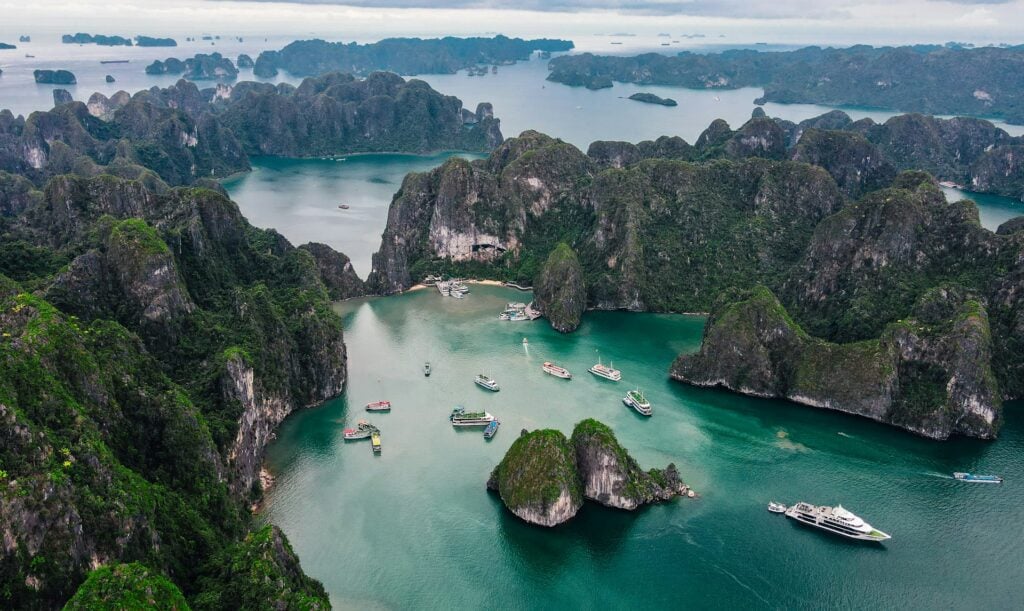
Best time to visit Vietnam’s north ranges from October to April, when temperatures are pleasant and rainfall is minimal compared to other seasons. This region includes iconic destinations like Hanoi, Halong Bay, and Sapa, each offering unique experiences depending on seasonal conditions. During the dry season (November to March), you’ll encounter ideal conditions for trekking through mountains, exploring ancient temples, and cruising through limestone karsts with superior visibility.
Northern Vietnam Weather Breakdown by Season
Winter (December to February) brings the coolest temperatures, ranging from 10-20°C in lowland areas but dropping significantly in mountain regions like Sapa. The dry, clear skies create perfect conditions for outdoor exploration. The weather in Vietnam’s northern region during this period is crisp and refreshing, making it the absolute best time to visit Vietnam for comfortable exploration, though you’ll need warmer clothing for mountain areas.
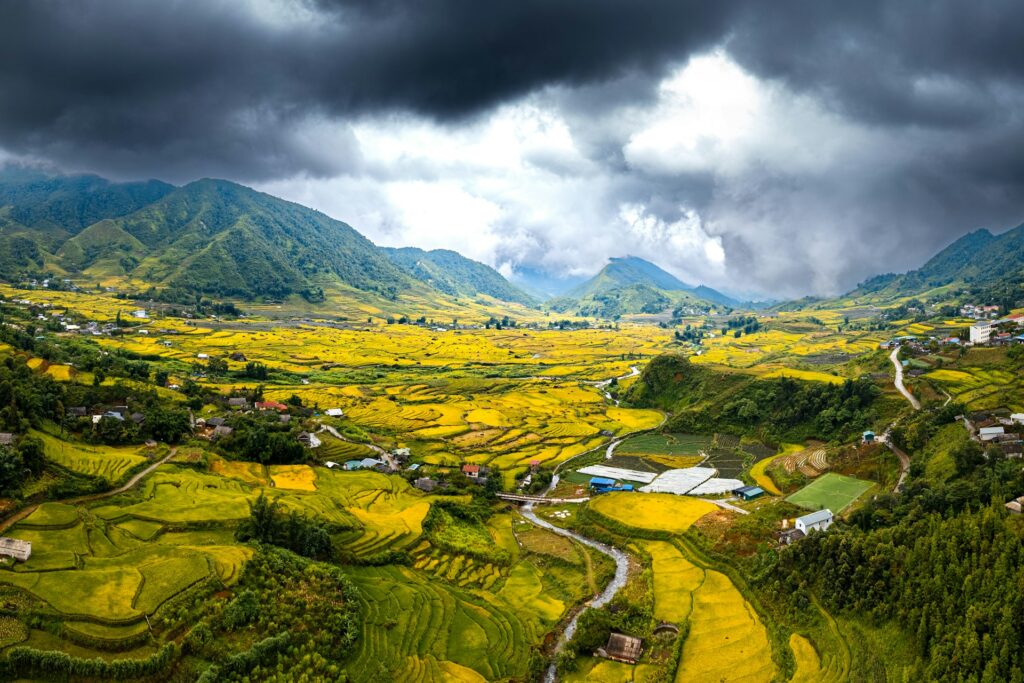
Spring (March to April) represents the peak season for northern travel. Temperatures warm to 20-28°C, wildflowers bloom across the landscape, and scenic photography opportunities multiply exponentially. Golden rice terraces in Sapa display their most vibrant colors, and visibility in Halong Bay reaches optimal levels. This period represents the best time to travel to Vietnam for nature lovers seeking comfortable conditions and stunning scenery.
Summer (May to August) is absolutely the worst time to visit northern Vietnam. Monsoon rains transform roads into muddy challenges, humidity soars above 85%, and temperatures regularly exceed 35°C. Heavy rainfall in July and September creates dangerous conditions for all outdoor activities. This period represents when to avoid Vietnam’s northern regions entirely.
Autumn (September to November) offers another excellent window for northern exploration as monsoon systems move away. Clear skies return steadily, and temperatures moderate to comfortable 20-25°C ranges. The best time to travel to Vietnam transitions smoothly into autumn, with golden rice fields creating stunning photography opportunities and comfortable hiking conditions throughout the region.
Central Vietnam: Best Time to Visit (January to August)
Central Vietnam—encompassing beautiful Hoi An, Da Nang, Hue, and Nha Trang—experiences the most complex weather patterns. The best time to travel to Vietnam’s central coast extends from January through August, but with important caveats about typhoon season. Unlike northern and southern regions, central Vietnam’s dry season falls during summer months, making it distinctly different from surrounding areas and requiring specific planning knowledge.
Central Vietnam Weather Breakdown and Typhoon Considerations
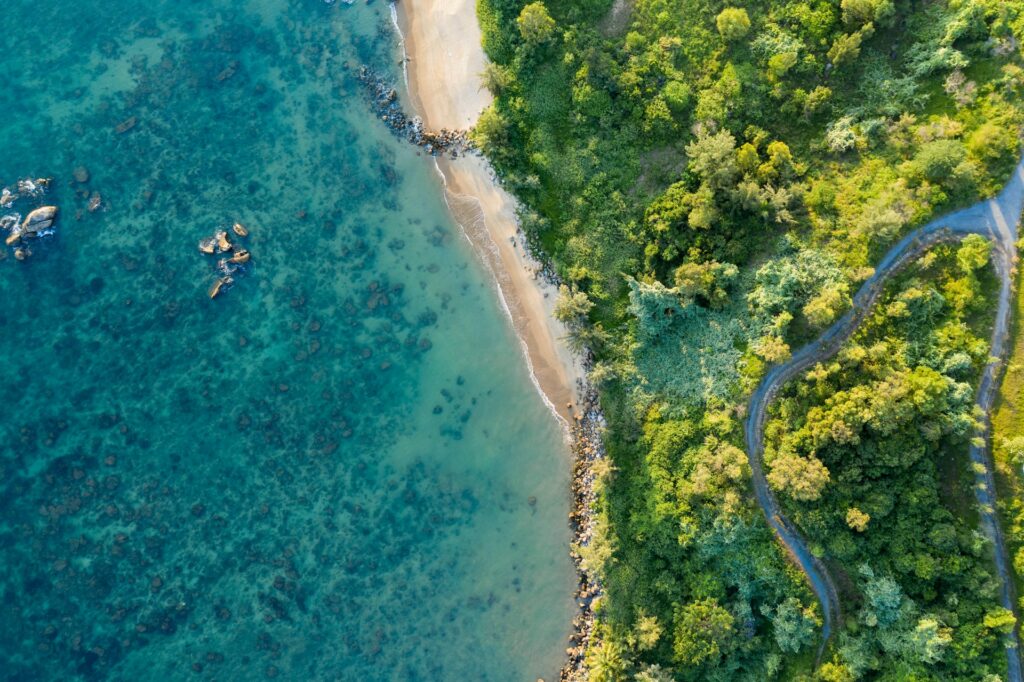
Dry Season (January to August) brings the most favorable weather in Vietnam’s central region, creating excellent conditions for beach activities. Temperatures range from 25-35°C with abundant sunshine and minimal rainfall. January through April represent the absolute best months for central travel, with mild temperatures, clear skies, and virtually no rain disrupting activities. The best time to visit Vietnam for central beaches aligns perfectly with these months, ideal for swimming, diving, and water sports without weather concerns.
Monsoon Season (September to December) transforms central Vietnam dramatically, creating conditions that make it essential to know when to avoid Vietnam. Heavy downpours occur regularly, particularly in September and October, when typhoons occasionally batter coastal cities with dangerous intensity. The weather in Vietnam’s central coast becomes unpredictable and sometimes genuinely dangerous for travelers. October and November bring the highest rainfall, with flooding common in low-lying areas. This seasonal period decidedly represents when to avoid Vietnam’s central coast.
May to August Shoulder Season Insight: While monsoon season begins later, May through August experience occasional late-afternoon showers. However, morning sunshine remains reliably available, making beach activities still quite viable. Many experienced travelers successfully visit during this period for genuine shoulder season advantages: dramatically fewer crowds, significantly lower accommodation prices, and authentic local experiences offset the possibility of brief daily afternoon showers.
Southern Vietnam: Best Time to Visit (November to May)
Southern Vietnam maintains the most consistently warm climate year-round, with temperatures hovering around 28-32°C regardless of season. Ho Chi Minh City, the Mekong Delta, and island paradise Phu Quoc experience only two seasons: dry and wet. The best time to visit Vietnam’s southern regions clearly falls during the dry season from November through April, particularly December through February when conditions reach perfection.
Southern Vietnam Seasonal Weather Patterns
Dry Season (November to April) represents the optimal window for southern exploration and arguably the best time to travel to Vietnam overall for visitors seeking guaranteed sunshine. Clear skies, abundant sunshine, and minimal rainfall create perfect conditions for Mekong Delta boat tours, island hopping adventures, and city exploration. The best time to visit Vietnam southbound aligns with these months when humidity drops to reasonable levels and afternoon temperatures feel pleasant rather than oppressive.
December through February deserve special mention as premium travel months for southern destinations, representing the absolute best time to visit Vietnam if weather is your primary concern. Temperatures drop slightly to 25-30°C as cooling northeast winds reduce humidity significantly. The weather in Vietnam’s southern region reaches its most comfortable during these specific weeks. Rooftop bars in Ho Chi Minh City become truly enjoyable rather than sweat-inducing experiences, and outdoor exploration feels pleasant throughout the day.
Wet Season (May to October) brings frequent afternoon downpours that rarely prevent travel entirely but do impact comfort levels significantly. June through August witness the heaviest rainfall and highest humidity, making the best time to visit Vietnam clearly avoidable during these months for comfort-seeking travelers. However, the monsoon season offers unique advantages: dramatic skies create stunning photography, rice fields turn vibrant emerald green, and tourist crowds disappear entirely. Accommodation prices drop substantially, and travelers discover authentic southern Vietnam minus peak-season tourism.
October represents the transition month—rainy season persists but rainfall begins decreasing steadily as the dry season approaches. Early November marks the beginning of optimal travel conditions across the southern region.
Regional Comparison: Choosing Your Best Time to Visit Vietnam
Selecting the best time to visit Vietnam ultimately depends on which regions attract you most during your journey. If your itinerary focuses on northern destinations like Hanoi, Sapa, or Halong Bay, the absolute best window spans October to April. If central coast beaches (Hoi An, Da Nang) top your must-see list, prioritize January through August but avoid September-December for safety and comfort. If southern exploration dominates your plans, book November to April trips for peak conditions, though experienced travelers might embrace the quieter, cheaper wet season.
Multi-region itineraries require strategic planning and careful month selection. The nationwide best time to travel to Vietnam spans November through April, when conditions across all three regions align favorably for travel. This overlap period ensures you won’t encounter dangerous monsoons, typhoons, or excessive heat regardless of regional movement during your adventure.
When to Absolutely Avoid Vietnam: The Critical Months
Understanding the weather in Vietnam includes knowing precisely which months present serious travel challenges. May through August should be avoided in northern and central regions due to monsoon rains, extreme heat, and humidity levels that make outdoor activities uncomfortable. The best time to visit Vietnam explicitly excludes June, July, and August for northern travel, when conditions become genuinely oppressive and discourage exploration.
September through November proves treacherous for central Vietnam travel and tourism. Typhoon season peaks during these months, with October being particularly severe for potential flooding and dangerous storm activity. The when to travel to Vietnam calculation eliminates these months for central coast destinations, as weather uncertainty increases substantially. Typhoons can develop rapidly and disrupt travel plans entirely.
May through October presents challenges for southern travelers seeking optimal weather conditions, though conditions prove less severe than northern and central regions. If comfort and guaranteed sunshine matter significantly to your travel plans, book southern trips between November and April instead.
Month-by-Month Guide: Best Time to Visit Vietnam at a Glance
| Month | North | Central | South | Overall Rating |
|---|---|---|---|---|
| January | Excellent | Excellent | Excellent | ★★★★★ BEST |
| February | Excellent | Excellent | Excellent | ★★★★★ BEST |
| March | Very Good | Excellent | Good | ★★★★☆ EXCELLENT |
| April | Very Good | Excellent | Good | ★★★★☆ EXCELLENT |
| May | Poor | Good | Fair | ★★☆☆☆ AVOID NORTH |
| June | Very Poor | Fair | Fair | ★☆☆☆☆ AVOID |
| July | Very Poor | Fair | Fair | ★☆☆☆☆ AVOID |
| August | Very Poor | Good | Fair | ★★☆☆☆ AVOID NORTH |
| September | Fair | Poor | Fair | ★★☆☆☆ AVOID CENTRAL |
| October | Very Good | Very Poor | Fair | ★★★☆☆ GOOD NORTH |
| November | Excellent | Very Good | Very Good | ★★★★★ EXCELLENT |
| December | Excellent | Excellent | Excellent | ★★★★★ BEST |
Vietnam Weather Patterns: Understanding the Science Behind the Seasons
The best time to travel to Vietnam depends fundamentally on understanding monsoon patterns and regional climate mechanisms that shape weather throughout the year. Northern Vietnam experiences the northeast monsoon (October-April), bringing cool, dry conditions perfect for exploration. The southwest monsoon (May-September) reverses direction entirely, bringing moisture-laden winds and intense rainfall that discourages travel. Central Vietnam’s monsoon patterns differ significantly, with the southwest monsoon (January-August) bringing paradoxically dry conditions. Southern Vietnam experiences both monsoons but with less dramatic seasonal swings due to tropical latitude. The weather in Vietnam shifts predictably based on these atmospheric patterns, making the best time to visit Vietnam scientifically determinable and reliably consistent year after year.
Special Considerations for the Best Time to Visit Vietnam
Lunar New Year (Tet) Travel Planning
Although January and February represent the best time to visit Vietnam weatherwise with ideal conditions, Lunar New Year (typically late January or early February) transforms travel dynamics completely. Prices skyrocket during this major festival, attractions close for multi-day celebrations, and domestic travel congestion intensifies dramatically. If you prefer avoiding crowds and premium pricing, plan non-Tet dates within the optimal January-February window instead.
Peak Season vs. Shoulder Season Trade-offs
The best time to travel to Vietnam often means competing with peak-season tourism and corresponding price increases. November-December and January-February attract maximum international visitors, resulting in higher accommodation prices and crowded attractions. Consider shoulder season (March-April, September-October) for fewer crowds, significantly lower prices, and still-favorable weather in Vietnam, though with slightly higher risk of unfavorable weather conditions depending on location.
Adventure Activity Specific Timing
Different activities have optimal windows within the broader best time to visit Vietnam framework that maximize experiences. Halong Bay cruising peaks March-April and November-December for superior visibility and calm waters. Trekking in Sapa works best September-November and March-April when trails aren’t muddy or dangerous. Diving around Phu Quoc and Nha Trang maximizes April-May and September-November for underwater visibility. Understanding these micro-seasons within the broader when to travel to Vietnam calculation optimizes specific experiences and activities.
Packing for Vietnam’s Regional Weather Variations
Understanding the weather in Vietnam directly impacts packing strategy and comfort during your journey. For November-April visits (the best time to visit Vietnam overall), pack layers for north/central regions, lightweight clothing for south, and always include a light rain jacket and comfortable walking shoes. For shoulder season adventures, add a more substantial waterproof jacket for afternoon showers. Never visit without sunscreen, sunglasses, and a wide-brimmed hat—the tropical sun is intense even during cooler months. Carrying an umbrella or lightweight poncho ensures protection during unexpected showers regardless of season.
Expert Recommendation: Your Ideal Best Time to Visit Vietnam
After analyzing the best time to visit Vietnam comprehensively across all regions and seasons, November through March emerges as the universally optimal window for visitors. The best time to travel to Vietnam for maximum flexibility across all regions, comfortable weather in Vietnam, and balanced tourism levels falls specifically between November and February. This concentrated window encompasses ideal conditions for northern mountain trekking, central beach exploration, and southern city discovery simultaneously without regional conflicts. If experiencing true seasonal variety matters more than perfect conditions, plan a multi-region journey spanning September-April to witness Vietnam’s diverse climate zones.

Planning Your Vietnam Adventure During Optimal Travel Windows
Equipped with comprehensive knowledge about the best time to visit Vietnam by region and season, you can now plan your adventure with confidence and clarity. The best time to travel to Vietnam aligns with understanding your priorities: whether seeking peak conditions, avoiding crowds, or experiencing authentic seasonal rhythms. The weather in Vietnam varies so dramatically across regions that flexibility in routing and timing unlocks genuine travel magic and memorable experiences. Whether you choose the premium November-April window or embrace shoulder-season adventures, respecting seasonal patterns ensures unforgettable Vietnamese experiences that exceed expectations.
Expert Travel Support: Planning Your Perfect Vietnam Journey
The complexity of selecting the best time to visit Vietnam while coordinating regional travel logistics can feel overwhelming without professional guidance. Acqua Travel specializes in crafting customized Vietnam itineraries that align perfectly with optimal weather in Vietnam patterns for your specific interests and travel style. Our experienced travel experts understand nuanced seasonal variations across regions intimately, arrange authentic experiences respecting local festivals and weather considerations, and provide real-time support ensuring smooth journeys regardless of chosen seasons. Rather than navigating planning challenges alone, leverage expert guidance ensuring your Vietnam adventure aligns perfectly with your priorities. Book your weather-optimized Vietnam itinerary with Acqua Travel today!
Conclusion: Making Your Best Time to Visit Vietnam Decision
Understanding the best time to visit Vietnam requires grasping how dramatically weather in Vietnam shifts across its three distinct regions with different seasonal patterns. Armed with knowledge about northern optimal windows (October-April), central coast conditions (January-August with typhoon avoidance), and southern advantages (November-May for perfect weather), you can schedule your adventure confidently. The best time to travel to Vietnam ultimately depends on your destinations, activity preferences, and personal travel style, but November through February represents the universally excellent choice for most travelers. By respecting seasonal patterns, planning strategically around monsoons and typhoons, and embracing regional diversity, your Vietnamese journey transforms into the adventure you’ve always imagined. The best time to visit Vietnam is now—when you’re ready to explore this magnificent country.
Related Posts