

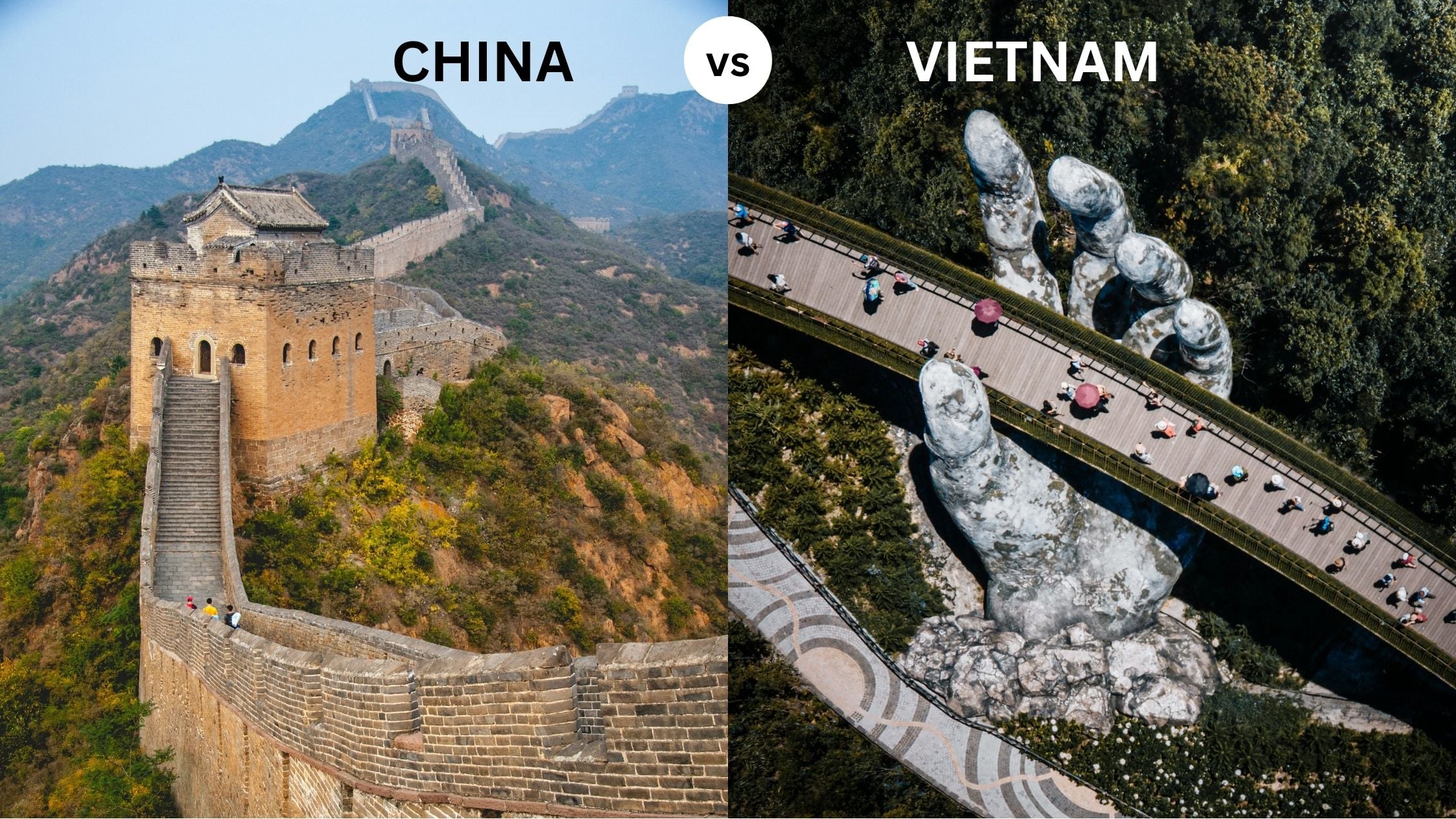
China or Vietnam: Which Asian Gateway Should You Travel to?
When you begin mapping out a journey to East Asia, two dynamic powerhouse destinations inevitably emerge as the ultimate gateways to the region: China and Vietnam. Both represent spectacular entry points that blend thousands of years of dynastic history, dizzying modern mega-cities, and some of the most surreal natural landscapes on the planet. Whether you are caught in a classic Vietnam vs China vacation debate, trying to choose between iconic emerald waters and misty river peaks, or figuring out the logistics of traveling to China or Vietnam for first timers, making a definitive choice can feel overwhelming.
So, when it comes to deciding between China or Vietnam, how do you know which Asian gateway truly fits your personal travel style? While they share geographic borders and deep historical ties, they present entirely different paces of life, cultural intricacies, and atmospheric vibes. To help you settle your China vs Vietnam dilemma, we have broken down how these two legendary destinations match up across landscapes, cuisine, history, and on-the-ground practicalities.
The Battle of Surreal Peaks: Halong Bay vs. Guilin Karst Mountains
The core visual draw for both countries revolves around their otherworldly limestone topography. When weighing China or Vietnam based on pure natural awe, you are choosing between a legendary maritime marvel and a timeless riverside masterpiece.
Vietnam: The Floating Towers of Halong Bay

Halong Bay is all about dramatic ocean landscapes and marine exploration. Located in northeastern Vietnam, this UNESCO World Heritage site features over 1,600 limestone islands and islets rising abruptly out of the calm, emerald waters of the Gulf of Tonkin. The definitive way to experience it is on a multi-day luxury cruise boat, waking up to the morning mist rolling over the water, kayaking into hidden sea caves, and watching the sunset from a traditional junk boat sun deck. The atmosphere here feels floating, vast, and deeply oceanic.
China: The Misty River Ribbons of Guilin

The matchup of Halong Bay vs Guilin Karst mountains takes a inland, poetic turn when you step into China. Guilin, stretching along the peaceful Li River in Yangshuo, offers a landscape so iconic it is printed on the country’s 20-yuan banknote. Here, the sharp limestone peaks don’t rise from the sea, but line the banks of winding rivers, surrounded by lush bamboo groves and traditional terraced rice fields. The classic experience involves a bamboo raft ride down the Yulong River or cycling through rural villages nestled tightly between the mountains. It feels like stepping directly into an ancient Chinese ink wash painting.
The Landscape Verdict: Choose Vietnam if you want an island-hopping, cruise-based ocean adventure. Choose China if you want a classic, land-based mountain retreat surrounded by rural river life and cycling trails.
Deep History: Ancient Dynasties vs. Imperial Citadels
For history buffs, evaluating China vs Vietnam presents a choice between monumental, world-changing landmarks and intimately preserved royal heritage.
China: The Colossal Monuments of Empires
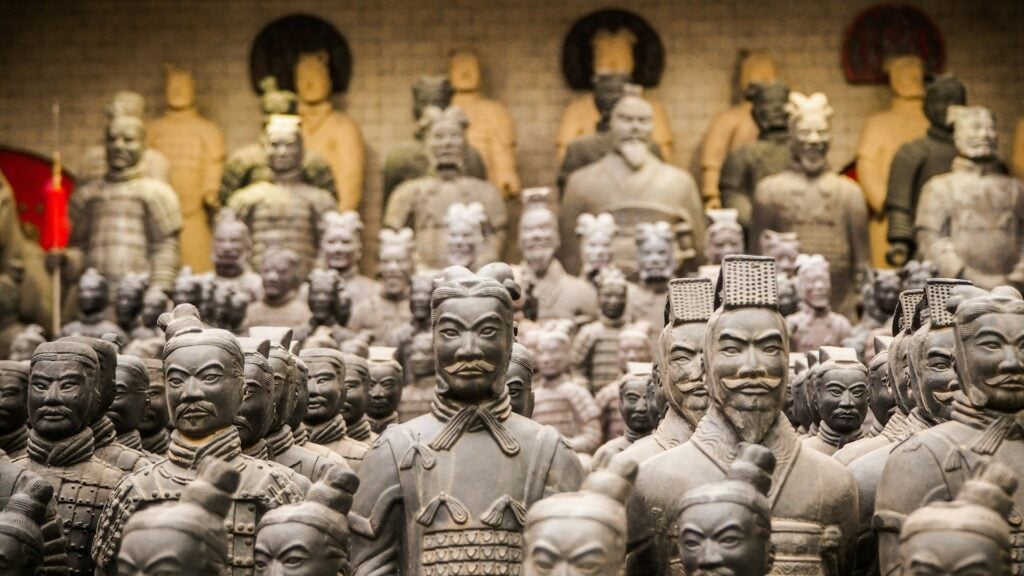
In China, history is defined by its staggering scale and epic architecture. From the sweeping, ancient stone battlements of the Great Wall snaking over northern ridges to the massive, forbidden courtyards of Beijing’s imperial palaces, the history here leaves you breathless. In Xi’an, you can stand face-to-face with the thousands of life-sized terracotta soldiers buried to protect an emperor in the afterlife. China’s historical footprint is monumental, highly structured, and stretches back over 4,000 years of documented dynastic rule.
Vietnam: The Soulful Heritage of Hue and Hoi An
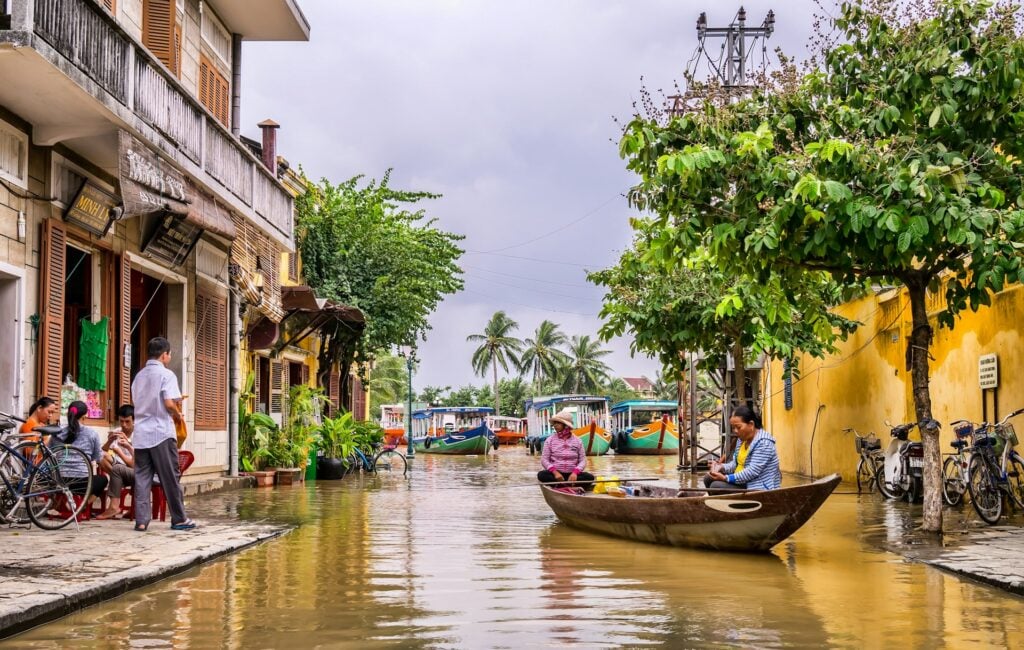
Vietnam offers a more intimate, accessible approach to the past. In the former imperial capital of Hue, you can wander through the quiet, weathered ruins of the Forbidden Purple City along the Perfume River, which carries a hauntingly romantic charm. Further south lies Hoi An, a remarkably preserved 15th-century trading port where ancient wooden merchant houses, Japanese covered bridges, and Chinese assembly halls are lit up every evening by thousands of colorful silk lanterns. It is a living history that integrates seamlessly into modern daily life.
Culinary Showdown: Vietnam vs. China Food Culture
Your daily culinary journey will be vastly different depending on your choice, as the comparison of vietnam vs china food culture highlights two completely contrasting philosophies of flavor.
| Attribute | Vietnam | China |
|---|---|---|
| Flavor Profile | Fresh, aromatic, clean, and perfectly balanced between sweet, sour, salty, and spicy. | Bold, complex, varied, and heavily reliant on deep wok cooking, intense spices, and rich sauces. |
| Key Ingredients | Fresh mint, cilantro, Thai basil, lemongrass, lime, and fish sauce. | Sichuan peppercorns, ginger, garlic, soy paste, black vinegar, and star anise. |
| Signature Dishes | Pho (beef noodle soup), Banh Mi, Bun Cha, and fresh summer rolls. | Peking Duck, fiery Sichuan Hotpot, Cantonese Dim Sum, and hand-pulled noodles. |
| Dining Atmosphere | Relaxed sidewalk stalls, plastic stools, and vibrant night markets. | Bustling family-style round tables, lively food streets, and grand tea houses. |
On the Ground: Traveling to China vs Vietnam for First Timers
If this is your very first trip to the region, logistics, ease of navigation, and travel styles will heavily influence your final destination decision.
When analyzing traveling to China vs Vietnam for first timers, Vietnam is widely considered to have a much gentler learning curve. The tourist infrastructure is highly intuitive, English is widely spoken in major hubs, and the country uses standard Western social media and navigation apps without any digital barriers. It is incredibly budget-friendly, making it easy to book spontaneous internal flights, trains, or inexpensive private drivers on a whim.
China, by contrast, is an exhilarating, hyper-modern adventure that requires a bit more advanced preparation. Navigating China requires setting up local mobile payment apps (like WeChat Pay or Alipay) and utilizing a VPN to access familiar international websites. However, the reward is unmatched: you get to experience the most advanced high-speed rail network on earth, ultra-safe cities, and a level of futuristic infrastructure that is dizzying to behold. For an easier introduction, many opt for structured tours to smooth out the initial cultural and language barriers.
Ultimately, your personal preference for spontaneity versus structured organization plays a major role in deciding between China and Vietnam.
The Verdict: How to Choose Your Gateway
When the final pages of your itinerary are drawn up, choosing between a Vietnam and China vacation comes down to your personal travel tempo:
Go to Vietnam if: You want a laid-back, highly budget-friendly tropical escape defined by fresh, healthy street food, easy navigation, and charming, intimate historical towns. It is perfect for travelers who want to blend cultural sightseeing with beach relaxation and spontaneous coastal travel.
Go to China if: You want to witness epic, monumental ancient history juxtaposed against jaw-dropping futuristic cities. It is the definitive choice for travelers who want to see massive world wonders, ride bullet trains through mountain ranges, and don’t mind a more complex but deeply rewarding digital ecosystem.
Ready to start planning your milestone Asian trip?
Your calendar can also help make the final call between China or Vietnam. China’s vast geography means autumn (September to November) offers perfect weather nationwide, while Vietnam’s dry winter months (November to April) provide the ideal escape from cold Western winters.
Related Posts