
Vietnam Itinerary: 10 Days from Hanoi to Ho Chi Minh City
Vietnam stretches over 1,600 kilometers from north to south, offering travelers an extraordinary diversity of experiences—from the chaotic energy of Hanoi’s Old Quarter to the emerald waters of Halong Bay, the lantern-lit charm of Hoi An, and the bustling metropolis of Ho Chi Minh City. When planning a trip to Vietnam, the challenge isn’t finding attractions—it’s deciding which incredible destinations fit within your timeframe. This comprehensive 10 day Vietnam itinerary solves that dilemma by connecting the country’s most compelling highlights into a logical north-to-south route that balances cultural immersion, natural beauty, historical sites, and practical logistics.
A well-crafted 10 day Vietnam itinerary requires strategic destination selection because attempting to see everything results in exhausting travel days with minimal time for actual experiences. This guide presents a carefully paced journey covering five major destinations—Hanoi, Halong Bay, Hoi An (with optional Hue extension), Da Nang, and Ho Chi Minh City with the Mekong Delta. Each stop offers distinct experiences: Hanoi’s thousand-year history and street food culture, Halong Bay’s UNESCO-listed limestone karsts, Hoi An’s preserved ancient town and tailoring traditions, and Ho Chi Minh City’s Vietnam War history and modern energy. This Vietnam trip routing maximizes your limited time while maintaining comfortable pacing that allows genuine cultural engagement rather than superficial site-hopping.
Whether you’re a first-time visitor to Southeast Asia or an experienced traveler seeking Vietnam’s unique character, this detailed 10 day Vietnam itinerary provides day-by-day guidance including accommodation recommendations, transportation options, must-see attractions, local experiences, food suggestions, and practical tips. From understanding where to go in Vietnam to navigating internal flights versus trains, this guide ensures your Vietnamese adventure becomes the transformative journey you envision.
Why This 10 Day Vietnam Itinerary Works
When traveling to Vietnam for the first time, travelers frequently ask whether to travel north-to-south (Hanoi to Ho Chi Minh City) or south-to-north (reverse). This 10 day Vietnam itinerary follows the classic north-to-south route for several compelling reasons: most international flights arrive in Hanoi, the routing follows Vietnam’s historical narrative from ancient imperial capitals to modern commercial centers, and the weather patterns generally favor this direction (though Vietnam’s climate varies significantly by region and season).
This particular 10 day Vietnam itinerary emphasizes quality over quantity. Rather than attempting to visit eight or nine destinations with exhausting overnight buses every second night, this route focuses on five primary locations with sufficient time to explore each thoroughly. You’ll spend 2 nights in Hanoi, 1 night on a Halong Bay cruise, 3 nights in Hoi An (allowing day trips to nearby attractions), and 3 nights in Ho Chi Minh City (including a Mekong Delta excursion). This pacing allows morning exploration, afternoon cultural experiences, and evening relaxation without the constant stress of packing, checking out, and traveling.
The route also optimizes transportation efficiency. Hanoi and Ho Chi Minh City bookend the journey with international airports, while internal domestic flights connect these major cities to central Vietnam (Da Nang airport serves Hoi An). This 10 day Vietnam itinerary minimizes travel time—flying takes 1-2 hours between major destinations versus 12-17+ hours by train or bus. While Vietnam’s Reunification Express train offers scenic coastal views (particularly the Hue-Da Nang segment), the time savings from flying allow more destination exploration within your limited 10 days. Budget travelers can substitute overnight buses for flights, though this trades comfort and time for cost savings.
Days 1-2: Hanoi – Vietnam’s Cultural Heart
Your 10 day Vietnam itinerary begins in Hanoi, Vietnam’s capital and cultural soul. This thousand-year-old city blends French colonial architecture, ancient temples, tree-lined boulevards, and organized chaos into a captivating introduction to Vietnamese culture. Two days in Hanoi allows comprehensive exploration without rushing, though this city could easily occupy a week for history enthusiasts.
Day 1: Arrival and Old Quarter Exploration
Most international flights arrive at Noi Bai International Airport (approximately 45 minutes from central Hanoi). After checking into your hotel—ideally in the Old Quarter for atmospheric accommodation within walking distance of major attractions—spend your first afternoon acclimating to Vietnamese energy. The Old Quarter represents Hanoi’s commercial heart, where 36 ancient streets (each historically specializing in specific trades like silk, silver, or herbs) now pulse with scooter traffic, street food vendors, and traditional shophouses.
Begin at Hoan Kiem Lake, Hanoi’s central landmark and spiritual heart. Walk the lakeside promenade (particularly beautiful at sunset), visit Ngoc Son Temple on a small island accessed via the iconic red Huc Bridge, and observe locals practicing tai chi, playing badminton, or socializing. For dinner, explore the Old Quarter’s street food scene—try bun cha (grilled pork with noodles), pho ga (chicken noodle soup), or banh mi (Vietnamese baguette sandwiches) from street vendors. Evening options include a traditional water puppet show at Thang Long Water Puppet Theatre, showcasing this uniquely Vietnamese art form dating back to the 11th century.
Day 2: Hanoi’s Historical and Cultural Sites
Dedicate Day 2 to Hanoi’s major attractions. Start early (7:30-8:00 AM) at the Ho Chi Minh Mausoleum Complex to view the preserved body of Vietnam’s revolutionary leader (note: closed Mondays, Fridays, and afternoons; dress code enforced). The complex includes Ho Chi Minh’s modest stilt house, the One Pillar Pagoda (an 11th-century architectural gem), and surrounding gardens. Nearby, visit the Temple of Literature, Vietnam’s first university founded in 1070 and dedicated to Confucius. This peaceful complex with traditional courtyards, pavilions, and stone stelae honoring doctoral graduates offers insight into Vietnam’s scholarly traditions.
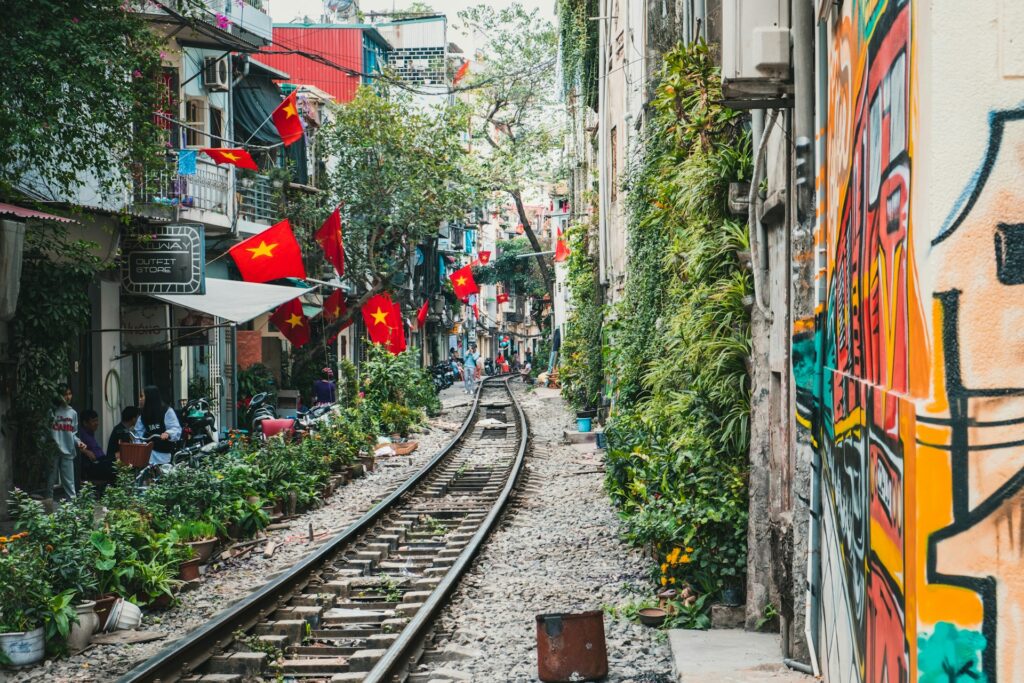
Afternoon options include the Hoa Lo Prison (ironically nicknamed “Hanoi Hilton” by American POWs during the Vietnam War), the Vietnam Museum of Ethnology (showcasing Vietnam’s 54 ethnic groups), or the Vietnam Women’s Museum (excellent exhibitions on women’s roles in Vietnamese society and war). For a unique Hanoi experience, visit the famous Train Street where residential houses line railway tracks just meters from passing trains. Evening brings opportunities for a cyclo (bicycle rickshaw) tour through the Old Quarter, dinner at one of Hanoi’s excellent restaurants, or exploring the weekend night market (Friday-Sunday evenings).
Day 3: Halong Bay Cruise Departure
Day 3 of your 10 day Vietnam itinerary transitions from urban energy to natural wonder with a journey to Halong Bay, one of Vietnam’s most iconic landscapes and a UNESCO World Heritage Site. Most travelers book overnight cruise packages that include Hanoi hotel pickup (typically 8:00 AM), transportation to Halong Bay (3.5-4 hours), overnight accommodation aboard a traditional junk boat, meals, kayaking or swimming activities, and return to Hanoi the following afternoon.
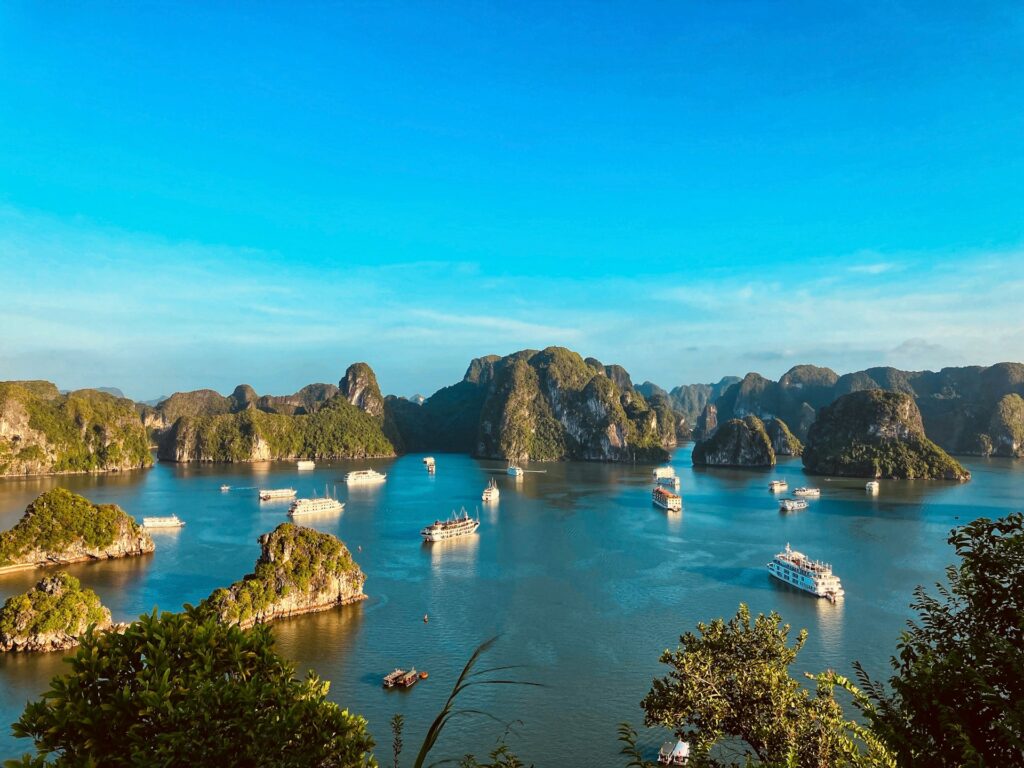
Halong Bay—meaning “Bay of the Descending Dragon”—features approximately 1,600 limestone karsts and islands rising dramatically from emerald waters. After boarding your cruise vessel (around noon), enjoy a seafood lunch while cruising among these spectacular formations. Afternoon activities typically include kayaking through hidden lagoons, visiting caves like Sung Sot Cave (Surprise Cave) with impressive stalactite formations, or swimming at secluded beaches. As evening approaches, the bay transforms—watch sunset from the deck while sipping cocktails, enjoy a Vietnamese cooking demonstration, or try squid fishing with locals. Overnight aboard the boat offers a peaceful experience under stars, though accommodation quality varies significantly by cruise operator (budget vessels offer basic cabins while luxury options provide boutique hotel experiences).
Day 4: Halong Bay to Hoi An
Wake early on Day 4 to witness sunrise over Halong Bay’s limestone karsts—a magical experience worth setting an alarm for. Many cruises offer morning tai chi sessions on deck before breakfast. Continue cruising, possibly visiting additional caves or floating fishing villages, before returning to the harbor around 11:00 AM-noon. The cruise includes lunch before disembarking.
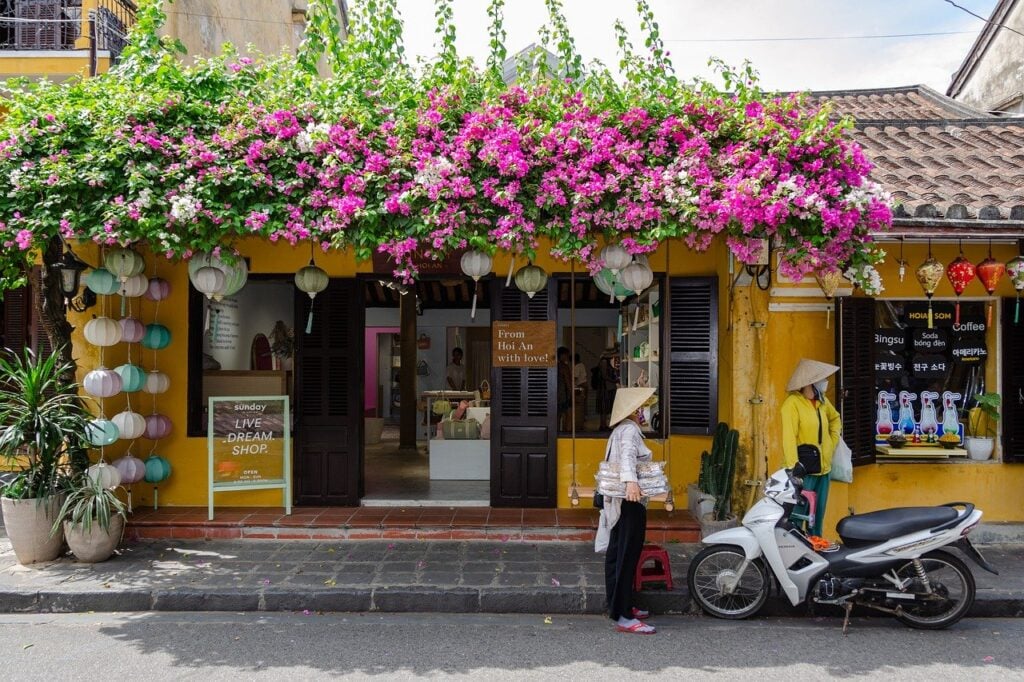
Transportation back to Hanoi (arriving late afternoon) connects with evening flights to Da Nang, the gateway city serving Hoi An located 30 kilometers south. Most 10 day Vietnam itinerary travelers fly Hanoi-Da Nang (approximately 1 hour 20 minutes) to maximize time in central Vietnam rather than spending 12+ hours on overnight trains or buses. Flights operate frequently throughout the day with multiple carriers (Vietnam Airlines, VietJet Air, Bamboo Airways). From Da Nang airport, taxis or private transfers reach Hoi An in 40-50 minutes. Arrive in Hoi An by evening, check into your hotel, and explore the Ancient Town’s lantern-lit streets—Hoi An’s signature atmospheric experience where hundreds of colorful silk lanterns illuminate the historic riverside district.
Days 5-6: Hoi An – Ancient Town Magic
Hoi An represents the highlight of many Vietnam trips—a perfectly preserved 15th-17th century trading port featuring Chinese, Japanese, and European architectural influences, pedestrian-friendly streets, exceptional tailoring, nearby beaches, and arguably Vietnam’s best food scene. Allocating 2.5 days (partial Day 4 evening, full Days 5-6, and morning Day 7) in Hoi An provides sufficient time for the Ancient Town, day trips, beach time, and shopping experiences central to understanding where to visit in Vietnam.
Day 5: Hoi An Ancient Town and Cultural Experiences
Begin Day 5 exploring the UNESCO-listed Hoi An Ancient Town. Purchase an Old Town ticket (approximately 120,000 VND / $5) granting access to five heritage sites from a list including the Japanese Covered Bridge, Assembly Halls (Fujian, Cantonese, Hainan), traditional houses (Tan Ky Old House, Phung Hung Ancient House), and museums. The Ancient Town is remarkably compact—you can walk everywhere within 20-30 minutes. Morning visits avoid tour group crowds that arrive mid-morning.
Key Hoi An experiences include: taking a basket boat ride on the Thu Bon River (traditional round boats woven from bamboo), participating in a Vietnamese cooking class (learning to prepare dishes like cao lau, white rose dumplings, or fresh spring rolls), visiting tailors for custom clothing (Hoi An is famous for affordable, quality tailoring with 24-48 hour turnaround), and shopping for lanterns, ceramics, and handicrafts. Lunch options abound—try banh mi at Banh Mi Phuong (Anthony Bourdain’s favorite), cao lau (Hoi An’s signature pork noodle dish available only here), or white rose dumplings at Morning Glory restaurant.
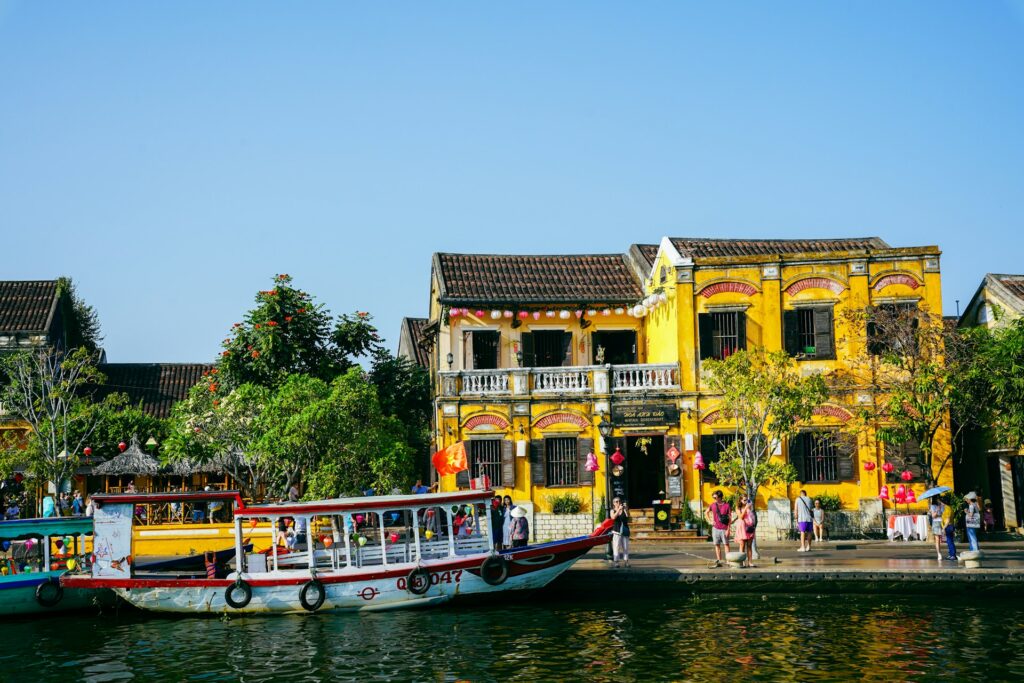
Evening brings Hoi An’s most magical hours. As darkness falls, shops extinguish electric lights and illuminate hundreds of silk lanterns, transforming the Ancient Town into an enchanting riverside lantern gallery. Stroll along the waterfront, release floating lanterns on the river for good luck, dine at riverside restaurants, and absorb the romantic atmosphere that makes Hoi An unforgettable. The monthly Lantern Festival (14th day of each lunar month) amplifies this experience with all electricity switched off and thousands of lanterns illuminating the entire town.
Day 6: Day Trips from Hoi An
Day 6 offers flexibility for day trips complementing your 10 day Vietnam itinerary. Three popular options include:
My Son Sanctuary: This UNESCO World Heritage Site, located 40 kilometers from Hoi An, preserves the ruins of the ancient Champa civilization’s temple complex (4th-14th centuries). The brick towers and Hindu sanctuaries, set in a jungle valley, offer insight into Vietnam’s pre-Vietnamese history. Half-day morning tours (departing 8:00 AM, returning by lunch) work well.
An Bang or Cua Dai Beach: Hoi An’s coastline features several beautiful beaches just 5 kilometers from the Ancient Town. An Bang Beach offers a laid-back atmosphere with beach clubs, seafood restaurants, and swimming opportunities. Rent bicycles (ubiquitous in Hoi An) and cycle to the beach, spending the day relaxing after several days of intensive sightseeing.
Hue Day Trip: Ambitious travelers extend their 10 day Vietnam itinerary with a day trip to Hue, Vietnam’s former imperial capital located 125 kilometers north of Hoi An. The journey crosses the spectacular Hai Van Pass (one of Vietnam’s most scenic coastal roads) offering panoramic mountain and ocean vistas. Hue attractions include the Imperial Citadel (Vietnam’s Forbidden City), elaborate royal tombs (particularly Khai Dinh and Minh Mang), and Thien Mu Pagoda. Full-day tours depart early morning and return evening, though this makes for an exhausting day. Alternatively, consider spending one night in Hue (adjusting the 10 day Vietnam itinerary to 2 nights Hoi An, 1 night Hue).
Day 7: Hoi An to Ho Chi Minh City
Morning Day 7 offers final Hoi An time—sleep in, enjoy a leisurely breakfast, collect any tailored clothing ordered earlier, or make final purchases. Most travelers depart Hoi An by early afternoon for Da Nang airport, catching afternoon or evening flights to Ho Chi Minh City (flight time approximately 1 hour 30 minutes). Vietnam’s major cities operate frequent daily flights making scheduling flexible.
Ho Chi Minh City (formerly Saigon) presents dramatic contrast to Hoi An’s preserved charm—this is Vietnam’s largest city and commercial capital, a frenetic metropolis of 9+ million people where skyscrapers rise beside French colonial architecture, luxury shopping malls neighbor traditional markets, and scooter traffic defies all logic. Arrive evening Day 7, check into your hotel (District 1 central location recommended), and experience your first taste of southern Vietnamese energy. Evening options include rooftop bars overlooking the city (Saigon Saigon Bar, Chill Skybar), street food in the backpacker district around Bui Vien Street, or a walk through the illuminated city center around Nguyen Hue Walking Street and the Saigon Opera House.
Day 8: Ho Chi Minh City Historical Tour
Day 8 of your 10 day Vietnam itinerary explores Ho Chi Minh City’s historical and cultural highlights. The city’s modern development masks fascinating layers of history—ancient Khmer settlement, Vietnamese expansion south, French colonial rule (1859-1954), American-backed Republic of Vietnam (1955-1975), and post-reunification communist development. Understanding this context enriches every site visit.
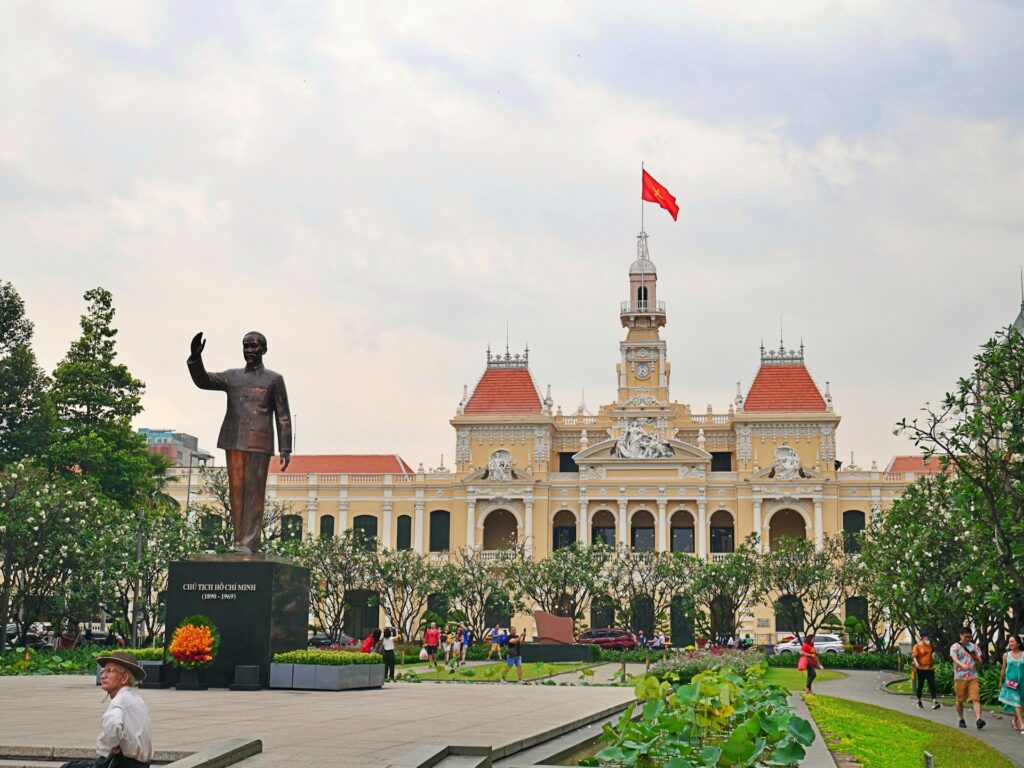
Begin at the War Remnants Museum, offering sobering perspective on the Vietnam War (called the American War in Vietnam) through photographs, military equipment, and exhibitions on Agent Orange effects and war crimes. While presenting distinctly Vietnamese viewpoints, the museum provides essential historical context. Arrive early (opening at 7:30 AM) to avoid crowds and afternoon heat. Continue to the Reunification Palace (Independence Palace), the former presidential palace of South Vietnam where communist tanks crashed through the gates on April 30, 1975, symbolizing the war’s end. The palace remains remarkably unchanged—you can view the war command bunker, presidential offices, and reception halls frozen in time.
Architectural highlights include Notre Dame Cathedral Saigon (currently under renovation through 2027, though impressive from exterior), the adjacent Central Post Office designed by Gustave Eiffel featuring grand colonial architecture, and various French colonial buildings throughout District 1. For lunch, visit Ben Thanh Market, Ho Chi Minh City’s most famous market offering everything from fresh produce to souvenirs, with food stalls serving excellent Vietnamese dishes.
Afternoon options include the Ho Chi Minh City Museum (in a beautiful colonial building recounting city history), Jade Emperor Pagoda (atmospheric Chinese-style temple with intricate carvings), or shopping at Dong Khoi Street (luxury boutiques) or Ben Thanh Market. Evening brings opportunities for Vietnamese water puppet shows, rooftop cocktails, or sampling southern Vietnamese cuisine—try banh xeo (sizzling crepes), hu tieu (southern noodle soup), or goi cuon (fresh spring rolls) at local restaurants. For adventurous eaters, book a street food tour by Vespa or on foot exploring neighborhood food stalls and markets unavailable to independent travelers.
Day 9: Mekong Delta Experience
No 10 day Vietnam itinerary is complete without experiencing the Mekong Delta, southern Vietnam’s agricultural heartland where the mighty Mekong River fans into countless channels creating a water-based civilization of floating markets, fruit orchards, and riverside communities. While the delta encompasses vast areas (requiring multiple days for thorough exploration), popular day trips from Ho Chi Minh City (departing 7:00-8:00 AM, returning 5:00-6:00 PM) provide excellent introductions to delta life.
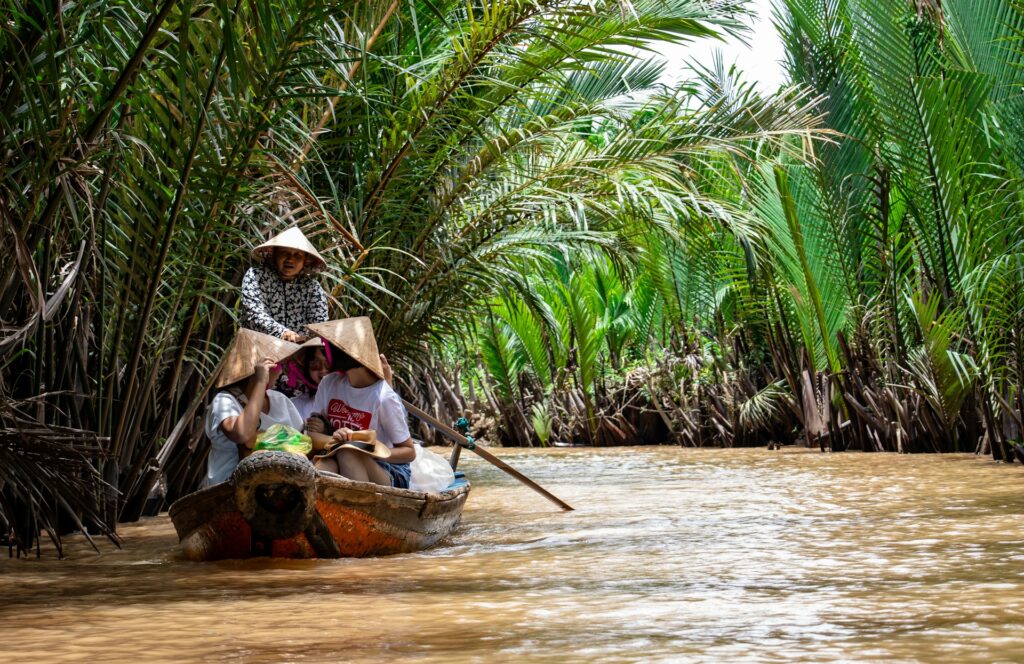
Typical Mekong Delta tours travel to My Tho or Ben Tre (1.5-2 hours from Ho Chi Minh City) where you board boats navigating the river network. Experiences include visiting floating markets (though most operate early morning, requiring 5:00 AM departures for authentic experiences), exploring fruit orchards and sampling tropical fruits (rambutan, dragon fruit, mangosteen), visiting local industries (coconut candy production, honey farms, rice paper making), enjoying traditional southern Vietnamese lunch in orchard settings, and taking sampan rides through narrow canals beneath overhanging vegetation.
More authentic Mekong Delta experiences involve overnight stays in Can Tho (the delta’s largest city, 3-4 hours from Ho Chi Minh City), allowing early morning visits to Cai Rang Floating Market—the delta’s largest and most authentic floating market where hundreds of boats trade wholesale fruit and vegetables. However, this requires sacrificing time from other 10 day Vietnam itinerary destinations. Day trips provide sufficient delta flavor for first-time visitors, while delta enthusiasts should consider extending the itinerary or returning for longer exploration.
Day 10: Cu Chi Tunnels and Departure
Your final 10 day Vietnam itinerary day depends on departure flight timing. Morning or early afternoon flights limit activities, while evening flights allow half-day tours. The Cu Chi Tunnels represent Ho Chi Minh City’s most popular half-day excursion—an extensive underground tunnel network (over 250 kilometers) used by Viet Cong guerrillas during the Vietnam War. Located 70 kilometers northwest of the city (1.5 hours driving), Cu Chi offers fascinating insight into wartime tactics and conditions.
Half-day Cu Chi tours (morning 8:00 AM-1:00 PM or afternoon 1:00 PM-6:00 PM) include transportation, entrance fees, and guided tours through tunnel sections, underground chambers, and war remnants. Visitors can crawl through widened tunnel segments (original tunnels were incredibly narrow), view booby traps and guerrilla warfare tactics, and even fire AK-47s or M16s at the shooting range (additional cost). The experience proves physically demanding (hot, dusty, cramped) but historically significant for understanding the Vietnam War’s asymmetric warfare nature.
After returning from Cu Chi (or if skipping this excursion), spend final hours shopping for souvenirs at Ben Thanh Market or Saigon Square, enjoying final Vietnamese meals, or relaxing at your hotel before airport departure. Ho Chi Minh City’s Tan Son Nhat International Airport is located just 8 kilometers from District 1 (20-40 minutes depending on traffic). Arrive 2-3 hours before international flights for security and immigration processing.
Essential Travel Tips for Your 10 Day Vietnam Itinerary
When to Visit Vietnam
Vietnam’s long geography creates diverse climates requiring strategic timing when planning a trip to Vietnam. Generally, November-April offers the best weather nationally, though regional variations exist. Northern Vietnam (Hanoi, Halong Bay) experiences cool, dry conditions November-March with occasional winter drizzle, while central Vietnam (Hoi An, Da Nang) enjoys sunny, pleasant weather February-May. Southern Vietnam (Ho Chi Minh City, Mekong Delta) maintains hot, tropical conditions year-round with the dry season November-April and rainy season May-October. The ideal 10 day Vietnam itinerary timing is March-April when all regions enjoy favorable weather, though this coincides with peak tourism season requiring advance bookings and higher prices.
Visa Requirements
Vietnam visa requirements vary by nationality. Citizens of ASEAN countries, plus select European and Asian nations, receive visa exemptions for 14-90 days depending on nationality (check current regulations before booking). Other nationalities require visas obtained through three methods: e-visa (online application, 30-day single entry, USD $25, 3-day processing), visa on arrival (for those arriving by air at major international airports, requires approval letter arranged through travel agencies), or embassy visa (traditional consular application). Visa requirements change periodically—verify current regulations at Vietnam’s immigration website or through your country’s Vietnamese embassy.
Budget Considerations
Vietnam remains remarkably affordable by Western standards, though costs vary significantly by travel style. Budget travelers spending 10 days in Vietnam can manage on $30-50 per person per day (basic guesthouses, street food, public transport, free/cheap activities). Mid-range travelers average $75-150 daily (comfortable hotels, mix of restaurants and street food, private tours, domestic flights, entrance fees). Luxury travelers easily spend $200-500+ daily (boutique hotels, fine dining, private guides, premium experiences). The major expenses in a 10 day Vietnam itinerary include accommodations ($15-200+ per night), domestic flights ($50-150 per flight), Halong Bay overnight cruise ($80-400 per person), tours and activities ($20-100 per day), and meals ($3-30 per person). Vietnam’s affordability allows comfortable travel without budget anxiety for most Western visitors.
Transportation Between Cities
This 10 day Vietnam itinerary prioritizes flying between major destinations to maximize exploration time over transit time. Vietnam’s domestic flight network is extensive, affordable, and reliable, with major routes (Hanoi-Da Nang, Da Nang-Ho Chi Minh City) operating multiple daily frequencies. Book domestic flights directly through airline websites (Vietnam Airlines, VietJet Air, Bamboo Airways) or travel booking platforms (Expedia, Skyscanner). Alternative transportation includes the Reunification Express train (scenic but slow, best for the Hanoi-Hue or Hue-Da Nang segments offering coastal views), sleeper buses (cheapest option but uncomfortable, best for overnight journeys saving accommodation costs), or private cars with drivers (most expensive but most flexible).
Accommodation Recommendations
Vietnam offers excellent accommodation value across all budget ranges. Budget travelers find clean, comfortable guesthouses and hostels for $10-25 nightly. Mid-range travelers enjoy quality 3-4 star hotels for $40-80 nightly. Luxury travelers access international chain properties and boutique hotels for $100-300+ nightly. Book accommodations in strategic locations: Hanoi Old Quarter for atmosphere and walkability, Halong Bay overnight cruises through reputable operators researched on TripAdvisor, Hoi An Ancient Town vicinity for lantern-lit evening experiences, and Ho Chi Minh City District 1 for central access to attractions. Booking platforms include Booking.com, Agoda, and Hotels.com, though direct hotel bookings sometimes yield better rates.
Food and Dining
Vietnamese cuisine ranks among the world’s most delicious and diverse, combining Chinese, French, and indigenous influences. Street food remains safe when choosing busy vendors with high turnover and visible food preparation. Vietnamese dishes to try include pho (beef noodle soup—northern style in Hanoi, southern style in Ho Chi Minh City), banh mi (French-Vietnamese baguette sandwiches), bun cha (grilled pork with noodles), cao lau (Hoi An’s unique pork noodle dish), fresh spring rolls, banh xeo (sizzling crepes), and Vietnamese coffee (iced with condensed milk). Regional specializations mean certain dishes taste best in their origin cities. Food costs range from $1-3 for street food meals to $5-15 for mid-range restaurants to $20-50+ for fine dining. Vegetarian and vegan travelers find abundant options—request “an chay” (vegetarian).
What to Pack for Your Vietnam Trip
When traveling to Vietnam, pack light, breathable clothing suitable for tropical heat and humidity. Essential items include lightweight, quick-dry clothing, comfortable walking shoes (you’ll walk extensively), sandals for beaches and boats, sun protection (hat, sunglasses, sunscreen SPF 30+), insect repellent, rain jacket or compact umbrella (particularly May-October), modest clothing for temple visits (shoulders and knees covered), swimwear for beaches and pools, and a small daypack for daily excursions. Vietnam’s cities offer excellent shopping—you can easily purchase forgotten items or additional clothing. Leave room in luggage for souvenirs including silk products, tailored clothing from Hoi An, handicrafts, coffee, and lacquerware.
Cultural Considerations and Etiquette
Vietnamese people generally welcome tourists warmly and forgive cultural mistakes from well-intentioned travelers. However, understanding basic etiquette enhances interactions: dress modestly at temples and pagodas (shoulders and knees covered, remove shoes when required), avoid public displays of affection, ask permission before photographing people (particularly ethnic minorities), negotiate prices politely without aggressive haggling, tip service staff in tourist establishments (10-15% becoming standard, though not traditionally expected), respect the Vietnamese flag and Ho Chi Minh images (never photograph yourself inappropriately with these symbols), and learn basic Vietnamese phrases (“xin chao” for hello, “cam on” for thank you, “xin loi” for sorry). Vietnamese people particularly appreciate attempts to speak their language, even simple greetings.
Common Questions About Your 10 Day Vietnam Itinerary
Is 10 days enough time to see Vietnam?
Ten days allows comprehensive exploration of Vietnam’s primary highlights—Hanoi, Halong Bay, Hoi An, and Ho Chi Minh City—with comfortable pacing and quality experiences. However, Vietnam rewards longer visits (2-3 weeks) allowing inclusion of Sapa’s rice terraces, Ninh Binh’s karst landscapes, Phong Nha’s caves, Dalat’s highlands, Nha Trang’s beaches, or Phu Quoc’s islands. This 10 day Vietnam itinerary represents an excellent introduction, often inspiring travelers to return for deeper regional exploration.
Should I travel north to south or south to north?
Both directions work equally well—choose based on flight availability and pricing. Most international travelers fly into Hanoi (often cheaper from Europe and North America) and travel south, while Australian/New Zealand travelers frequently fly into Ho Chi Minh City and travel north. Weather considerations sometimes influence direction, though Vietnam’s regional climate variations mean perfect weather everywhere simultaneously doesn’t exist. This 10 day Vietnam itinerary works flawlessly in reverse (Ho Chi Minh City to Hanoi).
What’s the best time of year for this itinerary?
March-April offers the most favorable weather nationwide—warm but not scorching, dry conditions, and relatively comfortable humidity. November-February provides cooler northern temperatures and dry southern weather, though Hanoi can feel chilly (15-20°C) and occasional rain affects Halong Bay. May-October brings monsoon conditions affecting different regions at different times—central Vietnam experiences heavy rain September-December, while the north and south have distinct wet seasons. Weather variability means Vietnam travel works year-round with appropriate expectations and flexibility.
How much does this itinerary cost?
Total costs vary dramatically by accommodation standards, dining choices, and tour selections. Budget travelers complete this 10 day Vietnam itinerary for approximately $500-800 per person (excluding international flights), mid-range travelers spend $1,200-2,000, while luxury travelers easily invest $3,000-6,000+. Major cost components include accommodations (budget: $150-250 total, mid-range: $400-800, luxury: $1,000-2,000), domestic flights ($200-400), Halong Bay cruise (budget: $80-150, mid-range: $200-300, luxury: $400-800), tours and activities ($300-600), and meals ($100-400). Vietnam’s affordability makes comfortable travel accessible to most Western budgets.
Is Vietnam safe for tourists?
Vietnam ranks among Southeast Asia’s safest destinations with low violent crime rates against tourists. Common traveler concerns involve petty theft (pickpocketing in crowded areas), traffic safety (Vietnam’s chaotic scooter traffic requires constant awareness when crossing streets), occasional scams targeting tourists (overcharging, taxi meter manipulation, unwanted guide services), and food hygiene (stick to busy vendors with high turnover). Exercise standard travel precautions—secure valuables, use reputable transportation, negotiate prices clearly, and purchase comprehensive travel insurance. Millions of tourists visit Vietnam annually with overwhelmingly positive, incident-free experiences.
Conclusion: Your Unforgettable Vietnam Adventure Awaits
This comprehensive 10 day Vietnam itinerary provides the framework for an extraordinary journey from Hanoi’s thousand-year history through Halong Bay’s natural wonders and Hoi An’s preserved charm to Ho Chi Minh City’s dynamic energy. Vietnam rewards curious travelers with layers of experience—ancient temples and French colonial architecture, stunning natural landscapes and pristine beaches, complex war history and resilient optimism, sophisticated cuisine and warm hospitality. The route connecting these highlights balances intensive exploration with comfortable pacing, allowing genuine cultural engagement rather than superficial site-hopping.
When planning a trip to Vietnam, remember that itineraries provide structure but flexibility creates magic. Allow spontaneous discoveries—the hidden cafe serving exceptional coffee, the market vendor teaching you Vietnamese phrases, the monk inviting conversation, the sunset that demands schedule abandonment. These unplanned moments often become the most treasured memories, reminding us that travel’s purpose isn’t checking destinations off lists but opening ourselves to new perspectives, cultures, and human connections.
Begin your Vietnam adventure with Acqua Travel today. Our specialists transform this 10 day Vietnam itinerary template into your personalized journey, handling all logistics professionally while connecting you to authentic experiences beyond typical tourist routes. Whether seeking cultural immersion, historical understanding, natural beauty, culinary exploration, or transformative adventure, Vietnam delivers extraordinary possibilities. From Hanoi’s chaotic charm to the Mekong Delta’s peaceful waterways, from Halong Bay’s limestone karsts to Hoi An’s lantern-lit evenings, Vietnam awaits with experiences that will inspire you for years to come.
Related Posts