
Wildlife Safaris in Nepal: Rhinos, Tigers & Jungle Experiences
When most travelers think of Nepal, soaring Himalayan peaks and mountain treks come to mind. Yet the subtropical lowlands of Nepal’s Terai region offer an entirely different adventure: world‑class jungle safari in Nepal experiences that rival Africa’s famous parks for wildlife encounters, pristine habitats and conservation success stories.
Nepal’s Terai national parks protect some of Asia’s most endangered species, including the greater one‑horned rhino and the elusive Bengal tiger. A jungle safari in Nepal takes you deep into dense sal forests, grasslands and river systems where these magnificent creatures roam freely, offering thrilling wildlife sightings combined with rich indigenous Tharu culture experiences.
This comprehensive guide to Nepal wildlife safari adventures covers the country’s two premier parks—Chitwan National Park safari and Bardia National Park—along with the best activities, wildlife you can expect to see and practical tips for planning your jungle safari in Nepal adventure.
Chitwan National Park: Nepal’s Wildlife Jewel
Chitwan National Park safari represents the most accessible and developed jungle safari in Nepal, located just 150 kilometers southwest of Kathmandu in the subtropical lowlands. Established in 1973 as Nepal’s first national park and designated a UNESCO World Heritage Site in 1984, Chitwan has become the flagship destination for Nepal wildlife safari experiences.
Why Choose Chitwan National Park Safari
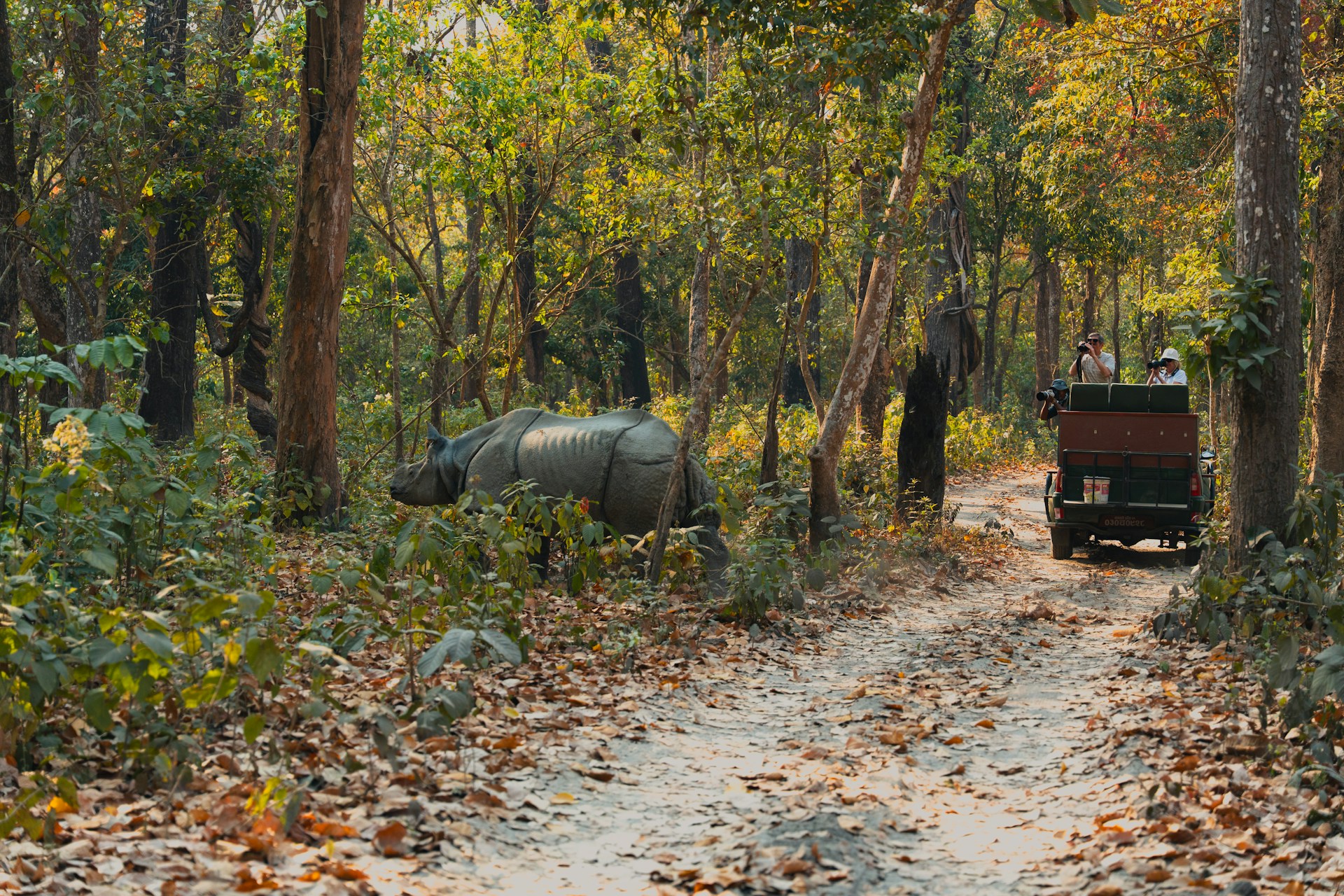
Spanning 932 square kilometers of diverse ecosystems—from riverine forests and grasslands to sal tree jungles and marshlands—Chitwan offers exceptionally high wildlife densities and near‑guaranteed rhino sighting in Nepal. The park’s success in conservation has brought the one‑horned rhino Nepal population to over 690 individuals in Chitwan alone, making it the second‑largest rhino population globally after India’s Kaziranga.
- Wildlife diversity: Bengal tigers, one‑horned rhinos, sloth bears, leopards, wild elephants, four crocodile species, and over 500 bird species.
- Accessibility: Easy to reach by road (5–6 hours) or short flight from Kathmandu, with the gateway village of Sauraha offering abundant accommodation and safari operators.
- Infrastructure: Well‑developed tourism infrastructure with experienced guides, comfortable lodges and a wide range of Chitwan jungle activities.
- Success rate: Near 100% chance of spotting one‑horned rhinos; moderate chance for Bengal tiger spotting (around 10–20% depending on season and luck).
Chitwan Jungle Activities: What to Expect
A typical Chitwan National Park safari package spans 2–4 days and includes a diverse mix of activities that showcase different aspects of the park’s ecosystem.
Jeep Safari in Nepal
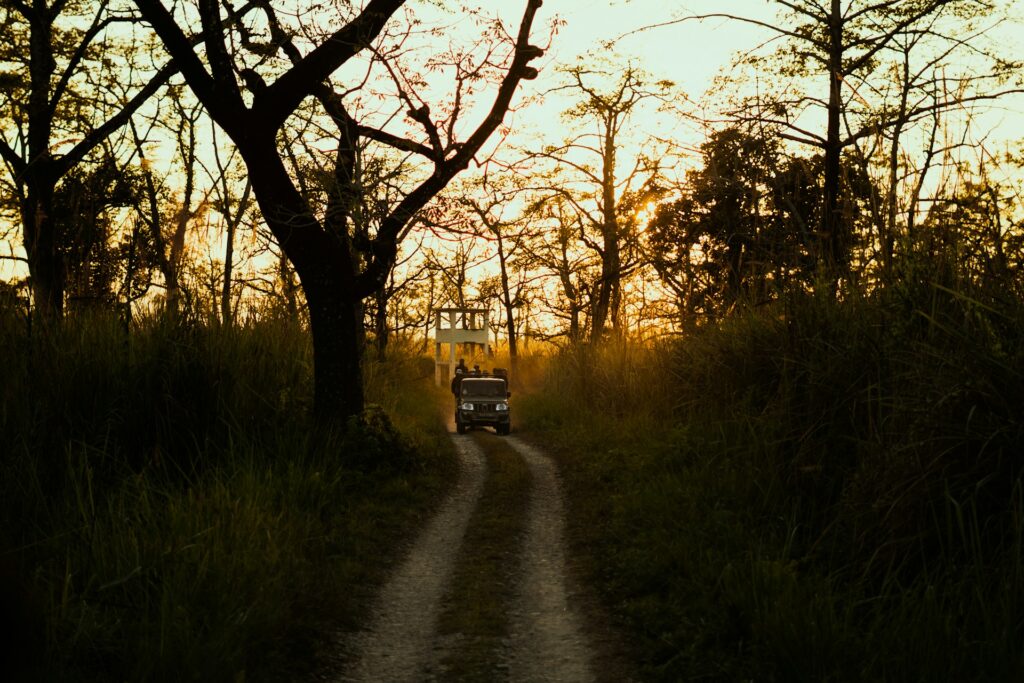
The most popular and effective way to explore Chitwan is by jeep safari in Nepal, typically lasting 3–4 hours and venturing deep into the park’s core zones. Open‑top safari jeeps allow for unobstructed viewing and photography as you traverse riverine forests, open grasslands and dense jungle in search of rhinos, deer, wild boar, monkeys and, with luck, tigers or leopards.
Canoe Rides on Rapti River
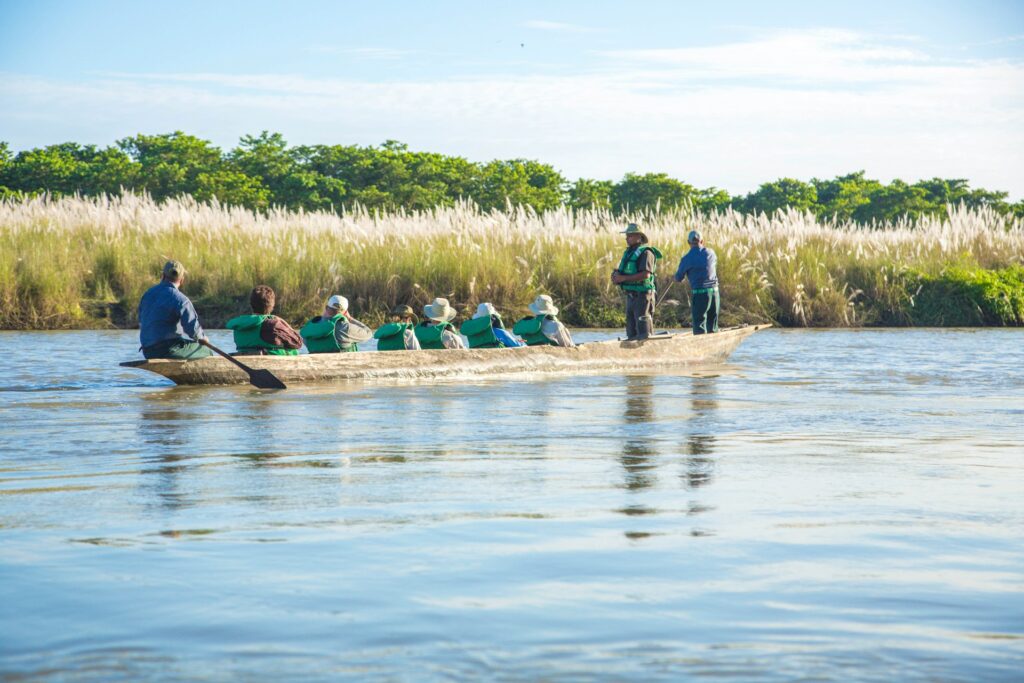
Silent canoe trips along the Rapti or Narayani rivers offer tranquil encounters with gharial and marsh mugger crocodiles sunbathing on riverbanks, kingfishers diving for fish, and occasional rhinos coming to drink. This peaceful Chitwan jungle activity provides excellent bird watching in Nepal opportunities, especially during early morning hours.
Elephant Safari in Chitwan
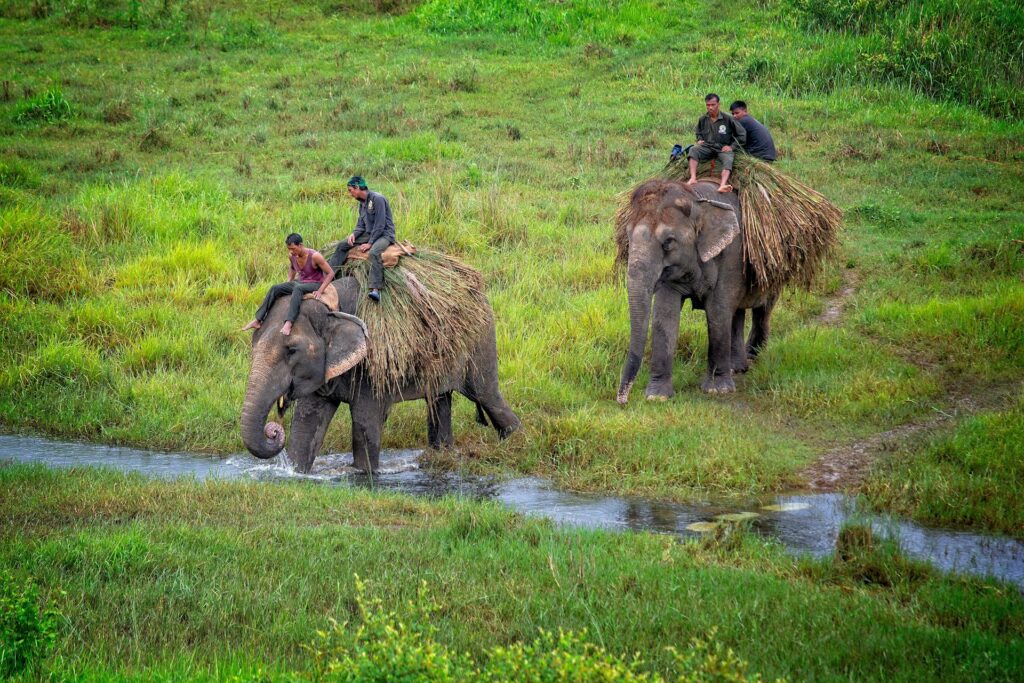
While elephant safari in Chitwan has become controversial due to animal welfare concerns, some responsible operators still offer elephant‑back rides into tall grasslands where jeeps cannot venture. Elephants can approach rhinos more closely without alarming them, offering unique photo opportunities. However, many travelers now prefer elephant breeding center visits over rides, watching young elephants play and learning about conservation efforts.
Jungle Walks with Naturalist Guides
Guided jungle walks provide intimate encounters with Chitwan’s smaller wildlife: monkeys swinging through trees, colorful birds flitting between branches, deer grazing in clearings, and the ever‑present possibility of stumbling upon rhino tracks or even a rhino itself—a thrilling yet safe experience when accompanied by expert guides who read animal behavior and ensure appropriate distances.
Bird Watching in Nepal Paradise
Chitwan is a birdwatcher’s paradise with over 500 recorded species. Early morning bird watching in Nepal excursions reveal great hornbills, paradise flycatchers, kingfishers of every color, eagles, owls and during winter months, migratory waterfowl from as far as Siberia. The diversity makes Chitwan one of Asia’s premier ornithological destinations.
Bardia National Park: The Wild West
For travelers seeking a more remote, less‑touristed jungle safari in Nepal with the best chance of Bengal tiger spotting, Bardia National Park in far‑western Nepal offers raw wilderness and higher tiger densities than Chitwan. Covering 968 square kilometers of pristine Terai habitat, Bardia feels genuinely wild and isolated.
Why Choose Bardia Tiger Safari
Bardia tiger safari experiences appeal to wildlife enthusiasts willing to travel further for a more authentic, uncrowded Nepal wildlife safari. The park’s remoteness means fewer lodges, fewer tourists and wildlife that behaves more naturally without constant human presence.
- Tiger density: Bardia has higher tiger populations per square kilometer than Chitwan, offering better Bengal tiger spotting odds (estimated 20–30% chance on multi‑day safaris).
- Wilderness feel: Fewer tourists mean quieter jungle treks, more solitude and a stronger sense of exploring untamed wilderness.
- Diverse megafauna: Along with tigers and rhinos (38 individuals), Bardia protects wild Asian elephants, Gangetic dolphins in the Karnali River, and rare swamp deer.
- Cultural immersion: Bardia’s remoteness allows deeper Tharu culture safari experiences in traditional villages less impacted by tourism.
Bardia National Park Activities
Bardia safaris focus heavily on full‑day jungle treks and jeep safaris that maximize time in tiger territory. Activities include:
- Extended jungle treks: 4–8 hour walks through remote sections of the park with expert trackers who read pugmarks, scat and alarm calls to locate tigers.
- Jeep safari in Nepal’s wildest park: Full‑day jeep excursions into core zones, sitting quietly at waterholes during hot midday hours when tigers come to drink.
- Karnali River rafting: Multi‑hour rafting trips down the Karnali, watching for rare Gangetic dolphins, marsh mugger crocodiles and riverbank wildlife.
- Community homestays: Overnight stays in Tharu villages, learning traditional fishing, farming and handicraft techniques while supporting local conservation efforts.
Wildlife Stars: What You Will See on Jungle Safari in Nepal
One‑Horned Rhino Nepal: Conservation Success Story
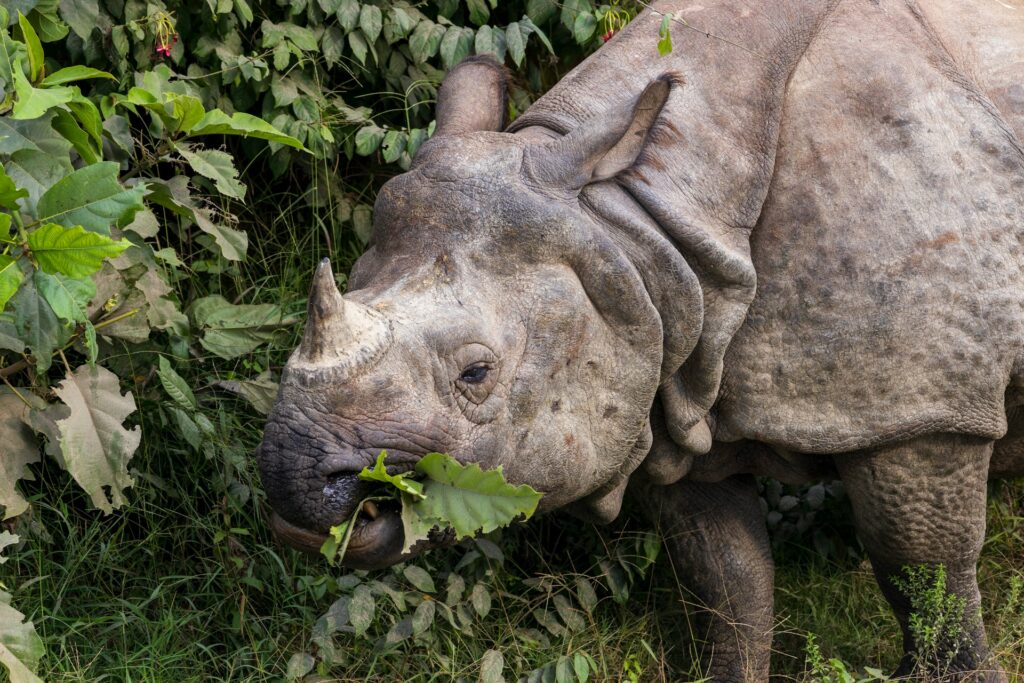
The greater one‑horned rhino Nepal represents one of the world’s greatest conservation comebacks. By 1970, only 70–100 rhinos survived in Nepal due to poaching and habitat loss. Today, the population has rebounded to over 750 individuals across all Terai national parks, with 694 in Chitwan alone. These prehistoric giants—adults can weigh up to 2,200 kilograms—are virtually guaranteed sightings on any multi‑day jungle safari in Nepal, often spotted grazing peacefully in grasslands or wallowing in muddy pools.
Bengal Tiger: The Elusive Apex Predator
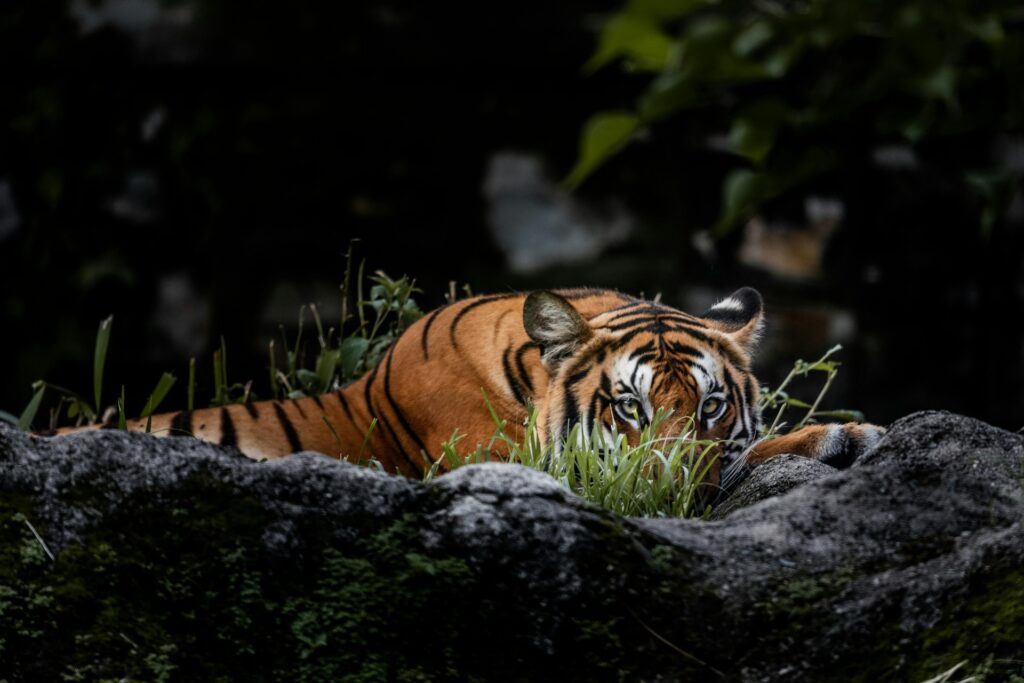
Bengal tiger spotting remains the holy grail of tiger safari Nepal adventures. Nepal’s tiger population has increased from 121 in 2009 to approximately 355 in recent counts, thanks to aggressive anti‑poaching measures and habitat protection. While sightings require patience and luck, the thrill of glimpsing this magnificent predator—even fleetingly—makes every early morning wake‑up and long jungle trek worthwhile. Bardia offers the best odds, followed by Chitwan’s buffer zones.
Other Notable Wildlife
- Sloth bears: Shaggy black bears often spotted near termite mounds, their primary food source.
- Wild Asian elephants: Small herds in Bardia; Chitwan’s elephants are mostly domesticated for tourism.
- Leopards: Nocturnal and elusive, occasionally spotted on night drives in buffer zones.
- Deer species: Spotted deer (chital), sambar, barking deer and rare swamp deer create the prey base for big cats.
- Gharial crocodiles: Distinctive narrow‑snouted fish‑eating crocs basking on riverbanks.
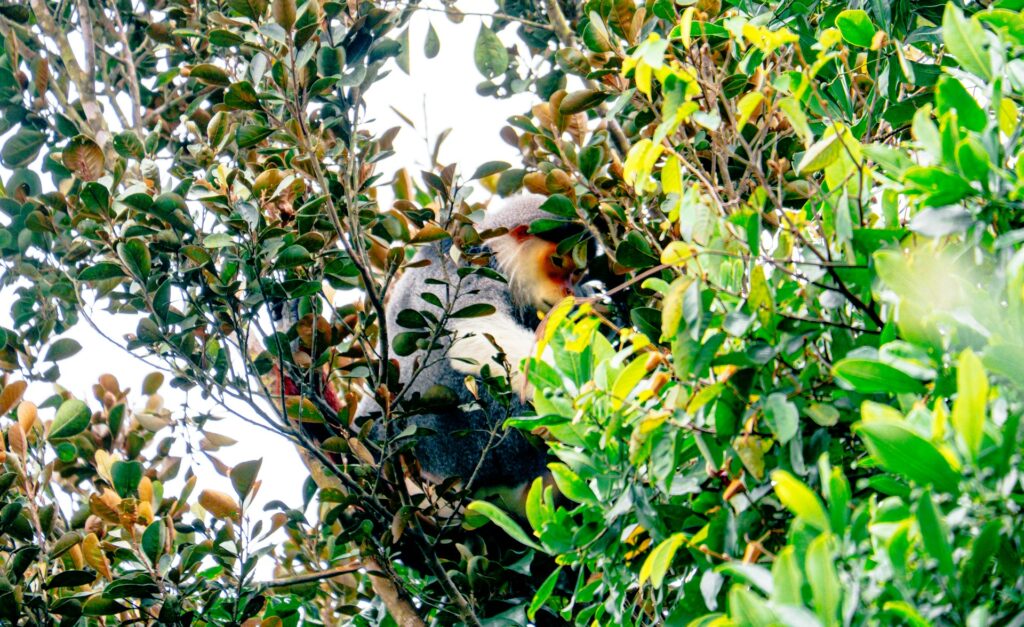
- Langur and macaque monkeys: Acrobatic troops swinging through forest canopies and raiding campsite kitchens.
Tharu Culture Safari: Indigenous Traditions of the Terai
No jungle safari in Nepal is complete without experiencing Tharu culture safari elements. The Tharu people are indigenous to the Terai, having developed natural resistance to malaria that kept lowland jungles sparsely populated until the 1950s. Today, Tharu communities living around both Chitwan and Bardia maintain vibrant traditions that enrich any Nepal wildlife safari.
Tharu Cultural Experiences
- Stick dance performances: Energetic traditional dances where dancers strike wooden sticks in synchronized rhythms around crackling fires.
- Village walks: Guided tours through Tharu settlements, seeing traditional mud‑and‑thatch homes, communal grain storage structures, and women creating intricate wall paintings.
- Traditional cuisine: Meals featuring dhikri (steamed rice cakes), ghonghi (freshwater snails) and local fish preparations distinct from hill Nepali food.
- Homestays: Overnight stays with Tharu families, participating in daily routines and gaining insight into sustainable living in harmony with wildlife.
Best Time for Jungle Safari in Nepal
Timing significantly impacts wildlife visibility and overall experience during your jungle safari in Nepal.
Peak Season (October to March)
The dry season offers the best conditions for Nepal wildlife safari adventures:
- October–November: Post‑monsoon freshness, pleasant temperatures, migrant birds arriving, moderate tourist numbers.
- December–February: Cool, dry weather; elephants cut tall grass making wildlife easier to spot; peak bird watching in Nepal season.
- March–April: Hottest months but excellent for tiger safari Nepal as cats seek water sources; vegetation thins for better visibility.
Off‑Season (May to September)
Monsoon months see fewer tourists and lower prices but challenging conditions:
- Heavy rains make trails muddy and some areas inaccessible.
- Dense vegetation reduces visibility for wildlife spotting.
- However, the landscape turns lush green, waterfalls flow powerfully, and serious photographers appreciate dramatic skies.
Planning Your Jungle Safari in Nepal: Practical Tips
Chitwan or Bardia? Choosing Your Park
- Choose Chitwan National Park safari if: You have limited time, want guaranteed rhino sightings, prefer developed infrastructure, or are traveling with families.
- Choose Bardia National Park if: You prioritize tiger spotting, want wilderness solitude, have extra days for longer travel, or seek deeper cultural immersion.
- Do both if: You have 7+ days and want comprehensive Nepal wildlife safari experiences comparing two distinct ecosystems.
How Long to Spend
- 2 days/1 night: Minimum for Chitwan; covers key activities but feels rushed.
- 3 days/2 nights: Ideal for Chitwan, allowing relaxed pace and all major Chitwan jungle activities.
- 4–5 days: Recommended for Bardia tiger safari to maximize Bengal tiger spotting odds through multiple full‑day safaris.
What to Pack
- Neutral‑colored clothing (khaki, olive, brown) for safaris; avoid bright colors.
- Long sleeves and pants for mosquito protection and vegetation scratches.
- Good binoculars and a telephoto lens (200mm+) for wildlife photography.
- Sunscreen, hat, insect repellent and reusable water bottle.
- Sturdy walking shoes or boots for jungle treks.
- Headlamp or torch for early morning departures and evening activities.
Budget Expectations
- Budget safari packages: $80–150 per person for 2 days/1 night including basic accommodation, meals and activities.
- Mid‑range packages: $200–350 for 3 days/2 nights with comfortable lodges and experienced guides.
- Luxury jungle lodges: $400–800+ for upscale eco‑resorts with premium guides, private jeeps and gourmet meals.
- Park entry fees: Approximately NPR 1,500–2,000 (around $11–15) for foreigners, included in most packages.
Conservation and Responsible Travel
Nepal’s Terai national parks represent extraordinary conservation achievements, but continued success depends on responsible tourism practices during your jungle safari in Nepal.
- Choose ethical operators: Avoid elephant riding in favor of breeding center visits; select operators supporting community conservation initiatives.
- Respect wildlife distances: Never pressure guides to approach animals too closely for photos; use zoom lenses instead.
- Minimize plastic waste: Bring reusable bottles; properly dispose of all trash; choose lodges with environmental policies.
- Support local communities: Buy Tharu handicrafts directly from artisans; eat at locally‑owned restaurants; choose homestays over international chains.
- Stay on designated trails: Wandering off‑trail damages habitat and increases dangerous wildlife encounters.
Final Thoughts: Why Jungle Safari in Nepal Deserves a Place on Your Itinerary
A jungle safari in Nepal offers a completely different dimension to the typical Himalayan trekking experience, proving that Nepal’s natural treasures extend far beyond mountain peaks. Whether you choose the accessible wildlife abundance of Chitwan National Park safari or the remote wilderness of Bardia National Park, you will witness conservation success stories firsthand and gain appreciation for Nepal’s commitment to protecting its endangered species.
From the guaranteed thrill of rhino sighting in Nepal to the spine‑tingling possibility of Bengal tiger spotting, from peaceful canoe rides along jungle rivers to vibrant Tharu culture safari experiences, Nepal wildlife safari adventures combine excitement, education and cultural immersion in ways few destinations can match. The fact that you might spot a one‑horned rhino Nepal grazing peacefully one hour and track fresh tiger pugmarks the next makes every moment in these Terai national parks electric with possibility.
Add 2–5 days for jungle safari in Nepal to your itinerary, and you will return home with stories as compelling as any mountain summit—and photographs that prove Nepal’s lowland jungles are every bit as spectacular as its highland peaks.