
Marrakech for First-Time Visitors: Everything You Need to Know Before You Go
Marrakech is one of those destinations that awakens every sense. Vibrant souks overflow with colorful textiles, aromatic spices fill the air, centuries-old palaces showcase remarkable craftsmanship, and lively squares buzz with musicians, storytellers, and food vendors long after sunset. For many travelers, it is the perfect introduction to Morocco’s rich culture, history, and hospitality. If you’re researching Marrakech for first time visitors, you’ll quickly discover that the city is unlike anywhere else. It blends medieval traditions with stylish riads, luxury hotels, contemporary restaurants, and rooftop cafés, creating an experience that’s both authentic and surprisingly modern. While the energy of the city can feel overwhelming at first, a little preparation goes a long way.
This guide covers everything you need to know before your first visit, from navigating the Medina and choosing where to stay to cultural etiquette, must-see attractions, and practical travel tips. Whether Marrakech is the beginning of a larger Morocco journey or your main destination, you’ll arrive prepared to enjoy one of North Africa’s most captivating cities.
Why Marrakech Should Be Your First Stop in Morocco
For many international travelers, Marrakech serves as the gateway to Morocco, and for good reason. The city offers an ideal introduction to the country’s history, architecture, cuisine, and traditions while providing excellent tourism infrastructure that makes exploring easy for first-time visitors.
Located at the foot of the Atlas Mountains, Marrakech has welcomed traders, artisans, and travelers for centuries. Today, this UNESCO-listed city continues to captivate visitors with its maze-like Medina, elegant gardens, magnificent palaces, bustling markets, and world-renowned hospitality.
Unlike many major cities where attractions are spread across vast distances, Marrakech’s historic center places many of its highlights within walking distance of one another. You can spend the morning admiring intricate Islamic architecture, enjoy a leisurely lunch in a hidden courtyard, shop for handcrafted leather goods in the afternoon, and finish your evening watching the sunset from a rooftop overlooking Jemaa el-Fnaa.
The city also serves as an excellent base for exploring other parts of Morocco. Day trips to the Atlas Mountains, the Agafay Desert, traditional Berber villages, and coastal towns are easily arranged, making Marrakech the perfect starting point for a longer custom itinerary.
For travelers seeking a balance of culture, comfort, and unforgettable experiences, Marrakech delivers all three in abundance.
When Is the Best Time to Visit Marrakech?
Timing can significantly shape your experience in Marrakech. Although the city welcomes visitors throughout the year, some seasons are far more comfortable for sightseeing than others.
Spring (March to May)
Spring is widely considered one of the best times to visit Marrakech. Pleasant temperatures, blooming gardens, and long sunny days make it ideal for exploring the Medina, visiting historical landmarks, or enjoying outdoor cafés. It’s also an excellent season for excursions into the Atlas Mountains before the summer heat arrives.
Autumn (September to November)
Autumn offers similarly enjoyable conditions. After the intense summer temperatures subside, the city becomes lively again with comfortable weather that’s perfect for walking tours, shopping in the souks, and dining on rooftop terraces.
Summer (June to August)
Summers in Marrakech can be extremely hot, with daytime temperatures frequently exceeding 40°C (104°F). While luxury hotels provide excellent pools and air-conditioned spaces, sightseeing during the afternoon can be challenging. If you visit during summer, plan outdoor activities early in the morning or later in the evening.
Winter (December to February)
Winter brings mild daytime temperatures and cooler evenings. It’s a pleasant season for exploring the city’s cultural attractions, although you’ll want a light jacket after sunset. Snow can often be seen on the distant Atlas Mountains, creating beautiful scenery just beyond the city.
Regardless of the season, Marrakech enjoys plenty of sunshine throughout the year, making it an appealing destination whenever your travel schedule allows.
Getting Around Marrakech Is Easier Than You Think
One of the biggest concerns among first-time visitors is navigating Marrakech’s famous Medina. While its narrow alleyways may initially appear confusing, getting around becomes surprisingly intuitive after a day or two of exploring.
Walking is by far the best way to experience the historic center. Many streets are pedestrian-only, allowing you to discover hidden courtyards, artisan workshops, traditional bakeries, and local cafés that you might otherwise miss. Using an offline map on your smartphone can be helpful, especially during your first few outings.
For destinations outside the Medina, taxis are widely available and relatively inexpensive. It’s a good idea to agree on the fare before beginning your journey if the driver isn’t using a meter. Many visitors also choose private transfers for airport arrivals and day trips, providing additional comfort and convenience.
If you’re planning a broader Morocco adventure, Marrakech is well connected by domestic flights, modern highways, and rail services, making it easy to continue to destinations such as Casablanca, Fes, Chefchaouen, or the Sahara Desert.
With a little patience and a sense of adventure, navigating Marrakech quickly becomes part of the experience itself, revealing unexpected discoveries around almost every corner.
Top Attractions Every First-Time Visitor Should Experience
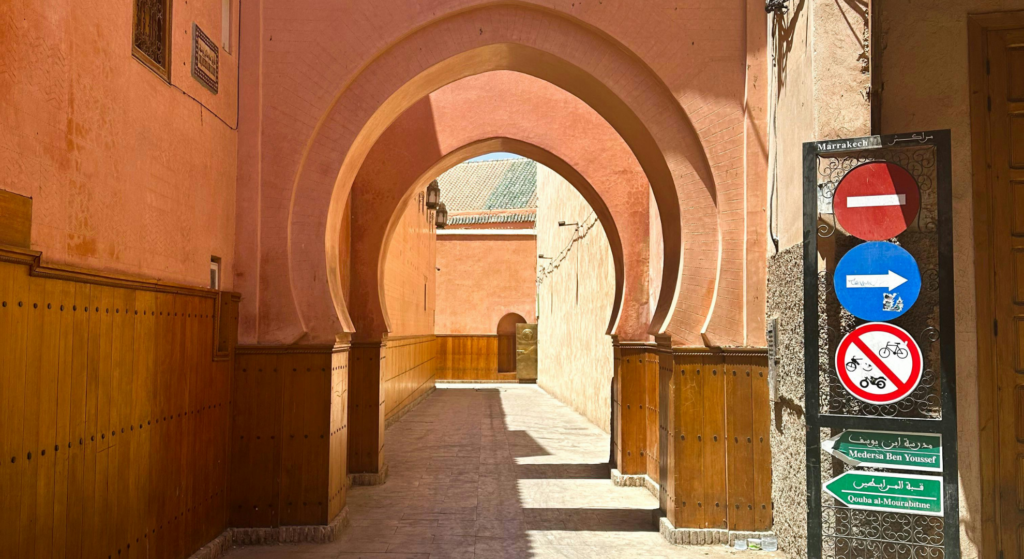
Marrakech is filled with remarkable landmarks that reflect centuries of Moroccan history, art, and culture. While it’s tempting to wander wherever the winding streets lead, first-time visitors should set aside time for the city’s iconic attractions. Together, they tell the story of Marrakech’s imperial past while showcasing its vibrant present. Here are the top attractions in Marrakech for first-time visitors.
Jemaa el-Fnaa: The Beating Heart of Marrakech
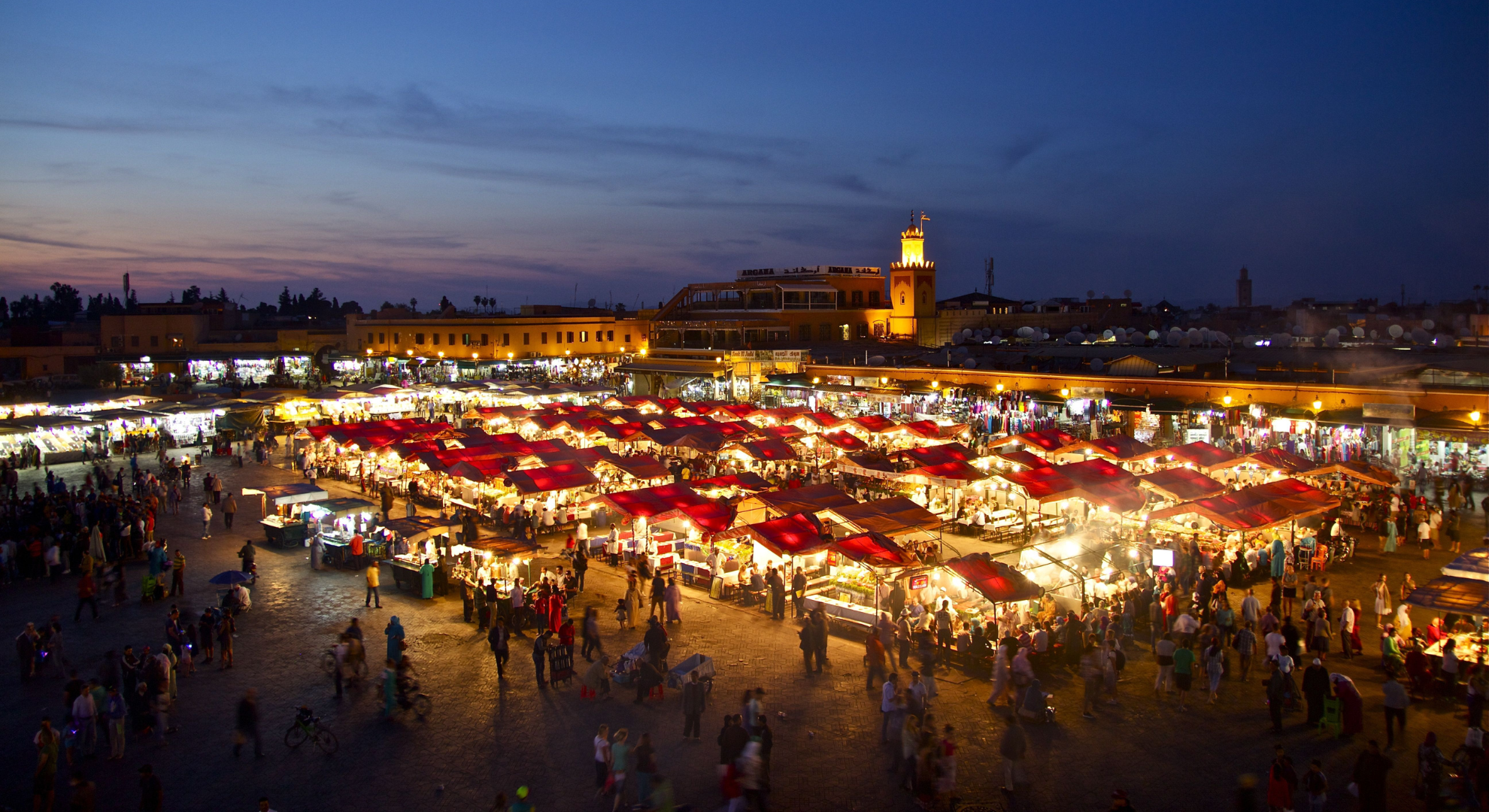
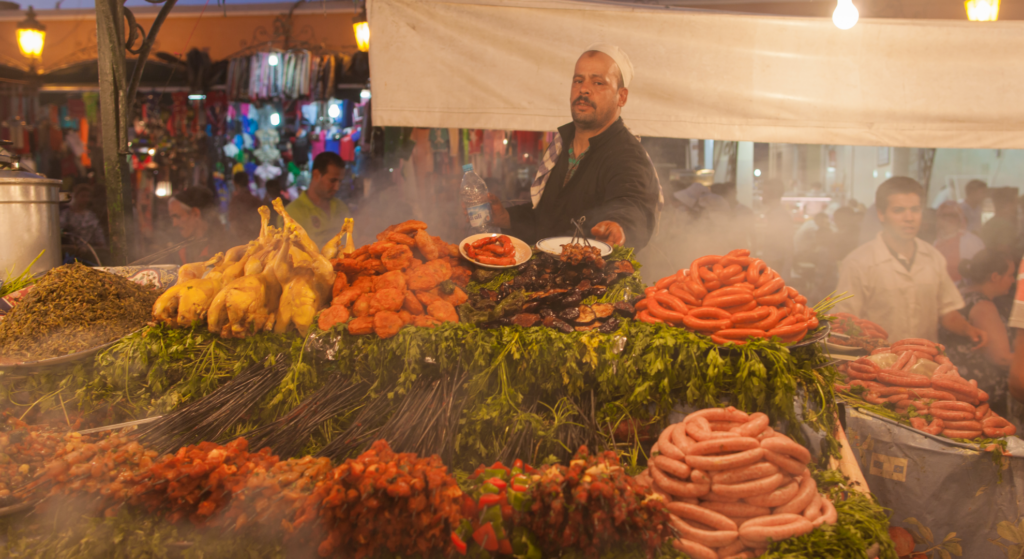
No visit to Marrakech is complete without spending time in Jemaa el-Fnaa, the city’s legendary main square. During the day, the square buzzes with fresh juice stalls, traditional musicians, henna artists, and local vendors. As evening falls, it transforms into one of Morocco’s most exciting open-air dining experiences.
Rows of food stalls appear almost magically, serving everything from grilled meats and fragrant tagines to fresh seafood and Moroccan pastries. The atmosphere is lively, energetic, and unmistakably Moroccan. For first-time visitors, it’s the perfect place to soak up the city’s unique character.
For an even better view, head to one of the rooftop cafés surrounding the square just before sunset. Watching the call to prayer echo across the city as the square comes alive below is one of Marrakech’s most memorable experiences.
Explore the Medina’s Endless Souks
The Medina is Marrakech’s historic heart and one of the largest traditional marketplaces in North Africa. Wandering its maze-like streets is an adventure in itself, where every corner reveals something new.
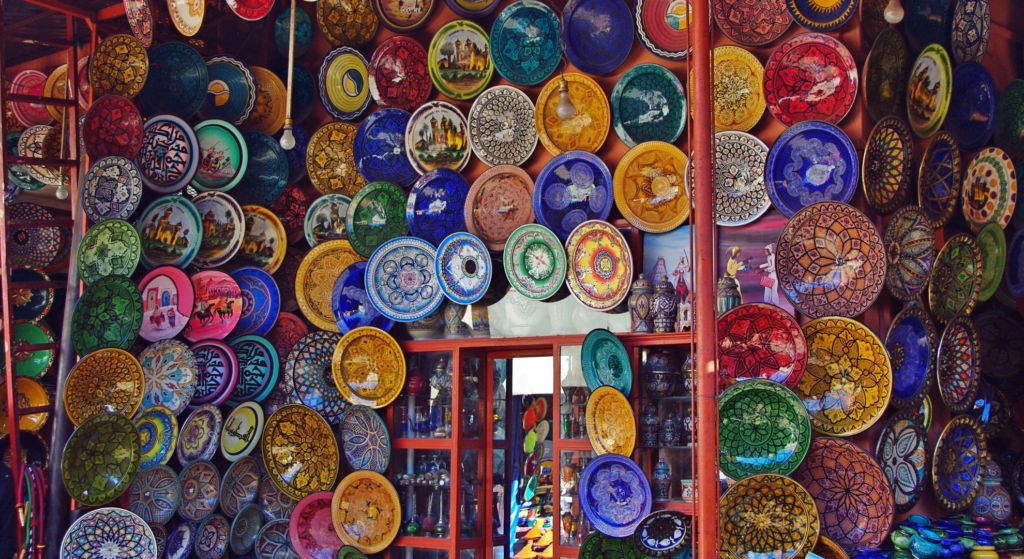
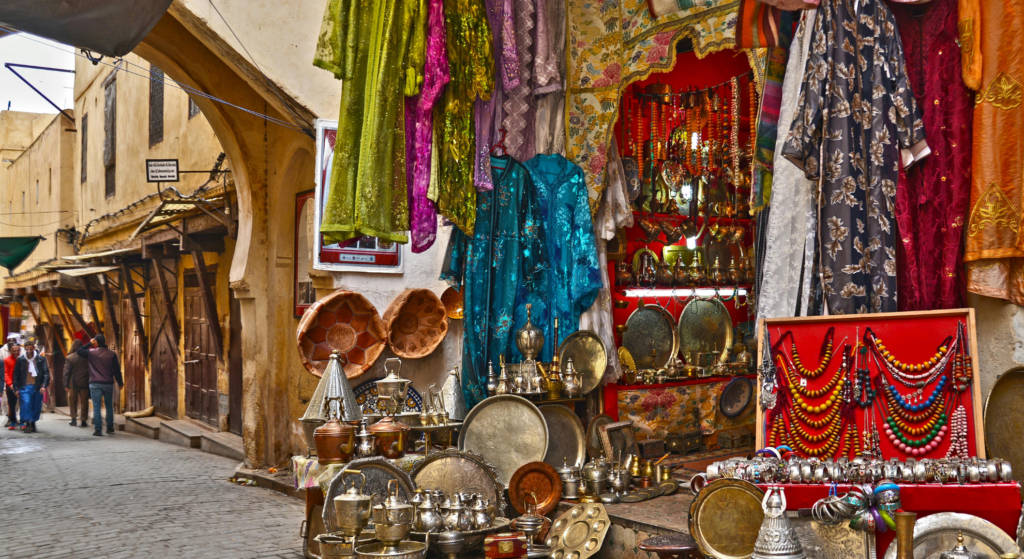
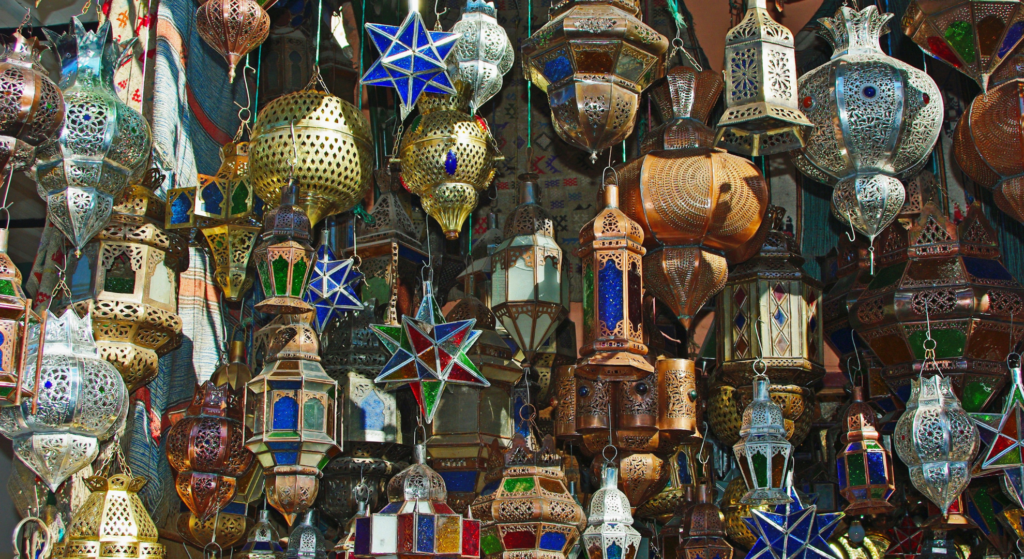
You’ll find artisans crafting leather handbags by hand, blacksmiths shaping lanterns, weavers creating colorful carpets, and spice merchants displaying mountains of saffron, cumin, cinnamon, and paprika. Unlike modern shopping centres, the Medina offers an opportunity to watch centuries-old crafts still being practiced today.
Shopping here is also a cultural experience. Bargaining is expected and often becomes part of the friendly interaction between buyers and shopkeepers. Rather than rushing from store to store, take your time, ask questions about the products, and enjoy the conversations along the way.
It’s worth remembering that the Medina isn’t only for shopping. Hidden within its narrow lanes are peaceful riads, charming cafés, small museums, and beautifully restored courtyards that reward curious travellers willing to explore beyond the busiest streets.
Discover Bahia Palace
Among Marrakech’s architectural masterpieces, Bahia Palace stands out as one of the city’s most elegant landmarks. Built in the late nineteenth century, the palace showcases the extraordinary craftsmanship that defines traditional Moroccan architecture.
Visitors can wander through ornate reception rooms, tranquil courtyards, colourful mosaic floors, carved cedar ceilings, and lush gardens filled with citrus trees and fountains. Every room reveals intricate geometric tilework and finely carved plaster that reflect the artistic traditions of Morocco’s imperial era.
Arriving early in the morning provides a quieter experience and better opportunities to appreciate the palace’s remarkable details before larger tour groups arrive.
Visit the Majorelle Garden
For a refreshing contrast to the bustling Medina, spend a few hours at the beautiful Majorelle Garden. Designed by French artist Jacques Majorelle and later restored by fashion designer Yves Saint Laurent, this peaceful botanical garden has become one of Marrakech’s most photographed attractions.
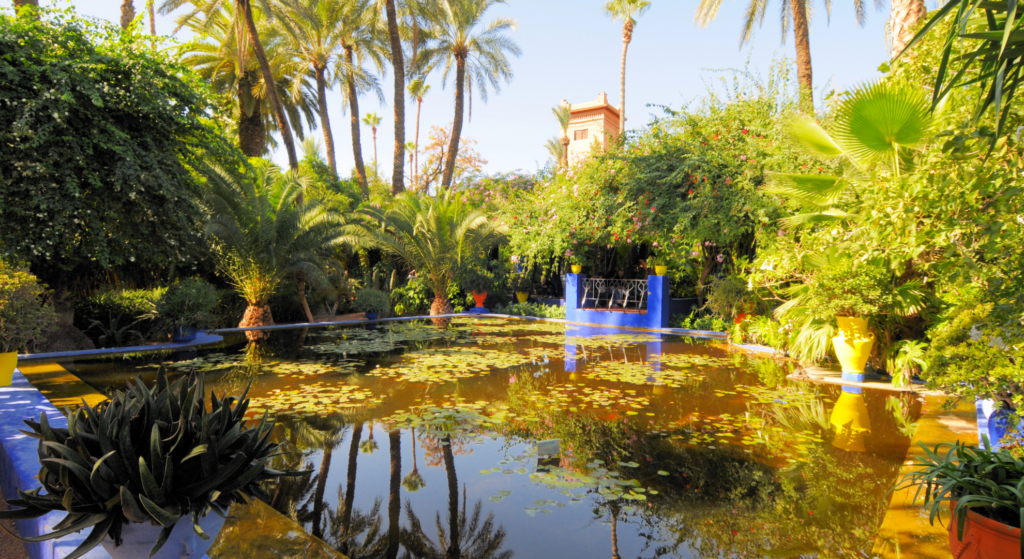
The garden features exotic plants collected from around the world, tranquil water features, towering cacti, bamboo groves, and the striking cobalt blue buildings that have become internationally recognised as “Majorelle Blue.”
The adjoining museum provides fascinating insights into Morocco’s indigenous Berber culture, making this much more than simply a beautiful garden.
Because visitor numbers are carefully managed, purchasing tickets in advance is highly recommended, particularly during spring and autumn.
Admire the Koutoubia Mosque
The Koutoubia Mosque is Marrakech’s most recognisable landmark and an enduring symbol of the city. Its elegant 77-metre minaret has dominated the skyline since the twelfth century and continues to serve as a reference point for visitors navigating the Medina.
While non-Muslims cannot enter the prayer hall, the mosque’s beautifully landscaped gardens and surrounding plazas provide excellent opportunities to admire its impressive Almohad architecture. Visiting in the late afternoon offers particularly beautiful lighting for photography.
The mosque also plays an important role in daily life. Hearing the call to prayer echo across the city adds another layer to the immersive cultural experience that makes Marrakech so distinctive.
Wander Through Le Jardin Secret
Often overlooked by first-time visitors, Le Jardin Secret offers a peaceful escape from the lively streets outside its walls. Hidden within the Medina, this beautifully restored palace complex combines traditional Islamic gardens with elegant architecture and fascinating history.
Visitors can stroll through tranquil courtyards, admire intricate zellige tilework, and climb the tower for panoramic views across Marrakech’s rooftops. The contrast between the calm gardens and the bustling Medina outside perfectly captures the city’s unique balance between energy and serenity.
Whether you’re interested in architecture, photography, or simply finding a quiet place to relax, Le Jardin Secret is well worth including in your itinerary.
Experience a Traditional Hammam
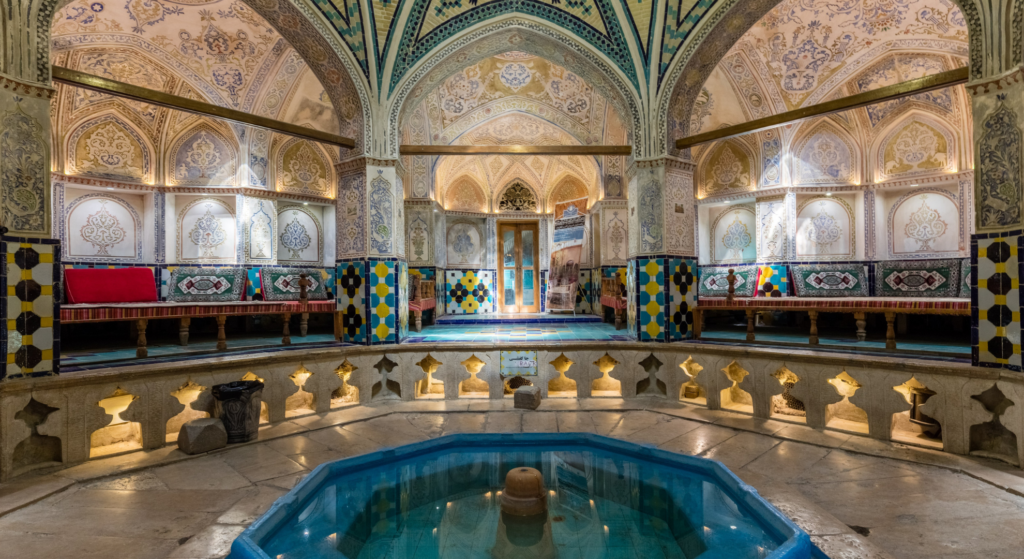
After a day spent exploring Marrakech’s bustling streets, few experiences are as rewarding as visiting a traditional Moroccan hammam. These centuries-old bathhouses remain an important part of local culture and offer a relaxing introduction to Moroccan wellness traditions.
Many luxury riads and spas offer modern hammam experiences inspired by traditional rituals, combining steam baths, black soap exfoliation, argan oil treatments, and massages. It’s an excellent way to unwind while experiencing another authentic aspect of Moroccan culture.
For first-time visitors, choosing a reputable spa or hotel hammam provides a comfortable introduction while maintaining the authenticity of this cherished local tradition.
Where to Stay in Marrakech
Choosing the right neighborhood can shape your entire Marrakech experience. Fortunately, the city offers a wide variety of accommodations, from beautifully restored riads hidden within the Medina to luxurious resorts surrounded by palm trees.
Stay in the Medina for an Authentic Experience
For many first-time visitors, the Medina is the best place to stay. Waking up inside the historic old city means you’ll be just steps from Jemaa el-Fnaa, vibrant souks, historic palaces, and many of Marrakech’s most famous attractions.
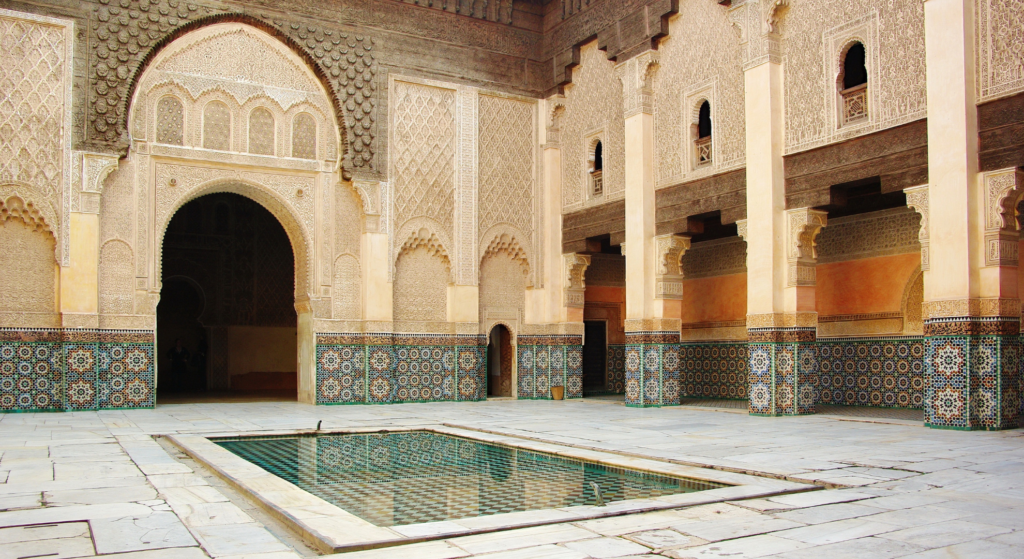
One of the highlights of staying here is experiencing a traditional riad. These historic Moroccan homes are built around peaceful interior courtyards featuring fountains, lush gardens, and handcrafted tilework. From the outside they often appear modest, but inside you’ll discover tranquil spaces that provide a welcome escape from the lively streets beyond their doors.
Many riads also feature rooftop terraces where you can enjoy breakfast while overlooking the city’s skyline or unwind with mint tea after a day of sightseeing.
Choose Hivernage or Palmeraie for Luxury
If you prefer larger hotels with resort-style amenities, the Hivernage district offers upscale accommodations, fine dining, elegant lounges, and excellent spa facilities, all within a short drive of the Medina.
For travelers seeking a more peaceful retreat, Palmeraie provides luxurious resorts surrounded by thousands of palm trees. Spacious gardens, golf courses, swimming pools, and wellness centers make this area particularly appealing for couples, families, and those planning a relaxing extension to a Morocco itinerary.
Many visitors combine both experiences by spending a few nights in a traditional riad before moving to a luxury resort to unwind at the end of their journey.
What to Eat in Marrakech
Food is one of the highlights of any visit to Morocco, and Marrakech offers endless opportunities to discover the country’s rich culinary traditions.
Start with a classic tagine, a slow-cooked stew prepared in the distinctive clay pot that gives the dish its name. Whether filled with lamb, chicken, vegetables, or dried fruits, every restaurant offers its own interpretation of this Moroccan favorite.
Another must-try dish is couscous, traditionally served on Fridays but available throughout the week at many restaurants. Light, flavorful, and beautifully presented, it remains one of Morocco’s most beloved meals.
Street food is also an essential part of the Marrakech experience. In Jemaa el-Fnaa, you’ll find grilled meats, fresh bread, olives, pastries, snail soup, and freshly squeezed orange juice prepared right before your eyes. If you’re sampling street food, choose stalls with a high turnover of local customers, as this is often a good indication of freshness.
Don’t leave without trying Moroccan mint tea. Often referred to as the country’s drink of hospitality, it’s served throughout the day and is an important part of welcoming guests into homes, cafés, and riads.
For travelers interested in local culture, participating in a Moroccan cooking class is another memorable experience. Learning to prepare traditional dishes using fresh spices and local ingredients offers insight into everyday Moroccan life while giving you recipes to recreate at home.
Practical Tips for First-Time Visitors
A little preparation can make your first visit to Marrakech far more enjoyable.
Dress respectfully, particularly when visiting religious sites or traditional neighborhoods. Lightweight clothing that covers your shoulders and knees is both comfortable and culturally appropriate.
Comfortable walking shoes are essential. Much of the Medina is paved with uneven stone streets, and you’ll likely spend several hours exploring on foot each day.
Carrying small amounts of cash is also helpful, as many smaller shops and market stalls do not accept credit cards. While bargaining is common in the souks, always approach negotiations politely and with a smile. Most interactions are friendly and part of the local shopping culture.
Photography is generally welcomed at major attractions, but always ask permission before photographing local people, artisans, or performers. Some entertainers in Jemaa el-Fnaa may request a small tip if you take their photograph.
Finally, embrace the slower pace of travel. Marrakech rewards curiosity more than rigid schedules. Some of your most memorable experiences may come from discovering a hidden courtyard café, stumbling upon a neighborhood bakery, or chatting with a local artisan who proudly explains their craft.
A Suggested Three-Day Marrakech Itinerary
Day One: Discover the Historic Heart
Begin your adventure in Jemaa el-Fnaa before exploring the surrounding Medina and its colorful souks. Visit Bahia Palace, admire the Koutoubia Mosque from the gardens, and finish the day with dinner overlooking the city’s famous square.
Day Two: Gardens, Art, and Relaxation
Spend the morning at the Majorelle Garden and the Berber Museum before enjoying lunch at a stylish café. In the afternoon, visit Le Jardin Secret and conclude your day with a traditional Moroccan hammam experience.
Day Three: Explore Beyond the City
Use your final day for an excursion into the Atlas Mountains, a visit to a traditional Berber village, or a journey into the nearby Agafay Desert. These experiences showcase another side of Morocco and perfectly complement the vibrant atmosphere of Marrakech.
Discover Marrakech with Acqua Travel
Your first visit to Marrakech should feel exciting, not overwhelming. With thoughtful planning and expert local insight, you’ll experience the city’s iconic landmarks, hidden gems, vibrant markets, and unforgettable cuisine at a comfortable pace.
Whether you’re dreaming of wandering through ancient souks, relaxing in a luxury riad, exploring the Atlas Mountains, or combining Marrakech with other incredible destinations across Morocco, Acqua Travel can create a personalized itinerary designed around your interests and travel style.
Ready to start planning your Moroccan adventure? Explore Acqua Travel’s customized Morocco tours or request a personalized itinerary built just for you.
Frequently Asked Questions
Is Marrakech safe for first-time visitors?
Yes. Marrakech is generally considered safe for tourists. Like any major city, it’s important to stay aware of your surroundings, keep valuables secure, and use reputable guides or transportation services when exploring.
How many days should I spend in Marrakech?
Three to four days is ideal for first-time visitors. This allows enough time to explore the Medina, visit major attractions, experience Moroccan cuisine, and enjoy a day trip to the Atlas Mountains or Agafay Desert.
What should I wear in Marrakech?
Lightweight, modest clothing is recommended. Dressing respectfully by covering your shoulders and knees is appreciated, particularly when visiting traditional neighborhoods and cultural sites.
Can you drink tap water in Marrakech?
Most visitors prefer to drink bottled or filtered water. Many hotels and riads provide bottled water, and it’s widely available throughout the city.
Is bargaining expected in the souks?
Yes. Bargaining is a normal part of shopping in Marrakech’s traditional markets. Negotiations are generally friendly and should be approached with patience, respect, and a sense of humor.
What is the best time to visit Marrakech?
Spring (March to May) and autumn (September to November) offer the most comfortable temperatures for sightseeing, making them the best seasons for first-time visitors.