
China Tour Packages: How to Choose the Perfect Itinerary (And Avoid Scams)
Planning a trip to China is exciting, but choosing the right China tour packages can quickly become overwhelming. With countless itineraries, varying hotel standards, different transportation options, and a wide range of prices, it’s often difficult to tell which package offers genuine value and which simply looks attractive on paper.
The reality is that China is an enormous country with an extensive tourism infrastructure. A thoughtfully designed itinerary can seamlessly connect imperial landmarks, ancient archaeological sites, scenic river cruises, and vibrant modern cities. A poorly planned package, however, can leave you rushing between destinations, spending unnecessary hours in transit, or discovering hidden costs after you’ve booked.
This China Travel guide for first timers isn’t a list of tours, it’s a practical framework for evaluating any China travel packages you’re considering. We’ll break down what’s typically included, compare different tour formats, explain realistic pricing, highlight the classic China itinerary, and share expert tips on choosing the best China tour for your travel style. By the end, you’ll know exactly what to look for before making your booking.
What’s Typically Included in a China Tour Package?
One of the first questions travellers ask is: What am I actually paying for? While most guided China tours include the essential components of your journey, inclusions can vary significantly between operators. Understanding what is standard—and what isn’t—will help you compare China tour packages more confidently and avoid unexpected costs later.
| Item | Typical Status | What to Check |
|---|---|---|
| Accommodation | Typically included | Confirm hotel category (3★, 4★, or 5★) and location within each city. |
| Breakfast | Usually included | Some tours include only breakfast, while others offer additional meals. |
| Guided attraction entry fees | Usually included | Verify major attractions like the Great Wall, Forbidden City, and Terracotta Warriors are covered. |
| Internal flights | Often included | Confirm whether city transfers are by domestic flight or high-speed rail. |
| Airport transfers | Usually included | Check that both arrival and departure transfers are included. |
| Local guides | Almost always included | Ensure guides are experienced, English-speaking professionals. |
| International flights | Rarely included | Most China holiday packages are sold as land-only itineraries. |
| Travel insurance | Rarely included | Purchase comprehensive travel insurance separately before departure. |
| Tips and gratuities | Almost never included | Budget approximately USD $8–15 per person per day. |
| Yangtze River Cruise | Premium inclusion or optional add-on | Confirm cruise line, itinerary, and cabin category if included. |
Pay Close Attention to Internal Transportation
One of the most misunderstood aspects of China tour packages price comparisons is internal transportation.
Many itineraries advertise destinations such as Beijing, Xi’an, and Shanghai, but don’t clearly explain how you’ll travel between them. Some operators include domestic flights, while others use China’s excellent high-speed rail network.
Neither option is inherently better, but travellers should know what to expect.
For example:
- Domestic flights reduce travel time significantly and are ideal for those with limited vacation days.
- High-speed trains offer a comfortable and scenic experience, though some journeys can take 4–5 hours or longer.
When comparing organised China tours, always ask whether city transfers are by air or rail. Two packages with similar prices may differ considerably in travel time and overall comfort simply because of this detail.
Hotel Standards Can Vary More Than You Think
Accommodation is another area where packages differ substantially.
Two itineraries may both advertise “4-star hotels,” but one operator may select centrally located international brands, while another uses properties on the outskirts of the city that require lengthy transfers to major attractions.
Before booking, confirm:
- Hotel category
- Hotel names whenever possible
- City-centre or suburban location
- Breakfast inclusions
- Available amenities
A slightly higher-priced package often delivers much better value through superior accommodation choices.
Are Attraction Fees Included?
Most reputable guided China tours include entrance fees to major attractions, which are also some of the Best Places to visit in China, including:
- The Great Wall
- Forbidden City
- Temple of Heaven
- Terracotta Warriors
- Shanghai’s Yu Garden
However, optional excursions, evening performances, or specialty experiences may carry additional charges.
Always review the detailed inclusions carefully rather than assuming every activity is covered.
What Usually Costs Extra?
Even comprehensive China holiday packages often exclude:
- International airfare
- Travel insurance
- Visa fees
- Personal expenses
- Laundry
- Alcoholic beverages
- Most lunches and dinners
- Gratuities
Being aware of these additional expenses helps you estimate the true cost of your journey rather than focusing solely on the advertised package price.
Why Reading the Fine Print Matters
A well-designed tour isn’t simply about visiting famous destinations—it’s about how smoothly the experience unfolds.
When comparing China tour packages, don’t look only at the headline price. Pay equal attention to transportation, accommodation quality, included attractions, local guide expertise, and optional add-ons. These details often make the difference between a good trip and an unforgettable one.
China Tour Package Types — Which Format Is Right for You?
Not all China tour packages are designed the same way. While every itinerary may feature iconic destinations like Beijing, Xi’an, or Shanghai, the overall experience depends largely on the tour format you choose. From budget-friendly group departures to fully personalised private journeys, each option caters to a different type of traveller.
Understanding these formats before you start comparing operators will make it much easier to narrow down the best China tour for your travel style and expectations.
| Tour Type | Price Range (Per Person) | What You Get | Best For |
|---|---|---|---|
| Small Group China Tours | $2,800–$5,500 | Fixed itinerary, shared transportation, English-speaking guides, social atmosphere | First-time visitors, solo travellers, budget-conscious couples |
| Private China Tour | $4,500–$9,000+ | Dedicated guide, private vehicle, customised itinerary, flexible schedule | Couples, families, luxury travellers, repeat visitors |
| River Cruise Package | $3,500–$7,000 | Yangtze River cruise combined with city sightseeing | Travellers seeking comfort, scenery, and a relaxed pace |
| Independent + Guide Days | $2,000–$4,000 | Self-arranged transport with local guides at major attractions | Experienced travellers comfortable travelling independently |
Small Group China Tours
For many first-time visitors, small group China tours offer the ideal balance between convenience, affordability, and immersive sightseeing. Group sizes are usually limited to 6–16 travellers, creating a more personal experience than traditional large coach tours.
Benefits include:
- Lower overall costs through shared services
- Carefully planned itineraries
- Professional English-speaking local guides
- Opportunities to meet fellow travellers
- Minimal planning required before departure
This format is especially popular with solo travellers and couples looking for excellent value without sacrificing comfort.
Private China Tours
A private China tour provides complete flexibility from the moment you arrive until your departure.
Instead of following a fixed schedule, you can personalise:
- Travel dates
- Route
- Accommodation
- Daily pace
- Experiences and excursions
This makes private tours particularly attractive for travellers celebrating special occasions, families with children, photographers, or anyone wanting a slower, more curated journey through China.
Although the private China tour cost is higher, many travellers feel the added flexibility and exclusive service justify the investment.
River Cruise Packages
For travellers looking to combine cultural exploration with spectacular scenery, Yangtze River cruise packages offer a unique way to experience China.
These itineraries typically include:
- A 3–4 night cruise through the Three Gorges
- Onboard accommodation and dining
- Shore excursions
- City stays before and after the cruise
Cruise packages appeal to travellers who enjoy a more relaxed pace while still visiting some of China’s most iconic destinations.
If you’re considering this option, our Yangtze River cruise guide — cruise lines, cabins and departures can help you compare cruise operators and cabin categories before booking.
Independent Travel with Local Guides
Some experienced travellers choose a hybrid approach by booking hotels and transportation independently while hiring local guides for major attractions.
This format offers:
- Greater independence
- Lower costs than fully private travel
- Professional insight at key historical sites
- Flexibility between destinations
However, it also requires significantly more planning and confidence navigating China’s transportation systems and language barriers.
Which Format Offers the Best Value?
There’s no single answer because “value” means different things to different travellers.
If your priorities are affordability, social interaction, and hassle-free logistics, china group tours are often the strongest choice.
If you value flexibility, privacy, personalised experiences, and travelling at your own pace, a private China tour delivers exceptional value despite the higher price.
Ultimately, the best format is the one that aligns with your travel goals, not simply the lowest or highest price point.
The Classic China Itinerary — Beijing, Xi’an, Yangtze and Shanghai
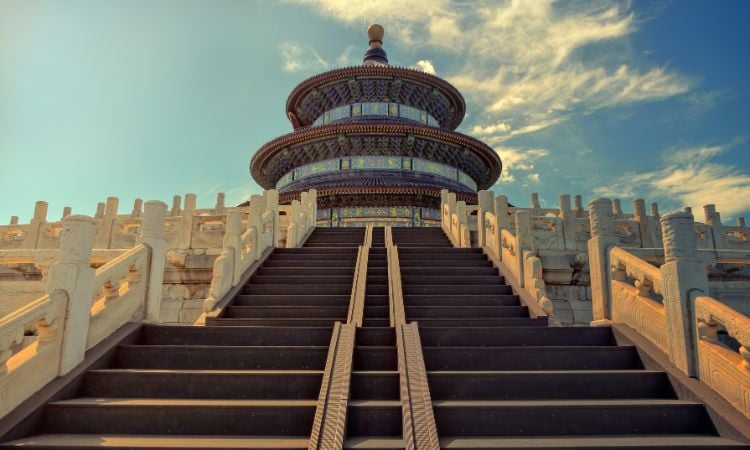
If you compare several China tour packages, you’ll quickly notice a recurring route: Beijing → Xi’an → Yangtze River → Shanghai. There’s a good reason for this. It’s a carefully designed journey that showcases China’s imperial heritage, ancient civilisation, breathtaking landscapes, and modern innovation in one logical circuit.
Rather than rushing between disconnected destinations, this itinerary moves naturally from north to south, offering travellers a balanced introduction to the country’s history, culture, and scenery. It’s also why many travel experts consider it the best China tour for first-time visitors.
Beijing: China’s Imperial Heart
Nearly every guided China tour begins in Beijing, the nation’s capital and a city where thousands of years of history coexist with modern development.
Here, travellers experience some of China’s most celebrated landmarks, including:
- The Forbidden City
- Tiananmen Square
- Temple of Heaven
- Summer Palace
- Traditional Hutong neighbourhoods
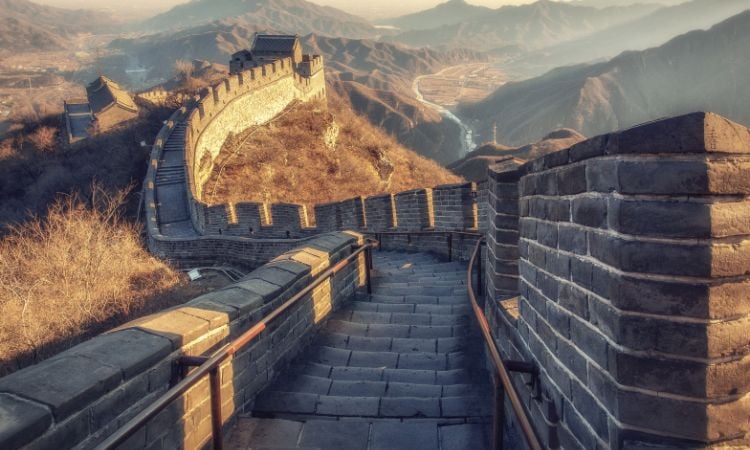
No visit is complete without walking along the Great Wall. However, not every package visits the same section.
Many premium China holiday packages choose Mutianyu, which offers:
- Beautifully restored walls
- Fewer crowds
- Scenic mountain views
- Cable car access for easier exploration
By contrast, Badaling is the most visited section and can become extremely busy, particularly during peak travel seasons.
This is one of the most important questions to ask when comparing itineraries.
If you’d like to explore the capital in more detail, our Beijing travel guide: Forbidden City, Great Wall and 3–4 day itinerary provides additional planning tips and suggested sightseeing routes.
Xi’an: Where Ancient China Comes Alive
From Beijing, most China tour packages continue to Xi’an, one of the oldest cities in China and the eastern starting point of the legendary Silk Road.
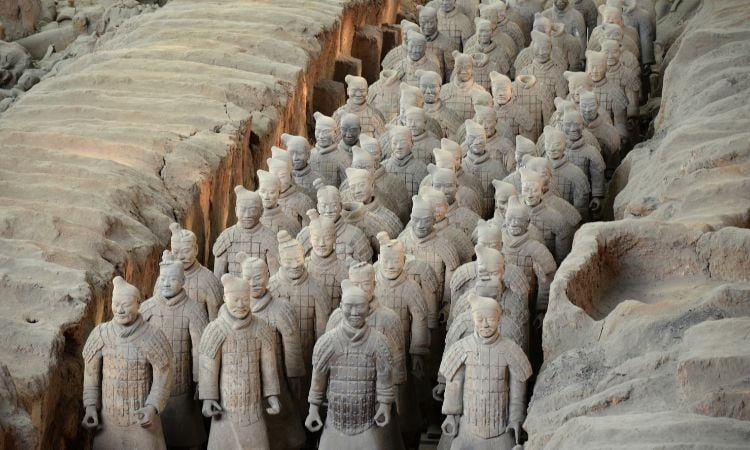
Xi’an is best known for the extraordinary Terracotta Warriors, one of the greatest archaeological discoveries in history. Thousands of life-sized soldiers, horses, and chariots continue to amaze visitors more than 2,000 years after they were created.
A quality itinerary should allow enough time to explore more than just the excavation site. Two nights in Xi’an usually provide the opportunity to experience:
- The Terracotta Warriors
- Xi’an City Wall
- Big Wild Goose Pagoda
- The lively Muslim Quarter
- Traditional night markets
If an itinerary only includes one night in Xi’an, it may feel rushed and leave little time to appreciate the city’s remarkable history.
Yangtze River Cruise: China’s Most Scenic Journey
Many premium China travel packages include a Yangtze River cruise between Xi’an and Shanghai, while others offer it as an optional extension.
A typical cruise lasts three to four nights and takes travellers through some of China’s most spectacular natural scenery, including the famous Three Gorges.
Highlights often include:
- Dramatic limestone cliffs
- Ancient riverside villages
- Shore excursions
- Scenic river landscapes
- Comfortable onboard accommodation
Not every package includes the same cruise experience, so it’s important to compare:
- Cruise line
- Cabin category
- Excursions
- Included meals
- Ship facilities
Well-known operators include Victoria Cruises, Century River Cruises, and Yangtze Gold Cruises, each offering different levels of comfort and service.
If you’re considering adding a cruise to your itinerary, our Yangtze River cruise guide — cruise lines, cabins and departures explains the main cruise options and what to expect onboard.
Shanghai: Modern China at Its Finest
Most organised China tours conclude in Shanghai, a city that perfectly represents China’s contemporary identity.
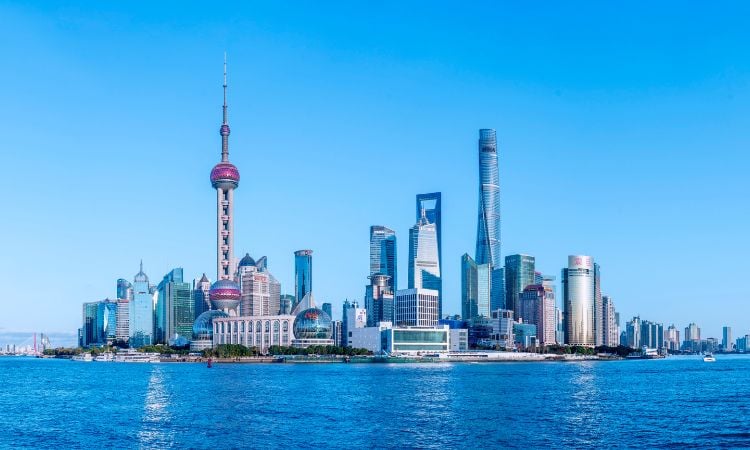
Here, futuristic skyscrapers rise above historic neighbourhoods, creating one of Asia’s most recognisable skylines.
Some of the Best Places to visit in Shanghai, according to this Shanghai Travel Guide, include:
- The Bund
- Yu Garden
- Nanjing Road
- The French Concession
- Pudong Skyline
- Shanghai Tower
Many itineraries include two nights, giving travellers enough time to experience both the city’s historic charm and modern energy.
Those with additional time often extend their stay with day trips to nearby destinations such as:
- Suzhou, famous for its classical gardens
- Zhujiajiao Water Town, known for its canals and traditional architecture
Why This Route Works So Well
The Beijing–Xi’an–Yangtze–Shanghai circuit remains the benchmark for first-time visitors because it captures every side of China in a logical sequence.
You’ll experience:
- Imperial history in Beijing
- Ancient civilisation in Xi’an
- Natural beauty along the Yangtze River
- Modern China in Shanghai
When comparing China tour packages, this route serves as an excellent benchmark. If an itinerary skips key destinations or rushes through major cities with only one-night stays, it’s worth asking whether you’re truly getting the best possible experience for your investment.
Sample 12-Day China Tour Itinerary
When comparing China tour packages, one of the easiest ways to judge their quality is by looking at the itinerary itself. A well-balanced tour should give you enough time to explore each destination without feeling rushed, while avoiding unnecessary hotel changes or long travel days.
The following 12-day itinerary is considered one of the strongest introductions to China. It combines the country’s most iconic cities with a memorable Yangtze River cruise, creating a journey that balances history, culture, and natural beauty.
| Days | City | Highlights |
|---|---|---|
| Days 1–3 | Beijing | Visit the Great Wall (Mutianyu), Forbidden City, Tiananmen Square, Temple of Heaven, and enjoy a Hutong walking tour. |
| Day 4 | Beijing → Xi’an | Domestic flight or high-speed train to Xi’an, followed by an evening exploring the vibrant Muslim Quarter. |
| Days 5–6 | Xi’an | Discover the Terracotta Warriors, cycle along the Ancient City Wall, visit Big Wild Goose Pagoda, and explore the bustling night markets. |
| Day 7 | Xi’an → Chongqing | Fly to Chongqing and board your Yangtze River cruise. |
| Days 7–10 | Yangtze River Cruise | Sail through the magnificent Three Gorges, enjoy shore excursions, scenic landscapes, and relaxing onboard experiences. |
| Days 10–11 | Shanghai | Visit The Bund, Yu Garden, the French Concession, and admire the dazzling Pudong skyline after dark. |
| Days 11–12 | Shanghai | Optional day trip to Suzhou’s classical gardens or Zhujiajiao Water Town before departure. |
Days 1–3: Experience China’s Imperial Capital
Your journey begins in Beijing, where thousands of years of Chinese history unfold through magnificent palaces, temples, and ancient streets.
A quality itinerary should include:
- Walking through the vast Forbidden City
- Standing in historic Tiananmen Square
- Visiting the Temple of Heaven
- Exploring traditional Hutongs
- Spending a full day at the Great Wall
Rather than rushing from one landmark to another, spending three days in Beijing allows travellers to appreciate the city’s remarkable blend of imperial heritage and modern life.
Days 4–6: Step Back in Time in Xi’an
After Beijing, the itinerary shifts to Xi’an, one of China’s oldest capitals and home to the legendary Terracotta Army.
The highlight is undoubtedly the excavation site, but Xi’an offers much more than its famous warriors.
With two nights here, travellers can comfortably experience:
- The Terracotta Warriors
- Xi’an City Wall
- Big Wild Goose Pagoda
- Muslim Quarter
- Local street food and evening markets
This slower pace creates a far richer experience than itineraries that simply visit the Warriors before immediately moving on.
Days 7–10: Cruise Through the Three Gorges
For many travellers, the Yangtze River cruise becomes one of the most memorable parts of the journey.
Instead of constantly packing and unpacking, you settle into your cabin while spectacular scenery unfolds outside your window.
Typical cruise highlights include:
- The dramatic Three Gorges
- Shore excursions to historic villages
- Scenic river landscapes
- Comfortable onboard accommodation
- Relaxed evenings with panoramic views
This portion of many premium guided China tours provides a welcome contrast to the busy sightseeing schedule of Beijing and Xi’an.
Days 10–12: Discover Modern Shanghai
The final stop introduces travellers to China’s contemporary side.
Shanghai combines colonial architecture with futuristic skyscrapers, traditional gardens with luxury shopping districts, and centuries-old culture with cutting-edge innovation.
Two days usually allow enough time to explore:
- The Bund
- Yu Garden
- Nanjing Road
- French Concession
- Pudong financial district
Travellers who have additional time often add excursions to Suzhou or Zhujiajiao, both easily accessible from Shanghai.
If you’re planning a similar journey, our perfect 10-day Beijing–Xi’an–Shanghai itinerary provides additional route suggestions and practical planning advice.
Why This Itinerary Works
One of the reasons this route remains so popular is its excellent balance.
Instead of trying to cover every corner of China in a short period, it focuses on the country’s most rewarding highlights while allowing sufficient time to experience each destination properly.
When evaluating China tour packages, use this itinerary as your benchmark. Tours that closely follow this structure generally provide a more enjoyable and less exhausting experience than those attempting to squeeze too many destinations into too few days.
How to Choose the Right China Tour Package — 7 Questions to Ask
Not all China tour packages offer the same experience, even if they visit the same destinations. Two itineraries might appear nearly identical at first glance, but small details can significantly impact your comfort, sightseeing time, and overall enjoyment.
Before you book, ask these seven questions. The answers will quickly reveal whether you’re looking at a thoughtfully designed itinerary or one that cuts corners.
1. Which Section of the Great Wall Is Included?
Not all visits to the Great Wall are the same.
Many travellers assume every package visits the most scenic section, but that’s not always the case.
The most common options include:
- Mutianyu – Beautifully restored, less crowded, excellent cable car access, ideal for most visitors.
- Badaling – Closest to Beijing and the busiest section, particularly during holidays.
- Jinshanling – Less restored, quieter, and popular with hikers and photographers.
A high-quality itinerary should clearly specify which section you’ll visit rather than simply stating “Great Wall.”
If the itinerary doesn’t mention it, ask.
2. How Many Nights Are Included in Xi’an?
Xi’an deserves more than a quick overnight stop.
While many budget operators include just one night, this often leaves travellers rushing through one of China’s most historically significant cities.
A well-balanced itinerary usually includes at least two nights, allowing time to experience:
- The Terracotta Warriors
- Xi’an City Wall
- Muslim Quarter
- Big Wild Goose Pagoda
- Evening food markets
Extra time transforms Xi’an from a sightseeing stop into one of the highlights of the journey.
3. Is the Yangtze River Cruise Included?
A Yangtze River cruise is one of China’s signature travel experiences—but not every package includes it.
Some itineraries replace the cruise with direct flights or high-speed rail between Xi’an and Shanghai.
If a cruise is included, ask:
- Which cruise line operates it?
- How many nights are included?
- What cabin category is provided?
- Are shore excursions included?
These details can make a significant difference to both comfort and overall value.
4. Are Internal Flights or High-Speed Trains Used?
This is one of the biggest differences between competing China tour packages.
Some operators include domestic flights, while others rely entirely on China’s impressive high-speed rail network.
Flights offer:
- Shorter travel times
- More sightseeing opportunities
- Less travel fatigue
High-speed trains offer:
- Comfortable seating
- Scenic countryside views
- Lower package costs
Neither option is wrong, but you should know exactly what your itinerary includes before booking.
5. What Is the Maximum Group Size?
The size of your group has a major impact on your overall experience.
Smaller groups typically mean:
- Easier logistics
- More interaction with your guide
- Less waiting
- Greater flexibility
- Better access at popular attractions
Many premium china group tours limit departures to around 6–16 travellers, creating a more enjoyable and personal atmosphere.
If you see group sizes exceeding 20 people, expect a less intimate experience.
6. Who Will Be Guiding the Tour?
Your guide often shapes the entire journey.
Professional English-speaking local guides provide:
- Historical context
- Cultural insights
- Restaurant recommendations
- Help navigating local customs
- Assistance with language barriers
Don’t hesitate to ask whether guides are destination specialists or general tour escorts.
Experienced local guides can elevate even familiar attractions into memorable experiences.
7. What Is the Cancellation and Amendment Policy?
China trips are often planned months in advance.
Before committing to any booking, understand:
- Cancellation deadlines
- Deposit requirements
- Change fees
- Refund policies
- Rebooking flexibility
A transparent policy demonstrates confidence and gives travellers peace of mind if plans change unexpectedly.

A Quick Buyer Checklist
Before booking any China tour packages, make sure you can confidently answer these questions:
- Which section of the Great Wall is included?
- Does the itinerary include at least two nights in Xi’an?
- Is the Yangtze River cruise included or offered as an optional add-on?
- Are city transfers by domestic flight or high-speed train?
- How many travellers are in the group?
- Are the guides experienced English-speaking specialists?
- What are the cancellation and amendment policies?
Taking a few minutes to ask these questions can help you avoid common disappointments and ensure you choose a tour that delivers genuine value, not just an attractive headline price.
When to Book and When to Go
Choosing the right China tour packages isn’t only about itinerary and inclusions—timing plays an equally important role. The season you travel affects everything from weather and crowd levels to pricing and availability. Likewise, booking early can give you access to better hotels, premium cruise cabins, and your preferred departure dates.
Understanding both when to visit and when to book will help you get the most value from your trip.
The Best Time to Visit China
China experiences four distinct seasons, and because of its vast size, weather conditions can vary dramatically between regions. For most travellers, spring and autumn offer the most comfortable conditions for sightseeing.
Spring (April–May)
Spring is one of the most popular times to visit China, thanks to pleasant temperatures, blooming gardens, and comfortable sightseeing conditions.
Highlights include:
- Mild weather in Beijing, Xi’an, and Shanghai
- Cherry blossoms and colourful spring flowers
- Comfortable conditions for exploring the Great Wall
- Longer daylight hours
However, travellers should be aware of Golden Week (1–7 May), when domestic tourism peaks and popular attractions become extremely crowded. If your travel dates coincide with this holiday, booking well in advance is essential.
Autumn (September–October)
Many travel specialists consider autumn the ideal season for guided China tours.
Benefits include:
- Comfortable daytime temperatures
- Crisp, clear skies
- Beautiful autumn foliage
- Excellent visibility at major landmarks
As with spring, travellers should avoid the National Day Golden Week (1–7 October) if possible, as millions of domestic tourists travel during this period.
Overall, autumn offers one of the best combinations of weather and sightseeing conditions for first-time visitors.
For a detailed seasonal breakdown, see our guide on the best time to visit China by season.
Winter (November–February)
Winter offers a completely different perspective on China.
Advantages include:
- Significantly fewer crowds
- Lower hotel rates
- Better availability for popular tours
- Beautiful snow-covered landscapes in northern China
While Beijing can experience freezing temperatures, attractions such as the Great Wall become remarkably peaceful during winter months.
Southern cities like Shanghai remain much milder, making winter an excellent option for travellers who prioritise value over warm weather.
Summer (June–August)
Summer is generally considered the least comfortable season for extensive sightseeing.
Expect:
- High temperatures
- Humidity, particularly in Shanghai and Xi’an
- Larger domestic holiday crowds
- Occasional heavy rainfall in some regions
While summer still offers excellent travel opportunities, travellers who are sensitive to heat may find spring or autumn considerably more enjoyable.

How Far in Advance Should You Book?
The best China holiday packages often sell out months before departure, particularly those featuring premium hotels or Yangtze River cruises.
As a general guideline:
- Peak season (April–May, September–October): Book 6–8 months in advance.
- Yangtze River cruises: Premium cabin categories may sell out 10–12 months ahead.
- Winter departures: Greater flexibility is usually available, though booking several months ahead is still recommended.
Booking early doesn’t simply guarantee availability—it also provides:
- A wider choice of departure dates
- Better hotel selections
- Preferred cruise cabins
- Greater flexibility if your plans change
If you’re wondering exactly when to secure your trip, our guide on how far in advance to book your China tour explains the ideal booking timelines for every season.
Why Early Booking Matters
China remains one of Asia’s most sought-after destinations, and demand for quality China tour packages continues to grow.
Waiting until the last minute may mean:
- Limited departure options
- Higher prices
- Fewer hotel choices
- Sold-out cruise departures
- Reduced flexibility for itinerary changes
Planning ahead ensures you can secure the itinerary that best matches your travel preferences while enjoying the widest selection of accommodations and experiences.
Whether you’re travelling during the colourful spring months or the quieter winter season, booking early allows you to focus on preparing for the journey rather than worrying about availability.
Safety, Visas and Practical Essentials
For many first-time visitors, practical considerations often influence the decision just as much as itinerary or price. Questions about visas, internet access, payment methods, and language are common when comparing China tour packages, and understanding these essentials before you travel will help you enjoy a smoother experience.
Fortunately, most guided China tours are designed to minimise these challenges, allowing travellers to focus on exploring rather than navigating unfamiliar systems.
Do You Need a Visa to Visit China?
For most Western passport holders, yes—a tourist visa (L Visa) is required to enter China.
The application process is generally straightforward and can be completed through:
- A Chinese embassy or consulate
- An authorised visa service agency
- Approved visa application centres
Many China holiday packages include visa support documentation, such as invitation letters and itinerary confirmations, making the application process much easier.
China has also expanded its 144-hour visa-free transit policy (TWOV) for eligible nationalities travelling through selected cities. Since visa regulations can change periodically, always check the latest entry requirements before making travel arrangements.
Internet Access and Connectivity
One of the biggest surprises for first-time visitors is that many popular Western websites and apps are unavailable in mainland China.
The following services are typically restricted:
- Google Search
- Google Maps
- Gmail
- YouTube
- X (formerly Twitter)
If you plan to access these services, download and install a reliable VPN before arriving in China, as VPN websites and app stores may also be inaccessible once you’re there.
Most hotels provide Wi-Fi, and mobile connectivity is generally excellent throughout the country.
Payment Methods
China has become one of the world’s most cashless societies.
While some businesses still accept cash, most daily transactions are completed using:
- WeChat Pay
- Alipay
International visitors can now link many foreign credit cards to these platforms, although setup requirements continue to evolve.
Travellers on guided China tours generally encounter fewer payment concerns because guides often assist with ticketing, restaurant payments, and local purchases where necessary.
It’s still advisable to carry:
- A credit card accepted internationally
- Some Chinese Yuan (RMB) for smaller purchases
- A backup payment method
Language
English is spoken in many international hotels and major tourist attractions, but outside these areas, communication can become more challenging.
Many signs include English translations, particularly in Beijing and Shanghai, but local restaurants, shops, and transportation services often operate primarily in Mandarin.
Helpful preparation includes:
- Downloading an offline translation app
- Saving hotel addresses in Chinese
- Learning a few basic Mandarin greetings
One of the major advantages of guided China tours is that experienced local guides handle communication, making travel considerably easier and more enjoyable.
Is China Safe to Visit?
China is widely regarded as one of Asia’s safer destinations for international travellers.
Violent crime affecting tourists is uncommon, and popular tourist areas generally maintain a strong security presence.
As with travel anywhere in the world, sensible precautions remain important:
- Keep valuables secure.
- Be aware of your surroundings in crowded areas.
- Use licensed transportation.
- Carry copies of important travel documents.
For the latest travel advice and practical recommendations, read our guide on is China safe to visit?
Why Guided Tours Simplify the Experience
Many travellers compare independent travel with China tour packages, particularly when evaluating overall value.
For first-time visitors, organised tours eliminate many of the practical challenges associated with travelling in China by providing:
- Visa support documentation
- English-speaking guides
- Pre-arranged transportation
- Hotel check-ins
- Attraction tickets
- Assistance with language barriers
- Local knowledge throughout the journey
Instead of worrying about logistics, travellers can simply enjoy the country’s extraordinary history, culture, and landscapes.
For many visitors, this added convenience is one of the biggest reasons why guided China tours continue to be such a popular choice.
First-Time China Traveller Tips
Travelling to China for the first time is an exciting experience, but it can also feel overwhelming due to the country’s size, language, and cultural differences. Fortunately, a little preparation goes a long way. Whether you’ve booked one of the many China tour packages or are still comparing options, these practical tips will help you make the most of your journey.
Choose a Realistic Itinerary
One of the biggest mistakes first-time visitors make is trying to see too much in too little time.
China is enormous, and travelling between cities—even with excellent transport infrastructure—takes time. A well-planned itinerary covering Beijing, Xi’an, and Shanghai over 10–12 days offers a far more enjoyable experience than attempting to squeeze five or six cities into the same timeframe.
If you have additional time, consider adding the Yangtze River cruise rather than introducing another major city. A balanced itinerary allows you to appreciate each destination instead of constantly packing, checking in and out of hotels, and rushing between attractions.
For more planning advice, explore our China travel guide for first-time visitors.
Allow Time to Adjust to Jet Lag
Many international travellers arrive in China after crossing multiple time zones.
If you’re travelling from North America or Europe, expect some degree of jet lag during the first couple of days.
To make the adjustment easier:
- Schedule lighter sightseeing on your arrival day.
- Stay hydrated during your flight.
- Spend time outdoors in natural daylight.
- Avoid planning physically demanding activities immediately after landing.
Beginning your journey in Beijing provides an excellent opportunity to ease into the pace of travel before tackling longer sightseeing days.
Budget for Tipping
While tipping isn’t traditionally part of Chinese culture, it has become standard practice on organised tours that cater to international visitors.
As a general guideline, budget approximately USD $10–15 per person per day for guides and drivers.
Most guided China tours provide recommendations on tipping at the beginning of the journey, making the process straightforward and transparent.
Explore China’s Regional Cuisine
One of the highlights of any visit is discovering how dramatically Chinese cuisine changes from region to region.
Instead of expecting one style of “Chinese food,” you’ll encounter completely different flavours as you travel across the country.
Popular regional specialties include:
- Beijing – Peking Duck
- Xi’an – Hand-pulled noodles and dumplings
- Sichuan – Hotpot and spicy cuisine
- Shanghai – Soup dumplings (Xiaolongbao) and seafood
Many China holiday packages include breakfast daily, while lunches and dinners are often left open. This gives travellers the opportunity to experience authentic local restaurants recommended by their guides.
Pack Comfortable Walking Shoes
China’s most famous attractions are best explored on foot.
Be prepared for plenty of walking at sites such as:
- The Great Wall
- Forbidden City
- Temple of Heaven
- Summer Palace
- Xi’an City Wall
Some sightseeing days may involve 3–5 kilometres of walking, often on uneven surfaces or staircases.
Comfortable walking shoes are one of the most important items you can pack.
Stay Flexible
China offers incredible contrasts, from bustling modern cities to peaceful temples and rural landscapes. Embracing those differences often leads to the most memorable experiences.
Be open to:
- Trying unfamiliar foods.
- Learning about local customs.
- Adjusting to different daily routines.
- Slowing down to enjoy spontaneous moments.
Many travellers arrive expecting famous landmarks but leave remembering unexpected encounters, local conversations, and authentic cultural experiences just as vividly.
Why Guided Tours Are Ideal for First-Time Visitors
For those visiting China for the first time, guided China tours remove many of the logistical challenges while allowing you to focus entirely on the experience.
With transportation, accommodation, sightseeing, and local expertise already arranged, you can spend less time worrying about practical details and more time appreciating everything China has to offer.
For many travellers, that’s precisely what makes organised China tour packages such an excellent choice for a first visit.
China vs Other Asia Destinations- Is China the Right Choice?
For many travellers planning their first trip to Asia, the decision isn’t simply where to go in China—it’s whether China is the right destination in the first place. Japan often appears alongside China on travel shortlists, and while both countries offer extraordinary cultural experiences, they cater to different travel styles and expectations.
If you’re comparing destinations before committing to China tour packages, understanding these differences can help you choose the experience that best matches your interests.
China Offers Scale Like Nowhere Else
China is a country of remarkable contrasts. One day you could be standing atop the Great Wall, the next admiring the Terracotta Warriors, cruising through the Three Gorges, or exploring Shanghai’s futuristic skyline.
Its sheer scale allows travellers to experience:
- Ancient imperial history
- UNESCO World Heritage Sites
- Dramatic natural landscapes
- Modern megacities
- Diverse regional cultures
- Distinct regional cuisines
For travellers who enjoy variety and want a journey that constantly evolves from one destination to the next, China delivers an unmatched sense of discovery.
Japan Offers Simplicity and Convenience
Japan, by comparison, is often considered easier to navigate independently.
Travellers benefit from:
- Extensive English signage
- Exceptionally efficient public transport
- Consistently high service standards
- Well-developed tourism infrastructure
For visitors who prefer travelling without guides or who are looking for a highly predictable travel experience, Japan can feel more immediately accessible.
China, on the other hand, often rewards travellers who embrace a little more complexity in exchange for greater cultural diversity and geographical variety.
Guided Tours Make China Exceptionally Accessible
While independent travel in China is certainly possible, many first-time visitors find that guided China tours significantly reduce the practical challenges associated with language barriers, transportation, payment systems, and attraction logistics.
A professionally organised tour provides:
- English-speaking local guides
- Seamless transportation between cities
- Pre-arranged accommodation
- Attraction tickets
- Local insights that independent travellers often miss
Instead of worrying about logistics, you can focus on experiencing China’s remarkable history, architecture, food, and landscapes.
Which Destination Offers Better Value?
From a value perspective, China often offers more geographical and cultural diversity within a single itinerary.
A typical 10–12 day itinerary can include:
- Imperial palaces in Beijing
- Ancient archaeological wonders in Xi’an
- A luxury Yangtze River cruise
- A futuristic metropolis like Shanghai
Each destination feels distinctly different, creating a journey with incredible variety.
Japan, meanwhile, excels in consistency, refinement, and ease of travel, making it particularly attractive to travellers seeking a slower-paced experience with exceptional service throughout.
Neither destination is objectively better—they simply offer different styles of travel.
Who Should Choose China?
A China tour is an excellent choice if you:
- Want to explore one of the world’s oldest civilizations.
- Enjoy history, architecture, and UNESCO World Heritage Sites.
- Prefer seeing multiple landscapes and cultures in a single trip.
- Appreciate the convenience of organised travel.
- Want excellent value from a comprehensive itinerary.
Who Might Prefer Japan?
Japan may suit travellers who:
- Prefer independent travel.
- Value convenience and easy navigation.
- Enjoy contemporary culture alongside traditional heritage.
- Want shorter travel distances between destinations.
- Prefer a highly structured and predictable travel environment.
If you’re still deciding between the two, our detailed comparison China vs Japan — which tour is better value? explores both destinations in greater depth, helping you determine which one best suits your travel style.
Ultimately, there is no wrong choice. However, if you’re looking for a destination that combines imperial history, world-famous landmarks, spectacular scenery, and remarkable cultural diversity within one unforgettable journey, China tour packages continue to offer one of the richest travel experiences anywhere in Asia.

Frequently Asked Questions About China Tour Packages
What is typically included in a China tour package?
Most China tour packages include accommodation, daily breakfast, guided sightseeing at major attractions, internal city transfers, airport transfers, and English-speaking local guides. Entrance fees to iconic sites such as the Great Wall, the Forbidden City, and the Terracotta Warriors are usually included. International flights, travel insurance, visa fees, gratuities, and most lunches and dinners are generally excluded. Premium itineraries may also include a Yangtze River cruise, while standard packages often offer it as an optional add-on.
How much does a China tour package cost?
A typical 10–12 day china tour packages price ranges from $2,800–$5,500 per person for a land-only small group tour. Equivalent private itineraries generally cost between $4,500–$9,000+ per person, depending on hotel category, inclusions, and level of customisation. If a Yangtze River cruise is included, expect to pay an additional $800–$2,500, depending on the cruise line and cabin type. International airfare is usually priced separately.
How many days do I need for a China tour?
For first-time visitors, 10 days is generally considered the minimum for exploring Beijing, Xi’an, and Shanghai comfortably. A 12–14 day itinerary is ideal if you wish to include a Yangtze River cruise without rushing between destinations. Tours shorter than 10 days often require sacrificing key attractions or spending excessive time travelling rather than sightseeing.
Is China easy to visit independently, or do I need a guided tour?
China is certainly possible to explore independently, but it presents more logistical challenges than many other Asian destinations. Language barriers, restricted access to Google services, mobile payment systems, and transportation planning can all require additional preparation. For many first-time visitors, guided China tours offer excellent value by removing these obstacles while providing local expertise, seamless logistics, and deeper cultural insights.
What is the best China tour itinerary for first-time visitors?
The classic Beijing–Xi’an–Shanghai route remains the best China tour itinerary for first-time travellers. It combines China’s imperial history, ancient archaeological treasures, and vibrant modern cities into one logical journey. Travellers with additional time often enhance the experience by adding a 3–4 night Yangtze River cruise, creating a well-balanced 12–14 day itinerary that showcases both China’s cultural heritage and spectacular natural scenery.
Do I need a visa to visit China?
Yes. Most Western passport holders require a tourist visa (L Visa) before travelling to China. The application process is generally straightforward and can be completed through a Chinese embassy, consulate, or authorised visa service. China has expanded its visa-free transit policies in recent years, but eligibility varies by nationality and entry city. Most organised tour operators, including Acqua Travel, provide the necessary supporting documentation to simplify the visa application process.
When is the best time to book a China tour?
For spring and autumn departures—the most popular travel seasons—it’s advisable to book 6–8 months in advance. Tours that include premium Yangtze River cruise cabins or travel during cherry blossom and autumn foliage seasons often sell out even earlier. Booking well ahead not only provides greater choice of departure dates and accommodation but also offers more flexibility should your travel plans change.
Ready to Find the Right China Tour Package?
Choosing among the many available China tour packages doesn’t have to be complicated. By understanding what’s included, comparing tour formats, evaluating itineraries, and asking the right questions before booking, you can confidently select a journey that matches both your interests and your budget.
Whether you’re looking for small group China tours, a fully customised private China tour, or an itinerary featuring a memorable Yangtze River cruise, the right package should combine excellent planning, knowledgeable local guides, comfortable accommodation, and enough time to truly experience each destination.
At Acqua Travel, we specialise in thoughtfully designed itineraries that balance iconic attractions with authentic cultural experiences, giving you the confidence to explore one of the world’s most fascinating destinations.
Browse Custom China Tour Packages with Acqua Travel
Discover expertly curated itineraries tailored to your travel style, including:
- Small group departures
- Private guided journeys
- Yangtze River cruise extensions
- Carefully selected hotels
- Expert English-speaking local guides
Whether it’s your first visit or your return to discover more of China, we’ll help you find the perfect itinerary for an unforgettable adventure.
Browse custom China tour packages with Acqua Travel today and start planning your next journey.