

15 Incredible Places to Visit in China: The Ultimate First-Timer’s Bucket List
China’s soul lies not in its bustling modern cities, but in the whispers of emperors, the majesty of ancient fortifications, and the sacred pathways that have connected civilizations for millennia. From the awe-inspiring Great Wall hikes that test your spirit, to the opulent Forbidden City tours revealing imperial secrets, to the haunting terracotta warriors Xi’an guards like stone sentinels, China’s places to visit in China showcase humanity’s most extraordinary architectural and cultural achievements. This guide unveils the best places to visit in China for history enthusiasts, cultural explorers, and adventurers seeking to walk where dynasties rose and fell, that you can explore on your Customised Tour to China with Acqua Travels. Discover imperial China, dynasty experiences, and sustainable ancient travel China options that honor both heritage and the environment.
Check out this China Travel Guide for first time travellers as you Discover the best China tour packages to visit these places today !
1. The Great Wall: China’s Most Iconic Great Wall Hikes
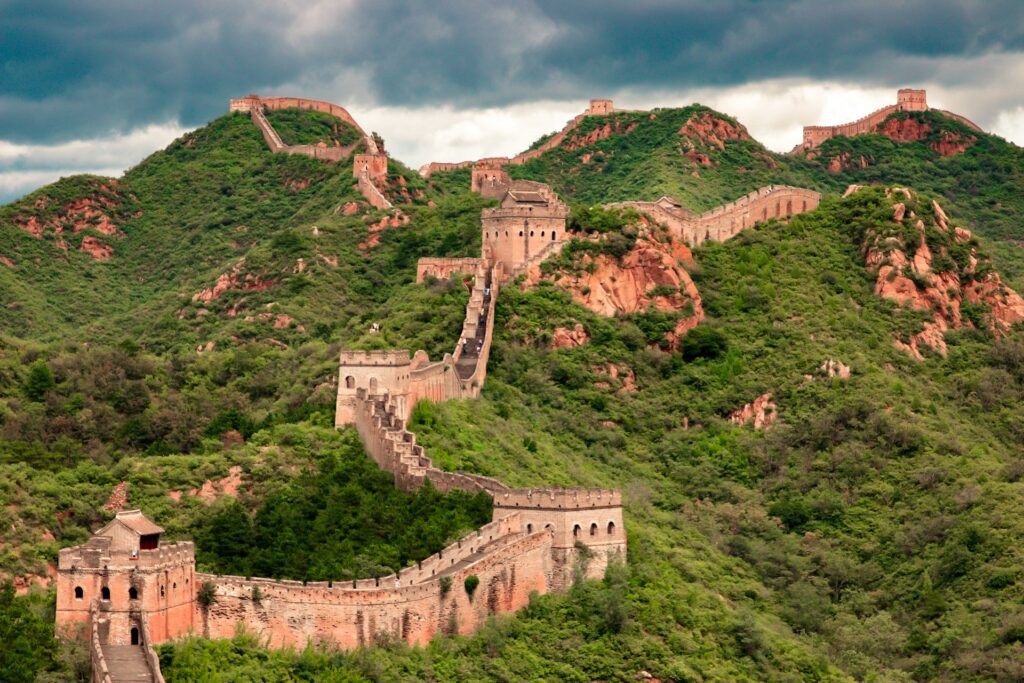
No list of places to visit in China is complete without standing atop the Great Wall—a monument so vast and ancient, it seems to defy time itself. Stretching over 13,000 kilometers across northern China, the Great Wall hikes offer experiences for every level: beginner-friendly walks near Beijing to challenging multi-day treks through remote sections. The Mutianyu section, 90 minutes from Beijing, combines accessibility with dramatic mountain scenery and fewer crowds than the touristy Badaling segment. For true adventurers, the wild wall near Simatai offers crumbling, untouched stone and vertiginous views—a raw encounter with imperial China’s defense legacy. Hike at sunrise for golden light illuminating centuries of history, or at sunset for silhouettes that seem to merge with the sky. These Great Wall hikes are among the most transformative places to visit in China for understanding both ancient engineering and personal endurance.
Where to Go: Mutianyu, Simatai, Juyongguan Pass (Beijing vicinity), Jinshanling, Huanghuacheng
2. The Forbidden City: Palaces & Imperial Secrets
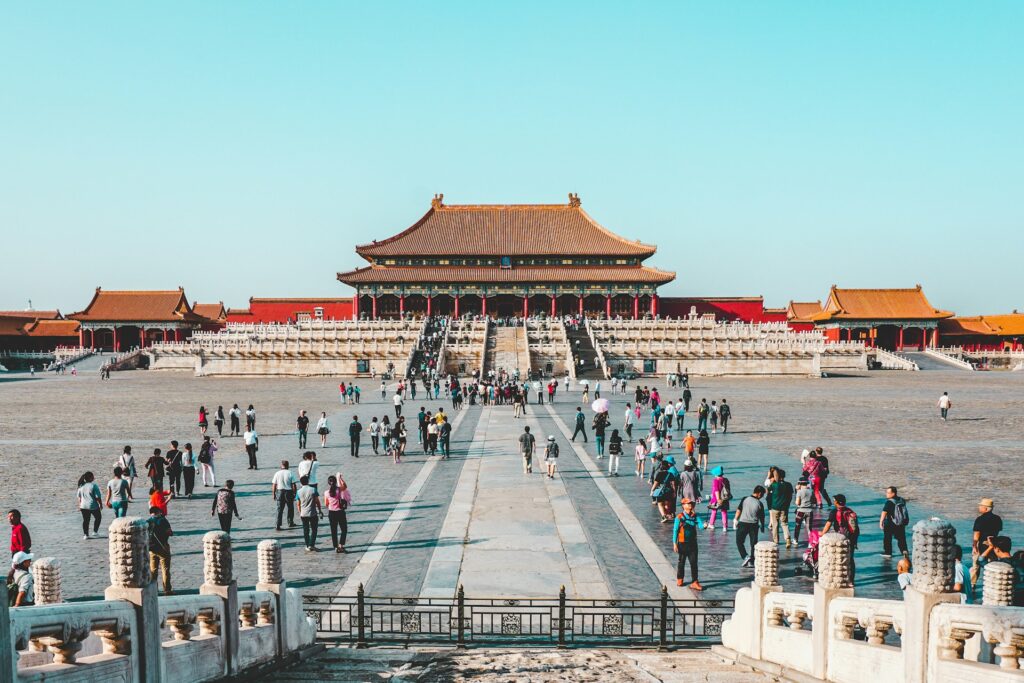
Beijing’s Forbidden City is the world’s largest palace complex—nearly 1,000 buildings, 9,999 rooms, and centuries of imperial mystery locked behind crimson walls. Forbidden City tours unveil the lives of 24 emperors, concubines, eunuchs, and servants who inhabited this inner sanctum from 1368 to 1911. Marvel at the Hall of Supreme Harmony, the emperor’s throne room; explore hidden gardens where concubines strolled; descend into dungeons where conspirators were imprisoned. The sheer scale—moving through endless courtyards, each more ornate than the last—conveys the magnitude of imperial power and cultural heritage Beijing represents. Book early morning tours or hire private guides for deeper historical context that transforms a walk through architecture into a journey through dynasty experiences. The Forbidden City remains one of the most essential places to visit in China for understanding Chinese civilization, and this Beijing Travel Guide has all the answers about Beijing for you !
Where to Go: Forbidden City Museum, Beijing (north of Tiananmen Square). Book online; arrive early.
3. Xi’an’s Terracotta Warriors: Guardians of Eternity
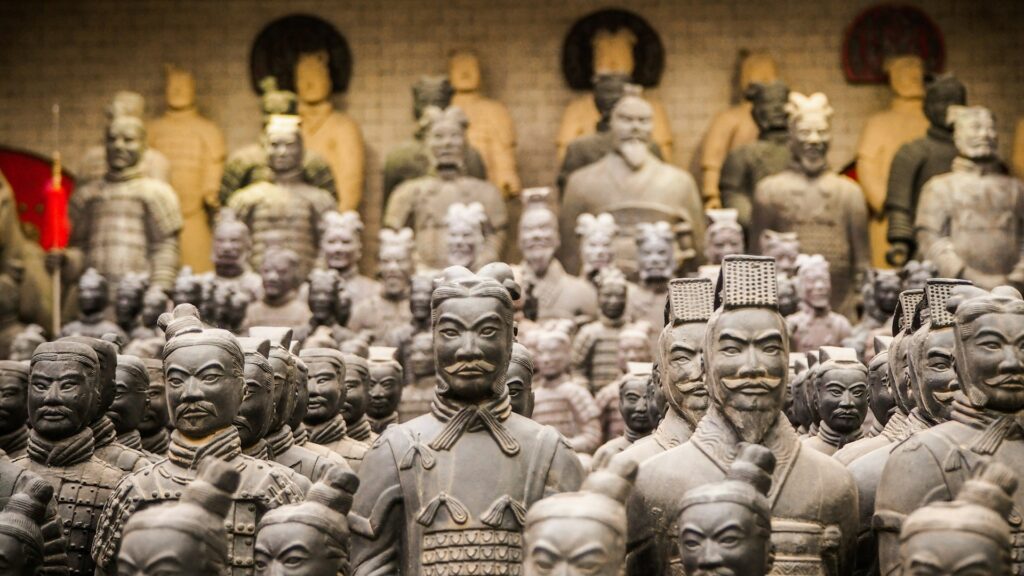
Discovered in 1974, the terracotta warriors Xi’an stands as one of archaeology’s greatest marvels—over 8,000 life-sized clay soldiers, horses, and chariots buried 2,000 years ago to guard China’s first emperor in the afterlife. Each warrior has unique facial features, armor, and weapons, representing an astonishing feat of ancient craftsmanship. Walking through the excavation pits—particularly Pit 1 with its thousands of standing soldiers—is profoundly moving; you’re standing amid an entire underground army frozen mid-march. The on-site museum contextualizes the terracotta warriors Xi’an within the Qin Dynasty’s achievements and broader imperial China narrative. For sustainable ancient travel China, book tours that limit pit access times, protecting the fragile artifacts. The terracotta warriors Xi’an is a highlight of this 10 day China Itinerary covering these top destinations.
Where to Go: Terracotta Army Museum, Xi’an (35km east). Hire guides; avoid peak hours.
4. The Summer Palace: Imperial Retreat & Architectural Grace
Beijing’s Summer Palace is a masterpiece of garden design—a 290-hectare landscape of lakes, pavilions, temples, and bridges designed as a retreat for emperors escaping the Forbidden City’s formality. Walk the Long Corridor (728 meters of covered walkway adorned with 14,000 paintings), circle Kunming Lake by boat, and climb Longevity Hill for panoramic city views. The palace represents the refined aesthetic of imperial China and dynasty experiences at their most serene. Each corner—intentionally designed to frame nature and architecture—reflects deep Taoist and Buddhist philosophical principles. These are among the most photogenic places to visit in China, perfect for understanding how emperors balanced power with contemplation.
Where to Go: Summer Palace, Beijing (northwest suburbs). Best visited spring or autumn.
5. Ancient Silk Road: Journey Through Time & Trade
The ancient silk road connected East and West for over 1,500 years, passing through deserts, mountains, and oases—each leaving traces of trade, faith, and cultural exchange. Modern travelers can trace fragments of this legendary route: the Mogao Caves near Dunhuang (500+ Buddhist temples carved into cliffs), the ruins of Jiaohe and Gaochang in Xinjiang (ghostly desert cities), and the Great Wall’s western terminus at Jiayuguan Fort. These ancient silk road sites illuminate places to visit in China that showcase imperial China’s role as a global civilization. Multi-day treks along sections of the original route offer sustainable ancient travel China options—small groups, local guides, and minimal environmental impact. Walking these pathways, you’re literally stepping in the footprints of merchants, pilgrims, and adventurers who shaped world history.
Where to Go: Mogao Caves (Dunhuang), Jiaohe Ruins (Turpan), Jade Gate (Jiayuguan), Kashgar Old City
6. The Ming Tombs: Royal Resting Places & Sacred Geometry

North of Beijing, the Ming Tombs are the burial grounds of 13 Ming Dynasty emperors—a complex of mausoleums, temples, and gardens reflecting imperial China’s beliefs about the afterlife and sacred geometry. The “Spirit Way” approach (0.7 km of monumental stone statues—lions, elephants, camels, generals) is designed to guide emperors to the heavens. Explore Changling (the largest tomb) or the underground chambers of Dingling, where you’ll see imperial regalia, silk garments, and evidence of extraordinary craftsmanship. These historical sites China are quieter than the Forbidden City, offering contemplative space to ponder dynasty experiences and the weight of imperial legacy.
Where to Go: Ming Tombs, Beijing (50km north). Combine with Great Wall visits; hire guides for historical context.
7. Xi’an City Wall: A Walk Through Medieval Defense
One of the world’s best-preserved city walls, Xi’an’s fortification stretches 13.7 kilometers around the old city, offering places to visit in China that reveal medieval urban planning and defense strategy. Rent a bike and circumnavigate the wall for panoramic views of the city below—ancient and modern colliding at the wall’s edge. Inside the wall, the Muslim Quarter buzzes with street vendors, aromatic spices, and small mosques blending Islamic and Chinese architectural traditions. Walking Xi’an’s wall is an accessible way to experience historical sites in China and imperial China’s relationship to urban design and religious tolerance.
Where to Go: Xi’an City Wall (rent bikes at the south gate). Best at sunset or early morning.
8. Zhangjiajie National Forest Park: Natural Wonders Inspiring Imperial Art
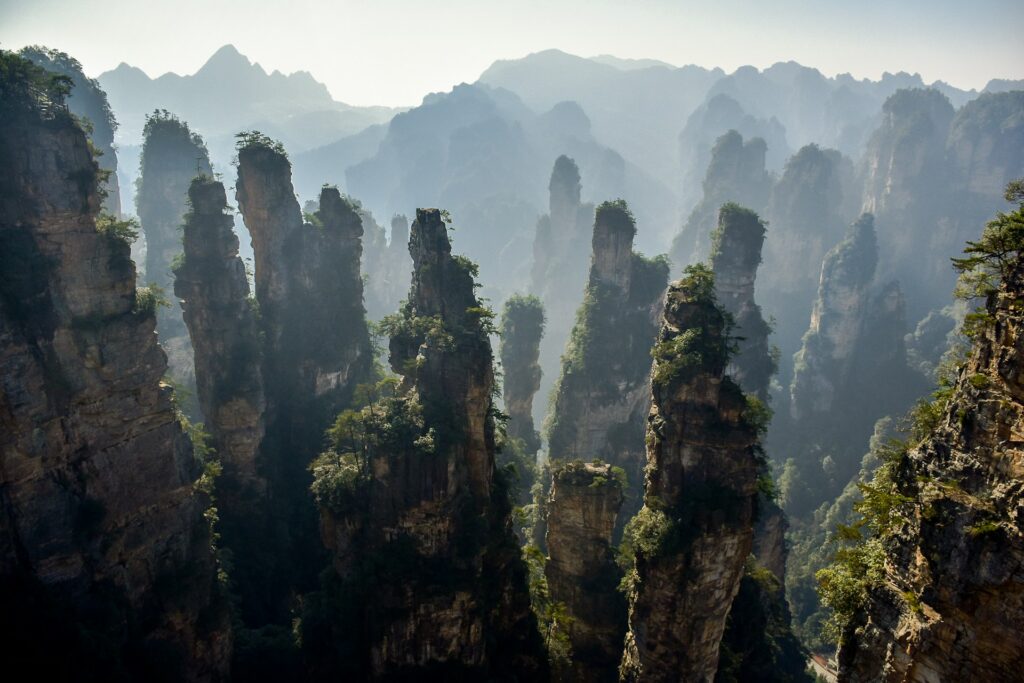
These towering sandstone pillars, made famous by the film Avatar, have inspired Chinese poets and painters for centuries. While not strictly imperial China, Zhangjiajie, is one of the most important natural wonders in China, and represents the natural landscapes that dynasties revered and sought to capture in art. Hiking trails wind through clouds, past mist-shrouded peaks and ancient temples—offering sustainable ancient travel China experiences that respect the delicate ecosystem. The glass walkway (Glass Walkway Tianmen Mountain) offers adrenaline-pumping views; cable cars provide easier access. These places to visit in China connect nature, spirituality, and dynasty experiences in a profound way.
Where to Go: Zhangjiajie National Forest Park (Hunan province). Cable cars and trails available for all fitness levels.
9. Chengdu’s Ancient Temples: Buddhist Heritage in Imperial China
Chengdu, capital of Sichuan, preserves important Buddhist temples and monasteries reflecting imperial China’s relationship with Eastern spirituality. Wenshu Monastery, founded in 618 CE, remains active—monks study, meditate, and serve tea to visitors. Leshan Giant Buddha, a 71-meter statue carved into a cliff face overlooking rivers, is a UNESCO site exemplifying cultural heritage Beijing and regional religious devotion. These historical sites in China offer accessible ways to experience dynasty experiences and China’s spiritual dimensions beyond the political grandeur of palaces and walls.
Where to Go: Wenshu Monastery, Leshan Giant Buddha (3 hours south), Qingcheng Mountain Temple
10. The Bund & Neoclassical Shanghai: Colonial & Imperial Contrasts
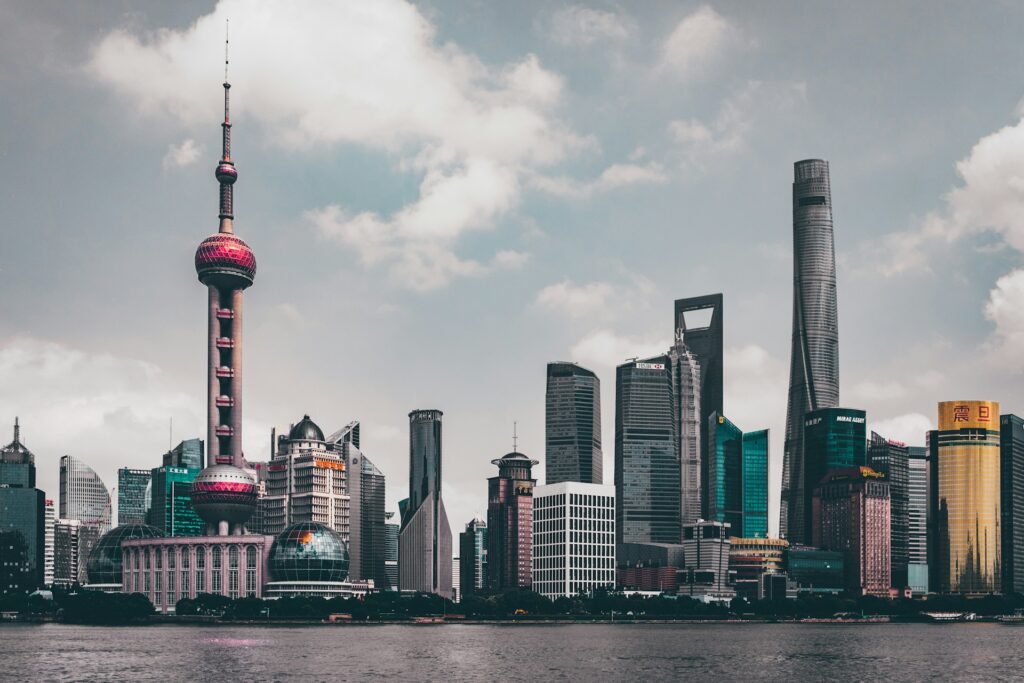
While not ancient, Shanghai’s Bund blends Western colonial architecture with Chinese city planning—a unique historical sites China showcase where imperial China encountered modernization. Historic mansions, art deco buildings, and century-old banks line the Huangpu River, telling stories of trade, power, and cultural collision. The Yuyuan Garden (Ming Dynasty private garden) inside Shanghai Old City is a serene counterpoint—designed according to principles of imperial China aesthetic philosophy. These luxury history tours of China sites offer perspective on how tradition and innovation coexist in Chinese civilization, as you will find in this Shanghai Travel Guide.
Where to Go: The Bund, Yuyuan Garden, Shanghai Museum (free admission), Longhua Ancient Temple
11. Luoyang: Ancient Capital & Cradle of Chinese Civilization
Luoyang served as the capital for nine Chinese dynasties—more than any other city—making it central to places to visit China for understanding imperial China’s evolution. The Longmen Grottoes showcase 2,300+ Buddhist cave temples carved over 400 years; the White Horse Temple is Buddhism’s first Chinese temple; the Ancient Capital Park displays artifacts spanning dynasties. Walking Luoyang is like turning pages in a 5,000-year history book. These historical sites in China offer depth that luxury history tours in China often highlight as essential for serious history travelers.
Where to Go: Longmen Grottoes, White Horse Temple, Luoyang Museum, Ancient Capital Park
12. Sustainable Ancient Travel China: Responsible Exploration
As places to visit in China are become increasingly popular, sustainable ancient travel China practices are essential. Choose tour operators that limit group sizes, employ local guides, and contribute to site preservation. Visit during shoulder seasons (spring/autumn) to reduce overtourism stress on delicate historical sites China. Support locally owned accommodations and restaurants rather than international chains. Some luxury history tours in China now offer “carbon-neutral heritage experiences,” using renewable energy and minimizing environmental footprints. By traveling mindfully, you honor imperial China’s legacy for future generations.
Where to Go: Use certified sustainable tour operators; book directly with local guides; stay in heritage hotels.
13. The Great Wall’s Juyongguan Pass: Where History Compressed
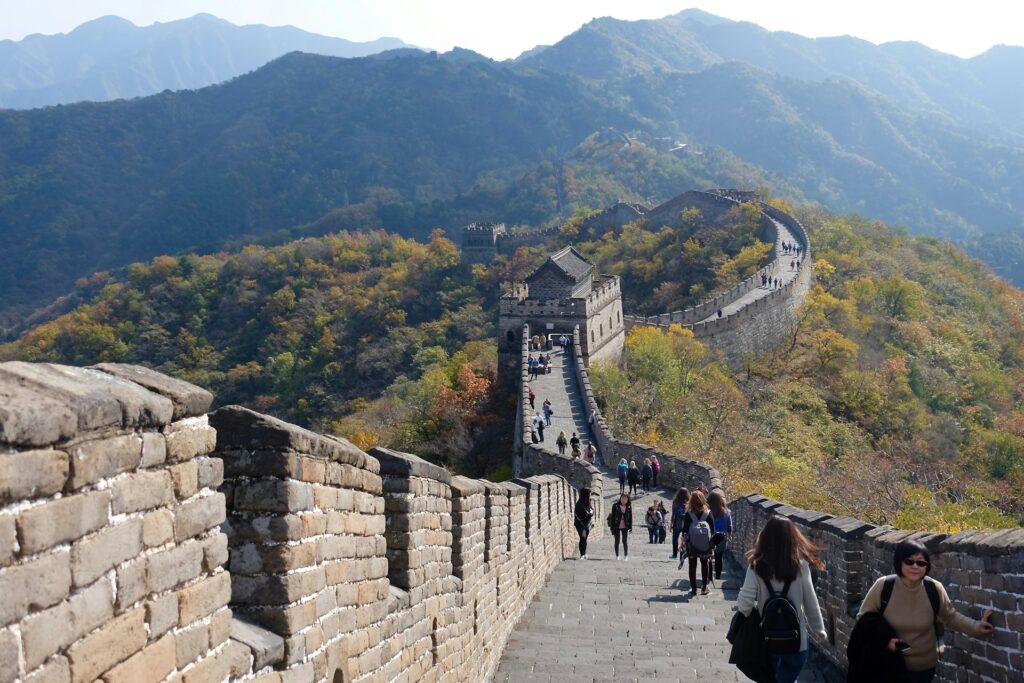
Juyongguan Pass, 50 kilometers from Beijing, is where the Great Wall’s narrative concentrates: fortress, garrison, trade checkpoint, and military flashpoint compressed into one dramatic location. Great Wall hikes here reveal layers of imperial China’s strategy—controlling mountain passes meant controlling access to the capital. The Juyongguan Gallery museum contextualizes the pass within national defense systems. These places to visit in China offer lessons in geography, power, and the timeless logic of fortification.
Where to Go: Juyongguan Pass, Juyongguan Gallery Museum (45km northwest of Beijing)
14. Nanjing’s Mausoleum of Sun Yat-sen: Modern Imperial Legacy
While built after dynastic rule, Sun Yat-sen’s Mausoleum represents the transition from imperial China to republican ideals. The monumental tomb overlooks Nanjing, blending Western architecture with Chinese symbolism—a bridge between dynasties and modernization. Walking the 392 steps to the mausoleum, you ascend through layers of historical sites China significance. It’s a compelling addition to places to visit in China for understanding how ancient civilization transformed.
Where to Go: Mausoleum of Sun Yat-sen, Nanjing (Jiangsu province)
15. Hangzhou’s West Lake: Poetic Landscape of Dynasty Experiences
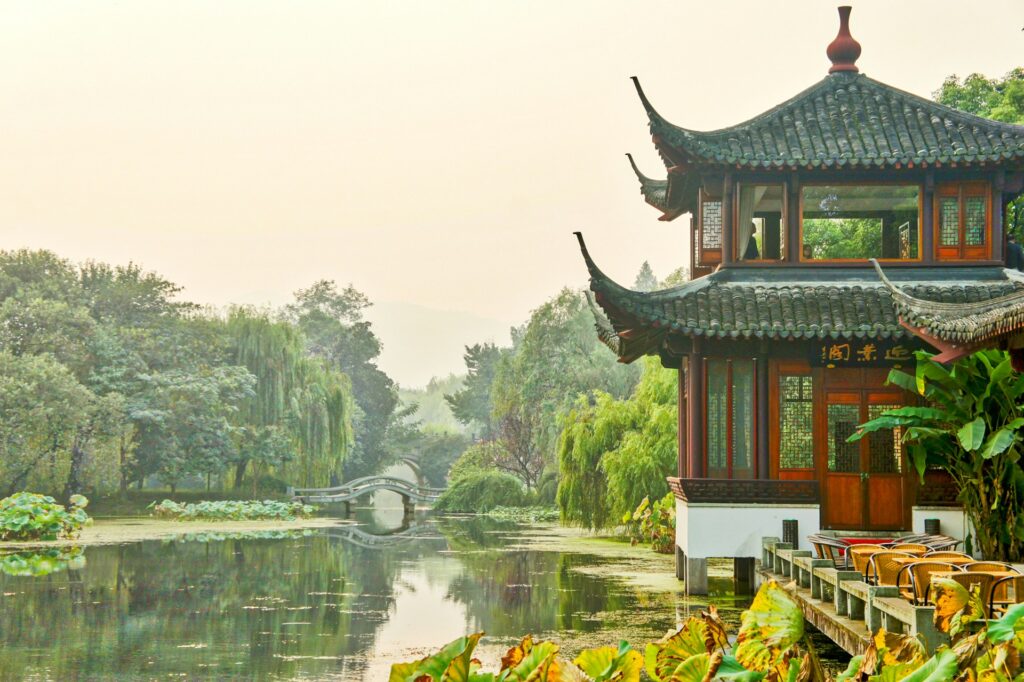
West Lake is not a monument, but a philosophy—a carefully designed landscape reflecting Taoist and Buddhist principles that ruled imperial China’s aesthetic. Poets, painters, and emperors have all left their marks here. Walk the causeways, visit lakeside temples, and embrace the contemplative spirit that defines cultural heritage Beijing and beyond. Luxury history tours in China often include West Lake for its representation of how imperial China integrated spirituality with landscape architecture. This is places to visit China for understanding the soul of Chinese civilization.
Where to Go: West Lake, Hangzhou (Zhejiang province). Best by boat or lakeside walking paths.
Walking Through Imperial China
From the fortress grandeur of Great Wall hikes, to the opulent secrets unveiled in Forbidden City tours, to the haunting perfection of terracotta warriors Xi’an, to the mystical pathways of the ancient silk road, the best places to visit China offer unparalleled access to imperial China’s majesty. Each site—whether a palace, wall, tomb, or sacred grove—tells stories of emperors and ordinary people, of triumph and tragedy, of a civilization that shaped the world. By choosing sustainable ancient travel China practices and luxury history tours China that honor heritage, you ensure these places to visit China remain vibrant for generations. Walk these historical sites China with reverence, curiosity, and wonder—and let dynasty experiences transform how you understand human capability, ambition, and beauty.
See these Top Places on a Custom China Tour with Acqua Travels !
Related Posts