
What to Eat in China: A First-Timer’s Guide to Ordering Like a Local
China’s culinary landscape is a vivid, never-ending feast—one that stretches across 5,000 years of history, 34 provinces, and countless regional styles. From the delicate artistry of dim sum Hong Kong to the fiery embrace of Sichuan hot pots, and the sizzling energy of street food Beijing, every bite tells a story. If you’re planning a culinary adventure to China, during your Customised Trip to China with Acqua Travels, you’ll want to know the best things to eat in China. Whether you’re a curious foodie chasing Michelin stars in fine dining Shanghai or a wanderer sampling vegan Chinese dishes in temple towns, this guide reveals the must-try things to eat in China. Ready to explore the full spectrum of Chinese cuisine? Let’s dive into the tastes, traditions, and top restaurants China has to offer.
If you are a fist time traveller, then use this China Travel Guide for first time travellers, to know more about The Best Time to visit China, The Best China Travel Tips, the Most Iconic Places to visit in China, and the Best China Tour packages.
Dim Sum: The Heart of Hong Kong & Cantonese Tradition
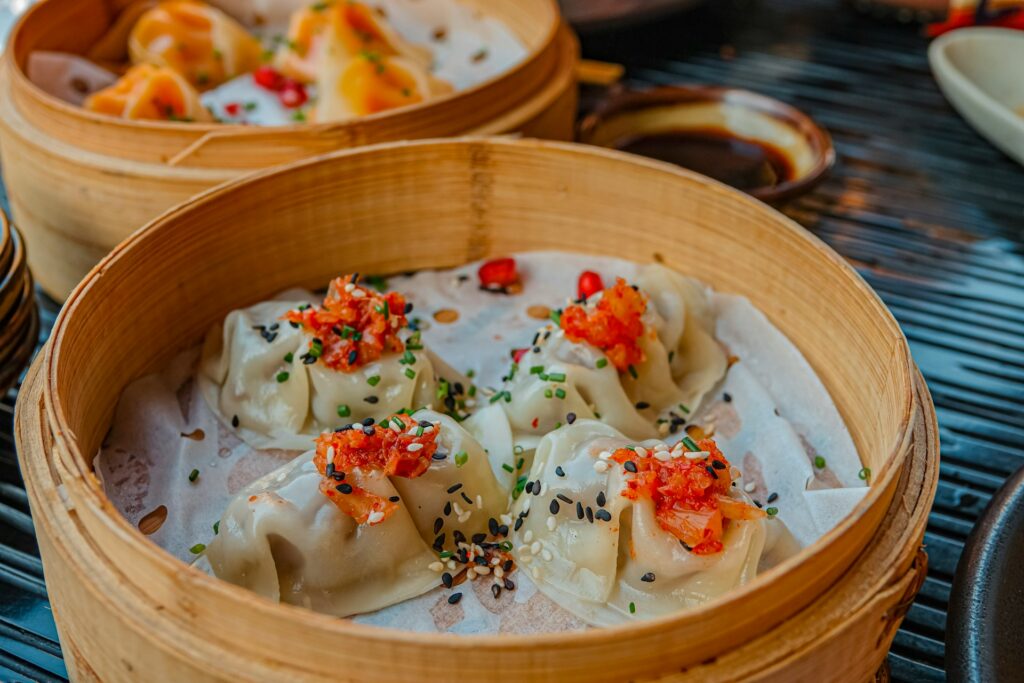
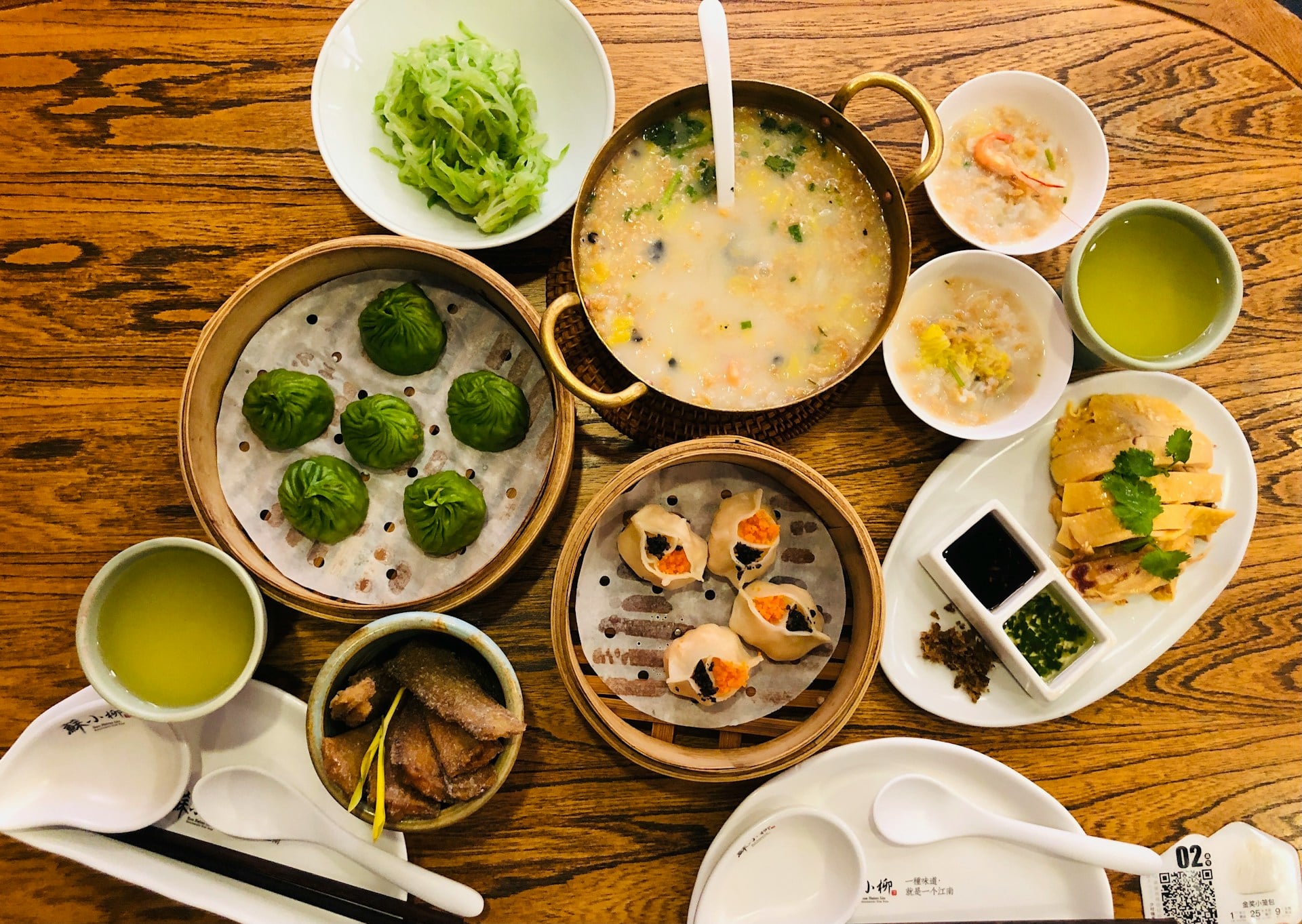
No culinary tour seeking the best things to eat in China is complete without experiencing the ritual of [translate:yum cha]—literally “drink tea”—where steaming bamboo baskets arrive in endless waves. Dim sum Hong Kong style is the gold standard for this iconic experience: delicate har gow (shrimp dumplings), fluffy char siu bao (BBQ pork buns), crispy spring rolls, silky cheung fun (rice noodle rolls), and sweet egg tarts. The experience is as much about the atmosphere—bustling tea houses, the clatter of trolleys, and lively conversation—as it is about the food itself. Traditional dim sum houses like Tim Ho Wan (the world’s cheapest Michelin-starred restaurant), Luk Yu Tea House, and Maxim’s Palace offer authentic tastes, while modern spots like Duddell’s and Mott 32 elevate the art form with contemporary twists and chic settings. Whether you’re in Hong Kong, Guangzhou, or any major city with a Cantonese community, dim sum is an essential thing to eat in China and one of the top regional foods China exploration.
Where to Try: Tim Ho Wan, Luk Yu Tea House (Hong Kong); Guangzhou Restaurant (Guangzhou)
Sichuan Hot Pots: Fire, Flavor & Community
Sichuan hot pots are a social, sensory explosion—a bubbling cauldron of chili oil, Sichuan peppercorns, garlic, and aromatics set at the center of your table. Diners cook their own ingredients: thinly sliced beef, lamb, seafood, tofu, mushrooms, and vegetables, swishing them through the fiery broth until tender. The málà (numbing-spicy) sensation is addictive, and the communal aspect—sharing, laughing, and sweating together—makes it one of the most beloved things to eat in China. Chengdu, the capital of Sichuan province, is ground zero: visit Haidilao for top-tier service and entertainment, or Xiaolongkan for authentic local flavor. Beyond Sichuan, hot pot variations span the country—from the milder, herbal broths of Yunnan to the split “yin-yang” pots popular nationwide. Hot pot restaurants are among the top restaurants China locals and tourists flock to year-round for unforgettable meals.
Where to Try: Haidilao, Xiaolongkan (Chengdu); Dong Lai Shun (Beijing for Mongolian hot pot)
Street Food Beijing: Wangfujing Night Market & Hutong Snacks
Beijing’s street food scene is legendary—a sensory overload of sizzling grills, fragrant spices, and daring delicacies that define what things to eat in China means to adventurous travelers. Wangfujing Night Market is the most famous, where you’ll find skewered scorpions, starfish, and lamb kidneys alongside more approachable treats like jianbing (savory crepes), tanghulu (candied fruit skewers), and baozi (steamed buns). Venture into the ancient hutongs (alleyways) for hidden gems: try zhajiangmian (noodles with fermented soybean paste), roujiamo (Chinese “hamburgers”), and crispy jiaozi (dumplings). Street food Beijing style is all about bold flavors, theatrical presentation, and the thrill of discovery—cornerstones of the authentic things to eat in China that locals have perfected over centuries.
Use this Beijing Travel Guide to know more about Beijing and What to do in Beijing?
Where to Try: Wangfujing Night Market, Gui Street (Ghost Street), Hutong snack stalls (Beijing)
Peking Duck: Beijing’s Culinary Crown Jewel
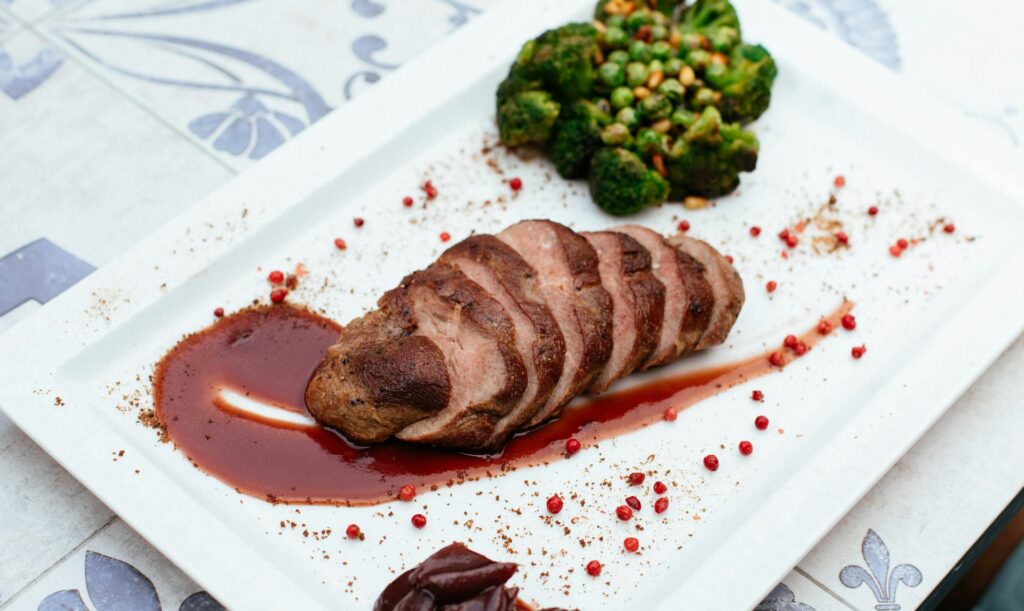
Peking Duck is Beijing’s most iconic dish—a whole roasted duck with crispy, caramelized skin and tender meat, traditionally served with thin pancakes, hoisin sauce, and julienned scallions and cucumber. The preparation is an art: ducks are air-pumped, glazed with maltose syrup, and roasted in wood-fired ovens until glistening. Quanjude and Dadong are the city’s most famous establishments, while newer spots like Da Dong Roast Duck Restaurant combine tradition with innovation. This dish is a quintessential thing to eat in China and a must for anyone seeking top restaurants China experiences and regional foods China exploration.
Where to Try: Quanjude, Dadong, or Duck de Chine (Beijing)
Shanghai’s Fine Dining: Michelin Stars & Modern Chinese Fusion
Shanghai’s culinary scene is a dazzling blend of tradition and innovation that showcases refined things to eat in China. Fine dining Shanghai establishments like Ultraviolet by Paul Pairet (a multi-sensory 20-course journey), Fu He Hui (elevated vegetarian Chinese), and 8 1/2 Otto e Mezzo Bombana (Italian-Chinese fusion with 3 Michelin stars) push boundaries while honoring heritage. Don’t miss Shanghainese classics like xiaolongbao (soup dumplings) at Din Tai Fung or Jia Jia Tang Bao, and hongshao rou (red-braised pork belly) at Jesse Restaurant. These top restaurants China have perfected the art of making things to eat in China both innovative and deeply rooted in tradition. The city is a playground for food lovers seeking both avant-garde creativity and time-honored flavors.
This Shanghai Travel Guide has got all the information which will answer all your questions such as “What to Eat in Shanghai?”, “What to see and do in Shanghai?”, “When to visit Shanghai?”, among others.
Where to Try: Ultraviolet, Fu He Hui, Din Tai Fung (Shanghai)
Xiaolongbao: Shanghai’s Soup Dumpling Perfection
Xiaolongbao—delicate steamed dumplings filled with pork and hot, savory broth—are Shanghai’s pride and among the most beloved things to eat in China. The trick? Bite gently, sip the soup, then savor the rest. Din Tai Fung has made them world-famous, but locals swear by Jia Jia Tang Bao for no-frills authenticity. These dumplings are a beautiful example of the precision and soul of Chinese cuisine and why things to eat in China are so celebrated globally.
Where to Try: Din Tai Fung, Jia Jia Tang Bao (Shanghai)
Vegan Chinese Dishes: Temple Cuisine & Plant-Based Wonders
China has a rich Buddhist tradition of vegetarian and vegan cooking that proves things to eat in China aren’t limited to meat-based dishes. Known as [translate:素食] (sùshí), these meals are revelatory. Temple restaurants and specialty eateries serve “mock meat” dishes—tofu, mushrooms, and wheat gluten crafted to resemble pork, duck, or fish—alongside fresh vegetable stir-fries, herbal soups, and fragrant rice. Fu He Hui in Shanghai and Gongdelin in Beijing are pioneers of elevated vegan Chinese dishes, while Hangzhou’s Lingyin Temple area offers humble, soul-nourishing meals. Even non-vegetarians are amazed by the creativity and depth of flavor in these surprising things to eat in China.
Where to Try: Fu He Hui (Shanghai), Gongdelin (Beijing), temple restaurants in Hangzhou
Tea Ceremonies: Sipping Culture & Tradition
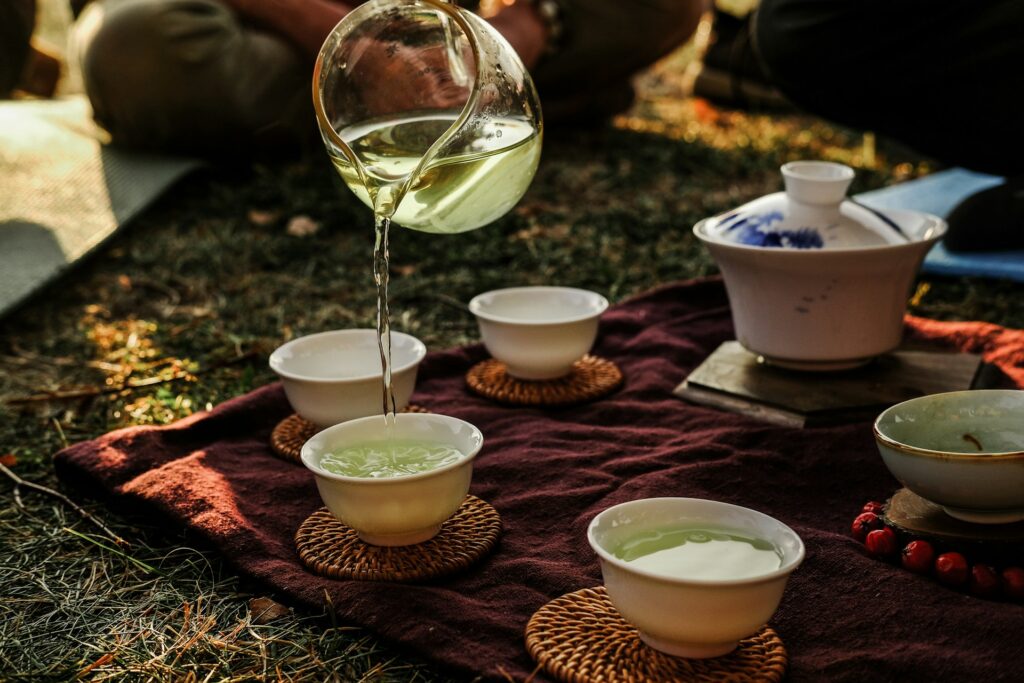
Tea is the soul of Chinese culture, and participating in tea ceremonies is one of the most meditative things to eat in China (or rather, things to drink). Traditional tea ceremonies offer a peaceful pause amid culinary adventures, and is a must do thing on your 10 day Golden Triangle China Itinerary—whether in a Hangzhou tea house overlooking West Lake, a Beijing courtyard, or a Chengdu teahouse with opera performances. Sample longjing (Dragon Well green tea), pu’er (fermented dark tea), and oolong varieties while learning the art of gongfu cha (skillful tea brewing). Many top restaurants China also pair multi-course meals with curated tea selections, elevating the dining experience and complementing all the other things to eat in China you’ll discover.
Where to Try: Hangzhou tea plantations, Maliandao Tea Street (Beijing), teahouses in Chengdu
Xi’an’s Street Food: Noodles, Lamb, & the Silk Road
Xi’an, the ancient Silk Road hub, serves some of the heartiest and most historically significant things to eat in China. Try biang biang noodles (wide, hand-pulled, topped with chili oil), roujiamo (spiced lamb in flatbread), and yangrou paomo (lamb stew with bread pieces). The Muslim Quarter’s bustling markets are a sensory wonderland—grills smoking with cumin-dusted skewers, vendors hand-pulling noodles, and the aroma of spices from Central Asia. This is regional foods China at its most flavorful and authentic, showcasing the diversity of things to eat in China across the country.
Where to Try: Muslim Quarter, Defachang Dumpling Restaurant (Xi’an)
Chengdu’s Street Snacks: Málà Tang & Dan Dan Mian
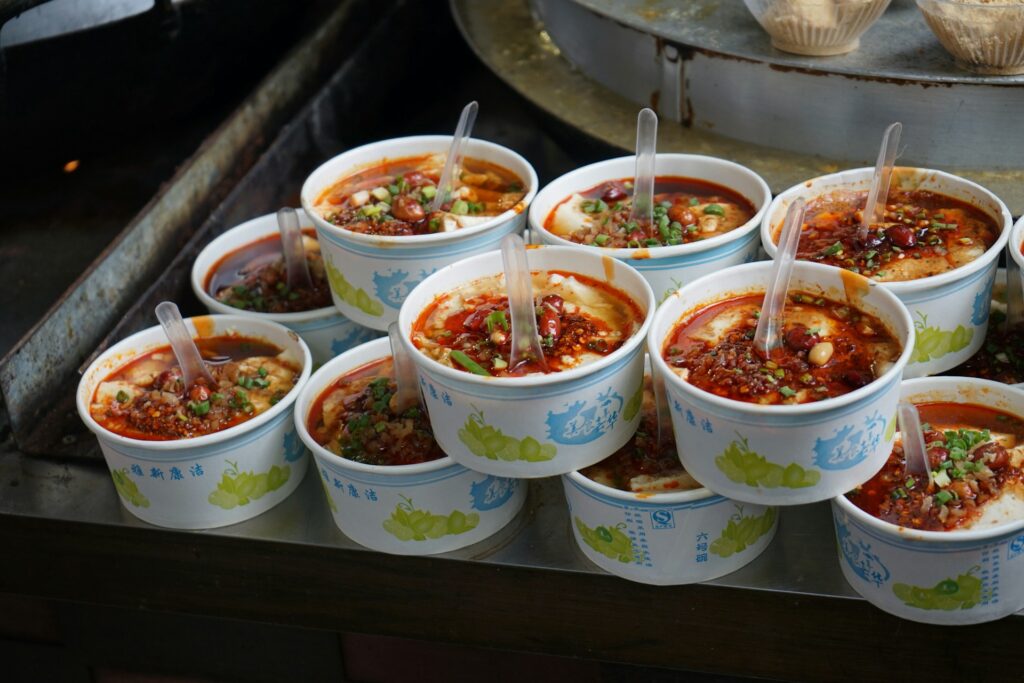
Chengdu is the unofficial spice capital of China, offering thrilling things to eat in China for heat lovers. Beyond hot pot, dive into street snacks like málà tang (spicy soup with customizable ingredients), dan dan mian (noodles with chili, Sichuan pepper, and minced pork), and fuqi feipian (sliced beef in spicy sauce). The city’s relaxed teahouse culture and obsession with flavor make it a paradise for exploring the fiery side of things to eat in China. Every corner serves up memorable culinary moments.
Where to Try: Jinli Ancient Street, Kuanzhai Alley (Chengdu)
Guangzhou’s Culinary Markets: Fresh, Live & Flavorful
Guangzhou’s culinary markets represent an authentic, raw look at where locals source the best things to eat in China. Qingping Market and Huangsha Seafood Market showcase everything from live seafood and exotic meats to medicinal herbs and century eggs. While some offerings might challenge Western sensibilities, the markets are a fascinating glimpse into the regional foods China philosophy—fresh, seasonal, and cooked with expertise. Understanding these markets illuminates why things to eat in China taste so vibrant and alive.
Where to Visit: Qingping Market, Huangsha Seafood Market (Guangzhou)
Yunnan Cuisine: Mushrooms, Herbs & Minority Flavors
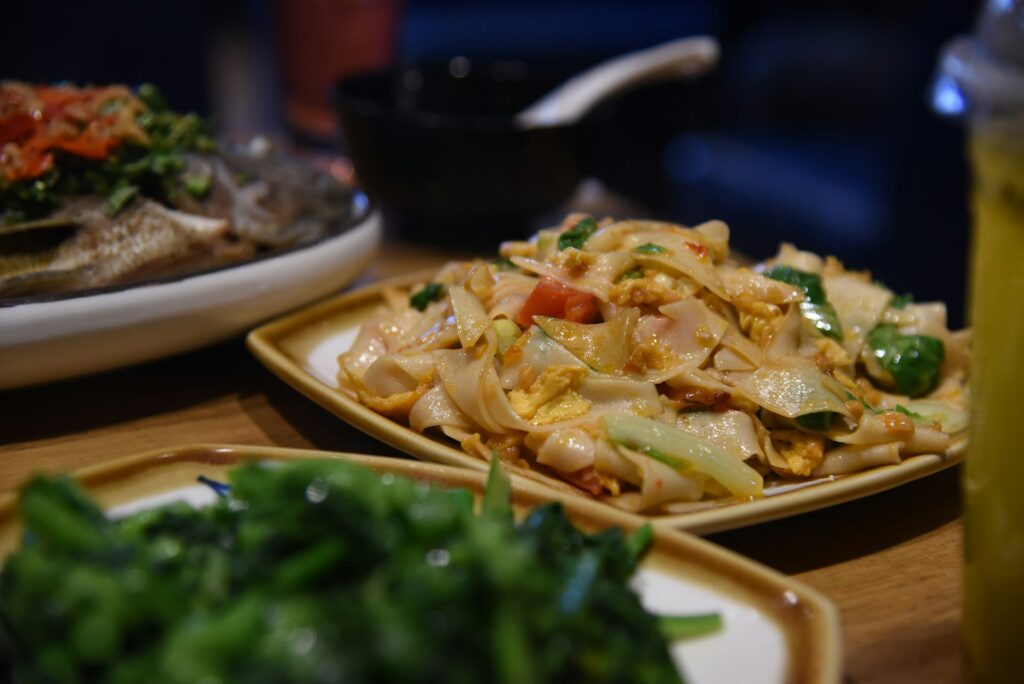
Yunnan’s diverse ethnic minorities have shaped a cuisine unlike anywhere else in China—wild mushrooms, fresh herbs, flower petals, and fragrant rice noodles define things to eat in China for adventurous palates. Try crossing-the-bridge noodles (guoqiao mixian) in Kunming, grilled cheese and cured ham in Dali, and yak butter tea in Shangri-La. Yunnan is a must for adventurous eaters seeking regional foods China off the beaten path and discovering lesser-known things to eat in China.
Where to Try: Kunming’s Nanping Street, Dali Old Town, Lijiang restaurants
Lanzhou Beef Noodles: Hand-Pulled Perfection
Lanzhou lamian (beef noodles) are a breakfast staple across China and one of the most quintessential things to eat in China—hand-pulled noodles served in rich, clear beef broth with tender slices of beef, radish, and chili oil. Watching noodle masters pull and stretch dough into impossibly thin strands is mesmerizing. This humble dish is a cornerstone of Chinese cuisine and why things to eat in China matter so deeply to millions of daily diners.
Where to Try: Mazilu Beef Noodle Restaurant (Lanzhou), chain outlets nationwide
Hangzhou’s West Lake Fish: Delicate & Elegant
West Lake vinegar fish (xihu cuyu) is Hangzhou’s signature and among the most refined things to eat in China—a whole fish braised in a sweet-sour sauce that’s light, refined, and utterly memorable. Pair it with Longjing shrimp (tea-infused) and beggar’s chicken for a meal that defines Jiangnan (southern Yangtze) elegance and shows the sophisticated side of things to eat in China. Hangzhou is a jewel in China’s culinary crown.
Where to Try: Lou Wai Lou, Zhi Wei Guan (Hangzhou)
Harbin’s Russian Influence: Dumplings & Sausages
Harbin’s proximity to Russia has created unique things to eat in China with a fusion twist: try guo bao rou (sweet and sour pork), Russian-style sausages, and hearty dumplings. The city’s winter ice festival and cold-weather comfort foods make it a fascinating regional foods China outlier, showing how things to eat in China adapt and evolve across different cities and influences.
Where to Try: Zhongyang Street restaurants, Laochang Spring Pancake (Harbin)
A Culinary Journey Across China
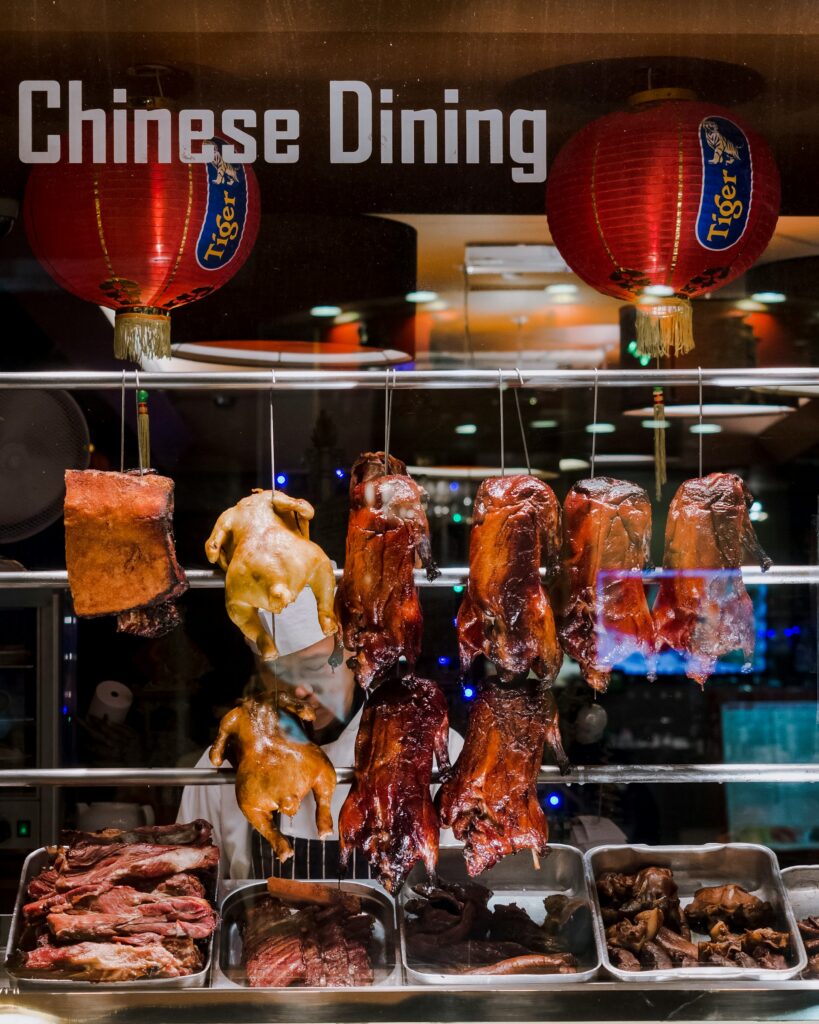
From the delicate steamer baskets of dim sum Hong Kong to the fiery cauldrons of Sichuan hot pots, the bustling energy of street food Beijing, and the refined elegance of fine dining Shanghai, things to eat in China are an endless adventure. Whether you’re sampling vegan Chinese dishes in temple kitchens, participating in tea ceremonies, or exploring culinary markets China in Guangzhou, every meal showcases the best things to eat in China. The top restaurants in China offers are as diverse as its geography—each province, each city, each street corner revealing new flavors and stories that define things to eat in China. Pack your appetite, embrace the unfamiliar, and let China feed your soul through every delicious thing to eat in China you discover.
What are you waiting for?
Plan a food-focused custom China tour with Acqua Travels today !
Related Posts