
South Korea Itinerary: 7–10 Days in Seoul, Busan and Jeju for First‑Time Visitors
South Korea has emerged as one of Asia’s most captivating travel destinations, combining 5,000 years of history with cutting-edge technology, ancient palaces with neon-lit skyscrapers, serene Buddhist temples with vibrant K-pop culture, and traditional hanok villages with futuristic architecture. When planning a trip to South Korea, first-time visitors face a delightful challenge—this compact yet diverse nation offers extraordinary experiences concentrated within relatively small geographical areas, making one week in South Korea surprisingly comprehensive while simultaneously leaving you craving more time to explore deeper layers of Korean culture, cuisine, and landscapes.
This comprehensive South Korea itinerary presents a carefully designed 7-10 day journey connecting the country’s three essential destinations: Seoul (the dynamic capital blending royal palaces with modern districts), Busan (the coastal city offering beaches, temples, and seafood markets), and Jeju Island (South Korea’s tropical paradise featuring volcanic landscapes and UNESCO natural sites). This route balances cultural immersion with natural beauty, historical exploration with contemporary experiences, urban energy with peaceful retreats, and practical logistics with authentic discoveries. Whether you have exactly one week in South Korea or can extend to 10 days for deeper exploration, this itinerary provides the framework for an unforgettable Korean adventure.
South Korea’s excellent transportation infrastructure—high-speed KTX trains connecting major cities in under 3 hours and affordable domestic flights reaching Jeju Island in just 1 hour—makes multi-destination itineraries remarkably feasible. Unlike many countries where internal travel consumes precious vacation days, Korea allows you to explore diverse regions efficiently while maintaining comfortable pacing that prioritizes experiences over transit. This 7 day Korea itinerary (expandable to 10 days) maximizes your limited time through strategic destination selection, optimal routing, and insider tips accumulated from thousands of first-time visitors who’ve successfully navigated this route.
Why This South Korea Itinerary Works for First-Time Visitors
When travel South Korea planning begins, travelers quickly discover countless appealing destinations—from the DMZ’s tense border with North Korea to Gyeongju’s ancient royal tombs, from Jeonju’s hanok village to Seoraksan’s mountain landscapes. This South Korea itinerary focuses specifically on the Seoul-Busan-Jeju triangle for compelling reasons: these three destinations collectively showcase Korea’s essential characteristics (metropolitan culture, coastal beauty, volcanic nature), maintain excellent tourist infrastructure perfect for first-timers, offer English signage and services uncommon in secondary cities, and connect seamlessly via efficient transportation requiring minimal logistics stress.
Seoul serves as the natural starting point for your South Korea trip—most international flights arrive at Incheon International Airport serving Seoul, and the capital city provides comprehensive introduction to Korean culture, history, cuisine, and contemporary society. Spending 3-4 days in Seoul allows thorough exploration of major palaces, traditional neighborhoods, modern districts, museums, markets, and the DMZ without feeling rushed. Busan offers coastal contrast with beaches, cliffside temples, colorful hillside villages, and Korea’s largest seafood market, while nearby Gyeongju (easily visited as a day trip) preserves Korea’s ancient Silla Dynasty capital. Jeju Island provides tropical finale with volcanic crater hikes, lava tube caves, dramatic coastlines, and relaxed island atmosphere completely different from mainland experiences.
This 7 day Korea itinerary allocates time strategically: 3-4 days Seoul, 2-3 days Busan (including possible Gyeongju day trip), and 2-3 days Jeju Island. The 7-day version focuses tightly on each destination’s highlights, while the 10-day extension allows deeper neighborhood exploration, additional day trips, more relaxed pacing, and extra experiences like hanbok photoshoots, cooking classes, or temple stays. Both versions maintain logical geographical flow—Seoul (northwest) to Busan (southeast) via high-speed train, then flight to Jeju Island (south), returning to Seoul for departure—minimizing backtracking and transportation complexity.
Days 1-3: Seoul – Ancient Palaces Meet Modern Metropolis
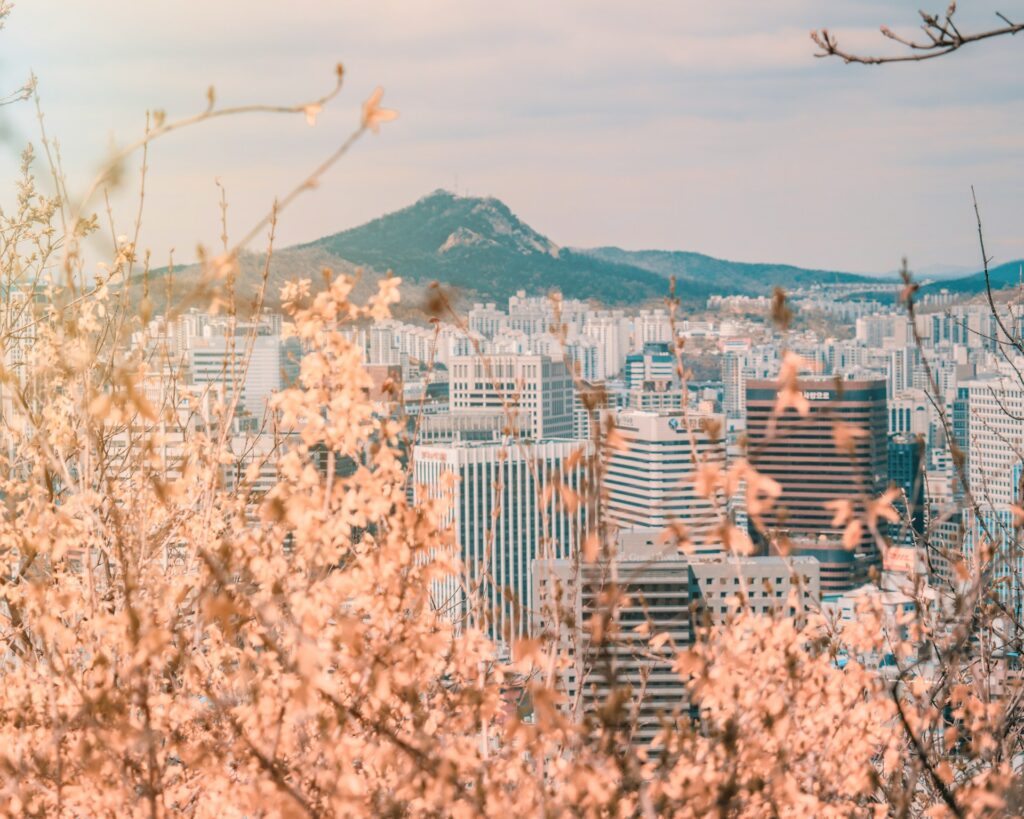
Your South Korea itinerary begins in Seoul, a megacity of 10 million people where Joseon Dynasty palaces face glass skyscrapers, street food vendors neighbor luxury boutiques, and Buddhist temples share neighborhoods with Catholic cathedrals. Seoul rewards exploration through distinct districts—each offering unique character and attractions that collectively paint a comprehensive picture of Korean life.
Day 1: Historic Seoul and Palace Culture
Most international flights arrive at Incheon International Airport early morning, allowing full first-day exploration after checking into your hotel. Stay in central neighborhoods like Myeongdong (shopping and street food hub), Insadong (traditional crafts and tea houses), or Hongdae (youthful nightlife and indie culture) for easy access to attractions and subway stations. Seoul’s subway system—one of the world’s best with English signage throughout—becomes your primary transportation, with single-journey cards costing approximately 1,400-1,500 won ($1-1.20).
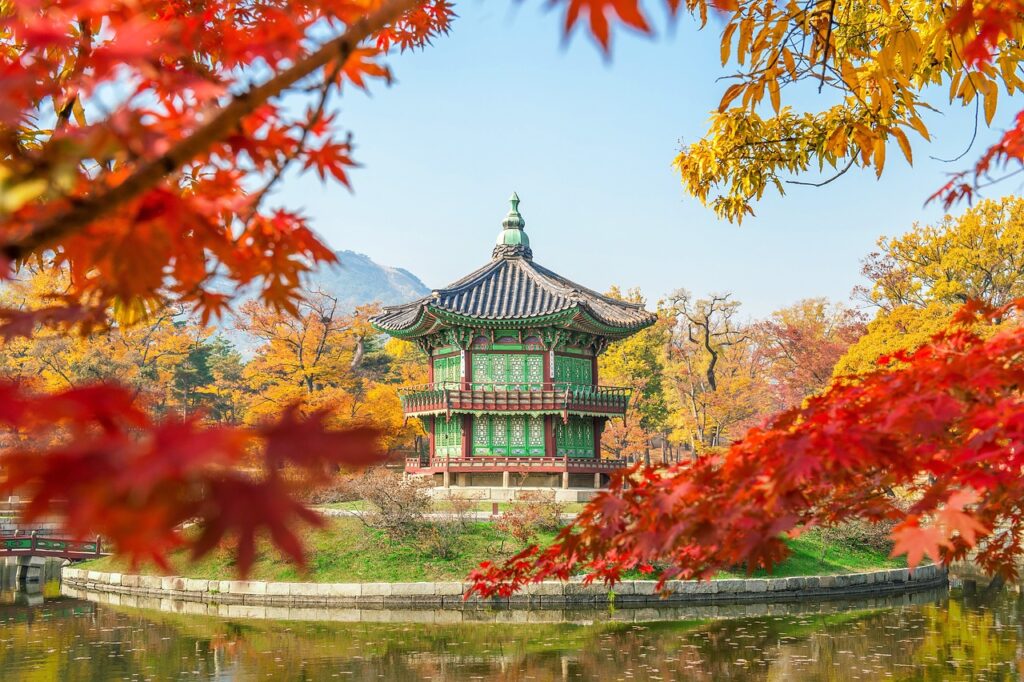
Begin at Gyeongbokgung Palace, Seoul’s grandest royal palace built in 1395 and serving as the Joseon Dynasty’s primary residence for 500 years. Arrive by 10:00 AM to witness the elaborate Guard Changing Ceremony recreating traditional palace protection rituals with colorful costumes and precise choreography. Consider renting hanbok (traditional Korean clothing) from numerous shops surrounding the palace—wearing hanbok grants free palace entry and creates magical photo opportunities. Spend 2-3 hours exploring the palace’s throne halls, living quarters, gardens, and the National Palace Museum showcasing royal artifacts.
Adjacent to Gyeongbokgung, visit Bukchon Hanok Village, a neighborhood preserving hundreds of traditional Korean houses (hanok) now functioning as cultural centers, guesthouses, tea houses, and private residences. The steep hillside streets offer stunning views contrasting traditional tile roofs against modern Seoul’s skyline. Continue to Insadong, Seoul’s most famous cultural street lined with galleries, craft shops selling ceramics and calligraphy, traditional tea houses, and restaurants. Evening brings perfect timing for exploring Gwangjang Market, Seoul’s oldest traditional market offering street food paradise—try bindaetteok (mung bean pancakes), mayak gimbap (mini seaweed rice rolls), and fresh yukhoe (Korean beef tartare).
Day 2: DMZ Tour and Modern Seoul
Day 2 of your South Korea itinerary offers the iconic Korean Demilitarized Zone (DMZ) tour—a half-day excursion to the world’s most fortified border separating North and South Korea. Multiple tour operators offer morning tours (departing 7:30-8:00 AM, returning 1:30-2:00 PM) including transportation, English-speaking guides, and entrance fees. The DMZ experience proves sobering yet fascinating, visiting sites like the Third Tunnel (discovered underground infiltration route), Dora Observatory (viewing North Korean territory through telescopes), and Dorasan Station (unused railway station symbolizing reunification hopes).
Return to Seoul early afternoon with time to explore Gangnam, Seoul’s most famous district internationally (thanks to Psy’s “Gangnam Style”). This upscale neighborhood features luxury shopping along Garosu-gil’s tree-lined streets, K-pop entertainment company buildings where fans gather hoping to spot idols, and COEX Mall containing Asia’s largest underground shopping complex and the beautiful Starfield Library with floor-to-ceiling bookshelves. Evening options include exploring Hongdae’s university area with indie music venues, street performances, unique cafes, and vibrant nightlife, or visiting Dongdaemun Design Plaza (DDP), Zaha Hadid’s futuristic architecture housing exhibitions, fashion markets, and late-night shopping (many Dongdaemun markets operate 24 hours).
Day 3: More Seoul Exploration or Day Trip Options
Your third Seoul day allows flexibility based on interests. Culture enthusiasts should visit Changdeokgung Palace and its Secret Garden—UNESCO World Heritage site featuring the most beautifully preserved palace grounds requiring advance booking for garden access. The nearby Ikseon-dong Hanok Village offers Instagram-worthy traditional houses converted into trendy cafes and boutiques. History buffs will appreciate the War Memorial of Korea, a massive free museum documenting Korean military history from ancient times through the Korean War with outdoor exhibits displaying tanks, aircraft, and artillery.
Alternative day trip options expand your South Korea itinerary beyond Seoul proper. Nami Island (2 hours from Seoul) offers the picturesque tree-lined paths made famous by Korean dramas, creating romantic settings perfect for couples or photographers. The nearby Petite France, a French cultural village, provides colorful European-style architecture creating whimsical atmosphere. Suwon (1 hour from Seoul) features Hwaseong Fortress, an impressive UNESCO-listed 18th-century fortification surrounding the city’s historic center with well-preserved walls, gates, and watchtowers offering excellent walking experiences.
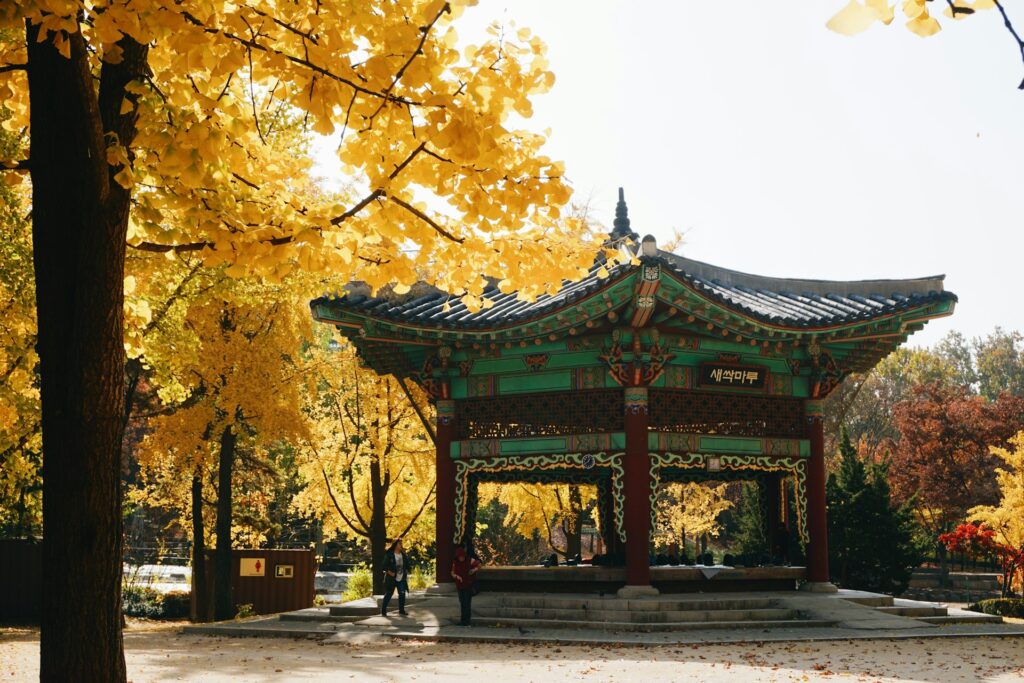
Days 4-5: Busan – Beaches, Temples and Coastal Beauty
Day 4 marks your transition from capital to coast, traveling to Busan, South Korea’s second-largest city located on the southeast tip. The KTX (Korea Train Express) high-speed train connects Seoul and Busan in approximately 2 hours 30 minutes, departing from Seoul Station or Yongsan Station and arriving at Busan Station. Book tickets advance through Korail website or app (English available) for approximately 59,800 won ($45-50) each way. Morning KTX departure allows arrival in Busan by early afternoon.
Day 4: Afternoon Busan Introduction
After checking into your Busan accommodation—stay near Haeundae Beach for resort atmosphere and beach access, or Seomyeon district for central location and nightlife—spend your afternoon experiencing Busan’s unique attractions. Visit Gamcheon Culture Village, often called “Busan’s Santorini” or “Machu Picchu of Busan,” where colorful houses cascade down steep hillsides decorated with street art, murals, and quirky sculptures. This former refugee settlement transformed into an artistic community offers maze-like alleys, art installations, cafes with ocean views, and abundant photo opportunities.
Evening brings perfect timing for Gwangalli Beach, famous for its stunning Gwangan Bridge illuminated at night. The beachfront promenade features numerous cafes, restaurants, and bars offering fresh seafood with bridge views. On Saturday evenings (weather permitting), Gwangalli hosts spectacular drone light shows creating aerial formations and images synchronized to music—a uniquely modern Korean experience attracting locals and tourists alike.
Day 5: Busan Highlights and Beaches
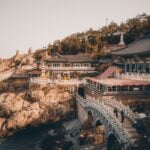
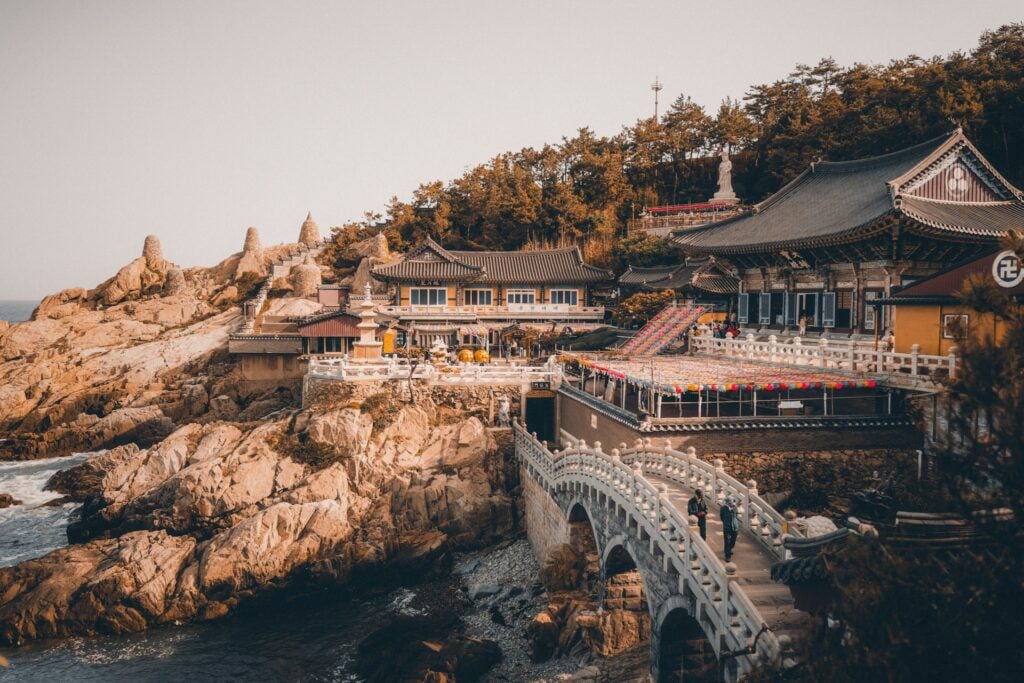
Wake early Day 5 for Haedong Yonggungsa Temple, one of Korea’s few oceanfront Buddhist temples offering unique coastal setting versus typical mountain locations. The temple perches dramatically on cliffs overlooking the East Sea, with elaborate pavilions, statues, and pagodas creating photogenic scenes against crashing waves. Arrive by 8:00-9:00 AM to avoid tour groups and experience morning prayers. The temple complex requires descending (then climbing back up) steep staircases—wear comfortable shoes.
Return to central Busan for Jagalchi Fish Market, Korea’s largest seafood market where ajummas (older Korean women) sell incredibly fresh fish, shellfish, octopus, sea urchins, and marine life you’ve never imagined. The market’s first floor features raw fish stalls where you can select live seafood and have it prepared immediately at second-floor restaurants for nominal cooking fees—an essential Busan culinary experience. Adjacent Gukje Market and BIFF Square (Busan International Film Festival Square) offer street food including hotteok (sweet pancakes) and ssiat hotteok (seed-stuffed hotteok).
Afternoon allows beach time at Haeundae Beach, Busan’s most famous beach featuring golden sand, beachfront high-rises, and summer crowds (avoid July-August peak season unless you enjoy packed beaches). Nearby Dongbaek Island offers the APEC House and coastal walking paths with pine forests and ocean views. For unique transportation experiences, ride the Busan Air Cruise cable car from Songdo Beach to Amnam Park, offering aerial city and ocean views, or try the Haeundae Beach Train and Sky Capsule—colorful rail bikes traveling along the former Donghae Nambu railway line with dramatic coastal cliffs.
Day 6 (Optional): Gyeongju Day Trip from Busan
When planning a trip to South Korea with 8-10 days total, adding a Gyeongju day trip enhances your South Korea itinerary with significant historical depth. Gyeongju served as capital of the ancient Silla Kingdom for nearly 1,000 years (57 BCE – 935 CE), earning the nickname “museum without walls” for its concentration of UNESCO World Heritage sites, royal tombs, Buddhist temples, and archaeological treasures. High-speed trains reach Gyeongju from Busan in just 30 minutes, making day trips highly feasible.
Gyeongju highlights include Bulguksa Temple, one of Korea’s most important Buddhist temples featuring elegant wooden architecture, stone bridges, and pagodas from the 8th century. The nearby Seokguram Grotto houses a magnificent Buddha statue carved from white granite in a man-made cave overlooking the East Sea—both sites hold UNESCO World Heritage status. In Gyeongju city, explore Daereungwon Tomb Complex where 23 large burial mounds create an otherworldly landscape of grass-covered hills concealing royal Silla tombs. The Gyeongju National Museum displays extensive collections of Silla artifacts including elaborate gold crowns and jewelry demonstrating the kingdom’s artistic sophistication.
Organized day tours from Busan handle transportation and guide services, or independent travelers can rent bicycles in Gyeongju to cycle between sites scattered across the relatively flat city. The charming Hwangridan-gil street offers trendy cafes and restaurants in renovated traditional buildings, perfect for lunch or afternoon breaks. For travelers with tighter schedules following the 7-day version of this South Korea itinerary, skip Gyeongju to maintain comfortable pacing, though history enthusiasts might consider swapping one Seoul day for Gyeongju instead.
Days 7-9: Jeju Island – Volcanic Landscapes and Natural Wonders
Day 7 brings transition from mainland to island, flying from Busan (Gimhae Airport) or returning to Seoul (Gimpo or Incheon) before connecting to Jeju Island. Multiple airlines including Jeju Air, Jin Air, and Korean Air operate frequent flights to Jeju, with flying time approximately 1 hour from Busan and 1 hour 10 minutes from Seoul. Domestic Korean flights are remarkably affordable (often 30,000-60,000 won / $25-50 one-way) when booked in advance, making flying clearly superior to alternative ferry services (slower, less frequent, weather-dependent).
Day 7: Arrival and East Jeju Exploration
Jeju Island—South Korea’s largest island and only special self-governing province—offers dramatically different experiences from mainland cities. This volcanic island features Hallasan Mountain (South Korea’s highest peak at 1,950 meters), extensive lava tube cave systems, dramatic coastal cliffs, beautiful beaches, and unique cultural traditions including the haenyeo (female free divers) designated UNESCO Intangible Cultural Heritage. Jeju requires rental car for optimal exploration, as public bus connections between attractions are time-consuming and infrequent. International driving permits are accepted, and rental rates are reasonable (approximately 50,000-80,000 won / $40-65 daily).
After collecting your rental car at Jeju International Airport, drive to east Jeju for the island’s most iconic attraction: Seongsan Ilchulbong (Sunrise Peak), a UNESCO World Heritage tuff cone formed by volcanic eruptions 5,000 years ago. The distinctive crater rises 180 meters above sea level, requiring a steep 30-40 minute hike reaching the rim offering spectacular 360-degree views of crater, ocean, and Jeju’s coastline. “Ilchulbong” means “sunrise peak”—arriving at dawn provides the name’s inspiration, though midday visits work fine. At the peak’s base, watch haenyeo diving demonstrations showcasing these remarkable women (many in their 60s-80s) free-diving to collect sea urchins, abalone, and shellfish.
Continue to Manjanggul Lava Tube, one of the world’s finest lava tube systems extending over 13 kilometers (though only 1 kilometer is open to public exploration). The tube’s interior maintains 11-21°C year-round, offering cool relief during hot summer months but requiring light jackets during other seasons. The tunnel features impressive lava formations including the 7.6-meter lava column, one of the world’s tallest. Evening brings opportunities to explore Jeju City’s seafood restaurants, traditional markets, and the trendy Iho Tewoo Beach area with its colorful horse-shaped lighthouses and beachfront cafes.
Day 8: Hallasan Mountain and Central Jeju
Day 8 centers on Hallasan Mountain, the shield volcano dominating Jeju Island’s center and creating its distinctive topography. Hallasan National Park offers multiple hiking trails ranging from easy 1-hour paths to challenging full-day summit climbs. The Seongpanak Trail (9.6 km one-way, 4-5 hours up, 3-4 hours down) and Gwaneumsa Trail (8.7 km one-way, similar timing) are the only routes reaching Baengnokdam summit crater, though these require very early starts and strong fitness levels as entry is restricted and closes by early afternoon.
Alternative shorter trails including Yeongsil Course and Eorimok Course (3-4 hours round trip) offer beautiful forest experiences through Jeju’s endemic plants without summit attempts. Hallasan’s forests provide peaceful contrast to coastal attractions, with trails winding through moss-covered rocks, volcanic formations, and seasonal wildflowers. After hiking, visit nearby Spirited Garden, a meticulously maintained bonsai garden featuring elaborate miniature tree displays and traditional Korean garden designs creating serene atmosphere.
Afternoon allows exploration of Jeju’s famous tea plantations, particularly O’Sulloc Tea Museum and plantation showcasing Jeju’s green tea cultivation with tasting opportunities, tea-flavored desserts (green tea ice cream is exceptional), and gift shops. The adjacent Innisfree Jeju House and Osulloc Tea Stone showcase modern architecture integrated with tea culture. Evening brings optional visits to Jeju’s unique attractions like Loveland (adults-only sculpture park with erotic art), the 3D Museum, or simply relaxing at your accommodation after an active day.
Day 9: South and West Jeju Coastline
Dedicate Day 9 to Jeju’s southern and western coasts. Begin at Jusangjeolli Cliff, a spectacular formation of hexagonal basalt columns created by rapid cooling of lava meeting ocean water. The columnar joints create geometric patterns rising 20 meters above crashing waves—arrive during high tide for most dramatic wave action. Continue to Jeongbang Waterfall, one of the few waterfalls in Asia flowing directly into the ocean, dropping 23 meters from coastal cliffs to the sea below.
Western Jeju features different character with Suwolbong Peak, a coastal volcanic cone offering easier hiking (30-40 minutes) rewarding climbers with dramatic coastal views, particularly stunning at sunset. The peak’s distinctive red volcanic tuff and weathered formations create otherworldly landscapes perfect for photography. For beach lovers, Hyeopjae Beach and Geumneung Beach on northwest Jeju offer white sand, clear emerald waters, and views to tiny Biyangdo Island offshore—Jeju’s most beautiful swimming beaches rivaling tropical destinations.
Day 10: Return to Seoul and Departure
Your South Korea itinerary concludes with return flights from Jeju to Seoul (or direct international departure if your home city offers Jeju connections). Morning Jeju flights allow several hours in Seoul before evening international departures, providing time for final shopping at Myeongdong cosmetics shops stocking Korean skincare and beauty products, duty-free shopping at Incheon Airport (one of the world’s best airport shopping experiences), or last-minute explorations of neighborhoods you missed earlier. Travelers following the 7-day compressed version skip Jeju entirely or reduce it to 1-2 nights, focusing on Seoul-Busan circuit exclusively.
Essential South Korea Itinerary Planning Tips
Best Time to Visit South Korea
When planning a trip to South Korea, timing significantly impacts experience quality. Spring (late March-May) offers comfortable temperatures (15-20°C), famous cherry blossoms covering the country in pink blooms (peak early April), and pleasant conditions for walking-intensive sightseeing. Autumn (September-November) provides equally gorgeous weather with fiery fall foliage (peak mid-October to early November), comfortable temperatures, and lower humidity than summer. Both seasons attract peak tourism, requiring advance hotel and flight bookings. Summer (June-August) brings hot, humid conditions with temperatures often exceeding 30°C and monsoon rains primarily July-early August, though summer coincides with beach season making Jeju and Busan particularly appealing. Winter (December-February) sees cold temperatures (often below 0°C in Seoul), occasional snow, and fewer tourists, offering budget advantages and unique winter festivals including ice fishing and skiing.
Visa Requirements and Entry
South Korea offers visa-free entry for citizens of over 100 countries including USA, Canada, UK, EU nations, Australia, and New Zealand for stays up to 90 days (some nationalities receive 30 or 60 days). Travelers must hold passports valid for the entire stay duration (six-month validity not required). All visitors must complete K-ETA (Korea Electronic Travel Authorization) application online prior to departure, costing 10,000 won ($8-10) with approval typically within 24 hours, though applications should be submitted 72+ hours before travel for safety. Some nationalities are exempt from K-ETA depending on bilateral agreements—verify current requirements before booking flights.
Budget Considerations for Your South Korea Trip
South Korea offers reasonable costs compared to Japan or Hong Kong, though expenses exceed Southeast Asian destinations. Budget travelers completing this 7 day Korea itinerary can manage on approximately $50-80 per person daily including accommodation (guesthouses/hostels $20-40), meals (street food and casual restaurants $15-25), transportation (subway/bus $10-15), and attraction entrance fees. Mid-range travelers spending $120-200 daily access comfortable hotels ($60-100), mix of restaurants and occasional fine dining ($40-60), occasional taxis, tours, and shopping. Luxury travelers easily spend $300-500+ daily on upscale hotels, fine dining, private guides, and premium experiences. Major expenses include accommodation, internal transportation (KTX tickets and domestic flights total approximately $150-200), meals, and activities, while Korea’s excellent subway systems and reasonable restaurant prices keep daily costs manageable.
Transportation Between Cities
This South Korea itinerary relies primarily on two transportation modes: KTX high-speed trains (Seoul-Busan) and domestic flights (to/from Jeju Island). Book KTX tickets through Korail website or Korail Talk app (English available) up to one month in advance, though same-day purchases work fine except holidays and peak weekends. Seoul to Busan takes 2.5-3 hours costing 59,800 won ($45-50) each way for standard class. Domestic flights operate frequently between Seoul (Gimpo Airport for domestic, though some use Incheon), Busan (Gimhae Airport), and Jeju (Jeju International Airport). Budget airlines including Jeju Air, Jin Air, and T’way Air offer flights as low as 30,000-50,000 won ($25-40) when booked in advance, while full-service Korean Air charges slightly more. Flying clearly beats the 12-hour ferry from mainland to Jeju.
Accommodation Recommendations
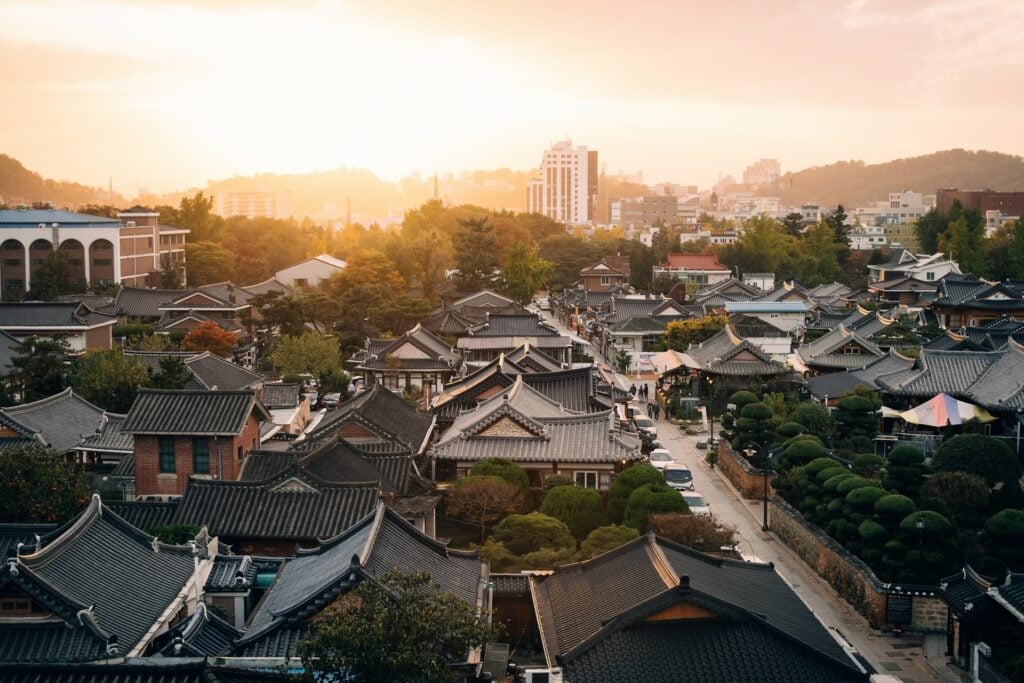
South Korea offers diverse accommodation from budget guesthouses to luxury international chains. Budget travelers favor guesthouses and hostels in university areas (Hongdae in Seoul, Seomyeon in Busan) for $20-40 nightly including basic amenities and often free breakfast. Mid-range business hotels throughout major cities cost $60-100 offering clean, small rooms (Korean hotels trend compact), modern amenities, and convenient locations. Luxury travelers access international chains (Marriott, Hyatt, Lotte) and boutique hotels for $150-300+. Unique Korean options include hanok stays (traditional houses with heated floors and futon-style bedding) offering cultural experiences particularly in Seoul’s Bukchon area or Jeonju, and jimjilbang (24-hour bathhouses offering sleeping areas) for ultra-budget overnight options around $10-15.
Food and Dining Culture
Korean cuisine ranks among the world’s most delicious, diverse, and distinctive, combining bold flavors, fermented foods, abundant banchan (side dishes), and communal dining traditions. Essential dishes to try during your South Korea trip include Korean BBQ (samgyeopsal pork belly, galbi beef ribs), bibimbap (mixed rice bowl with vegetables and gochujang), various jjigae (stews including kimchi jjigae and doenjang jjigae), Korean fried chicken (crunchy, double-fried, often served with beer), various noodle dishes (japchae glass noodles, naengmyeon cold noodles), street food (tteokbokki spicy rice cakes, hotteok sweet pancakes, Korean corn dogs), and endless variations of kimchi. Meals range from budget-friendly $5-8 casual restaurants to mid-range $15-30 sit-down dining to premium $50+ Korean BBQ or hanjeongsik (traditional multi-course meals). Vegetarians face challenges as Korean cuisine heavily features meat and seafood, though Buddhist temple food restaurants offer excellent vegetarian options, and phrases like “chaesikjuuija” (vegetarian) help communicate dietary restrictions.
Cultural Etiquette and Practical Considerations
South Korea maintains distinct cultural norms affecting traveler interactions. Respect is fundamental—bow slightly when greeting or thanking people, remove shoes before entering homes and some traditional restaurants, use both hands when giving or receiving items from elders, and avoid pointing with fingers or feet. Korean social hierarchy based on age means younger people defer to elders in obvious ways. Tipping is not customary in Korea (restaurants, taxis, hotels don’t expect tips), though luxury hotels with foreign clientele sometimes accept tips for exceptional service. Public displays of affection remain relatively uncommon, though younger generations are more liberal. Korean efficiency and urgency (“ppalli ppalli” culture meaning “hurry hurry”) means fast-paced service, quick walking, and general busy atmosphere. Credit cards are accepted almost universally in cities, even small purchases, making Korea nearly cashless society, though carrying some cash helps for traditional markets and rural areas.
Language barriers exist despite increasing English signage in tourist areas—most Koreans have limited English conversation ability, though younger people generally know more. Download Papago translation app (superior to Google Translate for Korean) and learn basic Korean phrases: “annyeonghaseyo” (hello), “kamsahamnida” (thank you), “jwesonghamnida” (sorry/excuse me), and “eolmayeyo” (how much?). Korean people generally appreciate foreigners’ attempts to speak Korean, however basic. Dress codes lean conservative—avoid revealing clothing particularly when visiting palaces, temples, or traditional areas. Women should pack modest tops and longer skirts/pants for respectful temple visits. Public behavior expectations include not eating or drinking while walking (slight taboo), no talking on phones in subways, and general quietness in public transportation.
What to Pack for Your South Korea Trip
When travel South Korea, pack according to season and activities. All seasons require comfortable walking shoes as Korea involves extensive walking—Seoul’s palace grounds, Busan’s hillside neighborhoods, and Jeju’s hiking trails demand supportive footwear. Spring/autumn (ideal visiting seasons) need layered clothing, light jacket for cool mornings/evenings, comfortable walking clothes, and umbrella for occasional rain. Summer requires light, breathable clothing, sun protection (hat, sunglasses, sunscreen), but bring light jacket for aggressive air conditioning indoors. Winter necessitates warm coat, layers, hat, gloves, and indoor clothes as Korean ondol (floor heating) keeps interiors very warm. Universal packing essentials include power adapter (Korea uses 220V with Type C/F two-pin plugs), portable charger (essential for navigation/translation apps), basic toiletries (though Korea offers excellent skincare shopping), travel insurance, K-ETA approval, and downloaded offline maps. Leave room in luggage for Korean cosmetics, fashion, and souvenirs—Korea offers world-class shopping with unique products unavailable elsewhere.
Common Questions About Your South Korea Itinerary
Is 7 days enough for South Korea?
Seven days allows comprehensive exploration of South Korea’s essential highlights—Seoul, Busan, and potentially abbreviated Jeju Island (1-2 nights) or substituting Gyeongju for Jeju. This one week in South Korea provides solid introduction with comfortable pacing, though 10-14 days allows deeper regional exploration, additional destinations like Jeonju or Gyeongju, more relaxed scheduling, and genuine immersion beyond highlight chasing. First-time visitors following this 7-day route almost invariably plan return trips for regions and experiences they missed.
Do I need to speak Korean?
English knowledge among Koreans remains limited compared to countries like Singapore or Hong Kong, though major tourist areas feature English signage, younger Koreans possess basic English, and translation apps effectively bridge communication gaps. Seoul’s international character means reasonable English in hotels, major restaurants, and attractions, while Busan and Jeju offer less English but sufficient for tourist needs. Learning basic Korean phrases shows respect and appreciation, helps in taxis or markets, and creates positive local interactions. Most travelers navigate Korea successfully with minimal Korean language skills, though solo travelers in rural areas face greater challenges than groups or couples.
Is South Korea safe for tourists?
South Korea ranks among Asia’s safest destinations with very low violent crime rates against tourists, minimal scam culture compared to some Asian countries, excellent public safety infrastructure, and generally honest, helpful citizens. Women travelers commonly cite Korea as one of their safest solo travel destinations. Common sense precautions suffice—secure valuables in crowds, use legitimate taxis or ride-sharing apps (Kakao T), avoid excessive intoxication in unfamiliar areas, and maintain situational awareness. The DMZ area maintains military presence and strict protocols requiring tour compliance, though actual danger is negligible. Traffic represents the primary safety concern—Korean drivers are aggressive, pedestrian crossings are barely respected, and crossing Seoul streets requires careful attention.
What’s the best way to get around Seoul?
Seoul’s subway system—12 lines covering virtually the entire metropolitan area with English announcements, signage, and digital displays—provides the best transportation for tourists. Single-journey tickets cost approximately 1,400-1,500 won ($1-1.20), or purchase T-money cards (transportation cards) at convenience stores for convenient tap-and-go access to subways, buses, and even taxis. Taxis are relatively affordable ($5-15 for most cross-city journeys) and plentiful, though communication barriers sometimes arise—have addresses written in Korean characters. Kakao T app (Korea’s Uber equivalent) allows English address input and cashless payment. Walking remains practical for exploring specific neighborhoods like Insadong or Bukchon. Avoid renting cars in Seoul—parking is expensive and difficult, traffic is chaotic, and public transportation proves far superior for city exploration.
Should I visit Jeju or Gyeongju with limited time?
This question divides travelers based on interests. Jeju Island offers natural beauty, volcanic landscapes, beaches, and completely different atmosphere from mainland cities—ideal for nature lovers, hikers, and those seeking varied experiences. Jeju requires minimum 2 nights to justify travel time and experience highlights, ideally 3 nights for comprehensive exploration. Gyeongju provides historical depth with ancient temples, royal tombs, and Silla Dynasty artifacts—perfect for history enthusiasts and cultural travelers, easily visited as a day trip from Busan requiring no additional accommodation. The 10-day South Korea itinerary allows both destinations, while 7-day travelers must choose. First-timers often choose Jeju for distinctive experiences, while history-focused travelers prefer Gyeongju. Alternatively, skip both to spend more time deeply exploring Seoul and Busan.
Conclusion: Your Unforgettable Korean Adventure Awaits
This comprehensive South Korea itinerary provides the roadmap for an extraordinary 7-10 day journey through one of Asia’s most dynamic, fascinating, and rewarding destinations. From Seoul’s grand palaces and cutting-edge districts to Busan’s coastal beauty and seafood culture, from Jeju’s volcanic landscapes and turquoise beaches to the warm hospitality and delicious cuisine encountered throughout, South Korea delivers experiences that consistently exceed traveler expectations. The country’s unique position straddling ancient traditions and futuristic technology, maintaining distinct cultural identity while enthusiastically absorbing global influences, and preserving historical sites amid rapid modernization creates travel experiences unavailable anywhere else on earth.
The strategic Seoul-Busan-Jeju routing connecting Korea’s essential destinations through efficient transportation allows first-time visitors to experience the country’s diversity without exhausting travel days or superficial rushing. Whether you follow the compact 7-day version focusing intensively on each destination or extend to 10 days allowing breathing room, additional day trips, and spontaneous discoveries, this South Korea trip framework balances must-see highlights with authentic experiences, cultural immersion with comfortable logistics, and thorough planning with flexibility for serendipitous moments that often become most treasured memories.
Begin your South Korean adventure with Acqua Travel today. Our specialists transform this South Korea itinerary framework into your personalized journey, handling all logistics professionally while connecting you to experiences beyond typical tourist routes. Whether seeking K-pop and Korean Wave culture, temple stays and Buddhist meditation, hiking volcanic peaks and exploring lava caves, tasting every variation of kimchi and Korean BBQ, or simply discovering Asia’s most fascinating cultural blend of ancient and modern, South Korea awaits with extraordinary possibilities that will inspire you for years to come.