
Spiritual Nepal: Pilgrimage Sites, Monasteries & Sacred Journeys
Nepal is one of the few countries where Hindu and Buddhist pilgrimage sites weave together into a single living sacred landscape, from jungle riverbanks to snowbound mountain passes.
Ancient temples, cliff-side monasteries, holy lakes and quiet forest shrines all coexist within a small, walkable nation, making spiritual travel in Nepal uniquely immersive and accessible.
Whether you come for a Nepal Buddhist pilgrimage to Lumbini and the great stupas, a Hindu pilgrimage in Nepal to Pashupatinath and Muktinath, or simply to walk Himalayan sacred journeys that blend trekking with mantra meditation sites, this country invites you to slow down and move with intention.
Why Choose Spiritual Travel in Nepal?
Unlike destinations where temples feel like museums, spiritual travel in Nepal places you inside active worship spaces where daily rituals, festivals and pilgrim gatherings continue as they have for centuries.
Pilgrimage sites in Nepal are rarely isolated: Pashupatinath Temple stretches along both banks of the Bagmati River with hundreds of shrines, while Lumbini’s monastic zone collects stupas and monasteries from Buddhist communities around the world.
High in the Himalayas, holy lakes in Nepal such as Gosainkunda and Gokyo draw both trekkers and pilgrims who believe a single icy dip can purify lifetimes of karma, adding a powerful spiritual layer to classic trekking routes.
Kathmandu Valley: Temples, Stupas and Eternal Flames
The Kathmandu Valley holds some of the most important pilgrimage sites in Nepal, making it the natural starting point for most spiritual travel in Nepal itineraries.
Pashupatinath Temple: Lord Shiva’s Holy City
Pashupatinath Temple is one of the holiest Hindu pilgrimage sites in Nepal, a vast temple complex dedicated to Lord Shiva that stretches along the sacred Bagmati River in eastern Kathmandu.
The main pagoda-style temple glitters with a gilded roof, silver-covered sides and intricate wood carvings, surrounded by hundreds of smaller shrines, lingams and sacred ghats where cremation ceremonies take place daily.
For many Hindus, especially from Nepal and India, a single visit to Pashupatinath Temple is believed to bless an entire lifetime, making it an essential stop on any Hindu pilgrimage in Nepal.
Buddhist Stupas in Nepal: Boudhanath and Swayambhunath
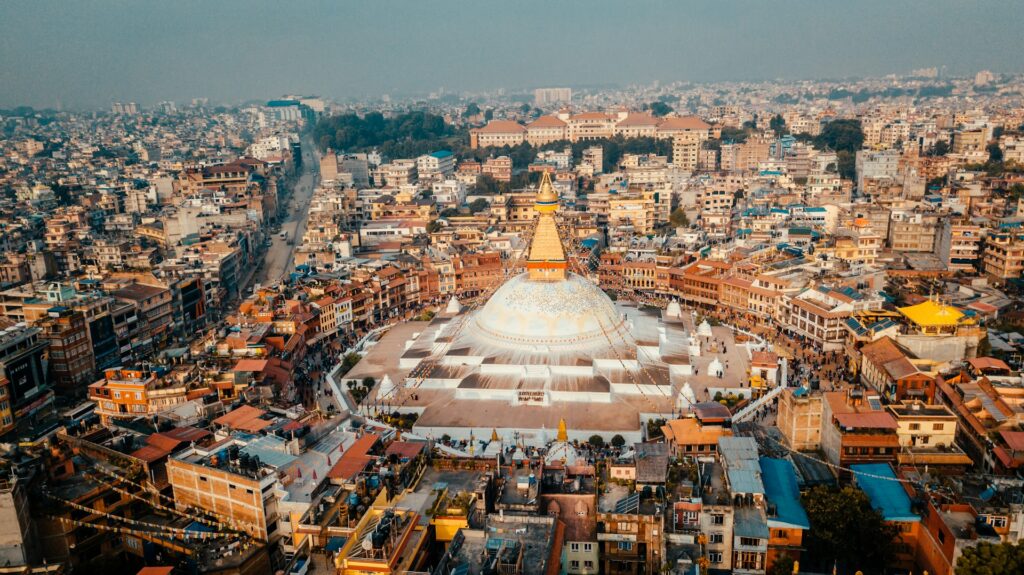
The Kathmandu Valley is also home to some of the most revered Buddhist stupas in Nepal, including Boudhanath and Swayambhunath, which anchor many Nepal Buddhist pilgrimage routes.
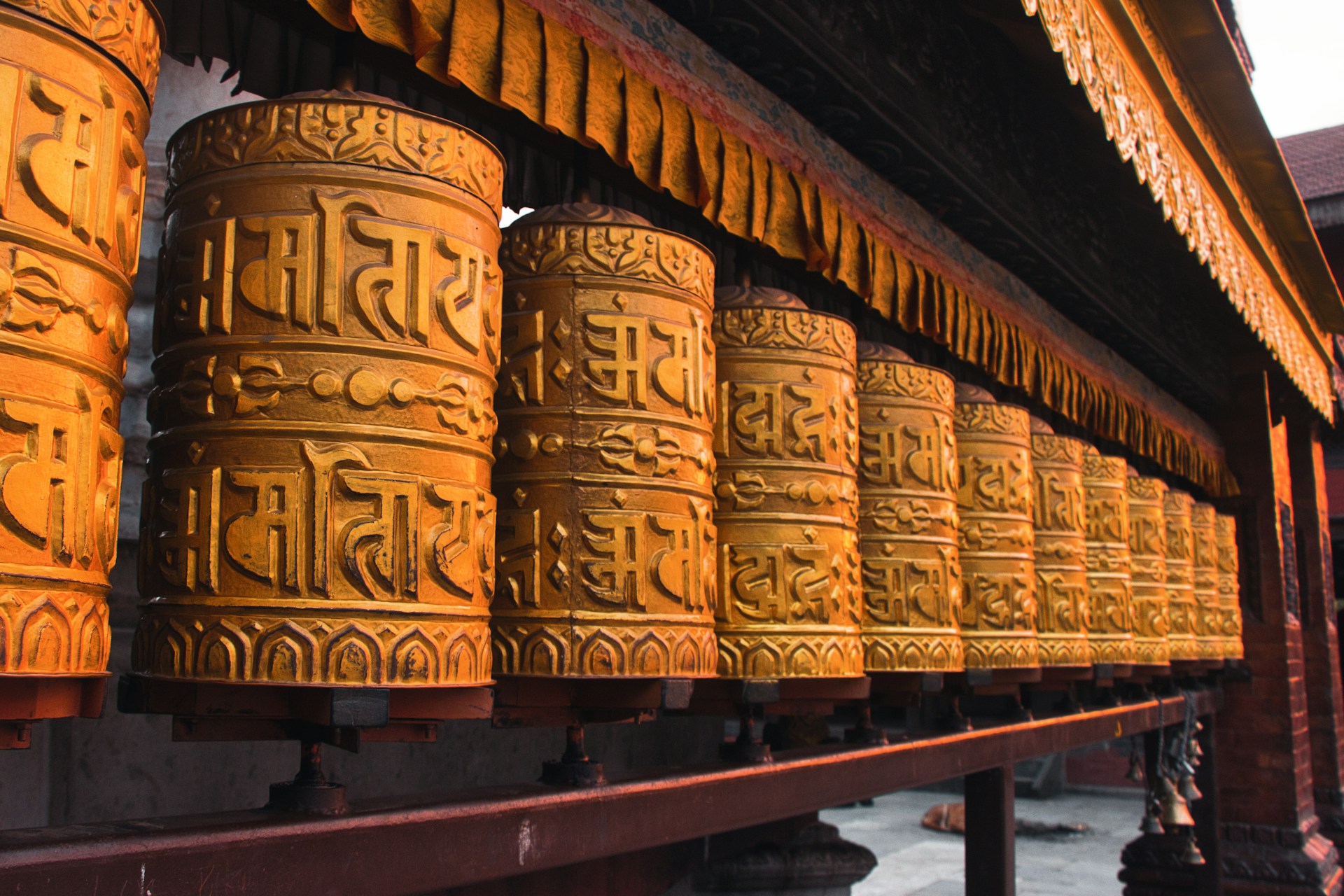
Boudhanath’s massive white dome, ringed by prayer wheels and monasteries, is circled day and night by Tibetan and Sherpa pilgrims spinning malas and whispering mantras.
Swayambhunath, perched on a hill above the city, offers sweeping views of Kathmandu and a powerful mix of Hindu and Buddhist symbolism that reflects the fluid spiritual identity at the heart of spiritual travel in Nepal.
Lumbini: Birthplace of the Buddha
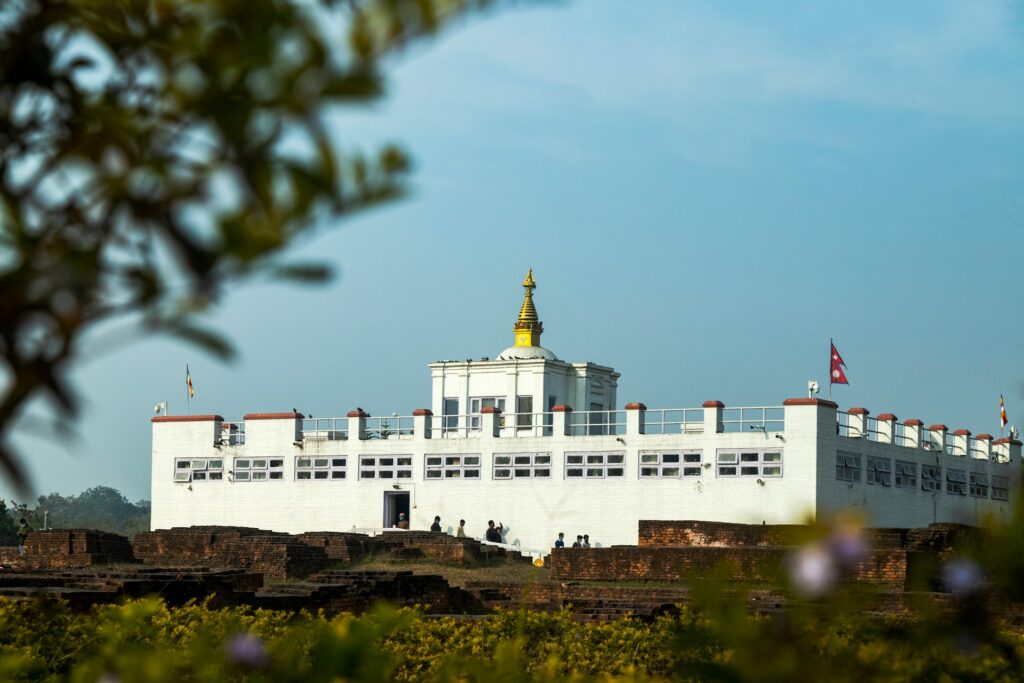
No Nepal Buddhist pilgrimage is complete without visiting Lumbini, the UNESCO-listed birthplace of Siddhartha Gautama, the historical Buddha.
The Maya Devi Temple marks the exact spot where the Buddha was born, with a sacred pond and Ashoka Pillar commemorating Emperor Ashoka’s visit in the 3rd century BCE.
Today, Lumbini’s monastic zone gathers temples and monasteries built by Buddhist communities from across Asia and beyond, turning it into one of the most international and meditative sacred places in Nepal.
Spending at least one or two nights here allows you to join morning chanting, walk the quiet forest paths and integrate Lumbini into a deeper spiritual travel in Nepal itinerary.
Muktinath Temple: Liberation in the High Himalaya
High above the Kali Gandaki Valley in Mustang, Muktinath Temple is one of the most important Hindu and Buddhist pilgrimage sites in Nepal, dedicated to Lord Vishnu yet revered by both traditions.
The temple complex sits at over 3,700 meters, where 108 stone water spouts shaped like bull heads pour glacial water over devotees who bathe in the freezing stream to wash away accumulated sins.
For many, a combined journey to Pashupatinath Temple, Muktinath Temple and Lumbini forms the backbone of a classic overland Hindu pilgrimage in Nepal.
Trek-in routes via Jomsom or Jeep access from Pokhara mean you can integrate Muktinath into both trekking-focused Himalayan sacred journeys and more comfort-oriented spiritual travel in Nepal packages.
Holy Lakes in Nepal: Gosainkunda and Beyond
Some of the most powerful pilgrimage sites in Nepal are not temples at all, but high-altitude lakes where myth and mountain landscapes merge.
Gosainkunda Lake: Shiva’s Sacred Waters
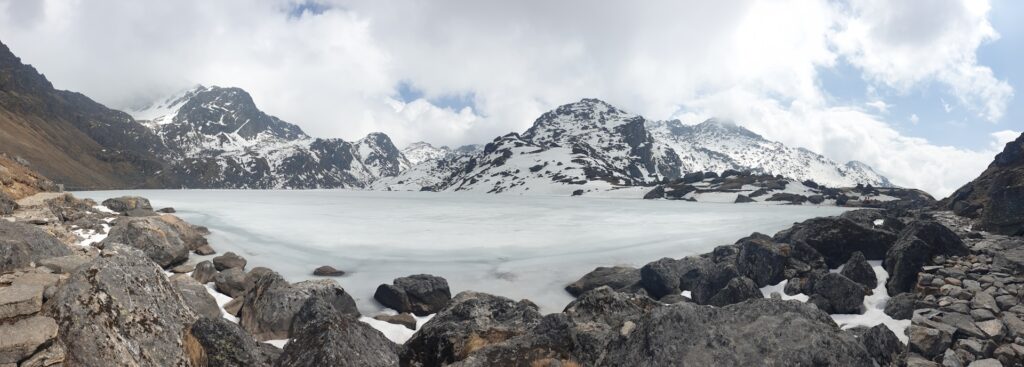
Gosainkunda is a glacial lake in Langtang National Park sitting at about 4,380 meters, sacred to both Hindus and Buddhists.
According to Hindu mythology, Lord Shiva created Gosainkunda by striking the mountain with his trident to cool his throat after consuming poison during the cosmic churning of the ocean.
Each August during the Janai Purnima full moon, thousands of pilgrims trek to Gosainkunda Lake to bathe in its icy waters, believing the holy lake can purify sins and accelerate their spiritual journey.
Other Sacred Lakes in Nepal
Beyond Gosainkunda, other holy lakes in Nepal such as Gokyo Lakes, Panch Pokhari and Shey Phoksundo blend trekking routes with spiritual practice.
Gokyo’s chain of turquoise lakes at over 4,700 meters is considered sacred by both Hindus and Buddhists, and pilgrims time visits with Janai Purnima to perform ritual bathing and kora (circumambulation) around the waters.
Panch Pokhari, a cluster of five high-altitude lakes in Sindhupalchowk, attracts Hindu devotees each monsoon season who camp by the lakesides and join priests in fire rituals, adding a remote and rugged dimension to spiritual travel in Nepal.
Himalayan Monasteries: Tengboche and Mantra in the Mountains
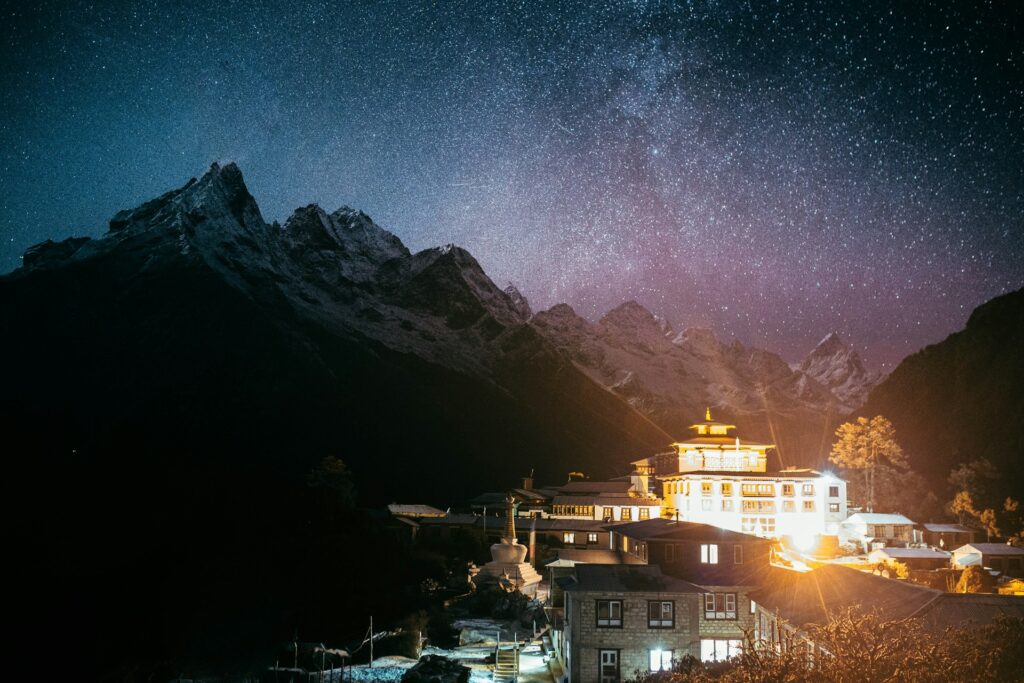
For many visitors, the most moving part of spiritual travel in Nepal is encountering monasteries framed by some of the world’s highest peaks.
Tengboche Monastery: Spiritual Heart of the Everest Region
Tengboche Monastery sits on a ridge in the Khumbu region along the Everest Base Camp trail, often described as the spiritual heart of the Sherpa homeland.
From its courtyard you can gaze directly at Everest, Ama Dablam and other Himalayan giants while listening to deep chanting and long horns echoing through the valley during morning or evening puja.
The Tengboche Monastery trek lets you experience this sacred site in just 4–5 days of moderate hiking, ideal for travelers who want a taste of Himalayan sacred journeys without committing to full base camp distances.
Staying overnight in nearby lodges and visiting puja ceremonies offers a powerful integration of trekking with spiritual travel in Nepal, as you combine physical challenge with quiet time in a Buddhist monastery.
Eastern Hills and Caves: Pathibhara Devi and Halesi Mahadev
While Kathmandu and the Himalayas draw most attention, eastern Nepal holds some of the most intense sacred places in Nepal for both Hindus and Buddhists.
Pathibhara Devi: Shakti Temple in the Clouds
Pathibhara Devi Temple in Taplejung district is one of the most significant Shaktipeeths and Hindu pilgrimage sites in eastern Nepal, perched around 3,794 meters on a hilltop reached by a steep several-hour climb.
Devotees believe the goddess Pathibhara grants heartfelt wishes, drawing pilgrims from across Nepal and India who make animal and symbolic offerings at this remote shrine.
For those interested in more offbeat spiritual travel in Nepal, Pathibhara combines mountain trekking, local Limbu culture and intense goddess worship in a single journey.
Halesi Mahadev: The Cave of Shiva
Halesi Mahadev, also known as Maratika Cave, is a tri-cave complex in Khotang revered by Hindus, Buddhists and the Kirat community, making it one of the most inclusive pilgrimage sites in Nepal.
Legend says Lord Shiva hid in these caves to escape the demon Bhasmasur, and today pilgrims descend into the cavern to worship a natural Shiva lingam bathed by a spring, surrounded by rock formations and footprints believed to be divine.
Buddhist traditions also associate Halesi with long-life practices and meditations of Padmasambhava, adding another layer of meaning for seekers weaving both Hindu pilgrimage in Nepal and Nepal Buddhist pilgrimage into the same route.
Janakpur and the Terai: Ramayana Roots
In the southern plains, Janakpur is home to Janaki Mandir, a grand temple dedicated to Sita and a major Hindu pilgrimage hub linked to the Ramayana story of Sita’s birthplace and marriage to Lord Rama.
Many multi-stop pilgrimage tours connect Lumbini Buddha birthplace, Pashupatinath Temple, Muktinath Temple and Janakpur Temple, offering a sweeping cross-section of sacred places in Nepal across regions and faiths.
Planning Your Spiritual Travel in Nepal
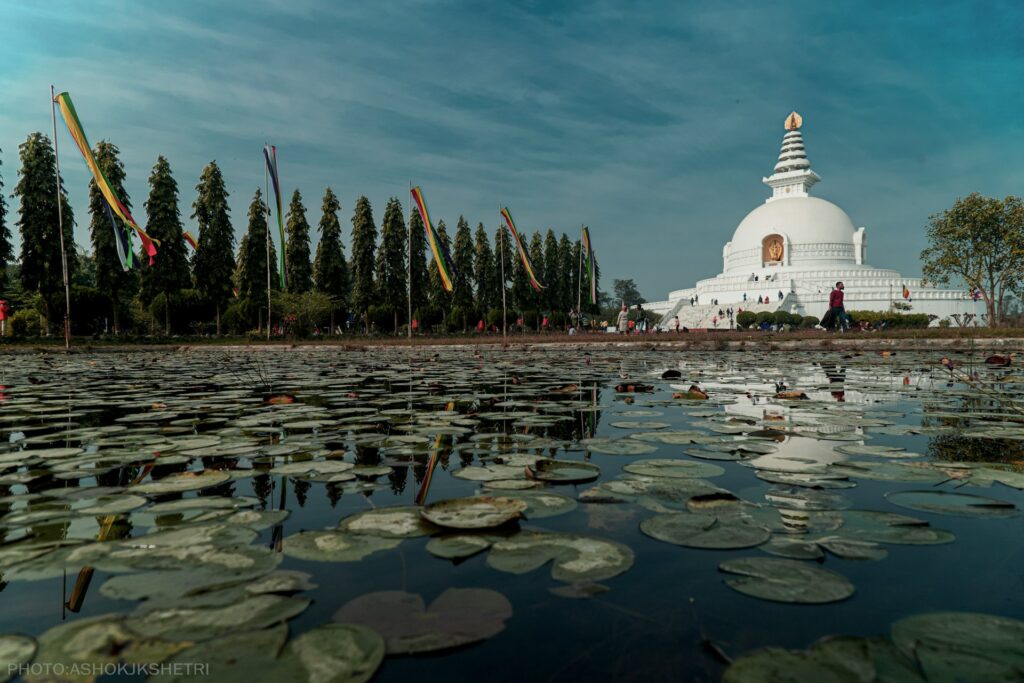
Designing a spiritual travel trip in Nepal is about balancing depth and distance: deciding whether you want to linger in a few powerful sites or link many pilgrimage sites in Nepal into one long journey.
Suggested 7–10 Day Spiritual Itinerary
- Days 1–2: Kathmandu Valley – Pashupatinath Temple, Boudhanath Stupa, Swayambhunath and nearby mantra meditation sites.
- Days 3–4: Lumbini – Lumbini Buddha birthplace, Maya Devi Temple and international monasteries.
- Days 5–6: Pokhara / Muktinath – Fly or drive toward Jomsom and visit Muktinath Temple for combined trekking and Himalayan sacred journeys.
- Days 7–8: Gosainkunda or Gokyo – Trek to a holy lake in Nepal for high-altitude meditation and ritual bathing if timing and fitness allow.
- Days 9–10 (optional): Tengboche or Halesi – Choose between a short Tengboche Monastery trek in the Everest region or an overland pilgrimage to Halesi Mahadev’s cave temples.
Respectful Practice on the Road
Because spiritual travel in Nepal takes you into living temples and monasteries, observing local etiquette is essential: dress modestly, remove shoes where required, ask before photographing and always walk clockwise around stupas and shrines.
Traveling with a local guide who understands both Hindu and Buddhist customs will help you navigate rituals respectfully and gain deeper insight into how pilgrimage shapes daily life at these sacred places in Nepal.
Final Thoughts: Walking the Middle Path Between Heaven and Earth
From the cremation ghats of Pashupatinath to the lotus ponds of Lumbini, from the windswept ridges of Muktinath to the mirror-like surface of Gosainkunda, spiritual travel in Nepal invites you to experience a landscape where heaven and earth feel only a mantra apart.
These pilgrimage sites in Nepal are not just stops on a checklist but nodes in a centuries-old web of devotion, linking Hindu pilgrimage Nepal routes, Nepal Buddhist pilgrimage circuits and local animist traditions into a single, multilayered sacred geography.
As you weave your own Himalayan sacred journeys—whether focused on big-name destinations like Pashupatinath Temple, Lumbini Buddha birthplace and Tengboche Monastery, or lesser-known shrines like Pathibhara Devi and Halesi Mahadev—what you carry home will be less about the number of sites visited and more about how deeply you allowed Nepal’s spiritual heartbeat to resonate within your own.