

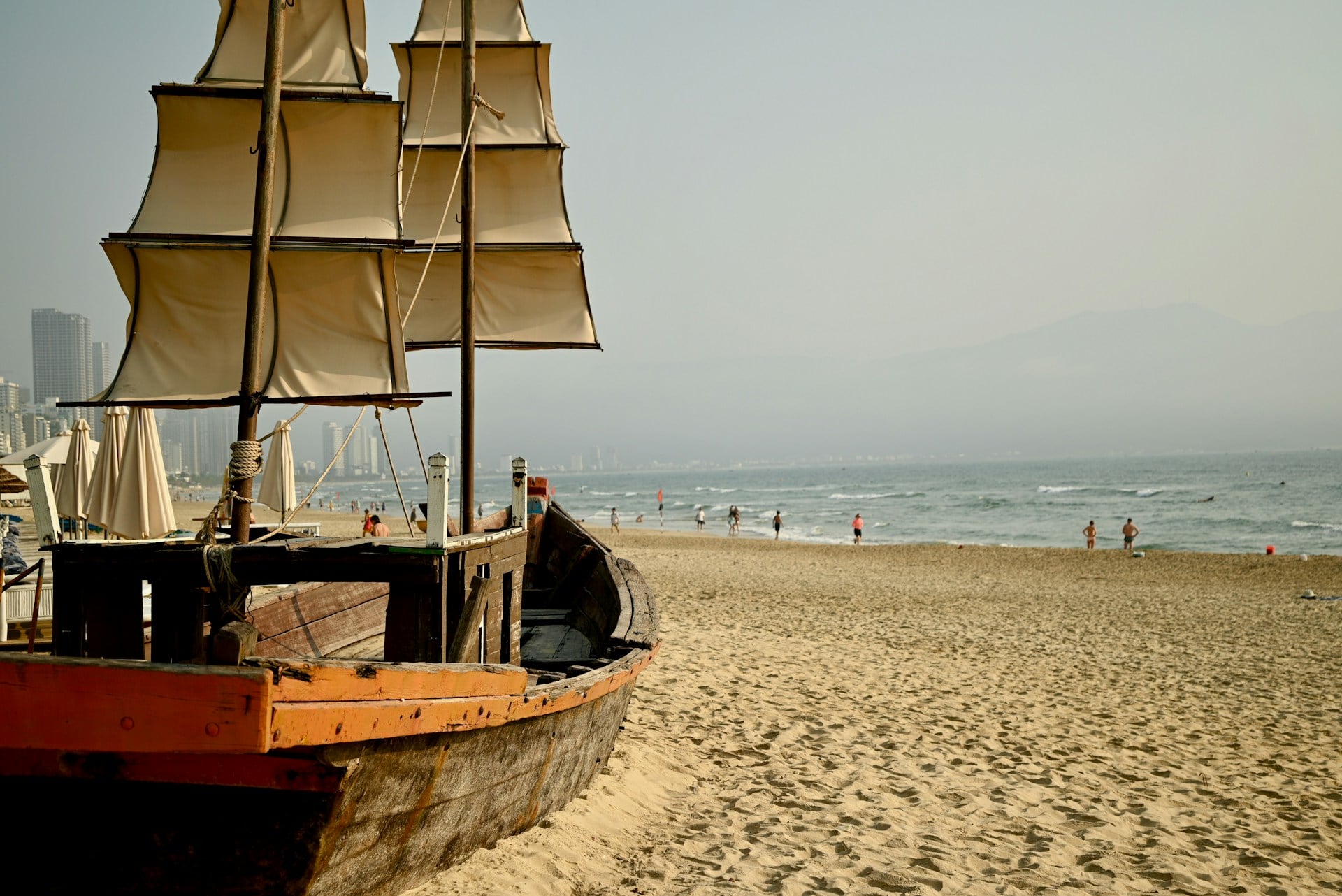
Best Beaches in Vietnam: Nha Trang, Phu Quoc, Hoi An and Hidden Coastal Gems
With over 3,260 kilometers of pristine coastline stretching from the Gulf of Tonkin to the Gulf of Thailand, Vietnam ranks among Southeast Asia’s premier beach destinations. Yet despite this extraordinary natural asset, Vietnam beaches remain surprisingly underrated compared to Thailand or the Philippines—a fact that works beautifully in travelers’ favor. The country’s coastal treasures range from bustling resort cities with world-class infrastructure to secluded coves accessible only by boat, from powdery white-sand paradises to dramatic rocky shores where mountains plunge directly into turquoise waters.
The best beaches in Vietnam offer extraordinary diversity beyond simple sun-and-sand experiences. In Nha Trang, you’ll discover Vietnam’s liveliest beach city combining a stunning 6-kilometer urban beach with vibrant nightlife and water sports. Phu Quoc, Vietnam’s largest island, delivers the quintessential tropical island experience with palm-fringed shores, jungle-covered interiors, and sunset views that explain why it’s become one of the top Vietnam vacation spots. Meanwhile, the beaches near Hoi An—particularly An Bang and Cua Dai—provide the perfect complement to cultural exploration, allowing you to balance ancient town wandering with coastal relaxation.
This comprehensive guide to the best Vietnam beaches explores both famous destinations and hidden coastal gems that most international tourists haven’t discovered. Whether you’re seeking party beaches, romantic sunset spots, family-friendly shores, or completely isolated stretches of sand where you might be the only person for kilometers, Vietnam’s 3,260-kilometer coastline delivers options that rival any beach destination globally. From the best places to go in Vietnam for underwater adventures to quiet fishing villages where time seems frozen, this guide reveals where to find your perfect Vietnamese beach experience.
Nha Trang: Vietnam’s Premier Beach City
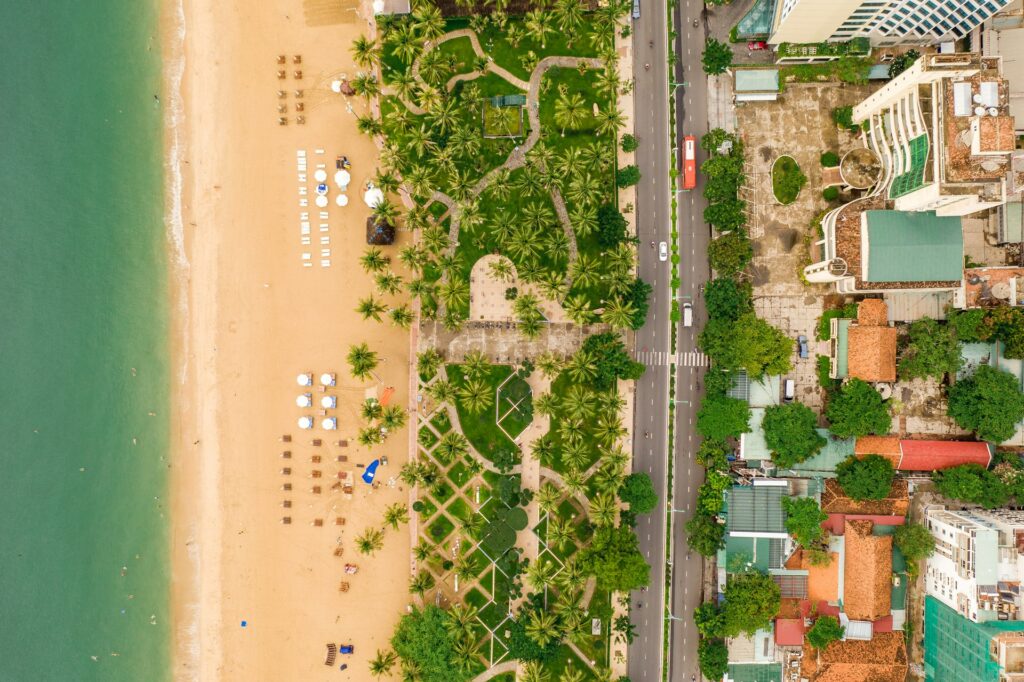
Nha Trang stands as Vietnam’s most famous beach destination and for excellent reasons. This coastal city in south-central Vietnam combines a magnificent crescent-shaped bay with a 6-kilometer golden-sand beach, modern resort infrastructure, and a lively atmosphere that attracts both international tourists and domestic Vietnamese seeking weekend escapes. The city’s beach culture rivals any major Southeast Asian coastal destination, making it one of the essential Vietnam destinations for beach lovers seeking both natural beauty and urban amenities.
Tran Phu Beach – The Urban Beach Experience
The main Nha Trang beach, officially called Tran Phu Beach, stretches along Tran Phu Boulevard in the city center, providing the rare combination of convenient location and genuine beauty. Unlike many urban beaches that sacrifice natural appeal for accessibility, Tran Phu delivers both—fine golden sand, gentle waves perfect for swimming, and a level seabed that allows you to wade far from shore safely. The beachfront promenade lined with coconut palms, luxury resorts, budget hotels, seafood restaurants, and cafes creates a vibrant scene throughout the day and evening.
Designated swimming areas roped off from boat traffic ensure safe swimming, while beach clubs like the famous Sailing Club and Louisiane Brewhouse provide loungers, cocktails, and party atmospheres for those seeking social beach experiences. Water sports enthusiasts find jet skiing, parasailing, and kite surfing readily available. For travelers prioritizing convenience among best beaches in Vietnam, few locations match Tran Phu’s combination of urban accessibility, natural beauty, and activity options. Early mornings before 8 AM offer the most peaceful beach time before crowds arrive, while late afternoons bring cooler temperatures perfect for beach walks and spectacular sunsets over the bay.
Island Beaches Near Nha Trang
Beyond the main city beach, Nha Trang Bay contains over 20 islands offering diverse beach experiences accessible by short boat rides. Hon Tam Island, located 7 kilometers southeast of the city, features Hon Tam Beach—recognized by international travel publications as one of the world’s most beautiful beaches with pristine white sand, emerald waters, and lush tropical vegetation. The 100-hectare island offers both secluded relaxation and resort amenities including water parks, spa facilities, and restaurants.
Doc Let Beach, located about 50 kilometers north of Nha Trang city, remains one of the region’s best-kept secrets. This semi-circular bay features shallow, calm waters perfect for families, coconut palm-fringed shores, and exceptional seafood restaurants serving fresh local catches. The beach’s relative remoteness compared to central Nha Trang means fewer crowds and more authentic Vietnamese coastal village atmosphere, making it ideal for travelers seeking peaceful Vietnam beaches away from resort developments.
When to Visit Nha Trang
The optimal period for visiting Nha Trang beaches runs from January through August when weather conditions are most favorable. Peak beach season occurs February through April with calm seas, minimal rainfall, and temperatures ranging 25-30°C (77-86°F). May through August brings hotter weather (up to 35°C/95°F) but remains suitable for beach activities. September through December brings the northeast monsoon with rough seas and frequent rainfall, making swimming potentially dangerous and beach time less enjoyable. For the best Vietnam vacation spots beach experience in Nha Trang, book accommodations well in advance for March-April peak season.
Phu Quoc: Vietnam’s Tropical Island Paradise
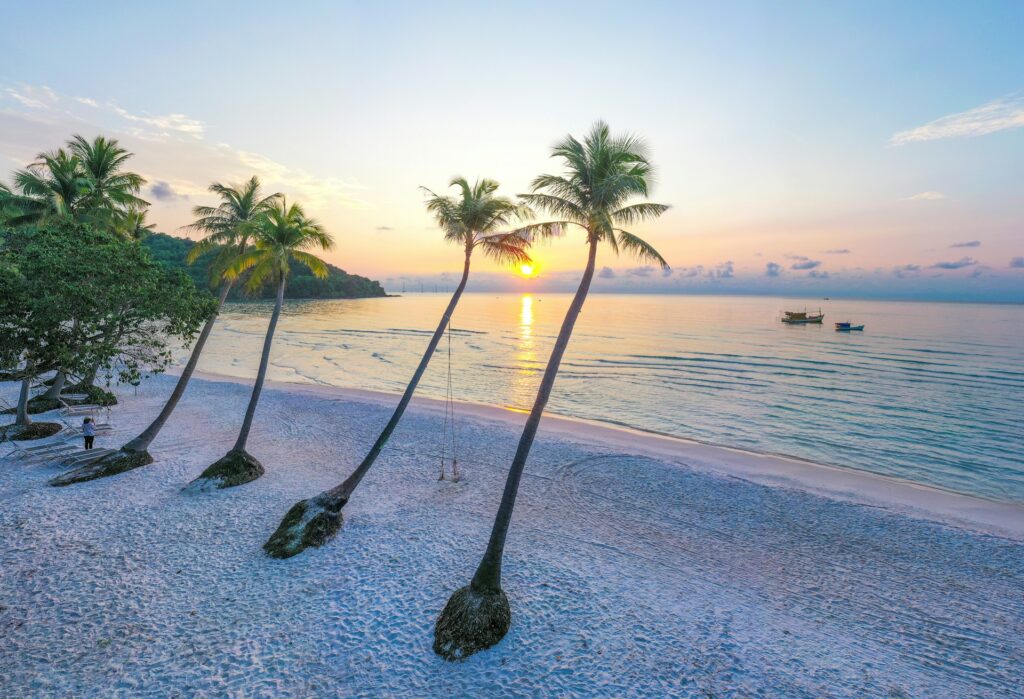
Phu Quoc, Vietnam’s largest island located in the Gulf of Thailand off the southern coast, has transformed from sleepy fishing island to premier tropical destination while remarkably maintaining much of its natural charm. Approximately 50 kilometers long, the island features pristine white-sand beaches, dense jungle covering the mountainous interior, fishing villages preserving traditional lifestyles, and rapidly developing resort infrastructure that now rivals Thailand’s islands. The combination of natural beauty and improving accessibility makes Phu Quoc one of the top best places to go in Vietnam for beach holidays.
Sao Beach – Postcard-Perfect Paradise
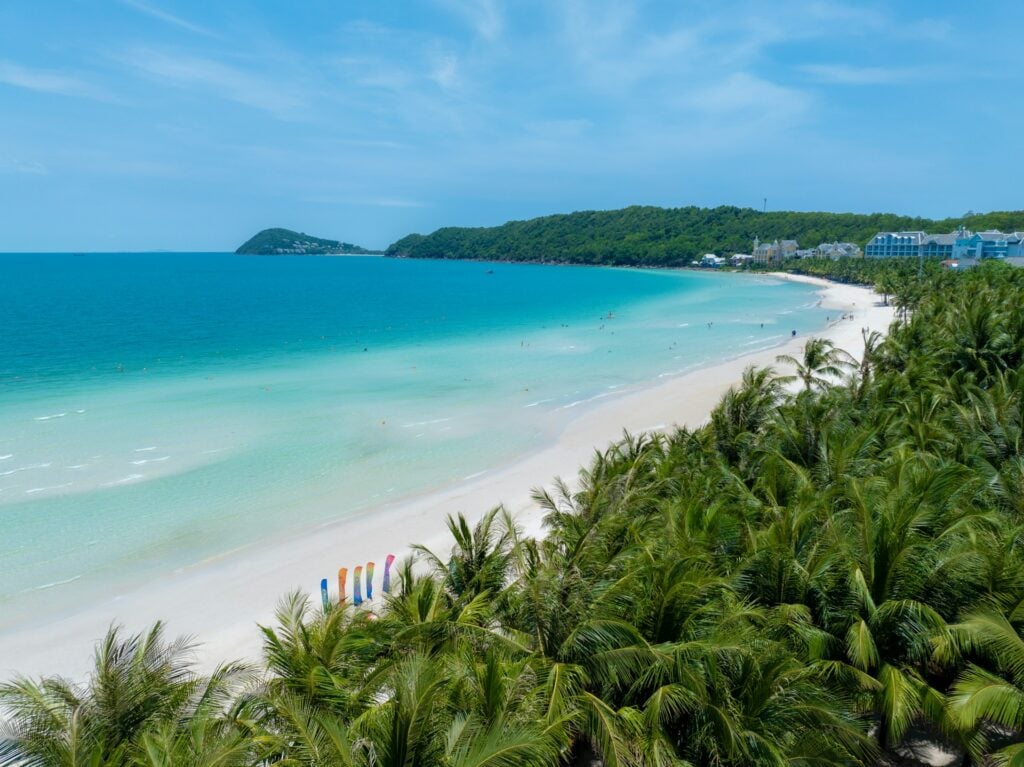
Sao Beach (Bai Sao), also called Star Beach or Starfish Beach, consistently ranks among the best beaches in Vietnam and for many travelers represents the country’s most beautiful stretch of sand. Located on the southeast coast about 25 kilometers from Duong Dong town, Sao Beach delivers the quintessential tropical paradise fantasy—powdery white sand composed of crushed coral and shells, bathtub-warm turquoise water so clear you can see the sandy bottom several meters deep, and coconut palm groves providing shade along the shore.
The beach extends for approximately 7 kilometers, though the most developed section spans about 1 kilometer with beach bars, seafood restaurants, and hammocks strung between palms. Despite increasing popularity, Sao Beach retains remarkable tranquility outside Vietnamese holiday periods. The shallow, calm water makes it exceptionally safe for families with children, while the coral reefs just offshore provide excellent snorkeling opportunities to observe colorful tropical fish and occasional starfish populations that inspired the beach’s alternative names. For travelers seeking the iconic Vietnam beaches postcard image—white sand, turquoise water, swaying palms—Sao Beach delivers exactly that fantasy.
Long Beach – Sunset Watching Paradise
Long Beach (Bai Truong) stretches along Phu Quoc’s western coast for approximately 20 kilometers, making it the island’s longest continuous beach. The southern section near Duong Dong town features the highest concentration of resorts, restaurants, and beach bars, while the northern sections become progressively quieter and less developed. What distinguishes Long Beach among Vietnam beaches is its west-facing orientation, creating spectacular sunset viewing opportunities as the sun sinks directly into the Gulf of Thailand, painting the sky in shades of orange, pink, and purple.
The beach’s extensive length means you can always find quieter sections even during peak season by walking north beyond the main resort area. The sand quality varies—softer and whiter in some sections, slightly coarser and yellower in others—but overall remains pleasant for walking and lounging. Long Beach has become the island’s social hub with numerous beach bars hosting sunset parties, seafood barbecues, and cocktail service directly on the sand. For travelers seeking vibrant beach atmosphere among Vietnam vacation spots, Long Beach’s southern section delivers that energy, while those preferring tranquility can find it by venturing northward.
Other Notable Phu Quoc Beaches
Beyond the two most famous beaches, Phu Quoc offers numerous lesser-known coastal treasures worth exploring. Ong Lang Beach on the northwest coast attracts travelers seeking bohemian atmospheres with small boutique resorts, beachfront bungalows, and a more relaxed, yoga-retreat vibe compared to Long Beach’s party scene. Ganh Dau Beach at the island’s northern tip remains relatively undeveloped, offering pristine conditions and views across to Cambodia just 15 kilometers away. Vung Bau Beach on the northeast coast provides calm waters protected from southwest monsoons, making it swimmable during seasons when western beaches face rough conditions.
Visiting Phu Quoc
Phu Quoc is accessible via direct flights from Ho Chi Minh City (1 hour), Hanoi (2.5 hours), and increasingly from international cities including Bangkok, Singapore, and Seoul. The dry season from November through March provides optimal beach conditions with minimal rainfall and calm seas, while April-May becomes extremely hot. The rainy season (June-October) brings frequent afternoon showers and occasional rough seas, though mornings often remain sunny and the island is less crowded with significantly lower accommodation prices. Renting a motorbike remains the most convenient way to explore the island’s diverse beaches independently, though taxis and ride-hailing apps operate widely.
Hoi An Beaches: Cultural Heritage Meets Coastal Beauty
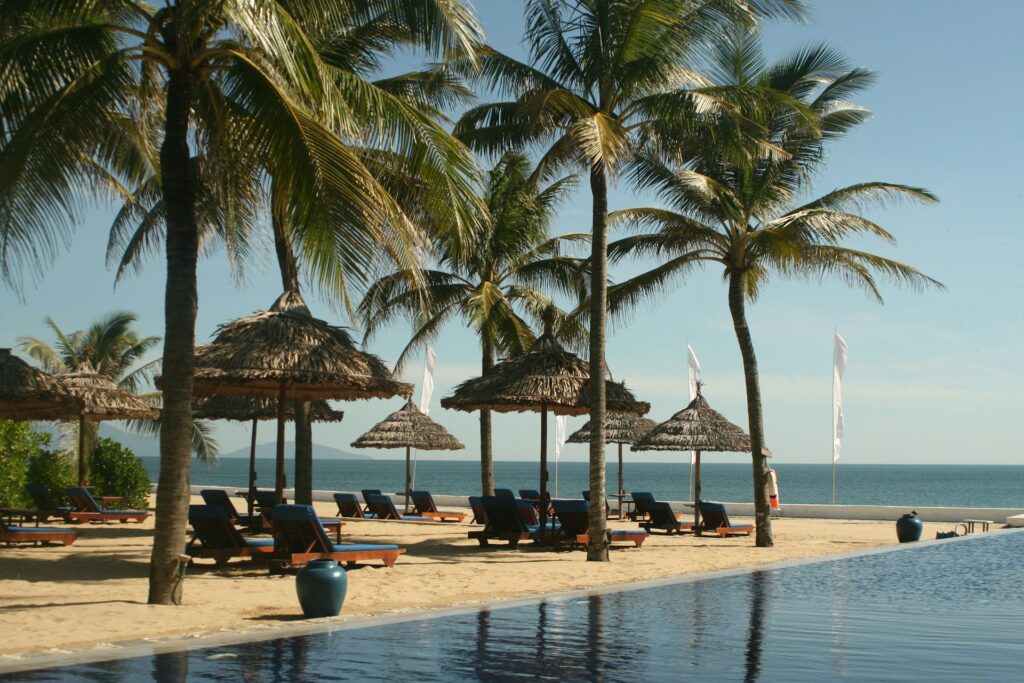
While Hoi An earns UNESCO World Heritage status for its remarkably preserved Ancient Town with colorful lanterns, centuries-old architecture, and rich trading history, the coastline stretching east of the town provides an equally compelling reason to visit. The beaches near Hoi An offer the perfect complement to cultural exploration, allowing travelers to balance mornings wandering atmospheric lanes and afternoons lounging on white sand. This combination of cultural depth and beach access makes Hoi An uniquely satisfying among Vietnam destinations—a destination where you can admire 400-year-old merchant houses in the morning and swim in the South China Sea by afternoon.
An Bang Beach – Hoi An’s Most Popular Shore
An Bang Beach, located just 5 kilometers from Hoi An Ancient Town, has earned recognition as one of the world’s top beaches—CNN ranked it among the globe’s 100 best beaches in 2016. This accolade brought increased attention, yet An Bang remarkably retains its laid-back charm despite growing popularity. The beach stretches for several kilometers featuring soft golden sand, gentle turquoise waves perfect for swimming, and a friendly, social atmosphere created by numerous beachfront restaurants, bars, and seafood shacks serving fresh catches.
What distinguishes An Bang among best beaches in Vietnam is its vibrant yet relaxed beach culture. Colorful beach loungers, thatched umbrellas, and playful signage create an Instagram-worthy aesthetic, while the welcoming atmosphere attracts diverse crowds from backpackers to luxury travelers. Beach bars and restaurants compete to offer the best seafood, cocktails, and service, resulting in excellent value and quality. The bicycle ride from Ancient Town to An Bang through rice paddies and villages provides scenic introduction to rural Vietnamese life, making the journey part of the experience. An Bang successfully balances accessibility, beauty, and atmosphere, explaining why many travelers consider it the best beach in Hoi An.
Cua Dai Beach – Wide Open Spaces
Cua Dai Beach, located about 4 kilometers from Hoi An Ancient Town, offers a different atmosphere from An Bang’s social energy. This wide, expansive beach once ranked among Asia’s top 25 beaches on TripAdvisor and attracted development of several upscale beach resorts. While coastal erosion has affected some sections in recent years, Cua Dai remains beautiful with its soft sand, calm waters, and more resort-oriented atmosphere compared to An Bang’s bohemian beach bars.
Cua Dai suits travelers seeking quieter beach experiences with space to spread out. The beach remains less crowded than An Bang, providing peaceful environments ideal for reading, meditation, or simply enjoying ocean sounds without party music. Several luxury resorts line the beach, offering direct beach access, infinity pools, and spa facilities for guests seeking pampered Vietnam vacation spots experiences. The nearby Thu Bon River estuary creates interesting tidal dynamics and opportunities to observe traditional fishing boat activities, adding cultural context to beach time.
Hidden Beach and Other Hoi An Coastal Spots
For travelers seeking the most secluded Hoi An beach experiences, Hidden Beach lives up to its name. Located between An Bang and Cua Dai beaches, this smaller stretch remains relatively undeveloped with fewer facilities but correspondingly fewer crowds. The peaceful atmosphere and natural setting appeal to travelers willing to sacrifice convenience for tranquility. Tan Thanh Beach (sometimes called An Bang South) provides an artsy, creative atmosphere with colorful murals transforming the adjacent fishing village into an open-air gallery, making it popular with photographers and Instagram enthusiasts.
Cham Islands – Day Trip Paradise
The Cham Islands (Cu Lao Cham), a UNESCO Biosphere Reserve located 15 kilometers offshore from Hoi An, offer exceptional day-trip opportunities for travelers seeking pristine Vietnam beaches combined with snorkeling and diving. The island group features powdery white-sand beaches including Bai Chong and Bai Xep with crystal-clear waters revealing vibrant coral reefs teeming with tropical fish. Speedboat tours (30 minutes) or traditional boats (1-2 hours) from Cua Dai Beach provide access to this marine paradise, with day trips typically including snorkeling or diving, beach time, seafood lunch, and village visits. The Cham Islands represent one of central Vietnam’s premier underwater destinations for those seeking best places to go in Vietnam for marine life encounters.
Hidden Coastal Gems: Off-the-Beaten-Path Vietnam Beaches
Beyond the well-established destinations of Nha Trang, Phu Quoc, and Hoi An, Vietnam’s extensive coastline conceals numerous hidden beaches that offer authentic, uncrowded experiences for adventurous travelers. These lesser-known Vietnam beaches require more effort to reach but reward with pristine conditions, stunning natural settings, and genuine interactions with local fishing communities largely untouched by mass tourism.
Bai Xep Beach – Phu Yen’s Hidden Paradise
Bai Xep Beach in Phu Yen Province represents one of central Vietnam’s most stunning hidden beaches. This golden-sand stretch bordered by rugged cliffs and lush green hills featured prominently in the Vietnamese film “Yellow Flowers on the Green Grass,” bringing it modest recognition domestically while remaining largely unknown internationally. The beach’s dramatic setting with towering rock formations, hidden waterfalls nearby, and traditional fishing village atmosphere creates a sense of discovery missing from developed beach resorts. Basic homestays and small guesthouses provide accommodation, ensuring the area maintains authentic character. For travelers seeking genuinely secluded Vietnam beaches with spectacular natural beauty, Bai Xep delivers exactly that combination.
Ninh Chu Beach – Peaceful Ninh Thuan Coast
Ninh Chu Beach in Ninh Thuan Province offers a tranquil alternative to crowded Nha Trang despite being only 100 kilometers north. This long, relatively undeveloped beach features golden sand, calm turquoise water, and a peaceful atmosphere that attracts domestic Vietnamese families but few international tourists. The surrounding area’s golden sand dunes create unique desert-meets-ocean landscapes, while nearby vineyards produce surprisingly good Vietnamese wine. Ninh Chu particularly appeals to kite surfers and windsurfers thanks to consistent winds, making it one of Vietnam’s premier locations for these sports. The combination of peaceful beaches, water sports opportunities, and cultural attractions including ancient Cham towers makes Ninh Chu an underrated addition to Vietnam destinations for travelers willing to venture beyond famous spots.
Quy Nhon Beaches – Central Vietnam’s Rising Star
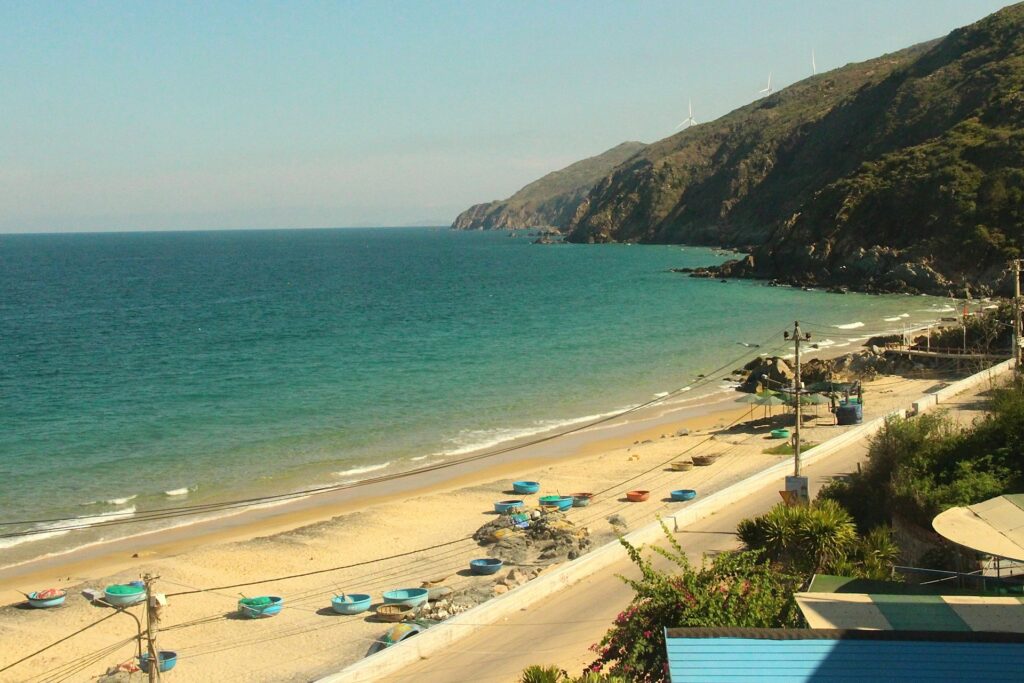
Quy Nhon, a coastal city in Binh Dinh Province, has begun attracting attention as the next major Vietnam beaches destination while still maintaining relatively low tourist numbers. The city and surrounding area feature numerous spectacular beaches including Ky Co Beach—often called the “Maldives of Vietnam” for its stunning turquoise water, white sand, and dramatic rocky outcrops. Queen Beach (Hoang Hau Beach), known for its unique smooth, round stones resembling giant eggs, provides completely different coastal scenery from typical sandy beaches. The area’s combination of beautiful, relatively uncrowded beaches, affordable accommodation, excellent seafood, and authentic Vietnamese atmosphere positions Quy Nhon as one of the best Vietnam vacation spots for travelers seeking beach beauty without mass tourism.
Con Dao Islands – Remote Archipelago Paradise
The Con Dao Islands, an archipelago of 16 islands located 180 kilometers off the southern coast in the South China Sea, represent Vietnam’s most remote and pristine beach destination. Con Dao’s isolation (accessible only by flight from Ho Chi Minh City or Vung Tau, or by overnight ferry) has preserved extraordinary natural beauty including some of the country’s finest beaches. Dam Trau Beach, also called Airport Beach, frequently tops lists of the best beaches in Vietnam with its fine golden sand, bathwater-warm turquoise water, and jungle-surrounded setting. The islands’ status as Con Dao National Park protects both terrestrial and marine ecosystems, creating exceptional snorkeling and diving with healthy coral reefs, sea turtles, and diverse marine life. For travelers seeking the most pristine, least crowded Vietnam beaches and willing to make the journey, Con Dao delivers paradise conditions with authenticity impossible to find at more accessible destinations.
Best Times to Visit Vietnam Beaches
Vietnam’s extensive north-south coastline spanning 3,260 kilometers experiences diverse weather patterns, making optimal beach visiting times vary significantly by region. Understanding these regional differences ensures you plan Vietnam vacation spots beach trips during periods offering the best weather conditions.
Southern Vietnam (Phu Quoc, Con Dao, Vung Tau): November through March represents the dry season with minimal rainfall, calm seas, and comfortable temperatures (25-30°C/77-86°F). April-May becomes extremely hot (up to 38°C/100°F) but remains suitable for beach activities if you can handle heat. The rainy season (June-October) brings frequent afternoon thunderstorms and occasionally rough seas, though mornings often remain sunny. Phu Quoc particularly benefits from its Gulf of Thailand location, providing some protection from the worst monsoon conditions affecting eastern coasts.
Central Vietnam (Nha Trang, Hoi An, Quy Nhon): February through August offers the best beach weather for central coast destinations. Nha Trang particularly shines January through August with calm seas and sunny skies. Hoi An beaches are optimal March through August, though the Ancient Town remains worth visiting year-round. September through December brings the northeast monsoon with heavy rainfall, rough seas, and occasional typhoons making beach activities difficult and potentially dangerous. Plan central Vietnam beach trips for the first half of the year for optimal conditions.
Northern Vietnam (Halong Bay, Cat Ba Island): April through October provides the best weather for northern beaches, with peak season May-September. Winter months (November-March) bring cooler temperatures (15-20°C/59-68°F), occasional drizzle, and reduced visibility that can affect the spectacular scenery Halong Bay offers. Summer months can be hot and humid but provide calm seas perfect for swimming and water activities.
Practical Information for Vietnam Beach Holidays
Getting to Vietnam Beach Destinations
Vietnam’s major beach destinations offer good accessibility via domestic flights, buses, and trains. Nha Trang has an international airport (Cam Ranh) with domestic connections to Hanoi, Ho Chi Minh City, and Da Nang, plus some international flights from China, South Korea, and Russia. Phu Quoc International Airport serves domestic routes from major Vietnamese cities and increasing international connections. Hoi An is most easily accessed via Da Nang International Airport (30 kilometers away) which has excellent domestic and international connections; from Da Nang, taxis, private transfers, or buses reach Hoi An in 45 minutes.
For budget travelers, Vietnam’s extensive bus network connects all major beach destinations affordably, though journey times can be long. Sleeper buses operate overnight routes between cities, allowing you to save accommodation costs while traveling. The reunification railway running the length of Vietnam’s coast provides scenic alternatives to buses, with particularly beautiful coastal sections between Da Nang and Nha Trang.
Accommodation Options
Vietnam beaches offer accommodation across all budget levels. Budget travelers find excellent hostels and guesthouses near beaches for $10-25/night, often including breakfast and bicycles. Mid-range hotels and boutique properties ($30-80/night) provide comfort, pools, and convenient beach access. Luxury beach resorts, particularly on Phu Quoc, Nha Trang, and near Hoi An, offer world-class facilities ($150-500+/night) with private beach sections, multiple pools, spas, and fine dining. Book accommodations well in advance for peak season (December-April for southern beaches, March-July for central beaches) to secure best rates and availability at popular Vietnam vacation spots.
Beach Safety
Most popular Vietnam beaches are safe for swimming, though always observe warning flags and local advice, particularly during monsoon seasons when currents and waves intensify. Jellyfish occasionally appear, especially after storms—ask locals about recent sightings. Unlike some Southeast Asian destinations, Vietnam’s beaches generally lack dangerous marine life like sharks or saltwater crocodiles. Protect valuables while swimming as petty theft can occur at busier beaches; use hotel safes for passports and excess cash. Apply strong sunscreen frequently—tropical sun intensity near the equator causes burns quickly even on cloudy days.
Conclusion: Finding Your Perfect Vietnam Beach
The best beaches in Vietnam offer extraordinary diversity that ensures every traveler finds their ideal coastal experience. Whether you seek the vibrant party atmosphere of Nha Trang, the tropical island paradise of Phu Quoc, the cultural-beach balance near Hoi An, or the authentic seclusion of hidden gems like Bai Xep or Con Dao, Vietnam’s 3,260-kilometer coastline delivers options rivaling any beach destination globally.
What distinguishes Vietnam beaches from more famous Southeast Asian competitors is the combination of natural beauty, affordability, authentic cultural experiences, and remarkably low crowds at all but the most famous locations. While Thailand’s islands and the Philippines’ beaches certainly deserve their reputations, Vietnam’s coastal treasures offer similar beauty with less development, lower costs, and fewer tourists—advantages that make Vietnam increasingly attractive among discerning travelers seeking the best places to go in Vietnam for beach holidays.
The country’s improving infrastructure, expanding flight connections, and growing hospitality sector make visiting Vietnam destinations easier each year while prices remain significantly lower than other Southeast Asian beach hotspots. Whether you’re planning a dedicated beach vacation or incorporating coastal time into broader Vietnam exploration, the country’s spectacular beaches provide perfect settings for relaxation, water sports, seafood feasting, and sunset watching that will create lasting memories of Vietnamese hospitality and natural beauty.
Related Posts