
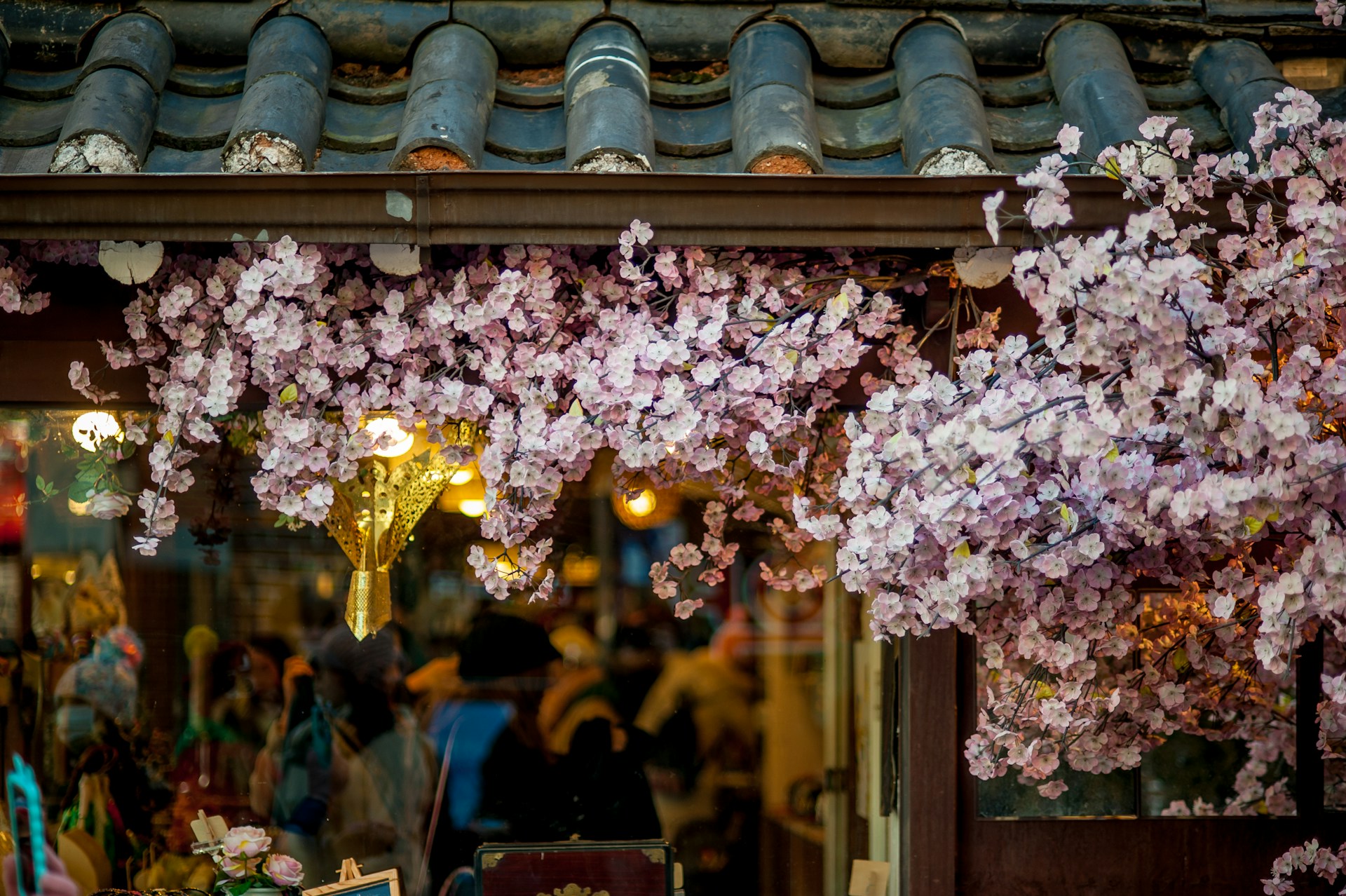
South Korea Travel Guide for First‑Time Visitors: Where to Go, Costs, and Essential Tips
South Korea has evolved from a niche destination into one of Asia’s hottest travel spots, thanks to K‑pop, K‑dramas and a cuisine that has captured global attention. This comprehensive South Korea travel guide is designed specifically for first‑time visitors who want to balance iconic experiences with practical planning.
From Seoul’s futuristic skyline and historic palaces to Busan’s beaches and Jeju Island’s volcanic landscapes, this South Korea travel guide covers the essential destinations, realistic budget breakdowns and the cultural tips that will help you navigate the country with confidence.
Whether you have one week or two, use this South Korea travel guide as your starting point for a trip that mixes tradition, technology, food and natural beauty in equal measure.
How Long Should You Spend in South Korea?
One of the first questions in any South Korea travel guide is: how much time do I need? For first‑time visitors, the sweet spot is between 7 and 14 days.
- 7–10 days: Covers Seoul (3–4 days), Busan (2–3 days) and potentially a day trip to the DMZ or a quick visit to Jeju Island.
- 10–14 days: Adds Jeju Island (2–3 days), Gyeongju for history and temples, or smaller cities like Jeonju for traditional hanok villages and food.
- 14+ days: Allows for national parks like Seoraksan, the east coast, lesser‑known islands and a more relaxed pace.
This South Korea travel guide focuses on the core route most first‑timers follow: Seoul, Busan and Jeju, with optional add‑ons depending on your interests and time.
Top Destinations for First‑Time Visitors
Seoul: Modern Meets Traditional
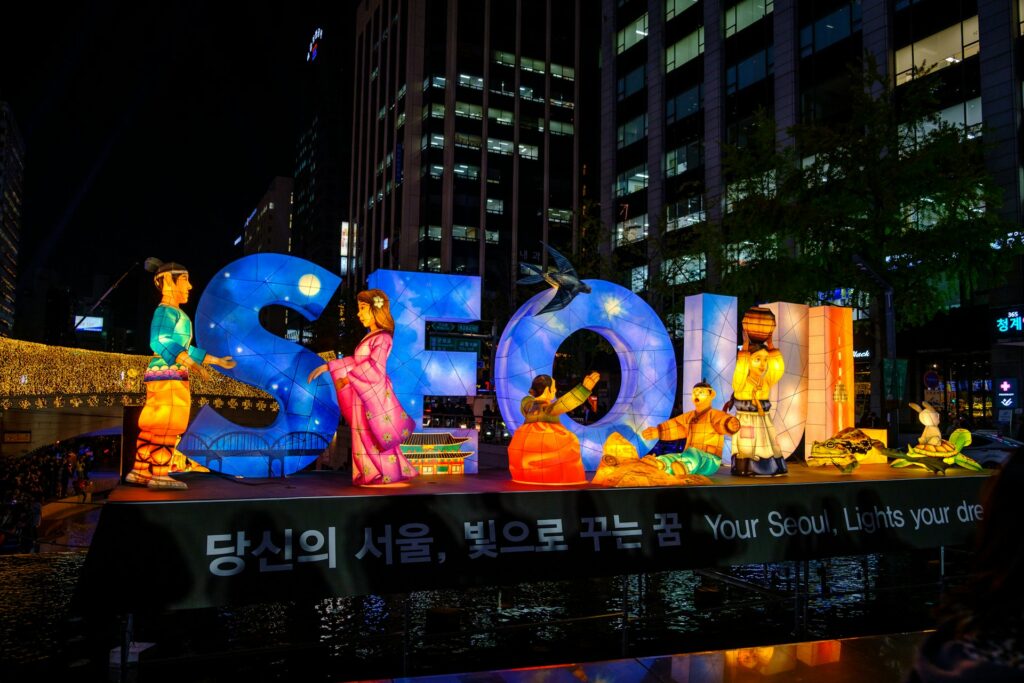
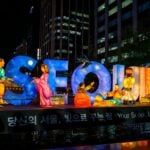
No South Korea travel guide is complete without Seoul, the capital that seamlessly blends centuries‑old palaces with cutting‑edge technology and a food scene that ranges from street stalls to Michelin stars.
- Must‑see sights: Gyeongbokgung Palace, Bukchon Hanok Village, N Seoul Tower, Changdeokgung Palace and the Secret Garden.
- Neighborhoods: Myeongdong for shopping and street food, Hongdae for nightlife and indie culture, Gangnam for modern Seoul, Insadong for traditional crafts and tea houses.
- Markets: Gwangjang Market for Korean street food, Namdaemun for souvenirs, Dongdaemun for late‑night shopping.
- Day trips: DMZ tours to the North Korean border, Nami Island for tree‑lined paths and K‑drama filming locations, Suwon for Hwaseong Fortress.
Plan to spend at least 3–4 days in Seoul on your first trip, as recommended by most versions of this South Korea travel guide.
Busan: Beaches, Temples and Seafood
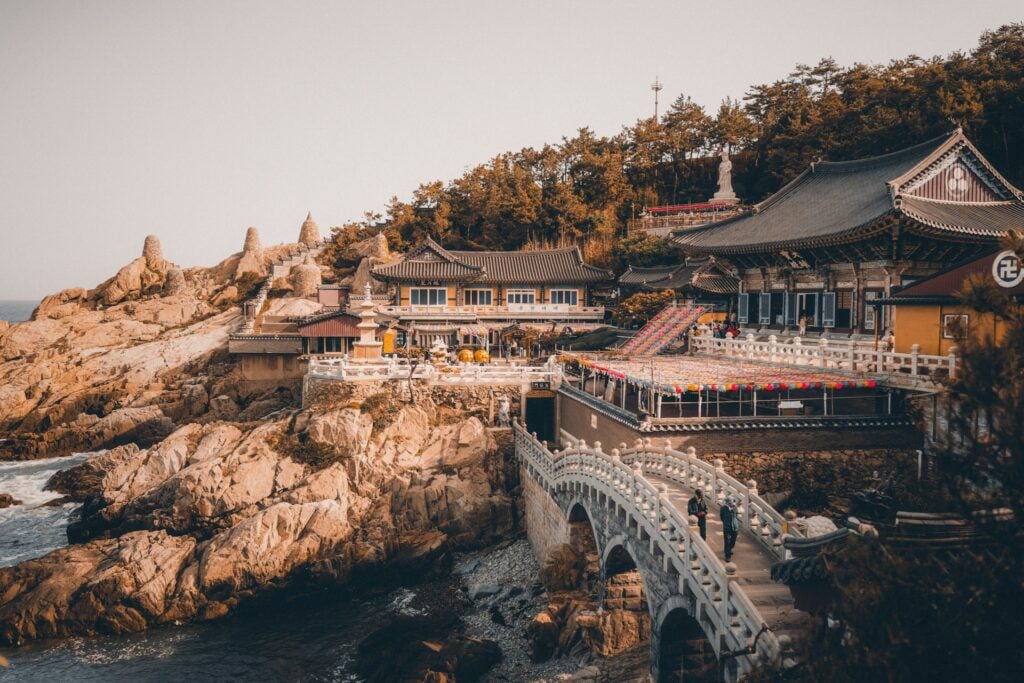
South Korea’s second city offers a coastal contrast to Seoul’s inland energy. Any thorough South Korea travel guide will tell you Busan is essential for beach lovers, temple seekers and seafood fans.
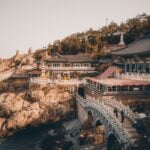
- Must‑see sights: Haeundae Beach, Haedong Yonggungsa Temple (built on ocean cliffs), Gamcheon Culture Village (rainbow hillside houses), Jagalchi Fish Market.
- Unique experiences: Ride the Haeundae Blueline Park sky capsule and beach train for coastal views, visit a traditional Korean spa (jjimjilbang) like Spa Land, walk Taejongdae Park’s cliff trails.
- Getting there: KTX high‑speed train from Seoul takes about 2.5 hours.
Allocate 2–3 days in Busan according to this South Korea travel guide, with one day for beaches and temples, one for markets and neighborhoods, and an optional third for a side trip to nearby Gyeongju.
Jeju Island: Volcanic Landscapes and Natural Beauty
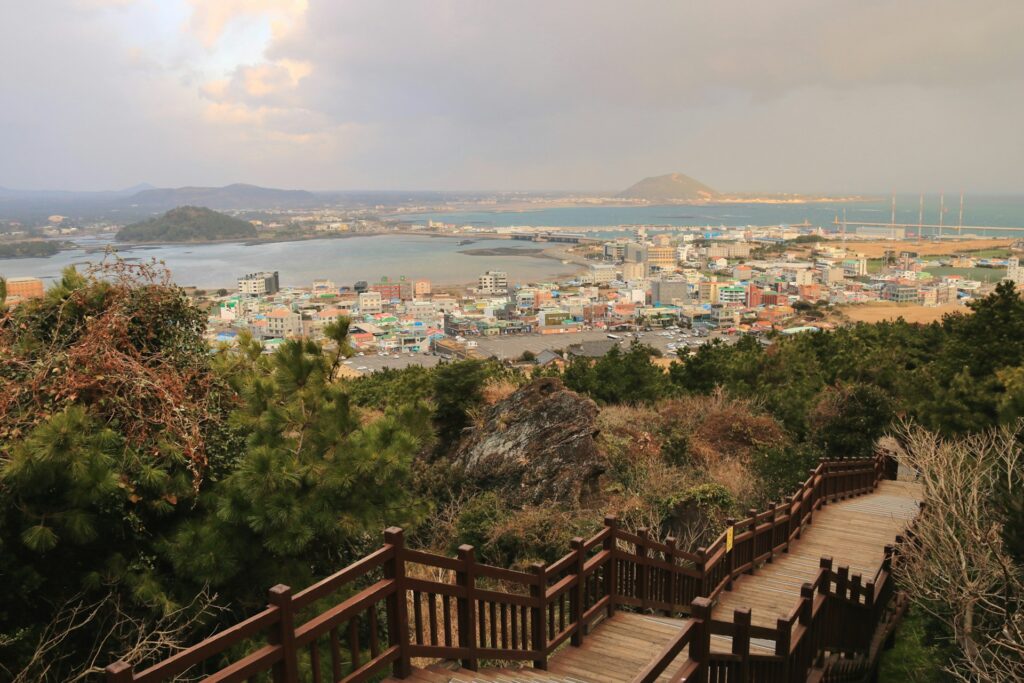
Jeju Island sits off the southern coast and offers a completely different side of South Korea. This part of our South Korea travel guide covers the island’s volcanic craters, waterfalls, beaches and unique culture.
- Must‑see sights: Seongsan Ilchulbong (Sunrise Peak), Hallasan National Park, Manjanggul Lava Tube, Cheonjiyeon Waterfall, green tea fields.
- Beaches: Hyeopjae Beach for clear water and sand, Jungmun Beach for surfing, Hamdeok Beach for family‑friendly swimming.
- Getting there: One‑hour flights from Seoul or Busan, or ferries from the mainland (longer but scenic).
- Getting around: Rent a car or book day tours, as public transport is limited outside Jeju City.
This South Korea travel guide recommends 2–3 days on Jeju to see both the east and west circuits without feeling rushed.
Gyeongju: Korea’s Museum Without Walls
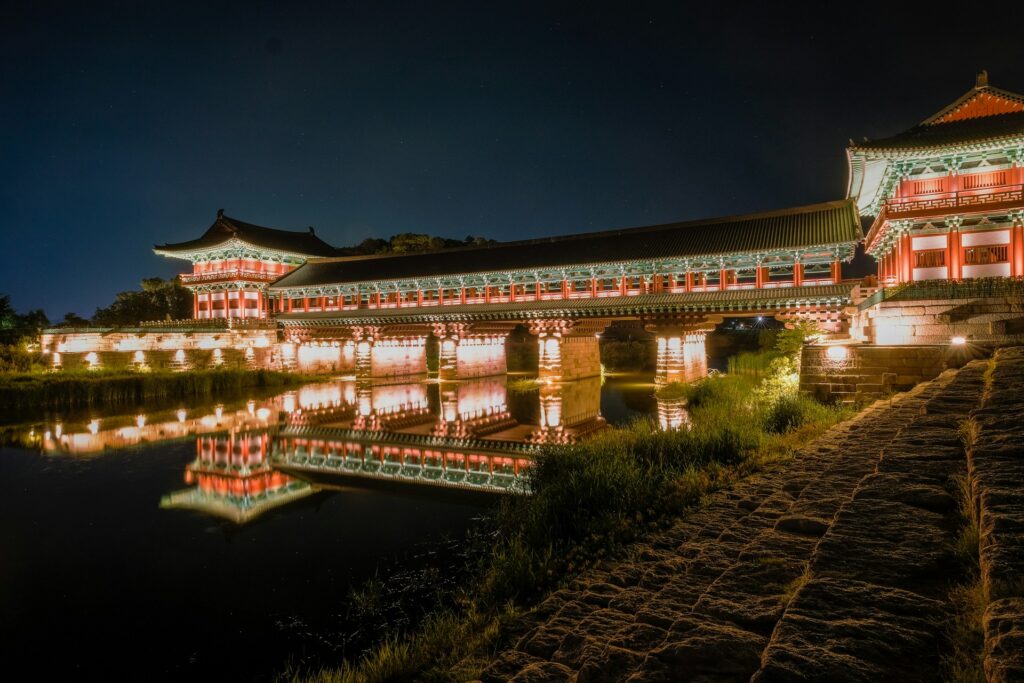
For history enthusiasts, Gyeongju deserves a place in your South Korea travel guide. Once the capital of the ancient Silla Kingdom, the city is packed with UNESCO sites, royal tombs and Buddhist temples.
- Must‑see sights: Bulguksa Temple, Seokguram Grotto, Daereungwon Tomb Complex (royal burial mounds), Cheomseongdae Observatory, Anapji Pond.
- Getting there: Stop between Busan and Seoul, or take a day trip from Busan (about 1 hour by bus or train).
Most travellers spend 1–2 days here as part of a larger itinerary outlined in a detailed South Korea travel guide.
Budget Breakdown: How Much Does South Korea Cost?
Understanding costs is a critical part of any South Korea travel guide. Here is a realistic breakdown based on different travel styles.
Accommodation Costs
- Budget (hostels and guesthouses): $18–30 per night for a dorm bed; $30–50 per night for a private room in a hostel or basic guesthouse.
- Mid‑range: $60–120 per night for 3‑star hotels or well‑reviewed guesthouses in central locations.
- Luxury: $150–350+ per night for 4‑ and 5‑star hotels with modern amenities and prime locations.
Food Costs
- Street food and casual meals: $3–8 per meal at markets, food stalls and small restaurants.
- Mid‑range restaurants: $10–20 per person for Korean BBQ, bibimbap, jjigae (stew) and other sit‑down meals.
- Fine dining: $50–150+ per person for high‑end Korean cuisine or Michelin‑starred restaurants.
Transportation Costs
- Subway and buses: $1–2 per ride; buy a T‑money card for seamless access across cities.
- KTX trains: $40–60 for Seoul to Busan; $20–40 for shorter intercity routes.
- Domestic flights: $50–100 for Seoul to Jeju or Busan to Jeju.
- Taxis and rideshares: Affordable within cities; expect $5–15 for typical trips.
Activities and Entrance Fees
- Palaces and museums: $3–5 per site; many palaces are free if you wear a hanbok (traditional dress).
- Day tours: $30–80 for DMZ tours, Nami Island trips or Jeju day tours.
- Experiences: $10–30 for hanbok rental, Korean spa entry, cooking classes.
Daily Budget Summary
- Budget traveller: $50–70 per day (hostels, street food, public transport, free/cheap activities).
- Mid‑range traveller: $100–150 per day (private rooms, sit‑down meals, KTX trains, paid tours).
- Luxury traveller: $250+ per day (hotels, fine dining, private tours, taxis).
These figures give you a realistic starting point when planning with this South Korea travel guide.
Essential Tips for First‑Time Visitors
1. Learn Basic Korean Phrases
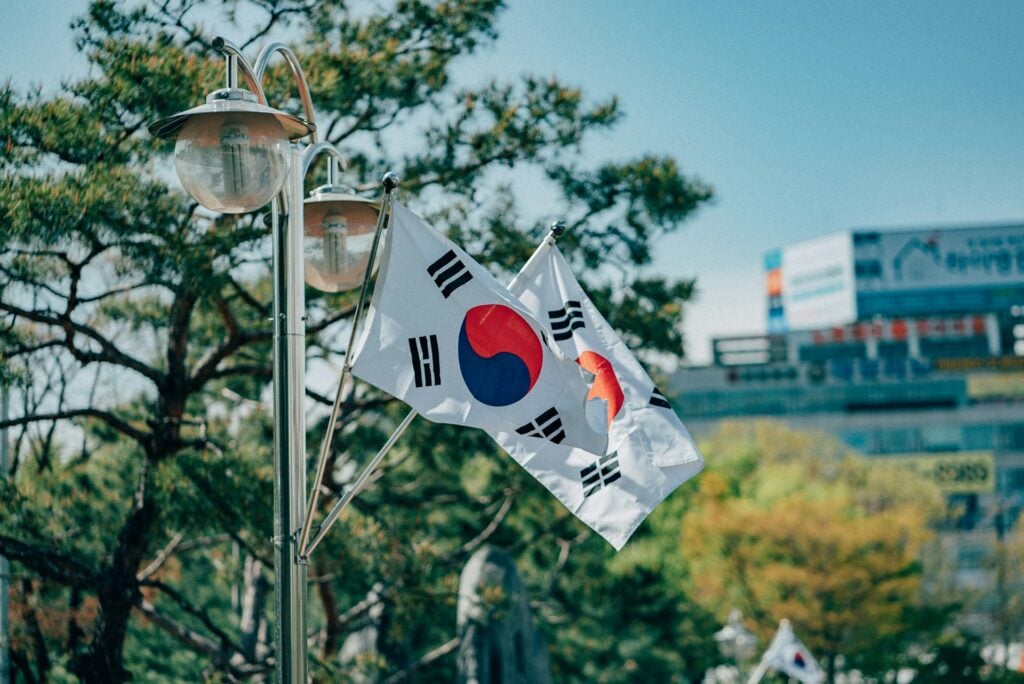
While younger Koreans and staff in tourist areas often speak some English, a few Korean phrases go a long way. Download Papago or Google Translate, and learn “hello” (annyeonghaseyo), “thank you” (gamsahamnida) and “excuse me” (joesonghamnida).
2. Use Naver Map or Kakao Map
Google Maps works in South Korea but is less accurate for walking directions and public transport. Naver Map and Kakao Map are the local standards and essential tools in any South Korea travel guide.
3. Get a T‑money Card
This rechargeable transport card works on subways, buses and even some taxis across the country. Buy one at any convenience store and top it up as needed.
4. Carry Cash
Cards are widely accepted, but small markets, street vendors and rural areas may prefer cash. ATMs are common in convenience stores (7‑Eleven, CU, GS25).
5. Respect Local Etiquette
- Remove shoes when entering homes, temples and some traditional restaurants.
- Bow slightly when greeting or thanking someone.
- Use two hands when giving or receiving items, especially from elders.
- Avoid loud conversations on public transport.
6. Try a Jjimjilbang (Korean Spa)
No South Korea travel guide is complete without mentioning jjimjilbangs, communal bathhouses with hot tubs, saunas, sleeping areas and snack bars. They are affordable ($10–20), open 24/7 and a quintessential Korean experience.
7. Book KTX Trains in Advance
High‑speed trains between major cities are popular and can sell out on weekends and holidays. Book through Korail’s official website or app at least a few days ahead.
8. Embrace the Food Culture
Korean meals come with banchan (free side dishes), and it is polite to try them. Do not be shy about slurping noodles or eating with chopsticks and a spoon. Street food is safe, delicious and cheap – try tteokbokki, hotteok, kimbap and mandu.
Sample 10‑Day South Korea Itinerary
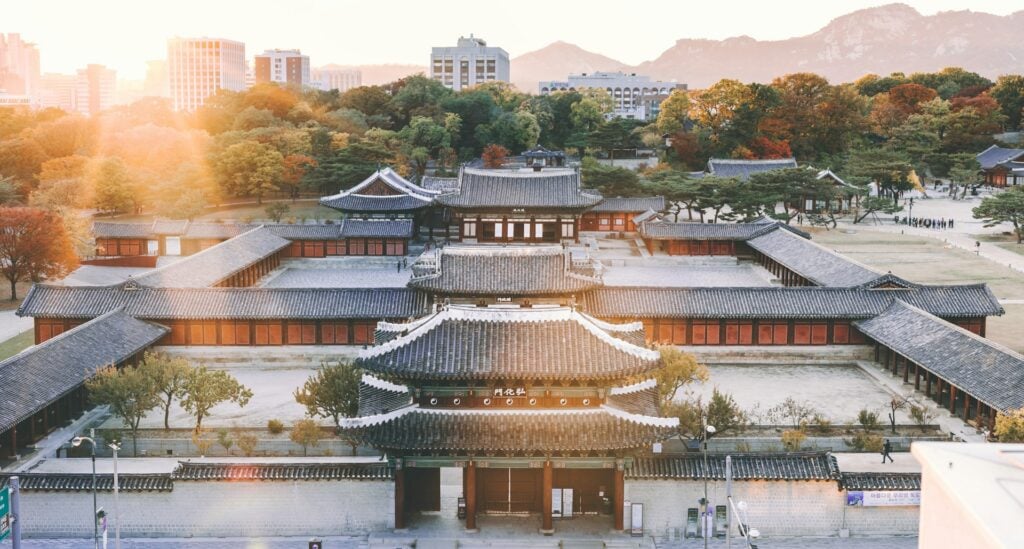
Here is a practical route based on this South Korea travel guide for first‑timers with 10 days:
- Days 1–4: Seoul – Palaces, markets, neighborhoods, DMZ or Nami Island day trip.
- Day 5: Travel to Busan – Morning KTX train, afternoon exploring Haeundae and the beach.
- Days 6–7: Busan – Temples, Gamcheon Village, markets, spa experience; optional day trip to Gyeongju.
- Day 8: Fly to Jeju Island – Arrive, pick up rental car or join a tour, explore Jeju City.
- Days 9–10: Jeju Island – Sunrise Peak, lava tubes, beaches, waterfalls; fly back to Seoul for departure.
Final Thoughts: Make the Most of Your South Korea Adventure
South Korea rewards curious, flexible travellers who are willing to step beyond the Instagram spots and dig into local neighborhoods, markets and traditions. With this South Korea travel guide as your foundation, you will have the practical knowledge to navigate transport, manage your budget and experience the country’s best sights without feeling overwhelmed.
From Seoul’s neon‑lit streets and Busan’s seaside temples to Jeju’s volcanic craters and Gyeongju’s ancient tombs, your first trip will only scratch the surface of what this dynamic country offers – and leave you planning your return before the plane takes off.
Related Posts