
Vietnam Tour Guide: How to Plan the Perfect Trip
Vietnam is one of Southeast Asia’s most rewarding destinations because it offers an extraordinary variety of experiences within a single journey. In just a couple of weeks, you can wander through centuries-old temples, cruise among limestone islands, relax on tropical beaches, sample some of the world’s best street food, and explore vibrant cities where French colonial architecture stands beside modern skyscrapers.
Stretching more than 1,600 kilometres from north to south, Vietnam’s changing landscapes mean every region feels like a different country. The north is known for its misty mountains, emerald rice terraces, and the spectacular limestone formations of Halong Bay. Central Vietnam is rich in imperial history, lantern-lit towns, and golden beaches, while the south offers the energy of Ho Chi Minh City and the peaceful waterways of the Mekong Delta. If you’re just beginning your research, our Vietnam travel guide for first-time visitors provides an excellent overview before you dive into planning your itinerary.
Beyond the scenery, Vietnam is famous for its warm hospitality and incredible value. Whether you’re dining at a local street stall, browsing colourful markets, or staying in boutique hotels, travellers often find they can enjoy premium experiences at a fraction of the cost of many other destinations in Asia.
Perhaps what makes Vietnam truly unforgettable is the balance it strikes between culture, nature, history, and adventure. One day you could be sailing through UNESCO-listed landscapes, and the next learning to cook authentic Vietnamese cuisine or cycling through quiet countryside villages.
If you’re planning your first visit, this guide will walk you through everything you need to know—from choosing the best itinerary and understanding travel costs to deciding when to visit and how to book the right tour for your travel style.
How Long Do You Need in Vietnam?
The ideal length of your Vietnam trip depends on how much of the country you want to experience. While Vietnam is relatively narrow, it stretches over 1,600 kilometres from north to south, meaning travel times between regions can be significant. Planning enough time allows you to experience the country’s incredible diversity without constantly rushing from one destination to the next.
If you have 10 days, focus on Vietnam’s highlights. A popular route combines Hanoi, Halong Bay, Hoi An, and Ho Chi Minh City, giving you a taste of the country’s history, culture, cuisine, and natural beauty. It’s perfect for first-time visitors with limited vacation time, though you’ll need to keep a fairly fast pace.
A 14-day itinerary is often considered the sweet spot. Two weeks allows you to comfortably explore northern, central, and southern Vietnam while spending enough time in each destination to appreciate its unique character. You’ll have opportunities for overnight cruises, cultural experiences, and leisurely sightseeing instead of simply checking landmarks off a list.
If you have three weeks or more, Vietnam truly begins to reveal itself. You can venture beyond the major cities to destinations like Sapa, Ha Giang, Phong Nha-Ke Bang National Park, or enjoy additional beach time on Phu Quoc or Con Dao. The slower pace also creates more opportunities to connect with local communities and experience Vietnam beyond the typical tourist trail.
| Trip Length | Best For | What You Can Experience |
|---|---|---|
| 10 Days | First-time visitors with limited time | Hanoi, Halong Bay, Hoi An, Ho Chi Minh City |
| 14 Days | Most travellers (Recommended) | North, Central & South Vietnam at a comfortable pace |
| 21+ Days | In-depth exploration | Major highlights plus Sapa, Ha Giang, Phong Nha, beaches, and hidden gems |
If you’re unsure which route suits your travel style, explore our 10-day Vietnam itinerary from Hanoi to Ho Chi Minh City, where we break down the perfect route for first-time visitors.
How Much Does a Vietnam Trip Cost?
One of Vietnam’s biggest advantages is that it offers exceptional value for every type of traveller. Whether you’re backpacking on a budget, enjoying a comfortable mid-range holiday, or booking a fully private luxury tour, you’ll often find your money goes much further than in many other Asian destinations.
For independent travellers, accommodation, transportation, and meals remain surprisingly affordable. Boutique hotels, delicious street food, and domestic flights are reasonably priced, making it possible to experience the country comfortably without overspending.
If you’re looking for a hassle-free holiday, a professionally planned private tour combines accommodation, transportation, expert guides, sightseeing, and logistics into one seamless itinerary. While the upfront cost is higher than travelling independently, many travellers find the convenience, flexibility, and local expertise well worth the investment.
Estimated Vietnam Trip Costs
| Travel Style | Approx. Daily Budget (Per Person) | What’s Included |
|---|---|---|
| Budget Traveller | US$40–70 | Hostels or budget hotels, street food, public transport, basic sightseeing |
| Mid-Range Traveller | US$90–180 | Boutique hotels, restaurant meals, domestic flights, guided excursions, comfortable transport |
| Private Tour | US$220–450+ | Private guide, dedicated vehicle, premium hotels, curated experiences, airport transfers, many meals and sightseeing |
Typical Expenses
| Expense | Estimated Cost |
|---|---|
| Street food meal | US$2–6 |
| Restaurant meal | US$8–20 |
| Boutique hotel | US$60–150 per night |
| Domestic flight | US$40–120 |
| Coffee | US$1–3 |
| Ride-hailing (Grab) within cities | US$2–10 |
Although a private tour costs more than travelling independently, it often represents excellent value when you consider everything that’s included. Dedicated guides, private transportation, carefully selected hotels, seamless transfers, attraction tickets, and personalised experiences remove the stress of planning while allowing you to make the most of your time in Vietnam.
For most first-time visitors, especially those travelling for 10 days or longer, the additional investment in a private itinerary delivers a far richer and more comfortable travel experience than trying to coordinate every detail yourself.
Sample Vietnam Itineraries
Vietnam is a long, diverse country, so there’s no single “perfect” itinerary. The best route depends on how much time you have and the experiences you’re looking for. Most first-time visitors follow a north-to-south (or south-to-north) route, combining Vietnam’s cultural landmarks, natural wonders, vibrant cities, and local cuisine into one seamless journey.
10-Day Vietnam Highlights Itinerary
Perfect for travellers short on time who want to experience Vietnam’s biggest attractions.
Suggested Route:
- Hanoi (2 nights)
- Halong Bay Overnight Cruise (1 night)
- Hoi An (3 nights)
- Ho Chi Minh City (2 nights)
- Departure
This itinerary covers Vietnam’s essential highlights, including the capital, a UNESCO-listed bay, charming ancient towns, and the country’s largest city.
14-Day Classic Vietnam Journey (Recommended)
Two weeks allows you to experience Vietnam at a much more relaxed pace while exploring every major region.
Suggested Route:
- Hanoi (2 nights)
- Halong Bay Cruise (1 night)
- Ninh Binh (2 nights)
- Hoi An & Da Nang (3 nights)
- Hue (2 nights)
- Ho Chi Minh City (2 nights)
- Mekong Delta Overnight (2 days / 1 night)
This is the itinerary most first-time visitors choose because it balances iconic attractions with authentic local experiences and avoids feeling rushed.
21-Day Vietnam Explorer
With three weeks, you can go beyond the classic highlights and discover Vietnam’s lesser-known regions.
Consider adding:
- Sapa’s rice terraces
- Ha Giang Loop
- Phong Nha-Ke Bang National Park
- Phu Quoc Island
- Con Dao Islands
- Extra time in Hoi An or the Mekong Delta
A longer itinerary also allows for slower travel, more meaningful cultural encounters, and flexibility to enjoy Vietnam at your own pace rather than constantly moving between destinations.
Whether you have 10 days or three weeks, thoughtful planning makes all the difference. For a detailed day-by-day route, read our 10-day Vietnam itinerary from Hanoi to Ho Chi Minh City, where we break down the ideal schedule, travel times, and must-see experiences for first-time visitors.
When to Go: Vietnam’s Seasons by Region
One of the most important things to understand when planning a trip to Vietnam is that there isn’t a single “best” time to visit the entire country. Because Vietnam stretches over 1,600 kilometres from north to south, each region experiences different weather patterns throughout the year. Knowing what to expect helps you choose the right itinerary and make the most of your holiday.
Northern Vietnam (Hanoi, Halong Bay, Sapa)
The north experiences four distinct seasons. October to April brings cooler temperatures and generally dry weather, making it ideal for sightseeing and cruising Halong Bay. March and April are particularly pleasant, while September and October offer clear skies and beautiful rice terraces around Sapa. Summers (May to August) are hot, humid, and can bring heavy rainfall.
Central Vietnam (Hoi An, Da Nang, Hue)
Central Vietnam enjoys its best weather between February and August, with warm sunshine, calm seas, and excellent beach conditions. The region experiences its rainy season from September to December, when tropical storms and occasional flooding can affect travel, particularly around Hoi An and Hue.
Southern Vietnam (Ho Chi Minh City & Mekong Delta)
Southern Vietnam remains warm throughout the year. The dry season (December to April) is the most popular time to visit, offering sunny days and comfortable conditions for exploring Ho Chi Minh City and cruising the Mekong Delta. During the wet season (May to November), rain usually comes as short afternoon showers, leaving plenty of time for sightseeing while the countryside becomes lush and vibrant.
| Region | Best Time to Visit | Weather Highlights |
|---|---|---|
| Northern Vietnam | October–April | Cool, dry, excellent for sightseeing |
| Central Vietnam | February–August | Sunny beaches and pleasant temperatures |
| Southern Vietnam | December–April | Warm, dry weather ideal for city and Mekong exploration |
If your itinerary covers multiple regions, the spring months (March–April) and autumn months (October–November) generally provide the best balance of weather across the country.
For a detailed month-by-month breakdown, including festivals, temperatures, and regional recommendations, read our guide to the best time to visit Vietnam by region.
Visas, Vaccinations & Pre-Trip Essentials
Before you set off, make sure the practical details are taken care of so you can enjoy your trip without unnecessary stress. Vietnam is an easy destination to visit, but preparing a few essentials in advance will save time and help your journey run smoothly.
Most travellers will need a visa before arriving. Vietnam’s e-visa system allows eligible visitors to apply online before departure. Processing usually takes a few business days, but it’s wise to apply at least 2–3 weeks before your trip to allow for any delays. Entry requirements and visa policies can change, so always check the latest regulations before booking your flights.
No mandatory vaccinations are required for most visitors arriving from North America or Europe, but routine immunisations should be up to date. Depending on your itinerary, your healthcare provider may also recommend vaccinations such as Hepatitis A, Typhoid, or Hepatitis B. If you’re travelling to remote rural areas, additional advice may apply.
Comprehensive travel insurance is highly recommended. Choose a policy that covers medical emergencies, trip cancellations, lost baggage, and adventure activities if you plan to hike in Sapa, kayak in Halong Bay, or explore caves and national parks.
For the latest entry information, read our Vietnam e-visa requirements and how to apply guide before your departure.
Pre-Trip Checklist
- Check passport validity (minimum 6 months beyond your travel dates)
- Apply for your Vietnam e-visa (if required)
- Purchase comprehensive travel insurance
- Consult your doctor about recommended vaccinations
- Notify your bank of overseas travel
- Download offline maps and translation apps
- Pack lightweight clothing, comfortable walking shoes, sunscreen, insect repellent, and a universal power adapter
- Keep digital and printed copies of your passport, visa, insurance policy, and flight confirmations
Key Destinations: Hanoi
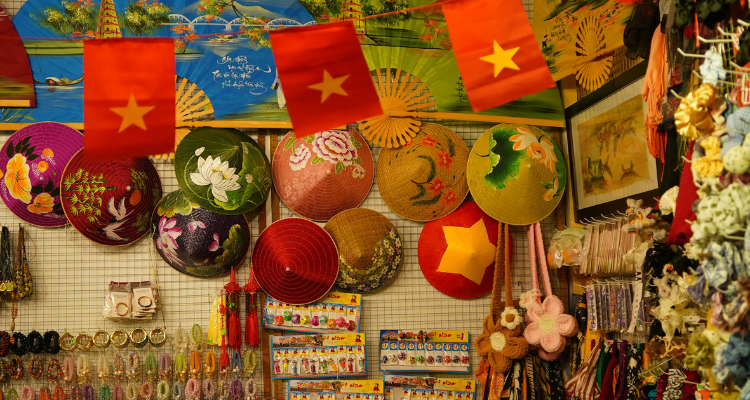
Vietnam’s capital is where many journeys begin—and it’s one of the country’s most captivating cities. Hanoi blends over a thousand years of history with a vibrant modern energy, offering travellers an authentic introduction to Vietnamese culture.
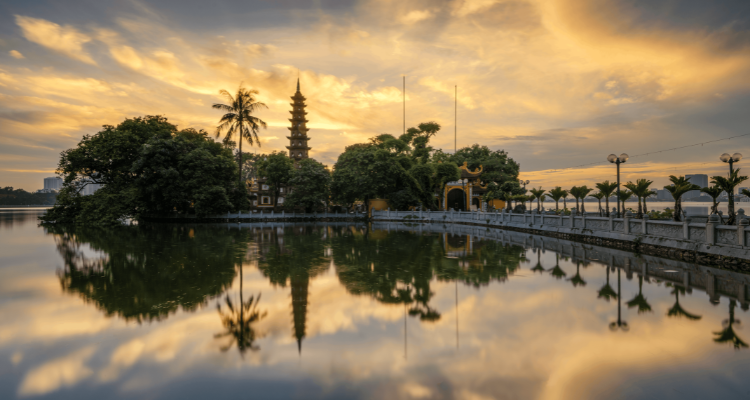
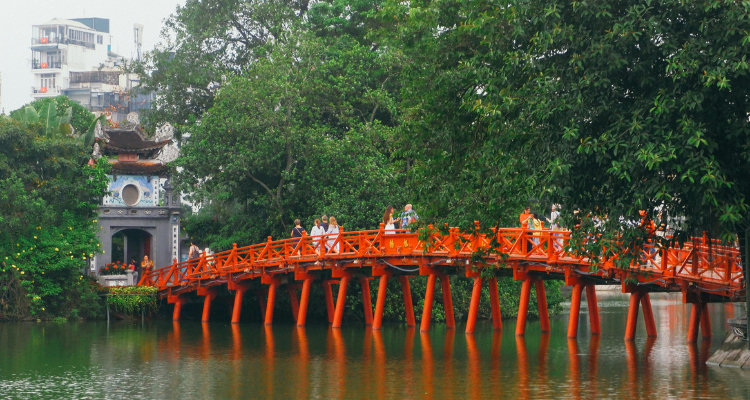
The heart of the city is the Old Quarter, a maze of narrow streets where family-run shops, cafés, and bustling markets have thrived for generations. Just a short walk away lies Hoan Kiem Lake, a peaceful oasis where locals gather for tai chi at sunrise and evening strolls after sunset. History enthusiasts can explore the Temple of Literature, the Ho Chi Minh Mausoleum, and the city’s many French colonial landmarks, while food lovers will find some of Vietnam’s finest street food around every corner.
Hanoi also serves as the perfect gateway to northern Vietnam. From here, travellers can easily continue to Halong Bay, Ninh Binh, or Sapa, making it an ideal starting point for exploring the country’s spectacular northern landscapes.
Read more: Top Things to Do in Hanoi
Key Destinations: The Northern Circuit
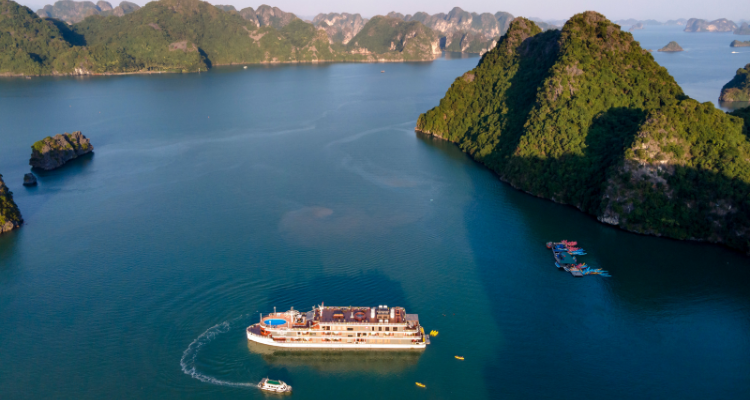
Northern Vietnam is where many travellers fall in love with the country. Combining dramatic natural scenery, traditional villages, and UNESCO-recognised landscapes, this region offers some of Vietnam’s most unforgettable experiences.
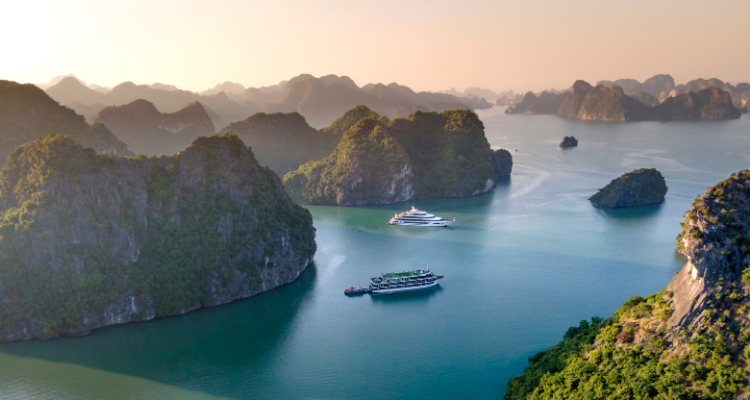
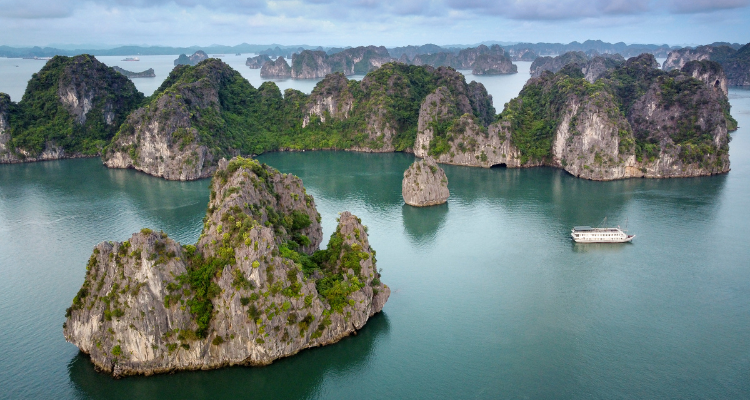
No northern itinerary is complete without Halong Bay, where thousands of limestone islands rise from emerald waters. An overnight cruise allows you to kayak through hidden lagoons, explore caves, and witness spectacular sunrises away from the daytime crowds.
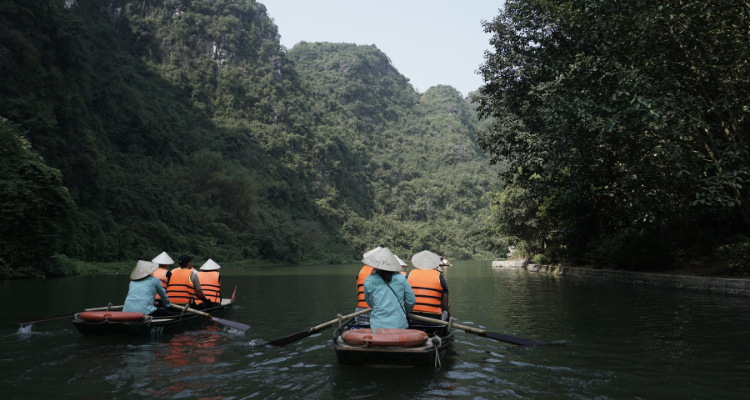
Just a few hours south of Hanoi lies Ninh Binh, often called “Halong Bay on land.” Here, peaceful rivers wind through towering limestone cliffs, ancient temples, and lush rice paddies. A boat ride through Tam Coc or Trang An offers one of Vietnam’s most scenic experiences.
Further north, Sapa showcases a completely different side of Vietnam. Famous for its breathtaking rice terraces, cool mountain climate, and colourful ethnic minority communities, Sapa is ideal for trekking, photography, and cultural encounters.
These destinations are easily combined into a 5–7 day northern circuit before continuing to central or southern Vietnam, creating an itinerary that balances nature, culture, and adventure.
Read more: Hanoi to Halong Bay Guide
Key Destinations: Ho Chi Minh City & the South
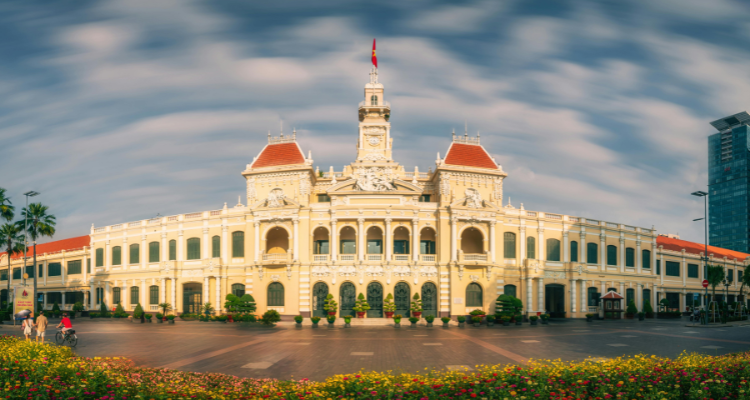
Fast-paced, energetic, and endlessly fascinating, Ho Chi Minh City (formerly Saigon) is Vietnam’s commercial capital and the gateway to the country’s southern region. Skyscrapers stand alongside colonial landmarks, bustling markets, and lively street food districts, creating a city that’s constantly on the move.
Visitors can explore historic sites like the War Remnants Museum, Notre-Dame Cathedral Basilica, and the Central Post Office, or experience local life at the famous Ben Thanh Market. Food lovers will discover countless cafés, rooftop bars, and street vendors serving everything from banh mi to fresh seafood.
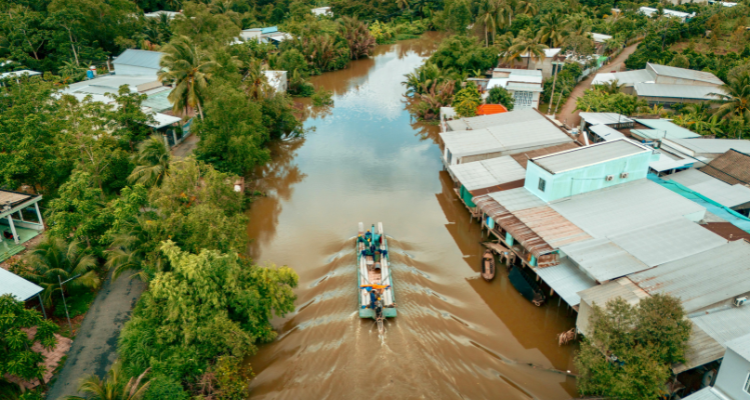
Just outside the city, the remarkable Cu Chi Tunnels offer a fascinating insight into Vietnam’s wartime history, while the nearby Mekong Delta provides a complete contrast with its peaceful waterways, floating markets, fruit orchards, and traditional villages.
Ho Chi Minh City also serves as the main international gateway for travellers exploring southern Vietnam before continuing to beaches, islands, or neighbouring Cambodia.
Read more: Ho Chi Minh City Travel Guide

Key Destinations: Central Vietnam
Central Vietnam is where the country’s rich history, beautiful coastline, and relaxed atmosphere come together. This region is perfect for travellers looking to combine cultural discovery with beach time.
The former imperial capital of Hue is home to the magnificent Imperial Citadel, royal tombs, and centuries-old pagodas that showcase Vietnam’s royal heritage. Just a few hours away lies Hoi An, one of Southeast Asia’s most charming towns. Its beautifully preserved Ancient Town, colourful lanterns, riverside cafés, and tailor shops have earned it UNESCO World Heritage status.
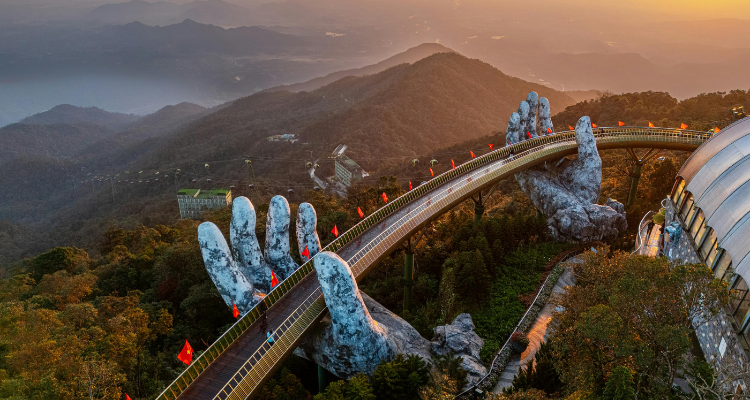
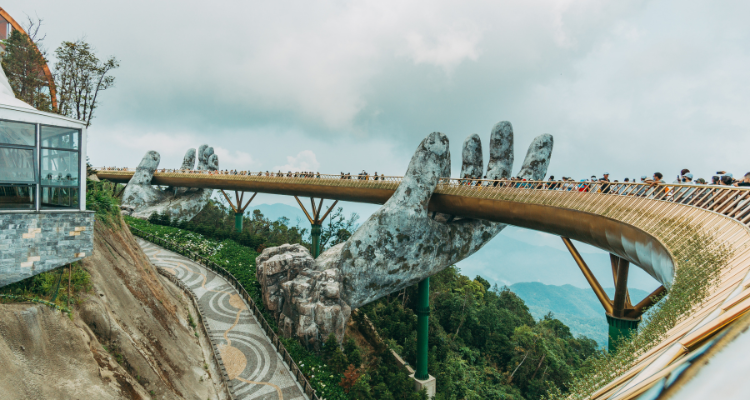
Nearby Da Nang offers a more modern coastal experience with wide sandy beaches, excellent seafood restaurants, and attractions like the famous Golden Bridge at Ba Na Hills and the Marble Mountains.
These three destinations are connected by one of Vietnam’s most scenic coastal drives—the spectacular Hai Van Pass—making it easy to explore them together in a single itinerary.
Read more: Hoi An Ancient Town Travel Guide
Coastal Vietnam: Best Beaches & Islands
Vietnam’s coastline stretches for more than 3,000 kilometres, offering everything from lively beach resorts to secluded tropical islands. Whether you’re looking to relax after sightseeing or enjoy water sports, there’s a destination for every travel style.
Phu Quoc Island is Vietnam’s premier beach destination, known for its crystal-clear waters, luxury resorts, snorkeling, and spectacular sunsets. The best time to visit is November to April, during the dry season.
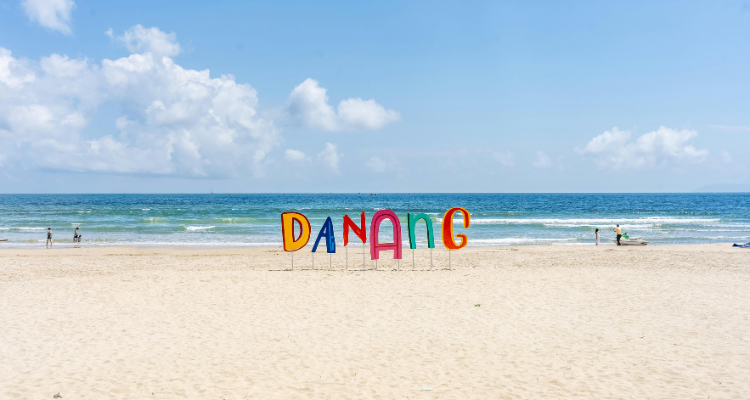
Da Nang’s My Khe Beach combines soft white sand with easy access to Hoi An and Hue, making it ideal for travellers wanting both culture and relaxation. It’s at its best between February and August.
Nha Trang is famous for its lively waterfront, island-hopping excursions, diving, and vibrant nightlife, while the remote Con Dao Islands offer pristine beaches, marine life, and a peaceful atmosphere perfect for those seeking an off-the-beaten-path escape.
Whether you’re planning a few relaxing days or a dedicated beach holiday, Vietnam’s coastline delivers world-class scenery without the crowds found in many neighbouring destinations.
Read more: Best Beaches in Vietnam
Food & Cuisine: Eating Your Way Through Vietnam
Vietnam is one of the world’s great culinary destinations, and every region has its own distinctive flavours and specialties. Exploring the country’s food is as rewarding as visiting its famous landmarks.
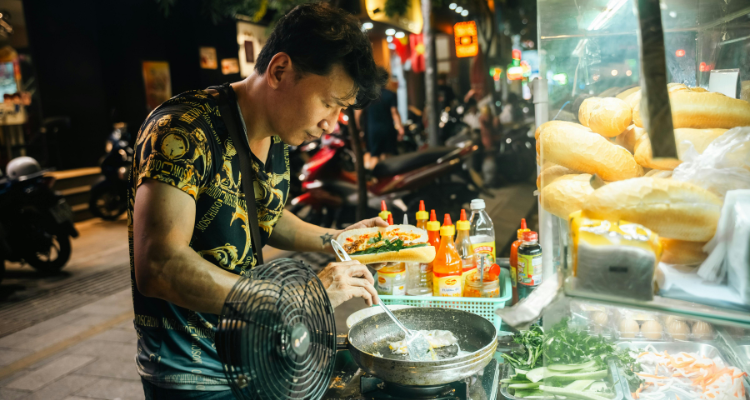
In Hanoi, you’ll find the original pho, savoury bun cha, and rich egg coffee, best enjoyed at family-run eateries tucked away in the Old Quarter. Central Vietnam is known for refined imperial cuisine, including Hoi An’s White Rose dumplings, cao lau noodles, and fresh seafood along the coast.
Further south, Ho Chi Minh City serves a vibrant mix of regional dishes alongside favourites like banh mi, fresh spring rolls, and tropical fruits found in bustling local markets.
Street food is a highlight of every Vietnam itinerary. Look for stalls that are busy with local customers, where food is cooked fresh to order, and don’t hesitate to ask your guide for recommendations. Joining a local food tour or cooking class is one of the best ways to understand Vietnam’s rich culinary traditions.
Read more: Vietnamese Food by Region
Must-Do Experiences in Vietnam
Vietnam offers countless unforgettable experiences, but a few stand out as true bucket-list moments that every traveller should consider.
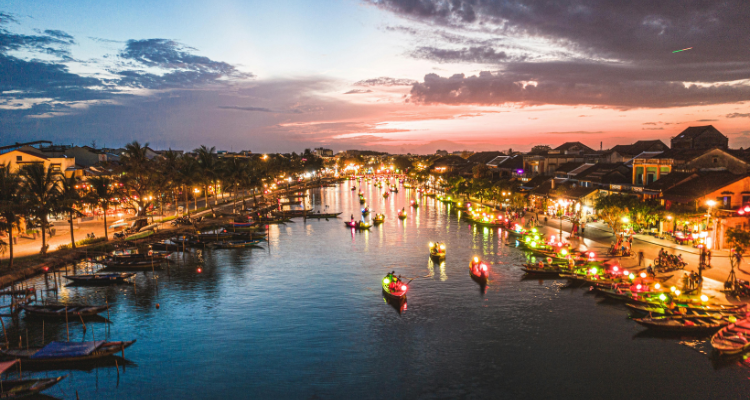
Spend a night cruising through the breathtaking limestone islands of Halong Bay, where sunrise over the emerald waters is an experience you’ll never forget. Wander through Hoi An Ancient Town after dark as thousands of colourful lanterns illuminate the riverside streets and night markets.
Explore Ho Chi Minh City’s vibrant street markets with a local guide, sample authentic Vietnamese street food, and learn the stories behind the city’s fascinating neighbourhoods. In northern Vietnam, trek through Sapa’s spectacular rice terraces, meet ethnic minority communities, and enjoy some of the country’s most dramatic mountain scenery.
For a hands-on cultural experience, join a Vietnamese cooking class, where you’ll visit local markets before learning to prepare traditional dishes using fresh regional ingredients.
These experiences capture the true spirit of Vietnam—combining culture, history, cuisine, nature, and genuine local hospitality into memories that last long after the journey ends.
Read more: Top Experiences in Vietnam
How to Book: Private Tour vs Independent Travel
Vietnam is one of Southeast Asia’s easiest countries to explore independently, thanks to its extensive domestic flight network, affordable transport, and excellent accommodation options. If you’re a confident traveller with plenty of time, independent travel offers flexibility and can be a rewarding way to experience the country at your own pace.
However, planning a trip that covers multiple regions—from Hanoi and Halong Bay to Hoi An, Hue, Ho Chi Minh City, and the Mekong Delta—requires coordinating hotels, flights, transfers, activities, and local transportation. During peak travel periods, this can quickly become time-consuming and stressful.
A private guided tour removes those logistical challenges while giving you far more flexibility than a standard group tour. Your itinerary is built around your interests, travel dates, and preferred pace. You’ll have a dedicated local guide, private transportation, carefully selected accommodations, and the freedom to spend more time where you want without following a rigid schedule.
Private tours are particularly valuable for first-time visitors, couples, families, and anyone travelling for 10 days or longer. They also provide access to authentic local experiences—such as family-run cooking classes, countryside villages, or early morning floating markets—that can be difficult to arrange independently.
At Acqua Travel, every Vietnam itinerary is customised from the ground up. Rather than offering one-size-fits-all packages, our specialists work with you to create a journey that reflects your travel style, whether that’s a cultural adventure, culinary journey, luxury escape, or active holiday.
If you’re deciding between different travel styles, read our guide on private vs group Vietnam tours — which suits you? to find the option that’s right for your next adventure.
Frequently Asked Questions
Is Vietnam a good destination for first-time visitors to Asia?
Absolutely. Vietnam is one of the best introductions to Asia thanks to its welcoming culture, excellent tourism infrastructure, incredible food, and great value for money. English is commonly spoken in major tourist areas, transportation is straightforward, and travellers can experience everything from bustling cities and ancient towns to beaches, mountains, and UNESCO World Heritage Sites in a single trip.
How long does a Vietnam trip take?
For most travellers, 14 days is the ideal length to experience Vietnam comfortably. A 10-day Vietnam itinerary covers the major highlights, including Hanoi, Halong Bay, Hoi An, and Ho Chi Minh City. With 21 days, you can explore additional destinations like Sapa, the Mekong Delta, Phong Nha, or enjoy extra time relaxing on Vietnam’s beautiful beaches.
How much does a Vietnam holiday cost?
Vietnam caters to almost every budget. A comfortable mid-range 14-day trip generally costs around US$1,800–3,000 per person (excluding international flights), while budget travellers can spend considerably less. A private guided itinerary with Acqua Travel typically starts from around US$3,500 per person, including accommodation, transportation, guided sightseeing, and seamless logistics throughout the journey.
Do I need a visa to visit Vietnam?
Many international travellers are eligible for Vietnam’s convenient e-visa, which allows stays of up to 90 days. Applications are completed online before departure and are usually processed within a few business days. Visa policies vary by nationality and are updated periodically, so it’s important to check the latest Vietnam Visa requirements before booking your trip.
What is the best time to visit Vietnam?
Because Vietnam spans three climate zones, weather varies across the country. For a classic north-to-south itinerary, February through April is the Best Time to visit Vietnam as it generally offers the best overall conditions. Northern Vietnam is especially pleasant in spring and autumn, Central Vietnam enjoys its best beach weather from February to August, while Southern Vietnam is driest between December and April.
Is it better to travel Vietnam independently or with a tour?
Independent travel works well for confident travellers following Vietnam’s main tourist route. However, a private guided tour offers greater convenience, local insight, and flexibility, especially when visiting destinations like Halong Bay, Hue, and the Mekong Delta. It also removes the stress of coordinating transportation, hotels, and sightseeing across multiple regions.
What are the must-see places in Vietnam?
Every first-time itinerary should include Hanoi, Halong Bay, Hoi An, Ho Chi Minh City, and Sapa. Together, these destinations showcase Vietnam’s rich history, spectacular natural landscapes, vibrant street life, delicious cuisine, and diverse regional cultures. Adding the Mekong Delta provides an authentic glimpse into rural life and Vietnam’s famous floating markets.
Is Vietnam safe to travel to?
Yes. Vietnam is widely regarded as one of Southeast Asia’s safest destinations for international travellers. Violent crime involving tourists is uncommon. The most common issues are petty theft in busy tourist areas and navigating traffic in larger cities. With normal travel precautions, Vietnam is an excellent destination for couples, solo travellers, and families alike.
How do I get around Vietnam?
Vietnam’s excellent domestic flight network is the fastest way to travel between major regions such as Hanoi, Da Nang, and Ho Chi Minh City. Scenic train journeys are popular for selected routes, while private tours include dedicated transportation throughout your trip. Budget travellers can also use the country’s extensive sleeper bus network, although journeys can be considerably longer.
Ready to Plan Your Vietnam Trip?
You’ve explored the destinations, learned the best times to visit, compared itineraries, estimated your budget, and discovered what makes Vietnam one of Asia’s most rewarding destinations.
Now let our Vietnam specialists turn those ideas into a seamless, personalised journey. Whether you’re dreaming of cruising through Halong Bay, wandering the lantern-lit streets of Hoi An, trekking the rice terraces of Sapa, or waking up beside the waterways of the Mekong Delta, we’ll build an itinerary tailored to your travel dates, interests, pace, and budget.
From boutique hotels and private guides to transportation, sightseeing, and local experiences, we take care of every detail—so all you have to do is enjoy the journey.