
China vs Japan Tour: Which Is Better Value & Easier to Plan?
If you’re comparing a China vs Japan tour, you’re already asking the right question. Both countries offer world-class history, unforgettable cuisine, spectacular landscapes, and rich cultural traditions, but they deliver completely different travel experiences. Whether you’re focused on value, ease of planning, or iconic sights, understanding the differences helps you choose the destination that best matches your travel style. Here’s a quick side-by-side comparison before we dive into the details.
Check out our comprehensive travel guide to booking the Best China Tour packages
| Category | China | Japan |
|---|---|---|
| Average Trip Cost | Better overall value with lower accommodation, transport, and dining costs | Higher overall travel costs, particularly for hotels and long-distance transport |
| Visa & Entry | Requirements vary by nationality, with an increasing number of visa-free and visa-simplified policies | Straightforward entry for many major markets with visa-free access for numerous nationalities |
| Language Barrier | English is less widely spoken outside major tourist centres, making guided tours especially valuable | English signage is common in cities and transport hubs, though conversational English is still limited |
| Crowd Levels | Vast attractions and diverse regions mean it’s easier to find less-crowded experiences beyond the major highlights | Popular attractions such as Kyoto and Tokyo are busy throughout much of the year, especially during cherry blossom and autumn seasons |
| Best For | History lovers, cultural explorers, value-conscious travellers, and those seeking diverse landscapes | First-time visitors to East Asia, food enthusiasts, modern city lovers, and travellers interested in traditional Japanese culture |
Both countries deserve a place on every traveller’s bucket list, but they appeal to different priorities. When comparing China vs Japan travel, Japan is often the easier destination for first-time international visitors thanks to its seamless transport system and familiar tourist infrastructure. China, however, consistently delivers exceptional value, greater geographic diversity, and some of the world’s most significant historical landmarks at a lower overall cost. Rather than asking which destination is objectively better, the real question is what kind of journey you want. Throughout this guide, we’ll compare every major factor, from cost and safety to planning, seasonal travel, and iconic experiences, to help you confidently decide which destination deserves your next adventure.
Cost Comparison: Is China Cheaper Than Japan?
For many travelers comparing a China vs Japan tour, budget plays a major role in the decision. So, is China cheaper than Japan to visit? In most cases, yes. While international flight prices can be similar depending on your departure city and season, China generally offers better value once you arrive. Hotels, domestic transportation, guided sightseeing, and dining all tend to cost less than their equivalents in Japan, allowing travelers to enjoy a more premium experience without stretching their budget.
Here’s a like-for-like comparison of average travel costs.
| Expense | China | Japan |
|---|---|---|
| International Flights | Comparable depending on season and departure city | Comparable depending on season and departure city |
| Budget Hotel | USD $40–70 per night | USD $70–120 per night |
| Mid-range Hotel | USD $80–150 per night | USD $140–250 per night |
| Luxury Hotel | USD $180–350+ per night | USD $300–600+ per night |
| Meals | USD $5–20 for excellent local dining | USD $10–35 for similar quality meals |
| Domestic Transport | High-speed rail and domestic flights are excellent value | Efficient rail network but intercity travel can be expensive without rail passes |
| Guided Tours & Attractions | Generally lower entrance fees and tour costs | Higher attraction fees and premium guided experiences |
Accommodation is one of the biggest cost differences. In China’s major cities—including Beijing, Shanghai, Xi’an, and Chengdu- you can often book comfortable four-star hotels for what a three-star property might cost in central Tokyo or Kyoto. Luxury hotels also offer excellent value, making premium travel more accessible.
Food is another area where China stands out. Whether you’re sampling hand-pulled noodles in Xi’an, dim sum in Guangzhou, or Peking duck in Beijing, high-quality local meals are remarkably affordable. Japan certainly offers incredible cuisine, but dining costs—particularly in major cities—are generally higher.
Transportation is where both countries excel, although in different ways. Japan’s Shinkansen is famous for its speed and reliability, but multiple long-distance train journeys can significantly increase your overall travel budget unless you’re using a rail pass. China, meanwhile, combines one of the world’s largest high-speed rail networks with highly competitive domestic flight prices, making it surprisingly affordable to cover large distances between destinations such as Beijing, Zhangjiajie, Guilin, Chengdu, and Shanghai.
When it comes to organised holidays, both destinations offer excellent guided experiences. However, China’s lower operating costs often translate into more inclusions for the same overall budget. Travelers can frequently enjoy higher-category hotels, additional sightseeing, and more comprehensive itineraries without paying the premium typically associated with similar tours in Japan.
If your priority is stretching your travel budget while still experiencing world-class history, spectacular landscapes, and unforgettable cultural experiences, the answer to is China cheaper than Japan to visit is generally yes. While Japan delivers outstanding quality and efficiency, China often provides greater value for every dollar spent, particularly on longer multi-city tours.

Safety: Is China as Safe as Japan to Visit?
Safety is one of the first questions travelers ask when comparing destinations, and it’s an important one. While Japan has long enjoyed a reputation as one of the safest countries in the world, China is also considered a very safe destination for tourists, particularly across its well-established tourism circuit. If you’re wondering which is easier to visit China or Japan, safety shouldn’t be the deciding factor—both countries offer secure and welcoming experiences when you follow standard travel precautions.
| Safety Factor | China | Japan |
|---|---|---|
| Violent Crime | Very low in tourist areas | Extremely low |
| Petty Theft | Uncommon but possible in crowded attractions | Rare |
| Solo Travel | Safe with sensible precautions | One of the world’s safest solo travel destinations |
| Public Transport | Safe, modern, and heavily used | Exceptionally safe and efficient |
| Tourist Scams | Occasional at popular attractions and markets | Minimal, though isolated cases exist in busy tourist districts |
For most visitors, China feels remarkably safe. Major destinations such as Beijing, Shanghai, Xi’an, Guilin, Chengdu, Hangzhou, and Zhangjiajie have well-developed tourism infrastructure, visible security, and reliable public transportation. Violent crime involving tourists is extremely rare, and many travelers comment on feeling comfortable exploring during both the day and evening.
Japan continues to set the global benchmark for public safety. Visitors frequently praise its spotless streets, respectful culture, dependable transport network, and the confidence of walking through major cities late at night. However, the difference between the two destinations is often smaller than first-time travelers expect.
Like any popular tourist destination, both countries require common-sense precautions. Stay aware of your belongings in crowded markets and transport hubs, use licensed transportation, and be cautious of unofficial tour offers or overly persistent vendors around major attractions. In China, having a local guide can also help bridge language barriers and make navigating unfamiliar destinations even more comfortable.
Political discussions and internet regulations in China often receive international attention, but these issues rarely affect tourists following standard sightseeing itineraries. Travelers visiting cultural landmarks, national parks, and major cities generally experience smooth, well-organised holidays.
If you’d like a more detailed comparison covering solo travel, local customs, and practical safety advice, read our guide on is China safe to visit compared to Japan?
Ultimately, both countries are excellent choices from a safety perspective. Japan may hold a slight advantage in global perception, but China remains a secure destination for visitors exploring its major tourist regions, especially when travelling on a professionally organised tour.

Value for Money: Which Destination Gives You More?
Price is only one part of the equation. When comparing a China vs Japan tour, it’s equally important to consider what you actually receive for your money. The real question isn’t simply how much you’ll spend, it’s how many memorable experiences, cultural encounters, and iconic landmarks you’ll enjoy for that investment.
China consistently offers exceptional value because of its sheer scale and diversity. A single itinerary can take you from the imperial grandeur of Beijing’s Forbidden City to the engineering marvel of the Great Wall, the ancient Terracotta Army in Xi’an, the dramatic limestone peaks of Guilin, and the futuristic skyline of Shanghai. Few countries allow you to experience so many distinct landscapes, cuisines, and historical eras within one trip.
Japan, on the other hand, delivers value through refinement rather than variety. Its world-renowned hospitality, immaculate cities, seamless transport network, and deep cultural traditions create an incredibly polished travel experience. From walking beneath Kyoto’s vermilion torii gates to riding the Shinkansen or dining at a tiny Michelin-starred ramen restaurant, every detail feels thoughtfully curated. The experience is outstanding but it often comes at a higher price.
Another important difference is crowd levels. Japan’s most famous attractions, particularly during cherry blossom and autumn foliage seasons, can become extremely busy. China certainly has peak travel periods as well, but its vast geography offers many opportunities to enjoy remarkable historical sites, mountain landscapes, and cultural experiences without feeling constantly surrounded by visitors. Private and small-group tours also make it easier to explore lesser-known locations that many independent travellers never discover.
Accommodation is another area where China offers stronger value. The same budget that secures a comfortable mid-range hotel in Japan can often provide a luxury stay in China, allowing travelers to upgrade their overall experience without dramatically increasing costs.
This doesn’t mean one destination is objectively better than the other. Japan excels in efficiency, hospitality, and culinary excellence, while China offers extraordinary historical depth, geographical diversity, and excellent affordability. For travelers looking to maximize experiences without significantly increasing their budget, China often delivers more travel value per dollar spent.
If you’re weighing the overall return on your travel investment, our guide on is a China tour worth the cost vs Japan? explores the comparison in greater detail and helps you decide which destination best aligns with your budget, interests, and travel goals.
Planning Complexity: Visas, Language & Getting Around
For many travellers deciding between a China vs Japan tour, planning can feel just as important as the destination itself. If you’re asking which is easier to visit China or Japan, the honest answer is that Japan is generally simpler for first-time visitors, while China becomes remarkably straightforward when you travel on a well-organised guided tour.
Visa Requirements
Entry requirements vary depending on your nationality, so it’s always worth checking the latest government guidance before booking.
- United States: Japan offers visa-free entry for short tourist visits. China has expanded visa policies for many nationalities, but requirements can change, so travellers should verify the latest rules before departure.
- United Kingdom: Japan allows visa-free short stays. China has recently introduced visa-free entry for several European countries and continues to update its visa policies, making travel significantly easier than many people expect.
- Australia: Australian travellers can generally enter Japan without a visa for short visits. China’s entry requirements continue to evolve, with simplified visa procedures and temporary visa-free initiatives introduced for selected passport holders.
Callout: China’s Visa Policies
China has expanded its visa-free and simplified entry programmes for an increasing number of countries. Before travelling, always check the latest official list of eligible nationalities and entry conditions, as these policies are updated periodically.
Language Barrier
Language is another common concern. Japan has invested heavily in English-language signage, particularly across major cities, airports, railway stations, and popular attractions. Ordering food, using public transport, and navigating tourist areas is generally straightforward, even without speaking Japanese.
China presents a slightly steeper learning curve. English is less commonly spoken outside international hotels and major tourist attractions, and many local apps, menus, and transport systems primarily operate in Mandarin. Translation apps are extremely helpful, but this is also where guided tours add tremendous value. Having a local guide removes communication barriers entirely while providing historical context and cultural insights that independent travellers often miss.
Getting Around
Both countries have outstanding transportation systems, but they work differently.
Japan’s famous Shinkansen network is renowned for its speed, punctuality, and efficiency, making travel between cities like Tokyo, Kyoto, and Osaka effortless. China’s high-speed rail system is equally impressive, connecting destinations such as Beijing, Xi’an, Shanghai, Guilin, and Chengdu at competitive prices. In addition, affordable domestic flights make travelling across China’s vast geography surprisingly convenient.
Independent travel is certainly possible in both countries. However, coordinating train tickets, flights, hotels, transfers, and local transportation across multiple Chinese cities requires more planning than many first-time visitors anticipate. A guided tour simplifies the entire experience by managing every logistical detail, allowing travellers to focus on the journey rather than the administration.
So, which is easier to visit China or Japan? Japan remains the easier destination for independent travellers, while China offers a richer and equally rewarding experience when explored through a professionally organised tour that removes the complexity of planning.

When to Go: Seasonal Timing for China vs Japan
Choosing the right season can completely shape your travel experience. Both China and Japan offer spectacular scenery throughout the year, but each destination shines in different ways depending on the season. If your schedule is flexible, knowing the Best Time to Visit China, and timing your trip around the weather, crowds, and seasonal highlights will help you get the most from your holiday.
Spring (March–May)
Spring is Japan’s most famous travel season, with cherry blossoms transforming cities such as Tokyo, Kyoto, and Osaka into breathtaking landscapes of pink and white. Parks, temples, and riversides become some of the country’s most photographed locations, attracting visitors from around the world. While undeniably beautiful, this is also Japan’s busiest travel period, so hotels and flights should be booked several months in advance.
China also enjoys mild spring weather, making it an excellent time to explore destinations such as Beijing, Xi’an, Guilin, and Hangzhou before the summer crowds arrive. Gardens bloom, temperatures remain comfortable, and sightseeing is generally more relaxed. For a detailed month-by-month overview, read the best time to visit China — seasonal guide.
Autumn (September–November)
For many experienced travellers, autumn is China’s finest season. Cooler temperatures and clear skies create ideal conditions for visiting the Great Wall, Zhangjiajie National Forest Park, Jiuzhaigou Valley, and the colourful landscapes surrounding Beijing. The combination of comfortable weather and fewer international tourists makes autumn one of the best times to experience China’s natural beauty.
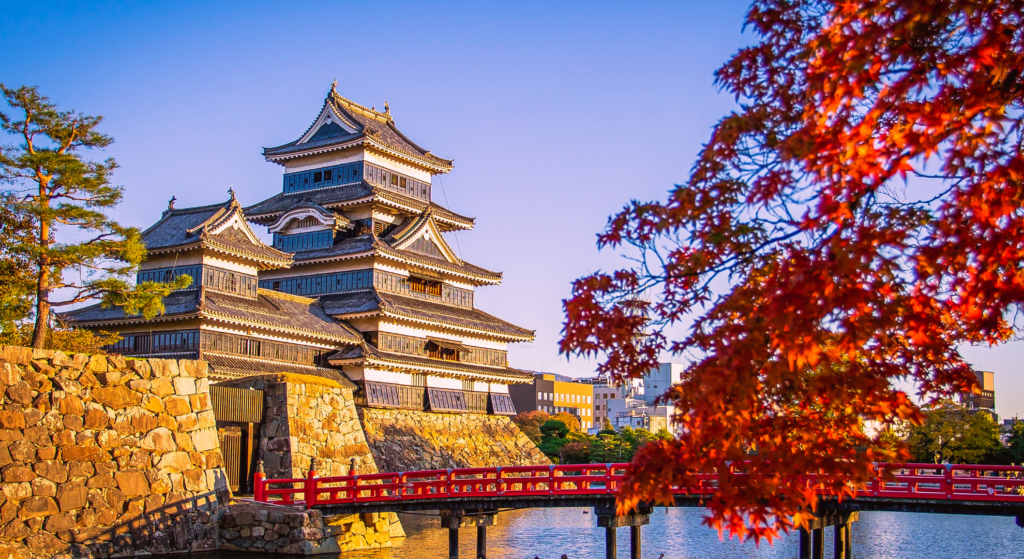
Japan is equally stunning during this period. Kyoto’s temples and gardens are surrounded by brilliant red and golden maple leaves, while Tokyo’s parks and nearby destinations like Nikko showcase spectacular autumn colours. Although popular attractions remain busy, the crowds are often slightly lighter than during cherry blossom season.
Summer (June–August)
Summer brings hot, humid conditions to both countries. Japan’s famous festivals, fireworks displays, and cultural celebrations create a lively atmosphere, but high temperatures can make sightseeing challenging. China experiences similar heat, with some southern regions also seeing periods of heavy rainfall. If you’re comfortable travelling in warmer weather, you’ll still enjoy vibrant local festivals and longer daylight hours.
Winter (December–February)
Winter offers a different perspective on both destinations. Japan attracts visitors with snow-covered temples, seasonal illuminations, and nearby ski resorts, while major cities like Tokyo remain relatively mild and easy to explore. China experiences colder conditions in the north, particularly around Beijing and Harbin, where visitors can enjoy snow festivals, frozen landscapes, and significantly fewer crowds at major historical attractions. Hotel rates are often lower in both countries, making winter an excellent value season.
Overall, Japan is best known for its spring cherry blossoms, while China arguably reaches its peak during autumn, when comfortable temperatures and dramatic scenery combine to create ideal touring conditions. Your perfect travel season ultimately depends on whether you’re seeking iconic blossoms, colourful foliage, winter festivals, or quieter sightseeing with fewer crowds.
What You’ll See: Iconic Experiences Side by Side
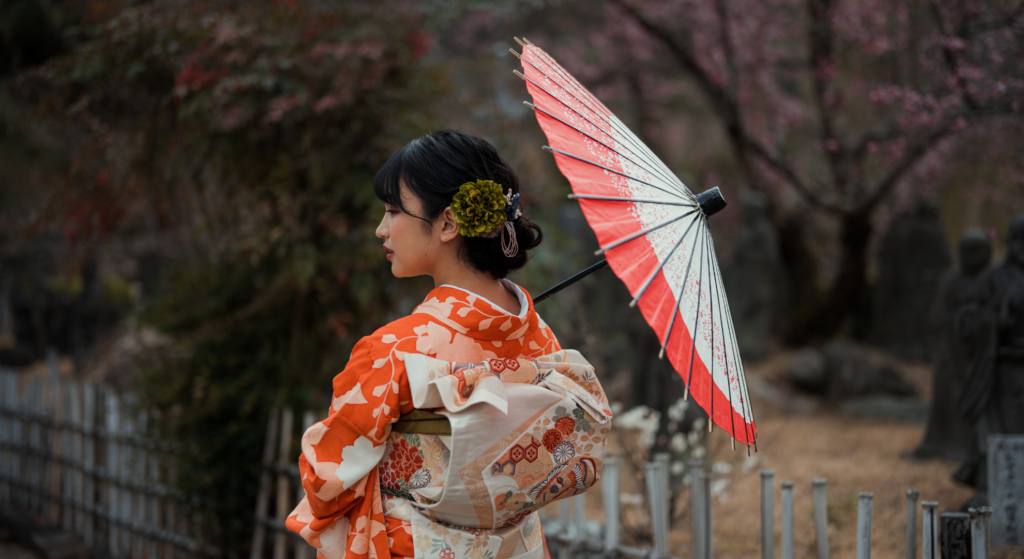
One of the biggest differences in the China vs Japan travel debate comes down to the experiences each destination offers. Both countries are rich in history, culture, and natural beauty, but they leave visitors with very different memories. China impresses with its monumental scale, ancient dynasties, and dramatic landscapes, while Japan captivates through refined traditions, vibrant cities, and timeless cultural rituals.
Here’s how the highlights compare.
| China | Japan |
|---|---|
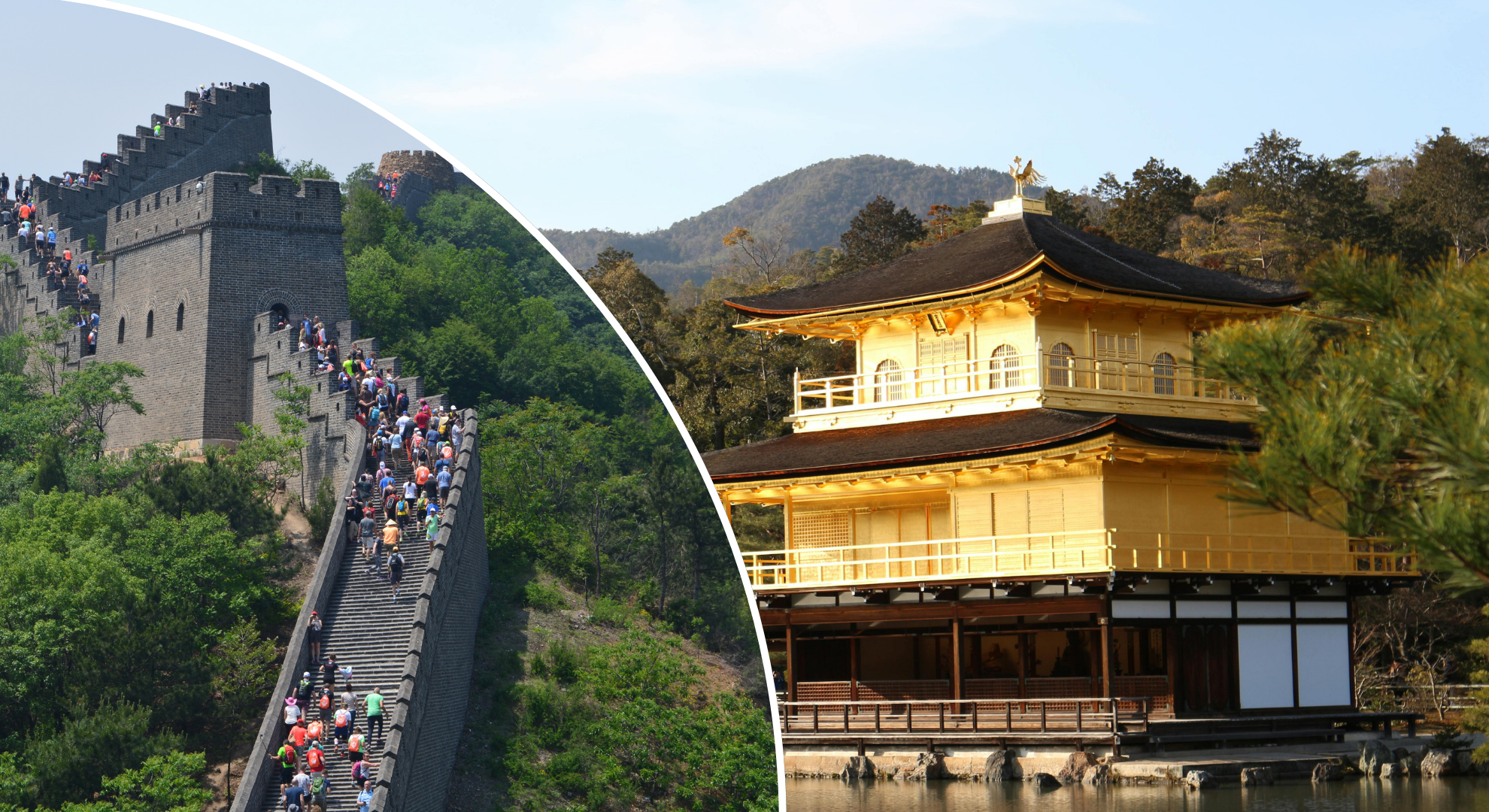
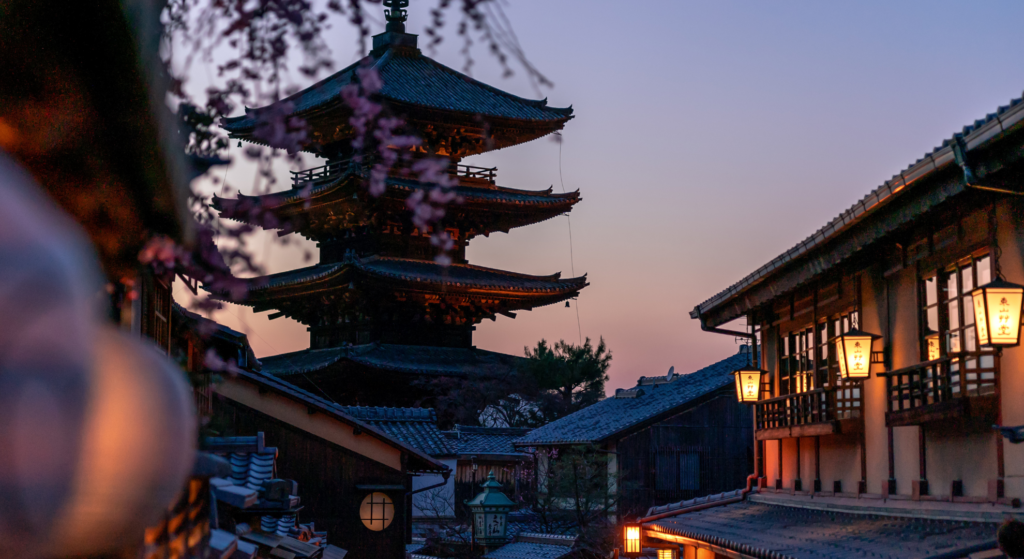
| Walk the Great Wall of China, one of the world’s greatest engineering achievements | Wander through Kyoto’s iconic temples, including Fushimi Inari Shrine and Kinkaku-ji |
| Explore the Forbidden City in Beijing, home to 24 emperors across nearly 500 years | Experience the energy of Tokyo, from Shibuya Crossing to the historic streets of Asakusa |
| Cruise along the breathtaking Li River between Guilin and Yangshuo | Admire the beauty of Mount Fuji from Hakone or the Fuji Five Lakes region |
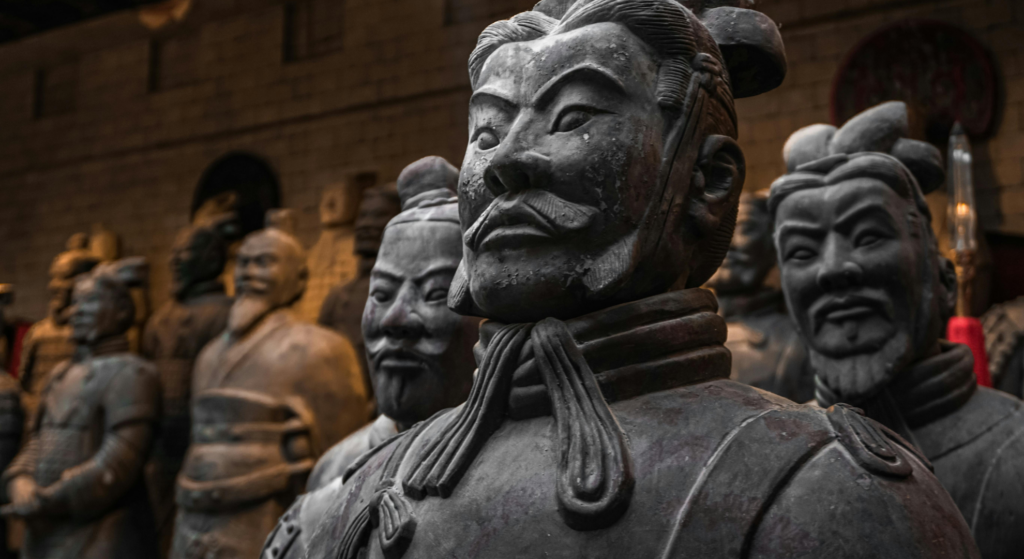
| Stand before the remarkable Terracotta Army in Xi’an, one of archaeology’s greatest discoveries | Visit Hiroshima’s Peace Memorial Park and Museum, reflecting on one of history’s defining moments |
| Discover the surreal sandstone pillars of Zhangjiajie National Forest Park, the inspiration behind the floating mountains in Avatar | Ride the world-famous Shinkansen bullet train between Japan’s major cities |
China’s attractions often feel epic in every sense of the word. The Great Wall stretches across mountains for thousands of kilometres, the Forbidden City covers an enormous imperial complex, and the Terracotta Army reveals thousands of life-sized warriors buried for more than two millennia. Add to that the natural beauty of Guilin’s karst mountains and Zhangjiajie’s towering sandstone peaks, and it’s easy to see why China rewards travellers who enjoy variety and dramatic scenery.
Japan offers a different kind of magic. Rather than overwhelming visitors with sheer size, it focuses on atmosphere and detail. A quiet morning at a centuries-old temple, a traditional tea ceremony in Kyoto, the flawless efficiency of the Shinkansen, or watching Mount Fuji emerge through the clouds all create deeply memorable experiences. Even Tokyo’s futuristic skyline exists alongside peaceful gardens and centuries-old shrines, giving the country an extraordinary balance between old and new.
Food is another defining part of both destinations. China invites travellers to discover the distinct flavours of each region—from spicy Sichuan cuisine and Cantonese dim sum to Beijing’s famous Peking duck and Xi’an’s hand-pulled noodles, which are some of the Best things to Eat in China. Japan’s culinary culture is equally celebrated, with sushi, ramen, yakitori, tempura, kaiseki dining, and regional specialities offering unforgettable meals throughout the country.
Ultimately, the choice depends on the kind of journey you want. If you’re drawn to grand historical landmarks, vast natural landscapes, and incredible diversity, China delivers an unmatched range of experiences. If you prefer elegant traditions, meticulously preserved culture, world-class cities, and seamless travel, Japan remains one of the most rewarding destinations on Earth. Many experienced travellers eventually visit both and come away appreciating how each country offers a completely different perspective on East Asia.

Sample Itineraries: 10 Days in China vs 10 Days in Japan
If you’re still deciding between a China vs Japan tour, it helps to picture what a typical journey actually looks like. Both countries can comfortably fill a 10-day holiday, but the pace, experiences, and logistics are quite different. China rewards travellers with incredible regional diversity and monumental historical sites, while Japan delivers a seamless blend of modern cities, cultural landmarks, and efficient transport.
10 Days in China
Here’s how a 10 day China Itinerary looks like !
Days 1–3: Beijing –> Beijing Travel Guide
Begin your journey in China’s capital by exploring the Forbidden City, Tiananmen Square, and the Temple of Heaven. Dedicate a full day to walking the magnificent Great Wall of China, one of the country’s most unforgettable experiences, and the Best Places to visit in China.
Days 4–5: Xi’an
Travel to Xi’an to see the world-famous Terracotta Army, cycle along the ancient City Wall, and wander through the lively Muslim Quarter, known for its vibrant street food and cultural heritage.
Days 6–7: Guilin & Yangshuo
Fly south to Guilin for a scenic cruise along the Li River, surrounded by dramatic limestone peaks. Spend time exploring the relaxed countryside and charming villages of Yangshuo.
Days 8–10: Shanghai –> Shanghai Travel Guide
Finish in Shanghai, where futuristic skyscrapers stand beside colonial architecture along the Bund. Visit Yu Garden, experience the city’s renowned dining scene, and enjoy panoramic views from one of its iconic observation decks.

10 Days in Japan
Here’s how a 10 Day Japan Itinerary looks like !
Days 1–3: Tokyo
Discover the many personalities of Japan’s capital, from the historic streets of Asakusa and Meiji Shrine to Shibuya Crossing, Harajuku, and the city’s incredible food scene.
Days 4–6: Kyoto
Travel by Shinkansen to Kyoto and immerse yourself in traditional Japan. Visit Fushimi Inari Shrine, Kinkaku-ji (Golden Pavilion), Arashiyama Bamboo Grove, and the historic Gion district.
Days 7–8: Osaka
Continue to Osaka to experience Dotonbori, Osaka Castle, Kuromon Market, and some of Japan’s most famous street food.
Days 9–10: Day Trip & Departure
Choose a memorable day trip to Nara, home to the famous deer park and Todai-ji Temple, or visit Hakone for spectacular views of Mount Fuji before departing for home.
Both itineraries showcase the very best each country has to offer. China’s route covers imperial history, breathtaking natural landscapes, and vibrant modern cities across vast distances, while Japan focuses on cultural immersion, efficient travel, and a perfect balance between tradition and innovation.
If you’d like to compare routes in greater detail before deciding, explore a 10-day China itinerary vs Japan options. Whether you’re leaning toward one destination or considering a China Japan combined tour in the future, seeing a day-by-day itinerary makes it much easier to choose the journey that best matches your travel style.
China or Japan First? Our Verdict
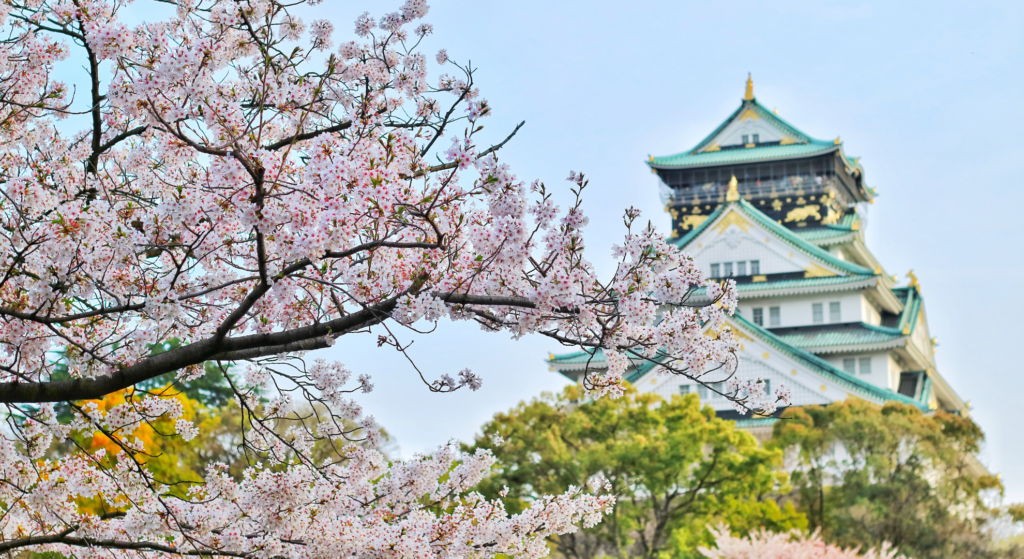
Choosing between a China vs Japan tour isn’t about finding a better destination—it’s about finding the destination that best matches your interests, travel style, and budget. Both countries offer unforgettable experiences, but they shine in different ways. If you’re wondering China or Japan for first time, here’s our recommendation based on the type of traveller you are.
- For first-time visitors to East Asia: Japan is often the easier introduction. Its highly efficient transport network, widespread tourist infrastructure, and familiar travel systems make independent exploration simple and stress-free.
- For culture and history enthusiasts: China is difficult to beat. From the Great Wall and Forbidden City to the Terracotta Army and ancient Silk Road cities, the country offers thousands of years of history on a remarkable scale.
- For budget-conscious travellers: China generally provides stronger value. Accommodation, dining, internal transport, and guided tours are typically more affordable, allowing you to experience more while spending less.
- For luxury travellers: Both destinations excel, but in different ways. Japan is renowned for refined hospitality, ryokans, Michelin-starred dining, and meticulous service. China offers exceptional luxury hotels, exclusive cultural experiences, and premium private touring at surprisingly competitive prices.
- For travellers seeking variety: China’s immense size means every region feels like a completely different destination. You can experience imperial capitals, futuristic skylines, dramatic mountain landscapes, peaceful river cruises, and diverse regional cuisines—all within a single itinerary.
So, China or Japan for first time? If you’re looking for the easiest independent holiday with flawless infrastructure, Japan is an outstanding choice. However, if your priority is maximising value, discovering extraordinary history, and experiencing incredible diversity, China often delivers a richer journey for the investment.
Ultimately, there’s no wrong decision—many seasoned travellers visit both. But if you’re ready to book your next adventure, the best approach is to choose the destination that aligns with what excites you most today.
Ready to Start Planning?
Whether you’re drawn to China’s ancient wonders or Japan’s timeless traditions, choosing the right itinerary makes all the difference.
Explore China as you browse custom China tour packages
Discover expertly designed itineraries featuring iconic landmarks, authentic cultural experiences, comfortable accommodation, and seamless travel planning across China’s most remarkable destinations.
Explore Japan as you browse custom Japan tour packages
Experience Japan’s vibrant cities, historic temples, scenic landscapes, and world-famous hospitality with thoughtfully curated tours designed to help you make the most of every day.